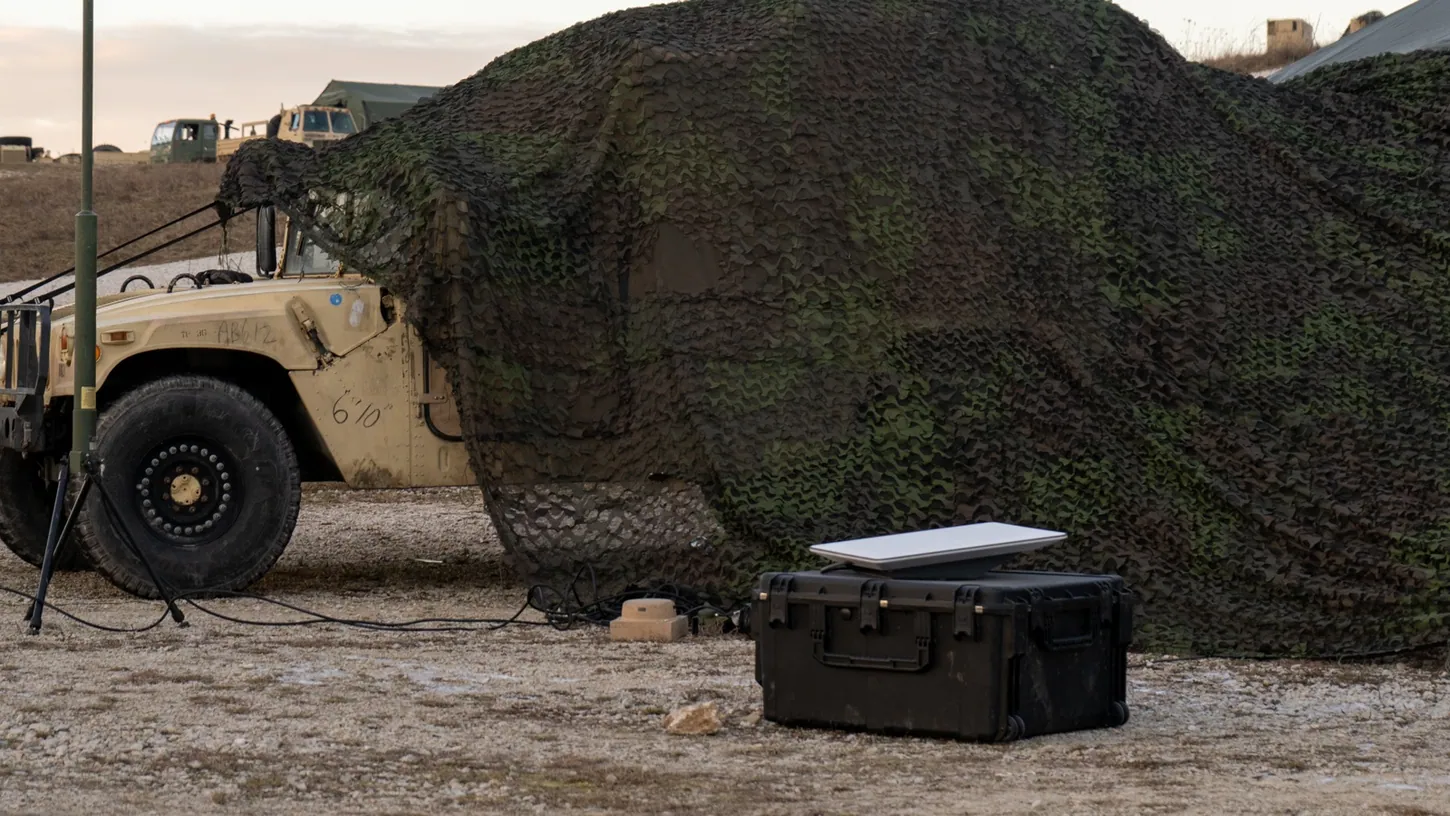
The Wall Street Journal reported Tuesday, citing U.S. officials and people familiar with the matter, that Elon Musk ordered the slowdown of Starshield, the military-grade Starlink service Ukraine’s drone units depend on. The slowdown began October 14, the Journal reported. Its sources say the cap left some of Ukraine’s strike drones and interceptor drones virtually useless.
That same day, replying to Mykhailo Fedorov on X, Musk wrote that Starshield is owned and controlled by the U.S. government and that “any limits on speed or usage are decided by the US military and ultimately POTUS.” Last Thursday, Reuters, citing two U.S. officials and a Western official, reported that the order came from inside the White House. A senior U.S. official told Reuters the president never made such a request.
Musk Talked to Trump About the Cap, Two of the Journal’s Sources Say
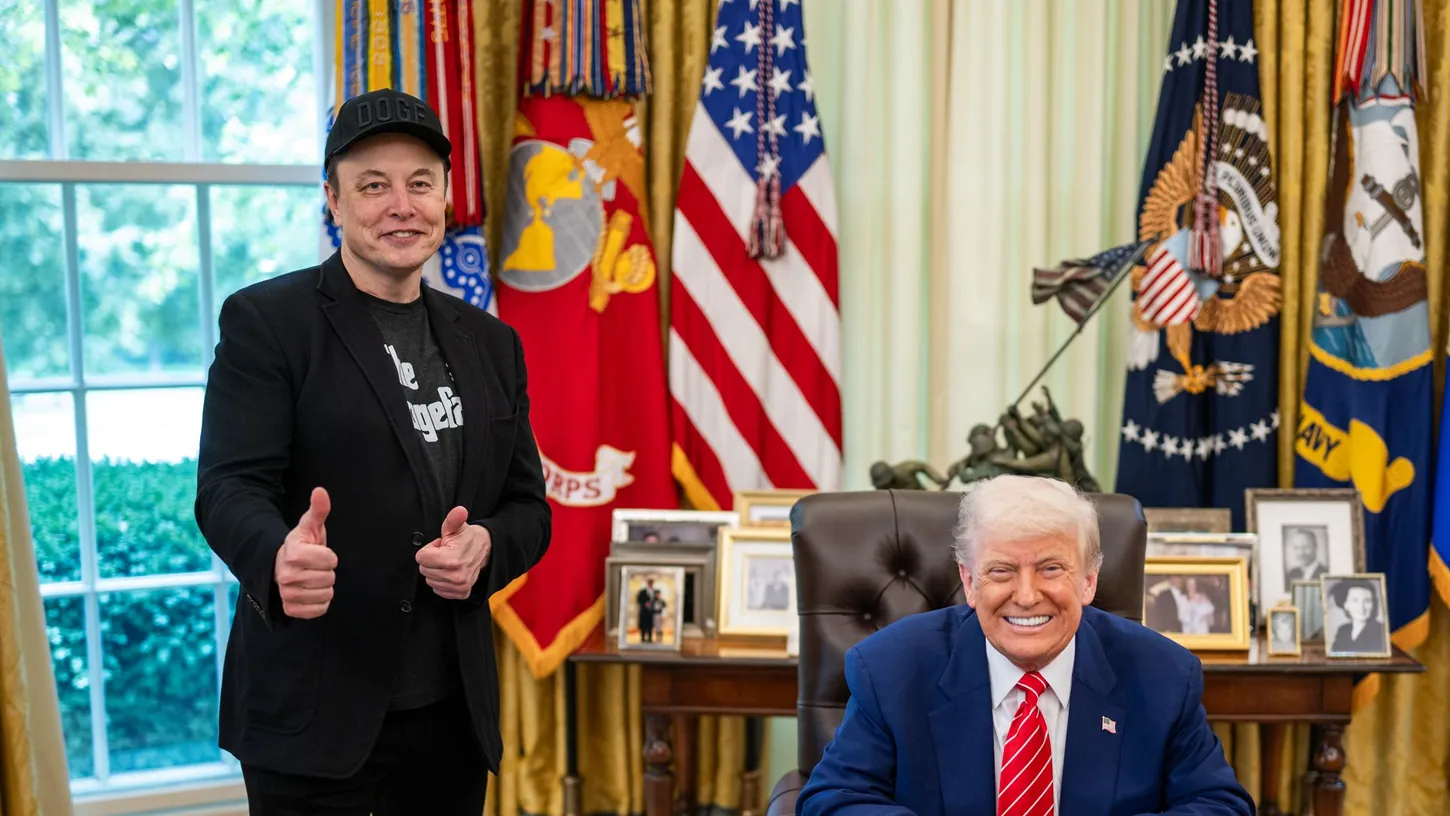
Musk and President Donald Trump discussed the Starlink decision in a call soon after the slowdown became public, while Trump was campaigning, two people told the Journal. One of them said the two men had also discussed it before Musk throttled the service. Trump has denied ordering the restrictions.
Some U.S. officials told the Journal that Musk acted unilaterally and that Trump didn’t specifically order any retribution against Ukraine. A person familiar with the situation said Musk spoke with several senior administration officials, Trump among them, before imposing the cap. During the uproar, SpaceX representatives called their White House counterparts seeking “a unified understanding and subsequent message” that the company and the Trump administration coordinated ahead of Musk’s directive, the Journal’s sources said.
Kyiv had been told something else. A senior Ukrainian official told Reuters last week that Ukrainian officials called senior officials at the White House, State Department and Pentagon for answers and were told it was a White House decision.
Trump told reporters Monday that he didn’t know who was responsible for the slowdown, “but I would like to find out.” Defense Secretary Pete Hegseth said Tuesday in Eau Claire, Wisconsin, that the Pentagon hadn’t pulled anything back or issued any directives, and added: “Starlink has the option to make decisions concerning its terms of service.” SpaceX didn’t respond to the Journal. Reuters said it could not immediately verify the report, and Musk, SpaceX and the White House did not immediately respond to Reuters.
Musk and Trump had both voiced anger in recent weeks at Ukraine’s strikes on Russian diesel refineries, which Trump blames for high energy prices ahead of November’s midterms, the Journal reported. Most analysts say the Iran war has done more to push prices up. On October 10, Trump said he had told Volodymyr Zelensky not to hit the refineries. Musk replied to a White House video of those remarks by writing on X that Zelensky had gone too far. Four days later, Ukrainian drone operators reported losing unrestricted access. Reuters has reported that Ukraine can’t use Starlink for its long-range strikes on Russian energy sites at all, because the system doesn’t work inside Russia.
Ukraine’s Drones Hold the Link Only Below 81 mph, Kofman Says
Ukrainian strike and interceptor drones are still throttled at 99 mph (160 km/h), Michael Kofman of the Carnegie Endowment for International Peace told the Journal, and in practice the connection now holds only below 81 mph (130 km/h). He said the limits continue to hamper strike operations and air defenses.
The 99 mph cap is the same ceiling a person in Ukraine’s Defense Ministry described to Reuters last Thursday, when service had partly returned. SpaceX gated Starlink by speed once before, in January, when it cut service on terminals moving faster than about 47 to 56 mph to stop Russian strike drones, with a way for registered Ukrainian units to lift the limit. Ukrainian officials have said the cap let Russian missiles evade their defenses, according to the Journal, and Zelensky warned publicly that Ukrainians could die if the unrestricted service wasn’t restored.
Denys Sienik, whom the Journal describes as Ukraine’s top diplomat in Washington, said Tuesday that Ukraine was still waiting for an official answer from the Pentagon and SpaceX on what happened and whether the connection has been restored or will be.
Nine Senators Asked Who Caused the Cap and Whether SpaceX Acted Alone
Nine senators from both parties, led by New Hampshire Democrat Jeanne Shaheen, asked the Pentagon’s inspector general on October 15 to learn whether the administration or its contractors caused the disruptions, and whether SpaceX acted alone in violation of its contract, and asked for a first briefing by November 1.
Republicans Thom Tillis of North Carolina, Susan Collins of Maine, Lisa Murkowski of Alaska and John Cornyn of Texas signed the letter alongside Democrats Jack Reed, Dick Durbin, Chris Coons and Richard Blumenthal, the Boston Globe reported. The letter also asks whether Pentagon officials authorized, approved or knew in advance of any change to the service, and tells the inspector general to preserve communications and contract records involving the Pentagon, SpaceX and other agencies.
In the House, Rep. Mike Levin, a California Democrat, posted on X Tuesday morning, linking Reuters’ October 15 report, that the Trump administration “deliberately restricted technology Ukraine relies on to intercept Russian drones and ballistic missiles.” He called it a betrayal of an ally and said Americans deserve to know who made the decision.
DroneXL’s Take
If the Journal’s sources are right, a network Musk himself calls owned and controlled by the U.S. government was slowed on the order of its contractor’s CEO, after he talked it over with Trump according to one of them. Hegseth says the Pentagon issued no directive. I don’t think his answer that Starlink can set its own terms of service holds up for a military network carrying a U.S. partner’s air defense.
This isn’t the first such report. In July 2025, Reuters, citing three people familiar with the matter, reported that Musk ordered Starlink coverage cut near Beryslav during Ukraine’s 2022 Kherson counteroffensive. SpaceX didn’t publicly confirm that account, and Musk has denied disabling terminals. The briefing the senators requested by November 1 could show whether the Starshield contract lets one executive throttle the drones defending Ukrainian cities. If it does, Congress should make the Pentagon rewrite it.
Sources: The Wall Street Journal, Reuters, Reuters via Yahoo News, Boston Globe, Kyiv Independent, Rep. Mike Levin on X.
DroneXL uses automated tools to support research and source retrieval. All reporting and editorial perspectives are by Haye Kesteloo. Read our editorial standards.