China’s Ministry of Commerce said on Friday, October 30, that it firmly opposes the Federal Communications Commission (FCC) vote to stop recognizing test labs in mainland China, and that it will take further measures if Washington pushes ahead. The FCC adopted the order on Thursday. From December 1, 2028, labs in China and other economies without a reciprocal arrangement with the US can no longer test devices for FCC authorization, the rule DroneXL broke down when the draft came out.
Beijing says it repeatedly proposed a bilateral mutual recognition agreement and found the US “extremely passive and negative.” It wants the measures revoked. The ministry also says China already answered the rule with countermeasures before Thursday’s vote, without naming them.
China Listed a US Lab in August, Saying It Helped the FCC
One countermeasure Beijing tied to the FCC by name came on August 5. China’s Ministry of Commerce put Compliance Testing LLC, an American test lab, on its countermeasure list under the Anti-Foreign Sanctions Law, barring organizations and individuals in China from doing any business with it.
The ministry said the lab helped the FCC take measures that endanger China’s security, according to Xinhua, and the decree does not say what that help was. Compliance Testing’s CEO, Michael Schafer, is one of several commenters the FCC’s draft order cites in support of the rule. He argued that mainland labs charge 30 to 70% less than US labs can and that US labs should “go first” when testing leaves China. The same day, China’s certification regulator suspended US certification bodies from doing follow-up factory inspections under the China Compulsory Certification system.
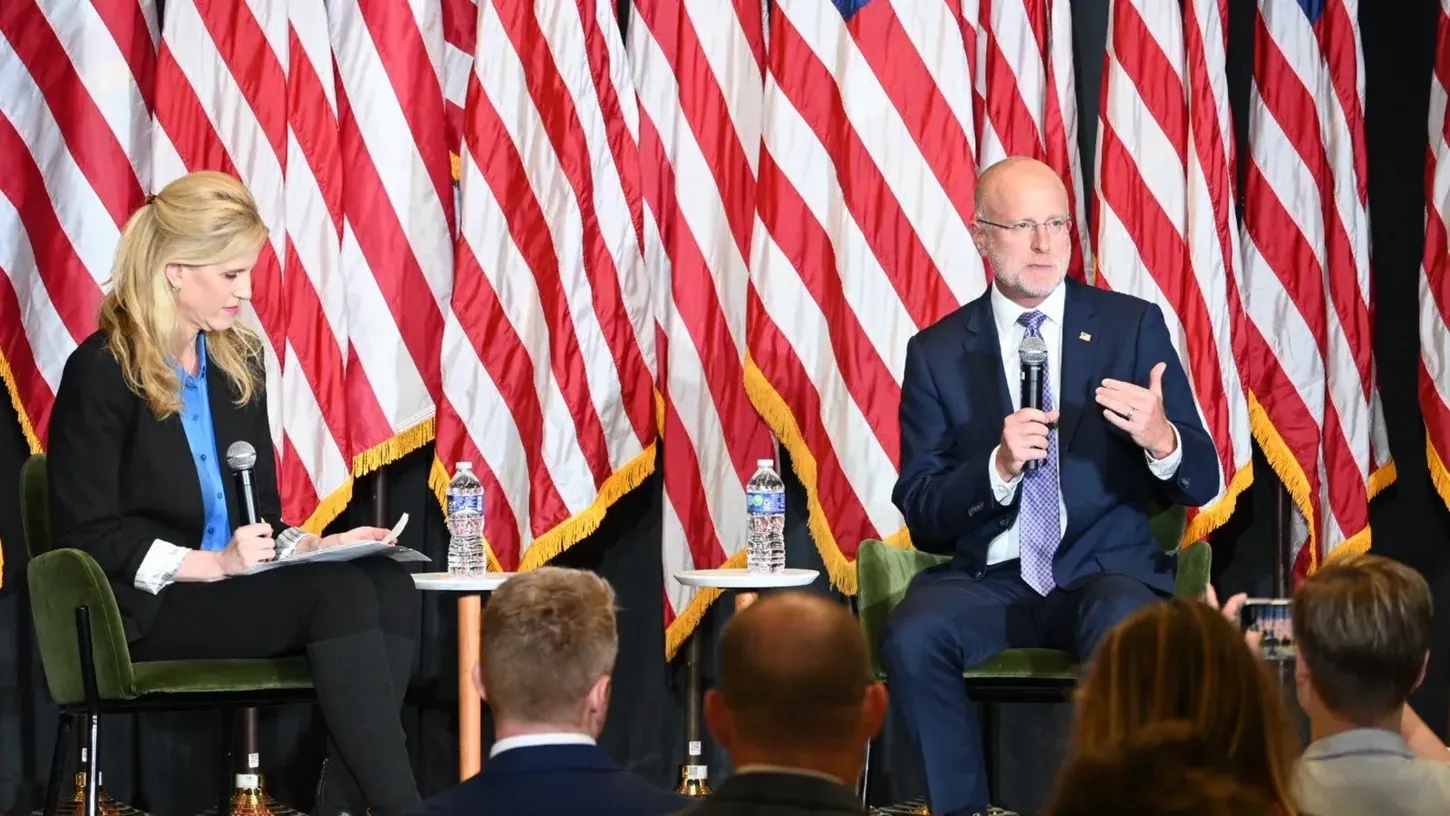
The ministry’s October 30 statement accuses the US of forcing so-called testing reshoring, which it says will raise testing costs and slow product cycles at the expense of American companies and consumers. Alongside Thursday’s vote, the FCC streamlined approvals for devices tested in US labs or in countries it does not treat as a security risk, Reuters reported. Chairman Brendan Carr called the labs “a critical gateway into American communications infrastructure.”
The Rule Reaches DJI’s Osmo Cameras, Not Its Drones
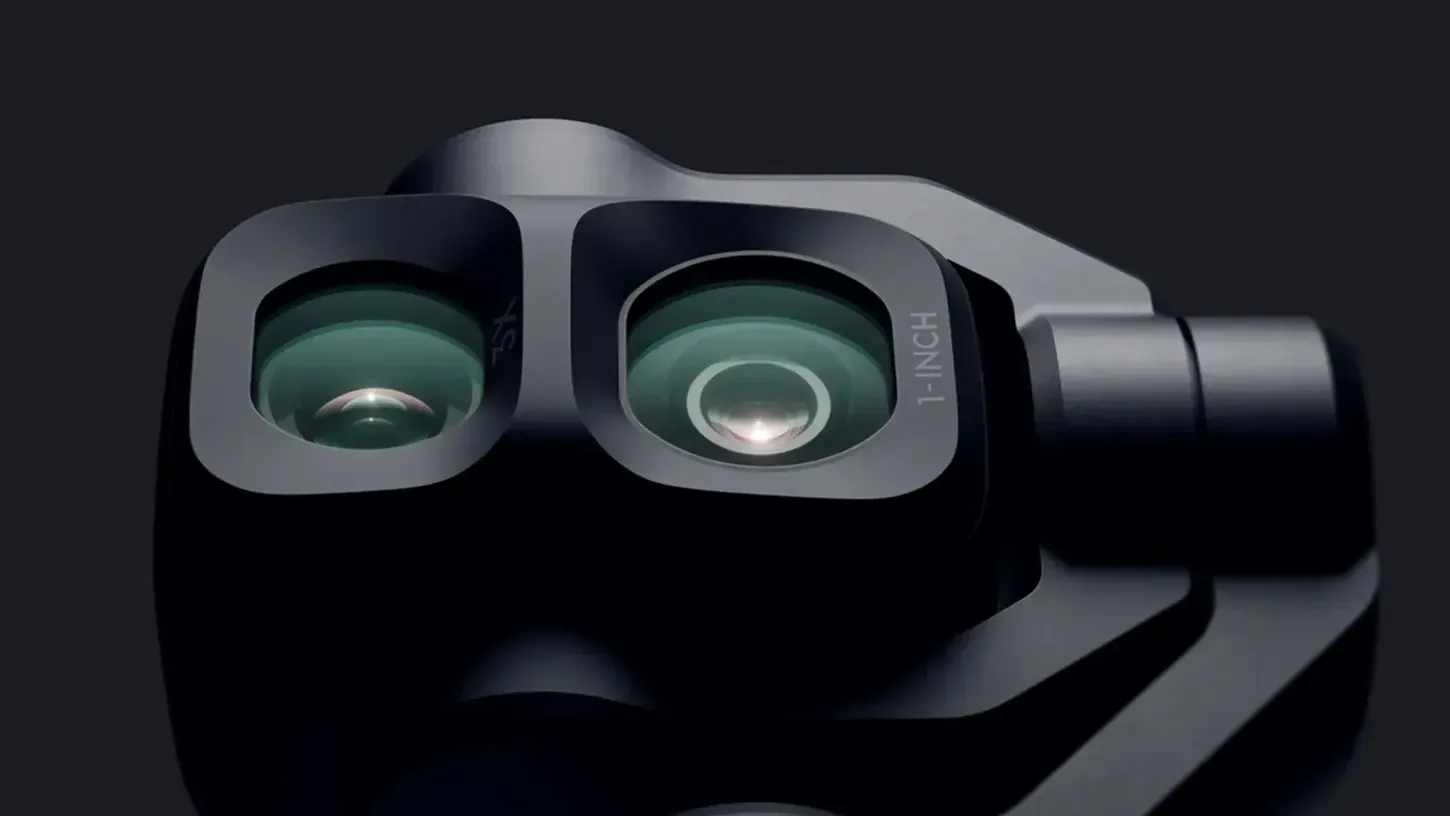
DJI’s drones sit outside this rule. The FCC put every foreign-made drone on the Covered List in December 2025, and no lab can test its way past that. The rule reaches products that can still get a grant, like the DJI Osmo Pocket 4P.
The Osmo line is the DJI hardware DroneXL has been tracking through the FCC database since December 2025, and the Pocket 4P’s filing lists SGS-CSTC, reached at a Shenzhen phone number, as its test firm. Grants issued before December 1, 2028 stay valid.
DroneXL’s Take
I supported this order on October 10 and Beijing’s statement gives me no reason to change my mind. A mutual recognition agreement is the obvious way out, and the FCC’s order already keeps Hong Kong and Taiwan in the system on exactly that basis. China’s complaint that talks went nowhere would carry more weight if its August answer hadn’t included a sanctions listing against a single American lab, under a decree that never says what the lab did. US labs are the ones the FCC wants to pick up the work leaving Shenzhen over the next 25 months. They now know Beijing keeps a countermeasure list. The FCC owes them a plan for the day Beijing lists another one.
Sources: China Ministry of Commerce statement, October 30, 2026 (Chinese), Reuters, FCC draft Third Report and Order, FCC-CIRC2610-05, Xinhua via CCPIT, CCPIT on the CCC inspection suspension
DroneXL uses automated tools to support research and source retrieval. All reporting and editorial perspectives are by Haye Kesteloo. Read our editorial standards.