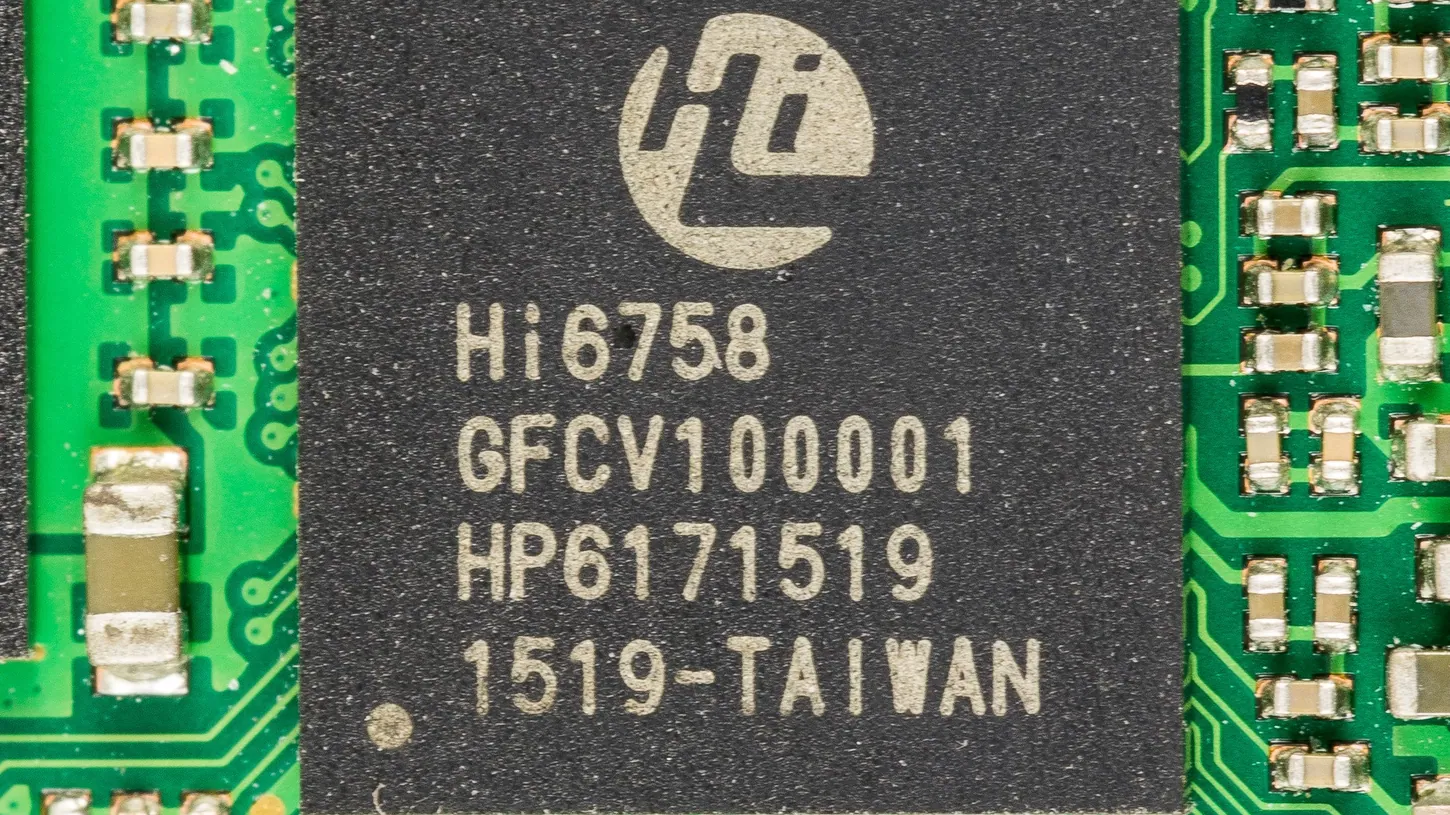
The Federal Communications Commission has blocked a dashboard camera and a wireless video transmitter from the US market because each one carried a chip made by HiSilicon, the chip design subsidiary of Huawei. The Office of Engineering and Technology acted this week, and the Commission announced it on October 22 as the first enforcement of its new Covered List component rules.
Those rules took effect on October 13. They are the same ones that now stop a new US-built drone from getting an FCC authorization if a DJI or Autel logic-bearing part sits inside it, which DroneXL laid out in September.
The Commission named no manufacturer, model or chip part number. Under the rule as written, the applicant is the one who attests that a device contains no covered component.
HiSilicon Falls Under Huawei’s Covered List Entry
HiSilicon does not appear on the Covered List by name. Huawei does, since March 12, 2021, and a footnote on the list says every named producer should be read to include its subsidiaries and affiliates. The FCC’s announcement calls HiSilicon a Huawei subsidiary, which puts its chips inside the rule.
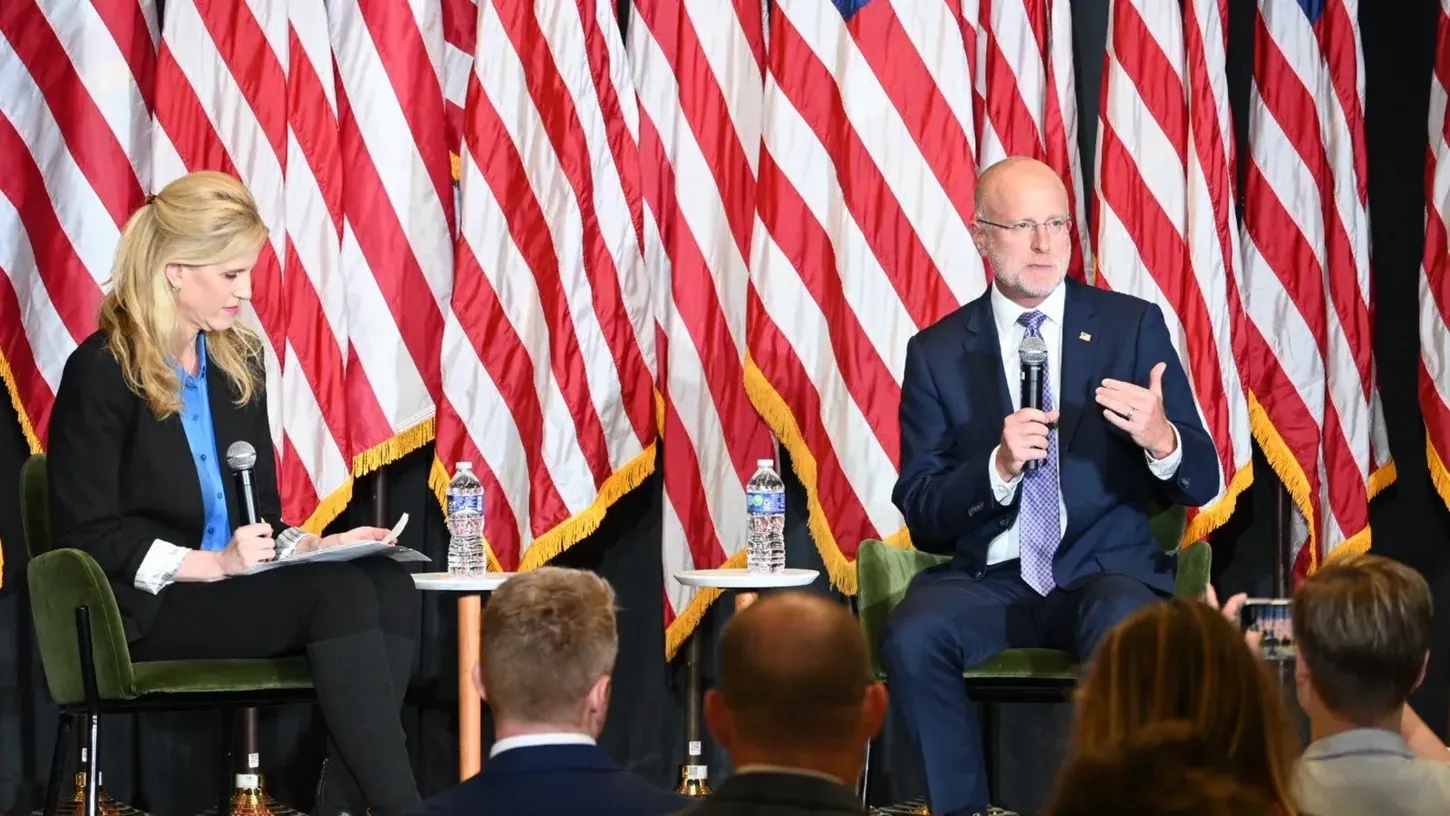
The Commission picked its evidence from HiSilicon’s own marketing. It quoted the company describing the chip as “designed for the surveillance market” with built-in face detection. Chairman Brendan Carr called video devices carrying such chips “an obvious and unacceptable risk to the nation and our people.”
Neither device had been authorized. Carr’s statement credits OET with stopping them before they obtained the approvals needed for sale. The rule runs forward only, so equipment authorized before October 13 keeps its authorization, and applications already pending that day are exempt unless the applicant later changes a logic-bearing component. Both blocked filings were therefore made, or amended, no earlier than October 13.
The FCC’s Release Does Not Say How OET Found the Chips
The FCC’s October 22 release describes the outcome and leaves out the method. Nothing in it says whether the applicants disclosed the HiSilicon parts or whether the chips showed up in the internal photographs that every certification filing has to include.
The method matters because the rule itself leans on paperwork. The Third Report and Order, adopted July 22, keeps the attestation model and the streamlined revocation for false attestations that the Commission adopted in 2022. Its Further Notice asks whether every application should carry a hardware and software bill of materials, which would put the chip list in the filing instead of leaving it to a photo of the board.
For drones, the FCC already treats foreign-produced data transmission devices as critical components on the Covered List. The release does not say whether the blocked video transmitter was built for drones.
DroneXL’s Take
Keeping a chip its own maker sells for face detection out of American dash cams is a result I’m glad to see. But read the legal basis. OET blocked these devices because HiSilicon belongs to Huawei, and the order says outright that the component ban rests on who produced the part. The surveillance marketing the FCC quoted is supporting color. This time the supplier’s name and the chip’s function happened to point the same way. The same test bars a DJI flight controller from a US-built drone with no finding about what that board does, which is the asymmetry I wrote about in September.
The FCC should publish the FCC IDs or grantee codes. Other companies buying the same camera module have a reason to know, and an enforcement action nobody can look up teaches the market nothing. My read is that these chips were spotted in the internal photos a certification filing carries, because a HiSilicon package has its logo printed on the lid. A DJI-made board in a drone filing is just as easy to see, and US drone builders should assume the examiners are now looking.
Source: FCC News Release, October 22, 2026, FCC Covered List, FCC Third Report and Order FCC 26-50
DroneXL uses automated tools to support research and source retrieval. All reporting and editorial perspectives are by Haye Kesteloo. Read our editorial standards.