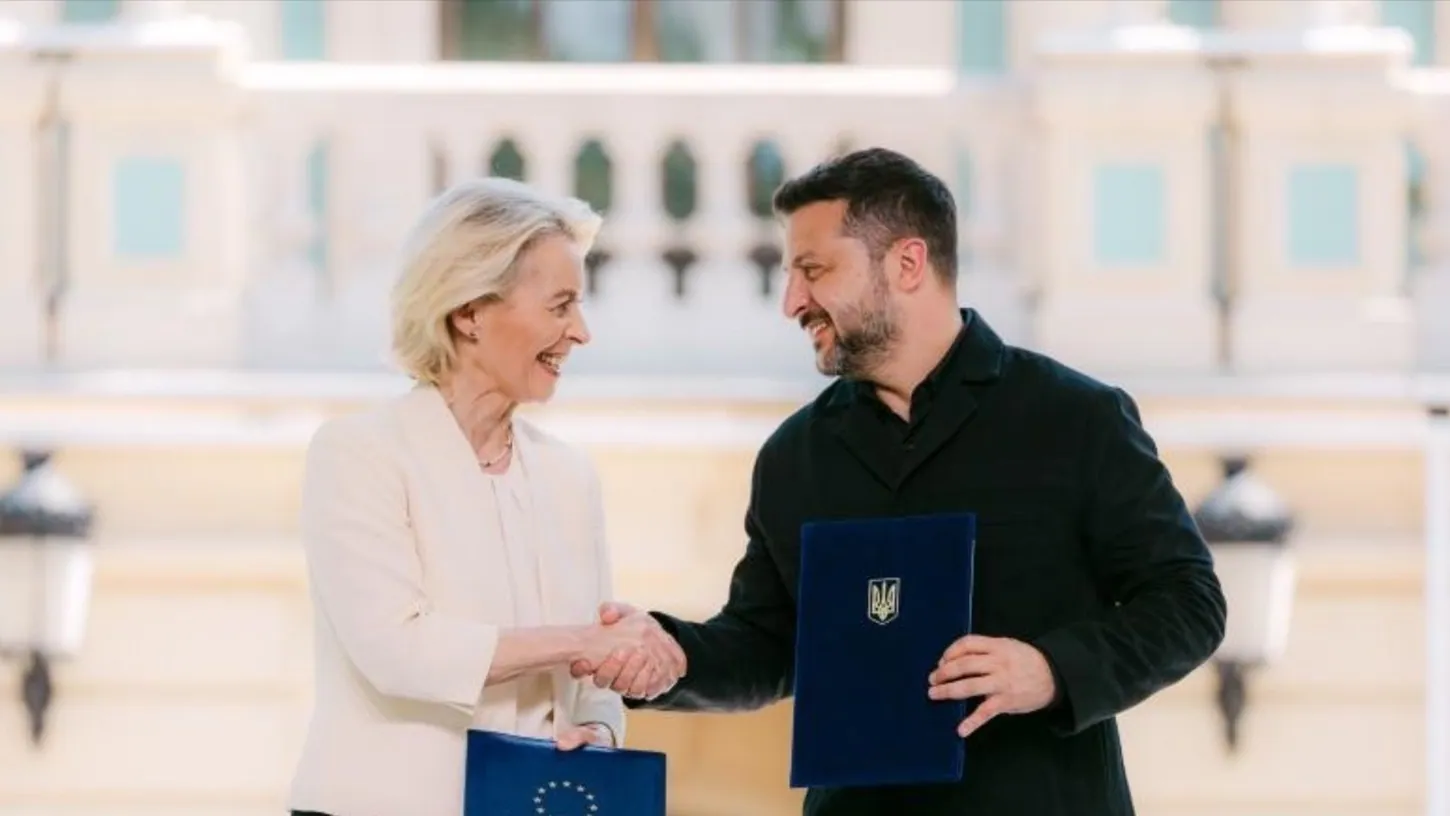
Shield AI has agreed to buy Echodyne, the Kirkland, Washington company whose radars sit inside hundreds of counter-drone and security systems in more than 40 countries, in a deal valued at up to $5.3 billion. The San Diego drone and autonomy maker announced the agreement on November 5. It pays $4.8 billion at closing and up to $500 million more if Echodyne hits agreed performance targets, with closing expected in early 2027 once regulators sign off.
To pay for it, Shield AI is raising $2.5 billion, including a $1 billion Series H at a $28.8 billion post-money valuation, up from the $12.7 billion investors put on the company in March. It is Shield AI’s fifth acquisition and its largest. The last time Echodyne raised money at a set price, in 2022, PitchBook valued it at $485 million.
Shield AI Is Paying for Echodyne With a $2.5 Billion Raise
Shield AI’s announcement splits the $2.5 billion three ways: the $1 billion Series H, a $1 billion structured equity investment from funds managed by Blackstone, and $500 million in debt arranged by JPMorgan Chase. Series H money goes principally to the acquisition.
Disruptive and Innovation X Capital co-lead the Series H, and Advent and JPMorgan’s Security and Resiliency Initiative are back in it. Those two led Shield AI’s $1.5 billion Series G in March, and Blackstone funds bought $500 million of preferred equity alongside that round. The new valuation is about 2.3 times the March one, set less than eight months later. The financing won’t go through if the acquisition falls apart, according to the companies. Shield AI’s November announcement also drops the “AI” and calls the company simply Shield.
Echodyne Keeps Its Team and Its Washington Factory
Echodyne keeps running as it does today. CEO Eben Frankenberg will report directly to Shield AI CEO Gary Steele and keep responsibility for Echodyne’s products and its customers. Its radars stay on sale as standalone products, and Shield AI says no Echodyne layoffs or relocations are planned.
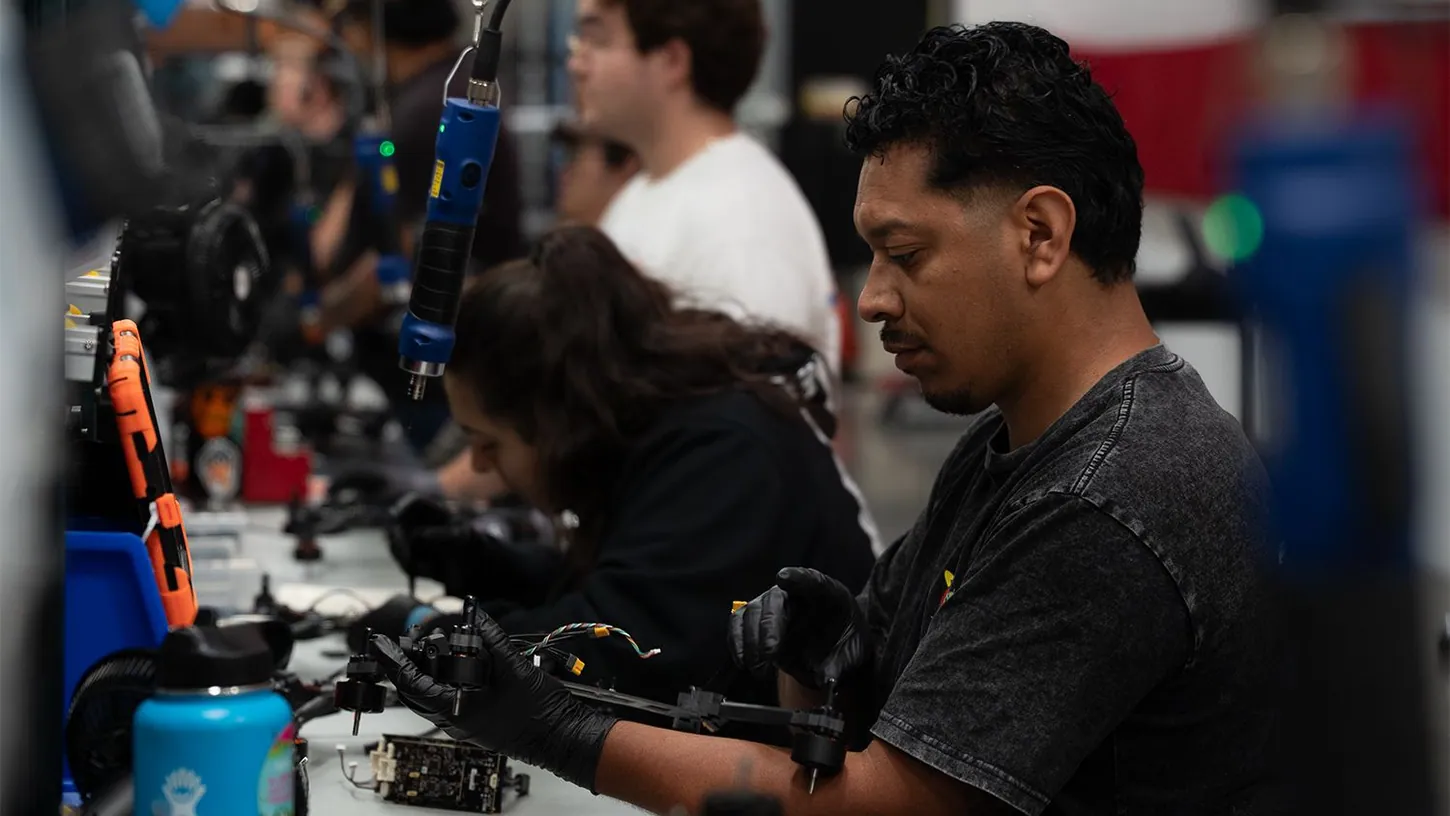
The deal also puts more of Shield AI in the Seattle area. Echodyne opened a $40 million, 86,350-square-foot factory in Woodinville, Washington, in July, built to produce about 30,000 radars a year. Shield AI picked Washington in September as the production home of X-BAT, the vertical-landing jet drone the Navy put $50 million behind in August. The combined company will have about 2,700 employees.
Echodyne Grew Into a Profitable Counter-Drone Supplier
Shield AI is paying more than ten times Echodyne’s 2022 valuation for a radar maker that counter-drone demand has made profitable, according to early investor Madrona. Echodyne has raised only about $200 million in total, and its headcount grew from 260 in July to about 400.
The biggest recent order came in September, when the Pentagon’s Joint Interagency Task Force 401 awarded Echodyne a contract with a $250 million ceiling to supply counter-drone radar to US and allied forces over 36 months. Both companies say they expect triple-digit revenue growth this fiscal year.
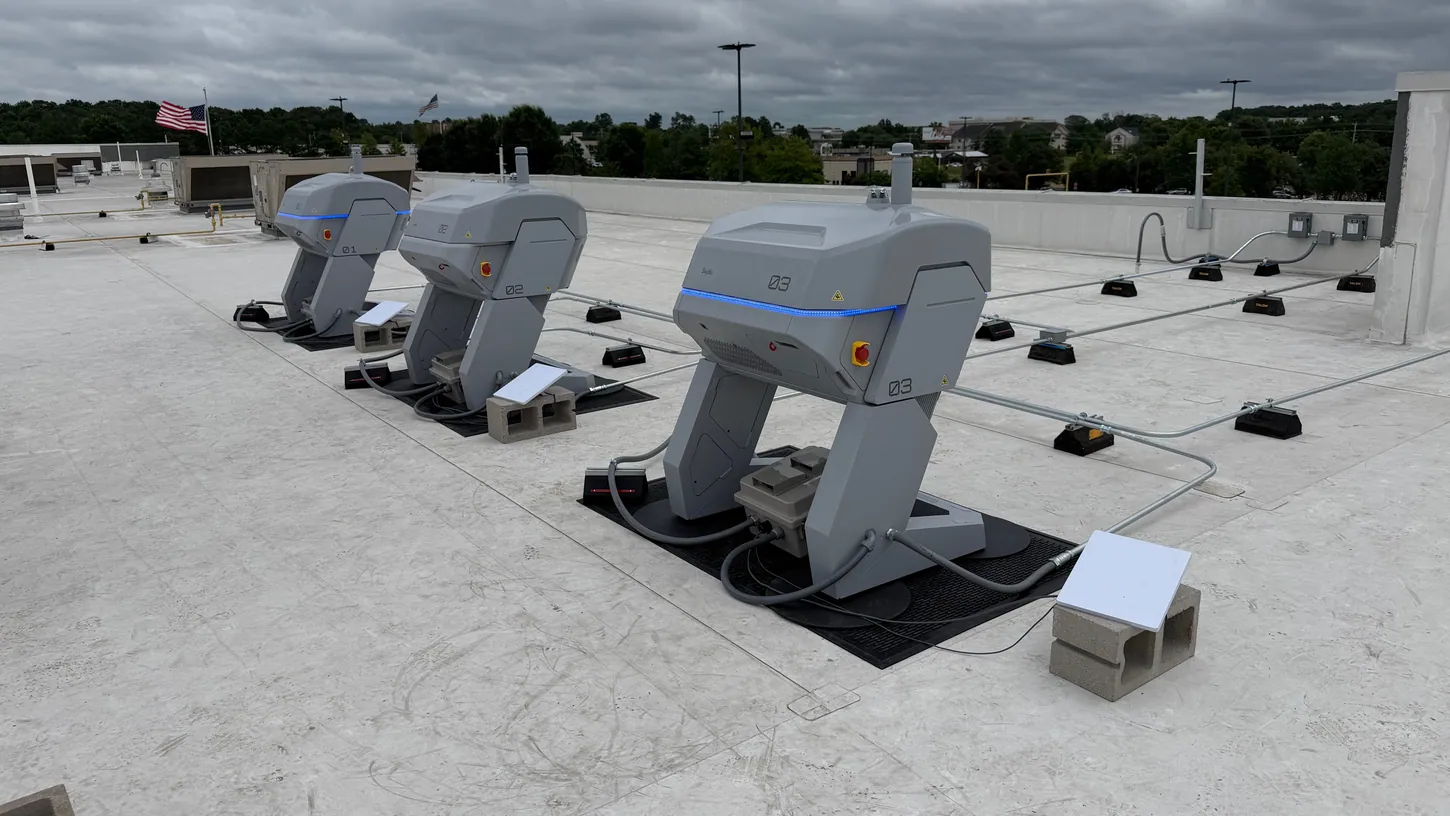
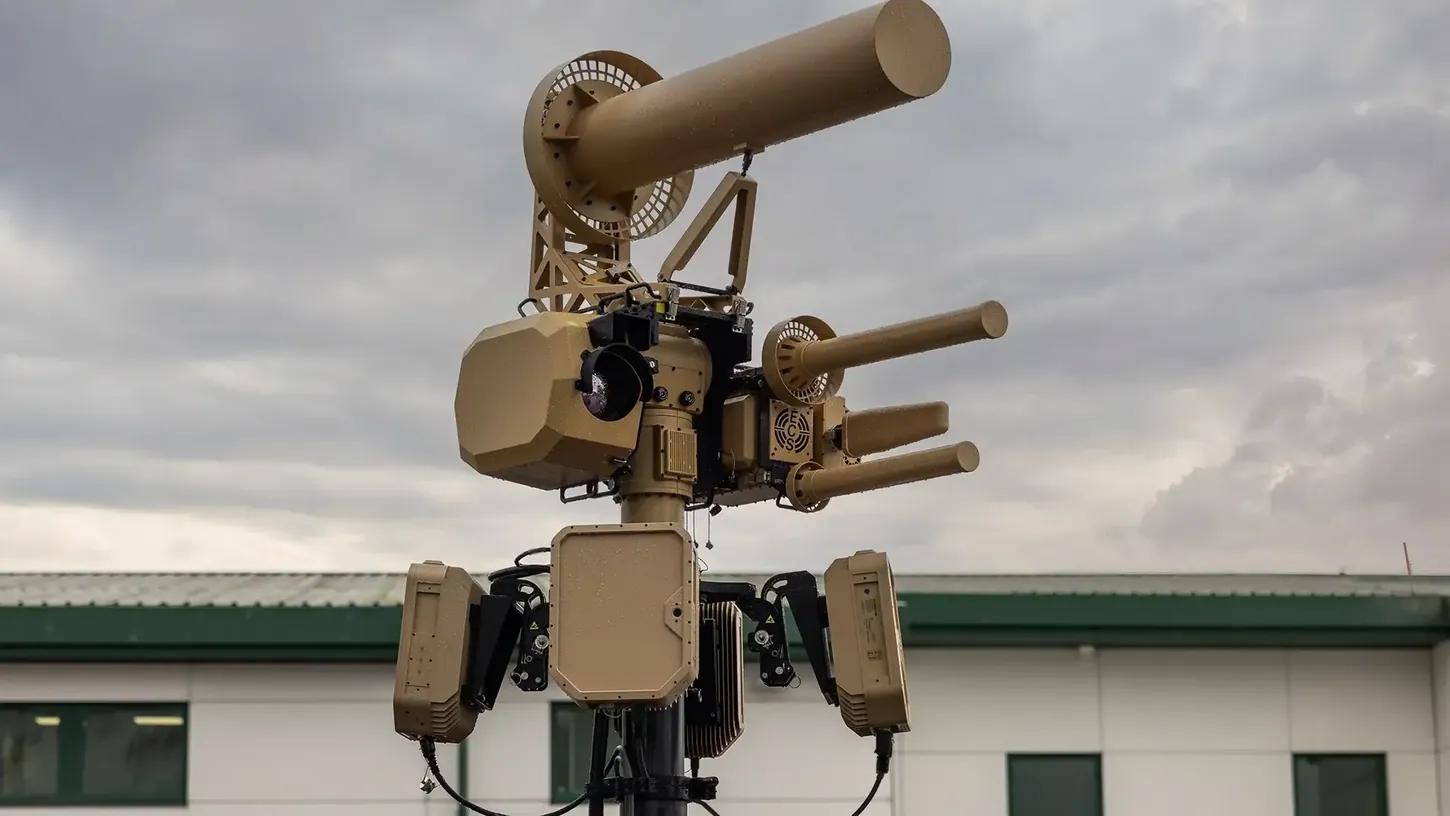
The radars use Echodyne’s patented Metamaterials Electronically Scanned Array (MESA) design, a solid-state flat panel that Echodyne says is built from standard materials and processes to cut the unit cost of high-performance radar. Integrators mount them on remote weapon stations and on directed-energy weapons such as high-energy lasers and high-power microwaves, and use them to cue interceptors toward incoming drones. When DroneXL covered Echodyne’s role in a $490 million Air Force counter-drone program in June, its EchoShield radar was a primary radar inside Trust Automation’s base-defense system.
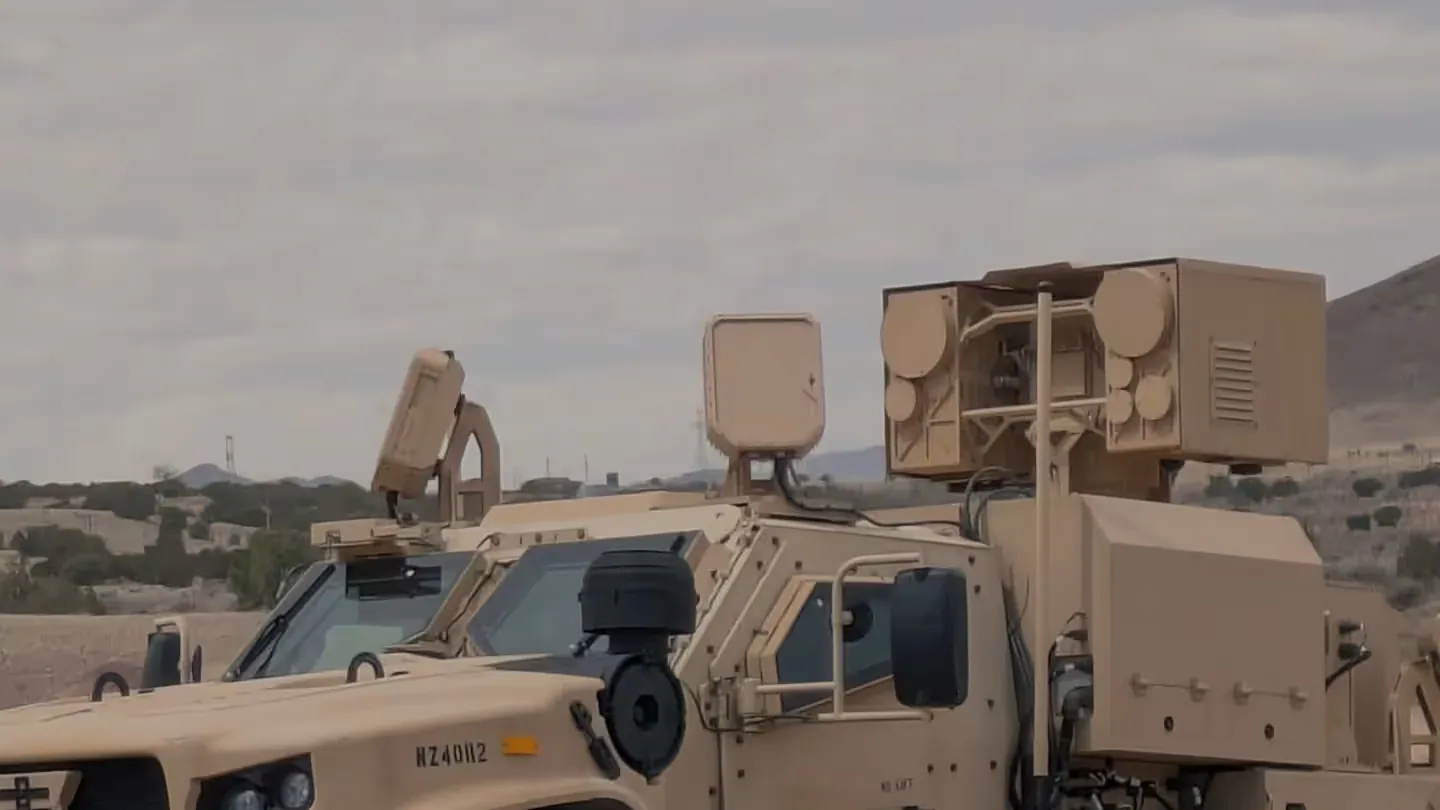
Shield AI has so far served only government end users, Steele told Bloomberg, as GeekWire reported. Echodyne brings civilian customers too. Stadiums and airports use its radars to spot drones that shouldn’t be there, and police and fire departments use them to fly their own drones safely in shared airspace. BRINC agreed in 2024 to integrate Echodyne radar into its drone-as-first-responder system for flights beyond visual line of sight. Steele named the Super Bowl and FIFA as the kind of market he wants: “every single thing is going to need protection from drones.”
DroneXL’s Take
My read is that the big money in American drones has moved to the sensors. On the day Axon valued Skydio at $5.2 billion, Shield AI agreed to pay more than that for a company whose product finds drones. A year earlier, counter-drone radar maker Chaos Industries raised $510 million at a $4.5 billion valuation. Lasers and interceptors can’t do anything until a radar tells them where to point, and the investors writing these checks have priced that in. Police departments flying drone-as-first-responder programs need Shield AI to keep its promise to sell Echodyne radars on their own, and a factory built for 30,000 radars a year gives it every reason to.
Sources: Shield AI via PR Newswire, Shield AI Series G announcement, GeekWire, Military Times
DroneXL uses automated tools to support research and source retrieval. All reporting and editorial perspectives are by Haye Kesteloo. Read our editorial standards.