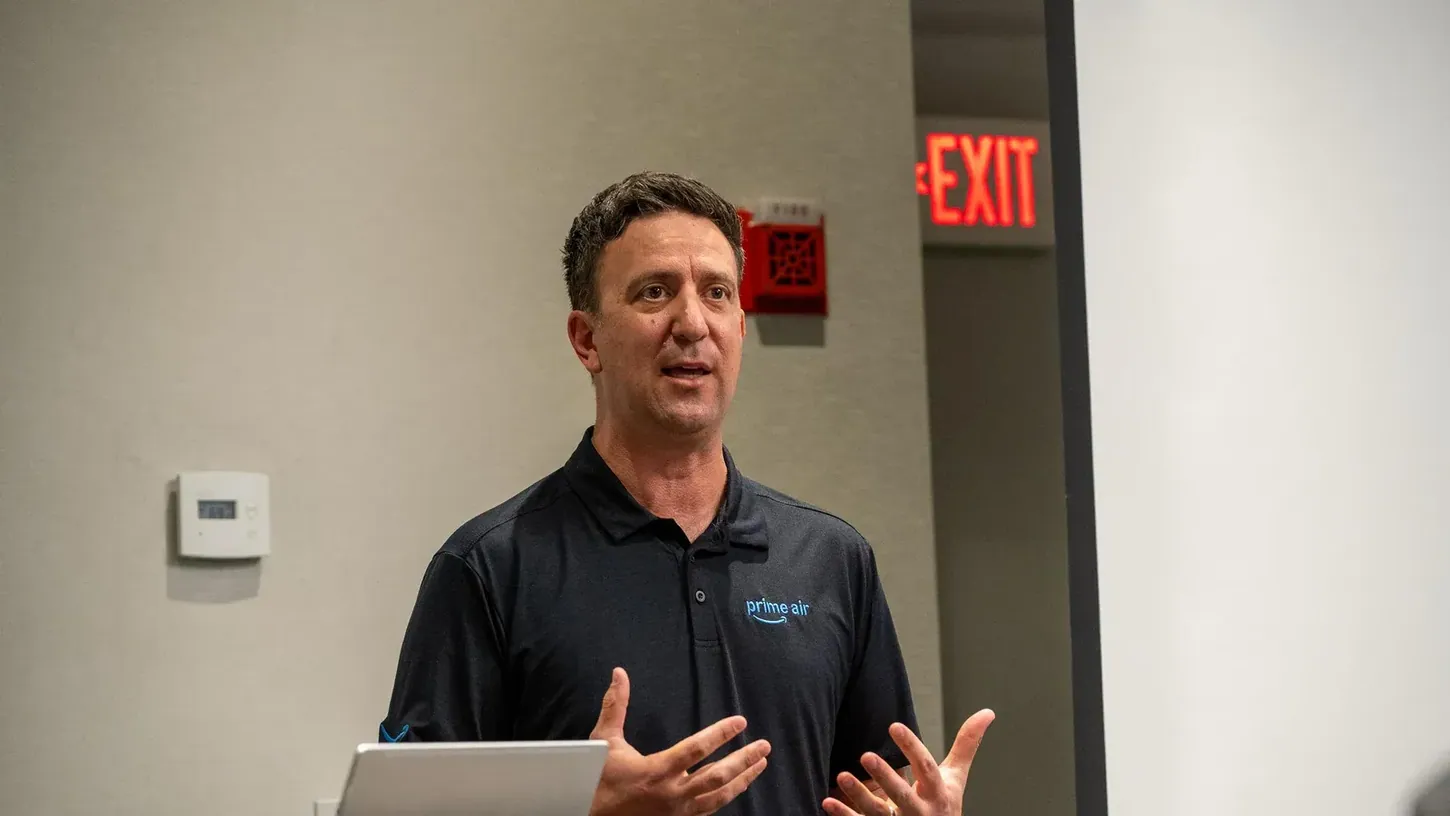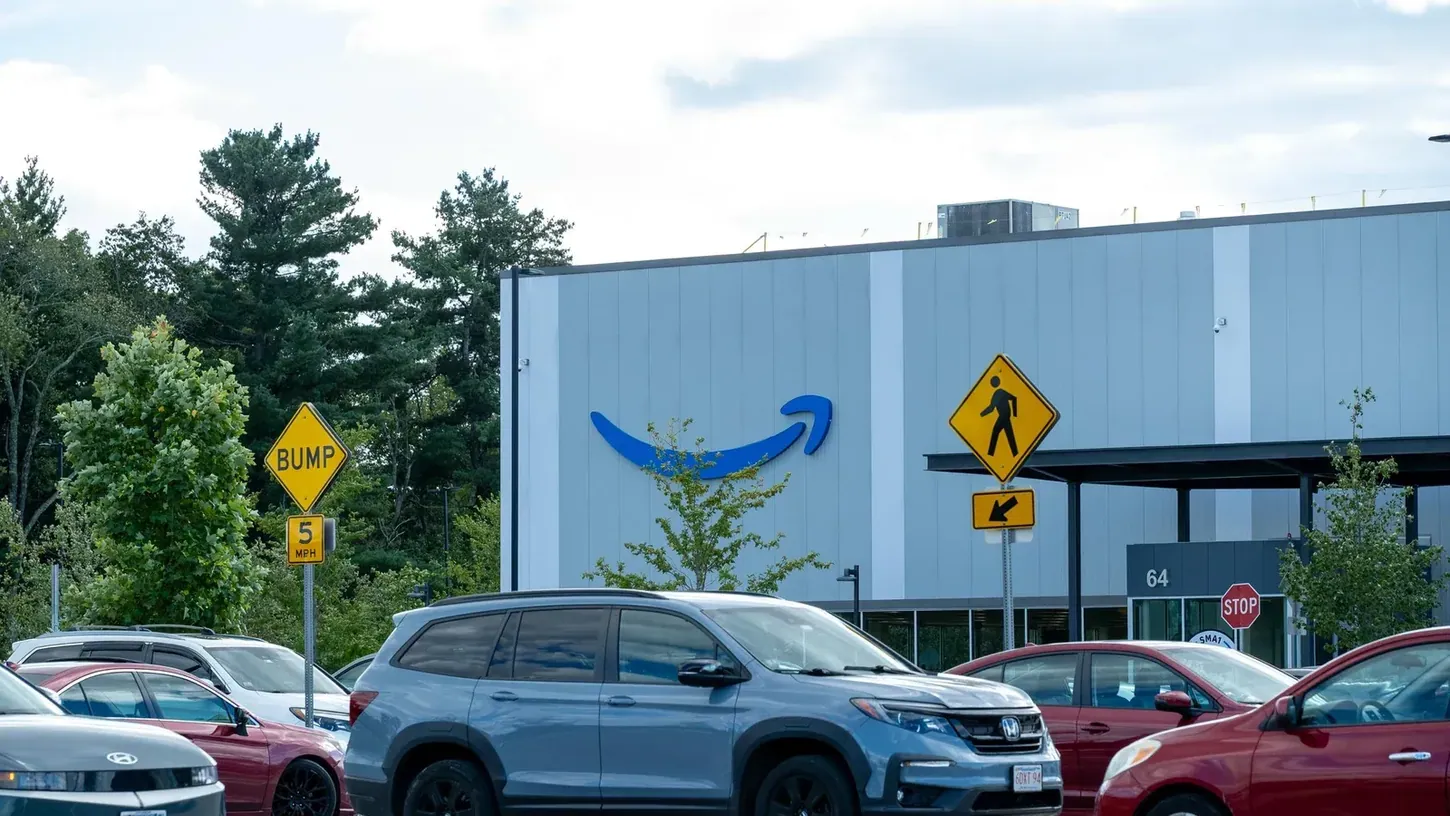
Westborough’s Planning Board voted on Monday night, November 23, to move ahead with a zoning amendment that would list unmanned aircraft systems as a prohibited use in every zoning district in town. The vote came five weeks after town meeting passed a general bylaw, 510 to 13, that bans commercial drone launch pads and drop zones. The board asked the Select Board to call a special town meeting for the amendment and voted to advertise a public hearing, which the chair plans for December 15. It adopted no zoning language.
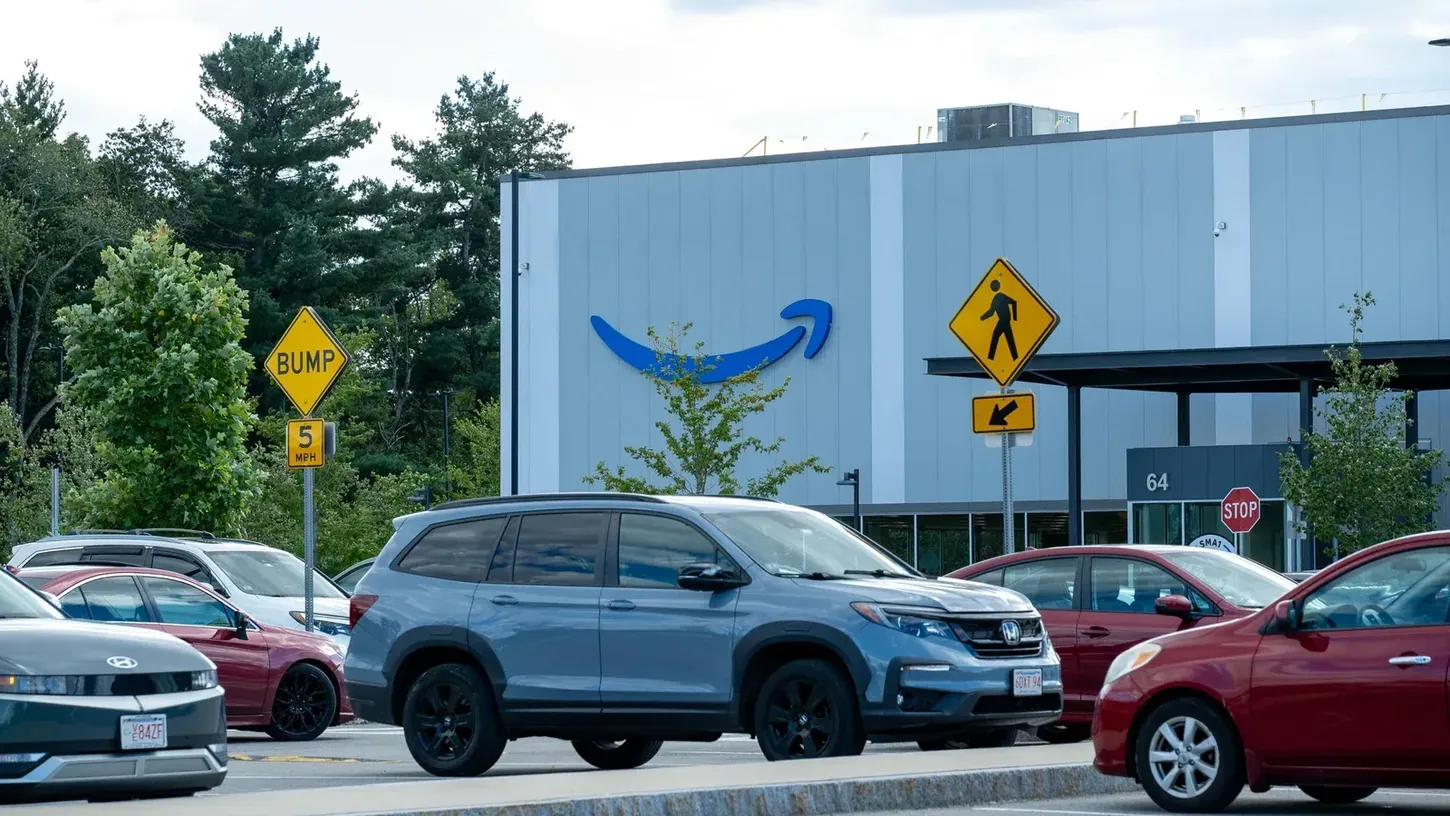
A Planning Board member worked on the draft with the resident group Mass Blue Skies and its attorneys, and it carries a special-permit fallback in case the prohibition is struck down. Amazon asked on October 30 to withdraw its Prime Air drone pad application for 64 Otis Street, the Planning Board accepted the withdrawal on November 10, and Amazon has said it will file a revised project.
The board voted after a short overview from that member, with the others holding their comments for a later meeting, the town’s recording shows. Chair Hazel Nourse said the draft reached members that afternoon.
The Draft Prohibits Drone Uses Townwide and Falls Back to a Special Permit
The amendment adds unmanned aircraft systems to Westborough’s zoning use table as prohibited in every district, with a footnote pointing to a new Section 6.9A. If the attorney general or a court rejects the prohibition, that section makes drone uses a special-permit use decided by the Zoning Board of Appeals.
The board member who worked on the draft, whom Nourse called John, gave that overview on Westborough TV’s recording of the meeting. He said the definitions come from the general bylaw and that the text applies whichever of the two controls is more restrictive. A separate part of the section covers low-altitude drone operations and sets out what may not be done there, he said.
Nourse told the board that “no one’s really had a chance to review” the draft. Rod Jané of Mass Blue Skies, who thanked the board for the collaboration, said during open forum that he thought the group submitted its version on Sunday and that the board member sent a new one on Monday. They are “still working on bridging that gap,” he said. Neither version was in the meeting packet or on the town’s Prime Air page when DroneXL checked on November 24.
Zoning Needs a Two-Thirds Vote and Reaches Permits Issued After the Hearing Notice
A zoning amendment needs a two-thirds vote of town meeting under M.G.L. c. 40A, § 5, where the October bylaw needed a simple majority. Section 6 applies an adopted amendment to any building or special permit issued after the first published notice of the Planning Board’s hearing.
The board took two motions to a voice vote, and the Community Advocate reported that both went forward. The first sends the draft to town counsel and to the Select Board, which meets December 3, and asks the Select Board to call a special town meeting with the article on the warrant. The second authorizes the planning department to advertise the hearing. Section 5 requires that notice to run in a newspaper in two successive weeks, the first at least 14 days before the hearing, so a December 15 hearing means a first notice by December 1. As I read Section 6, a permit issued for a revised Amazon project after that notice would fall under the amendment if town meeting adopts it.
Town meeting has six months from the hearing to adopt the amendment before the board must hold a new one. The Select Board decides whether and when to call the meeting, and no date is set. Board members said the wording can change through the hearing and up to the day of the vote, as long as it stays on the subject of unmanned aircraft. The Community Advocate reported the vote on November 24.
The general bylaw is still with the attorney general, whose 90-day review runs to January 20, 2027, and the town says MassDOT’s Aeronautics Division must approve it too. The Zoning Board of Appeals meets December 7 on what is left of the residents’ appeal, which lost its target when the building commissioner withdrew his August ruling that the pad was an accessory use. In North Myrtle Beach, South Carolina, a 6-0 zoning denial of an Amazon drone pad is now in court, on an appeal the site’s owner filed on November 19.
The Drone Delivery Tracker lists the Westborough application as withdrawn. Residents with questions can call Amazon at 1-888-280-4331, or open the customer-service chat and pick “Something Else,” then “Amazon Drone Delivery.” DroneXL’s guide for residents covers what a town can still do once a hub is proposed.
A Resident Says the Agenda Hid the Drone Topic and Plans a Complaint
The agenda for November 23 listed one business item, “Discussion of Possible Zoning Warrant Article for a Special Town Meeting,” and did not mention drones. Resident Kevin Barry told the board that left residents unable to tell what was being considered, and said he plans an Open Meeting Law complaint.
“This was done on purpose,” Barry alleged, so that the public would not attend. He said the chair had referred a week earlier to an email she sent board members on the subject, an email DroneXL has not seen. The agenda carries a town clerk receipt stamp of November 18, four days before the Sunday on which Jané said the group sent its draft. The board did not respond to Barry or to the other open-forum speaker. The Open Meeting Law, at M.G.L. c. 30A, § 20, requires a meeting notice to carry “a listing of topics that the chair reasonably anticipates will be discussed.” Under M.G.L. c. 30A, § 23, a complaint goes to the board itself first, within 30 days, and can go to the attorney general 30 days after that.
DroneXL’s Take
Westborough is right to move this fight into zoning, and I think zoning is the stronger of its two tools. The attorney general can cut the general bylaw down. Zoning is the power a town uses to decide what gets built on a lot. The Supreme Judicial Court said in Roma in 2018 that a town can zone a private heliport without the state aeronautics office signing off first. Roma was about a noncommercial landing area, so my read is that it helps Westborough without settling the question for a commercial drone pad. I don’t expect the two-thirds threshold to be the obstacle, because October’s vote was 510 of 523.
The low-altitude part worries me. A federal judge struck Newton’s altitude and overflight rules in Singer in 2017, and the general bylaw says in five sections that it leaves flight alone. If the zoning text tells operators what they can’t do in the air, Amazon gets the federal preemption argument the first bylaw, as I read it, was written around. Barry has a point on notice, though I’ve seen nothing that shows intent, and whether that agenda line meets the Open Meeting Law is the attorney general’s call. A drone ban drafted with the opposition group’s lawyers shouldn’t reach the board on the afternoon of the vote, under an agenda line that never says drones. Westborough doesn’t need shortcuts to keep an 83-pound MK30 with no parachute from carrying five-pound consumer orders over its roofs, though I’d hope the special-permit fallback leaves room for a Zipline P2 lowering medication on a tether. The town should post the text well before December 15.
Sources: Community Advocate, Westborough TV recording of the November 23, 2026, Planning Board meeting, Planning Board agenda, November 23, 2026 (PDF), Town of Westborough, Prime Air Drone Delivery Service Application page, M.G.L. c. 40A, § 5, M.G.L. c. 40A, § 6, Roma, III, Ltd. v. Board of Appeals of Rockport, SJC 2018, Singer v. City of Newton, D. Mass. 2017.
DroneXL uses automated tools to support research and source retrieval. All reporting and editorial perspectives are by Haye Kesteloo. Read our editorial standards.
Advertise with DroneXLYour company hereReach 200,000+ drone readers a month with a sponsored article, a banner on your beat, or a partnership.See the options →