

On Wednesday, the Port Authority of New York and New Jersey celebrated the first successful drone delivery flight across the Hudson River. The landmark flight, which began in Jersey City and ended on 65th Street in Brooklyn, demonstrated the potential for drone deliveries in the region.
Nate Bazydlo, Customer Success Manager of Syracuse-based NUAIR, described the flight’s trajectory, “It’s an immediate ascent to 150 feet…and then through a series of five waypoints, it’s going to begin its cross of the Hudson at a rate of about eight meters per second.”
The drone completed its round trip to New Jersey within ten minutes.
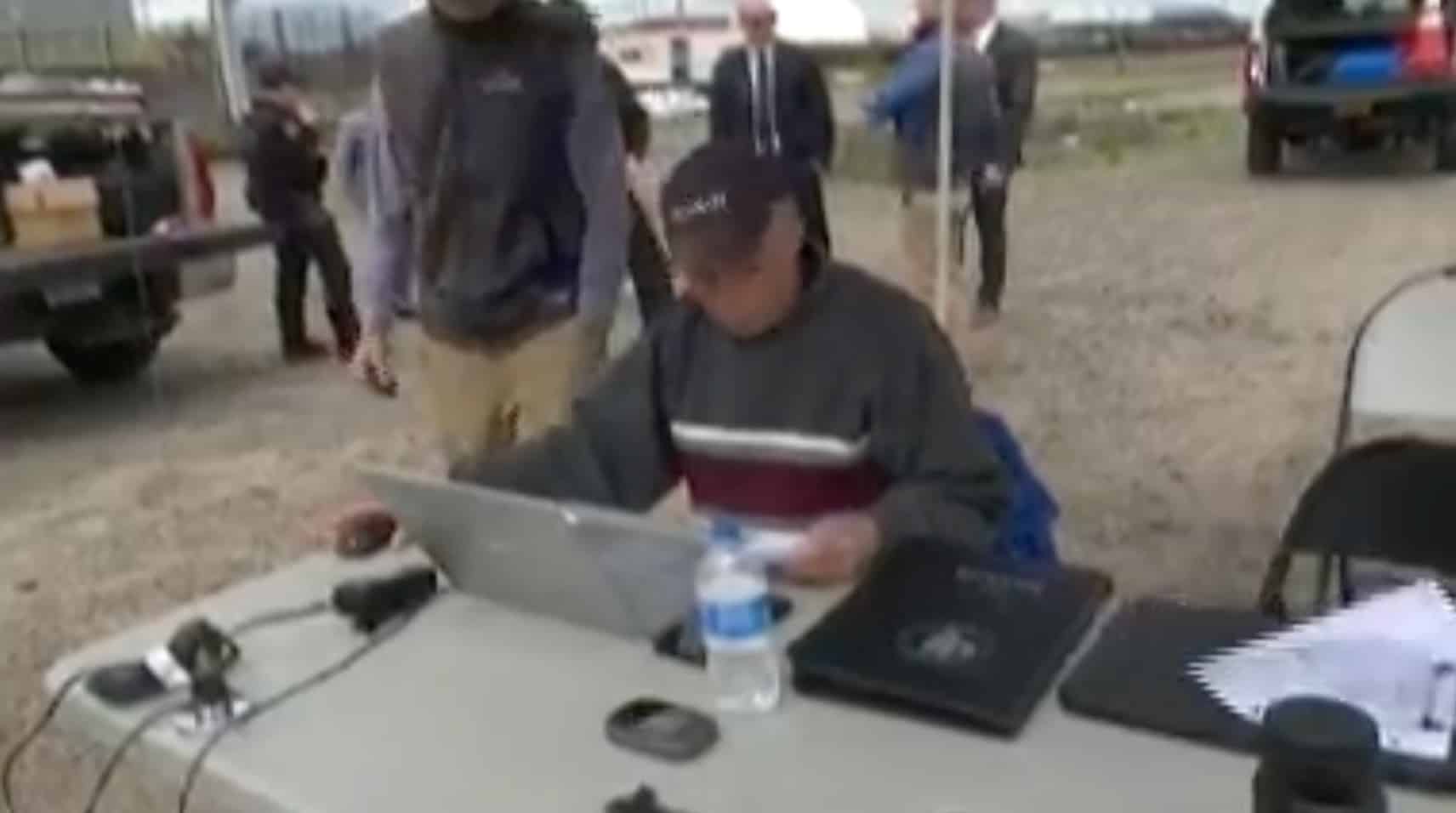
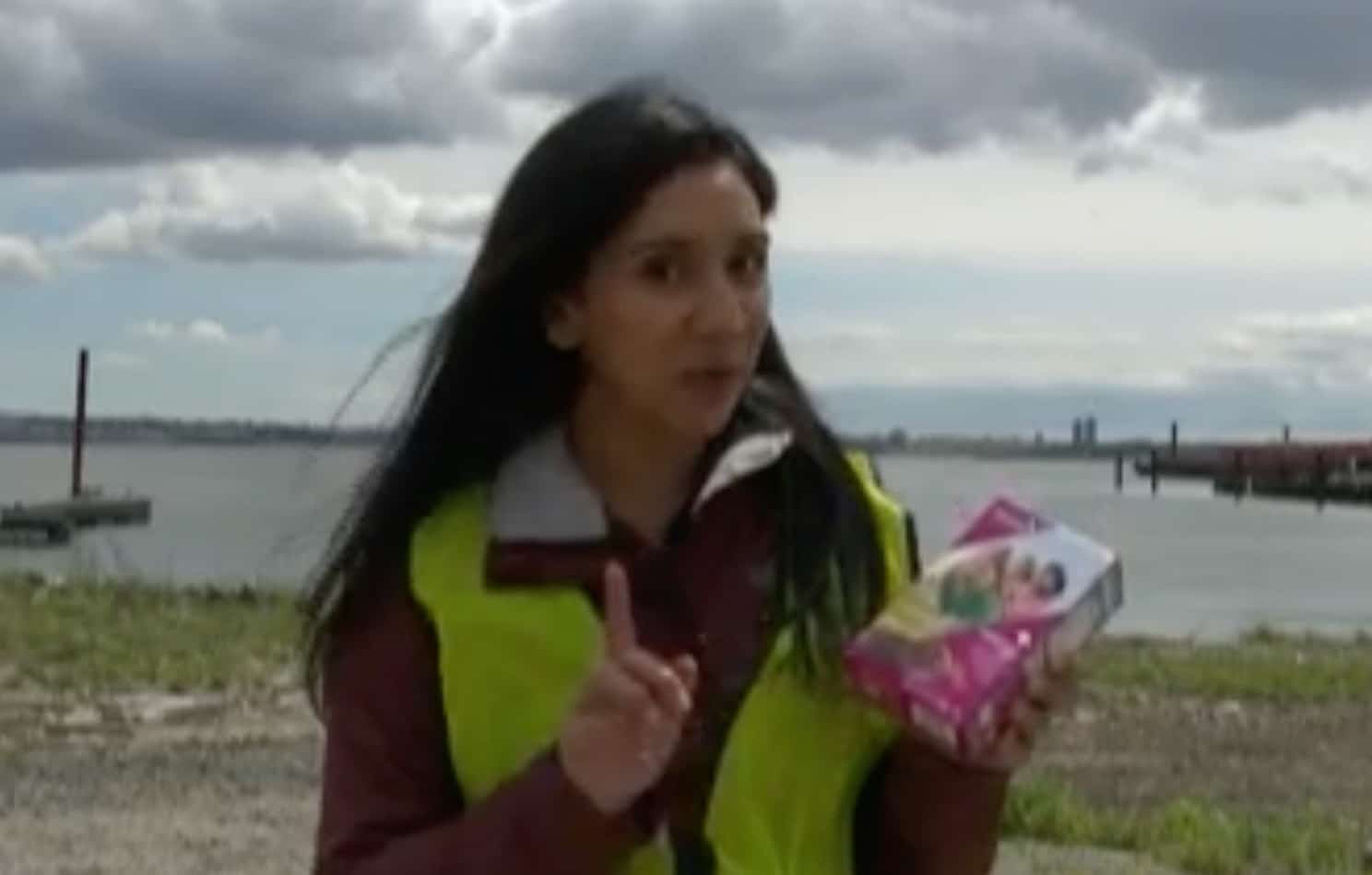
Controlled by software on a laptop, the drone uses 4G to maintain communication with its ground station, according to Saleh Kojak of the Port Authority Emergency Management Strategic Preparedness Unit. The cargo for this test flight consisted of Raspberry Rally Girl Scout Cookies, but the successful delivery opens up possibilities for transporting critical supplies, including medical goods.
Kojak elaborated on potential applications, saying, “There were hospitals in New York City that were transporting medical goods just to test it out to get to hospitals a little quicker.”
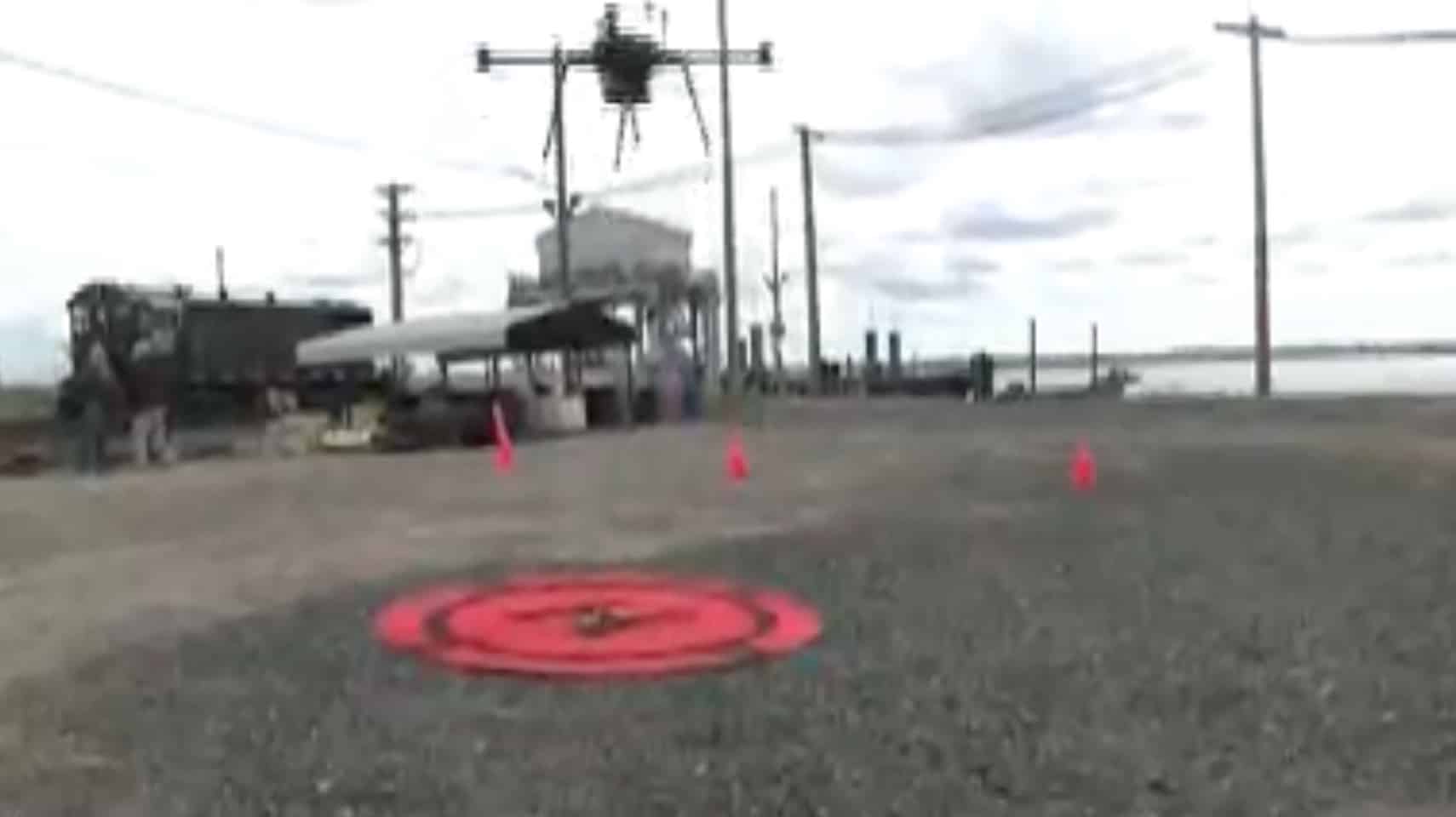
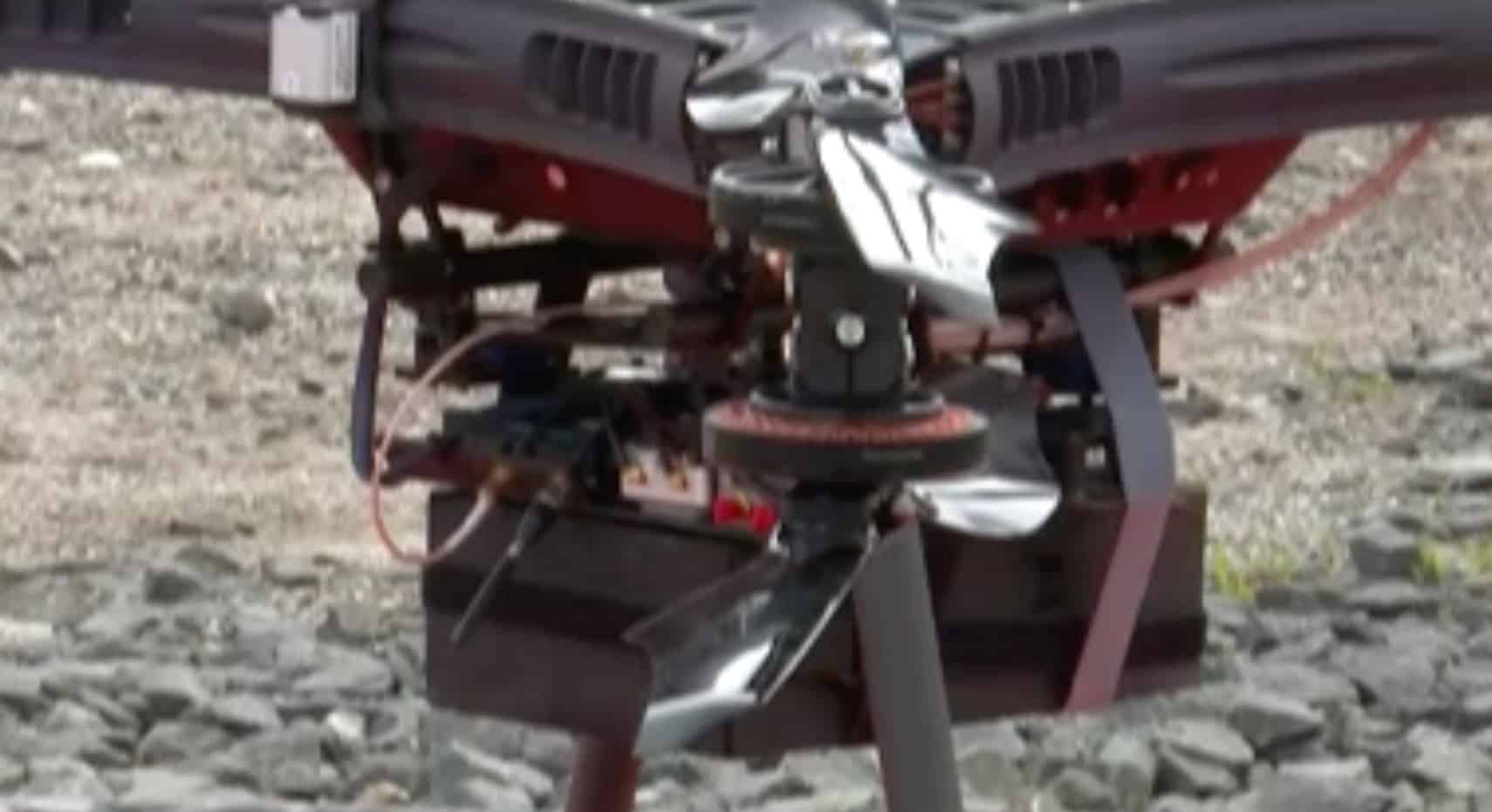
The delivery drone used in the flight can carry up to 10 pounds, but larger drones could be built to handle hundreds of pounds, transforming transportation in one of the world’s busiest marine and airspace regions.
Bazydlo reportedly emphasized the benefits of drone deliveries, explaining, “This is going to reduce congestion, which has an annual multibillion-dollar cost to the regional economy…Then we also are going to be able to do it safer. Safer for the personnel that are working at the Port Authority and safer for the public.”
The Port Authority is now seeking new partners to further develop this technology.


