Ukrainian Drone Strike Targets Ryazan Oil Refinery, Disrupting Russian Aviation Fuel Supply

Check out the Best Deals on Amazon for DJI Drones today!
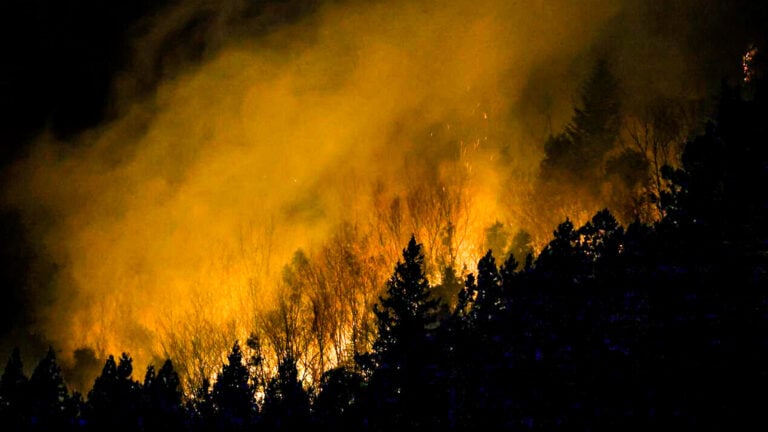
On the eve of the third anniversary of Russia’s invasion of Ukraine, a significant Ukrainian drone attack struck the Ryazan oil refinery southeast of Moscow, igniting a fire and raising questions about the resilience of Russia’s energy infrastructure. As reported by ABC News, the assault is part of an escalating Ukrainian campaign targeting critical Russian facilities, with the Ryazan refinery—a key producer of aviation fuel—emerging as a prime target.
Strategic Significance of the Ryazan Refinery
Situated approximately 120 miles southeast of Moscow, the Ryazan oil refinery ranks among Russia’s top five largest facilities, boasting an annual processing capacity of 17.1 million tons (approximately 125 million barrels) of crude oil. This translates to a daily output of roughly 340,000 barrels, a substantial portion of which supports Russia’s military operations. Andriy Kovalenko, head of Ukraine’s Counter-Disinformation Center, emphasized the refinery’s critical role, noting its production of gasoline, diesel, aviation kerosene, fuel oil, and petrochemicals. Of particular note is its aviation kerosene, essential for both frontline fighter jets and strategic bombers that have been pounding Ukrainian targets since the conflict began.
The attack, executed overnight on February 23-24, 2025, marks the third assault on this facility in 2025 alone. Local authorities, led by Ryazan region head Pavel Malkov, confirmed that two Ukrainian drones were intercepted by air defenses, with debris sparking a fire at the industrial site. While Malkov reported no casualties, the incident underscores the vulnerability of Russia’s energy backbone to Ukraine’s increasingly sophisticated drone technology.
Technical Execution of the Attack
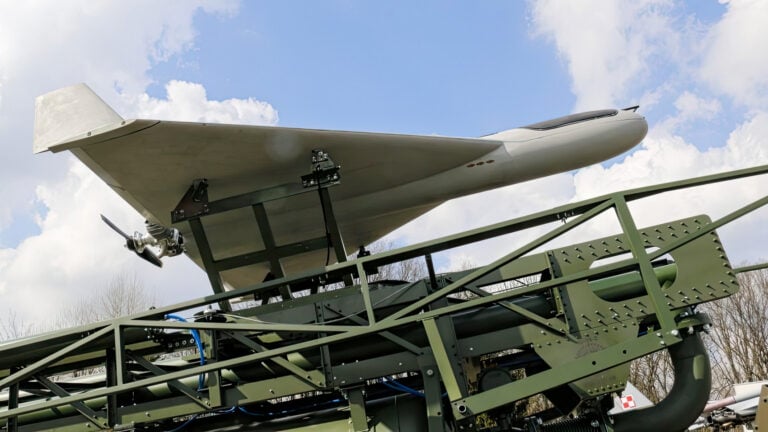
Ukraine’s drone operations have evolved dramatically over the past three years, transitioning from rudimentary systems to long-range strike platforms capable of penetrating deep into Russian territory. The Russian Defense Ministry reported downing 22 Ukrainian drones across four regions that night, with two specifically targeting Ryazan. Though exact drone models remain unconfirmed, Ukraine’s arsenal likely includes variants with ranges exceeding 300 miles and payloads sufficient to cause structural damage to industrial targets.
The precision of these strikes suggests advanced navigation and targeting systems, potentially leveraging satellite guidance or onboard artificial intelligence—technologies that have become hallmarks of modern drone warfare. The resulting fire, though contained, hints at damage to storage tanks or processing units, critical components of the refinery’s operational chain. Past attacks on Ryazan, including one in January 2025 that forced a temporary shutdown, demonstrate Ukraine’s intent to disrupt rather than merely harass.
Industry Context: A Pattern of Targeted Strikes
This latest strike fits into a broader Ukrainian strategy aimed at crippling Russia’s war machine by targeting its energy sector. Since early 2025, facilities like the Lukoil refinery in Volgograd and the Norsi refinery in Nizhny Novgorod have faced similar assaults, collectively impacting nearly 10% of Russia’s refining capacity. The Ryazan facility alone accounts for about 5% of the nation’s total output, making it a linchpin in the supply chain for military aviation fuel.
Russia’s response has been a mix of defensive measures and operational adjustments. Following earlier attacks, the Ryazan refinery resumed partial operations within weeks, suggesting robust repair capabilities. However, repeated strikes could strain this resilience, forcing Russia to divert resources from crude oil exports—a vital economic lifeline—to domestic fuel production. With oil prices hovering around $80 per barrel as of February 2025, each disruption carries a multi-million-dollar price tag, compounding the strategic cost.
Market Implications and Military Impact
The immediate fallout from the Ryazan strike is twofold: a potential reduction in aviation fuel availability for Russian forces and a ripple effect on regional energy markets. Aviation kerosene, a high-value product, is notoriously difficult to substitute quickly. Neighboring refineries in Moscow, Yaroslavl, and Kstovo could compensate for short-term shortages, but sustained Ukrainian pressure might expose deeper vulnerabilities in Russia’s supply network. For Ukraine, degrading Russia’s air superiority—bolstered by jets fueled at Ryazan—could shift the battlefield dynamics as the conflict enters its fourth year.
Globally, the attack reinforces the growing nexus between drone warfare and energy security. Industry analysts note that such disruptions could nudge oil futures upward, particularly if Russia’s export capacity falters. For NATO countries backing Ukraine, the strikes validate investments in Ukrainian drone programs, potentially spurring further development of drone technology tailored for infrastructure targeting.
Regulatory and Ethical Considerations
While Ukraine justifies these strikes as legitimate military actions against a belligerent’s war-sustaining infrastructure, they raise complex questions under international law. Refineries, though dual-use facilities, are not purely military targets, and civilian workers often bear the brunt of such attacks. Russia has yet to formally escalate the matter to international bodies, but the precedent of targeting energy assets could invite reciprocal actions—perhaps against Ukrainian power grids or Western supply lines.
From a regulatory standpoint, the proliferation of long-range attack drones challenges existing frameworks like those overseen by the Federal Aviation Administration or its international counterparts. As civilian airspace becomes a contested battlespace, regulators may need to rethink restrictions on drone range, payload, and autonomy—issues already under scrutiny in the commercial sector.
A New Front in Drone Warfare
The Ukrainian drone strike on the Ryazan oil refinery exemplifies how unmanned systems are reshaping modern conflict, extending the battlefield hundreds of miles beyond traditional frontlines. For Russia, it’s a stark reminder of its industrial vulnerabilities; for Ukraine, a testament to its technological tenacity. As the drone industry watches closely, the broader implications are clear: energy infrastructure is now a prime target, and the tools to hit it are becoming ever more precise and prolific.
Looking ahead, the escalation of such attacks could redefine military strategy and energy security in equal measure. Whether Russia adapts with enhanced defenses or Ukraine doubles down on its aerial campaign, one thing is certain—drones have opened a Pandora’s box that no nation can ignore.
DroneXL’s Take
The Ryazan strike highlights a pivotal shift in drone warfare: the convergence of affordability, range, and precision. Ukraine’s ability to repeatedly hit high-value targets like Ryazan with relatively low-cost systems suggests a cost-benefit asymmetry that could inspire other nations—or even non-state actors—to follow suit. The industry should brace for a surge in demand for counter-drone technologies, from electronic jamming to kinetic interceptors, as the stakes of this aerial chess game continue to rise.
Discover more from DroneXL.co
Subscribe to get the latest posts sent to your email.
Check out our Classic Line of T-Shirts, Polos, Hoodies and more in our new store today!

MAKE YOUR VOICE HEARD
Proposed legislation threatens your ability to use drones for fun, work, and safety. The Drone Advocacy Alliance is fighting to ensure your voice is heard in these critical policy discussions.Join us and tell your elected officials to protect your right to fly.

Get your Part 107 Certificate
Pass the Part 107 test and take to the skies with the Pilot Institute. We have helped thousands of people become airplane and commercial drone pilots. Our courses are designed by industry experts to help you pass FAA tests and achieve your dreams.

Copyright © DroneXL.co 2026. All rights reserved. The content, images, and intellectual property on this website are protected by copyright law. Reproduction or distribution of any material without prior written permission from DroneXL.co is strictly prohibited. For permissions and inquiries, please contact us first. DroneXL.co is a proud partner of the Drone Advocacy Alliance. Be sure to check out DroneXL's sister site, EVXL.co, for all the latest news on electric vehicles.
FTC: DroneXL.co is an Amazon Associate and uses affiliate links that can generate income from qualifying purchases. We do not sell, share, rent out, or spam your email.