

DroneXL’s Jasper Ellens has obtained an exclusive YouTube review video of the yet-to-be-released DJI Osmo 360, set for launch on July 31, 2025. This sponsored hands-on showcase provides drone professionals and recreational pilots with an initial impression of the new 360-degree camera, highlighting its potential for immersive aerial and ground footage integration.
Source and Sponsorship Details
The information in this article stems entirely from a YouTube review video sponsored by DJI and provided to DroneXL. The reviewer states, “This video is sponsored by DJI, so think of it as a hands on a showcase rather than a deep dive critical review.” This framing could be viewed as a marketing demonstration rather than a standalone critique, as it emphasizes characteristics and comparisons to provide readers with an initial balanced overview.
DJI Osmo 360 Compact Design and Build Enhancements
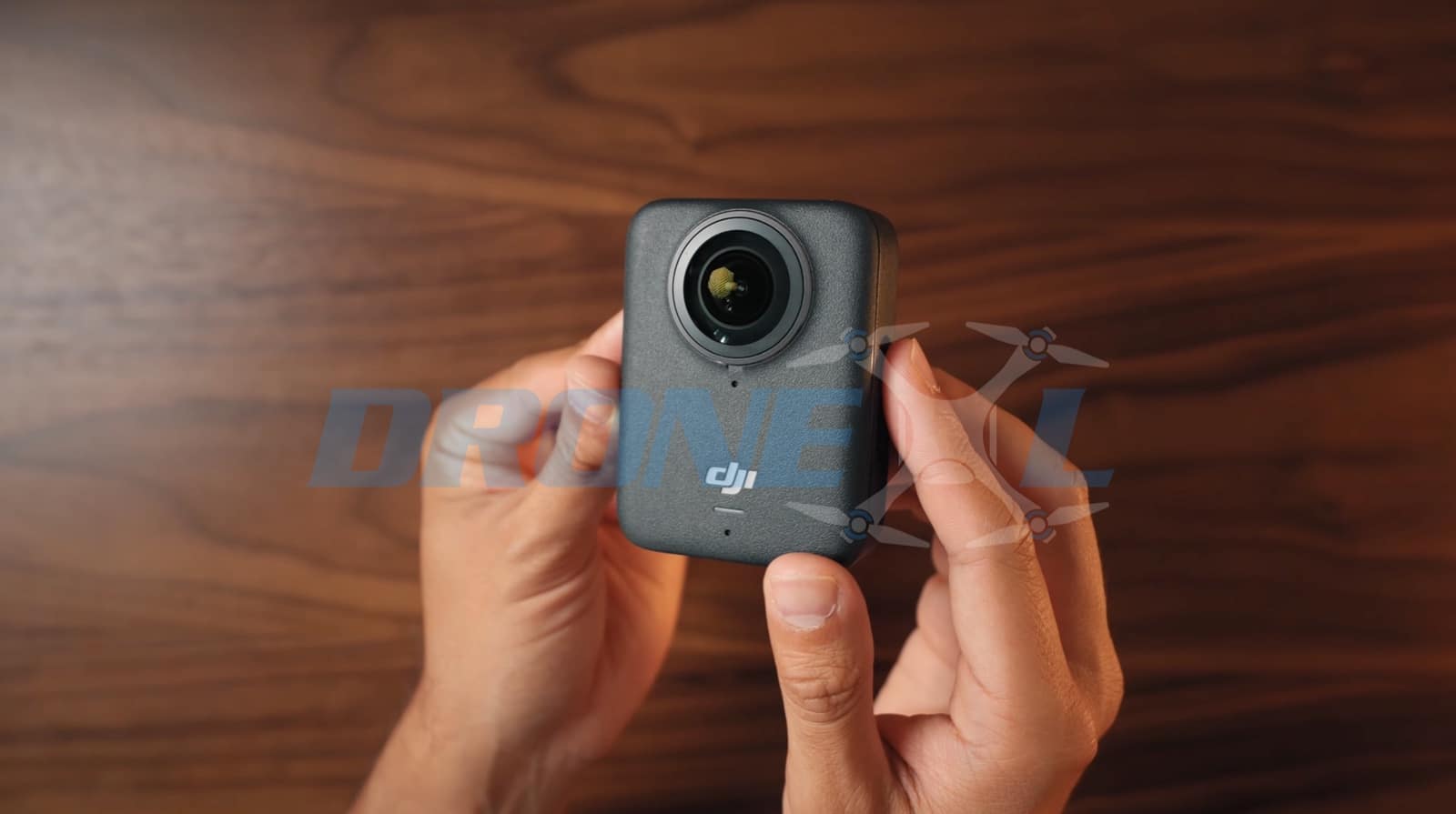
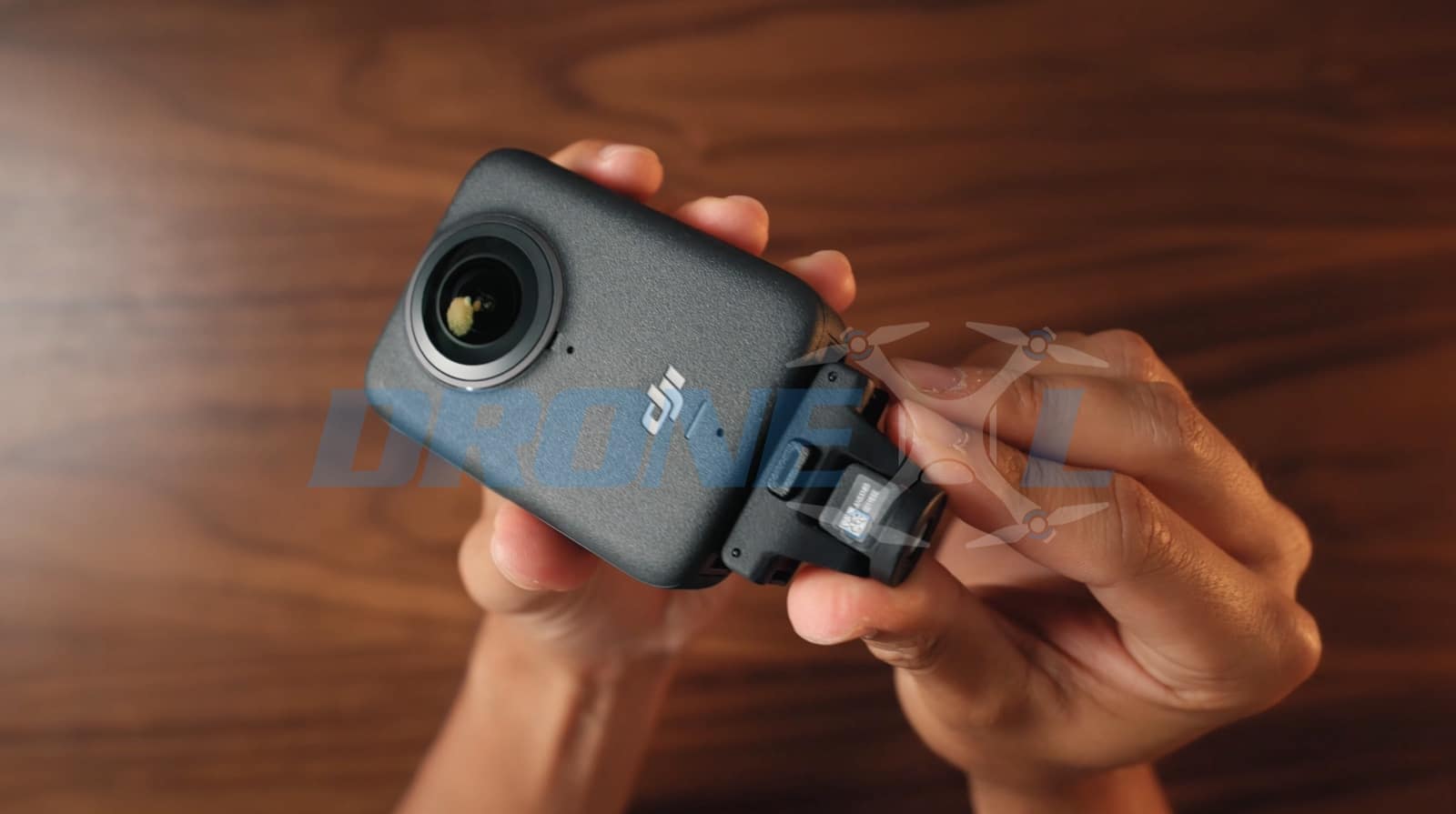
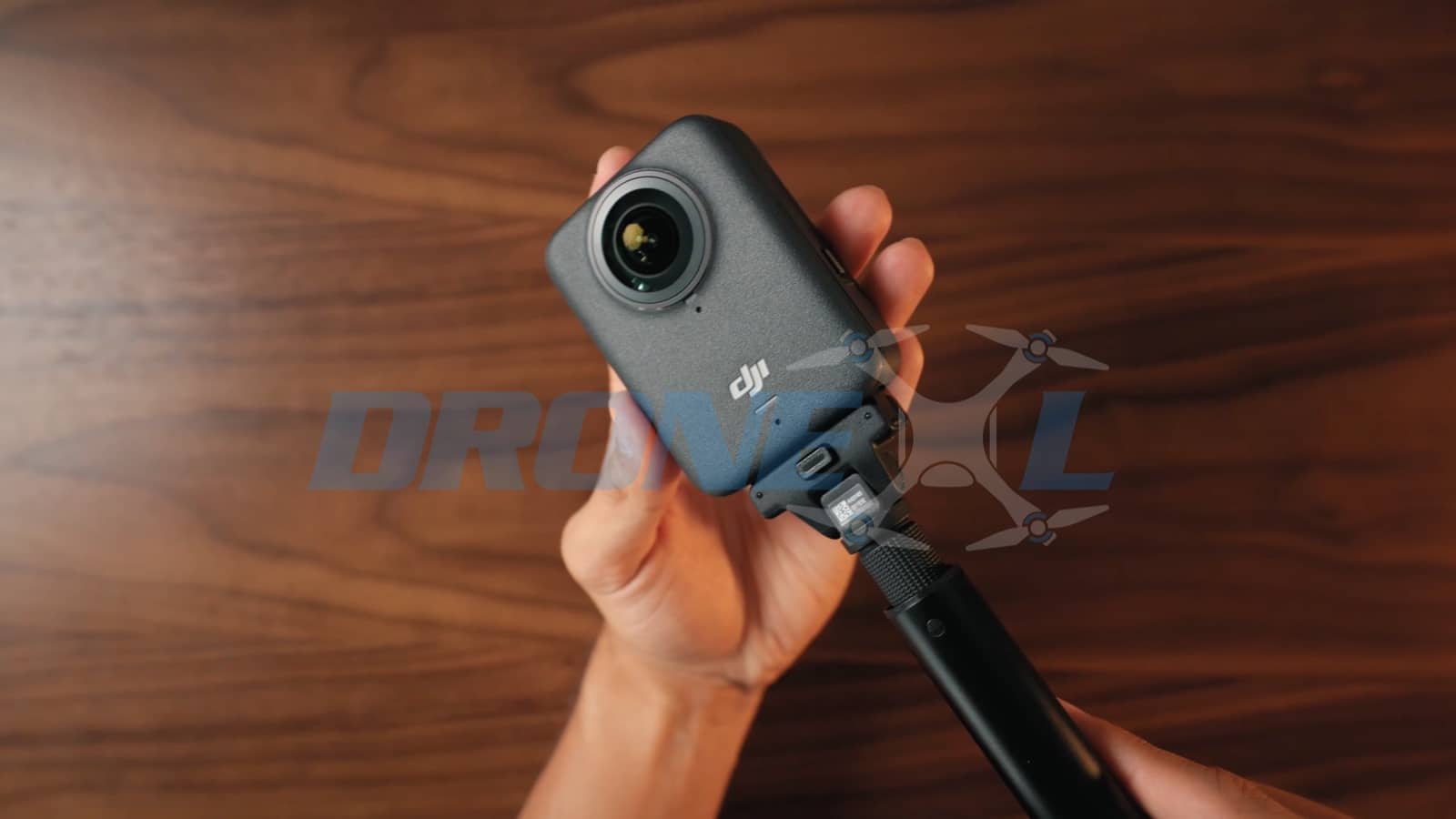
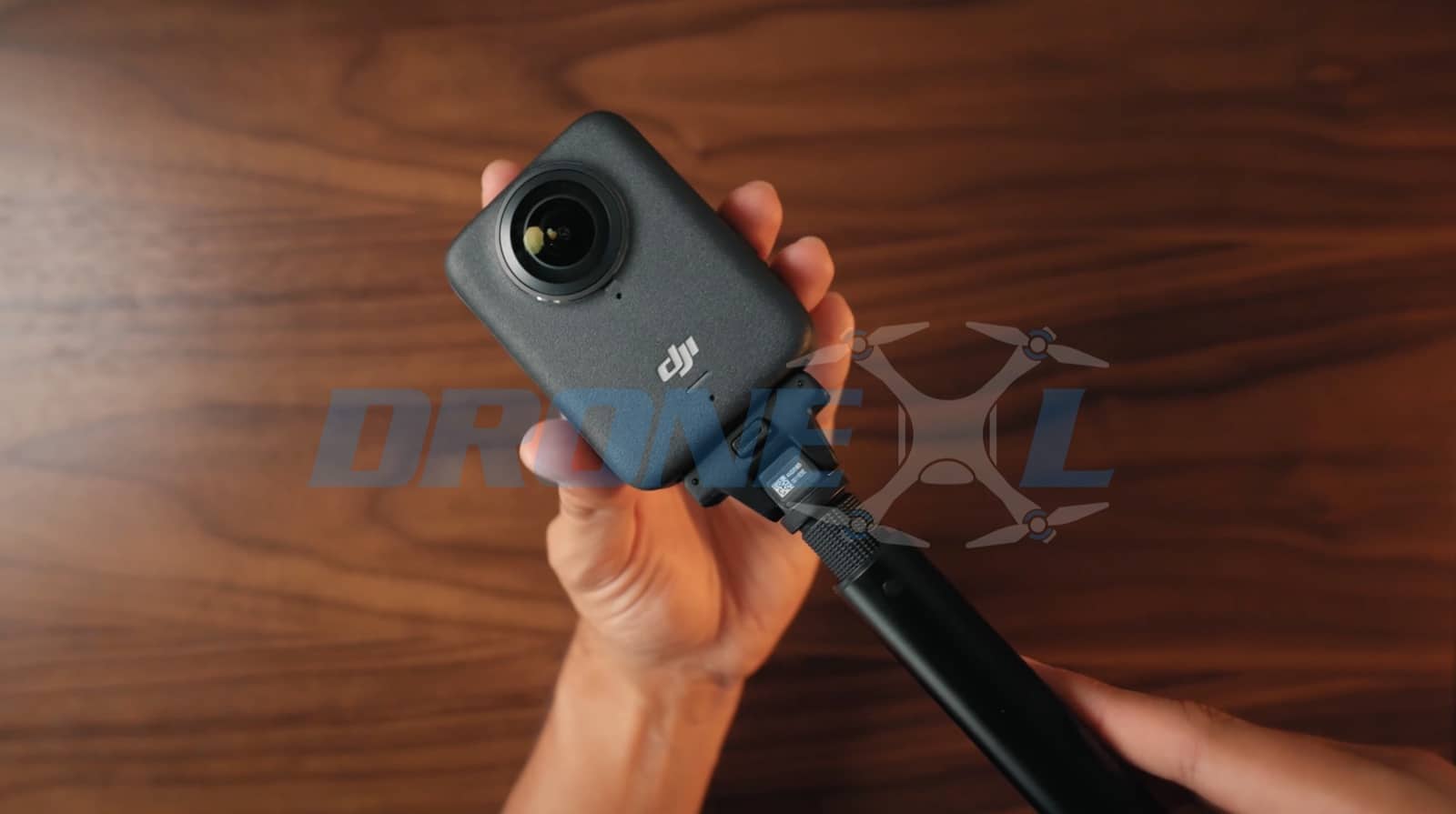
The DJI Osmo 360 adopts a square form factor weighing 184 grams (6.5 ounces), which stands out as 18 grams lighter than the Insta360 X5. Creators can slip it into a pocket easily. Dual fisheye lenses, each covering 180 degrees, sit front and back, with the camera stitching footage in real time for a seamless 360-degree view.

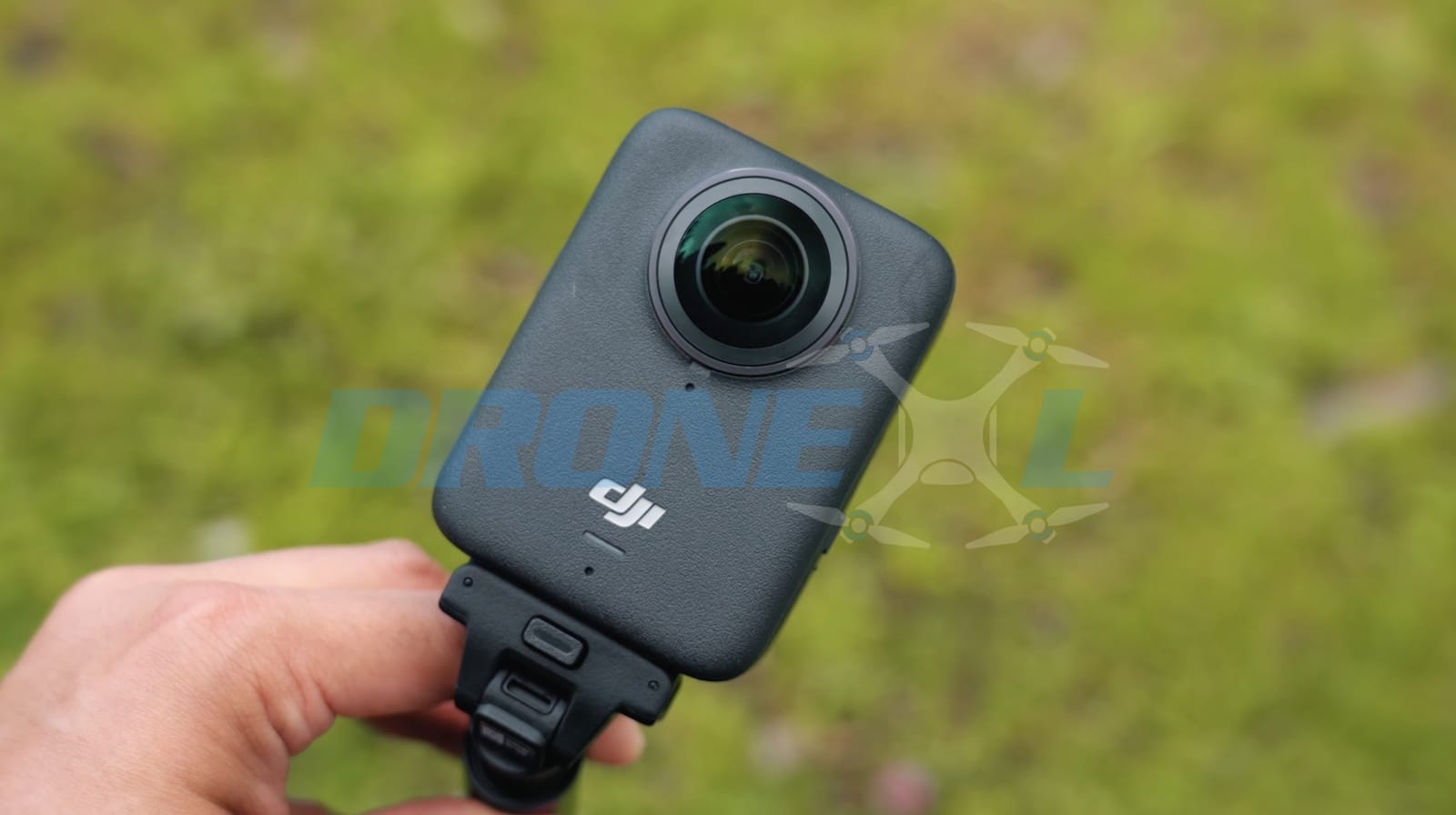
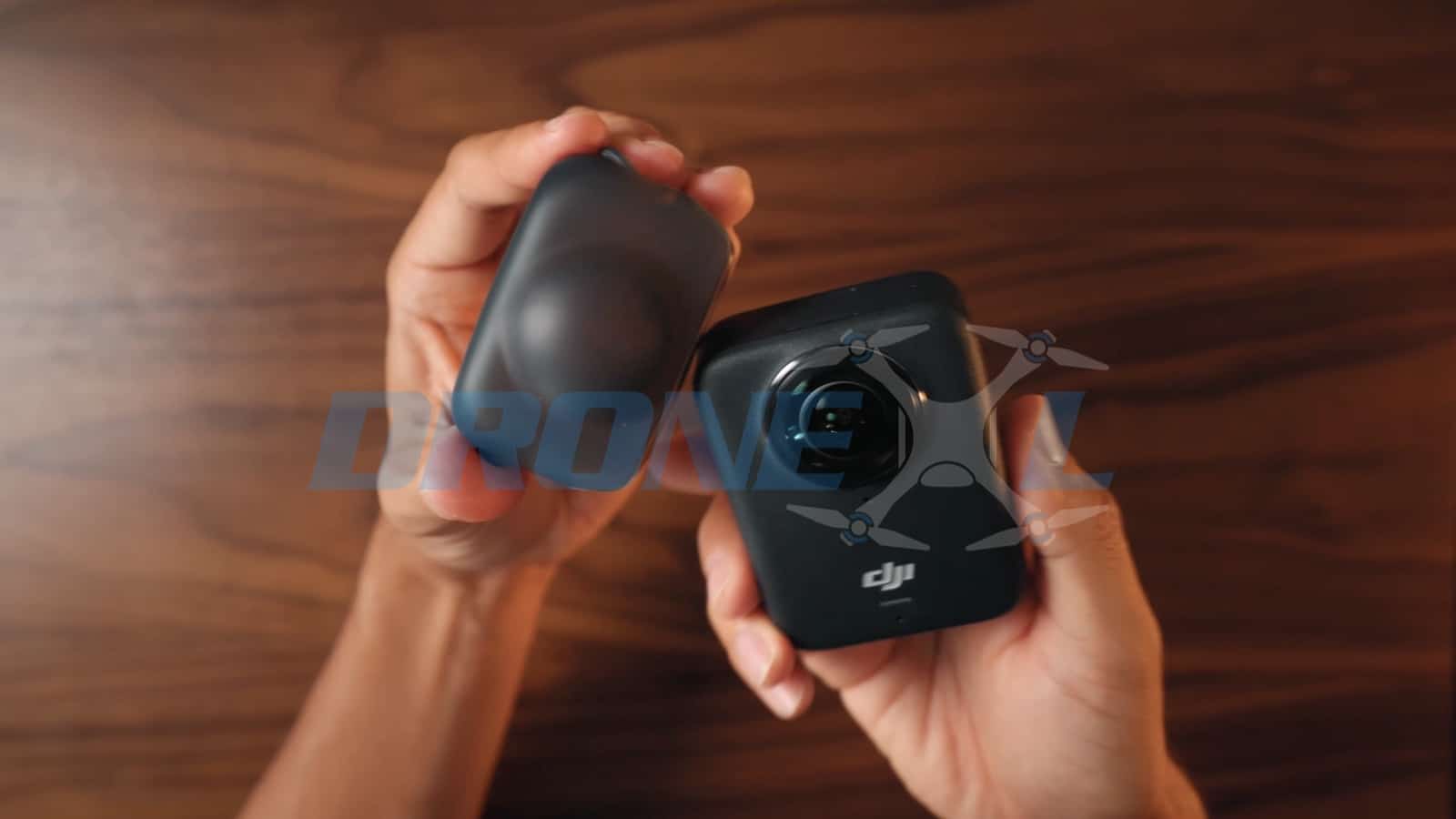
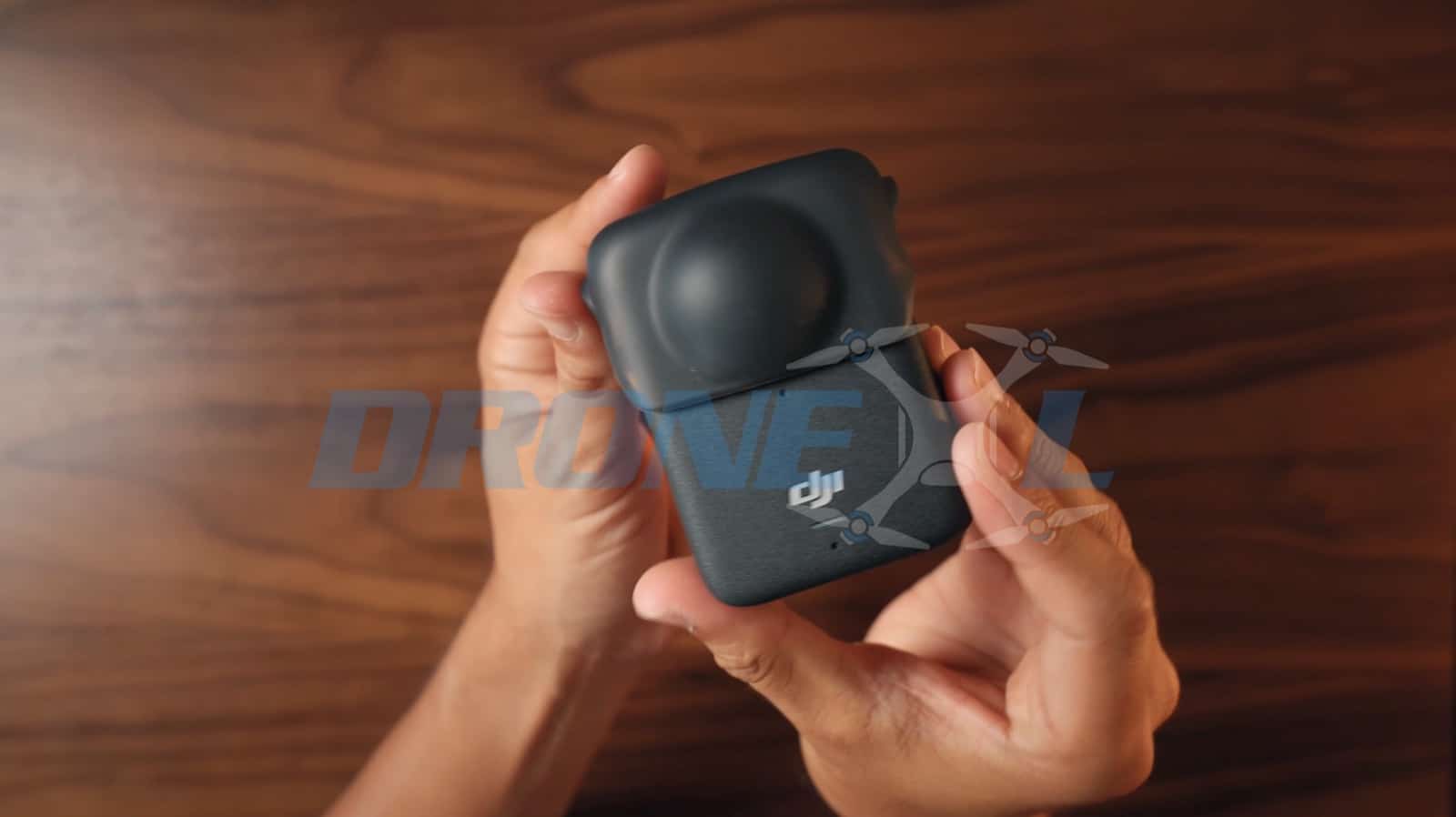
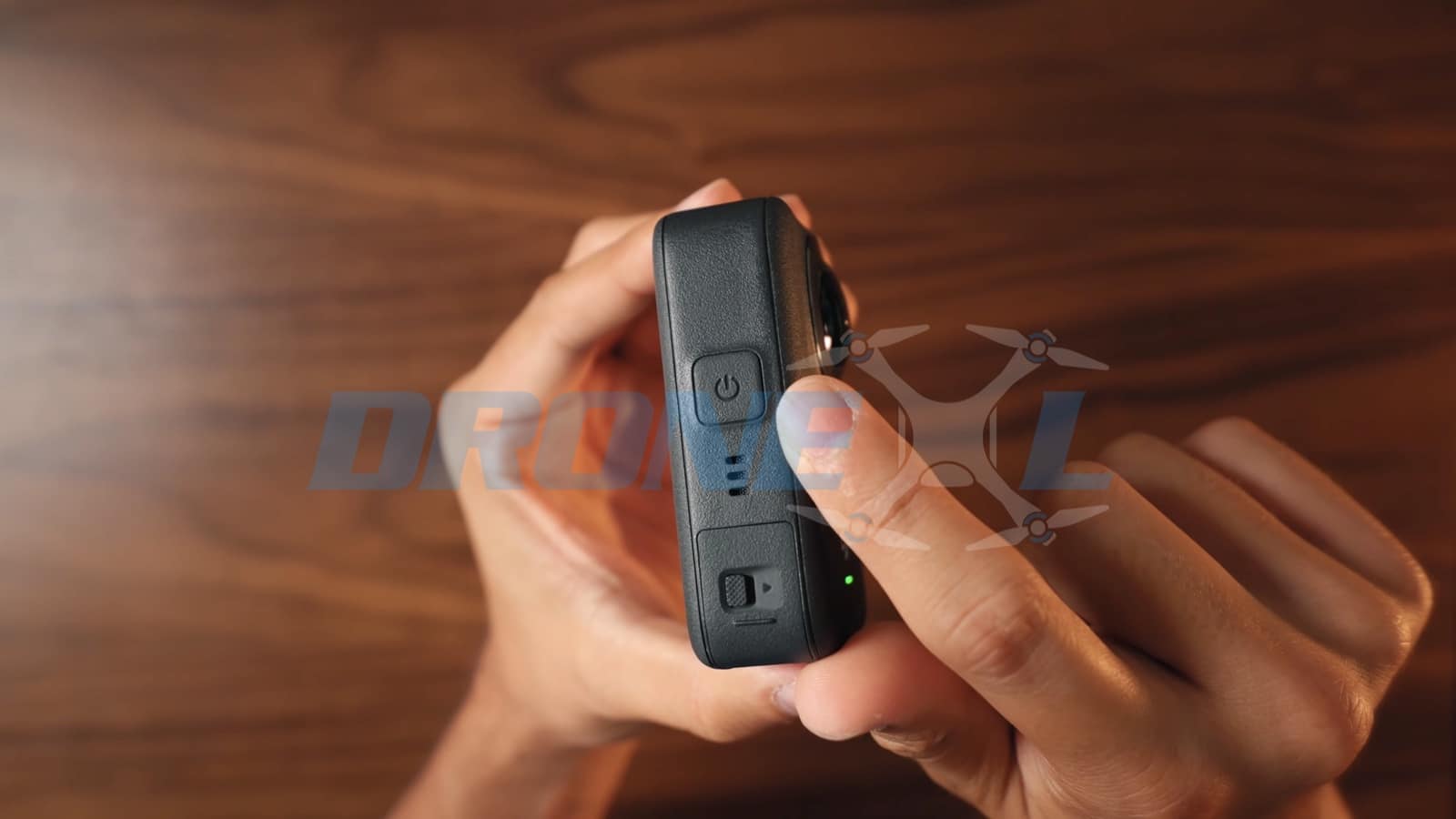
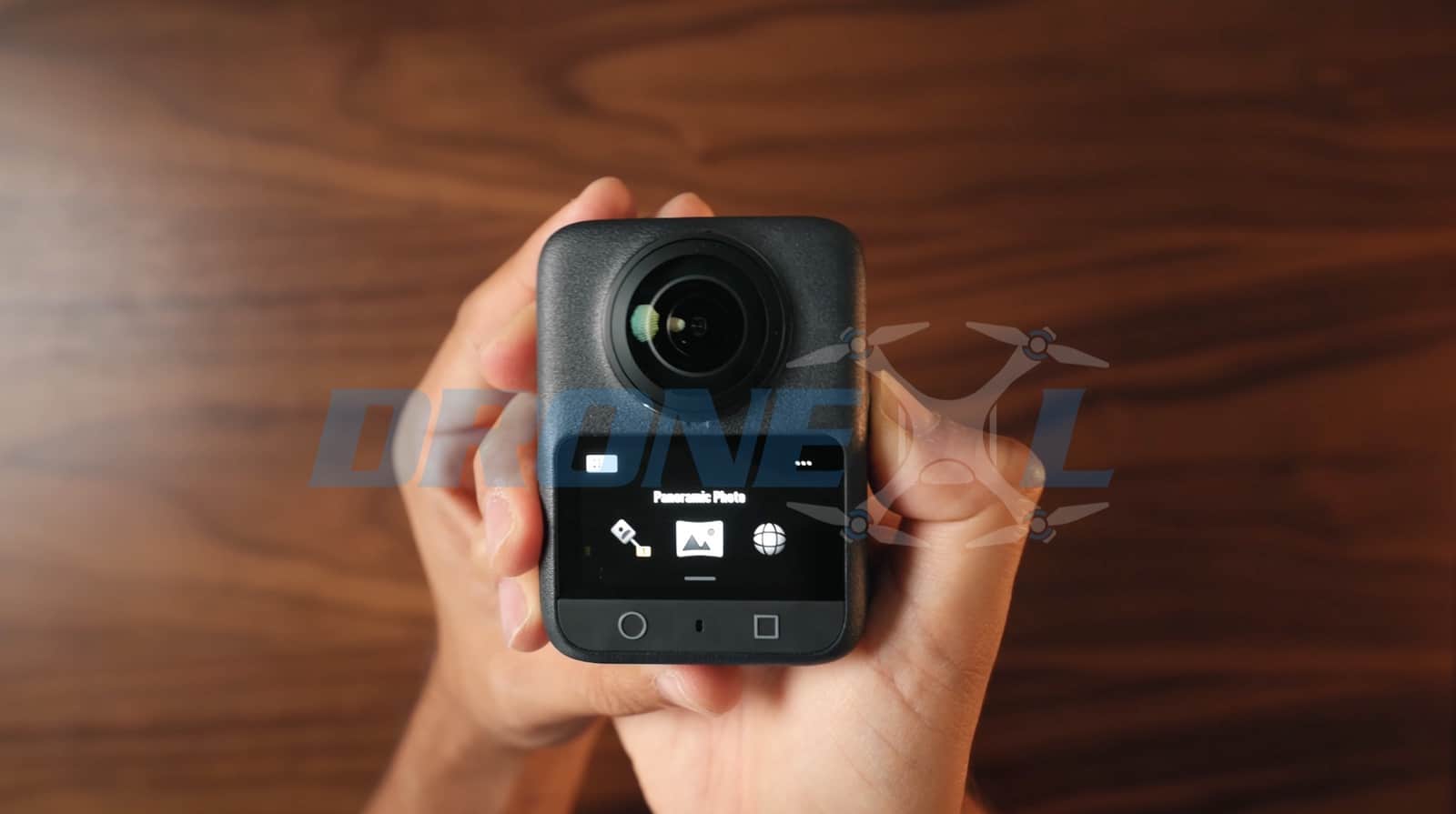
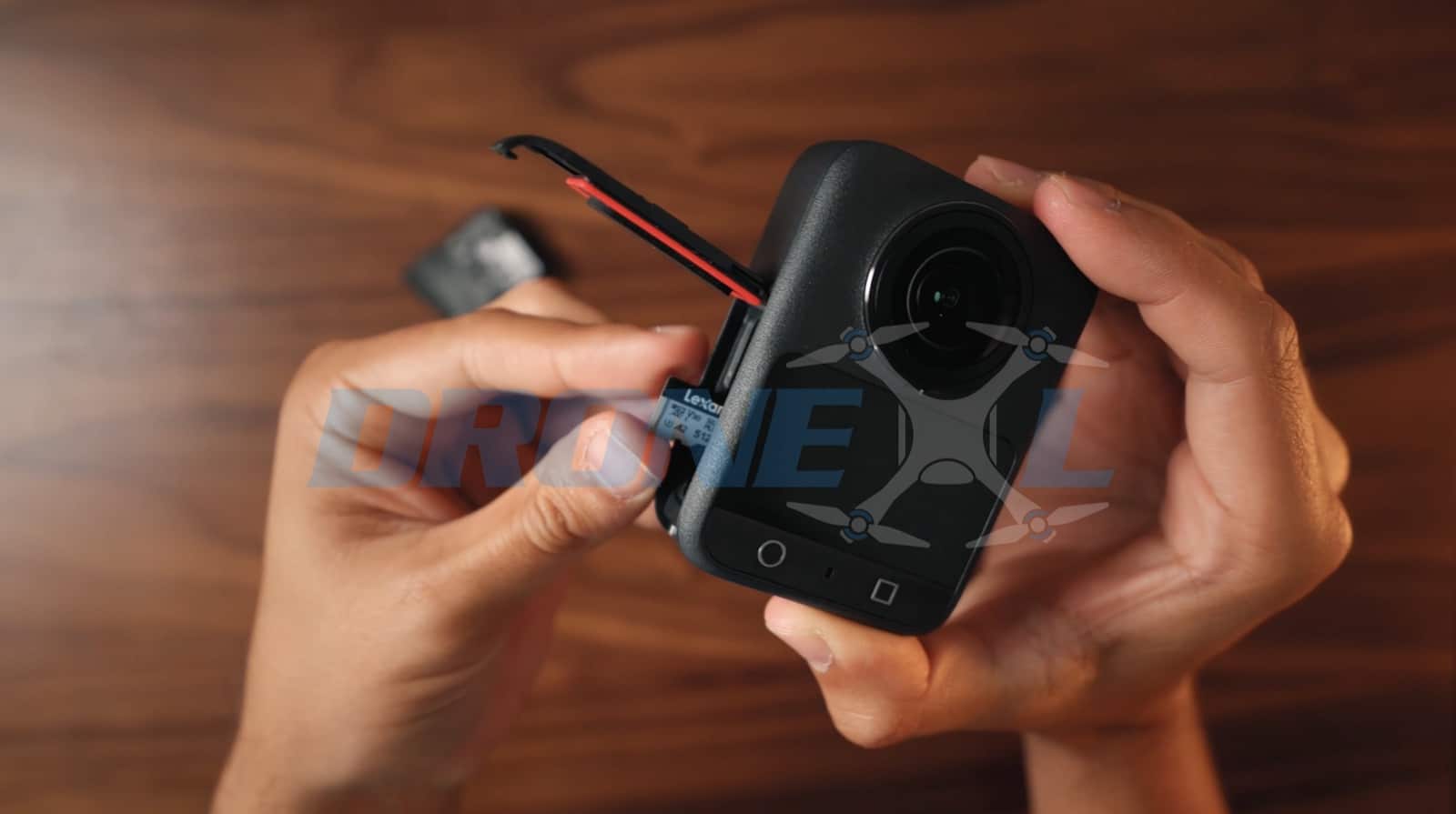
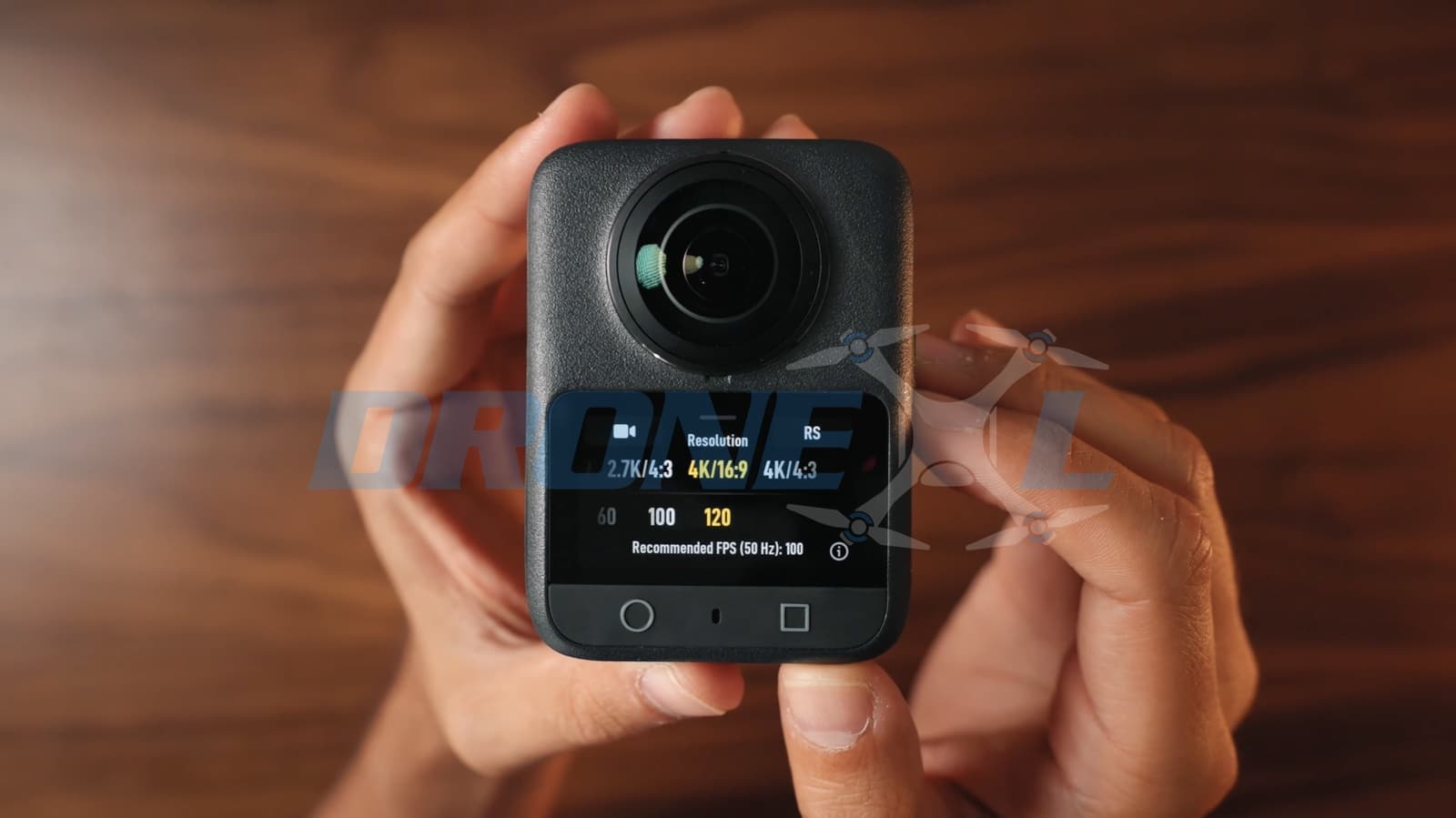
A multi-layer coating bolsters lens scratch resistance and durability for daily handling. Lenses remain non-replaceable, prompting the reviewer to advise, “I highly recommend using the included rubber lens protector whenever the camera isn’t in use.” DJI provides optional transparent protectors, and certain kits include free lens replacement. The build conveys solidity, featuring a bright OLED touchscreen visible in sunlight, physical buttons for recording and lens switching, a recording indicator, multiple microphones, a power button with preset toggling, speakers, a USB-C port, a removable battery, and a microSD slot.
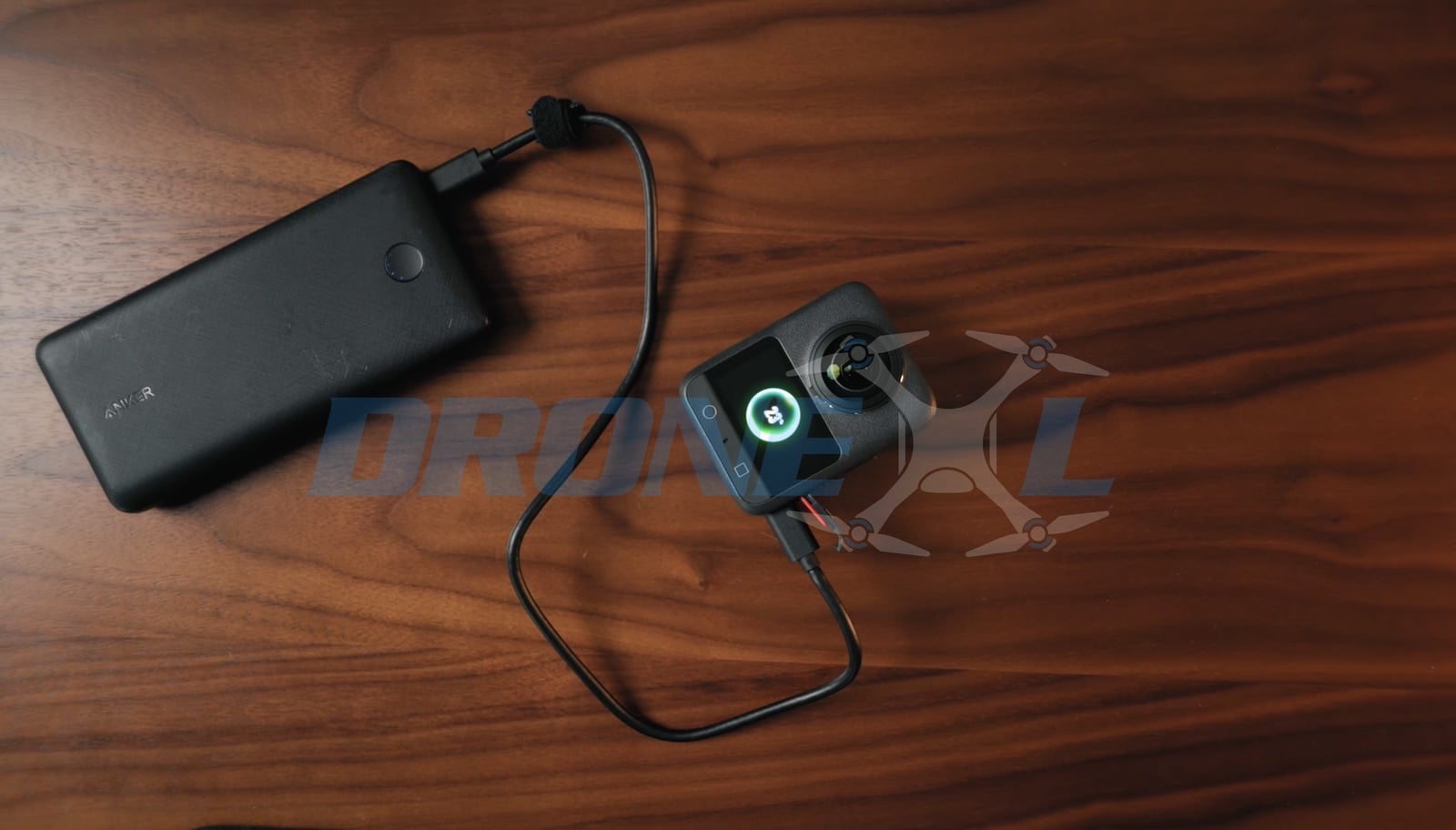
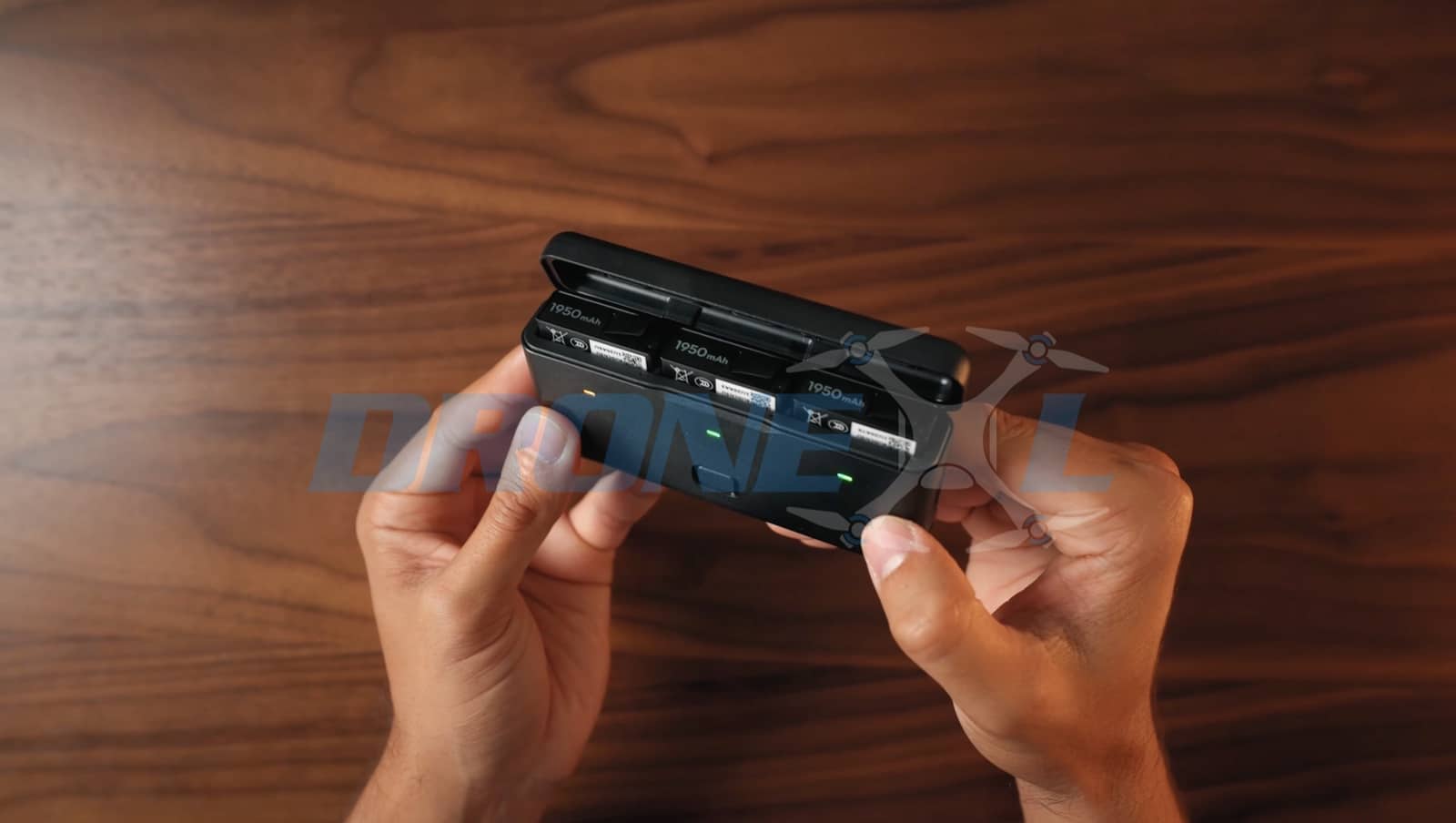
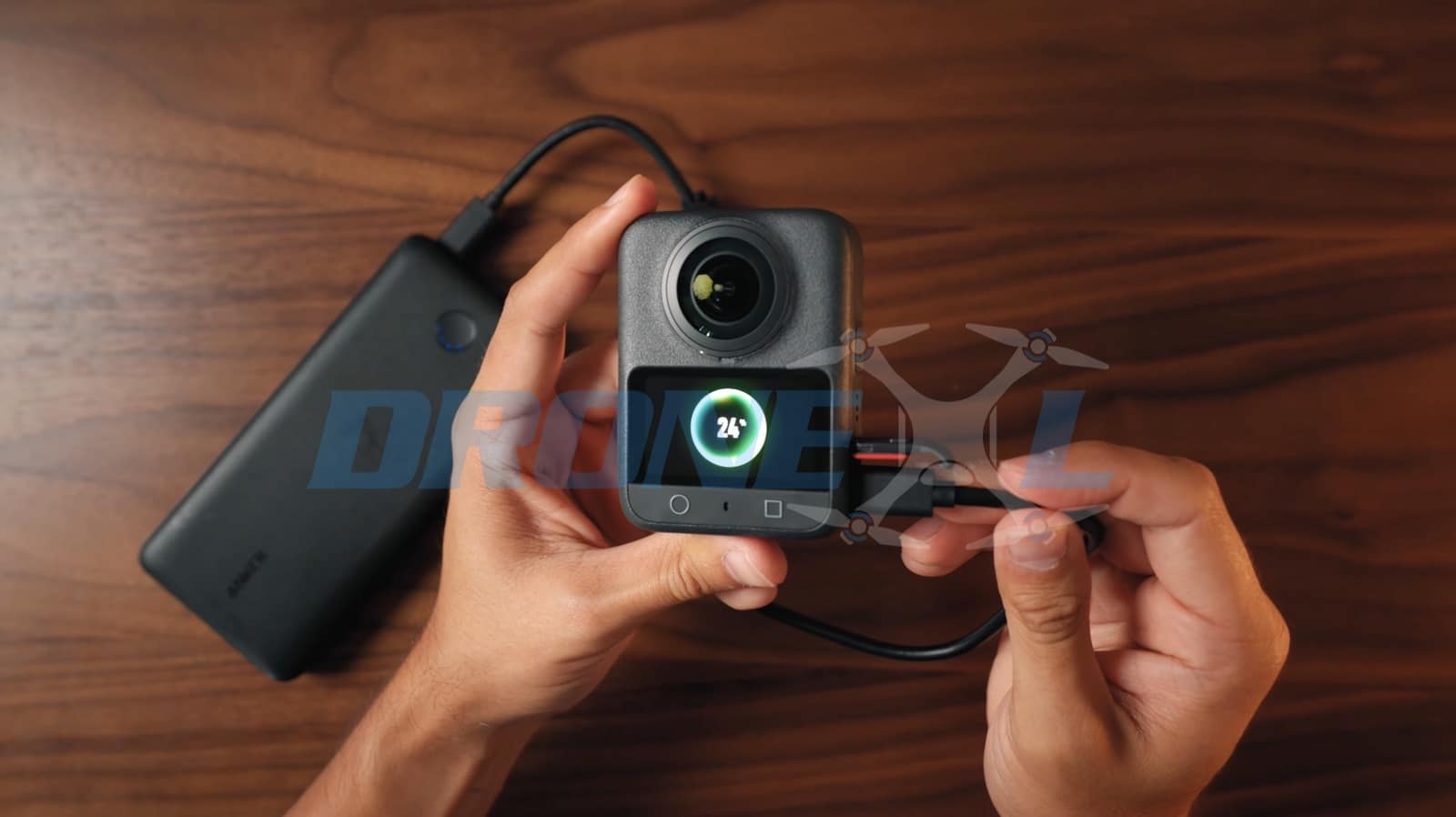
A standard 1/4-inch screw mount at the base accommodates tripods and accessories, with compatibility for Osmo’s quick-release adapter. The device supports fast charging at 23W via USB-C, and combo kits offer a case for charging three batteries simultaneously.
Sensor Technology and Image Quality Advances
At the heart of the DJI Osmo 360 lies a 1/1.1-inch CMOS sensor tailored for 360 videos, yielding performance equivalent to a 1-inch sensor due to its square design. This setup utilizes the full sensor area, avoiding waste common in rectangular sensors like the Insta360 X5’s 1/1.28-inch version. The result delivers sharp 8K video with improved detail in highlights and shadows.

Recording in 10-bit color surpasses the X5’s 8-bit capability, enhancing natural gradients in skies and shadows. Support for D-Log M provides a flat profile for post-production flexibility, retaining details for cinematic grading or matching other cameras. The reviewer notes during a comparison, “with more pixels, this essentially means better image quality, with more detail, as well as better low light performance.”
In low-light tests using Super Night mode at 8K 25fps against the X5’s Pure Video mode, the DJI Osmo 360 appeared superior on display. The reviewer concludes, “I do think we have a clear winner here,” after evaluating footage. For photos, it captures 120-megapixel 360 images.
Versatile Shooting Modes for Creators
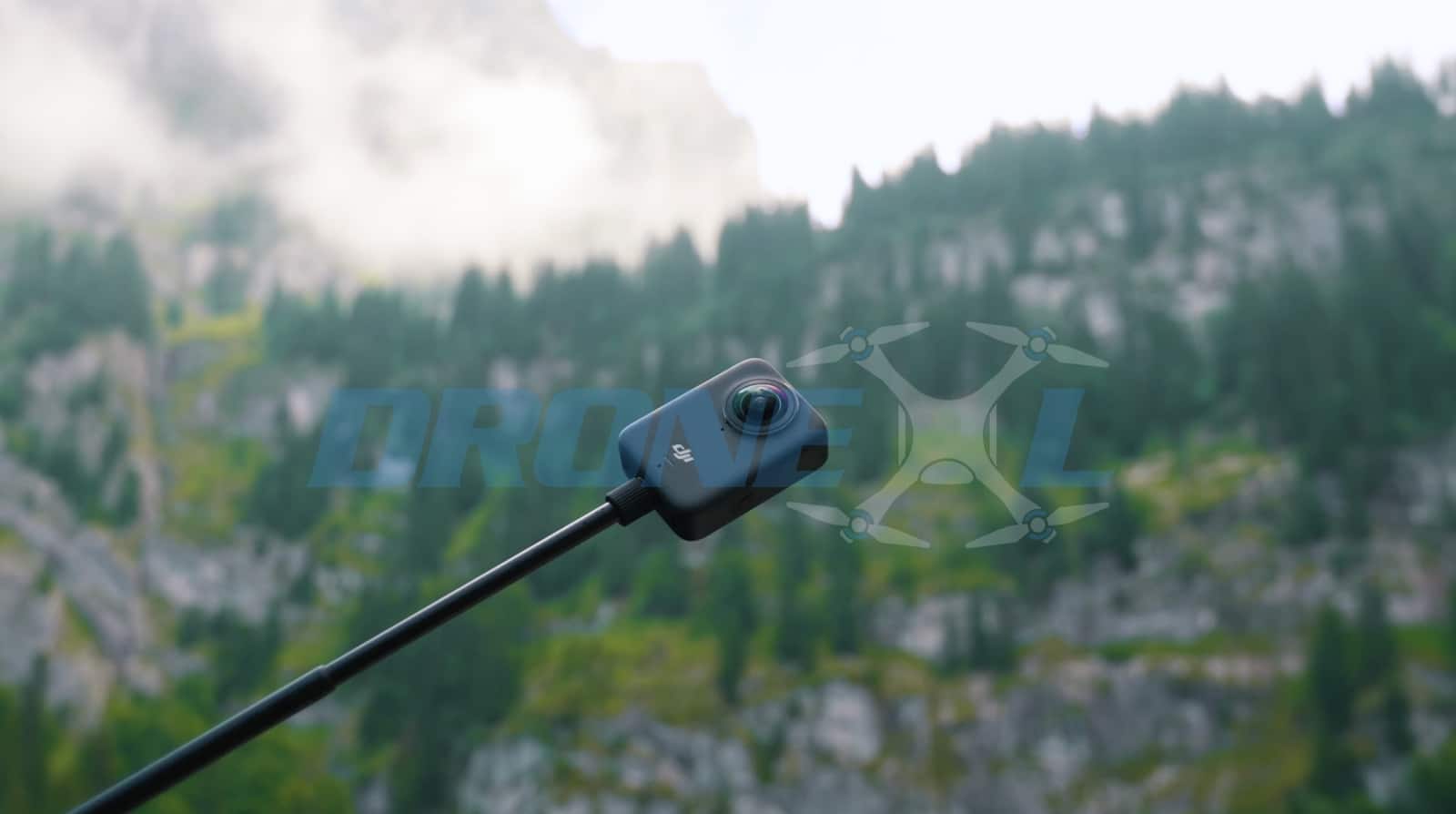
The DJI Osmo 360 caters to varied needs through multiple modes. The primary 360 mode records everything around the user, ideal for solo creators pulling multiple angles from one take, including tiny planet effects. The invisible selfie stick creates a floating camera illusion.
Single lens mode functions like a traditional action camera, using front or rear lens with seamless switching during recording, up to 5K at 60fps. Selfie mode offers a third-person wide-angle view with the user centered, supporting 4K at 60fps without reframing. Boost video in single lens provides an ultra-wide 170+ degree field of view, reaching 4K at 120fps for slow-motion.
This flexibility benefits vloggers and action enthusiasts, simplifying workflows without crews. Building on that, intelligent tracking in the DJI Mimo app or DJI Studio desktop software follows subjects like humans, vehicles, or pets in 360 space, with keyframe options for dynamic perspectives.
Audio Capabilities and Practical Features
Built-in microphones enable stereo or mono recording with adjustable wind noise reduction. The reviewer tests the internal mic, stating, “this is how it sounds like using the internal mic on the Osmo 360.” Wireless integration with DJI Mic 2 or Mini transmitters connects directly, allowing remote recording control and on-screen levels, plus ambient backup.
Storage includes 128GB internal (105GB usable), expandable via microSD, unlike the X5’s card-only requirement. Battery life reaches 100 minutes of 8K 30fps panoramic video at 25°C (77°F), aided by high thermal conductivity. Tests showed 118 minutes continuous recording versus the X5’s 44 minutes before overheating.
Waterproofing to 10 meters (33 feet) without a case suits water activities. No overheating occurred in short clips during vlogging.
Accessories and User Implications
DJI supplies accessories like a 1.2-meter (4-foot) selfie stick, recommending at least 0.75 meters (2.5 feet) from subjects to avoid stitching issues. Options include a 2.5-meter (8.2-foot) carbon fiber extension pole, 1.6-meter (5.25-foot) tripod selfie stick that unfolds on contact, a rotating handle for bullet-time effects, and a third-party mouthpiece for first-person views.
Kits bundle mics for immediate high-quality audio. The reviewer reflects, “Honestly, it had a lot of fun using the Osmo 360. It’s been a great companion, and I love that I don’t have to think about framing. I just hit record and worry about it later.”
This pre-release insight into the DJI Osmo 360 positions it as a tool for drone users seeking seamless 360 integration, enhancing operational creativity with minimal effort. As the market awaits the launch, this sponsored preview underscores trends in accessible immersive tech, though full independent reviews will follow post-release.
Follow DroneXL for the latest drone news and DJI rumors!


