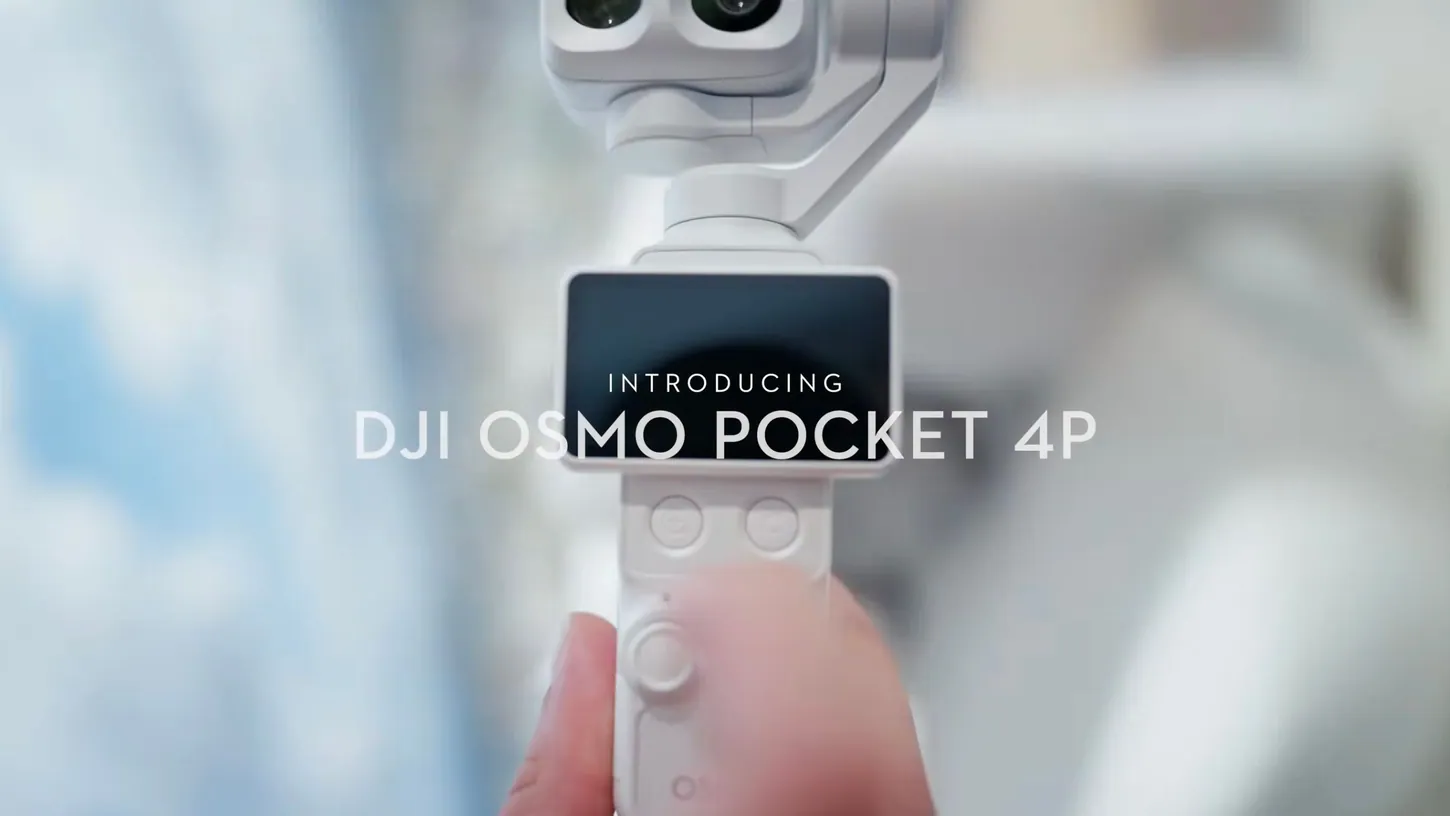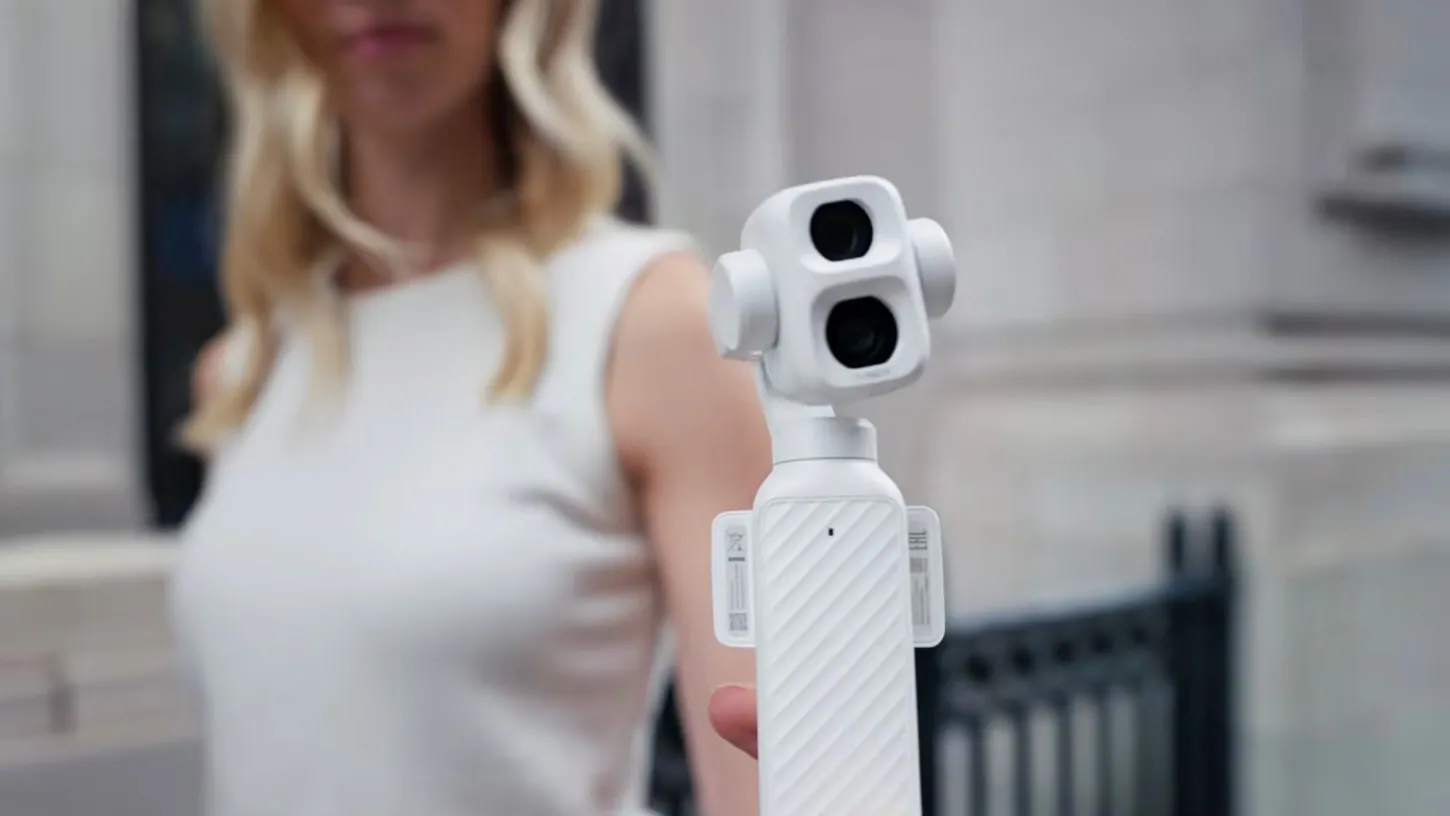
The DJI Osmo Pocket 4P is now the go-to camera for The Film Alliance, a filmmaking channel on YouTube, after what its reviewer counts as 100 days of near-daily shooting. The review posted today covers B-roll, talking heads, 4K slow motion and night work. The reviewer says the camera was bought with personal money and that DJI did not sponsor the video.
The reviewer lives in the United States, where DJI does not sell the Pocket 4P, and bought this one on eBay. The same review lists a gimbal head and screen that are easy to break, with no proper hard case to protect them, and the reviewer doesn’t know how to get warranty service on the camera: “If I drop it, I might be in trouble.”
The Reviewer Shoots Faces On The 3x Camera, Which Cannot Record D-Log 2
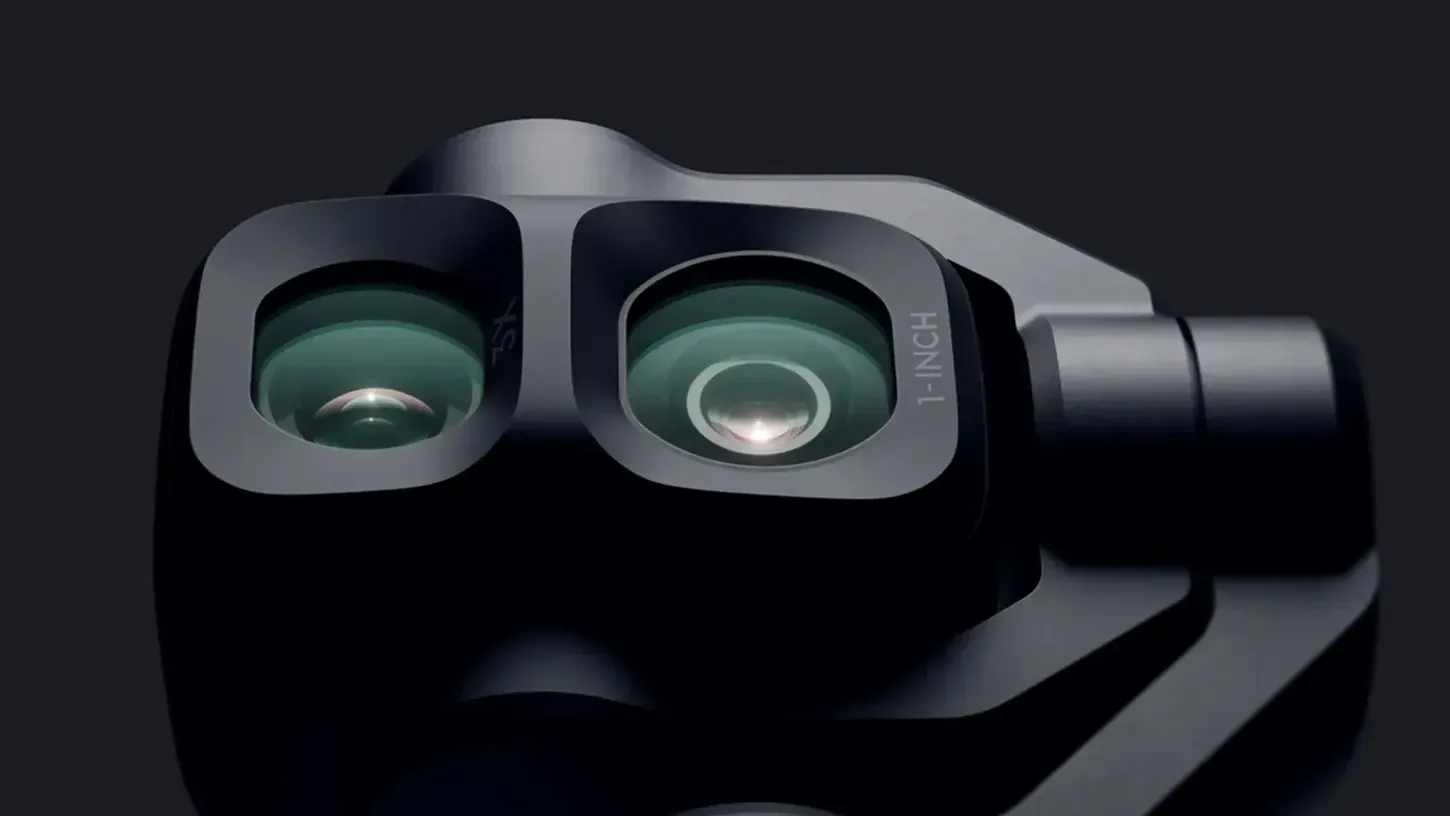
The reviewer films talking heads on the 60mm-equivalent 3x camera because skin tones from the wide camera look poor. That telephoto cannot record D-Log 2, the profile behind the 4P’s 17-stop claim. When a shoot moves between both lenses in log, the reviewer’s workaround is the older 10-bit D-Log.
Partner creator Jake Sloan hit the same wall in his August comparison with the Pocket 4, so this is not one unit’s quirk. The reviewer found a second problem in the edit: mixed D-Log and D-Log 2 clips carry no label telling them apart, which is why every shoot now sticks to one profile. Plain D-Log gives up some grading room, and the reviewer calls it good enough.
DJI lists the wide camera at 20mm equivalent. The reviewer says it frames closer to 18mm, which makes faces look small, though the video doesn’t say how that figure was measured. The 1-inch sensor behind it performs outstandingly in low light, by the reviewer’s account. After dark the reviewer avoids the smaller-sensor telephoto, and day to day uses the Standard color profile about 90% of the time.
For travel, vlogs and family video, the reviewer says the 4P can replace a mirrorless camera, while high-end professional work still needs interchangeable lenses and dual card slots. The reviewer would buy the 4P again “without even thinking twice.” The video carries a paid segment for Neewer ND filters, and the channel offers its own Pocket 4P course and LUTs.
DJI’s Policy Allows A US eBay Pocket 4P Only Paid Repair, Not Warranty
DJI’s after-sales policy covers products bought in North America under warranty only if they come from DJI authorized dealers, and no authorized dealer can legally sell a Pocket 4P in the US. An eBay unit sits outside that warranty, and DJI offers paid cross-regional repair depending on part availability.
Even the warranty a camera does carry stays home. The policy ties warranty service to a DJI repair center in the region where the product was purchased, and sending a camera to another region’s repair center needs DJI’s consent. The review doesn’t say who sold the camera on eBay or where it first came from.
DJI has been on the FCC Covered List since December 22, 2025, which keeps new DJI hardware from the equipment authorization it needs for legal US sale. DJI’s US product page for the 4P still redirected to a 404 when DroneXL checked today. The camera launched worldwide on July 30 at £529 for the Standard Combo. DroneXL found it on Amazon at $980 through an importer the day before.
DroneXL’s Take
I’d budget for a US-bought Pocket 4P as a camera with a repair bill attached, because DJI’s warranty doesn’t follow it here. That cost comes from the Covered List, and it lands on American filmmakers holding a handheld camera that never leaves the ground. The rule kept the authorized dealer out of the US, and in North America the authorized dealer is the only route to DJI warranty service. It did not keep the camera out, because this one reached a US creator through eBay. Anyone who takes this review’s advice and buys a 4P the same way should plan on paying for any repair after a drop, if DJI has the parts.
Sources: The Film Alliance on YouTube, DJI After-Sales Service Policies
DroneXL uses automated tools to support research and source retrieval. All reporting and editorial perspectives are by Haye Kesteloo. Read our editorial standards.