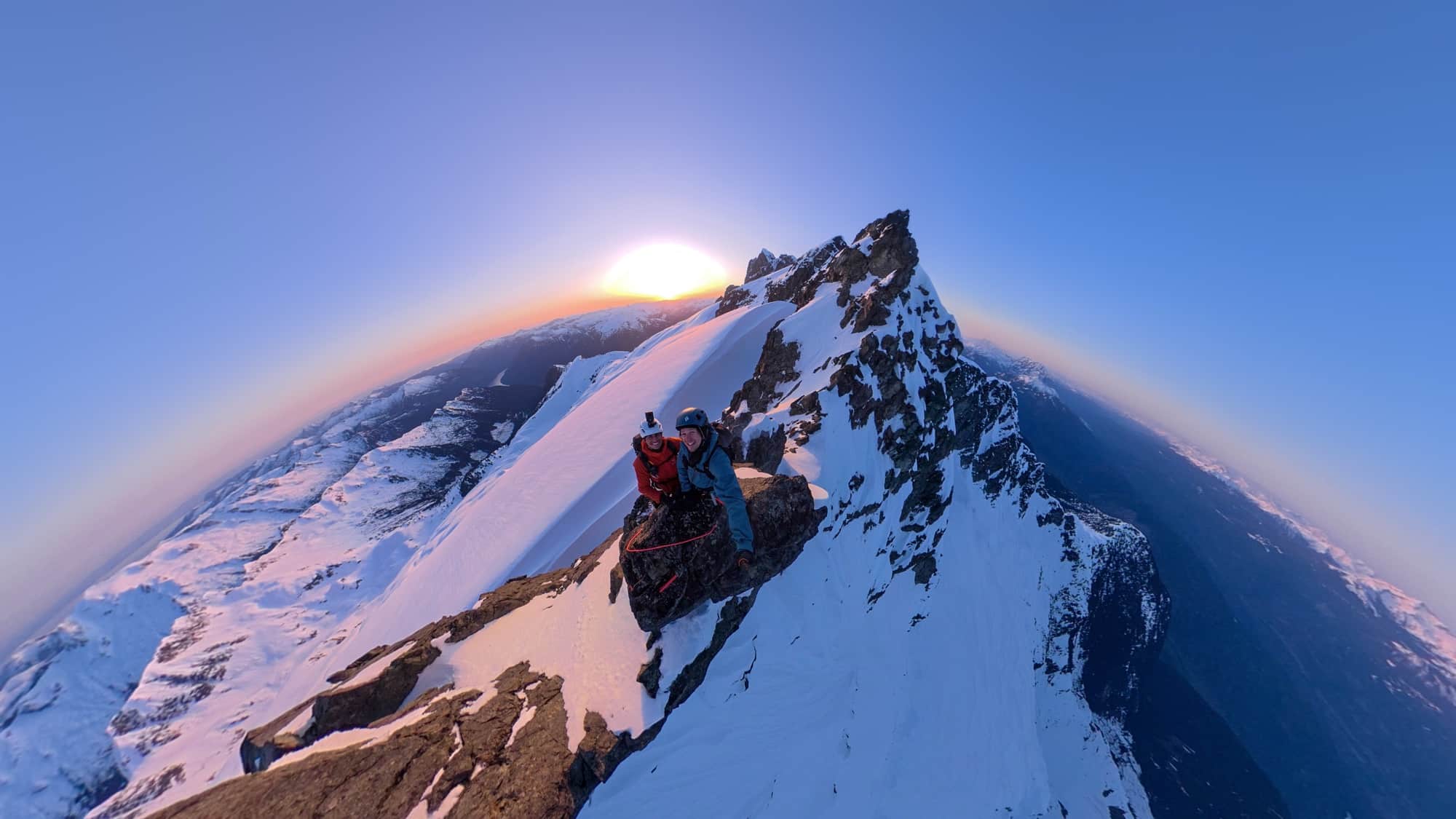
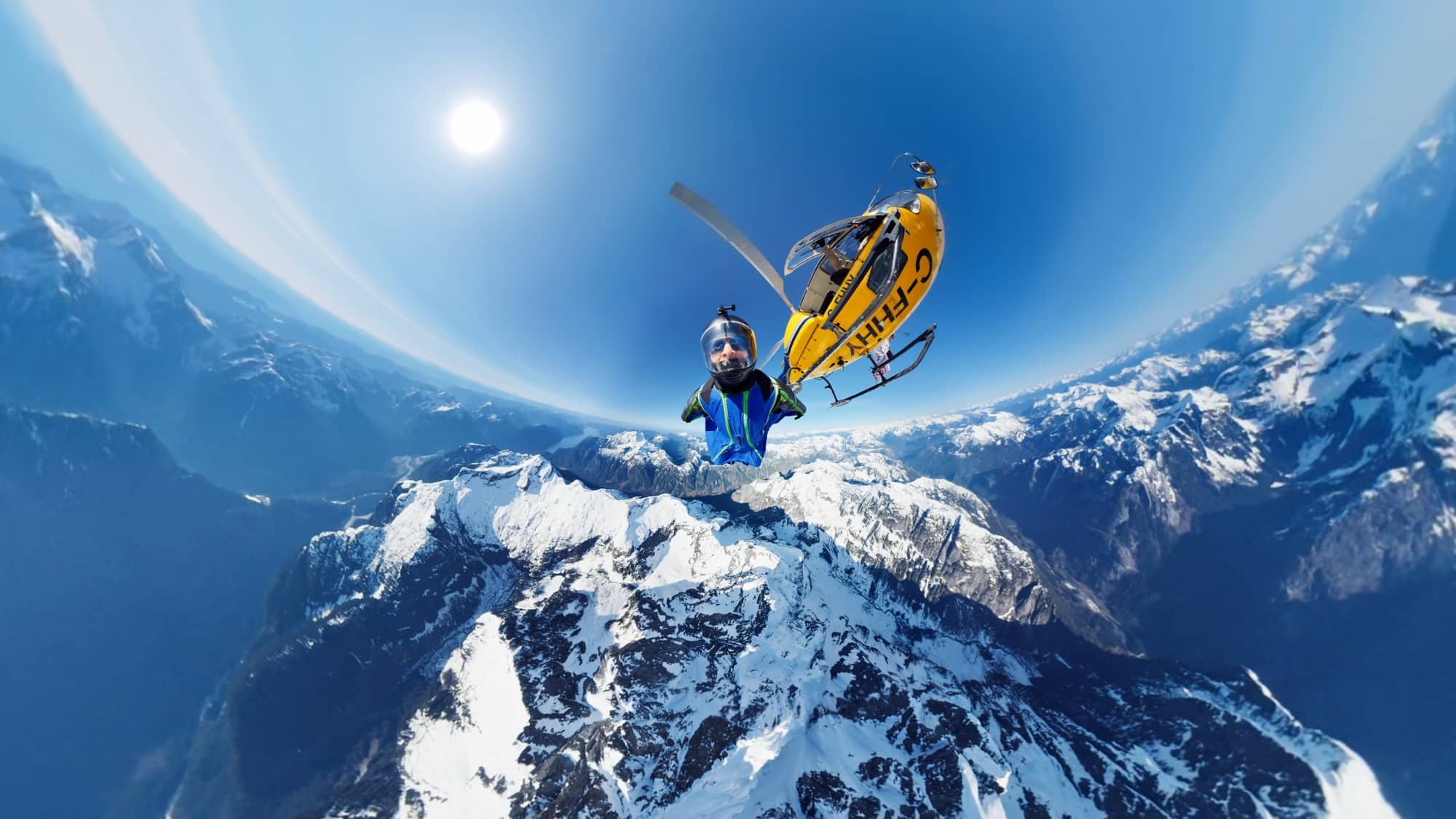
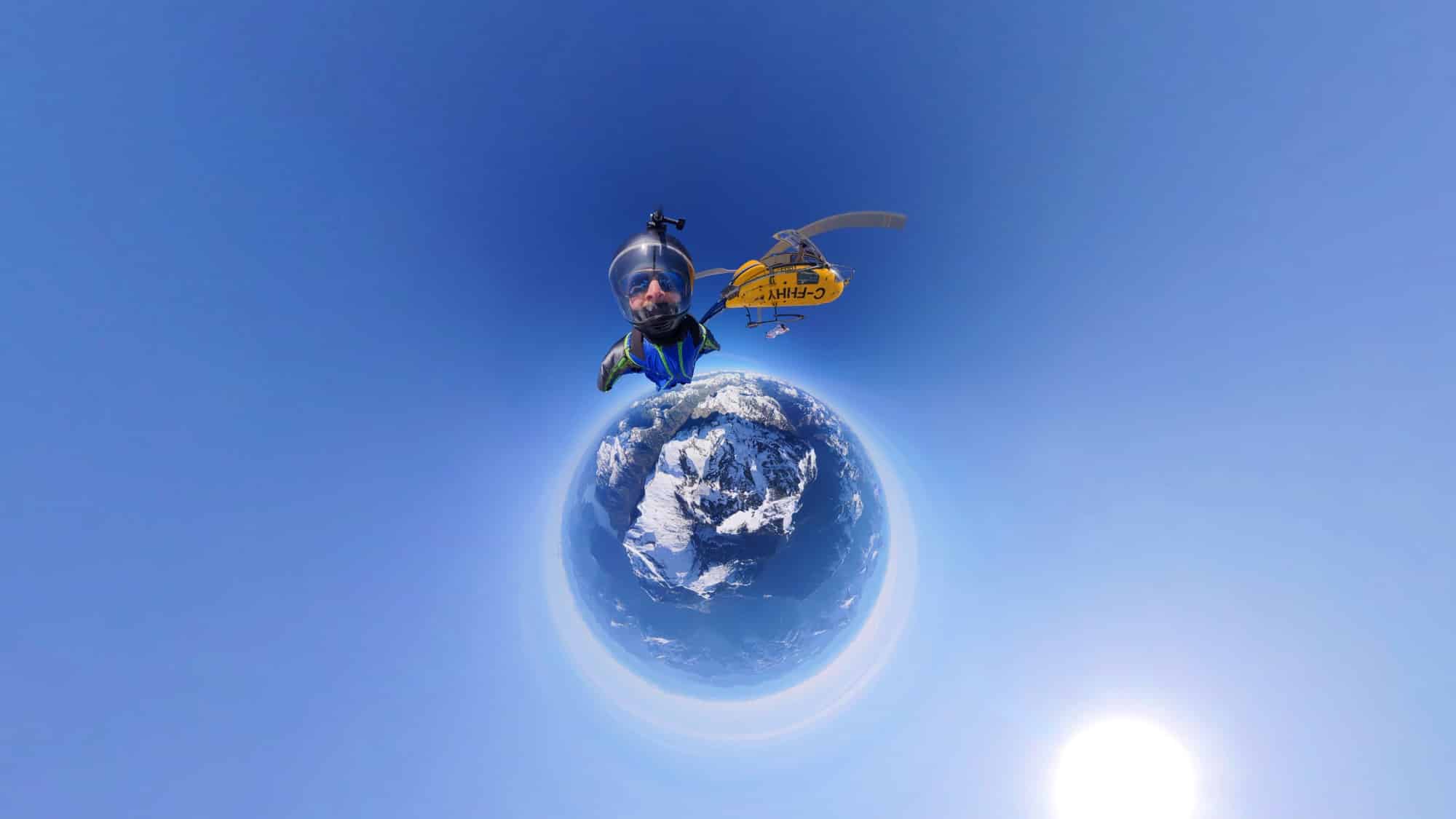
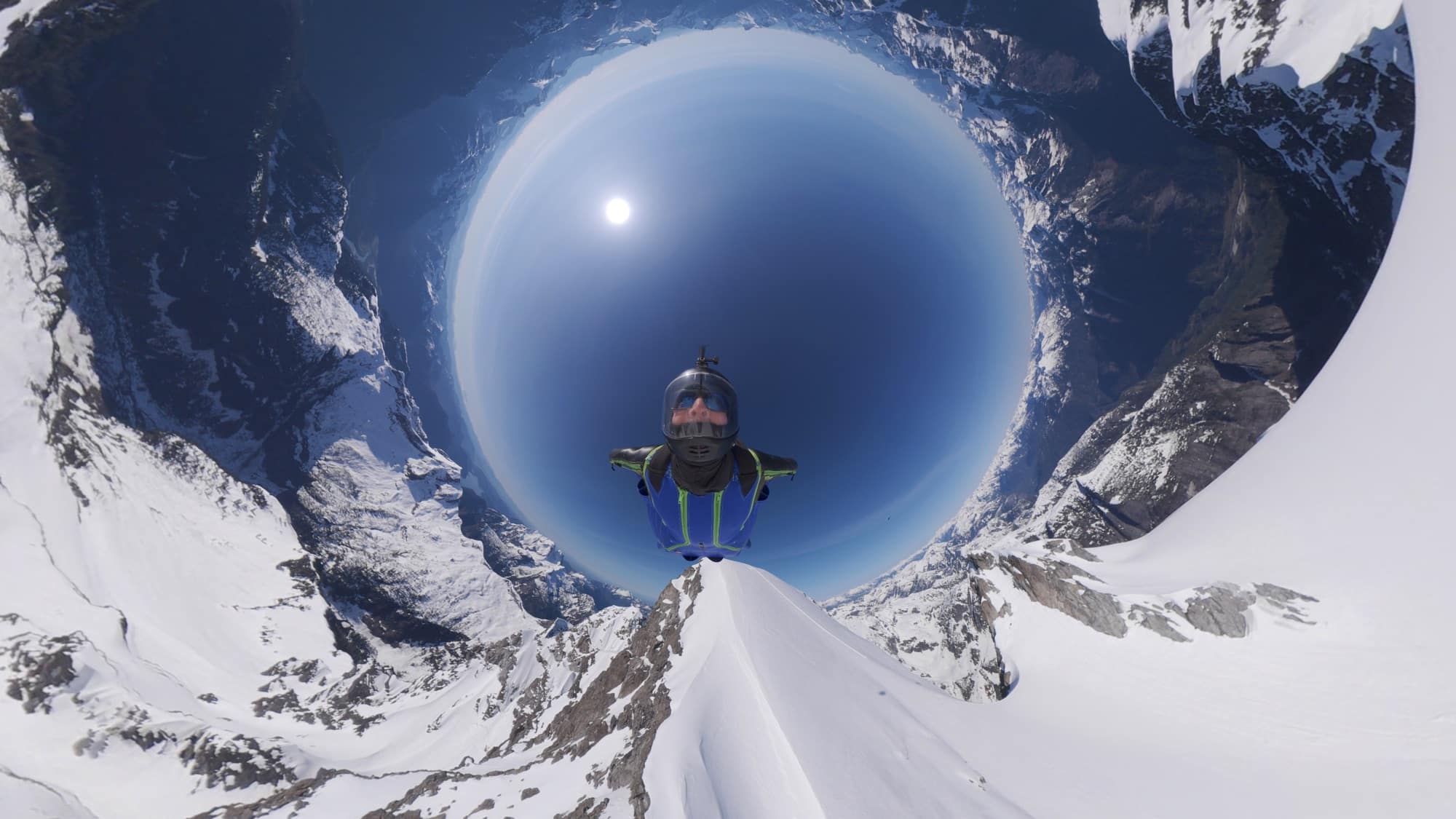
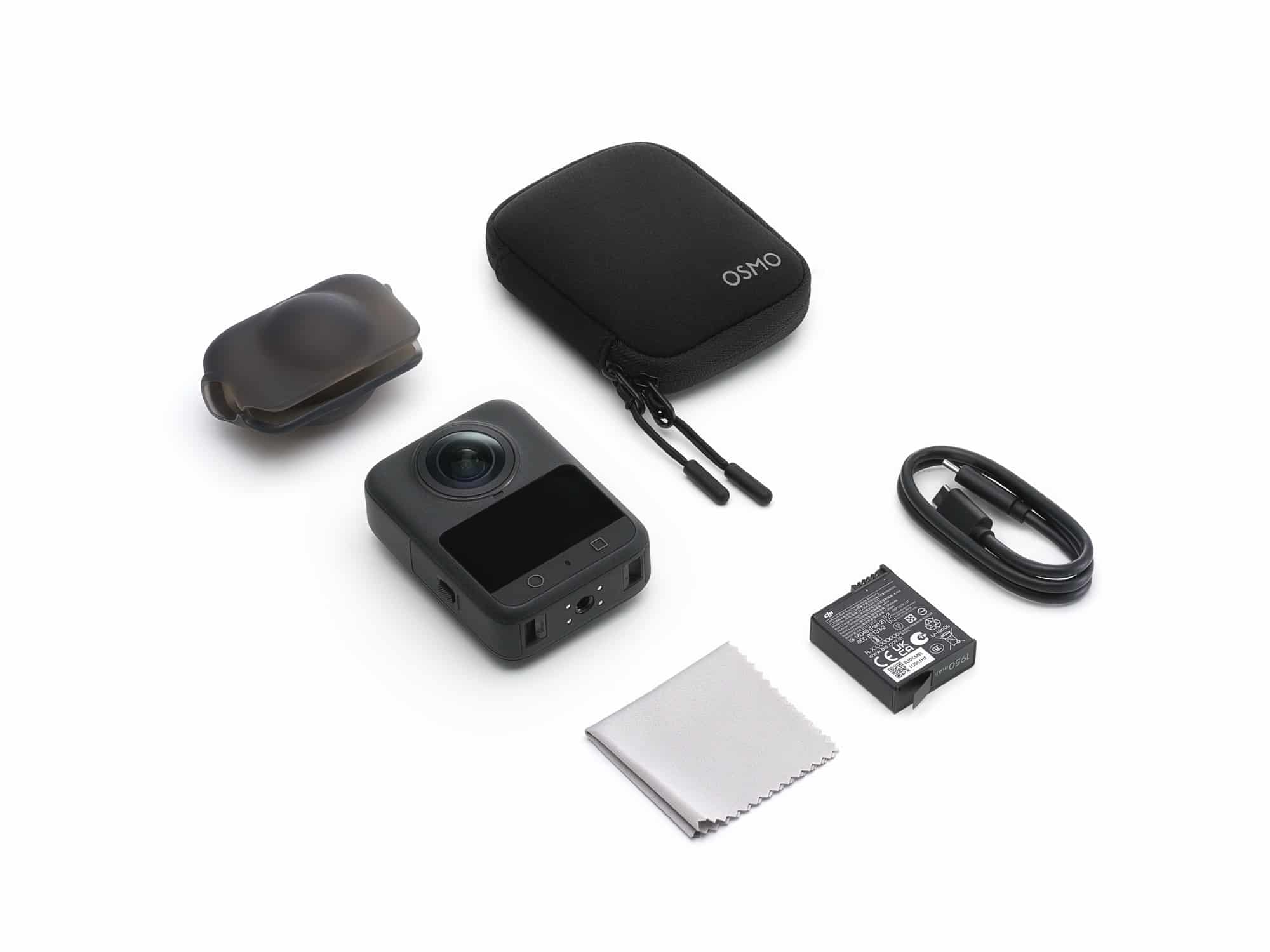
Ready to capture every angle like a pro? The DJI Osmo 360 brings 8K video and game-changing features, but there’s a U.S. catch.
DJI has entered the 360-degree camera space with the DJI Osmo 360, introducing features like native 8K video recording and a 1-inch equivalent sensor that aim to redefine panoramic capture for professionals and enthusiasts. This launch builds on the company’s expertise in creative camera technology, offering new tools for immersive content creation.

Technical Breakthroughs in Imaging and Video
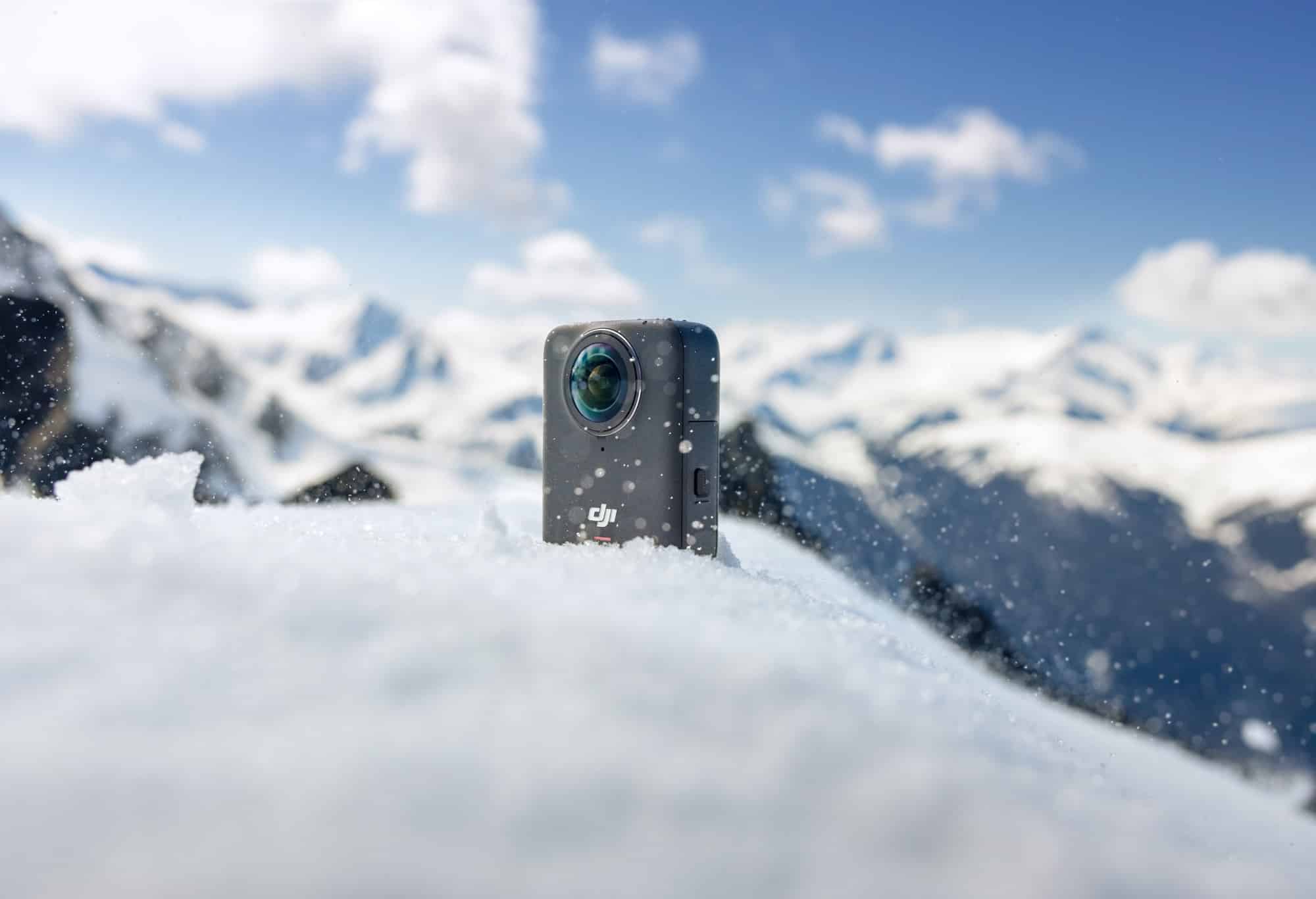
The Osmo 360 stands out with its industry-first square HDR image sensor, designed specifically for 360-degree capture. This sensor provides an imaging area equivalent to a 1-inch CMOS with a 4:3 aspect ratio, resulting in 25% more utilization compared to traditional rectangular sensors. Creators benefit from sharper photos and reduced power consumption in a compact body weighing just 183 grams (about 6.5 ounces).
In video performance, the camera achieves native 8K/30fps 360-degree recording with large 2.4-micrometer pixels—double the industry standard of 1.2 micrometers. This setup captures more details, minimizes noise, and enhances low-light capabilities. The Osmo 360 also supports 8K/50fps video, setting a benchmark for resolution in the category. Its 13.5 stops of dynamic range, paired with an f/1.9 aperture, ensures vibrant footage in challenging conditions like high-contrast sunrises or sunsets.

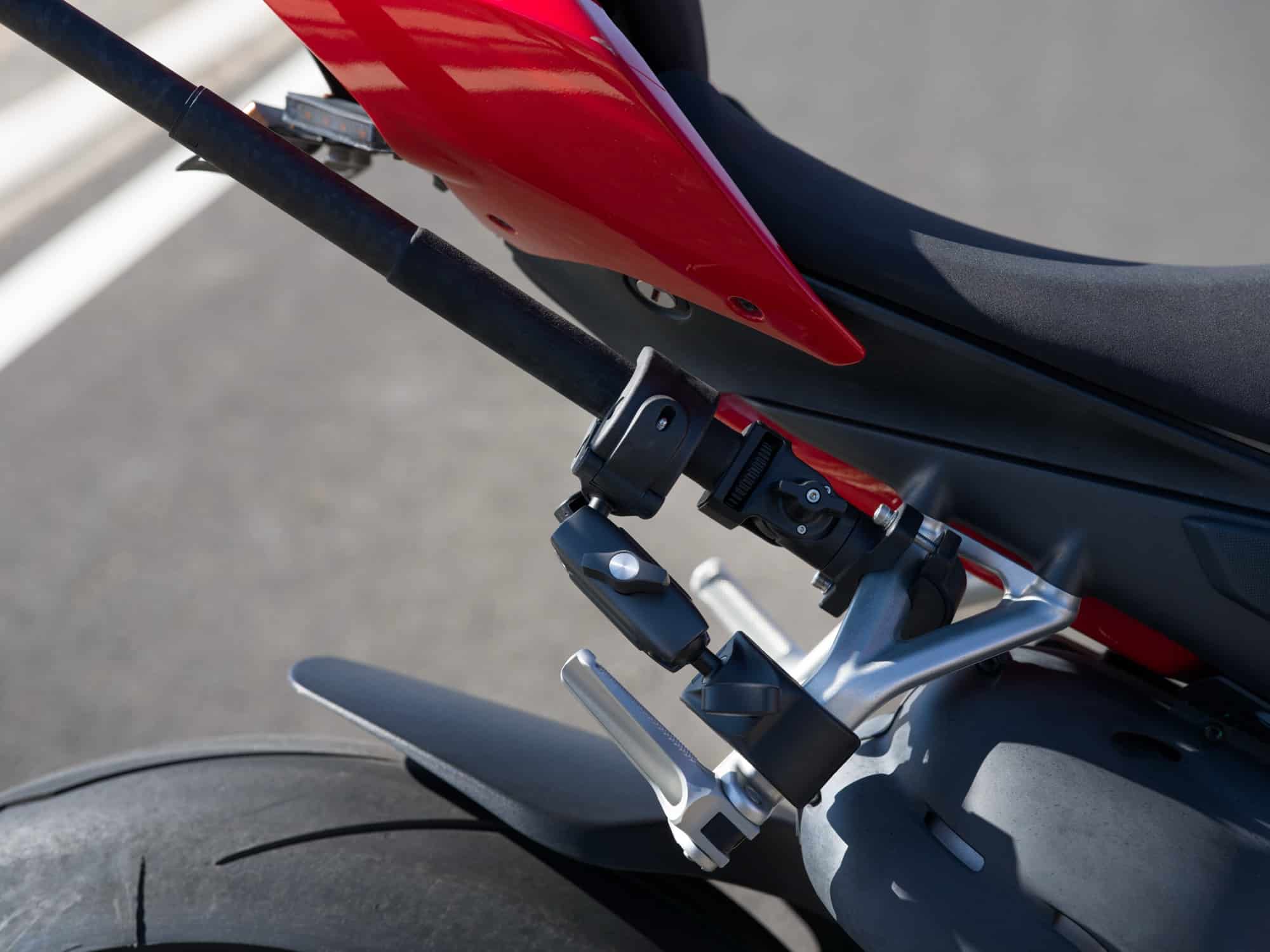
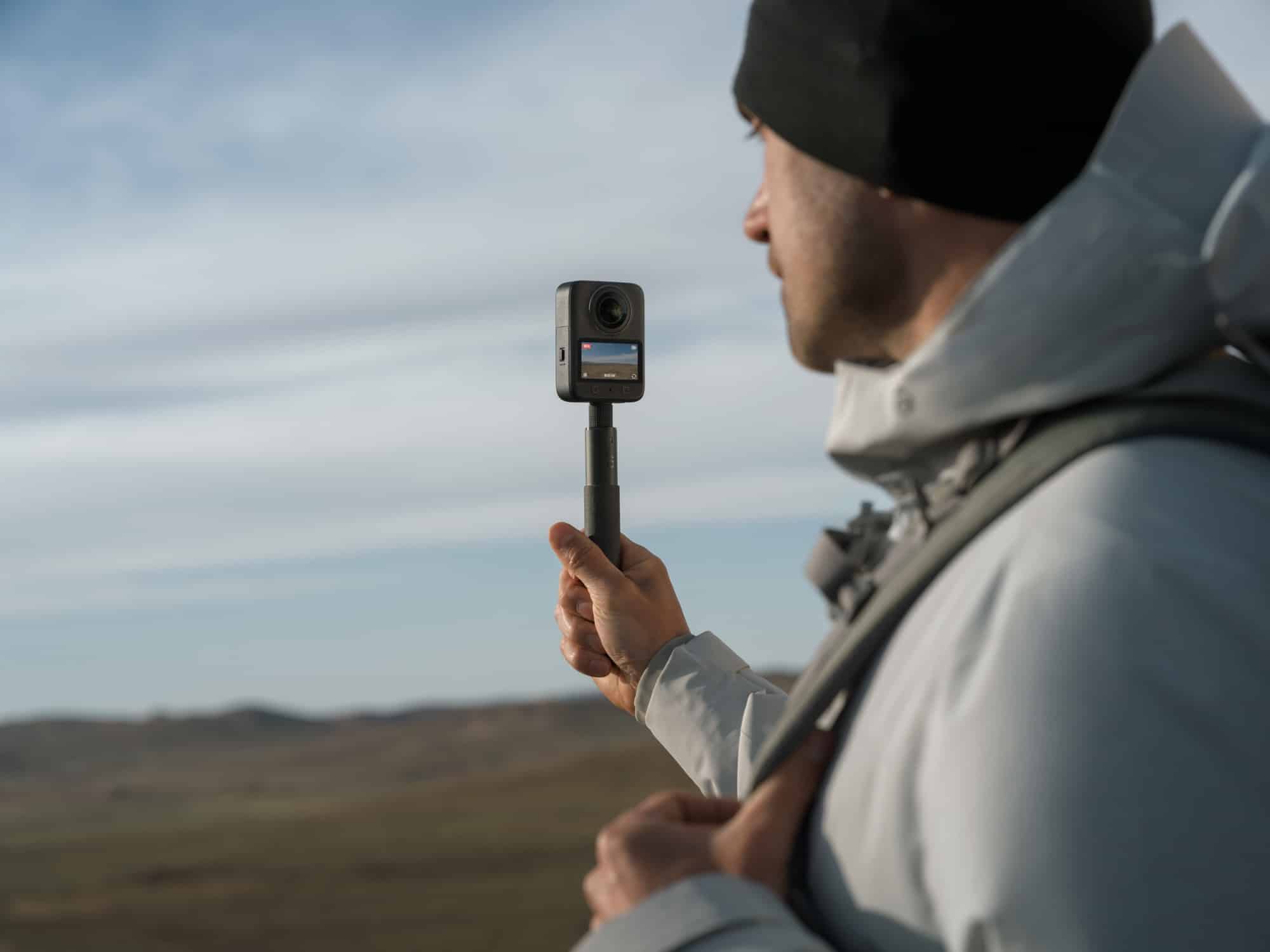
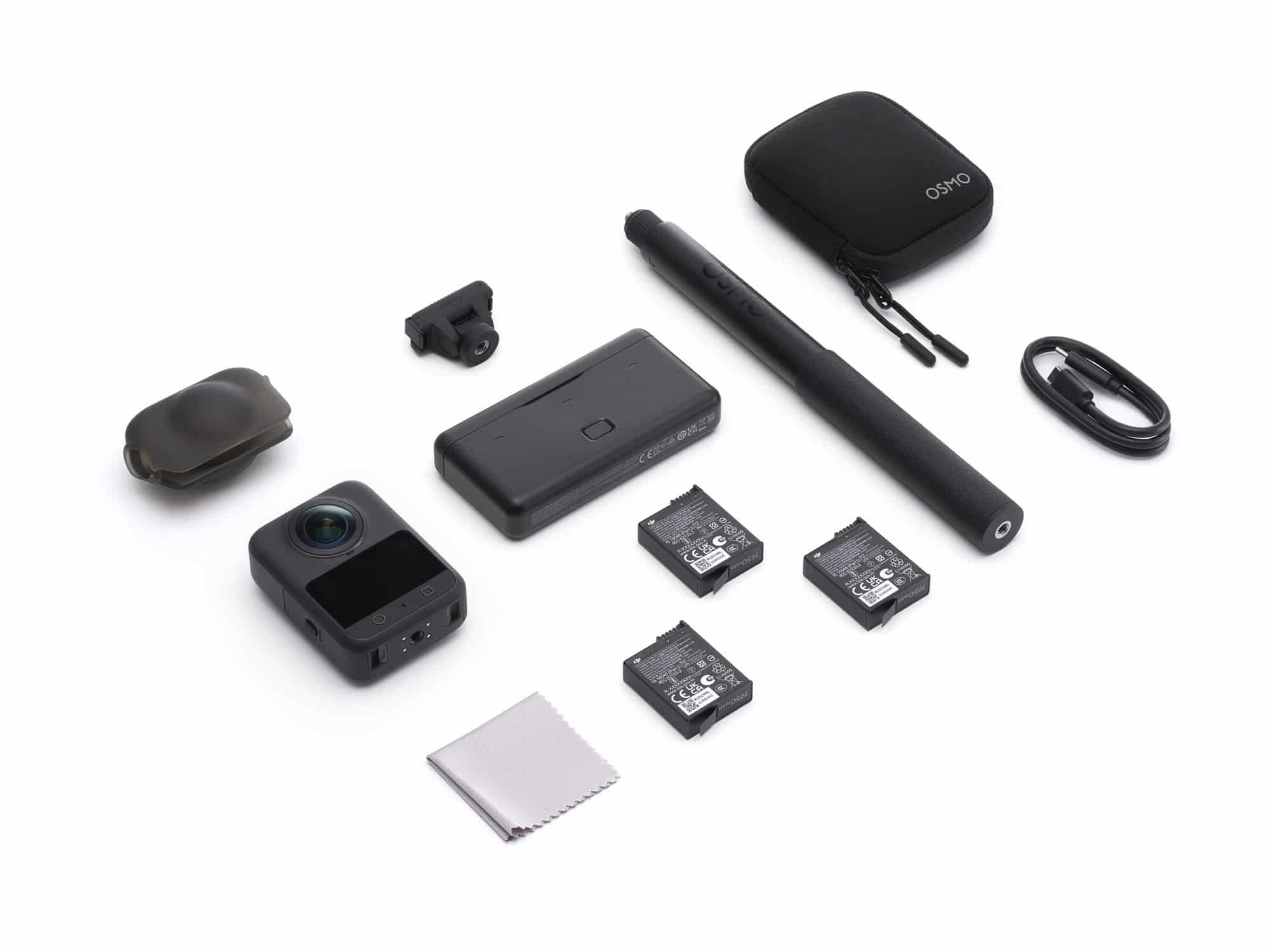
Battery life supports continuous shooting for 100 minutes at 8K/30fps, extendable to another 180 minutes with the Battery Extension Rod. The device operates in extreme cold down to -20°C (-4°F) for over 1.5 hours, making it reliable for outdoor shoots. Built-in storage totals 105GB, and charging reaches 50% in 12 minutes.
Enhanced Features for Creative Flexibility
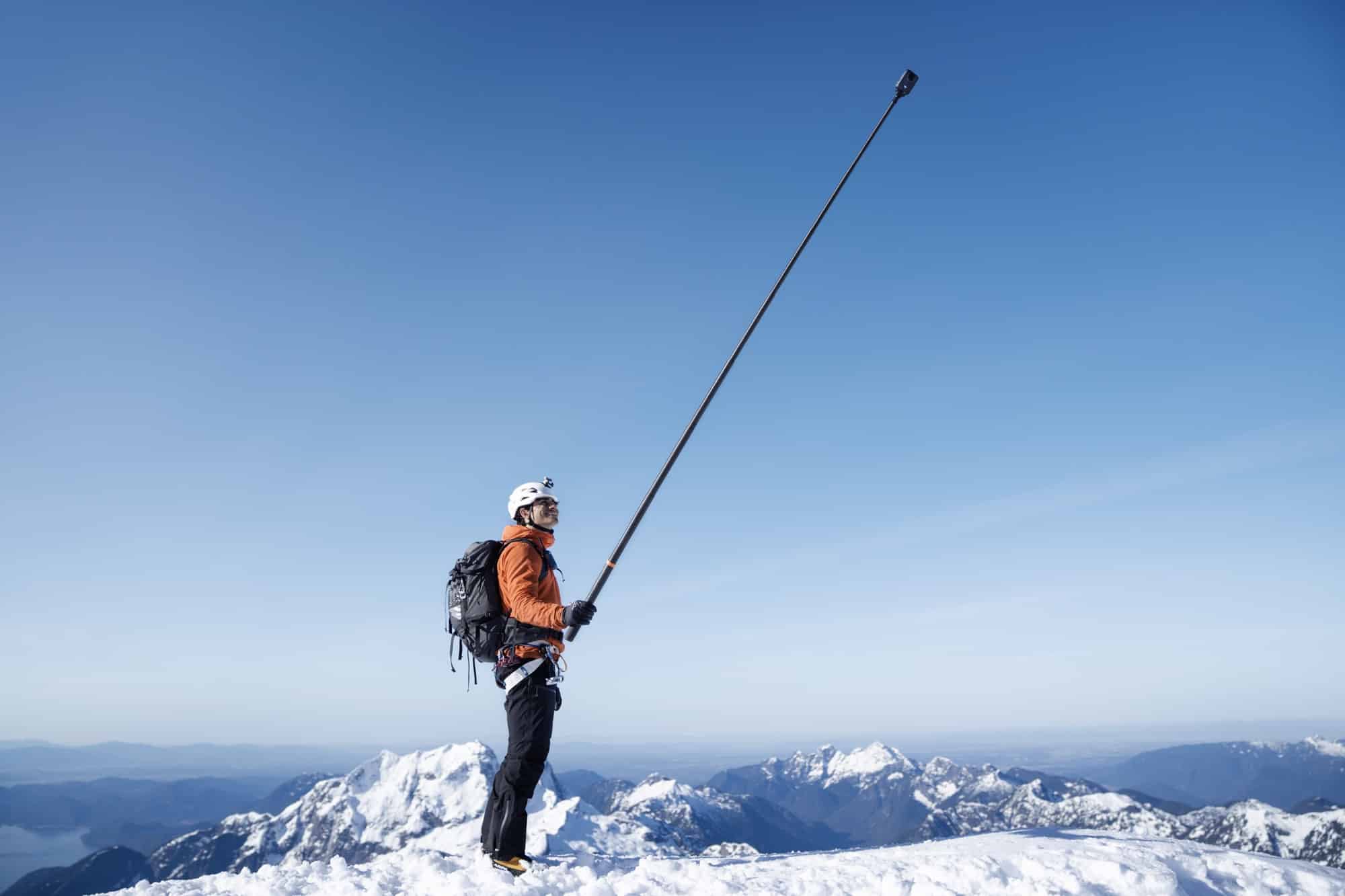
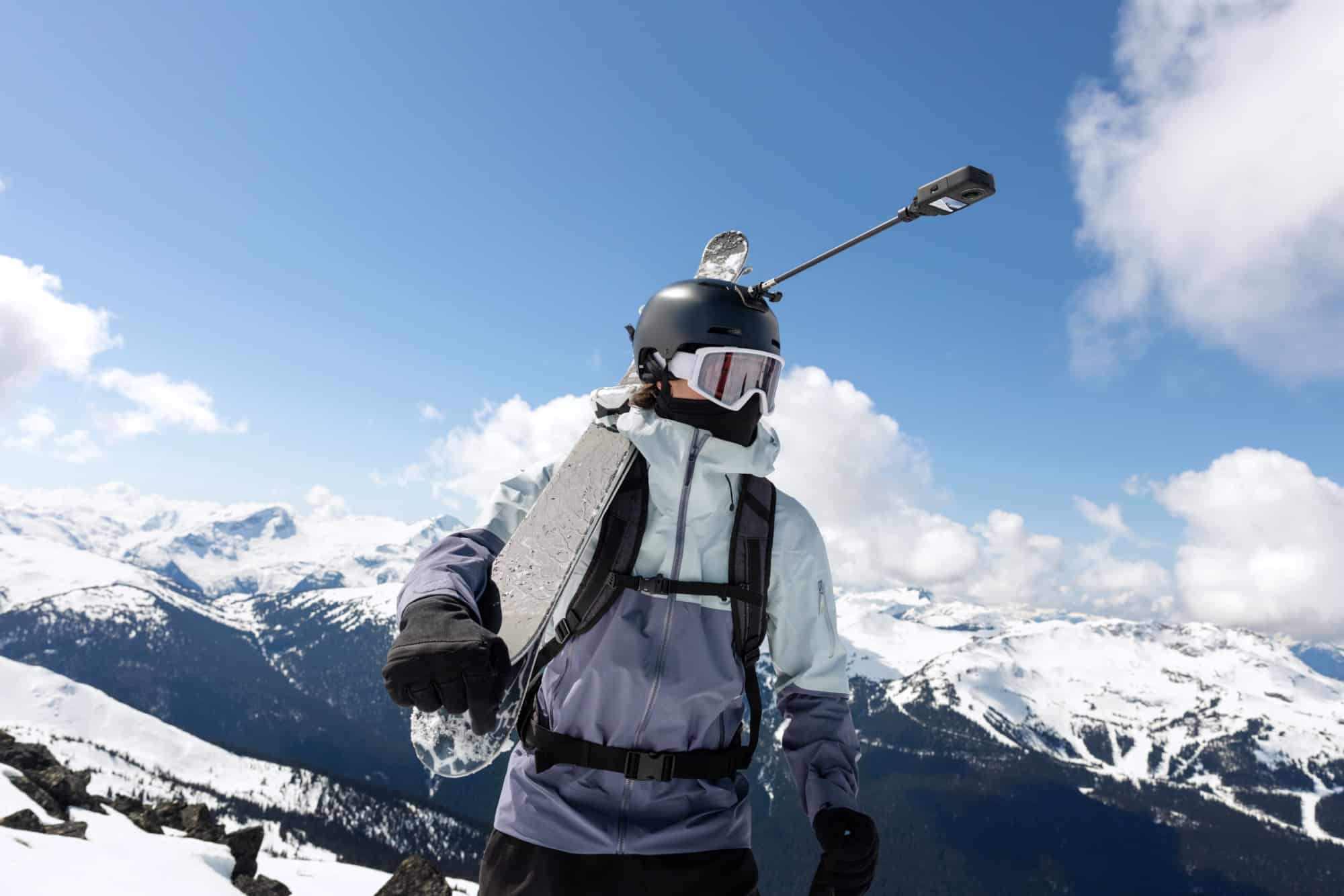
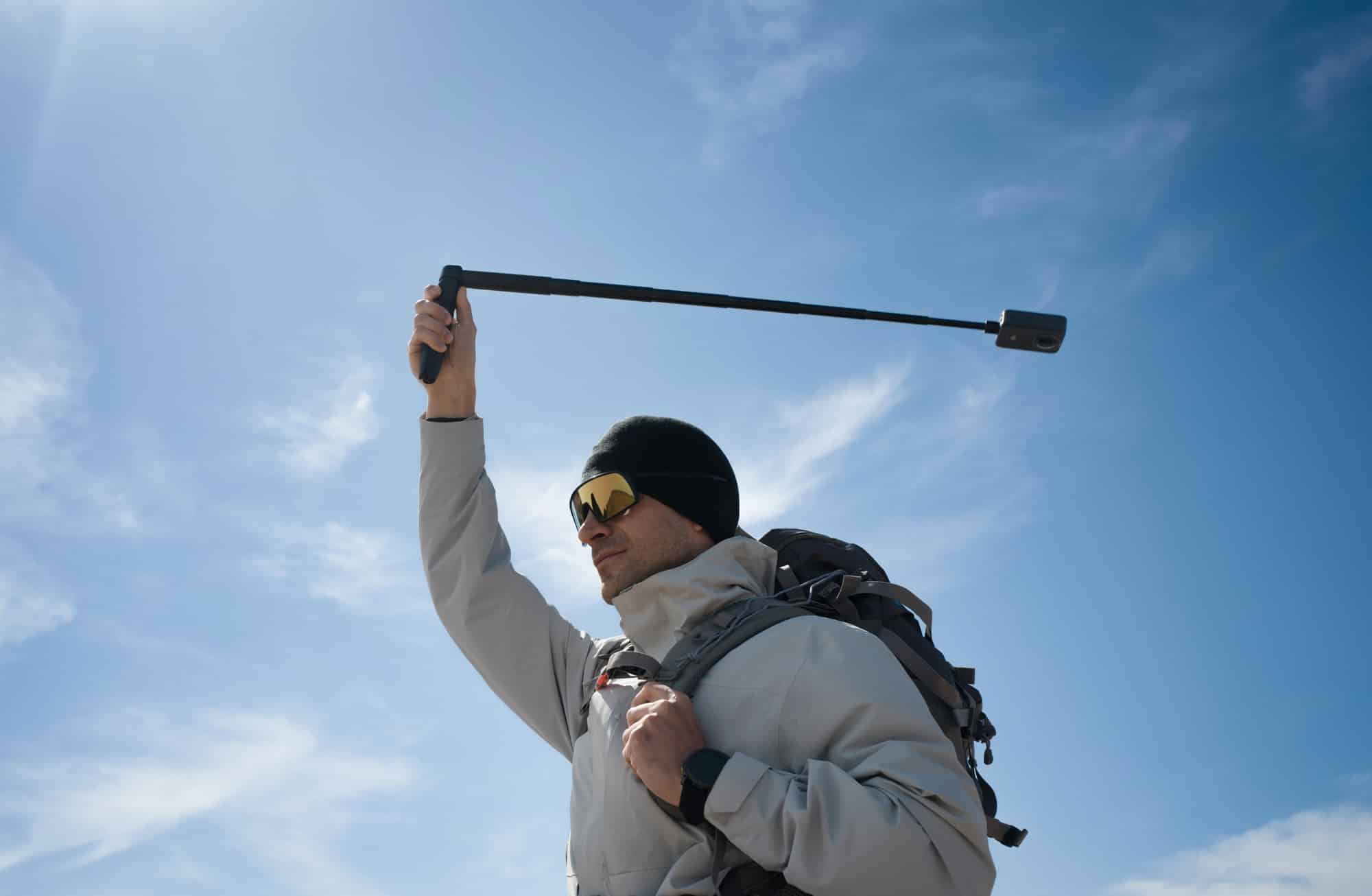
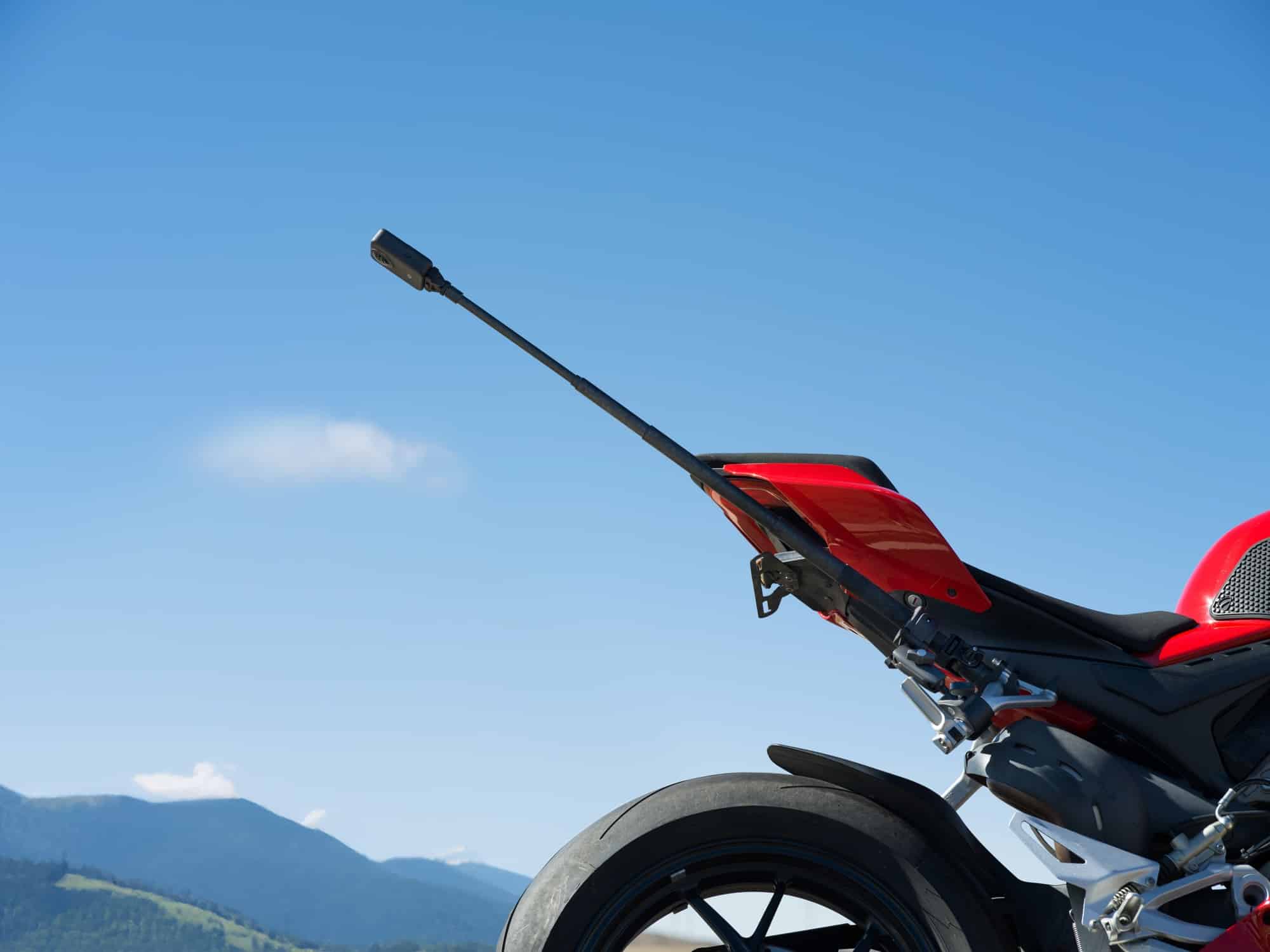
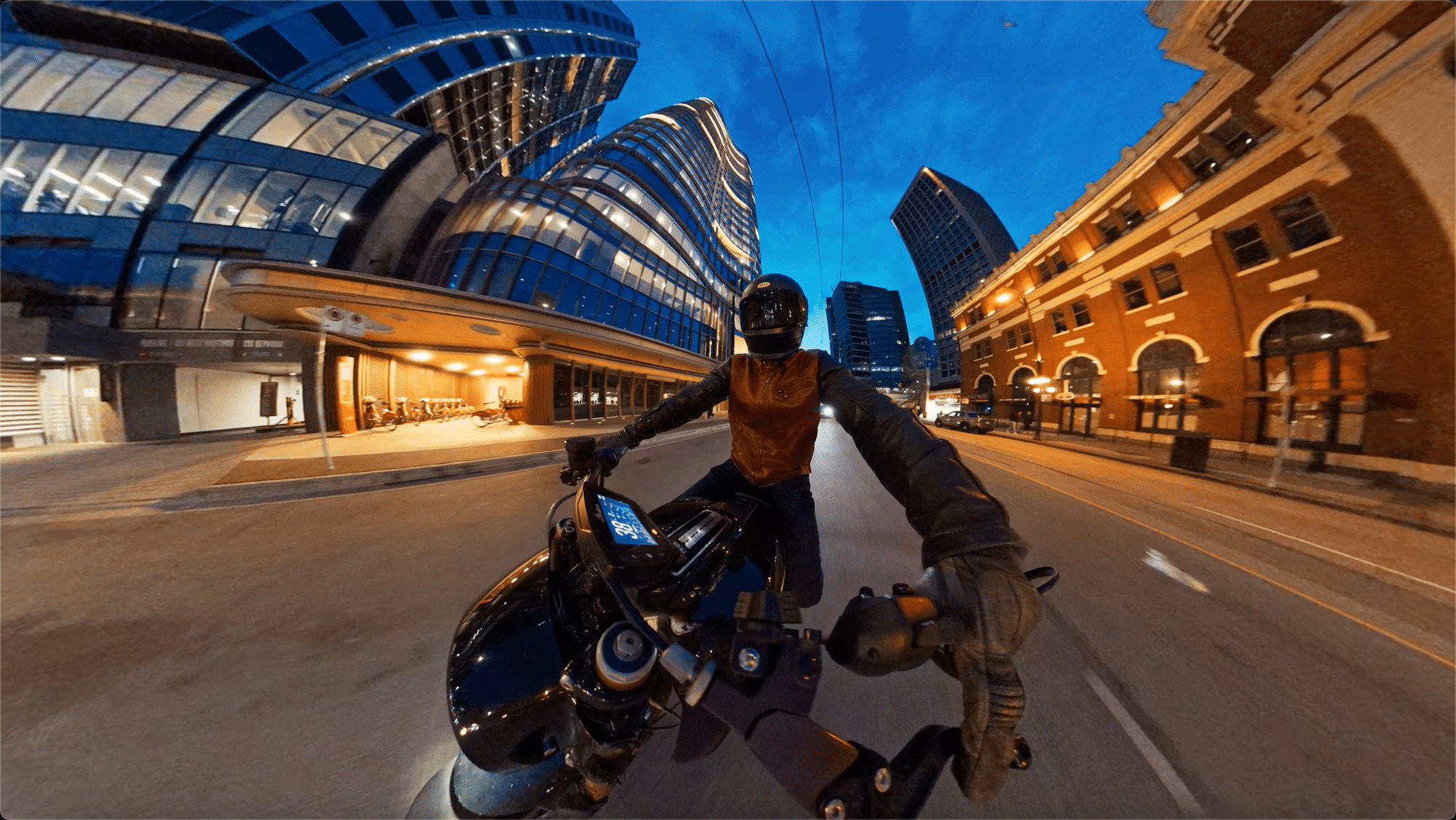
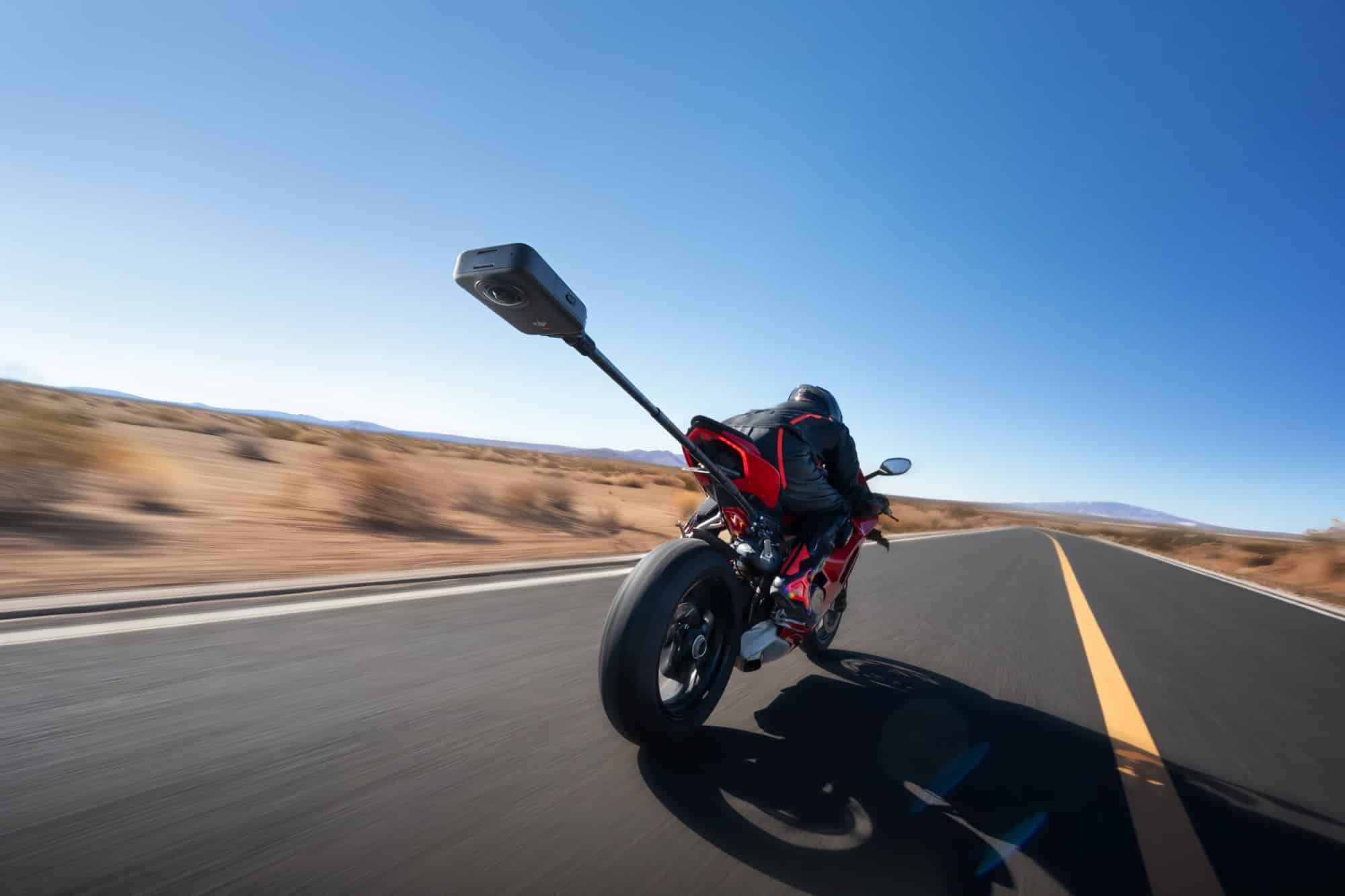
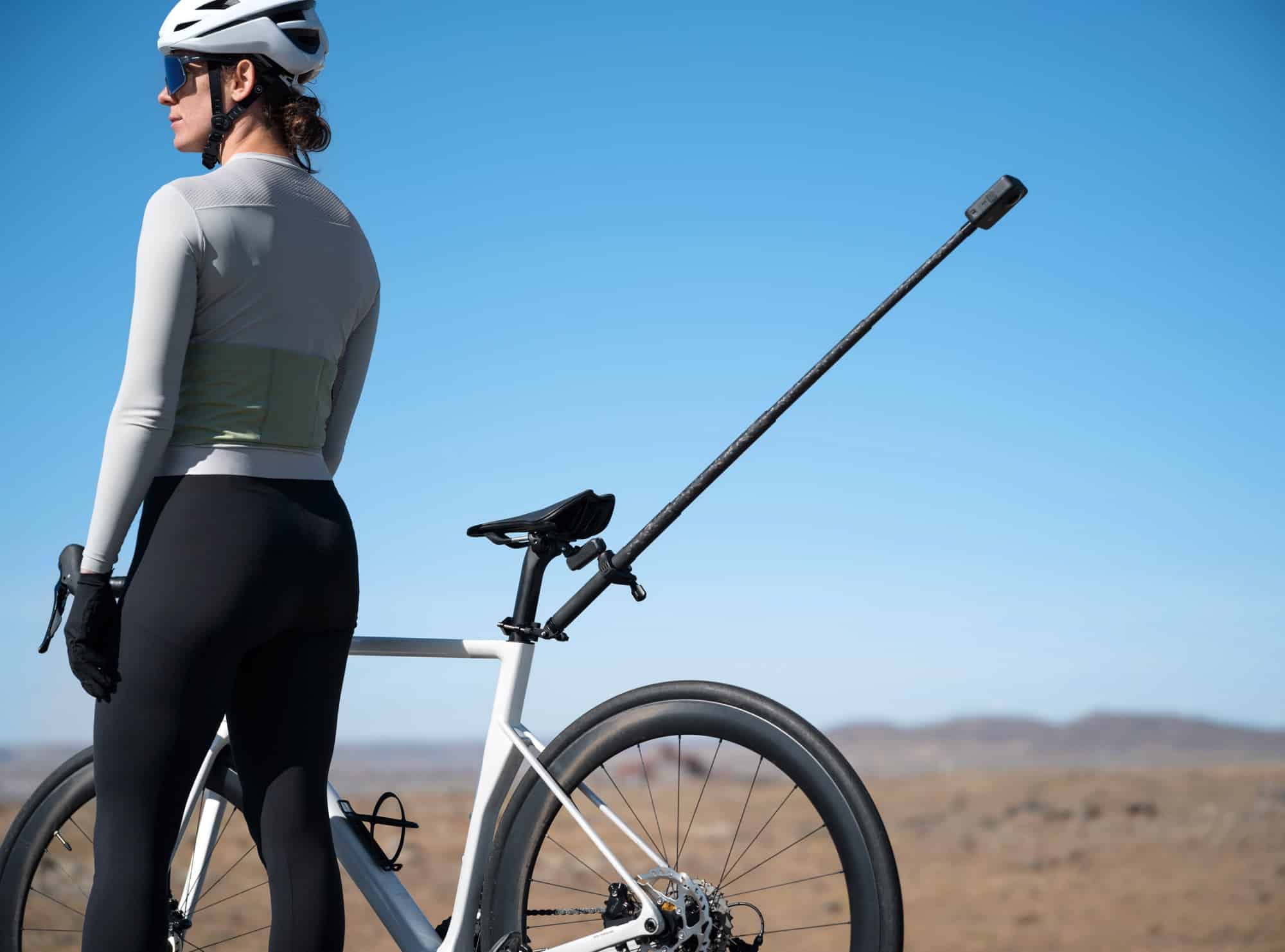
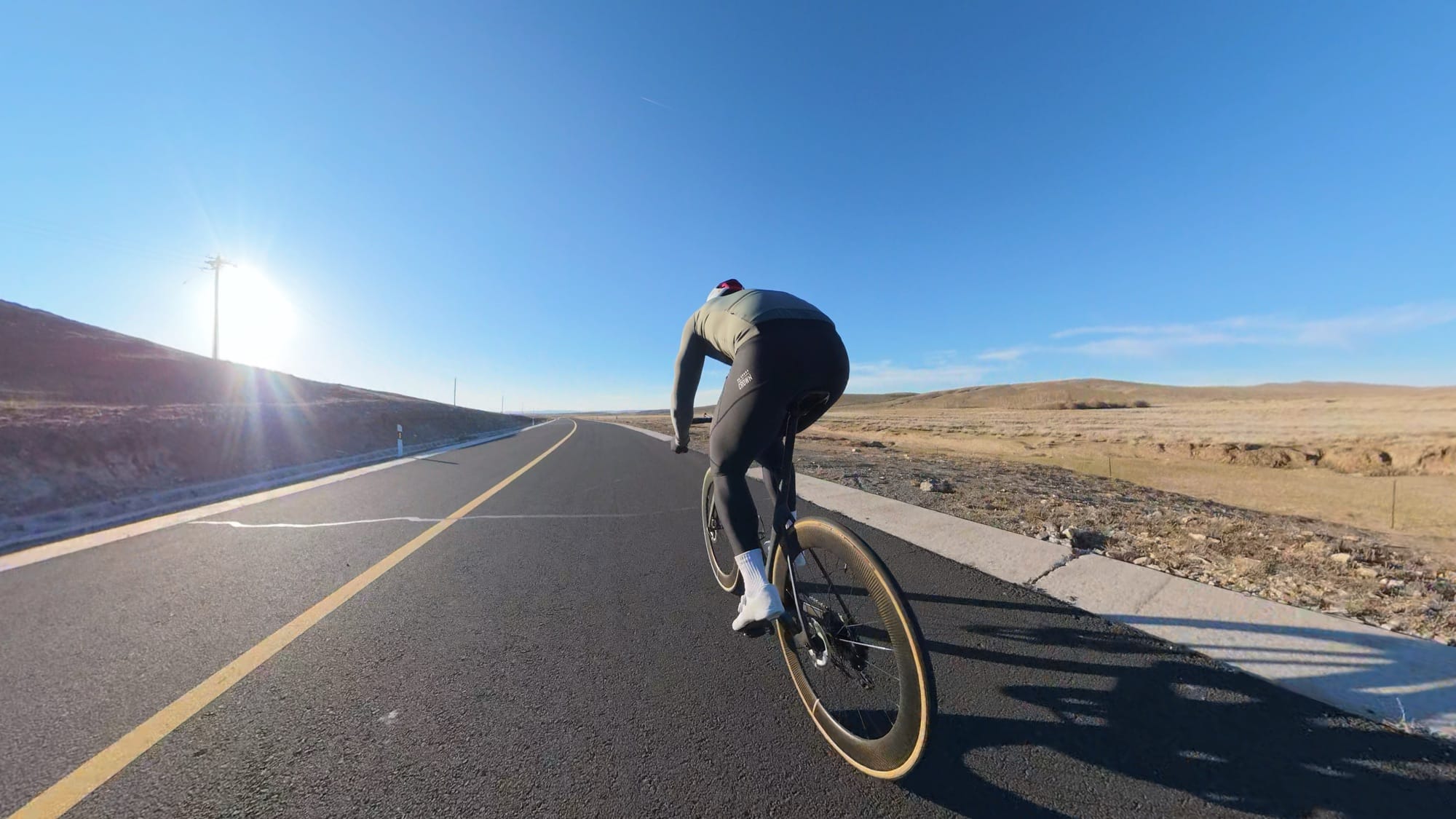
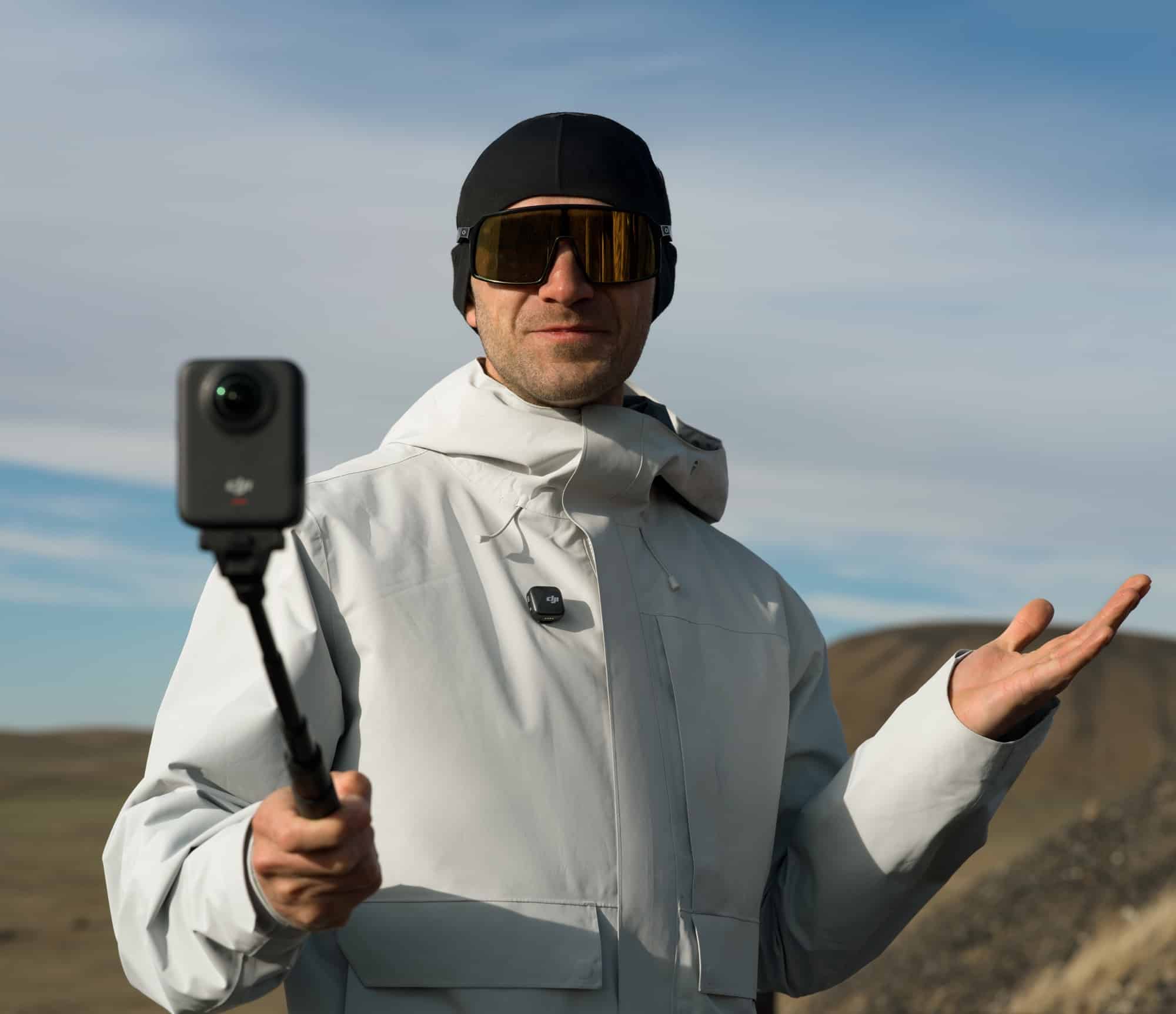
DJI incorporates several tools to streamline workflows. The Invisible Selfie Stick disappears from 360-degree videos automatically, enabling third-person perspectives without post-production. High-frame-rate options include 4K/100fps for detailed slow-motion capture, up to 4x slowdown.
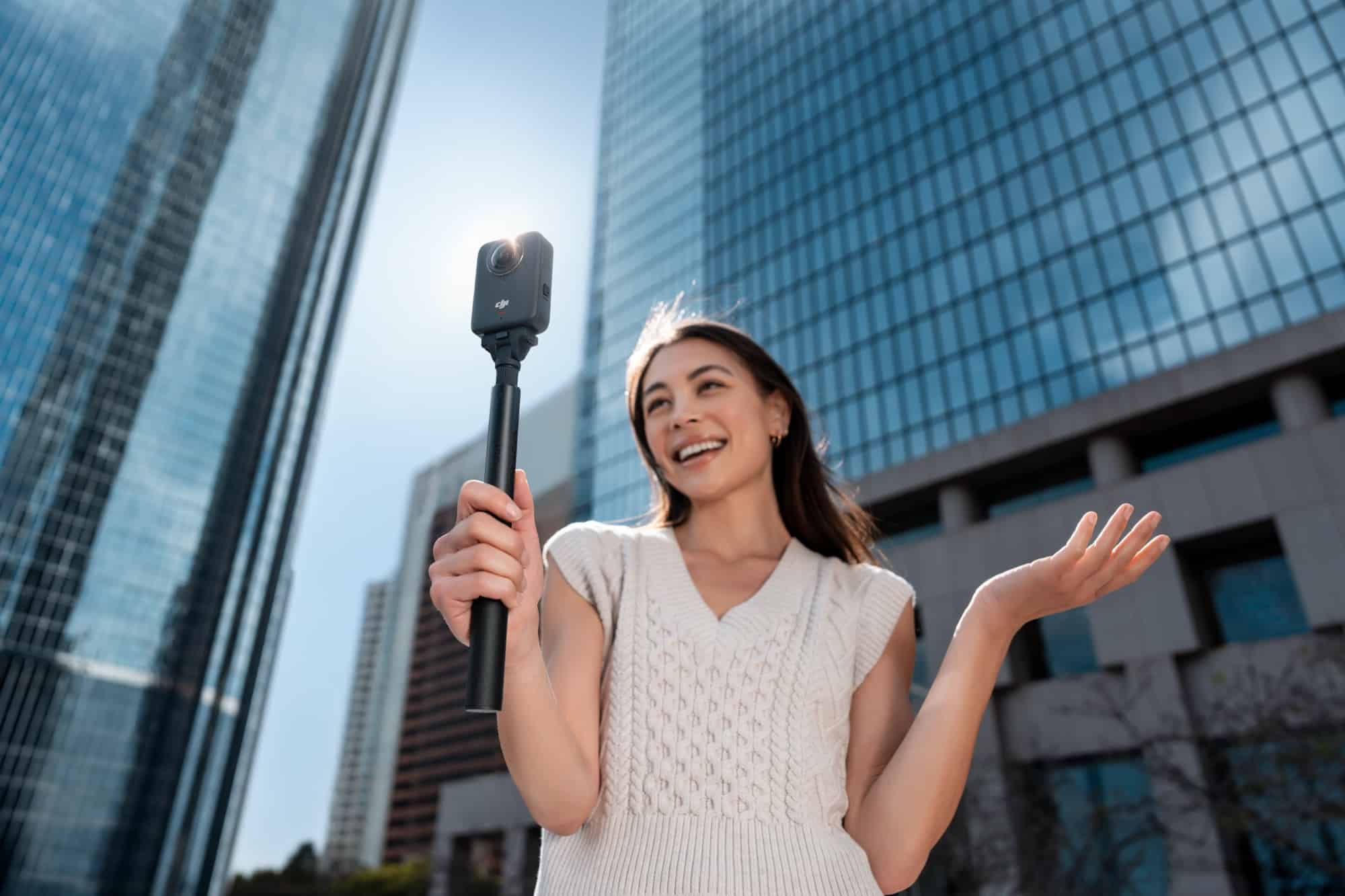


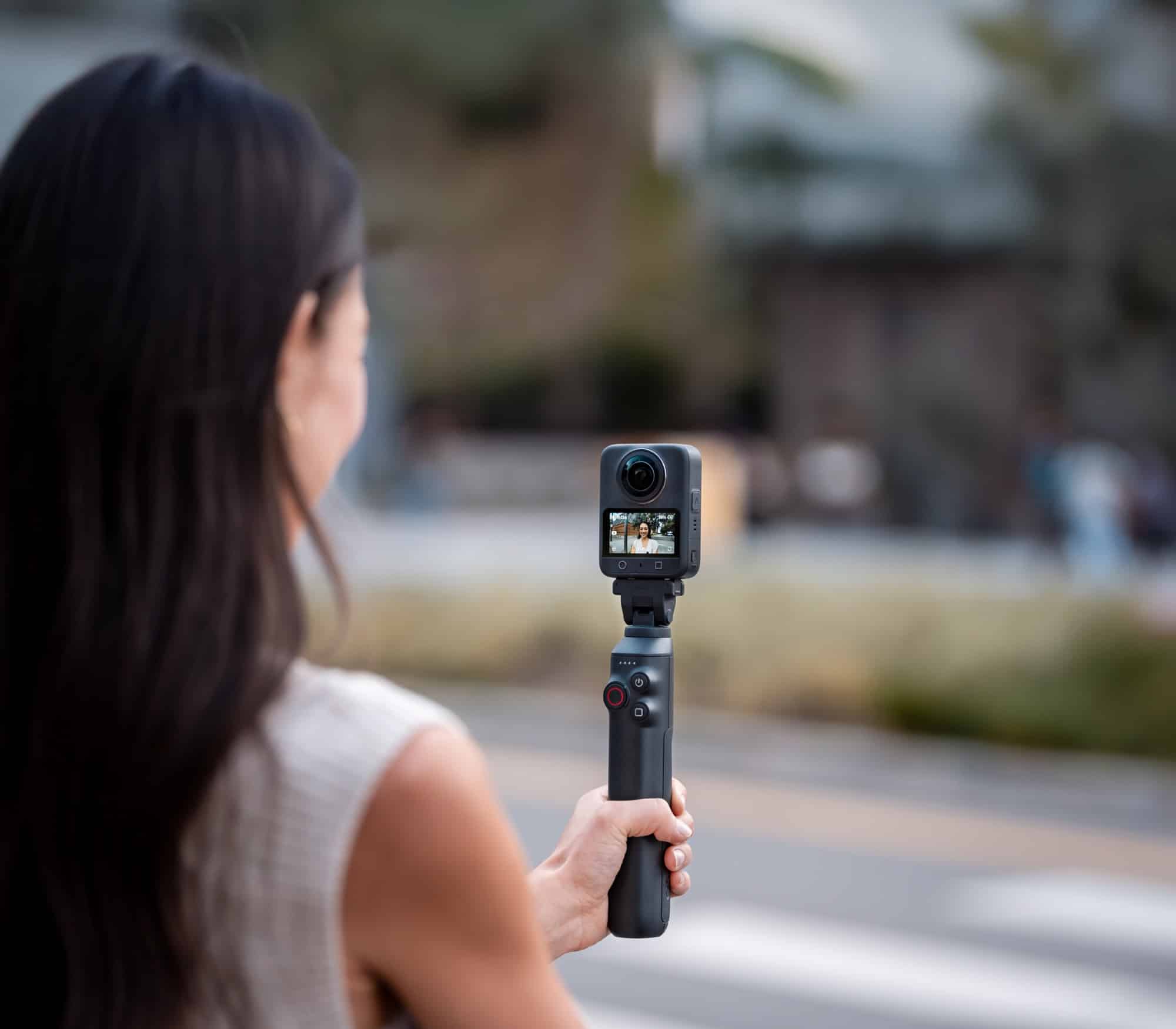
Photos reach 120 megapixels in 360 degrees for high-resolution stills. Control options feature gesture recognition with a palm motion or voice commands for hands-free operation. Stabilization technologies like HorizonSteady keep footage level during rotation, while RockSteady 3.0 in single-lens mode reduces shake for immersive first-person views.
Editing integrates with DJI Mimo for gyro-based composition adjustments and intelligent tracking of subjects such as people, vehicles, or pets. DJI Studio provides advanced tools, and a Premiere plugin simplifies 360-degree video production.
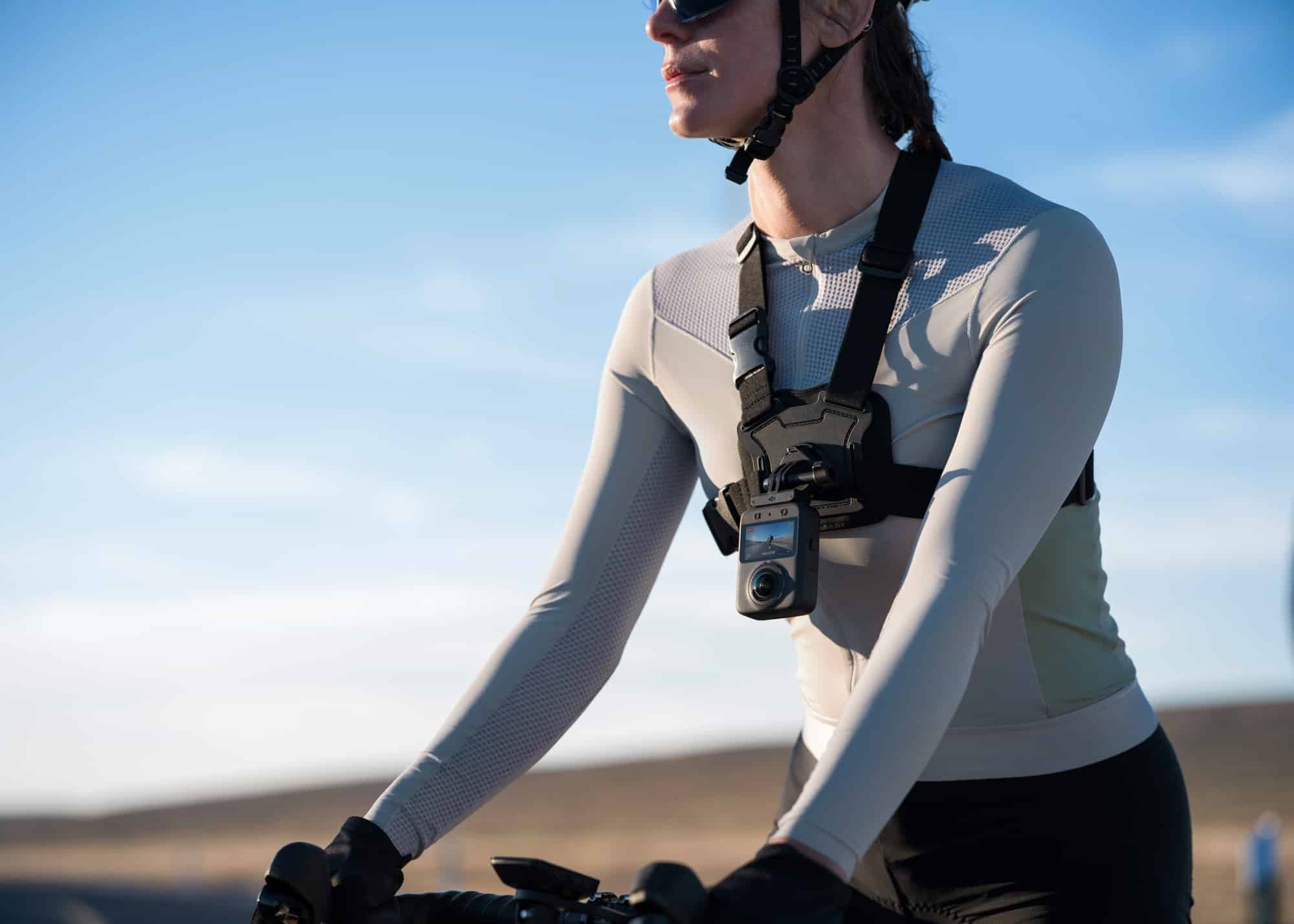
As a single-lens action camera, the Osmo 360 switches seamlessly between front and rear lenses without interrupting recording. It delivers 5K/60fps flat videos at a 155-degree ultra-wide angle, or 4K/120fps with a 170-degree field in Boost Video mode.
Integration and Ecosystem Advantages
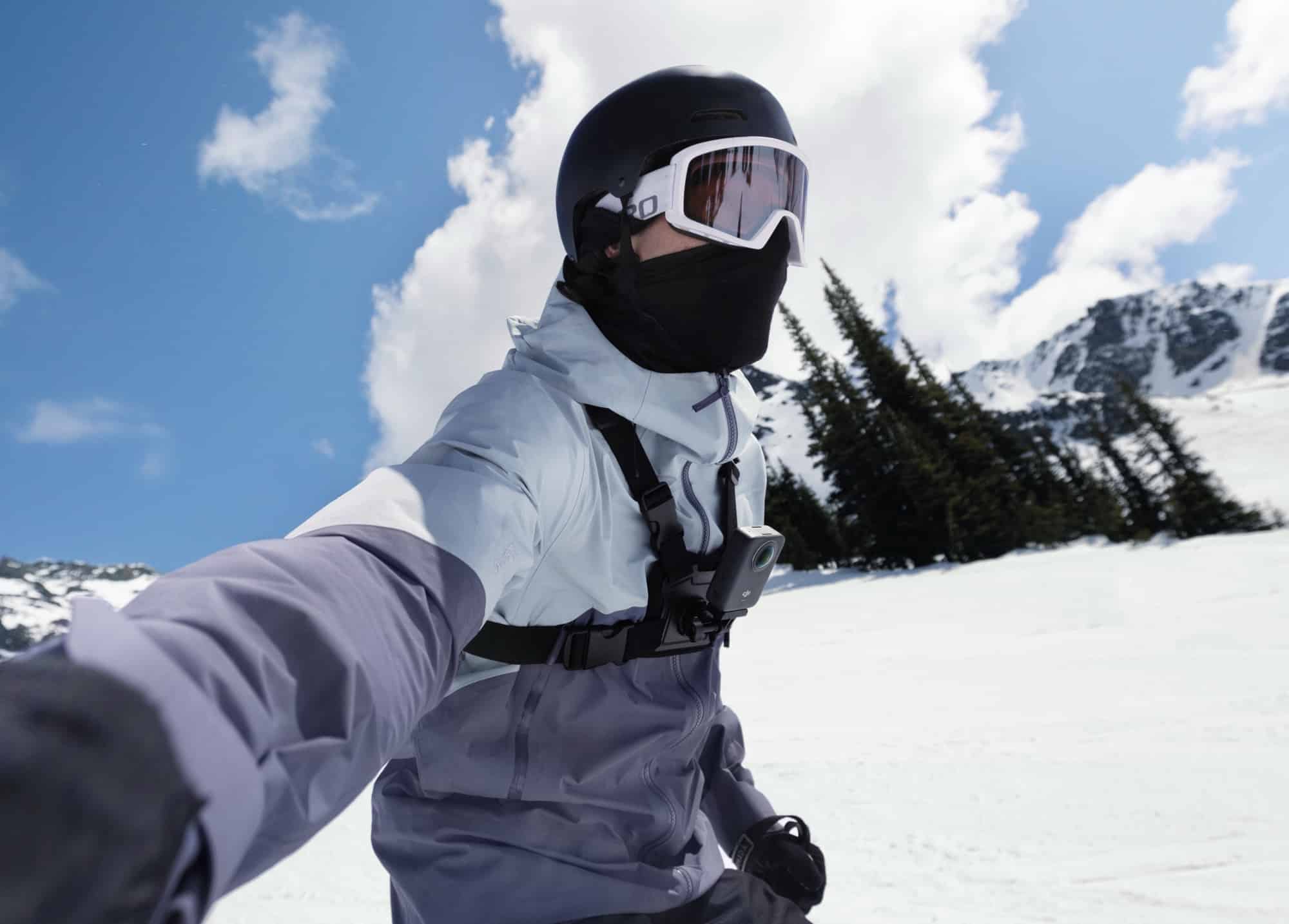
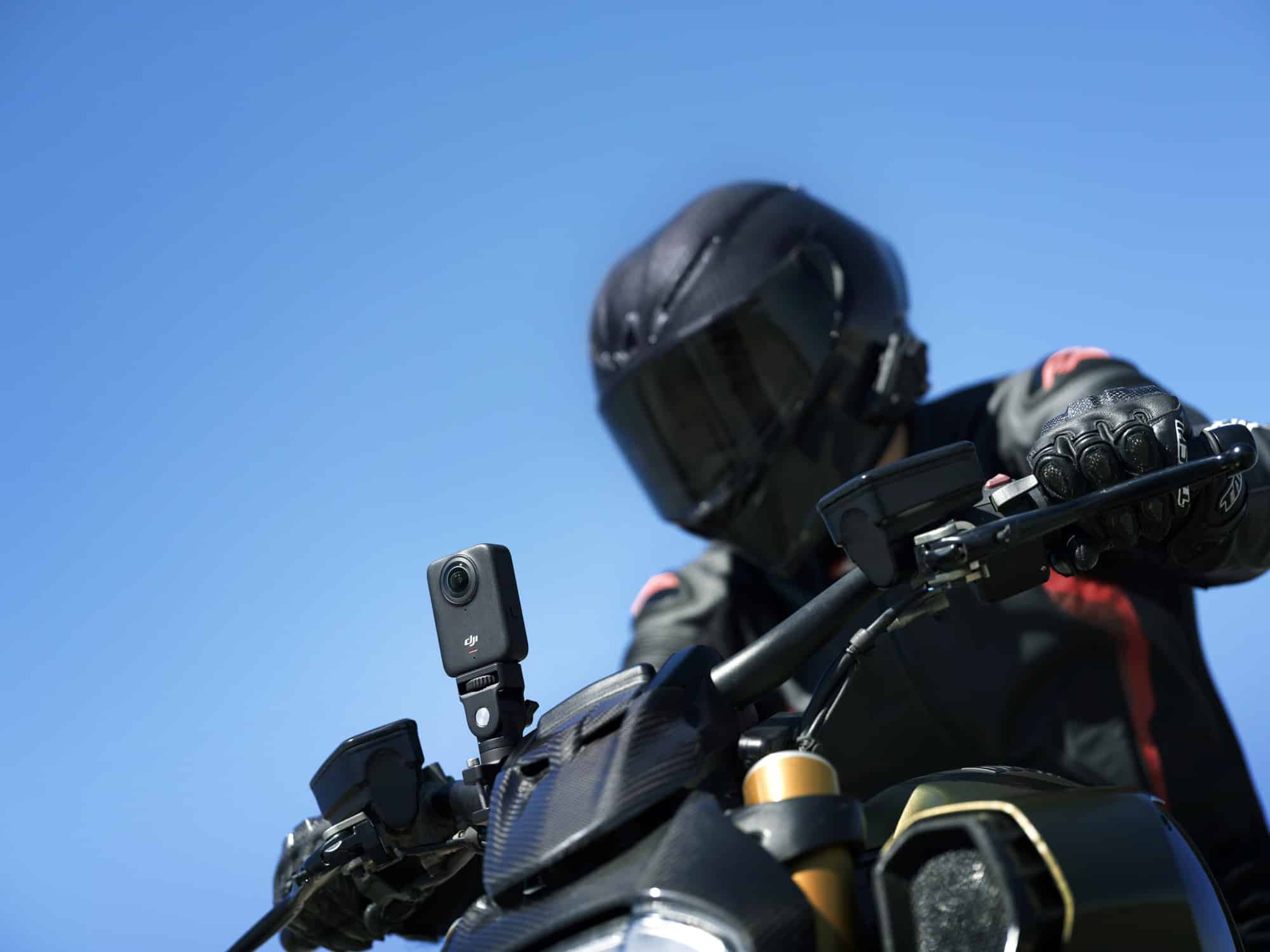
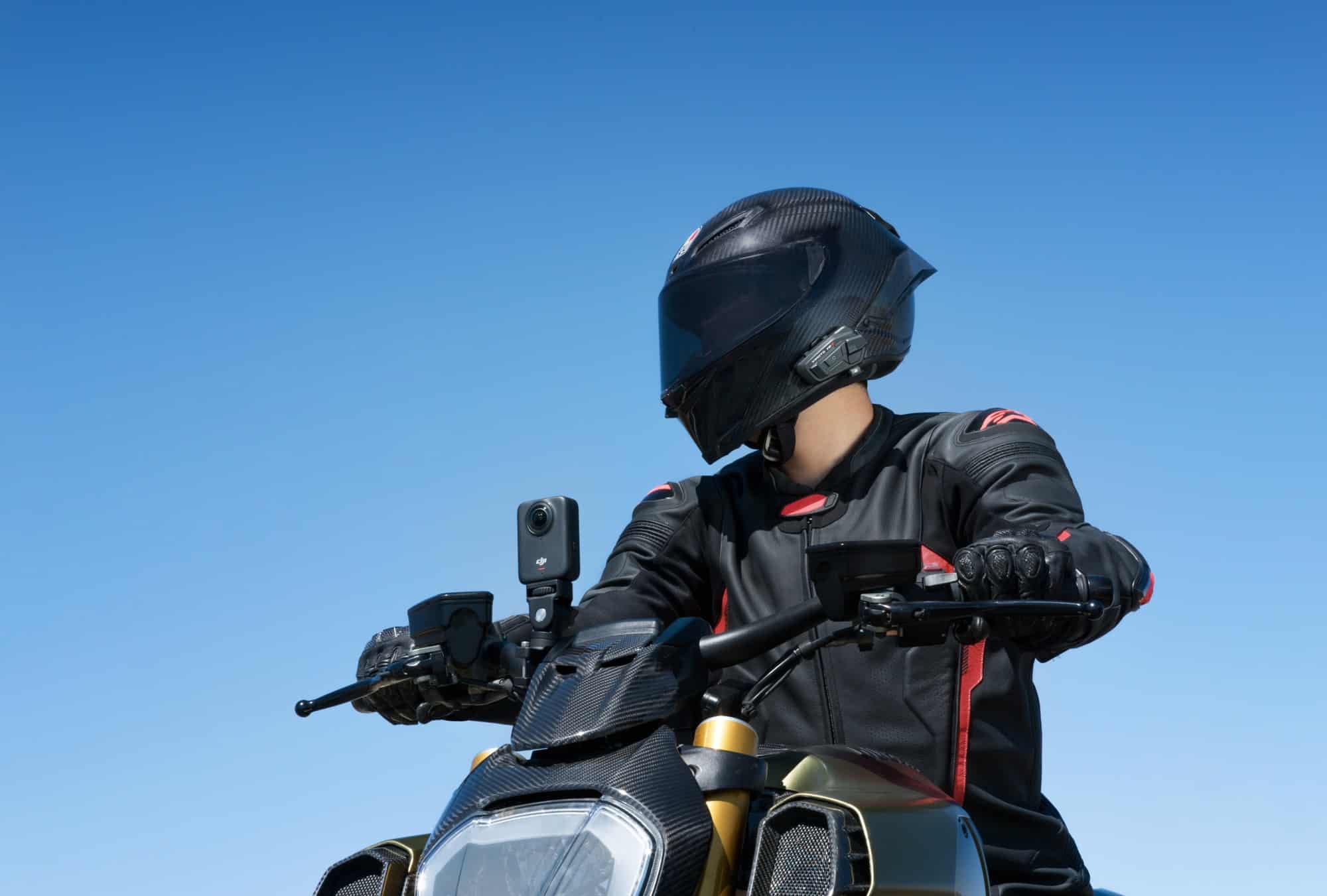
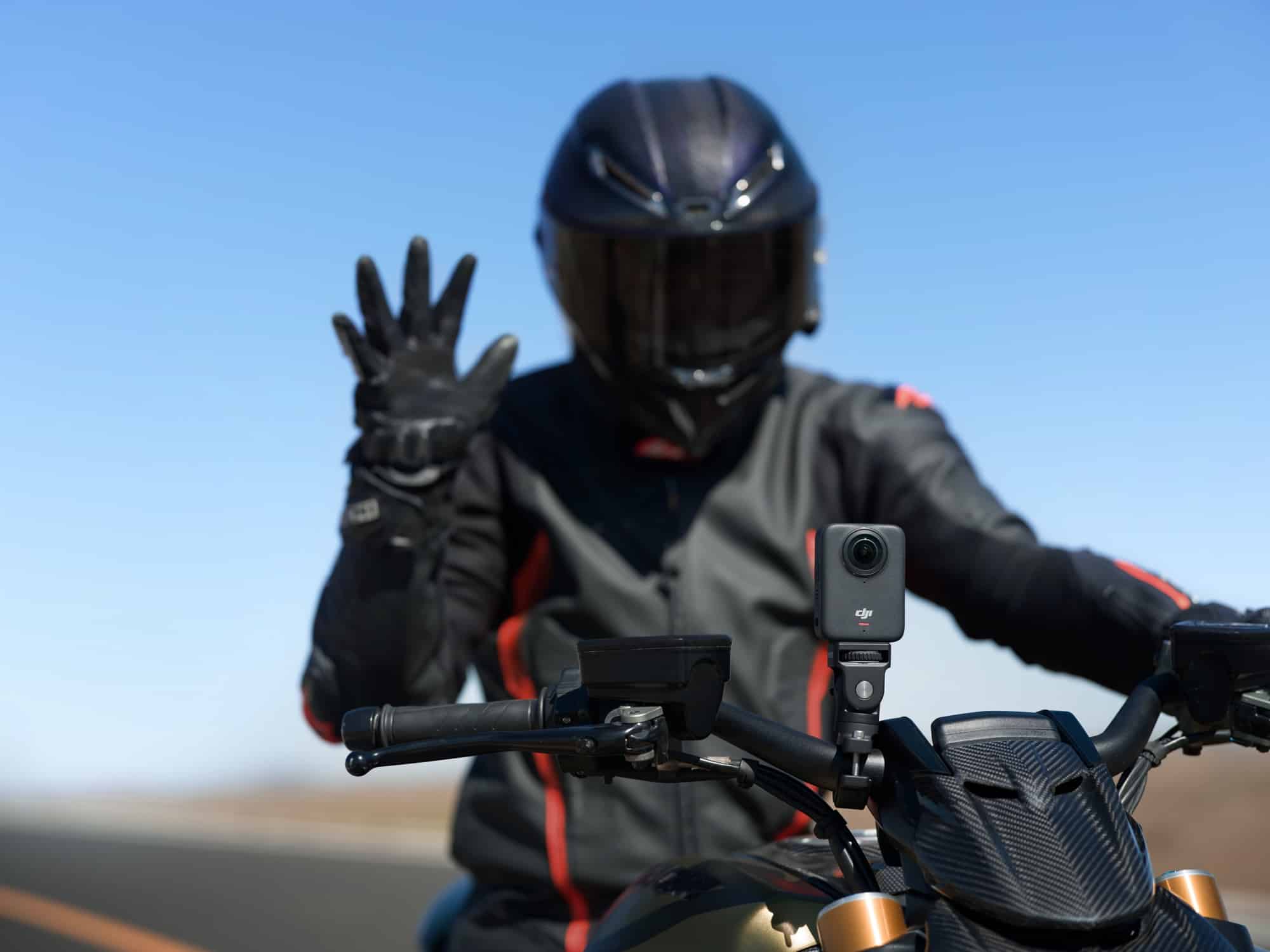
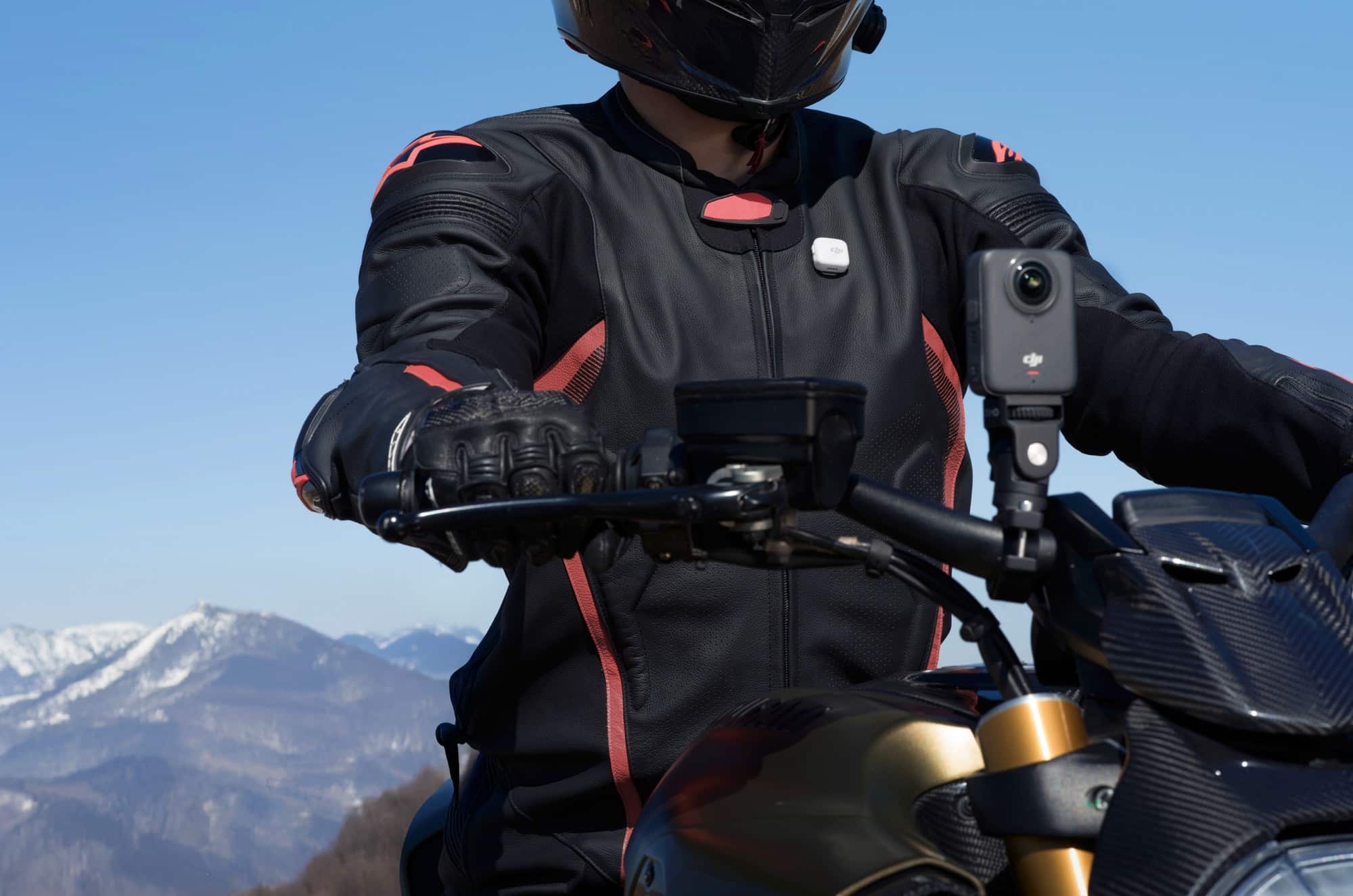
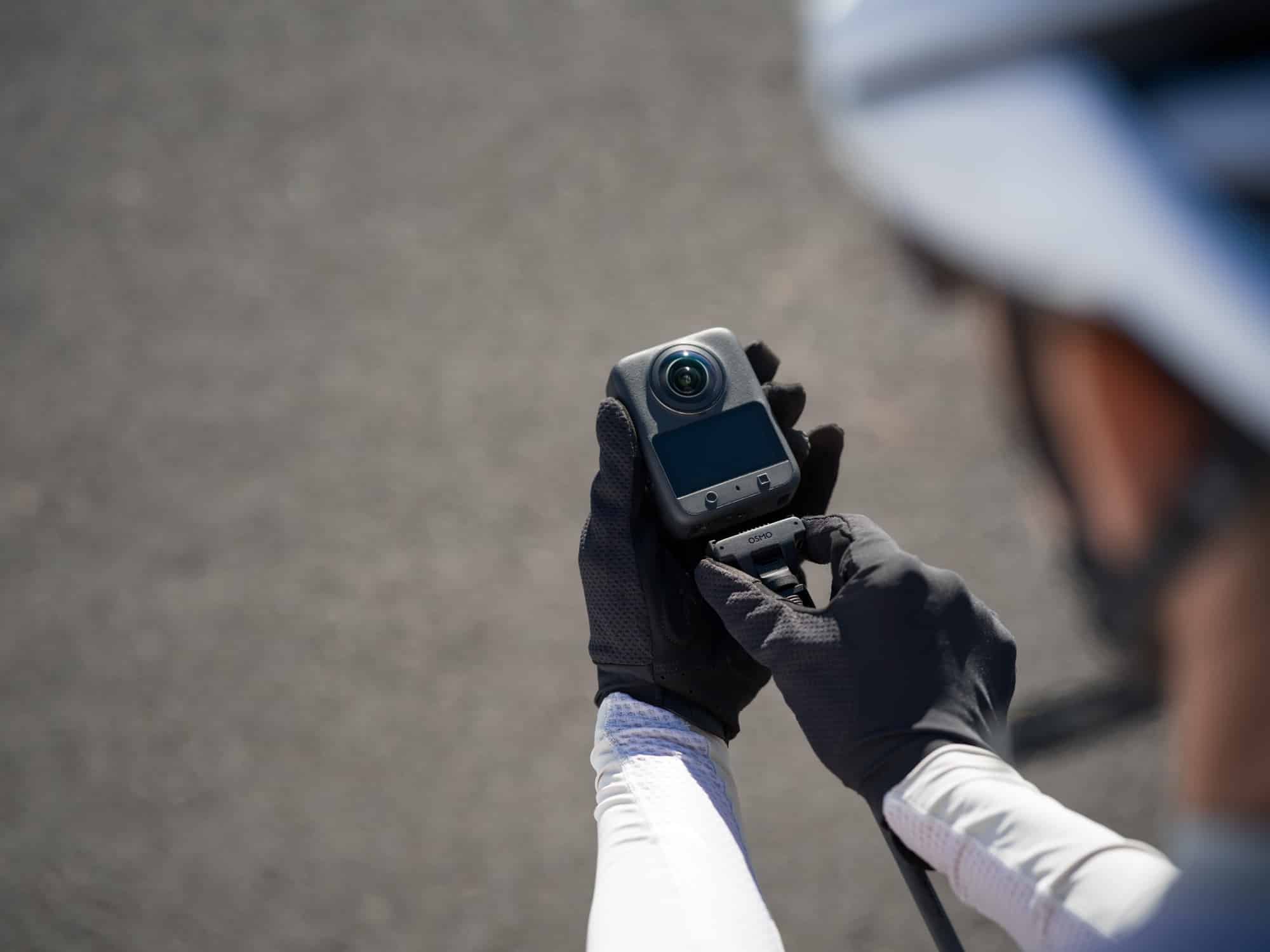
The camera’s magnetic quick-release system compatibility with Osmo Action accessories expands mounting options, including a 1/4-inch thread for standard tripods or rigs. Audio capabilities include OsmoAudio Direct Microphone Connection for two DJI transmitters, delivering studio-quality sound without a receiver—though not compatible with first-generation DJI Mic.
This raises questions about broader ecosystem synergies, given DJI’s background in civilian drones. The compact design and robust performance could complement drone-based aerial imaging, allowing pilots to incorporate ground-level 360 content seamlessly.

Availability and Market Considerations
The Osmo 360 launches globally on July 31, 2025, but it will not be available immediately for sale in the U.S. through DJI’s official channels. No estimated timeline or pricing has been announced yet.
“With the Osmo 360, DJI is challenging the status quo of the 360 camera market,” said Christina Zhang, Senior Director of Corporate Strategy at DJI. “We are revolutionizing panoramic innovation by leveraging DJI’s long history of innovation in creative camera technology. With each technological breakthrough, from 1-inch 360° imaging with industry-first square HDR sensor, to outstanding low-light performance, we aim to change what’s possible in a 360 camera.”
The Osmo 360 addresses key limitations in current 360 cameras, such as sensor efficiency and runtime. For drone professionals and recreational pilots, this could mean more versatile tools for hybrid content, blending aerial and panoramic perspectives. However, regulatory aspects like U.S. availability delays highlight ongoing challenges in global distribution for tech products. All specifications were tested under controlled conditions, and actual results may vary; refer to the DJI website for precise details.
DJI continues to innovate across drones and cameras, empowering creators since 2006. This entry into 360 cameras extends those efforts, potentially influencing how pilots capture and share immersive experiences.