

We’ve been tracking Antigravity since the Insta360-incubated brand emerged from stealth back in July, and now we finally have the A1 in our hands. After a week of flying the world’s first 8K 360-degree FPV drone in New York’s cold and often uncooperative weather, our first impressions are clear: this is the most refreshing drone to hit the consumer market in years.

It is both impressive and encouraging to see a new drone company successfully enter the U.S. market where GoPro, Sony, Skydio, and Parrot have all struggled or failed to challenge DJI’s dominance. The Antigravity A1 is different. It doesn’t try to out-DJI DJI. Instead, it creates an entirely new category.

Antigravity A1 Key Specs
Design That Makes Sense
One of the first things we noticed is how the A1’s legs fold normally. Unlike any DJI Mavic, Air, or Mini drone with their somewhat awkward folding mechanisms, the Antigravity A1 is straightforward. Open it up, unfold the legs, and you’re ready to fly. It’s a small detail that makes a difference in the field.
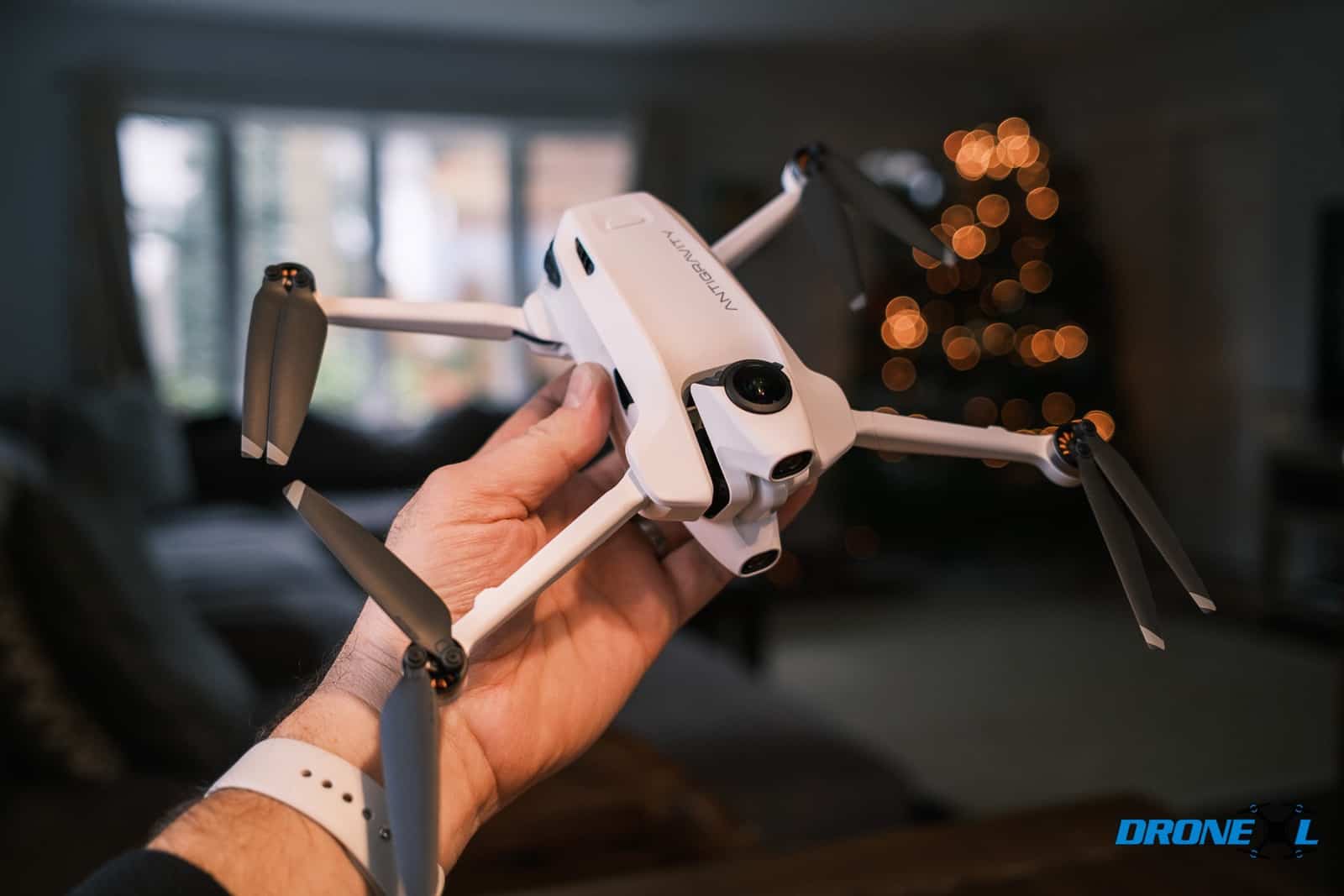
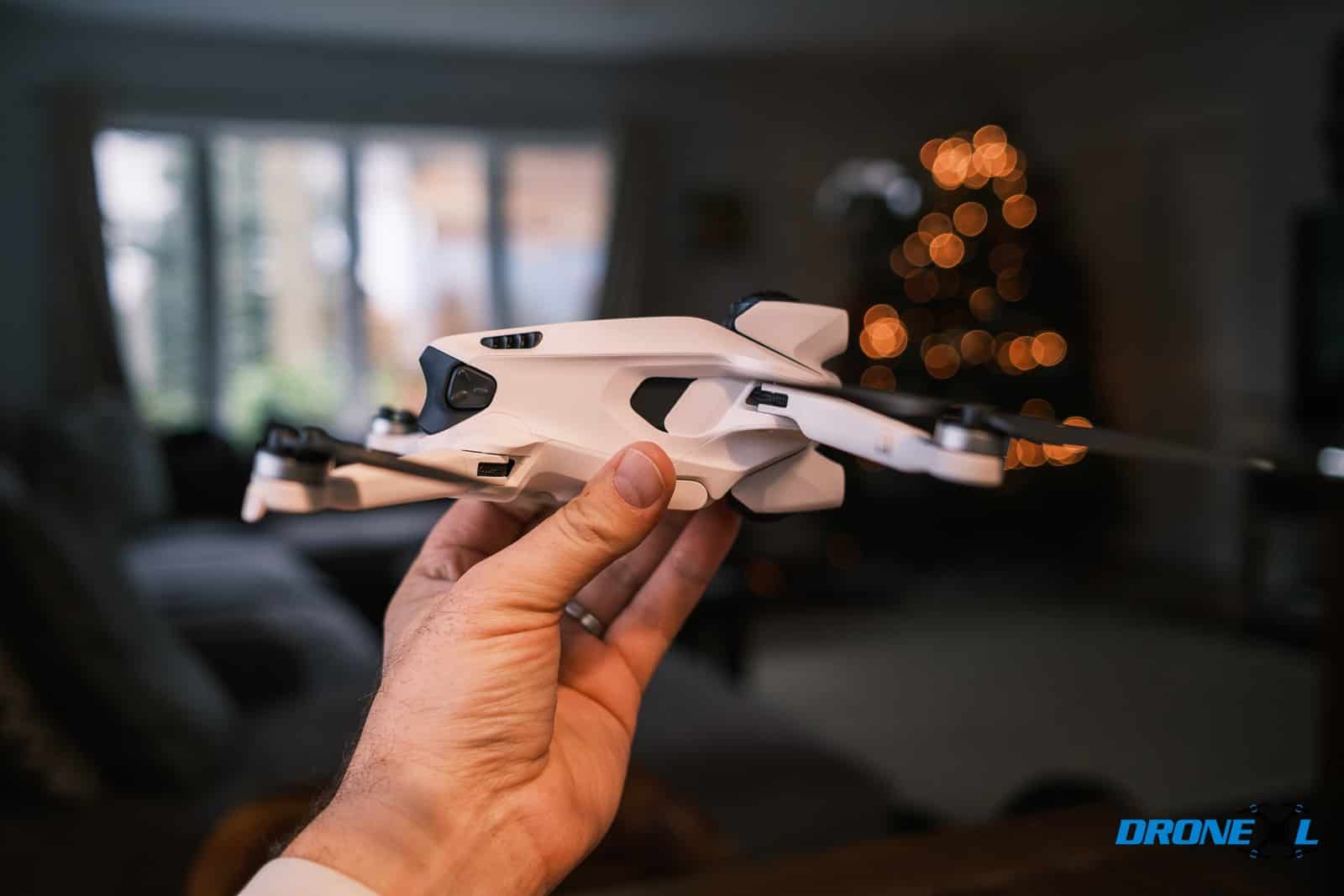
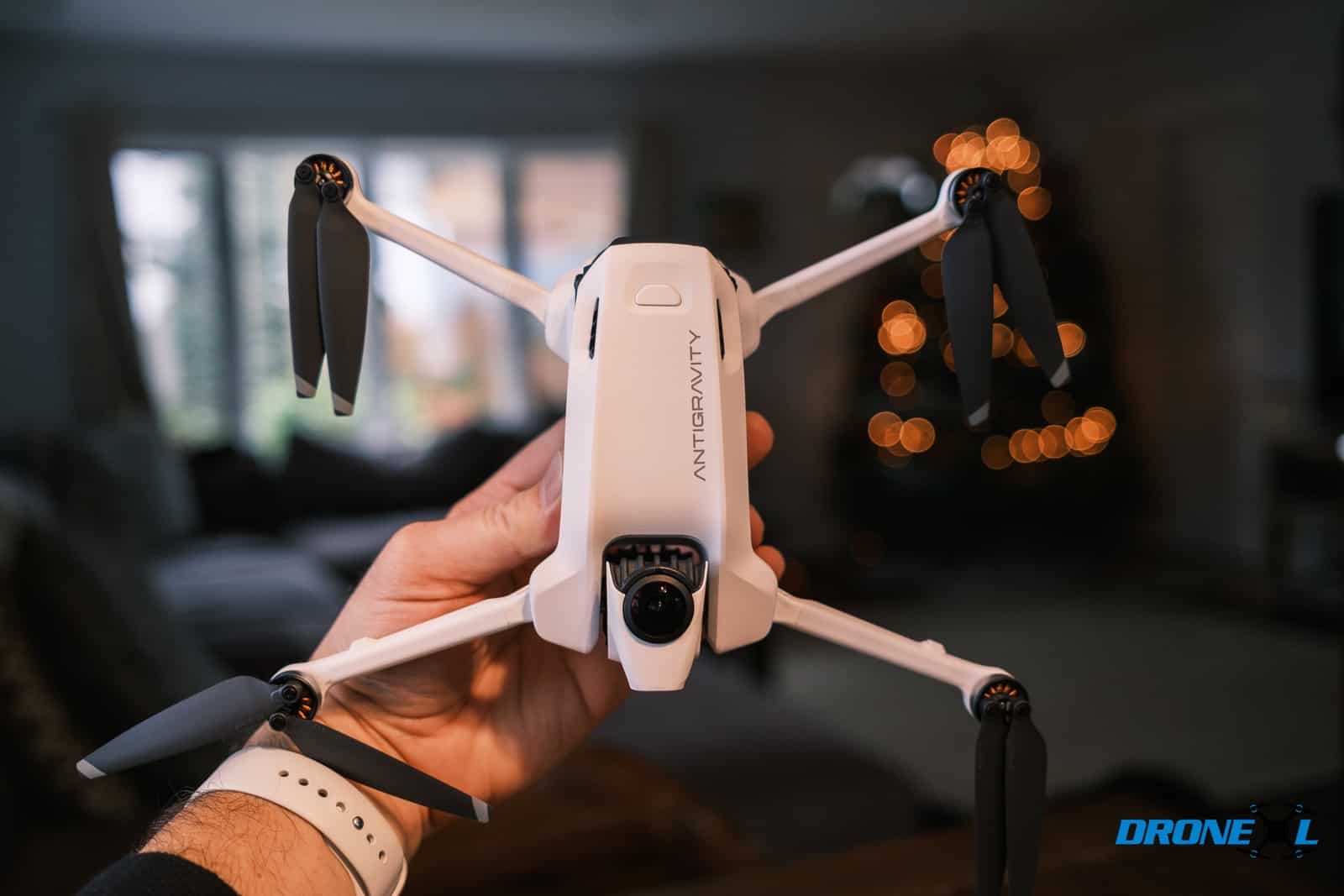
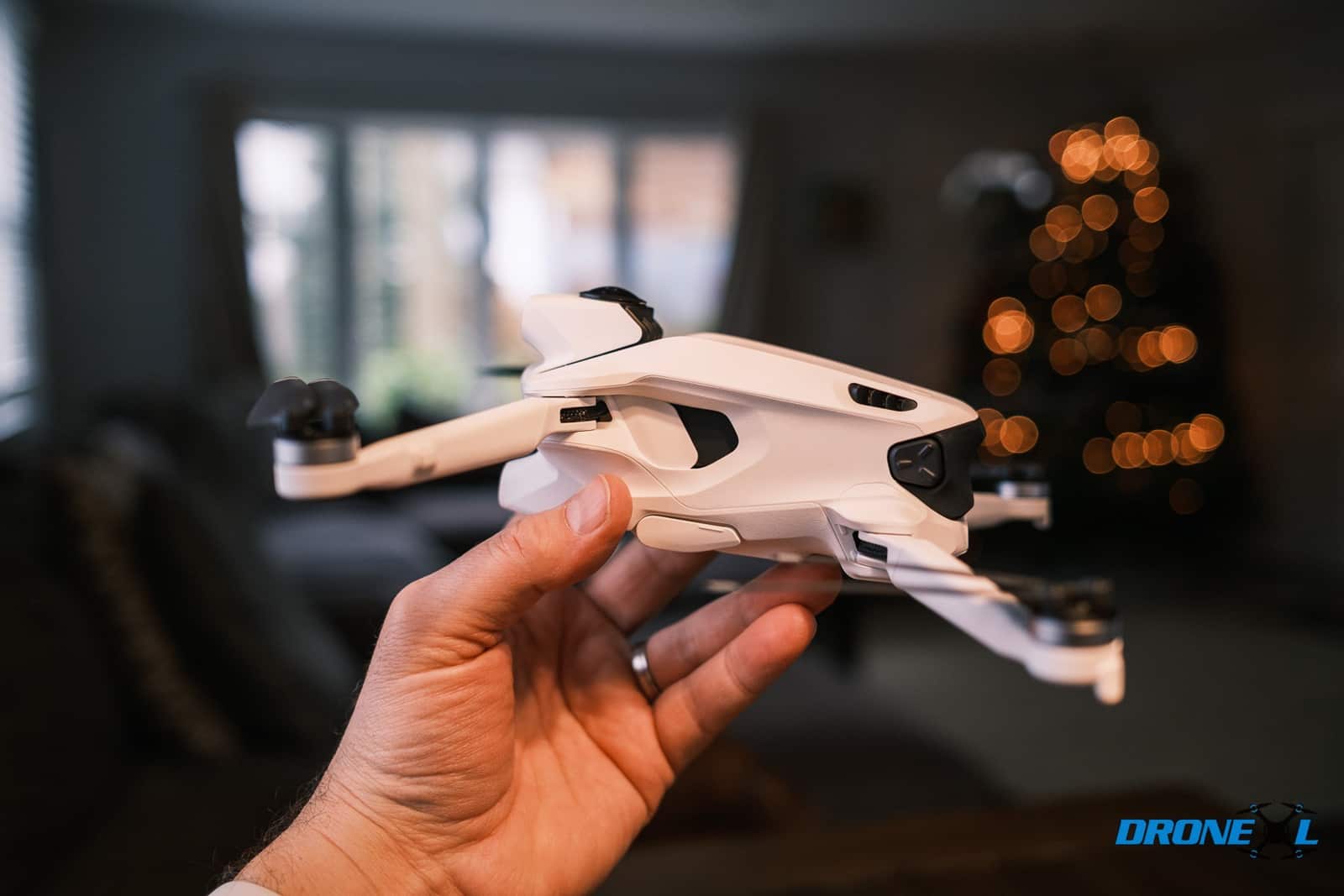
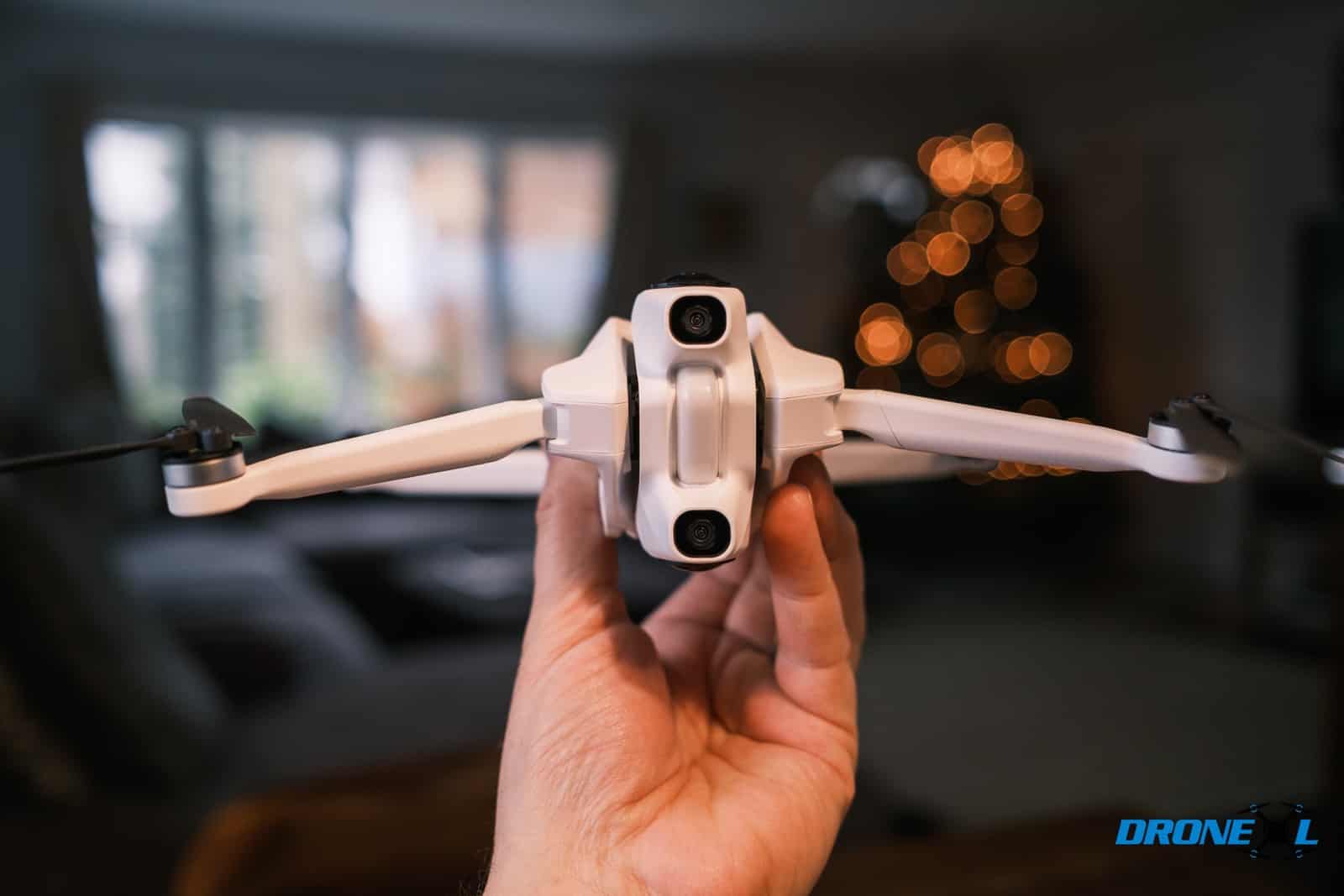
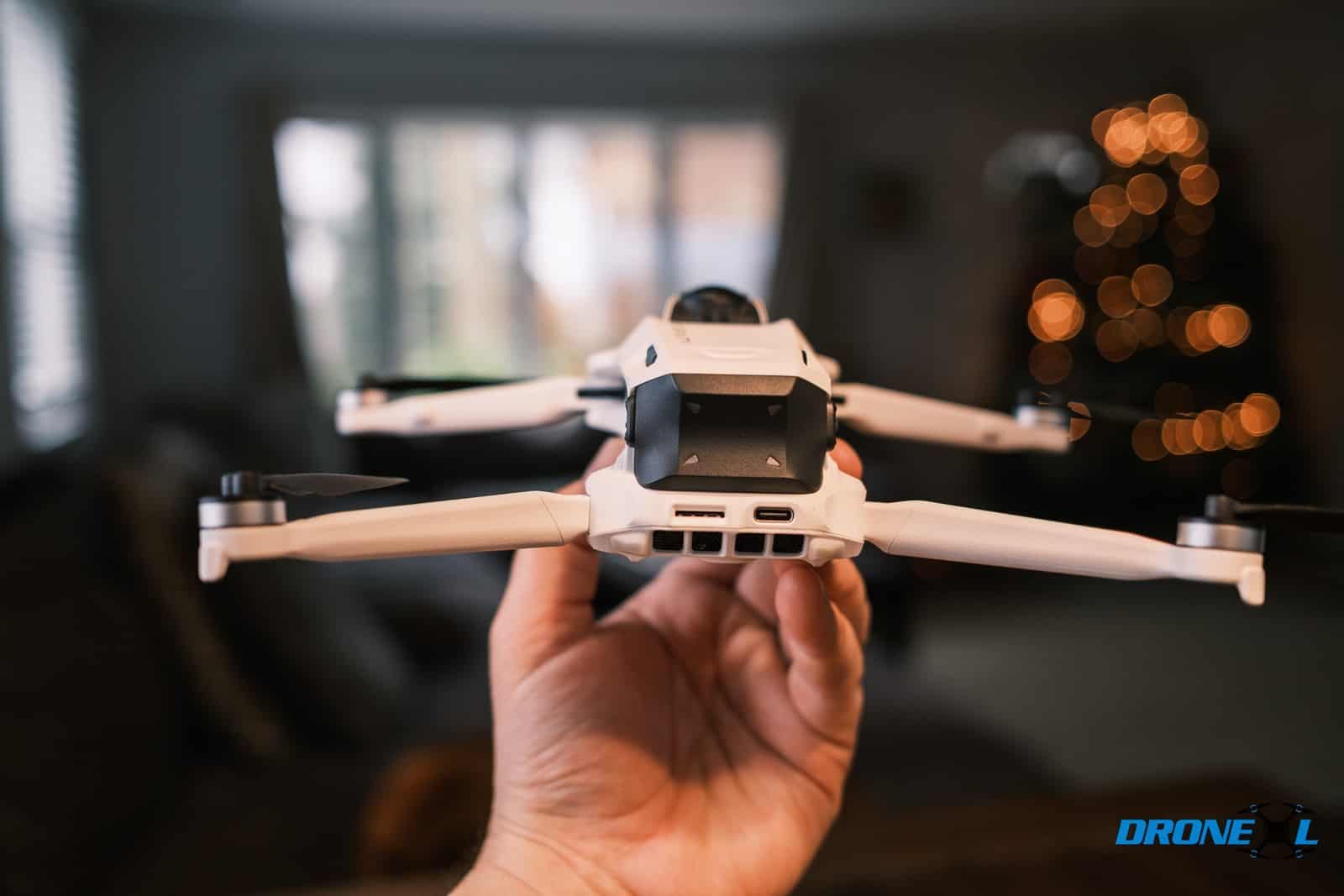
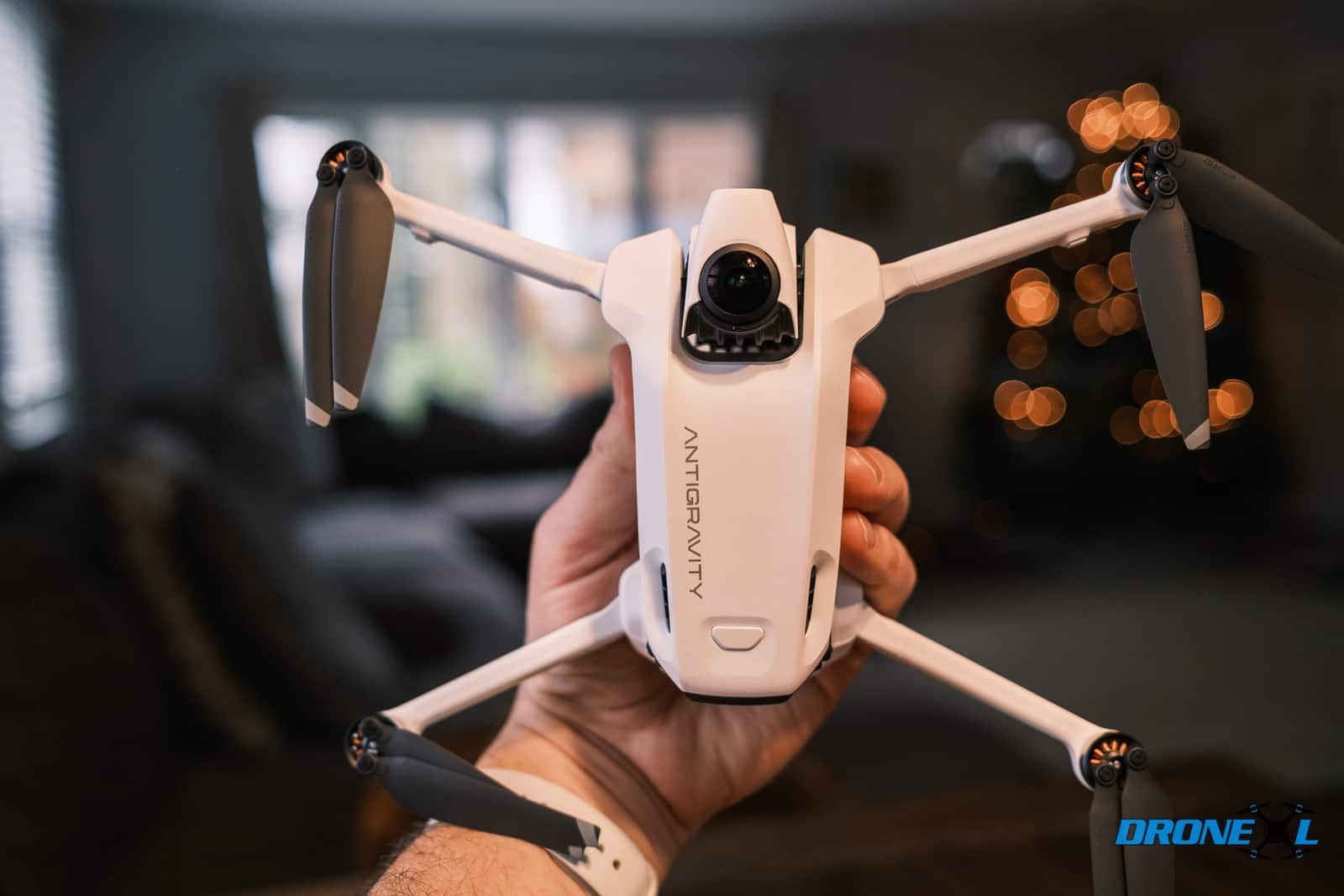
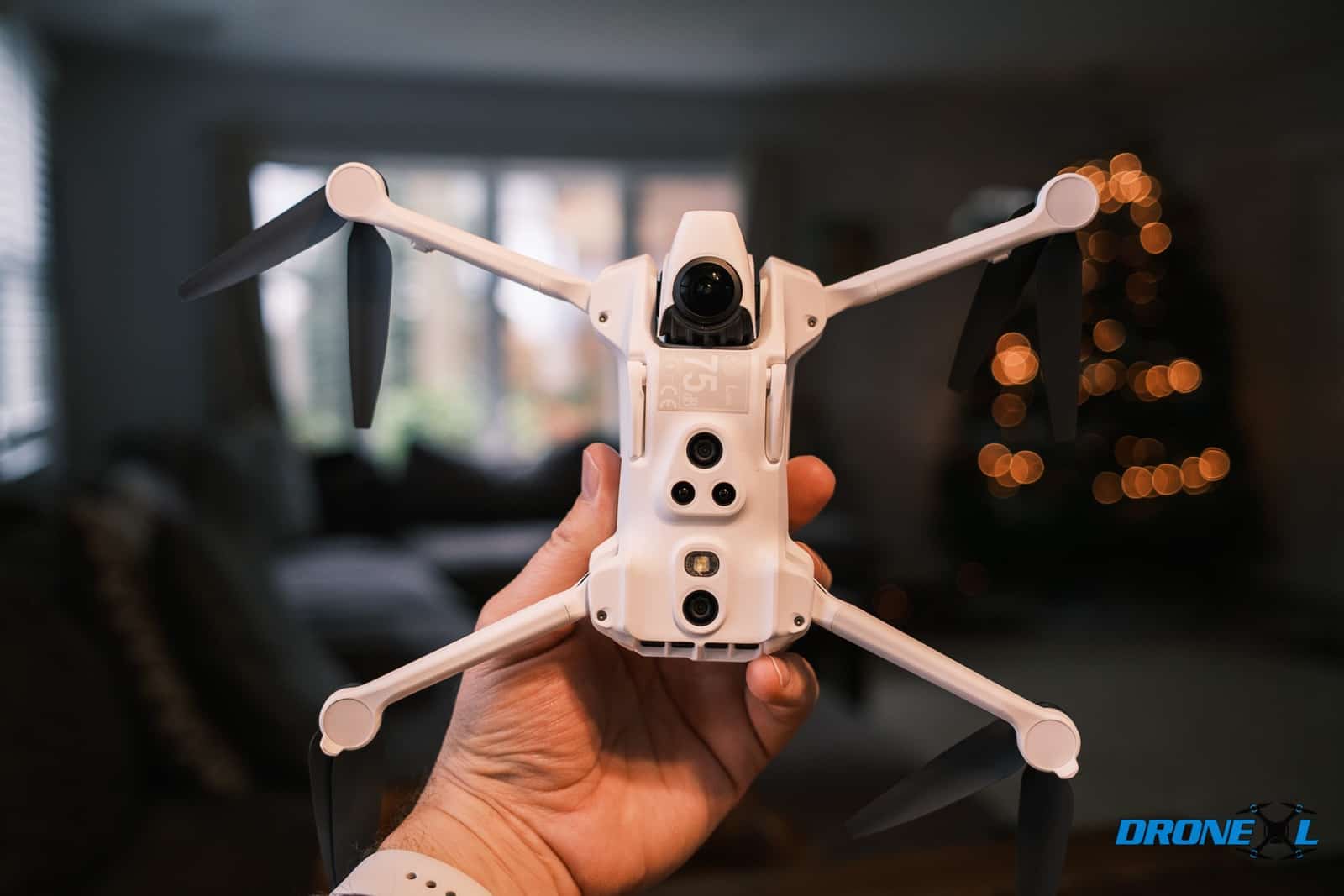
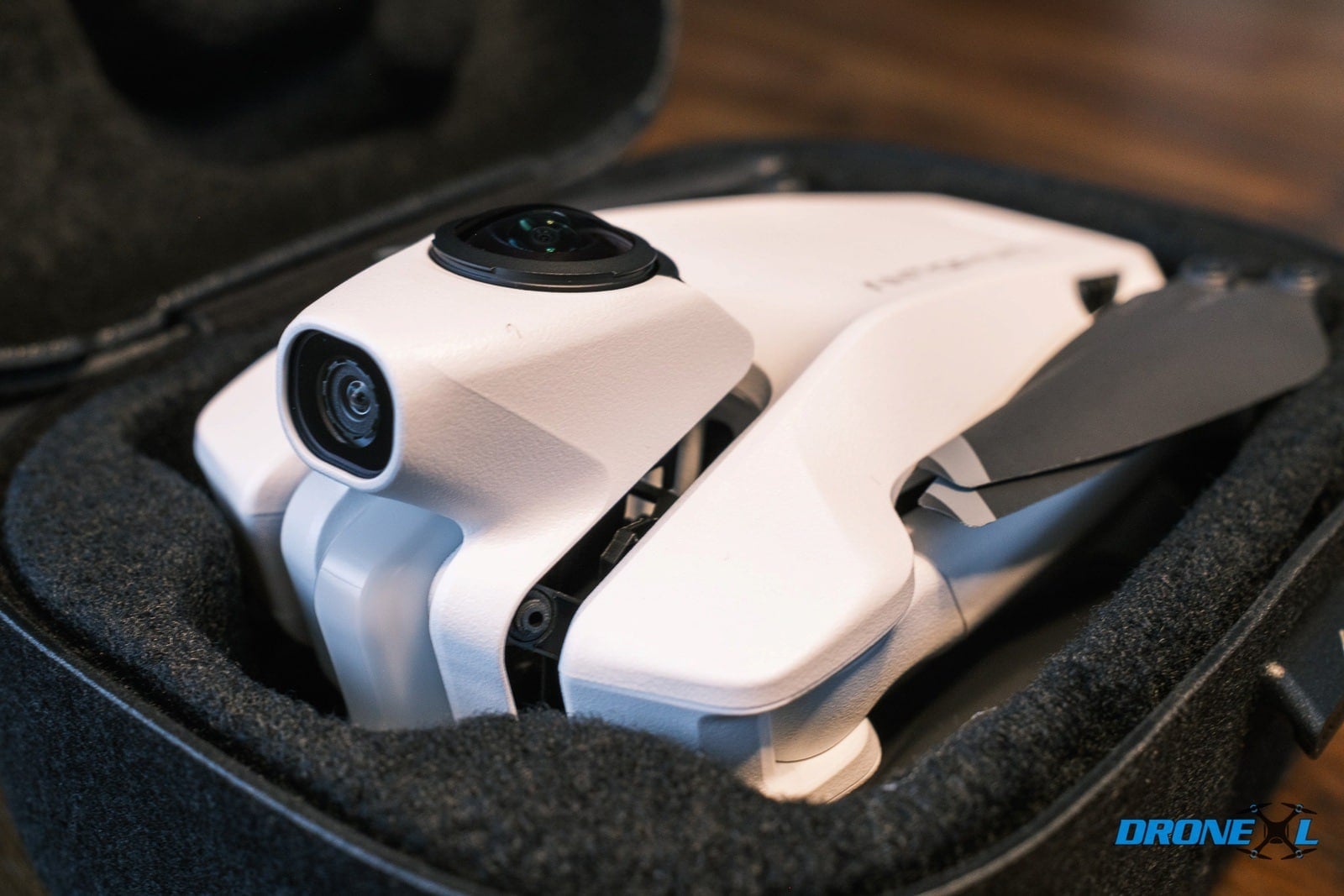
The drone features retractable landing gear, which is impressive given the sub-250g weight class. This protects the downward-facing lens during takeoff and landing. Without it, there would be a chance of scratching the lens when setting down on rough surfaces. The fact that Antigravity managed to include retractable gear, two cameras, obstacle avoidance, and still keep the weight at exactly 249 grams speaks to impressive engineering.
At this weight, recreational pilots in the United States do not need to register the drone with the FAA, significantly lowering the barrier to entry. The A1 also qualifies for EU C0 class certification, exempting it from operator licensing in most European markets.

The Eye in the Sky Experience
Here’s where the A1 truly shines. The 8K 360-degree camera system with dual 1/1.28-inch sensors positioned on the top and bottom of the fuselage creates what we can only describe as an “eye in the sky” effect. The drone becomes completely invisible in the footage.

During our test flights, we could only tell there was a drone in the air when the sun was setting at a very specific angle, creating slight shadows from the propellers. Other than that, the advanced stitching algorithms, built on Insta360’s five generations of 360 camera development, render the drone completely invisible in both live view and recorded footage.
When you wear the Vision Goggles, you can literally look in any direction and get an unobstructed view of your surroundings. It’s an incredible sensation that traditional FPV drones simply cannot match.
The goggles feature dual 1.03-inch Micro-OLED displays with 2560×2560 resolution per eye and TUV Rheinland Low Blue Light certification.
FreeMotion Flight: A New Way to Fly
The A1 ships as a complete system with Vision Goggles and Grip controller included in every bundle. This is a notable departure from competitors who often sell these accessories separately.
The Grip controller replaces traditional dual-stick controls with motion-based navigation. Point the Grip in the direction you want to fly, squeeze the trigger, and the drone responds. Antigravity calls this FreeMotion technology, and it makes the A1 significantly easier to master than traditional dual-stick drones.
However, we found the free motion way of flying felt less intuitive to us than traditional FPV-style control (you can switch between the two in the menu). When you’re wearing the goggles, you cannot see the controller in your hand, so it takes a bit of time to familiarize yourself with the buttons and functions. For experienced pilots who prefer classic control dynamics, FPV Mode remains fully accessible.
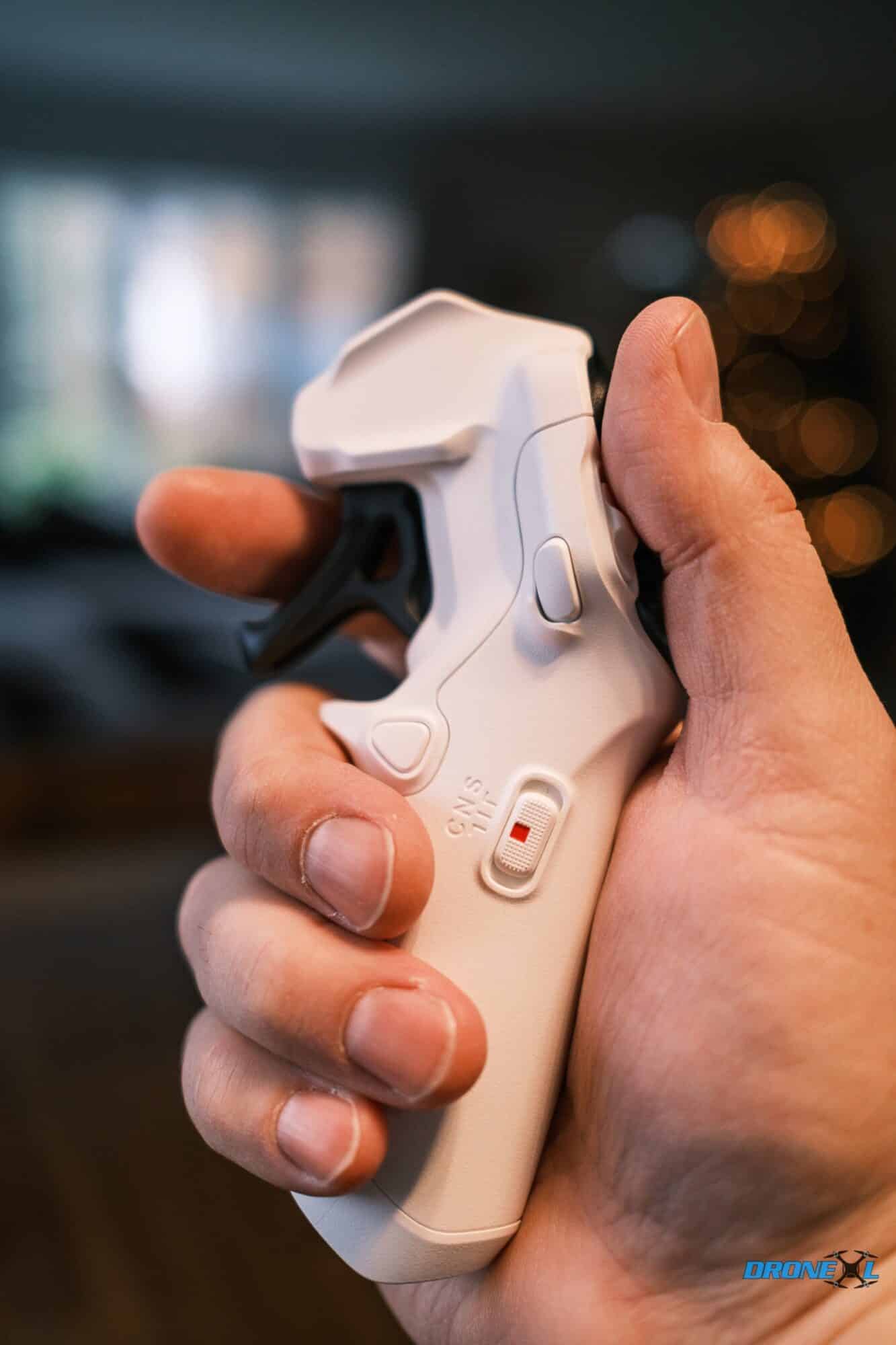
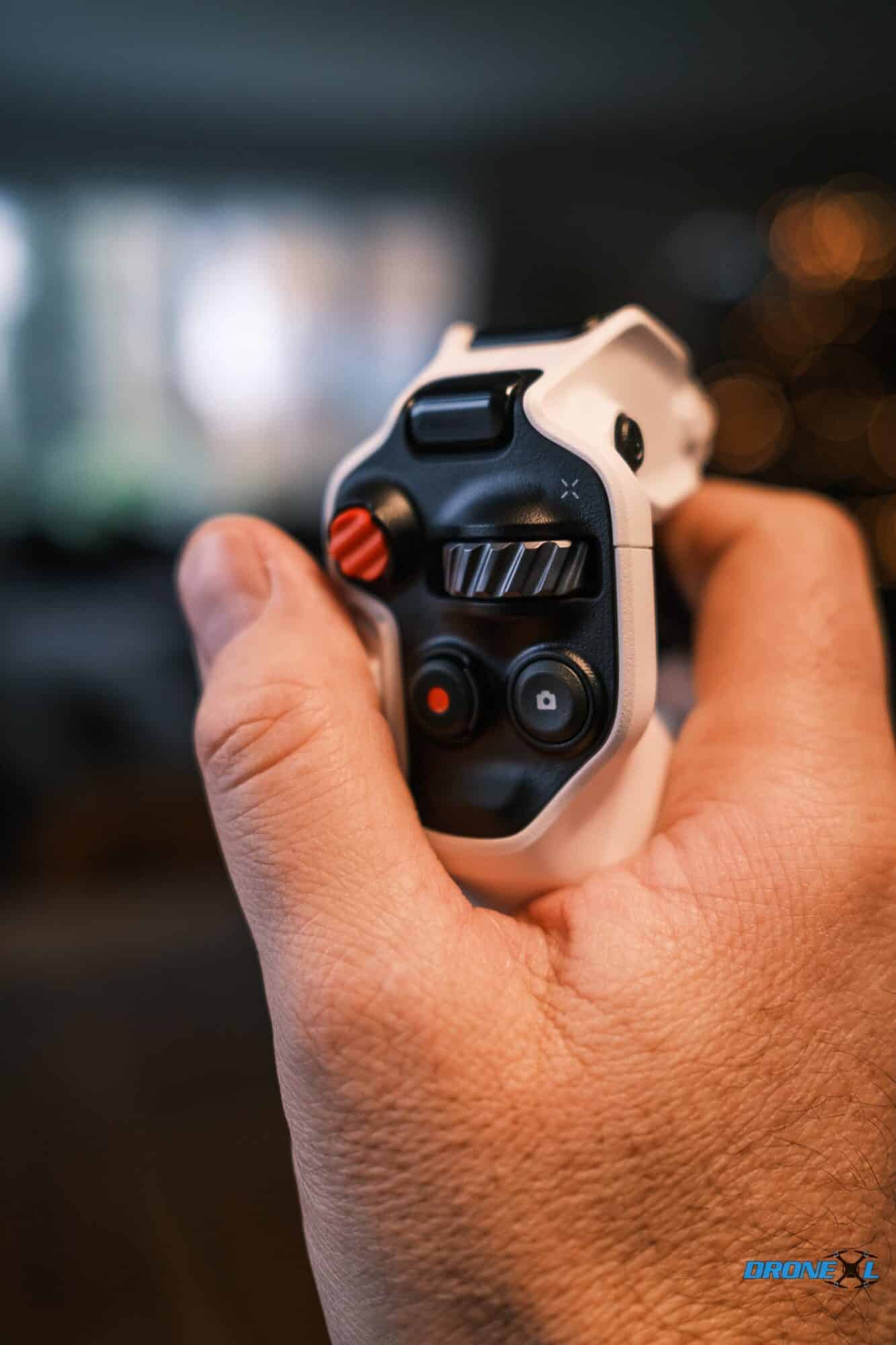
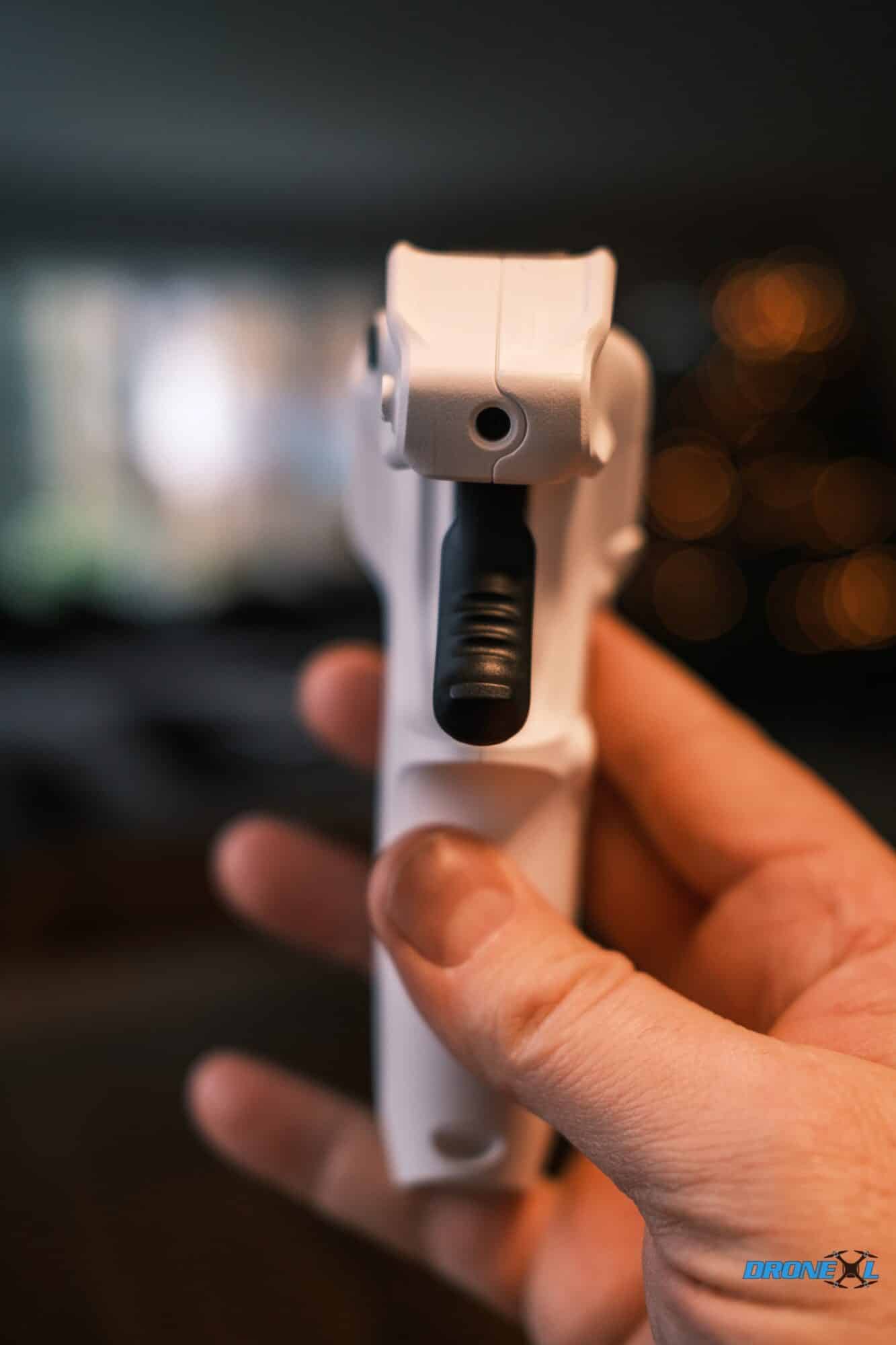
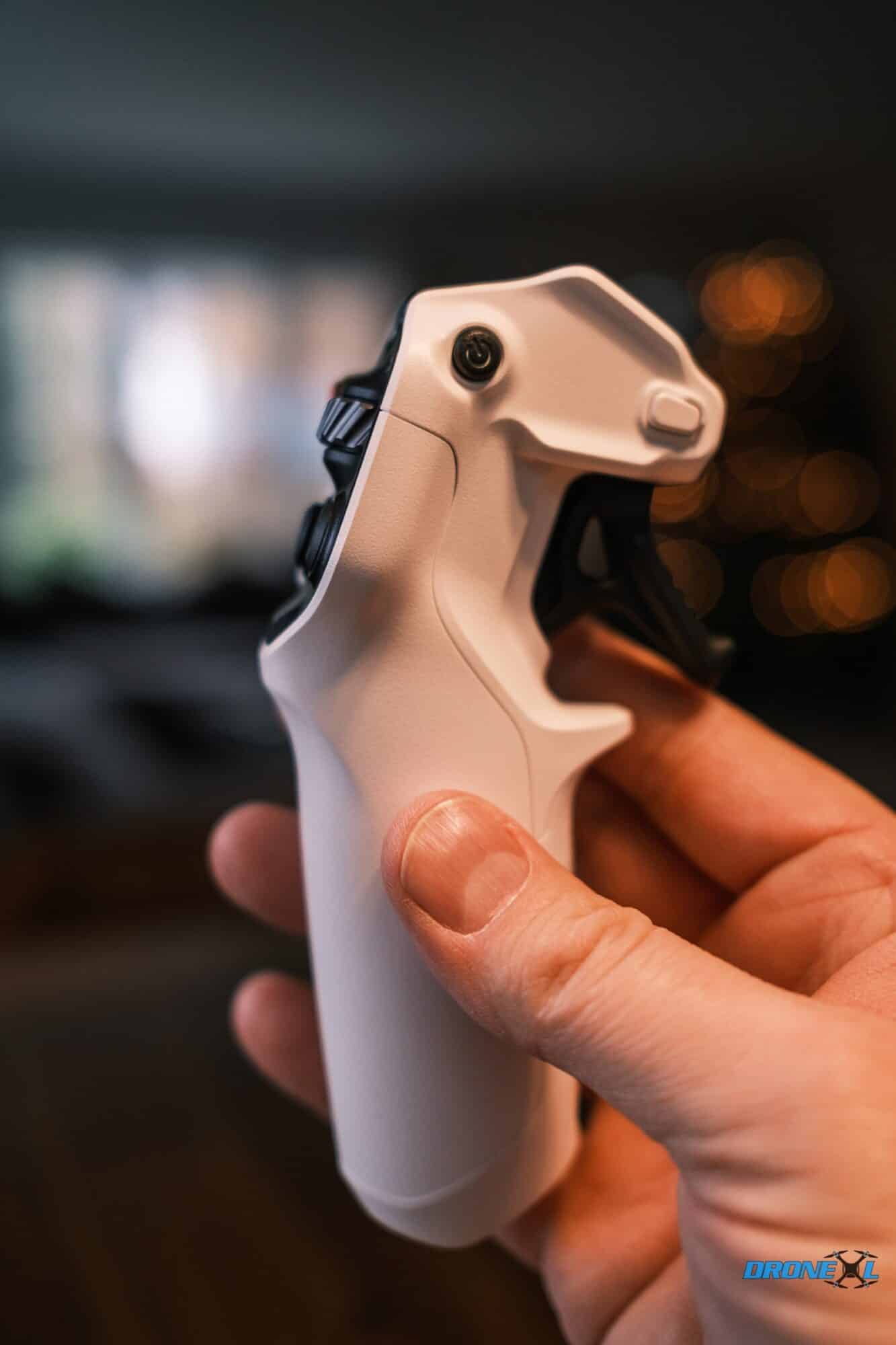
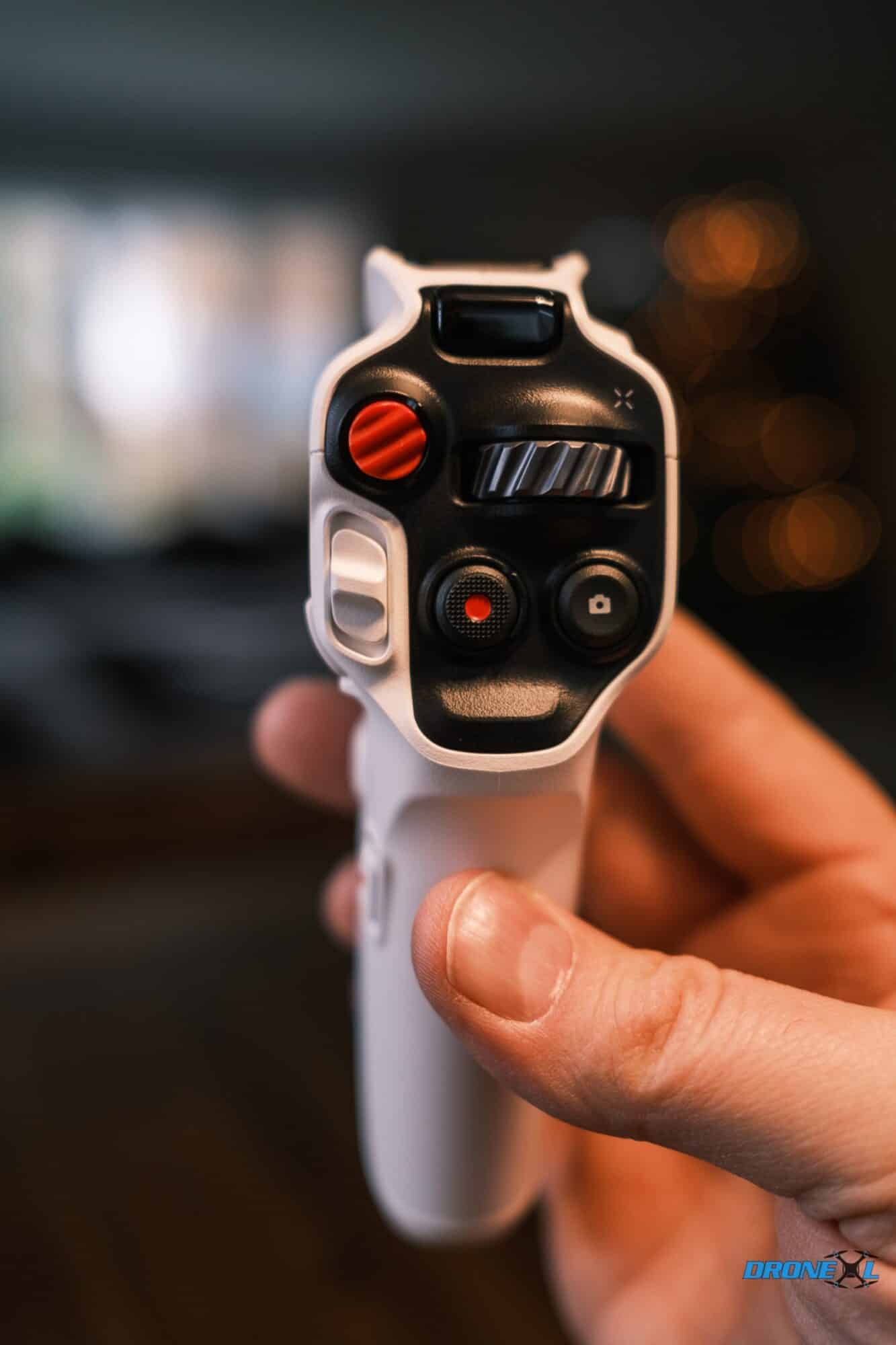
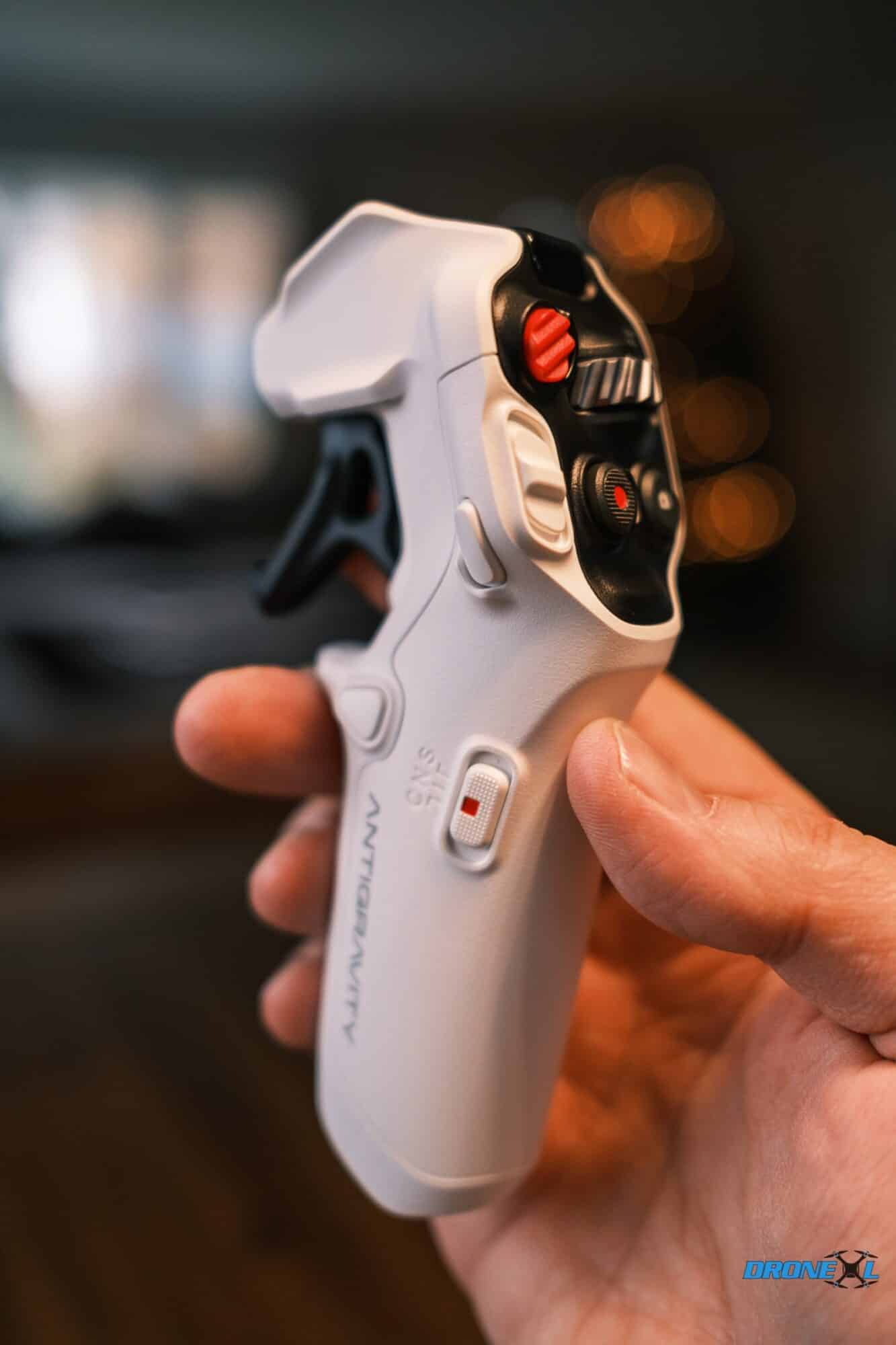
The software is well developed. When you enter the menu, a pointer allows you to navigate the Antigravity menu system, change settings, and review your photos and aerial video footage. It all felt intuitive and well designed.
Connection Quality: Room for Improvement
While the specifications claim 10 km (6.2 miles) transmission range under FCC conditions, our real-world experience was more nuanced. The positioning of your head and goggles in relation to where the drone is flying definitely impacts connection quality.
We had a few instances where we were flying perhaps too far or not optimally positioned, and the connection became sluggish. At one point, we received a lost connection warning, triggering the drone’s return-to-home function. The connection felt less robust than the very high standards set by DJI.
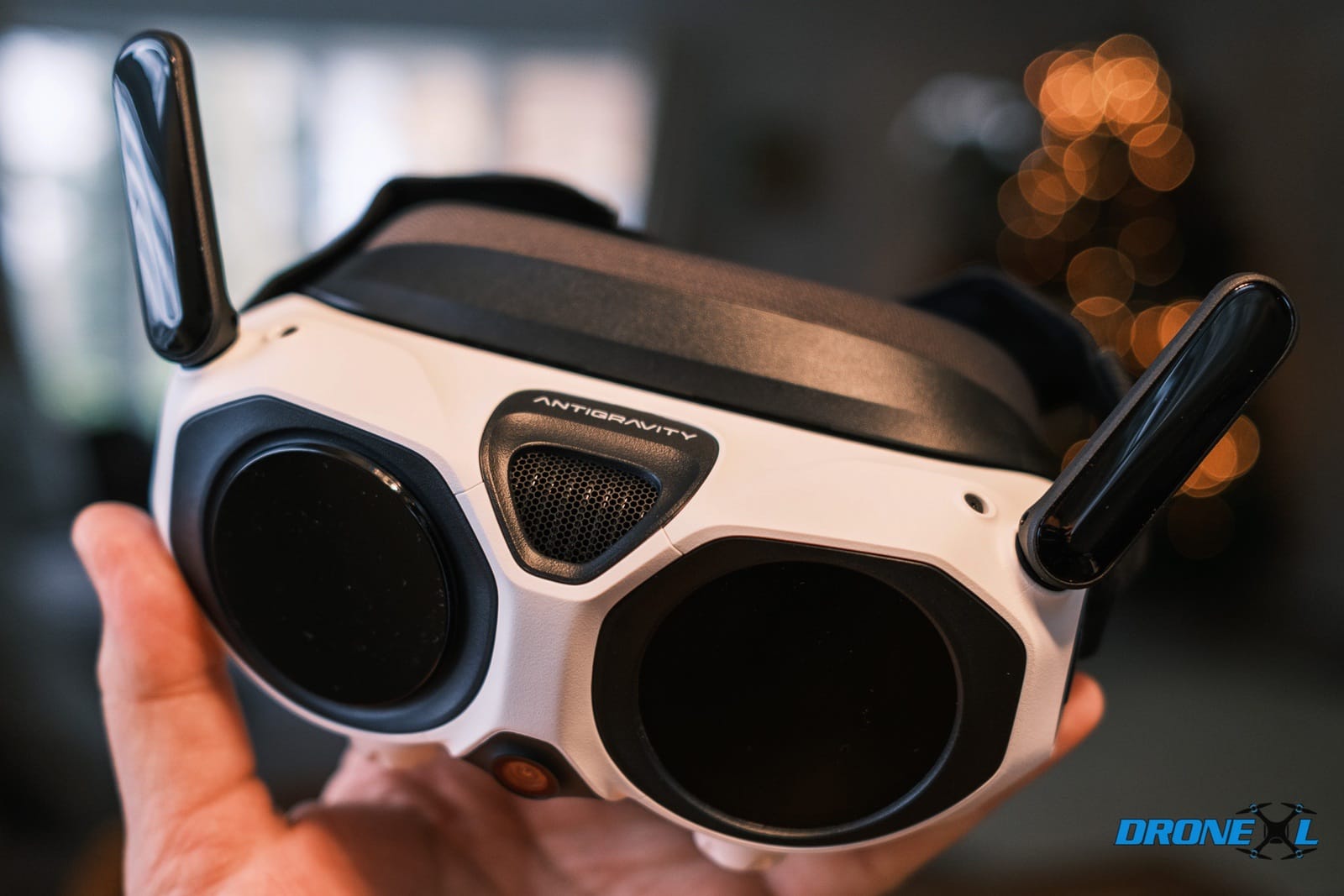
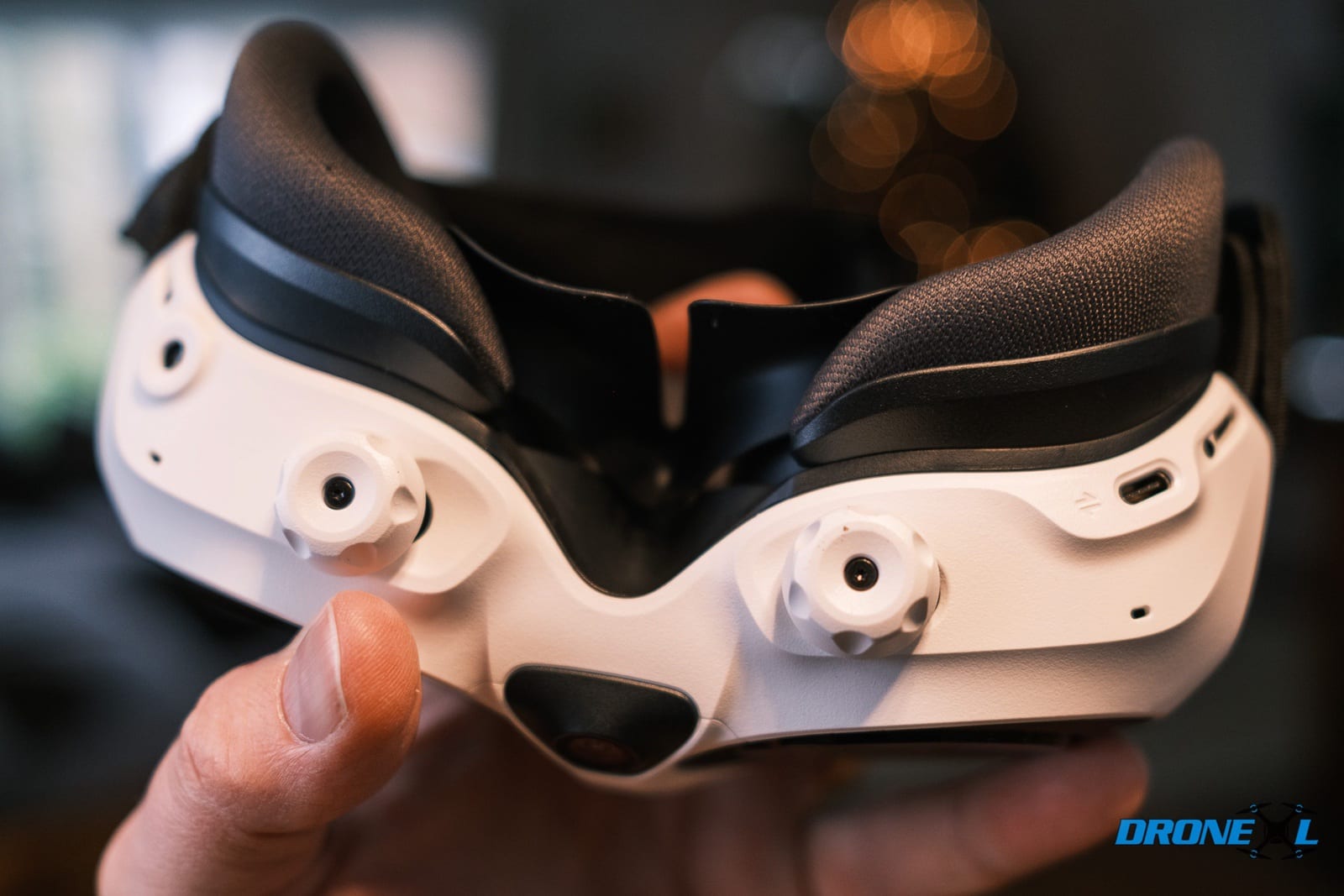
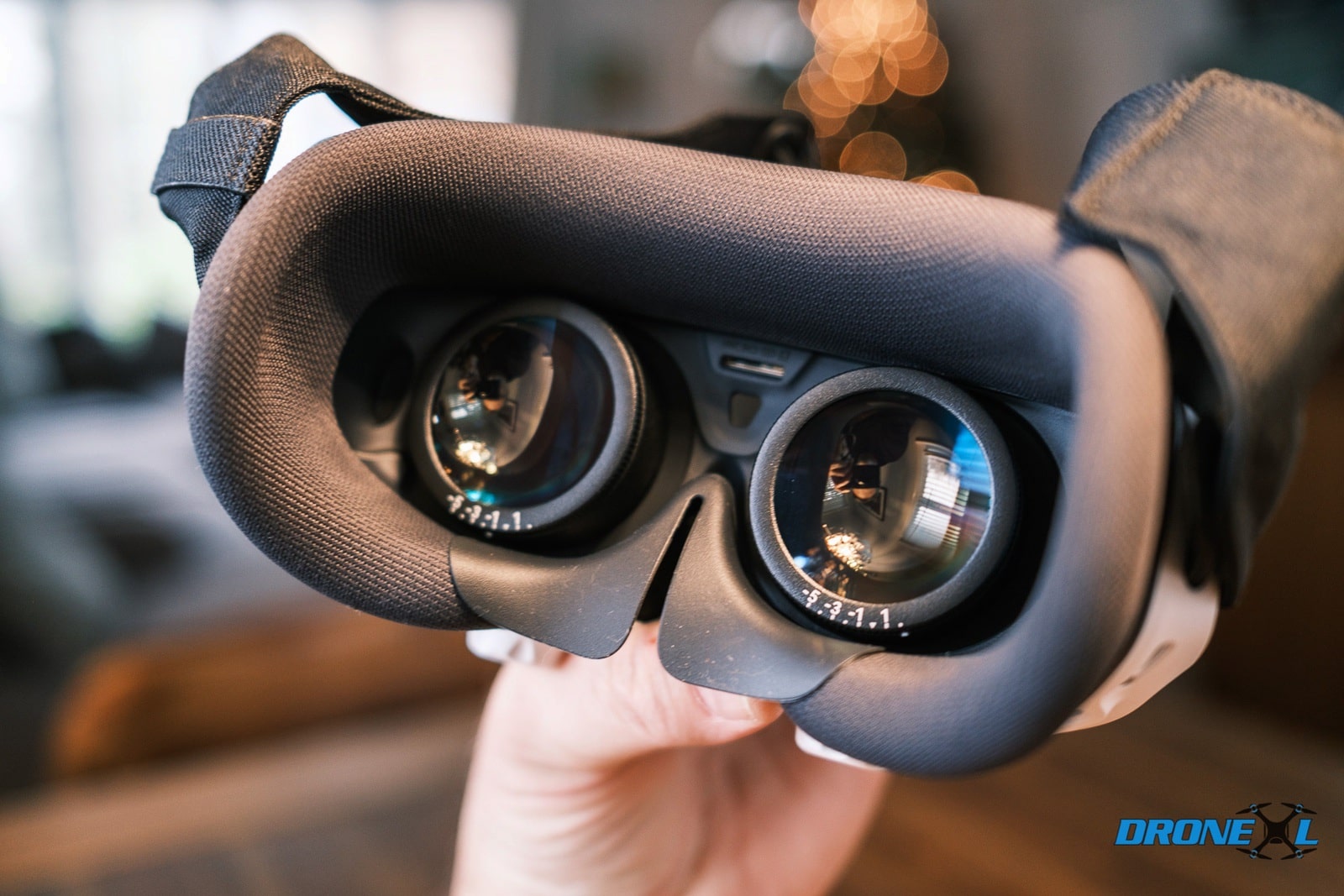
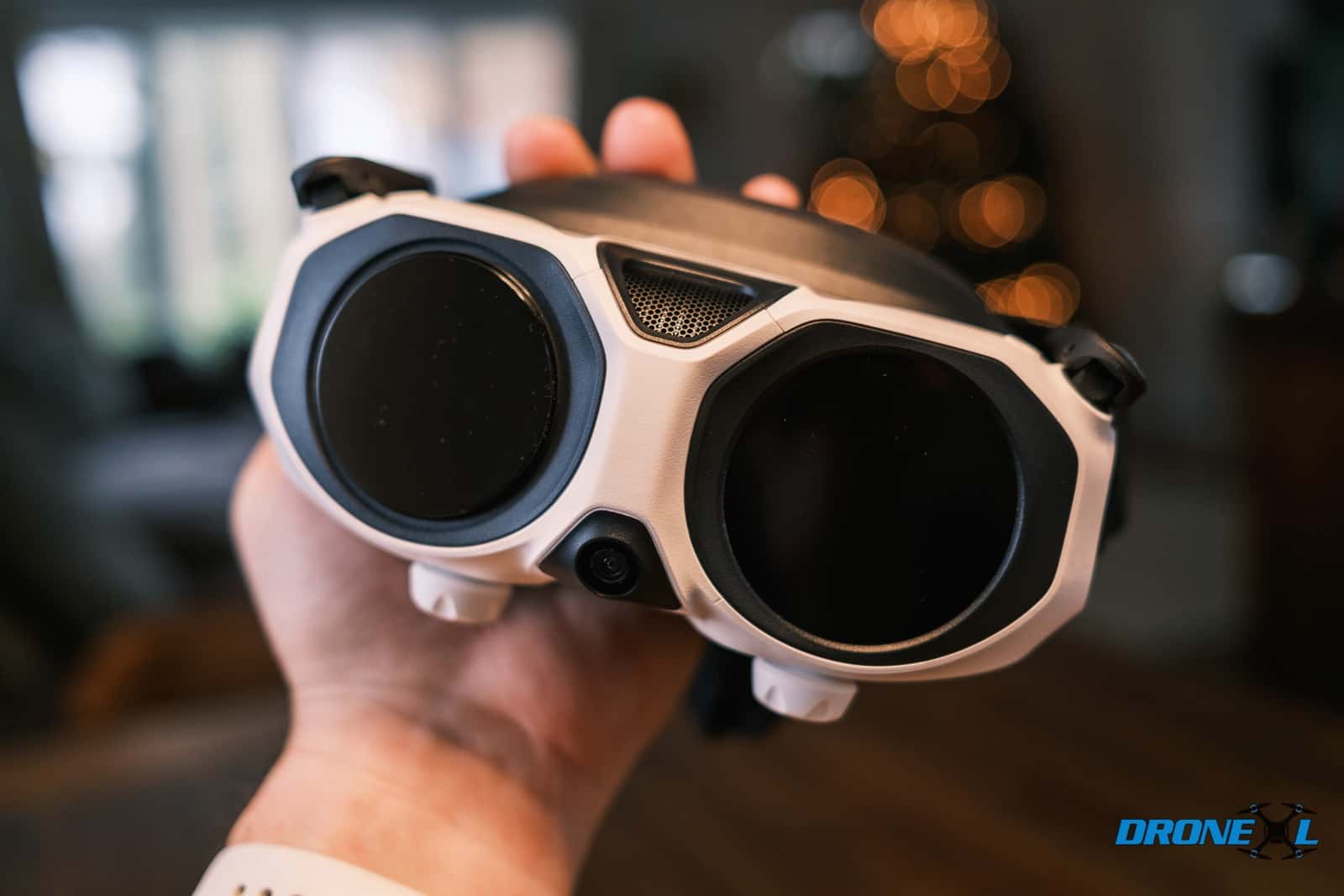
For FPV flying, especially at high speed while maneuvering around obstacles, having a rock-solid, low-latency connection is crucial for pilot confidence. The ~150ms latency is acceptable, but we noticed the antenna positioning on the goggles matters. For optimal range and connection quality, the antennas should be facing the direction of the drone.
That said, for a first-generation product, the connection is impressive. Most FPV flying happens closer to the pilot anyway, making this less of an issue in typical use cases.
Tracking Moving Subjects
The 360-degree capture opens up entirely new possibilities for tracking moving subjects. As demonstrated in Jake Sloan’s test footage, you can basically point the drone, fly, and then worry about the framing in post-production. Every angle is captured in 8K, so pilots can reframe footage, add dynamic camera movements, apply effects like Tiny Planet or horizon flips, and export in any aspect ratio without quality loss.
This “fly first, frame later” philosophy follows Insta360’s proven workflow and makes complex shots more straightforward for both professionals and hobbyists.

Safety Features
The A1 comes with forward and downward obstacle sensing using binocular vision and 3D infrared, an emergency brake button, and return-to-home functionality. It also includes what Antigravity calls a payload detection system, a first for consumer drones in this class.
The system actively detects excess weight or unsafe modifications and forces an immediate landing if anomalies are detected. This is a direct response to documented cases of consumer drones being modified for malicious purposes. Antigravity’s tagline, “Born to fly, not to fight,” makes their position clear.

What’s in the Antigravity A1 Infinity Bundle
We received the Infinity Bundle, which includes everything you need for extended flying sessions:
- Antigravity A1 Drone
- Vision Goggles
- Motion Controller (Grip)
- High-Capacity Flight Battery (3x)
- Goggles Battery
- Charging Hub
- Carry Case
- Sling Bag
- Battery Lanyard
- USB-C Cable
- Power Cable
- Lens Caps
- Propellers (8x)
- Screwdriver
- Quick Reader
- Manuals
The drone itself is protected in a case rather than requiring a camera and gimbal protector like previous DJI drones. We found this to be a much more elegant solution. The sling bag allows you to bring spare batteries, spare parts, the drone, goggles, and motion controller, providing plenty of flying time for an afternoon in the air.
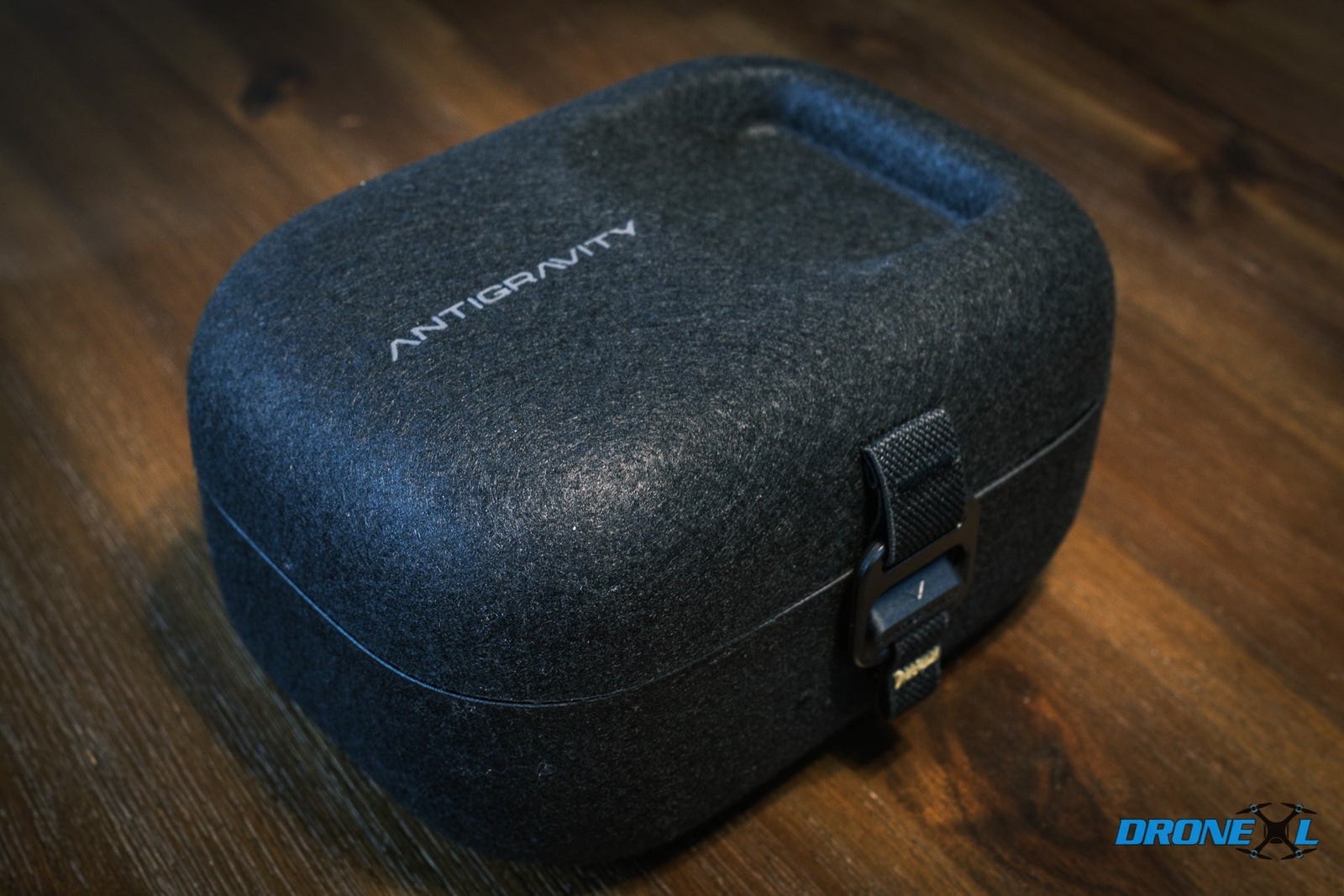
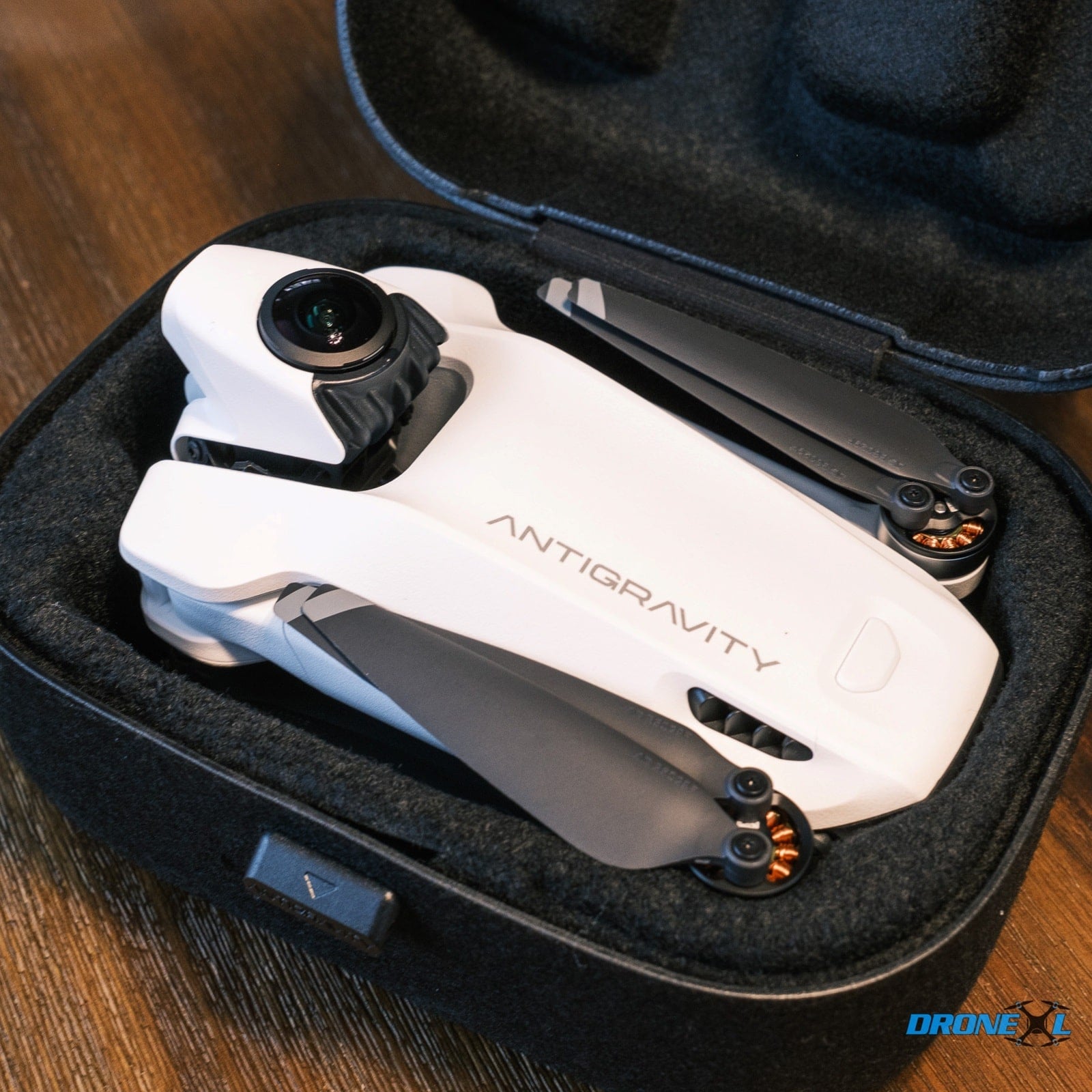
The Charging Hub allows you to charge three batteries simultaneously with a smart folding design. With four batteries total, you get substantial flight time before needing to head home.

The Antigravity A1 Infinity Bundle includes everything you need for extended flying sessions. Photo credit: DroneXL
Software Ecosystem
The A1 integrates with the Antigravity app (mobile) and Antigravity Studio (desktop), both built on Insta360’s proven editing platform. Not every editor can work with 360-degree 8K video footage, so having dedicated software is essential.
Features include quick transfers from drone to device, automatic reframing with AI-powered highlight detection, color correction and auto editing tools, and export in any aspect ratio. Creators familiar with the Insta360 X Series workflow will find the transition seamless.

Pricing and Availability
The Antigravity A1 is available now starting at $1,599. The drone went on sale December 4, 2025 at 9 AM EST, nearly two months earlier than the originally planned January 2026 release.

While some have pointed out that the A1 is priced on the higher side compared to traditional DJI FPV setups, we would counter that this is also the world’s first 360-degree FPV drone from a company new to the industry. Think of it like Tesla introducing the Model S back in 2013: a capable, first-generation product from a new market entrant will naturally command a premium.

We expect prices may come down once DJI launches a competing product. The DJI Avata 360 cleared FCC certification on November 19 with rumors suggesting a $999 price point for the Fly More Combo.
DroneXL’s Take
We believe the Antigravity A1 is a great way to introduce people to the sensation of flying in a way that you currently cannot get with any other drone. The 360-degree immersion, head tracking, and invisible drone effect create an experience that transcends traditional FPV flying.

For a first-generation product from a company new to the drone market, both the hardware and software are impressive. The sub-250g weight with retractable landing gear and dual cameras shows DJI-level engineering, while the 360-degree capture represents genuine innovation rather than incremental improvement.
The connection quality, while really good, doesn’t quite match DJI’s gold standard. And the motion controller takes some getting used to. But these are the kinds of refinements we expect to see in future generations.
We’ve barely scratched the surface of what this drone can do. In the coming weeks, we’ll share more detailed coverage as we familiarize ourselves with the A1’s full capabilities, including comparisons with competing products.
What do you think about the Antigravity A1? Are you willing to pay the premium for 360-degree immersive flight, or will you wait for DJI’s response? Share your thoughts in the comments below.


