How Drone Footage Helped Hugo Kurk Become a Microstock Standout

Check out the Best Deals on Amazon for DJI Drones today!
Hugo entered microstock back in 2012 while studying, treating it as a side project and a way to make a bit of income online. He started with a Nikon D5100 and a mix of photos, illustrations, and even 3D renders.
This interview did not take place on DroneXL. It was originally conducted by the team at brutallyhonestmicrostock, and we are simply bringing you the most interesting insights from Hugo Kurk’s story. His path shows how a simple shift to drone footage can completely transform a creator’s results in today’s stock licensing world.

Photo credit: Nikon Corp.
Success came slowly, and he faced years of rejections and small earnings. Everything changed in 2021 when he finally bought a drone.
From the moment he saw his first aerial clips, he understood that drone footage was cleaner, more scalable, and far more profitable than handheld work. That decision pushed him into a new category entirely, one where demand was high and supply was still relatively small compared to the mountain of traditional photography online.
Being based in the Netherlands helped shape his direction. Europe packs a huge variety of man-made subjects into small distances, which is perfect for microstock. Cities, ports, roads, farmland, bridges, and industrial zones are everywhere, and they all represent concepts that sell well.
Hugo explained that this density lets him capture meaningful subjects quickly, which increases the number of clips he can upload per day. By contrast, he noted how in places like Thailand you can drive for hours without finding new material, which means he needed to work much harder to reach the same output.

Of course, the Low Countries bring their own challenges. Many drone pilots think first about strong winds or unpredictable weather, but Hugo says conditions in the Netherlands are not as bad as people assume.
Compared to mountainous locations like Madeira, where fog can roll in unexpectedly and ruin visibility in minutes, the Dutch weather is actually very manageable. With modern drones handling wind effectively, he sees little downside to flying at home.
Hugo’s Drone Gear, Workflow, and Approach to Successful Stock Production
Today, Hugo flies a combination of FPV and foldable drones, although the DJI Mavic 4 Pro Creator Combo is the workhorse behind most of his clips.
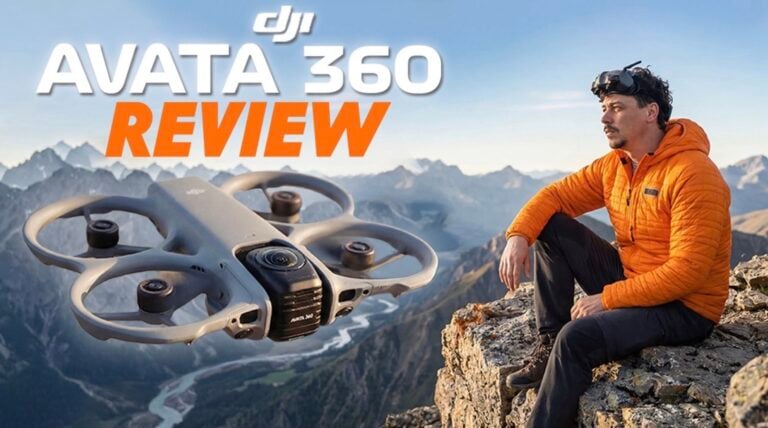
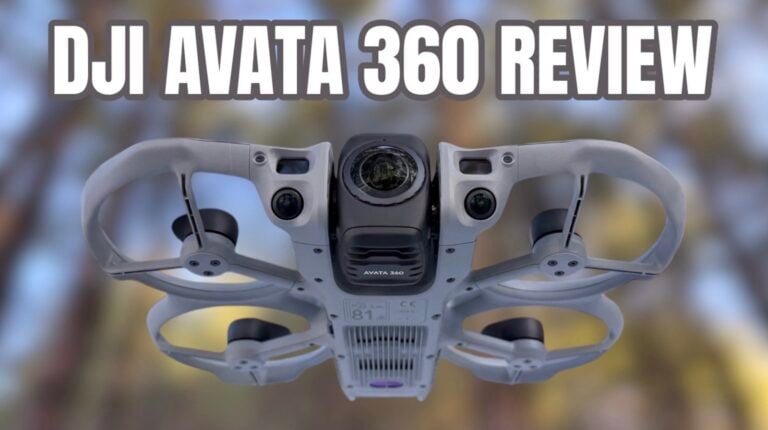
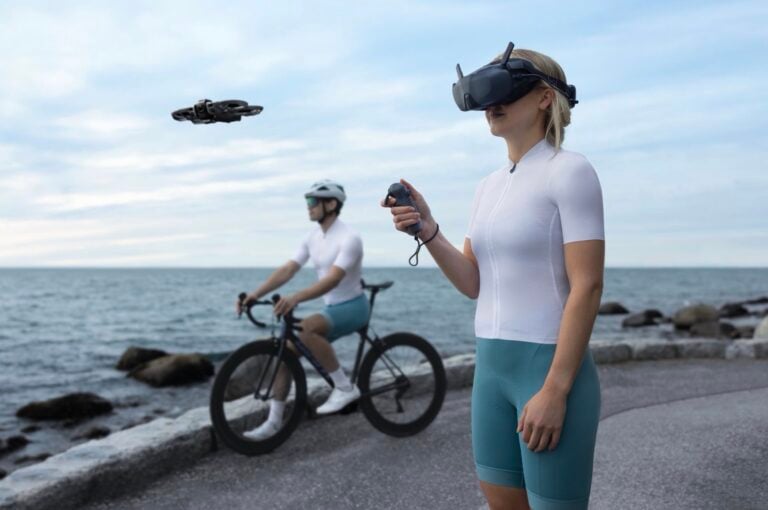
He believes in staying current with new gear because agencies reward high quality footage, and buyers gravitate toward the clean look produced by the latest sensors. He is also keeping an eye on future releases, such as the rumored DJI Avata model with a 360 degree capture system.

Photo credit: Microstock Drone Channel
He even dreams of upgrading to the DJI Inspire 3 one day, seeing it as an investment that could push his portfolio into an entirely new tier.

Photo credit: DJI
His upload strategy is simple but extremely consistent. He realized early that drone videos deliver much higher returns, so he focused entirely on volume and quality. Many of his aerial timelapses earn hundreds of dollars per year.
After seeing this pattern, he built a concrete plan to grow his portfolio to one thousand high value drone videos, then expanded far beyond that. Today he sits at roughly fourteen thousand videos, six thousand illustrations, and three thousand photos. Eighty percent of his total income comes from videos, and ninety eight percent of those are drone videos.
Hugo’s success did not come from luck. It came from smart workflow design. He uses AI to speed up keywording, organizes automated watch folders for editing, and uploads every single day.
He tracks his earnings closely, looking for long term trends rather than short term swings. He also invests in new agencies, new gear, and new opportunities such as licensing footage to companies training AI models. This constant reinvestment is a major reason he continues to break personal records while others see declines.
Travel plays a major role in his content creation as well, and he views travel costs as business investments. In areas with long daylight and good weather, he can shoot hundreds of clips in a single day.
At an estimated average return of two dollars and fifty cents per clip per year, the math quickly adds up. Still, he emphasizes that some of his bestsellers were filmed close to home, where he knows the environment, culture, and weather patterns.
Regulations matter, especially when filming infrastructure such as ports, data centers, or power plants. Hugo follows local rules carefully and avoids sensitive areas, but he notes that there is still plenty of legal opportunity for creators who stay informed.
Within the European Union the rules are fairly consistent, but other regions vary wildly. Some countries welcome drones, while others, like Morocco, restrict them heavily. His advice is simple, check the rules before traveling, respect local culture, and understand that risk increases in unfamiliar environments.
One area where risk becomes literal is FPV flying. Hugo has crashed several FPV drones due to the aggressive style required to capture dynamic shots. In mountainous areas this can lead to difficult or even dangerous recovery attempts. Despite the risks, FPV clips still represent a valuable part of his portfolio, though he keeps them at about ten percent of his drone content.
Market demand continues to evolve, and right now infrastructure sells extremely well. Data centers are particularly strong due to the explosive growth of AI companies.
Ports, manufacturing zones, cities, and areas with lots of economic activity also remain consistent sellers. Hugo sees AI as a positive force, giving contributors more tools and even additional revenue streams rather than replacing real aerial footage.
For new pilots entering the field in 2026 and hoping to earn two hundred to three hundred euros per month, Hugo recommends three pillars: buy a drone capable of producing footage that agencies will accept, build a simple and efficient workflow that keeps your time investment low while maintaining quality, and make uploading a daily habit that you can maintain for months or years. Persistence and genuine interest in the craft will eventually be rewarded.
DroneXL’s Take
This interview shows how powerful drone footage has become in the microstock world, not only for hobbyists but for creators aiming to build serious income.
Consistency, smart gear choices, and a strong workflow can still beat market saturation. Hugo’s journey is a reminder that aerial content remains one of the strongest segments in stock licensing, and with new drones arriving every year, there is still room for creators who are willing to put in the work and think long term.
Photo credit: Microstock Drone Channel, Nikon
Discover more from DroneXL.co
Subscribe to get the latest posts sent to your email.
Check out our Classic Line of T-Shirts, Polos, Hoodies and more in our new store today!

MAKE YOUR VOICE HEARD
Proposed legislation threatens your ability to use drones for fun, work, and safety. The Drone Advocacy Alliance is fighting to ensure your voice is heard in these critical policy discussions.Join us and tell your elected officials to protect your right to fly.

Get your Part 107 Certificate
Pass the Part 107 test and take to the skies with the Pilot Institute. We have helped thousands of people become airplane and commercial drone pilots. Our courses are designed by industry experts to help you pass FAA tests and achieve your dreams.

Copyright © DroneXL.co 2026. All rights reserved. The content, images, and intellectual property on this website are protected by copyright law. Reproduction or distribution of any material without prior written permission from DroneXL.co is strictly prohibited. For permissions and inquiries, please contact us first. DroneXL.co is a proud partner of the Drone Advocacy Alliance. Be sure to check out DroneXL's sister site, EVXL.co, for all the latest news on electric vehicles.
FTC: DroneXL.co is an Amazon Associate and uses affiliate links that can generate income from qualifying purchases. We do not sell, share, rent out, or spam your email.