FCC Drone Ban Starts Countdown That Will Affect Every American

Check out the Best Deals on Amazon for DJI Drones today!
I am well aware that many people within the drone community have grown tired of hearing about the Federal Communications Commission’s December 23 action that restricted the import of new foreign-made drones into the United States. But today, I want to speak to a different group of people.
I hope to educate those of you who don’t quite understand what this action means for you, the general public, and how it will affect your everyday lives.
On December 23, 2025, a federal policy quietly went into effect. Most people didn’t notice it, and honestly, most people weren’t expected to. Nothing stopped working that day. No systems shut down, no services disappeared. Life went on exactly the same as it always does.
But something important changed beneath the surface. A tool that has become part of how this country responds to emergencies, manages infrastructure, grows food, and recovers from disasters entered a new phase. One where its future use became limited not by need, but by availability.
This isn’t a story about technology enthusiasm. It’s not about hobbyists, and it’s not about flying cameras. It’s about how modern systems work when everything is running smoothly and what happens when progress quietly stops moving forward.

Drones are infrastructure tools, not toys
To understand why this matters, you first need to understand how drones are actually used in the United States today. When most people hear the word drone, they picture a toy or a hobby gadget or something buzzing around the backyard or they think military action. Those images are relevant but very outdated.
Today, drones are infrastructure tools. They’re used professionally, quietly, and every day by people whose job is to keep communities safe, services running, and costs down.
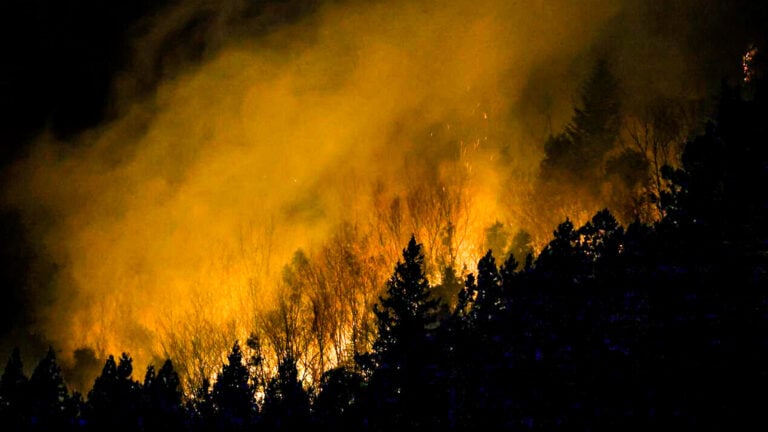
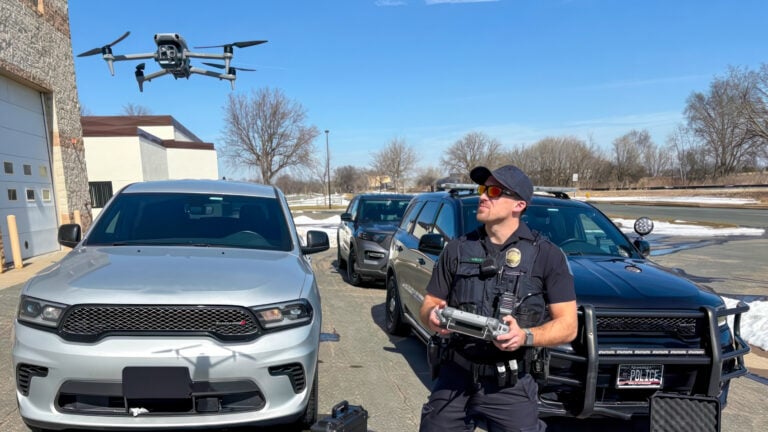
Across the country, police departments use drones to search for missing people, especially children and seniors, using thermal cameras that can detect body heat in darkness, snow, or heavy brush. Fire departments use drones to assess burning structures, locate hotspots, and monitor wildfires in real time without sending firefighters into unnecessary danger.
Search and rescue teams use drones to cover miles of terrain in minutes instead of hours or days.
In agriculture, farmers use drones to detect crop disease early, reduce water use during drought, and apply chemicals precisely instead of broadly. That lowers costs, it improves yield, and it reduces environmental impact.
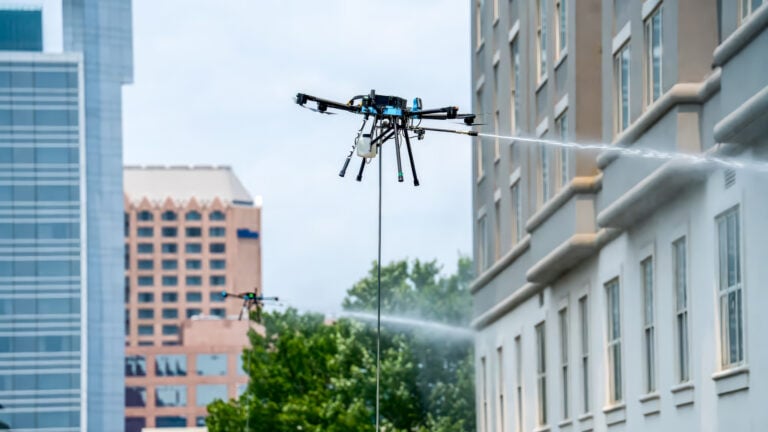
Utility companies use drones to inspect power lines, substations, and storm damage. Energy companies use them to inspect pipelines, wind turbines, and solar farms. Transportation departments use drones to inspect bridges, survey roads after floods, and monitor construction projects without shutting down traffic.
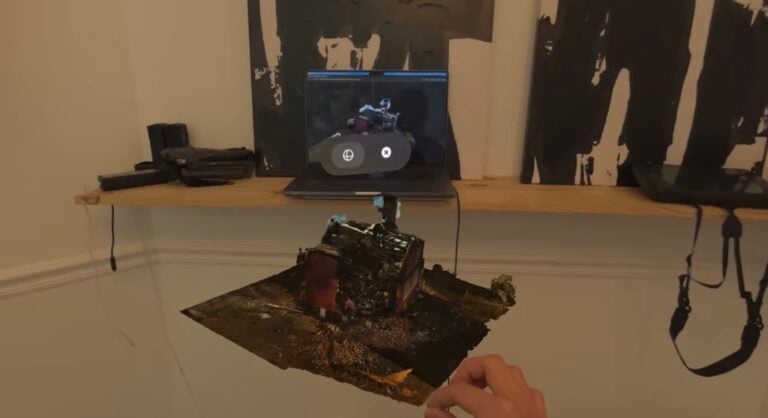
Hospitals, researchers, and emergency managers use drones in disaster response to map damage, locate survivors, identify blocked roads, and deliver critical information quickly.
These aren’t experimental programs. They’re not pilot projects. They’re part of how things work now.
What actually changed on December 23
The policy that went into effect is enforced by the Federal Communications Commission and it restricts new approvals and authorizations for all foreign-manufactured drones. This is separate from flight safety rules handled by the Federal Aviation Administration.
Here’s the most important clarification that many people don’t realize yet. The drones already in use today still work. If a drone has already received FCC certification, it can still fly. Police departments are still launching them. Firefighters are still relying on them. Farmers are still using them. Utility crews are still flying them. Nothing was suddenly turned off.
But drones, like any professional tool, don’t last forever. Batteries degrade, motors wear out, cameras fail, sensors break.
When a patrol car ages out, departments replace it. When a radio fails, they order a new one. When a drone reaches the end of its service life, it also needs to be replaced.
And that’s where the problem begins.
The slow countdown has started
As existing drones age, agencies and businesses will no longer be able to easily replace them with newer models. They won’t be able to upgrade to improved versions. And over time, getting parts and long-term support becomes more difficult or even impossible.
This isn’t an immediate shutdown. It’s a slow narrowing of options, a gradual erosion of capability. And because it happens over years instead of days, most people won’t even notice it happening.
In public safety, that erosion shows up as longer response times. When a department’s drone fleet starts aging out, coverage shrinks. Fewer aircraft are available. Fewer missions get flown. And not because the need went away, but because the tools did.
In agriculture, the impact shows up as higher costs. When a drone can’t be repaired mid-season or a newer model can’t be purchased to stay compatible with updated software, efficiency drops. And those costs aren’t going to stay on the farm. They show up at the grocery store.
In utilities and energy, aging drone fleets mean slower inspections and longer outages. Drones replaced helicopters, shutdowns, and dangerous manual inspections because they were safer and faster. When those drones can’t be replaced, companies fall back to older, slower, more expensive methods, and those costs get passed on to the consumer.
Transportation and infrastructure follow the same pattern. Bridge inspections take longer. Road surveys become more disruptive. Projects slip behind schedule. Taxpayers pay more quietly.
Disaster response is where this matters most
Disaster response is where this slow fade becomes the most consequential. After hurricanes and floods and wildfires, drones are often the fastest way to understand what’s happening on the ground. They provide real-time situational awareness when roads are blocked or the power is out and communication is limited.
Those drones still fly today, but disasters don’t wait for supply chains. When the next major disaster hits, agencies will rely on fleets that are aging, harder to maintain, and increasingly difficult to modernize.
As I’ve stated, there’s a misconception that this policy immediately removes drones from service. It doesn’t. What it does is freeze time. It locks public agencies, businesses, and emergency services into the technology of yesterday while the rest of the world continues to move forward.
No upgrades, no newer versions, no scalable replacements.
The replacement gap nobody wants to discuss
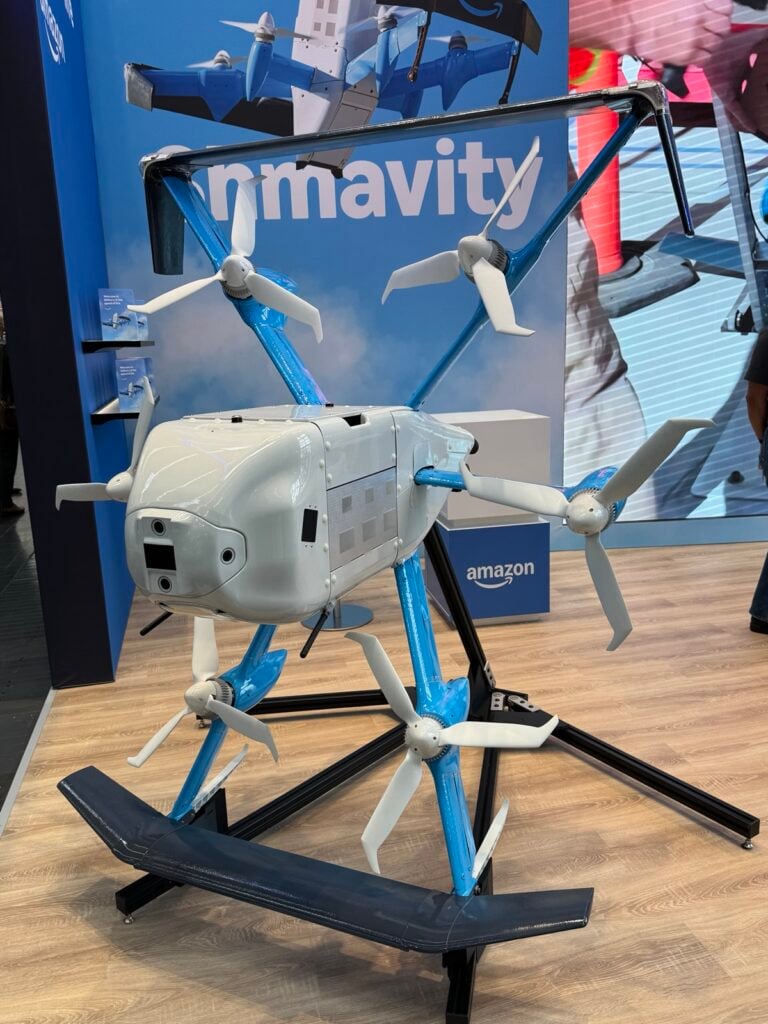
Here’s the part that rarely gets discussed openly. The overwhelming majority of professional-grade drones used in the United States today are manufactured overseas. There is currently no domestic industry capable of replacing them at scale. Not in cost, not in quantity, and not in capability. Not even close.
That doesn’t mean the U.S. shouldn’t build one. It means that transition just hasn’t happened yet. Policy moved faster than production.
National security matters. Supply chain resilience matters. Data protection matters. But so does operational reality.
Public safety, food supply, infrastructure, and disaster response don’t run on ideology. They run on tools that work. And right now, those tools are aging.
What you will experience without knowing why
Most Americans will never be told this response was slower because a drone couldn’t be replaced. They’ll just notice that help took longer.
They won’t hear that power outage lasted longer because inspection drones aged out. They’ll just lose power.
They won’t hear food costs increase because agriculture efficiency dropped. They’ll just pay more.
Drones don’t announce themselves. They quietly make systems more efficient until they’re gone.
This isn’t a defense of any company, and it’s not an argument against security. It’s a reminder that progress doesn’t pause just because policy does.
The most important question isn’t whether foreign drones should be restricted. The real question is what happens in the gap between restriction and replacement.
Because that gap is real. It’s measured in response times, in delays, in rising costs.
This policy didn’t flip a switch on December 23. It started a countdown. And most people won’t notice it until the systems they rely on start moving a little bit slower and eventually fade away.
Russ from 51 Drones is a DroneXL YouTube partner. You can watch the full video on his 51 Drones YouTube channel.
Discover more from DroneXL.co
Subscribe to get the latest posts sent to your email.
Check out our Classic Line of T-Shirts, Polos, Hoodies and more in our new store today!

MAKE YOUR VOICE HEARD
Proposed legislation threatens your ability to use drones for fun, work, and safety. The Drone Advocacy Alliance is fighting to ensure your voice is heard in these critical policy discussions.Join us and tell your elected officials to protect your right to fly.

Get your Part 107 Certificate
Pass the Part 107 test and take to the skies with the Pilot Institute. We have helped thousands of people become airplane and commercial drone pilots. Our courses are designed by industry experts to help you pass FAA tests and achieve your dreams.

Copyright © DroneXL.co 2026. All rights reserved. The content, images, and intellectual property on this website are protected by copyright law. Reproduction or distribution of any material without prior written permission from DroneXL.co is strictly prohibited. For permissions and inquiries, please contact us first. DroneXL.co is a proud partner of the Drone Advocacy Alliance. Be sure to check out DroneXL's sister site, EVXL.co, for all the latest news on electric vehicles.
FTC: DroneXL.co is an Amazon Associate and uses affiliate links that can generate income from qualifying purchases. We do not sell, share, rent out, or spam your email.