Trout Rules Tighten as Drones Enter Tennessee Waters

Check out the Best Deals on Amazon for DJI Drones today!
The Tennessee Fish and Wildlife Commission kicked off 2026 with a meeting that quietly reshaped fishing rules across the state while opening the door to something far more modern: Drones.

After a two day session in Dyersburg, commissioners unanimously approved the 2026 to 2027 fishing regulations, adjusted trout management in multiple counties, and advanced a rule that could soon allow drones to help recover wounded deer. Fishing lines may be shorter in some waters, but unmanned aircraft are clearly flying higher in Tennessee wildlife policy, as reported by News Channel 9.
Trout Regulations Shift Across Tennessee
Local anglers in Hamilton County will notice one of the more immediate changes. On Big Soddy Creek, the delayed harvest start date for trout is moving to November 1. That tweak shortens the catch and release window and shifts when harvest becomes legal.
The commission also voted to remove delayed harvest trout regulations entirely from the Piney River in Rhea County. Meanwhile, fishing season rules were modified on the Catoosa Wildlife Management Area, adjusting when anglers can legally cast a line.

Temporary restrictions are also coming to two state park lakes undergoing renovations. At Travis McNatt Lake in Big Hill Pond State Park and Woodhaven Lake in Montgomery Bell State Park, largemouth bass fishing will be limited to catch and release only.
All approved fishing regulation changes take effect August 1.
Wildlife Management Meets Drone Technology
Beyond fishing, commissioners heard an update on Chronic Wasting Disease management after three new Tennessee counties tested positive. A public comment period is expected to begin soon, with a vote scheduled for March.
The most tech forward discussion centered on drones. Commissioners moved ahead with a rule that would allow drones to locate and recover wounded deer. Tennessee lawmakers approved limited drone use for this purpose last spring, but final clearance still depends on the Attorney General and Joint Government Operations.
If approved, the drone recovery rule would take effect August 1, 2026. The emphasis is on recovery, not pursuit, drawing a clear line between ethical wildlife management and fair chase concerns.
The commission also approved the Hatchie River Wildlife Management Area and its hunting seasons. Spanning more than 7,400 acres across Haywood, Hardeman, and Madison counties, the area protects the only remaining unchanneled river in West Tennessee. Hunting and trapping will largely follow statewide rules, with a few targeted exceptions.
Fishing Drones Are Already Here
While Tennessee debates drones in the woods, drones over water are already a reality for anglers worldwide.
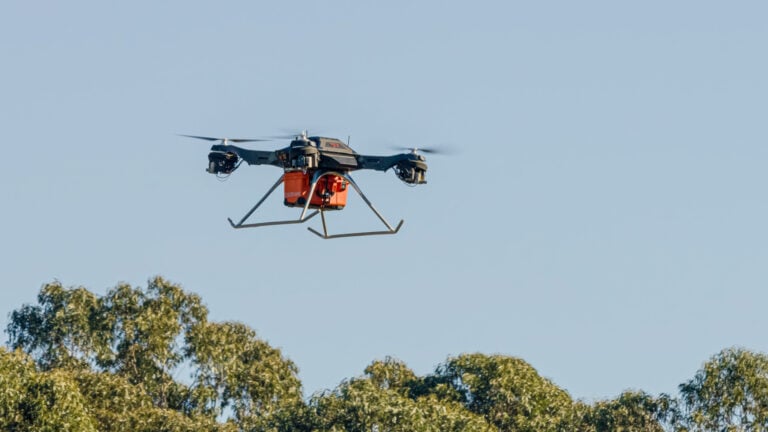
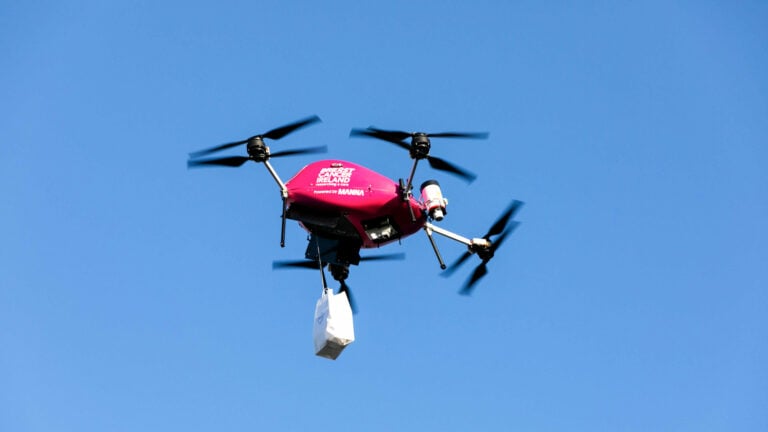
Fishing drones like the SwellPro Fisherman FD1+ are designed for one job. Carry bait far beyond casting distance and come back alive. Unlike consumer drones that panic near water, this one treats waves like an optional landing pad.

Built with IP67 waterproofing, the FD1+ is fully sealed against saltwater, rain, and full immersion up to one meter. It floats. If it flips, it flips itself back. Metal components and electronics are coated to resist corrosion, which matters when saltwater usually eats drones for breakfast.
Performance wise, it can fly bait over 400 yards in about 30 seconds, drop payloads up to 4.4 pounds, and complete up to six bait drops per battery. Wind resistance reaches level 7, handling gusts up to 38 mph.
Navigation relies on GPS with up to 30 satellites, enabling precise hovering, accurate bait drops, and automatic return home if the battery runs low or the signal disappears. No manual calibration is required, meaning beach launches are quick and painless.
In short, this is not a camera drone pretending to fish. It is a fishing tool that happens to fly.
DroneXL’s Take
Tennessee’s wildlife commission is inching toward a future where drones are treated less like toys and more like tools. That distinction matters. Whether recovering wounded deer or dropping bait past the breakers, purpose built drones are forcing regulators to think in categories rather than bans.
Fishing drones like the SwellPro FD1+ show what happens when technology is designed around a single use case instead of bolted on afterward. As states refine drone rules, expect more conversations like this one. Less about whether drones belong outdoors, and more about how they are used when they get there.
Photo credit: Swellpro
Discover more from DroneXL.co
Subscribe to get the latest posts sent to your email.
Check out our Classic Line of T-Shirts, Polos, Hoodies and more in our new store today!

MAKE YOUR VOICE HEARD
Proposed legislation threatens your ability to use drones for fun, work, and safety. The Drone Advocacy Alliance is fighting to ensure your voice is heard in these critical policy discussions.Join us and tell your elected officials to protect your right to fly.

Get your Part 107 Certificate
Pass the Part 107 test and take to the skies with the Pilot Institute. We have helped thousands of people become airplane and commercial drone pilots. Our courses are designed by industry experts to help you pass FAA tests and achieve your dreams.

Copyright © DroneXL.co 2026. All rights reserved. The content, images, and intellectual property on this website are protected by copyright law. Reproduction or distribution of any material without prior written permission from DroneXL.co is strictly prohibited. For permissions and inquiries, please contact us first. DroneXL.co is a proud partner of the Drone Advocacy Alliance. Be sure to check out DroneXL's sister site, EVXL.co, for all the latest news on electric vehicles.
FTC: DroneXL.co is an Amazon Associate and uses affiliate links that can generate income from qualifying purchases. We do not sell, share, rent out, or spam your email.