Arlington Police Expand Drone First Response Program

Check out the Best Deals on Amazon for DJI Drones today!
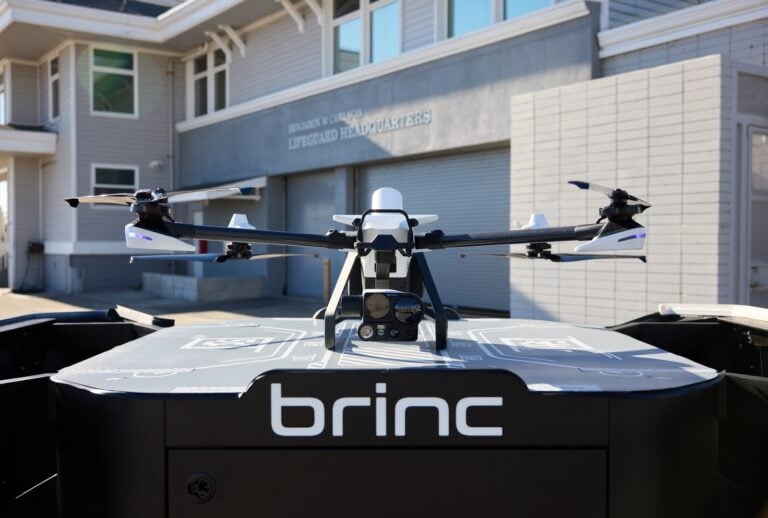
The Arlington Police Department is increasingly relying on drones as part of its frontline response strategy, sending quadcopters to incidents before officers arrive on scene. These aircraft launch either from patrol controlled deployments or from automated rooftop stations installed at police facilities across the city, as The Short Horn reports.
Arlington’s program reflects a broader national trend. According to the Electronic Frontier Foundation, more than 1,700 law enforcement agencies in the United States now use drones in some capacity. Arlington was an early adopter of beyond line of sight operations, first using drones to manage illegal fireworks calls during holidays like the Fourth of July and New Year’s Eve.
In May of last year, the department expanded its capabilities with a formal Drone as a First Responder program. Under this model, drones can be dispatched to higher priority calls including burglaries, aggravated assaults, and missing persons cases, often arriving well before patrol units.
How Arlington uses police drones
Sgt. Robert Robertson, who supervises the department’s aviation unit, describes drones as a force multiplier rather than a replacement for officers. About 45 Arlington police officers are licensed drone pilots, able to fly aircraft to scenes, assess conditions from above, and relay live information to responding units.

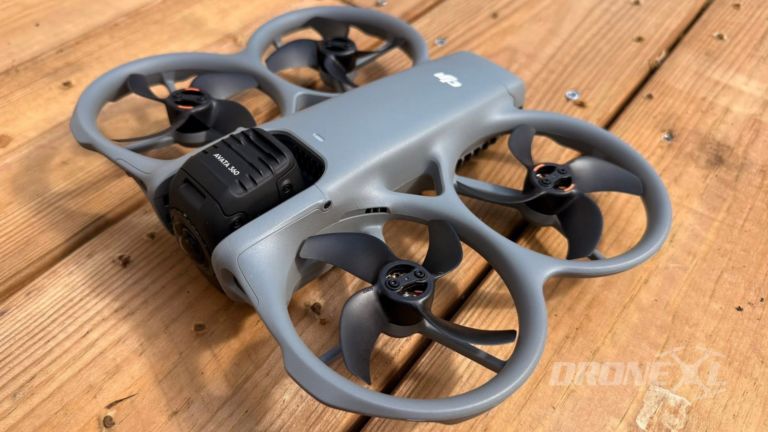
Because drones do not face traffic delays or speed restrictions, they frequently arrive in roughly half the time of patrol vehicles. The department operates several DJI drones equipped with visual cameras, thermal sensors, and laser range finders.
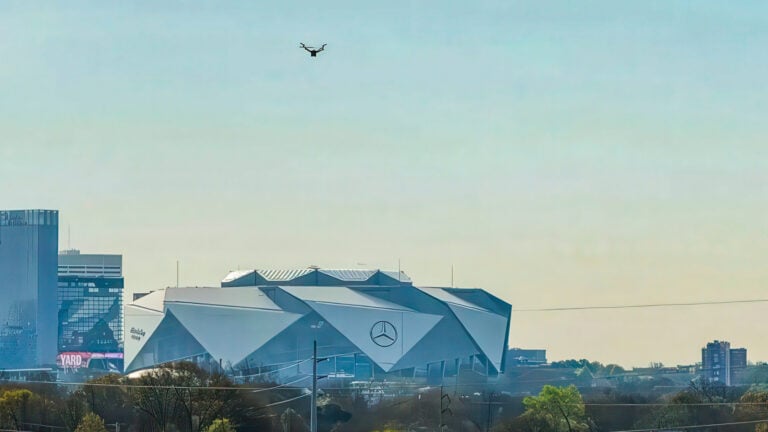
Robertson divides drone operations into four categories: field operations supporting active officers, interior operations using smaller drones indoors, stadium operations for events involving the Dallas Cowboys and Texas Rangers, and Drone as a First Responder missions.
Only the first responder program uses the automated rooftop launch systems, where drones deploy from box shaped nests controlled remotely by pilots.
Faster response and ongoing privacy concerns
Arlington police officials emphasize transparency as drone usage grows. The department publishes daily flight logs detailing each deployment, including flight paths and reasons for use. Drones do not record video while en route to a call and only record on scene when there is a defined law enforcement purpose.

Privacy advocates remain cautious. The Electronic Frontier Foundation has warned that drones create new accountability challenges due to their vantage point and data collection capabilities. Researchers note that without clear legal boundaries, misuse can be difficult to detect or challenge.
Arlington officials counter that strict policies and public reporting reduce those risks. Texas law also requires law enforcement agencies to submit detailed drone activity reports every two years.
The department says the operational impact is measurable. During a pilot phase, response times for priority calls dropped sharply.
Priority one calls fell from an average of just over twelve minutes to seven minutes. Priority two and three calls also saw significant reductions. During the trial, drones resolved nearly 30 percent of incidents without requiring officers on scene.
In 2024, a drone was used to locate an armed suspect following a fatal shooting near a high school, guiding officers to make an arrest safely.
Last year alone, Arlington drones supported roughly 1,200 calls and conducted more than 3,000 flights. The department’s long term goal is full time citywide drone coverage.
DroneXL’s Take
Arlington’s program shows how police drones are shifting from niche tools into routine public safety infrastructure. Faster response times and reduced officer exposure are powerful incentives, especially when helicopters are far more expensive to operate.
The real test will be whether transparency and policy enforcement keep pace with deployment. As Drone as a First Responder programs expand nationwide, Arlington may serve as both a technical model and a case study in balancing efficiency with public trust.
Photo credit: Samarie Goffney
Discover more from DroneXL.co
Subscribe to get the latest posts sent to your email.
Check out our Classic Line of T-Shirts, Polos, Hoodies and more in our new store today!

MAKE YOUR VOICE HEARD
Proposed legislation threatens your ability to use drones for fun, work, and safety. The Drone Advocacy Alliance is fighting to ensure your voice is heard in these critical policy discussions.Join us and tell your elected officials to protect your right to fly.

Get your Part 107 Certificate
Pass the Part 107 test and take to the skies with the Pilot Institute. We have helped thousands of people become airplane and commercial drone pilots. Our courses are designed by industry experts to help you pass FAA tests and achieve your dreams.

Copyright © DroneXL.co 2026. All rights reserved. The content, images, and intellectual property on this website are protected by copyright law. Reproduction or distribution of any material without prior written permission from DroneXL.co is strictly prohibited. For permissions and inquiries, please contact us first. DroneXL.co is a proud partner of the Drone Advocacy Alliance. Be sure to check out DroneXL's sister site, EVXL.co, for all the latest news on electric vehicles.
FTC: DroneXL.co is an Amazon Associate and uses affiliate links that can generate income from qualifying purchases. We do not sell, share, rent out, or spam your email.