Tennessee asks for $1.7M in drone detection tech as prison contraband airdrops keep coming

Check out the Best Deals on Amazon for DJI Drones today!
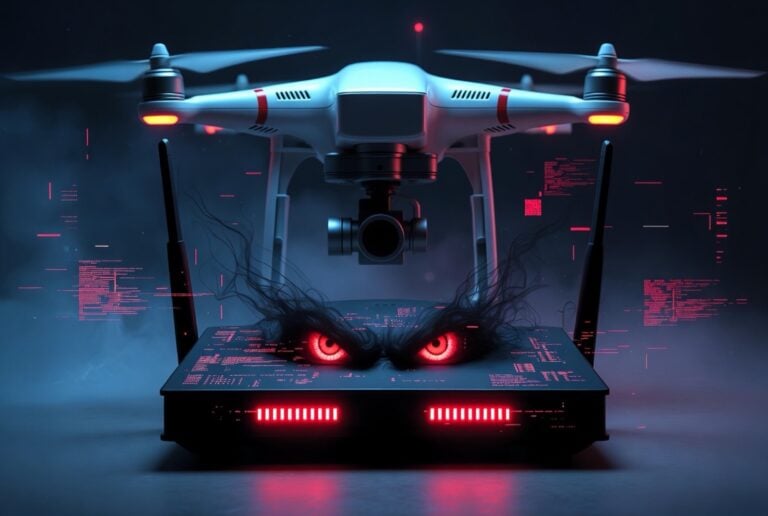
Tennessee Department of Correction Commissioner Frank Strada told state lawmakers on Tuesday that drone-delivered contraband is no longer an occasional annoyance. It is one of the most significant security threats his facilities face. His department is requesting $1.7 million in funding for drone detection technology to address what he called a necessary response to an evolving threat, not a discretionary enhancement.
Here is what you need to know:
- The development: The Tennessee Department of Correction (TDOC) is seeking $1.7 million for drone detection systems to stop airdrops of drugs, weapons, and cellphones into state prisons.
- The plan: TDOC wants to build a Centralized Security Intelligence Center (CSIC) with AI-enabled cameras and sensors for real-time monitoring.
- The source: Commissioner Frank Strada made the request during a budget hearing at the Senate State and Local Committee, as reported by the Nashville Banner.
TDOC frames drone detection as a security necessity, not an upgrade
The Tennessee Department of Correction is requesting $1.7 million in state funding specifically to deploy drone detection technology across its prison system, part of a broader intelligence initiative designed to detect, deter, and disrupt contraband deliveries before they reach correctional facility grounds.
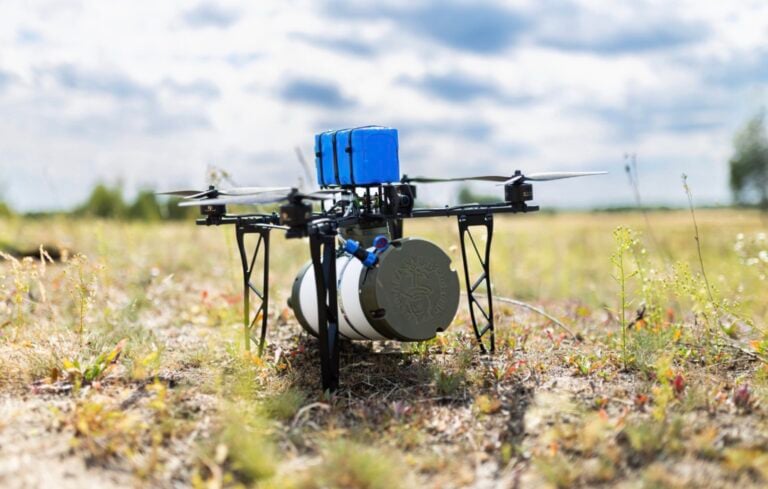
Commissioner Strada made the pitch during Tuesday’s budget hearing. “I want to be clear, this is not a discretionary enhancement,” he said. “It’s a necessary response to an evolving threat. Drones are now one of the most significant methods for contraband entering our correctional facilities by delivering drugs, weapons, and cell phones with precision and speed.”
Strada said the department has already invested in offsite mail scanning and body scanners in recent years. Those measures help, but they address the traditional smuggling routes, not what is coming in from overhead.
“Traditional security measures alone are no longer sufficient,” he told senators. “Criminal organizations outside of our facilities are using drones and sophisticated coordination to target prisons.”
The request comes as prison systems across the country and around the world face the same problem. Georgia alone has documented over 1,000 drone incidents at or near state prisons since 2022. Oklahoma seized roughly 6,000 illegal cellphones from its prisons in a single year, many of them delivered by drone. Canada saw 1,064 drone incidents at correctional facilities in 2024 alone. The UK recorded 1,296 incidents in just the first ten months of 2024, a tenfold increase since 2020.
Tennessee is not facing a unique problem. It is joining a line that is getting longer by the month.
The CSIC plan adds AI cameras and centralized intelligence
The drone detection technology is part of a larger intelligence gathering initiative that has been in development for months, according to Strada. TDOC Assistant Commissioner Valerie Murtha outlined plans for a Centralized Security Intelligence Center, or CSIC, which would combine AI-enabled cameras and sensors to monitor threats in real time.
“The CSIC would allow us to centralize intelligence operations, monitor threats in real time, and respond proactively before incidents escalate,” Murtha told lawmakers.
The approach mirrors what other states are already doing, with mixed results. Oklahoma deployed the DJI Matrice 350 for aerial monitoring alongside ground-based detection systems. Georgia launched Operation Skyhawk, which netted over 150 arrests and $7 million in seized contraband. Canada’s Kingston task force cut drone drops by 50% in nine months by combining police, corrections, and border agencies into a dedicated anti-drone unit.
But detection alone only gets you halfway. As corrections officials in Georgia and elsewhere have learned, spotting a drone and stopping it are two very different things. Federal law still restricts who can actually disable a drone in flight, though the FY 2026 NDAA and its Safer Skies Act now gives certain state and local agencies the legal framework to do so at designated facilities, including correctional institutions.
Staffing shortages add pressure to the drone problem
Tennessee’s drone problem does not exist in isolation. TDOC is also dealing with chronic understaffing. A year ago, the department had nearly 700 open correctional officer positions statewide. After raising starting salaries and offering hiring bonuses, that number has dropped to 430 vacancies as of Tuesday’s hearing.
Fewer officers means fewer eyes on the perimeter. Drones typically operate at night, often controlled from a rural pull-off or parking lot hundreds of meters from the facility. By the time an alert goes out, the drop has already happened. The package is on the ground. Without adequate staffing, the window between detection and recovery shrinks fast.
The Nashville Banner also noted that prison staff are sometimes part of the problem. A federal indictment unsealed in November detailed a smuggling operation at the CoreCivic-operated Trousdale Turner Correctional Center involving an inmate and prison officers distributing cocaine, fentanyl, and other drugs inside the facility. Drones are one delivery method. Employees are another. The technology only addresses half the supply chain.
DroneXL’s Take
Tennessee is asking for $1.7 million. That’s a relatively small amount in the context of state corrections budgets, and it signals that TDOC is at least taking the aerial threat seriously. But the real question isn’t whether Tennessee can afford detection equipment. It’s whether detection alone will make a difference.
We’ve covered this pattern repeatedly over the past year. Georgia invested in detection, and drone incidents still climbed from 15 per month to 63 once enforcement pressure eased. The UK just launched a £1.85 million competition to find counter-drone solutions for prisons, effectively admitting that nothing on the market works well enough yet. Detection without mitigation is surveillance of a crime in progress.
The Safer Skies Act passed in December 2025 gives correctional facilities the legal path to do more than just watch. If Tennessee builds its CSIC with mitigation authority in mind, it could become one of the first state systems to combine real-time intelligence with actual counter-drone response. If it stops at detection, it’ll join the long list of states that can see the problem clearly and do nothing about it.
Expect more states to make similar budget requests this legislative session. Prison drone smuggling isn’t going away. It’s accelerating. The states that invest now in layered systems, combining detection, intelligence, enforcement coordination, and legal mitigation authority, will be the ones that actually bend the curve. Everyone else will keep watching packages drop from the sky.
Editorial Note: AI tools were used to assist with research and archive retrieval for this article. All reporting, analysis, and editorial perspectives are by Haye Kesteloo.
Discover more from DroneXL.co
Subscribe to get the latest posts sent to your email.
Check out our Classic Line of T-Shirts, Polos, Hoodies and more in our new store today!

MAKE YOUR VOICE HEARD
Proposed legislation threatens your ability to use drones for fun, work, and safety. The Drone Advocacy Alliance is fighting to ensure your voice is heard in these critical policy discussions.Join us and tell your elected officials to protect your right to fly.

Get your Part 107 Certificate
Pass the Part 107 test and take to the skies with the Pilot Institute. We have helped thousands of people become airplane and commercial drone pilots. Our courses are designed by industry experts to help you pass FAA tests and achieve your dreams.

Copyright © DroneXL.co 2026. All rights reserved. The content, images, and intellectual property on this website are protected by copyright law. Reproduction or distribution of any material without prior written permission from DroneXL.co is strictly prohibited. For permissions and inquiries, please contact us first. DroneXL.co is a proud partner of the Drone Advocacy Alliance. Be sure to check out DroneXL's sister site, EVXL.co, for all the latest news on electric vehicles.
FTC: DroneXL.co is an Amazon Associate and uses affiliate links that can generate income from qualifying purchases. We do not sell, share, rent out, or spam your email.