The Sky is Watching: ICE’s Skydio Drones and the “Metro Surge” Fear in Minneapolis
Check out the Best Deals on Amazon for DJI Drones today!
There is a version of this story that is just about drones in the sky over Minnesota. The actual version is about what those drones mean to the people looking up at them. Minnesota Public Radio reports that drone sightings across the state have been generating genuine fear in immigrant communities, coming at the same moment that ICE’s Operation Metro Surge produced three federal shootings in Minneapolis in January 2026 alone, two of them fatal. The MPR report, which includes community interviews documenting specific sightings, draws on a political environment DroneXL has been covering in depth since last fall.
The key context:
- The Situation: Drone sightings across Minnesota are driving surveillance fears in communities directly affected by intensified ICE enforcement operations in early 2026.
- The Backdrop: ICE signed a $514,000 contract for Skydio X10D drones last fall, the agency has confirmed using small drones to monitor protests, and FAA NOTAM FDC 6/4375 now places invisible no-fly zones around all DHS vehicles nationwide.
- The Problem for Pilots: Recreational and commercial drone operators in Minnesota now risk flying into federal airspace restrictions they cannot see, while communities cannot tell ICE drones from hobbyists from delivery tests.
- The Source: Minnesota Public Radio published this report on March 13, 2026.
Minnesota Became Ground Zero for Federal Enforcement in 2026
Operation Metro Surge, described by DHS as the largest immigration enforcement operation in American history, concentrated heavily on Minneapolis. In January 2026, federal agents shot three people in the city, killing two U.S. citizens. On January 7, ICE agent Jonathan Ross fatally shot Renee Good, a 37-year-old American woman, in her vehicle. On January 24, CBP agents fatally shot Alex Pretti, a 37-year-old ICU nurse at a VA hospital, during a protest. A federal judge subsequently found that ICE violated at least 96 court orders in Minnesota since January 1, 2026. Thousands protested in subzero temperatures. The Justice Department opened a civil rights investigation into the Pretti shooting.
In that context, a drone overhead carries a question with real stakes: who is flying it, what are they recording, and where does that footage go?
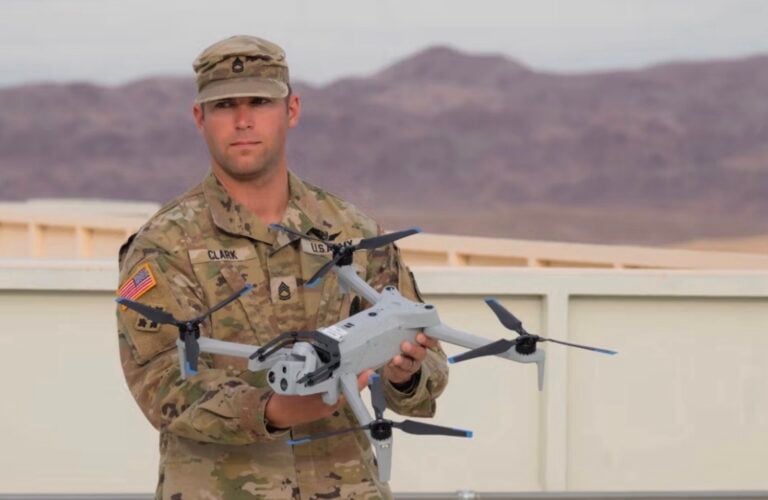
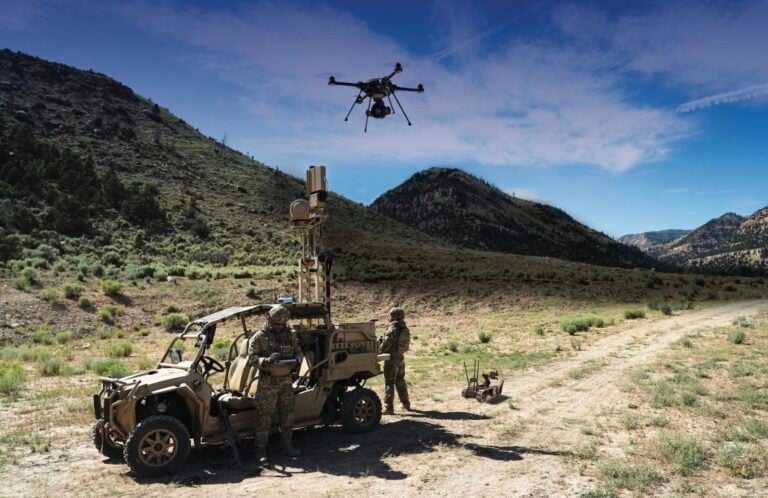
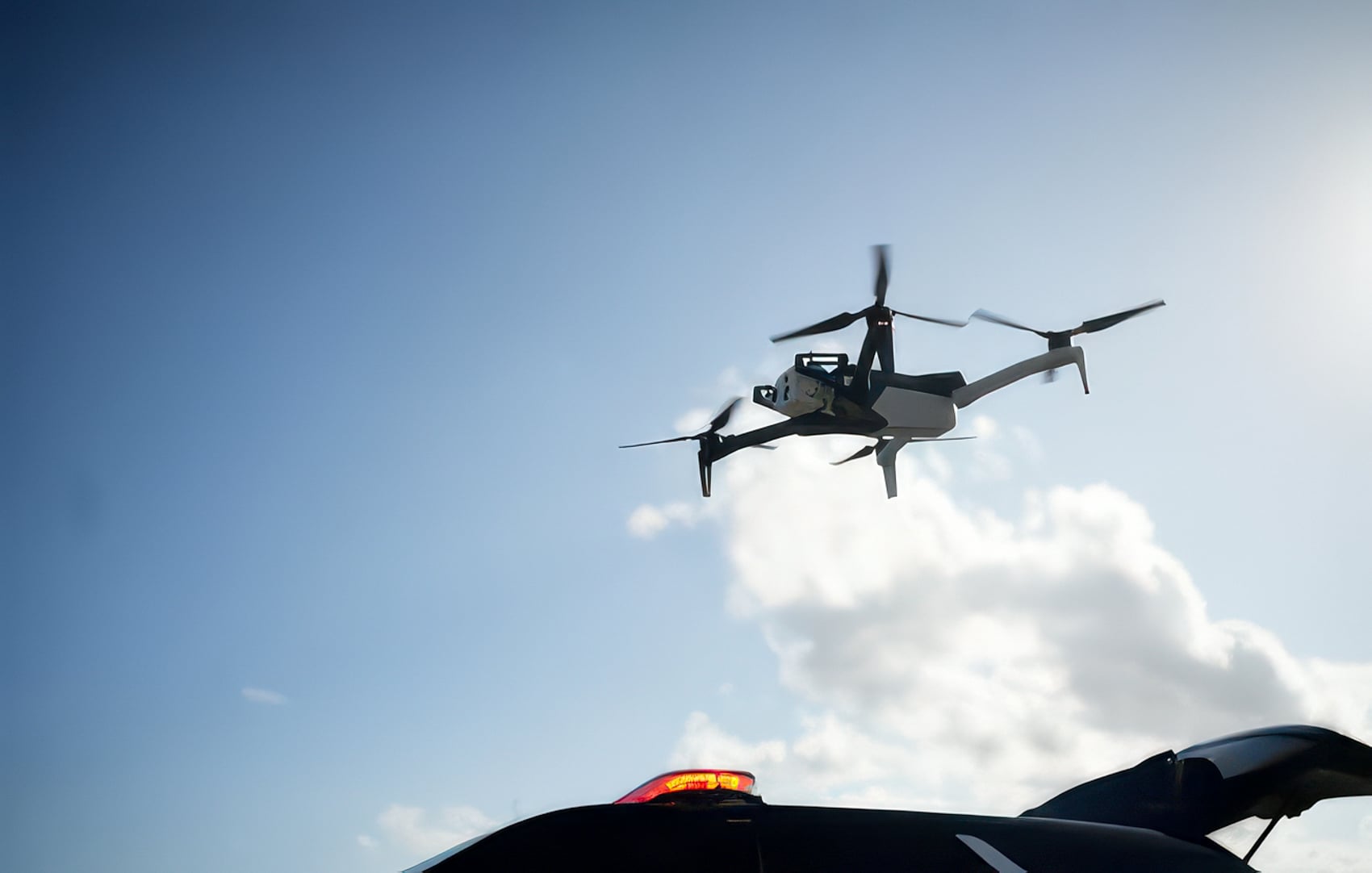
That fear has a documented factual basis. As we reported in February, ICE has a confirmed drone program, has posted drone footage of protesters on social media, and recently signed a contract for the Skydio X10D, a platform that can detect individuals from 7.5 miles and identify them from 0.8 miles. The agency was also using small drones to monitor protests throughout 2025.
NOTAM FDC 6/4375 Made Minnesota’s Airspace Legally Treacherous
FAA NOTAM FDC 6/4375, issued January 16, 2026, bans all civilian drone flights within 3,000 feet laterally and 1,000 feet vertically of any DHS, DOD, or DOE mobile asset, including unmarked ground vehicles and their escorts. The restriction carries no geographic coordinates, no map layer, and no notification system. As we first reported in January, it moves with every federal vehicle in the country.
Brandon Youngblood, a former FAA drone security official who wrote the original NOTAM that 6/4375 replaced, said the new restriction “essentially just shut down Minneapolis, and other cities’ airspace with federal agents dispersed throughout the city.” He was direct about the operational impossibility: “If you see a federal agent via a drone, you’re more than likely violating national security airspace.”
For a Part 107 operator in the Twin Cities, that creates a genuine compliance trap. ICE and CBP operate unmarked vehicles. There is no B4UFLY layer for federal convoy locations. A perfectly legal inspection flight can enter restricted national defense airspace within seconds of launch, with penalties including criminal charges and drone destruction under the NOTAM’s mitigation authority.
ICE’s Drone Program Feeds the Fear Behind Every Sighting
The surveillance apparatus ICE assembled in 2025 and 2026 is not theoretical. ICE’s $85 billion in new congressional funding — appropriated under the One Big Beautiful Bill Act — supports a tech stack that includes Skydio drones, MQ-9 Predators flown by CBP, facial recognition via Mobile Fortify, cell-site simulators, and Clearview AI contracts. In September 2025 alone, the agency spent $1.4 billion on new surveillance contracts.
The MQ-9 dimension is particularly relevant to Minnesota. CBP deployed MQ-9 Predator drones over Los Angeles anti-ICE protests in June 2025, the first such domestic deployment since the George Floyd protests in 2020. Those aircraft fly at 20,000 feet, carry infrared sensors that can detect heat signatures inside buildings, and feed live video to multiple agencies including ICE and the military. There is no operational reason they could not fly over Minneapolis.
The domestic use of these platforms isn’t limited to the Midwest; the NYPD’s recent deployment of Skydio drones to monitor ‘No Kings’ protest crowds in New York City has set a high-visibility precedent for the type of aerial surveillance now causing alarm in Minnesota.
That possibility, even when the drone in question turns out to be a hobbyist with a DJI Mini or a local TV crew, is now enough to generate community-wide alarm. The government built that association through its own documented behavior.

Press Freedom Groups Already Flagged Minnesota
This is not the first time Minnesota appeared in these airspace debates. As we covered in February, the National Press Photographers Association specifically cited Minneapolis in its statement condemning NOTAM FDC 6/4375, calling the restrictions “particularly pressing at a moment when federal immigration operations and local responses in Minneapolis and other communities continue to draw intense public scrutiny.”
The NPPA’s Mickey Osterreicher warned that the NOTAM blocks aerial journalism of exactly the kind of federal enforcement activity the public most needs documented. The Freedom of the Press Foundation’s Adam Rose, a certified drone pilot and the organization’s deputy director of advocacy, called the situation “totally mind-boggling” and flagged the unmarked vehicle problem directly: a drone operator flying a legitimate job has no way to know whether vehicles below are federal law enforcement.
That ambiguity cuts both ways. Journalists cannot document federal operations from the air. Communities cannot know whether the drone over their neighborhood is an official federal asset or a neighbor testing a new aircraft. Everyone loses clarity. Only enforcement agencies retain it.
DroneXL’s Take
I’ve been tracking the ICE-drone story since the Los Angeles Predator deployments last June, and what’s happening in Minnesota is the logical endpoint of a pattern that’s been building for nine months. When you fly military-grade surveillance aircraft over protesters, post drone footage to social media to intimidate demonstrators, buy Skydio X10D platforms specifically for immigration enforcement, and then create invisible no-fly zones around every federal vehicle in the country, you don’t get to be surprised when communities start fearing every drone in the sky.
The hobbyist in Bloomington flying a DJI Mini 4 Pro on a Saturday morning is now paying a reputational price for federal policy. That’s a real problem. It damages public trust in recreational aviation and creates social pressure on drone operators who have nothing to do with any of this.
There’s also a harder question nobody wants to ask: in a state where federal agents fatally shot two U.S. citizens in January and a federal judge found 96 court order violations, is the fear of aerial surveillance unreasonable? Based on what ICE has documented doing with drones in Los Angeles and what NOTAM FDC 6/4375 now permits, the answer is no. The fear is grounded in fact.
My expectation: within the next six months, at least one state legislature will introduce a bill requiring public disclosure when government drones are operating in a jurisdiction. Minnesota is the likeliest starting point. The political conditions are already there, the community documentation is already being collected, and the gap between what the FAA permits federal agencies to do and what residents can know about it is now wide enough that a state-level response is overdue.
Editorial Note: AI tools were used to assist with research and archive retrieval for this article. All reporting, analysis, and editorial perspectives are by Haye Kesteloo.
Discover more from DroneXL.co
Subscribe to get the latest posts sent to your email.
Check out our Classic Line of T-Shirts, Polos, Hoodies and more in our new store today!

MAKE YOUR VOICE HEARD
Proposed legislation threatens your ability to use drones for fun, work, and safety. The Drone Advocacy Alliance is fighting to ensure your voice is heard in these critical policy discussions.Join us and tell your elected officials to protect your right to fly.

Get your Part 107 Certificate
Pass the Part 107 test and take to the skies with the Pilot Institute. We have helped thousands of people become airplane and commercial drone pilots. Our courses are designed by industry experts to help you pass FAA tests and achieve your dreams.

Copyright © DroneXL.co 2026. All rights reserved. The content, images, and intellectual property on this website are protected by copyright law. Reproduction or distribution of any material without prior written permission from DroneXL.co is strictly prohibited. For permissions and inquiries, please contact us first. DroneXL.co is a proud partner of the Drone Advocacy Alliance. Be sure to check out DroneXL's sister site, EVXL.co, for all the latest news on electric vehicles.
FTC: DroneXL.co is an Amazon Associate and uses affiliate links that can generate income from qualifying purchases. We do not sell, share, rent out, or spam your email.