Amazon Prime Air Quits Drone Alliance Over Safety

Check out the Best Deals on Amazon for DJI Drones today!
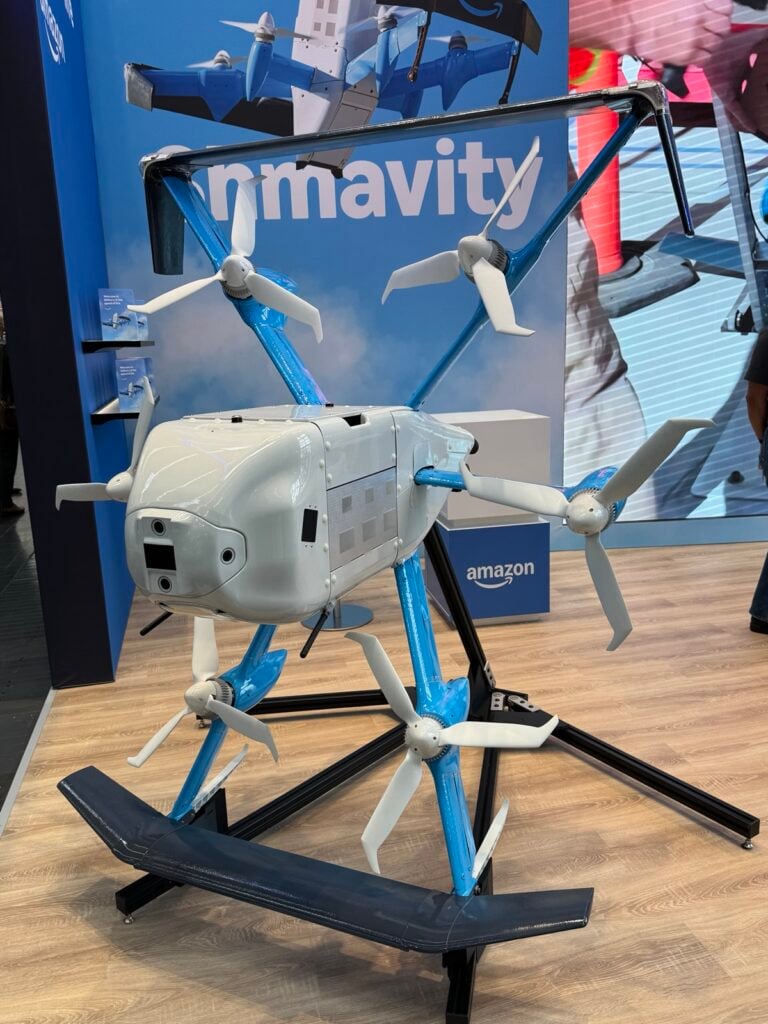
Amazon’s Prime Air division has walked away from the Commercial Drone Alliance, and the reason is blunt: a fundamental disagreement over whether detect-and-avoid technology should be mandatory across the national airspace. The split went public March 12 after Reuters obtained the letter Amazon sent to the trade group, as Unmanned Airspace reported.
The Core Disagreement
Prime Air told the CDA that the alliance’s positions on the most consequential safety questions facing the commercial drone industry are incompatible with Prime Air’s core safety tenets. That’s not diplomatic language. That’s a company saying it couldn’t stay at the table in good conscience.

The fight centers on detect-and-avoid systems, specifically the FAA’s proposal to require drones to detect and avoid crewed aircraft that aren’t broadcasting their position. The CDA countered that the FAA should instead require aircraft operating below 500 feet to broadcast their position using satellite-based technology or other electronic systems.
In other words, the alliance wants to solve the problem at the crewed aircraft level. Amazon wants the drones themselves to be equipped to handle it regardless.
Amazon’s position isn’t theoretical. In over 70,000 drone flights, Prime Air’s detect-and-avoid system performed successful collision avoidance maneuvers on two potential mid-air collisions with aircraft that could have resulted in severe safety consequences, including fatalities.
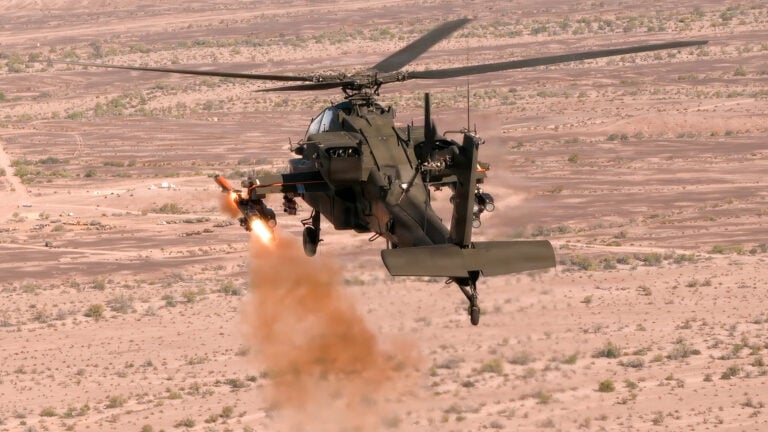
One of those incidents involved a helicopter that wasn’t broadcasting its required ADS-B signal. Without Amazon’s detect-and-avoid system, that encounter could have ended catastrophically.
What Amazon Wants From the FAA
Beyond the detect-and-avoid mandate, Prime Air also pushed back on the FAA’s current vision for UAS Traffic Management. Amazon’s position isn’t that UTM is useless. It’s that making UTM mandatory in every situation is an overcorrection that would choke drone delivery growth without a proportional safety return.
Amazon’s letter argued that UTM should be deployed selectively, in environments where drone-to-drone conflicts are genuinely complex, rather than applied as a blanket requirement.

The company believes drones equipped with capable onboard detection systems can safely share the airspace without being locked into a universal UTM framework. The proposed rules haven’t been finalized, which is exactly why Amazon chose this moment to apply public pressure.
The January 2025 American Airlines midair collision near Washington, which killed 67 people, hangs over this entire debate. That crash didn’t involve a drone, but it prompted NTSB recommendations for broader airspace reform and put congestion and detection failures back at the center of aviation policy conversations. Amazon is clearly using that context to argue that the stakes are too high to settle for a less rigorous standard.
The CDA’s Response and What It Means
The CDA didn’t concede anything. The alliance expressed regret over the departure and defended its approach as a performance-based framework rather than a prescriptive technology mandate.
The CDA said its members have conducted millions of safe drone operations and that their proposed approach represents the consensus position of the commercial drone community, reached after a collaborative, data-driven 60-day policy review process.

The CDA membership includes serious operators: Skydio, Zipline, and Alphabet’s Wing Aviation are all part of the alliance. These aren’t fringe hobbyists pushing for weak rules. They’re companies that have collectively logged enormous flight hours and genuinely believe a performance-based approach is both safer and more scalable than locking in a specific technology requirement.
That’s actually the harder argument to dismiss. Prescriptive mandates can calcify around today’s technology and lock out better solutions developed tomorrow. The CDA’s concern isn’t unreasonable. But Amazon’s counter is also hard to ignore: you can talk about performance frameworks all you want, and two of their drones still nearly hit aircraft that weren’t where the system assumed they’d be.
DroneXL’s Take
Here’s what I actually think: this split is good for the industry, even if it’s uncomfortable to watch.
Trade associations exist to build consensus, and consensus almost always means compromising toward the lowest common denominator. Amazon walking away removes the pressure to soften its safety position for the sake of group harmony.
The FAA now has to weigh two clearly defined camps: one that wants robust onboard detection required broadly, and one that wants flexibility and innovation room. That’s a cleaner policy debate than a muddled compromise document with everyone’s fingerprints on it.
The political read matters too. Amazon is a massive lobbying force, and filing separately from the CDA means the FAA hears Prime Air’s voice without the CDA’s framing around it. CEO Andy Jassy has projected 500 million annual drone deliveries by 2030.
A company that serious about delivery volume has every incentive to push for safety standards that protect that operation, and to make sure those standards are set before the rules are finalized.
No sugarcoating this: the real losers in a drawn-out fight between Amazon and the CDA are smaller operators who need regulatory clarity to scale their own businesses. The FAA’s BVLOS rulemaking was already moving slowly. This public fracture doesn’t speed it up.
Photo credit: Amazon, Commercial Drone Alliance.
Discover more from DroneXL.co
Subscribe to get the latest posts sent to your email.
Check out our Classic Line of T-Shirts, Polos, Hoodies and more in our new store today!

MAKE YOUR VOICE HEARD
Proposed legislation threatens your ability to use drones for fun, work, and safety. The Drone Advocacy Alliance is fighting to ensure your voice is heard in these critical policy discussions.Join us and tell your elected officials to protect your right to fly.

Get your Part 107 Certificate
Pass the Part 107 test and take to the skies with the Pilot Institute. We have helped thousands of people become airplane and commercial drone pilots. Our courses are designed by industry experts to help you pass FAA tests and achieve your dreams.

Copyright © DroneXL.co 2026. All rights reserved. The content, images, and intellectual property on this website are protected by copyright law. Reproduction or distribution of any material without prior written permission from DroneXL.co is strictly prohibited. For permissions and inquiries, please contact us first. DroneXL.co is a proud partner of the Drone Advocacy Alliance. Be sure to check out DroneXL's sister site, EVXL.co, for all the latest news on electric vehicles.
FTC: DroneXL.co is an Amazon Associate and uses affiliate links that can generate income from qualifying purchases. We do not sell, share, rent out, or spam your email.