

SWEPCO Sends Skydio X10 Drones to Scout Power Lines in East Texas
Check out the Best Deals on Amazon for DJI Drones today!
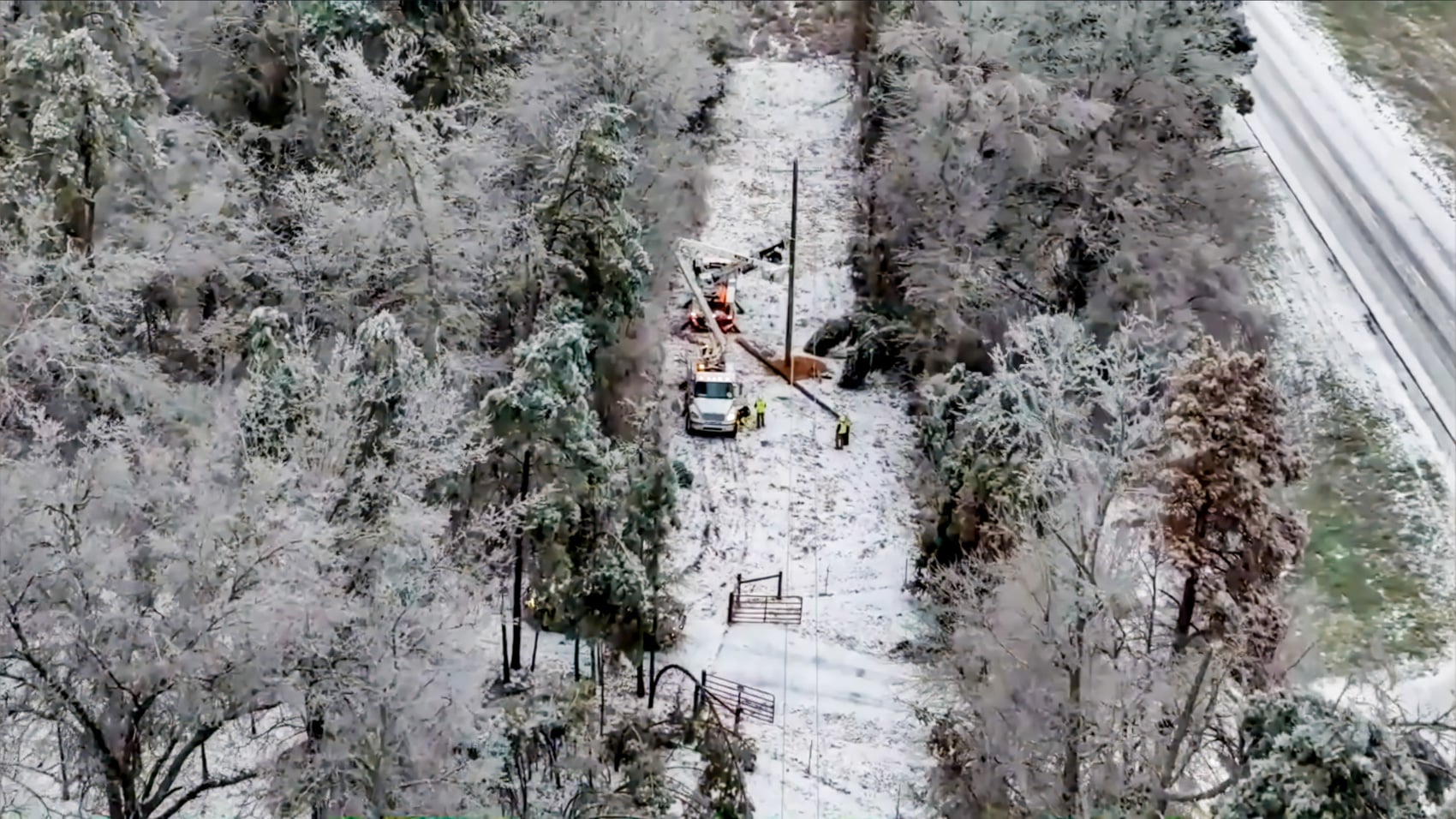
East Texas utility SWEPCO has a new way to find the branches that will kill your power before they actually do it. The drones are already flying.
The Problem With Trees and Power Lines
Vegetation management is the unglamorous backbone of electric utility reliability. Branches grow. Trees lean. Storms push limbs into conductors and the lights go out for thousands of customers at once.
The traditional approach to preventing this is cyclical ground-based inspection, crews driving routes, looking up, noting problem areas, and scheduling trimming work. It works. It is also slow, expensive, and limited by what the human eye can see from ground level looking upward through a canopy.
SWEPCO, a Southwestern Electric Power Company serving customers across East Texas, Louisiana, and Arkansas, has launched a new drone inspection program to change that equation, as The News Journal reported.
Drone flights have already taken place at sites in Louisiana, Kilgore, and Marshall, Texas. The program is now operational and expanding.
The Aircraft and What It Sees
SWEPCO is running the program on the Skydio X10, the same platform that Clearwater Police recently deployed for their spring break drone first responder program. In a utility vegetation inspection role, the X10’s sensor suite earns its price in a different way entirely.
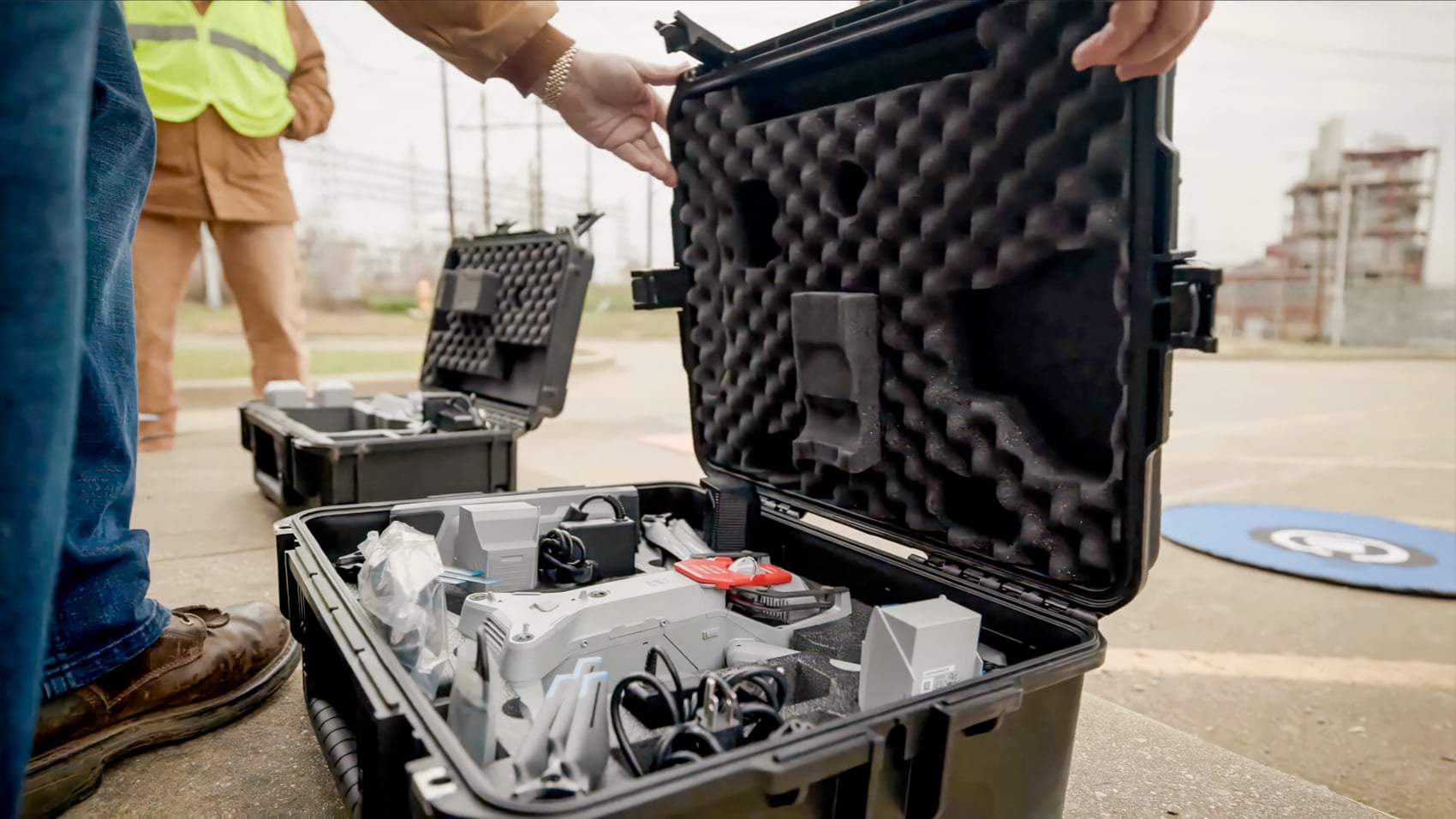
The 64 MP visible light camera gives forestry crews overhead imagery sharp enough to identify individual branch angles, crown density, and encroachment distances against transmission lines with a precision that no ground-based inspection can replicate.
The 640×512 FLIR Boson+ thermal sensor adds a second layer of intelligence: thermal imaging can detect stressed or dying vegetation before it becomes visually obvious, identifying trees that are losing moisture and becoming brittle fire hazards before a single branch falls.
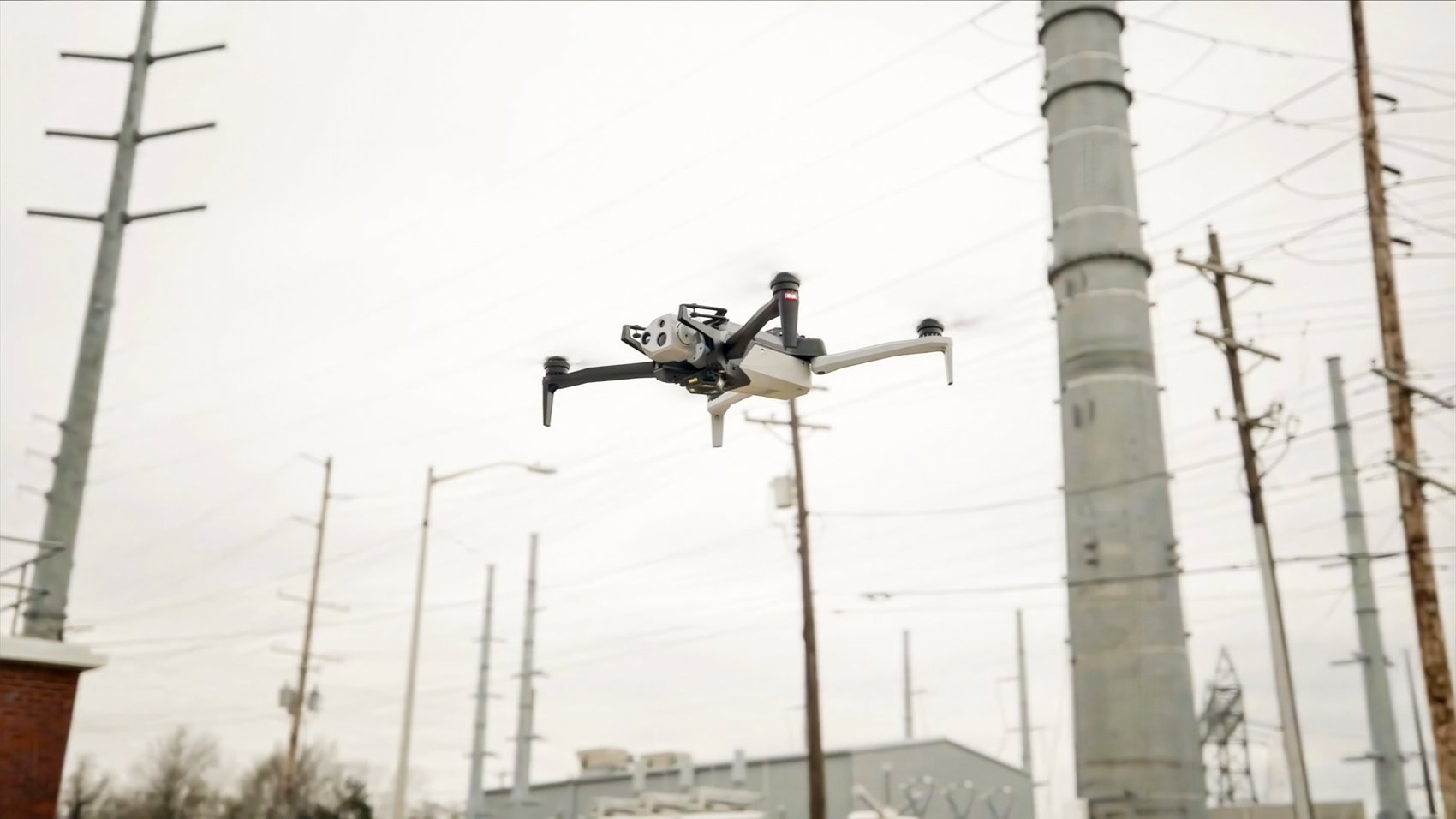
The X10 flies for up to 40 minutes per sortie at speeds up to 45 mph, transmitting live imagery up to 9.3 miles back to the operator. NightSense autonomous navigation allows it to maintain obstacle avoidance in low-light conditions without GPS dependency, which matters for flights along transmission corridors in dense East Texas timber country where signal reliability is not guaranteed.
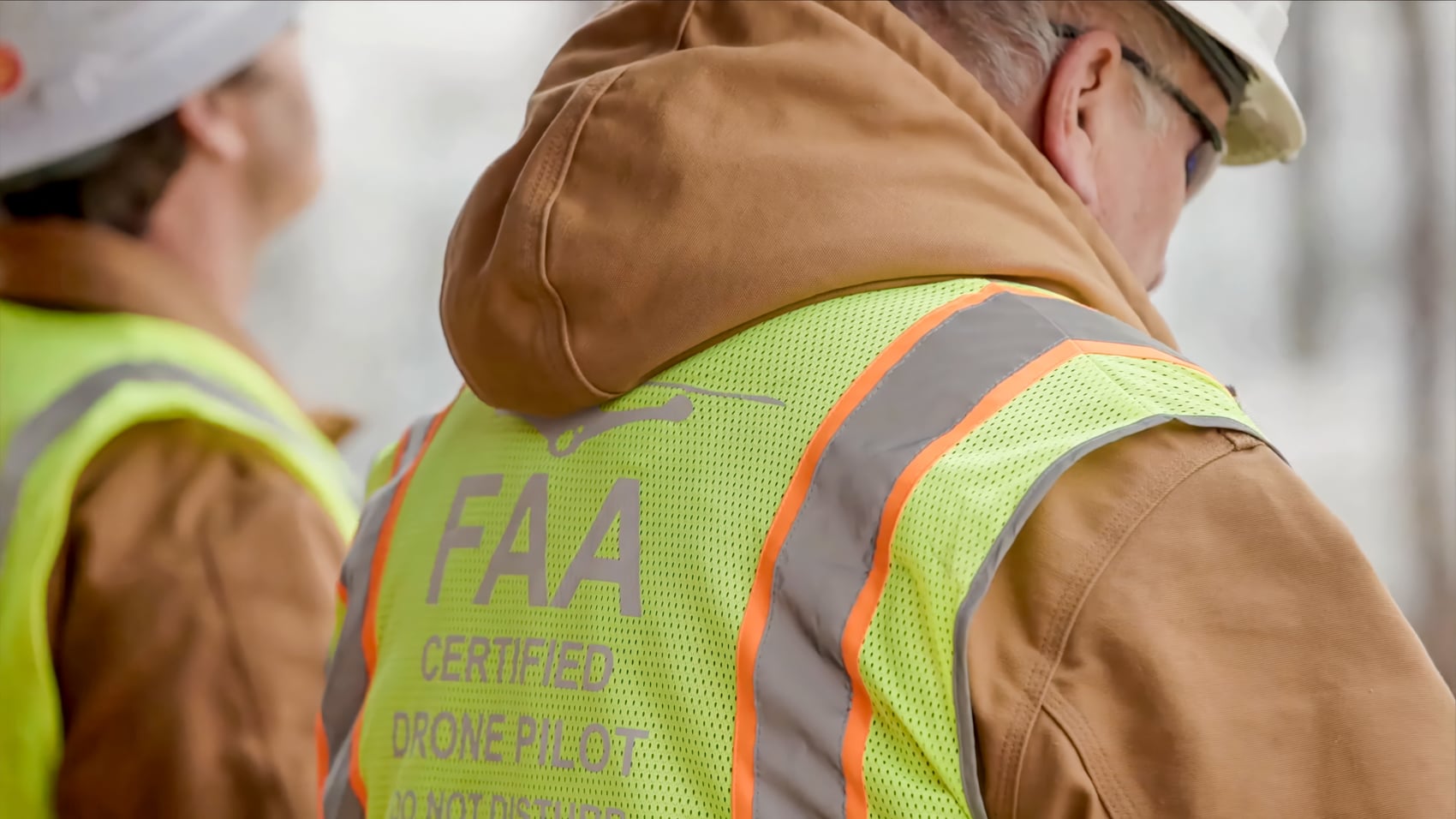
All SWEPCO drone operators hold FAA Part 107 certification. The company confirmed that flights comply with all federal aviation guidelines and that no personal data is collected. The inspection focus is strictly electric infrastructure and surrounding vegetation.
What the Program Actually Delivers
Matt Tarpley, region forestry supervisor at SWEPCO, described the operational impact clearly. The detailed imagery helps forestry teams make faster, more informed decisions so the company can stay ahead of potential issues and keep power flowing safely and dependably.
That is a compact description of a significant capability shift. The drones serve two distinct functions in the vegetation management workflow.
The first is quality control. After trimming crews complete work on a section of line, the drone flies the corridor and documents the result. Supervisors get aerial imagery confirming the work was done correctly and to specification before the crew moves to the next section.
That closes the loop on a quality control gap that traditional inspection struggles to fill without sending a second ground crew behind the first one.
The second is proactive identification. The drones scan ahead of scheduled trimming cycles and flag problem areas that need attention before they appear on a maintenance calendar. Branches that are growing toward the line.
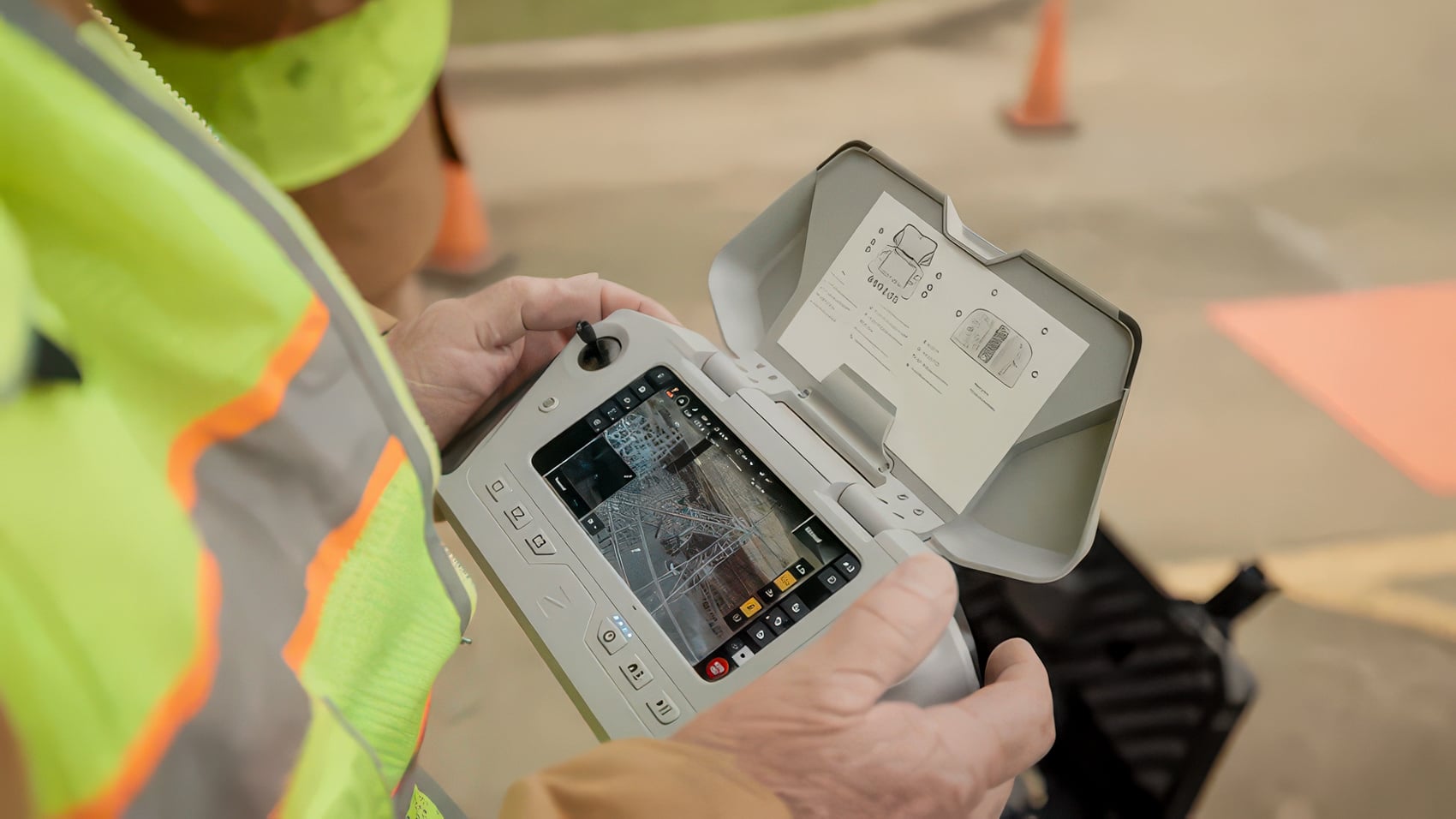
Trees that have shifted after a storm. Dead wood in the canopy that a ground crew could not see from the road. Early identification means earlier intervention and earlier intervention means fewer outages.
The Bigger Picture: Utilities and Drone Infrastructure
SWEPCO is not an isolated case. Utilities across the country are integrating drone inspection into their vegetation management programs at an accelerating rate, driven by a combination of regulatory pressure to reduce outage frequency and the increasingly clear cost math of aerial versus ground inspection at scale.
The 2025 wildfire seasons in Texas, California, and the Southeast demonstrated once again what happens when utility vegetation management falls behind. Power lines in contact with encroaching vegetation are consistently among the leading causes of ignition in high-wind, dry-weather conditions.
The liability exposure from a single vegetation-caused ignition event dwarfs the cost of a comprehensive drone inspection program many times over.
For SWEPCO’s service territory in East Texas, where pine timber grows fast and storm seasons are reliable, that math is not abstract.
DroneXL’s Take
The Skydio X10 showing up in both a police DFR program and a utility vegetation inspection program in the same week is not a coincidence. It is a market signal.
Skydio has spent the last two years repositioning itself from a consumer autonomy story into a serious enterprise and government platform. The X10 is the product that makes that repositioning credible.
Forty minutes of flight time, 64 MP imagery, FLIR thermal integration, NightSense autonomous flight, and an American supply chain that sidesteps the DJI procurement debate entirely. In 2026, that combination is genuinely compelling for any agency or utility that needs aerial intelligence without the political headache.
Here is the honest part on the DJI comparison, and I will keep saying this until the market proves me wrong. DJI still builds better hardware at the component level. The Matrice 4TD outperforms the X10 on several specs that matter in demanding field conditions.
But Skydio’s software autonomy is a real differentiator and for operators who are not elite pilots, NightSense and the X10’s obstacle avoidance architecture provide a meaningful safety margin that DJI’s platforms do not match.
For a utility vegetation program where operators are flying dense corridors through East Texas timber at low altitude, that autonomy gap matters. SWEPCO made a smart call.
The branches that will kill your power next summer are already growing. The X10 is looking for them right now.
Photo credit: SWEPCO
Discover more from DroneXL.co
Subscribe to get the latest posts sent to your email.
Check out our Classic Line of T-Shirts, Polos, Hoodies and more in our new store today!

MAKE YOUR VOICE HEARD
Proposed legislation threatens your ability to use drones for fun, work, and safety. The Drone Advocacy Alliance is fighting to ensure your voice is heard in these critical policy discussions.Join us and tell your elected officials to protect your right to fly.

Get your Part 107 Certificate
Pass the Part 107 test and take to the skies with the Pilot Institute. We have helped thousands of people become airplane and commercial drone pilots. Our courses are designed by industry experts to help you pass FAA tests and achieve your dreams.

Copyright © DroneXL.co 2026. All rights reserved. The content, images, and intellectual property on this website are protected by copyright law. Reproduction or distribution of any material without prior written permission from DroneXL.co is strictly prohibited. For permissions and inquiries, please contact us first. DroneXL.co is a proud partner of the Drone Advocacy Alliance. Be sure to check out DroneXL's sister site, EVXL.co, for all the latest news on electric vehicles.
FTC: DroneXL.co is an Amazon Associate and uses affiliate links that can generate income from qualifying purchases. We do not sell, share, rent out, or spam your email.

