Ukraine Deploys Drone Interception Units to Five Middle Eastern Countries as Umerov Outlines Long-Term Security Deals

Check out the Best Deals on Amazon for DJI Drones today!
Ukraine has deployed military units to protect critical and civilian infrastructure against drones in five Middle Eastern countries, according to Reuters. Rustem Umerov, Ukraine’s Minister of Defence, announced the deployments on March 20, 2026, following a tour of the United Arab Emirates, Saudi Arabia, Qatar, Kuwait, and Jordan. “Ukrainian military specialists are operating in each of these countries under the coordination of the National Security and Defense Council,” Umerov wrote on X. “Interception units have been deployed to protect civilian and critical infrastructure. Work is also under way to expand coverage areas.”
The announcement confirms and widens what we reported on March 14, when Ukrainian drone warfare experts had already deployed to Qatar, Saudi Arabia, the UAE, and Jordan. Kuwait is now confirmed as the fifth country. Umerov said “further steps for long-term security cooperation” with each nation had been outlined during the visit.
What the Deployments Actually Cover
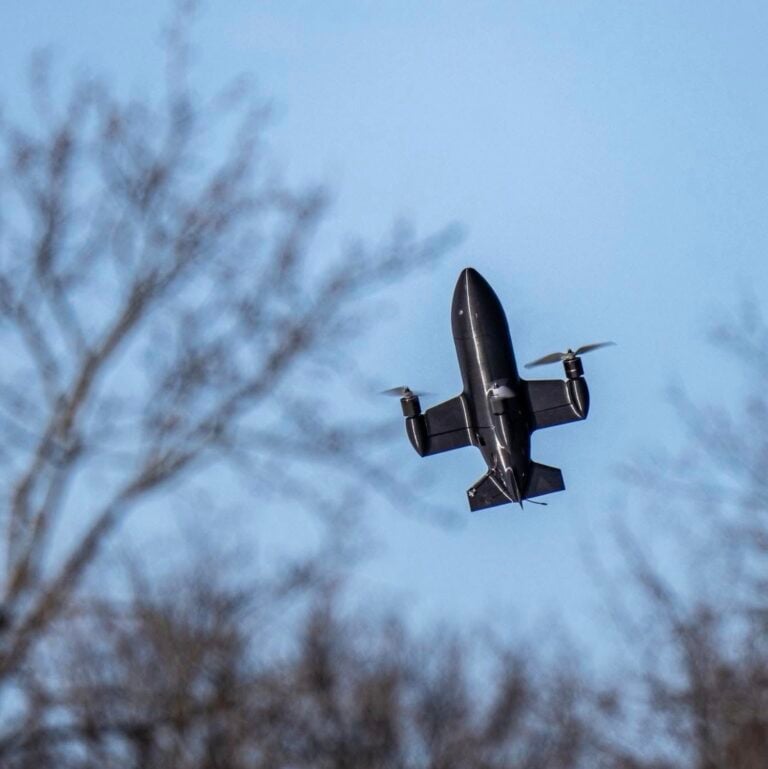
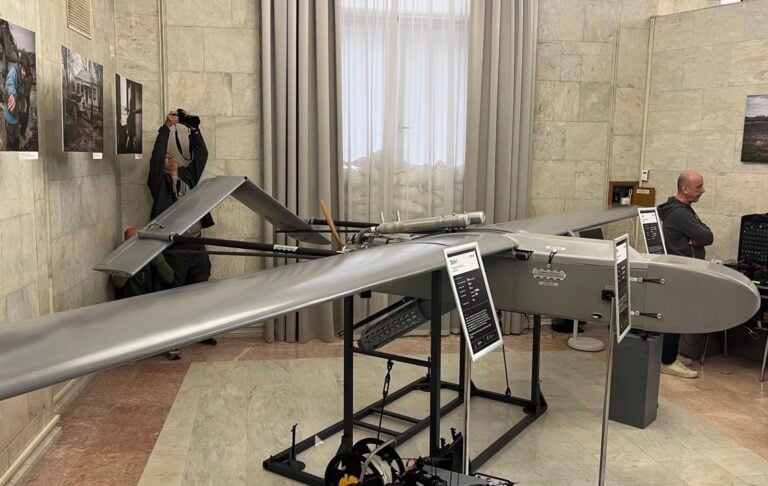
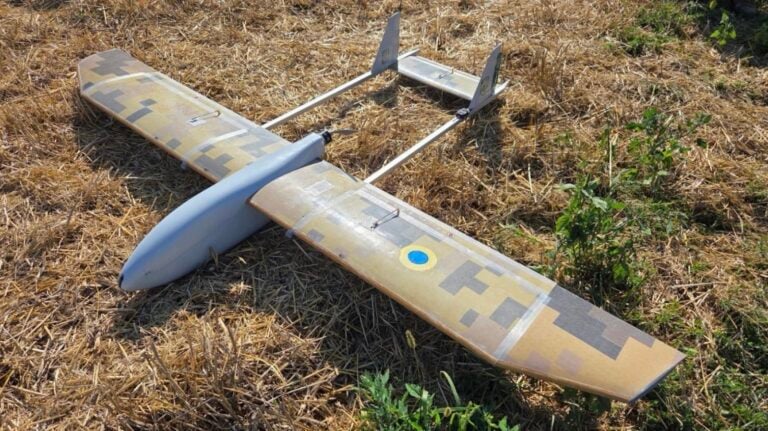
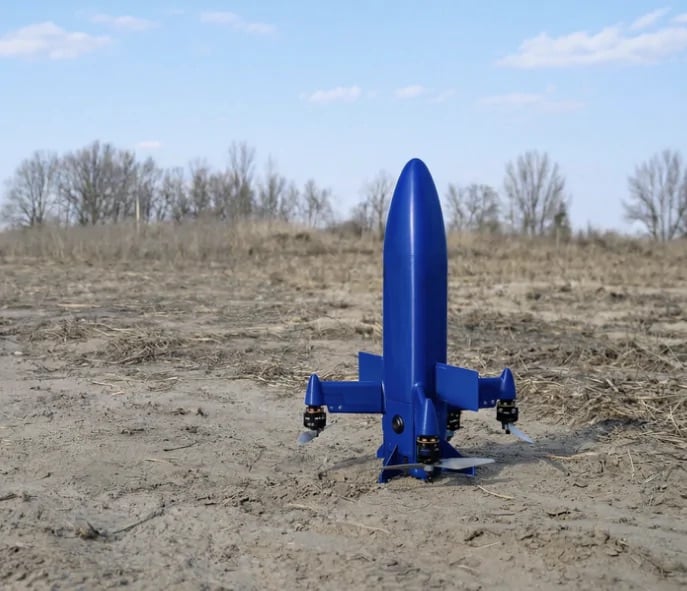
Ukrainian interception units operating across these five Gulf and Levant countries are drawing directly on battlefield experience built over years of absorbing Russian Shahed-type drone attacks. The teams are using Ukrainian-developed technologies to counter drone swarms and advising partners on air defense solutions. Umerov did not specify which systems are deployed, but previous reporting confirmed Ukraine’s $2,500 Sting interceptor drone as the primary export product regional partners have been acquiring.
The threat driving demand is concrete. Iran’s Shahed-136 struck Bahrain, Kuwait, and Dubai in a broad Gulf strike wave on March 1. A drone strike on a Dubai International Airport fuel storage tank on March 16 grounded commercial traffic at the world’s busiest airport. These aren’t theoretical scenarios that Gulf states are planning for. They are happening now, and Patriot PAC-3 MSE missiles at $13.5 million per shot are not a financially sustainable answer to $30,000 kamikaze drones.
Russia has been supplying Iran with satellite data and upgraded Shahed drone technology, according to the Wall Street Journal. That bidirectional hardware pipeline is the supply chain behind every strike wave these Gulf states are now asking Ukraine to help them stop.
Zelenskyy Orders Assessment of the Strait of Hormuz
President Volodymyr Zelenskyy said in a Telegram post that he had ordered Umerov, Ukraine’s military, and Ukraine’s foreign ministry to assess “the real readiness” of countries to join international initiatives to secure the Strait of Hormuz. The Strait is roughly 20 miles wide at its narrowest point and carries approximately 20% of the world’s oil supply. Right now, very little of that is moving.
This is a direct expansion of Ukraine’s security role beyond pure drone interception. The UK is already drawing up plans to deploy autonomous minesweeping drones to the Strait as Iran’s threat to international shipping pushes oil prices above $100 per barrel. Zelenskyy’s order puts Ukraine in the frame for the same conversation, adding a diplomatic and military dimension to what has so far been framed primarily as a technology-export story.
“It is important that Ukraine’s global significance in ensuring security and the quality of Ukrainian security expertise in safeguarding lives are recognised by all partners,” Zelenskyy wrote, without specifying operational details.
Ukraine’s Knowledge Is the Product, Not Just Its Drones
Kyiv has said that nearly a dozen countries across the world have sought its help defending against large waves of cheap kamikaze drones. The ask from those partners isn’t only hardware. It’s the detection networks, the intercept geometry, the electronic warfare layers, and the operational discipline Ukraine built through continuous combat iteration over four years. No training course replicates that. Sending the people who built the system is the fastest transfer available.
Zelenskyy made the same case before the UK Parliament on March 17, laying out Ukraine’s position as the world’s essential drone defense partner. The Gulf deployments announced by Umerov are the operational follow-through on that argument. As Zelenskyy said on March 1, Ukraine’s drone interception know-how is “largely irreplaceable” — three years of absorbing more than 57,000 Shahed-type strikes built something no procurement contract can manufacture from scratch.
DroneXL’s Take
I’ve been tracking this arc since Ukraine’s teams first showed up in the Gulf. What Umerov’s announcement on March 20 does is close the gap between what we already knew was happening informally and what Ukraine is now willing to say publicly and officially. That shift matters. Governments don’t announce active military deployments in foreign countries unless they want those deployments to be understood as part of a deliberate, coordinated strategy rather than ad-hoc crisis response.
Kuwait is the one country that wasn’t previously confirmed in our March 14 reporting. That addition is not incidental. Kuwait shares a land border with Iraq, where Iranian-funded militias have been conducting FPV drone strikes on U.S. military bases. This suggests Kuwait’s inclusion in the Ukrainian deployment extends beyond Gulf oil protection — it positions these units on the eastern edge of a much larger air defense perimeter.
The Strait of Hormuz assessment order from Zelenskyy is the part of this story that deserves more attention than it’s getting. Ukraine is not a naval power in any conventional sense. But it is the country that neutralized roughly a third of Russia’s Black Sea Fleet with drone boats and improvised missile platforms. If Zelenskyy is signaling readiness to contribute to Hormuz security, the Gulf states and the U.S. should be listening very carefully to what he’s actually offering, not just what the headline says.
The economics driving all of this remain the same ones we spelled out when America’s expensive drone strategy ran into the wall of cheap mass production. Ukraine solved the cost problem under live fire. By the end of 2026, at least three more formal security agreements between Ukraine and Gulf or NATO states will be signed, specifically because no other country has a comparable offer at a comparable price.
DroneXL uses automated tools to support research and source retrieval. All reporting and editorial perspectives are by Haye Kesteloo.
Discover more from DroneXL.co
Subscribe to get the latest posts sent to your email.
Check out our Classic Line of T-Shirts, Polos, Hoodies and more in our new store today!

MAKE YOUR VOICE HEARD
Proposed legislation threatens your ability to use drones for fun, work, and safety. The Drone Advocacy Alliance is fighting to ensure your voice is heard in these critical policy discussions.Join us and tell your elected officials to protect your right to fly.

Get your Part 107 Certificate
Pass the Part 107 test and take to the skies with the Pilot Institute. We have helped thousands of people become airplane and commercial drone pilots. Our courses are designed by industry experts to help you pass FAA tests and achieve your dreams.

Copyright © DroneXL.co 2026. All rights reserved. The content, images, and intellectual property on this website are protected by copyright law. Reproduction or distribution of any material without prior written permission from DroneXL.co is strictly prohibited. For permissions and inquiries, please contact us first. DroneXL.co is a proud partner of the Drone Advocacy Alliance. Be sure to check out DroneXL's sister site, EVXL.co, for all the latest news on electric vehicles.
FTC: DroneXL.co is an Amazon Associate and uses affiliate links that can generate income from qualifying purchases. We do not sell, share, rent out, or spam your email.