Army Taps Anduril for $20B AI Counter-Drone Framework
Check out the Best Deals on Amazon for DJI Drones today!
The Department of War awarded Anduril Industries a 10-year contract with a ceiling value of up to $20 billion on March 13, consolidating over 120 separate procurement actions into a single enterprise agreement built around the company’s AI-powered Lattice software platform, as Defence Express reports.
It is the largest single contract in Anduril’s history and the most significant structural change in how the American military buys counter-drone technology since the problem became a national security priority.
What the Contract Actually Is and Isn’t
Before anything else, this number needs context. Anduril President Matthew Steckman was direct with reporters on Monday: “There’s no money attached to it, this is just a contract vehicle, but it reduces a lot of friction in things that just simply shouldn’t have it.”
The $20 billion is a ceiling, not a check. It represents the maximum Anduril could receive over 10 years if every possible order is placed, not an obligation the Department of War has undertaken.
What the contract does is establish pre-negotiated pricing, eliminate redundant paperwork, and allow any buyer across the entire federal government to place orders for Anduril’s commercially available products without going through a separate procurement process each time.

It’s an ordering guide. Before this agreement, the Department of War was managing 120 separate procurement actions just with Anduril. That’s 120 contracts, each requiring its own negotiation cycle, legal review, and administrative overhead. They’re now all consolidated into one structure.
The deal is structured in two five-year periods: a base period running through 2031, with an optional five-year extension through March 12, 2036. The contract covers Lattice software, integrated hardware, data capabilities, computing infrastructure, and technical support services. Work locations and funding are determined order by order.
The Army has already placed the first task order under the new vehicle: an $87 million award to JIATF 401, the Joint Interagency Task Force focused on rapid technology transfer, to deploy Lattice as the command-and-control backbone for counter-UAS operations. That’s a real dollar figure with real work attached, and it signals exactly where the Army intends to use this contract first.
Why Lattice Is the Central Bet
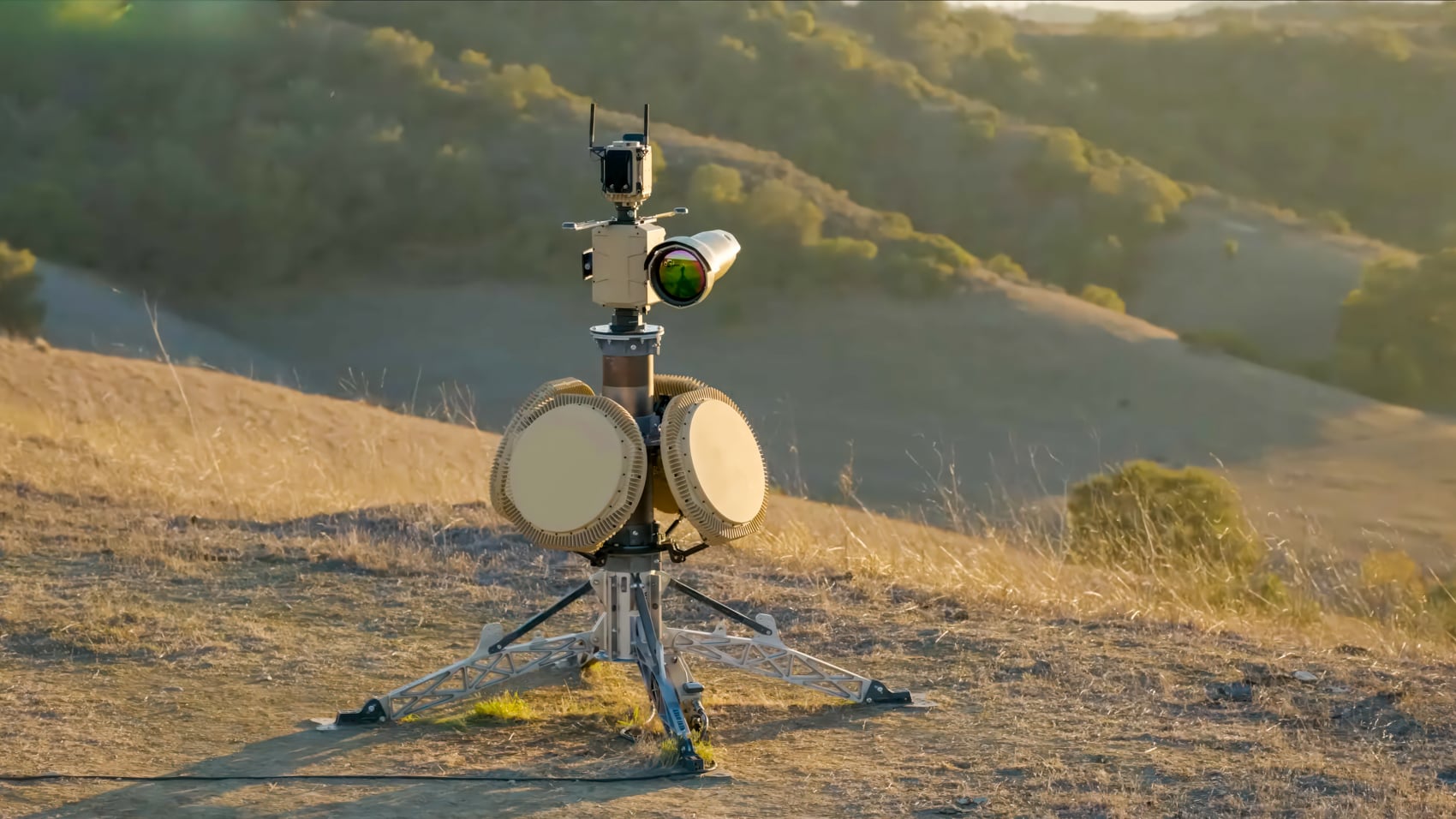
Lattice is Anduril’s operating system for the battlefield. It ingests data from distributed sensors, autonomous platforms, radar systems, acoustic detectors, and RF sensors across any domain and fuses it into a single operational picture.
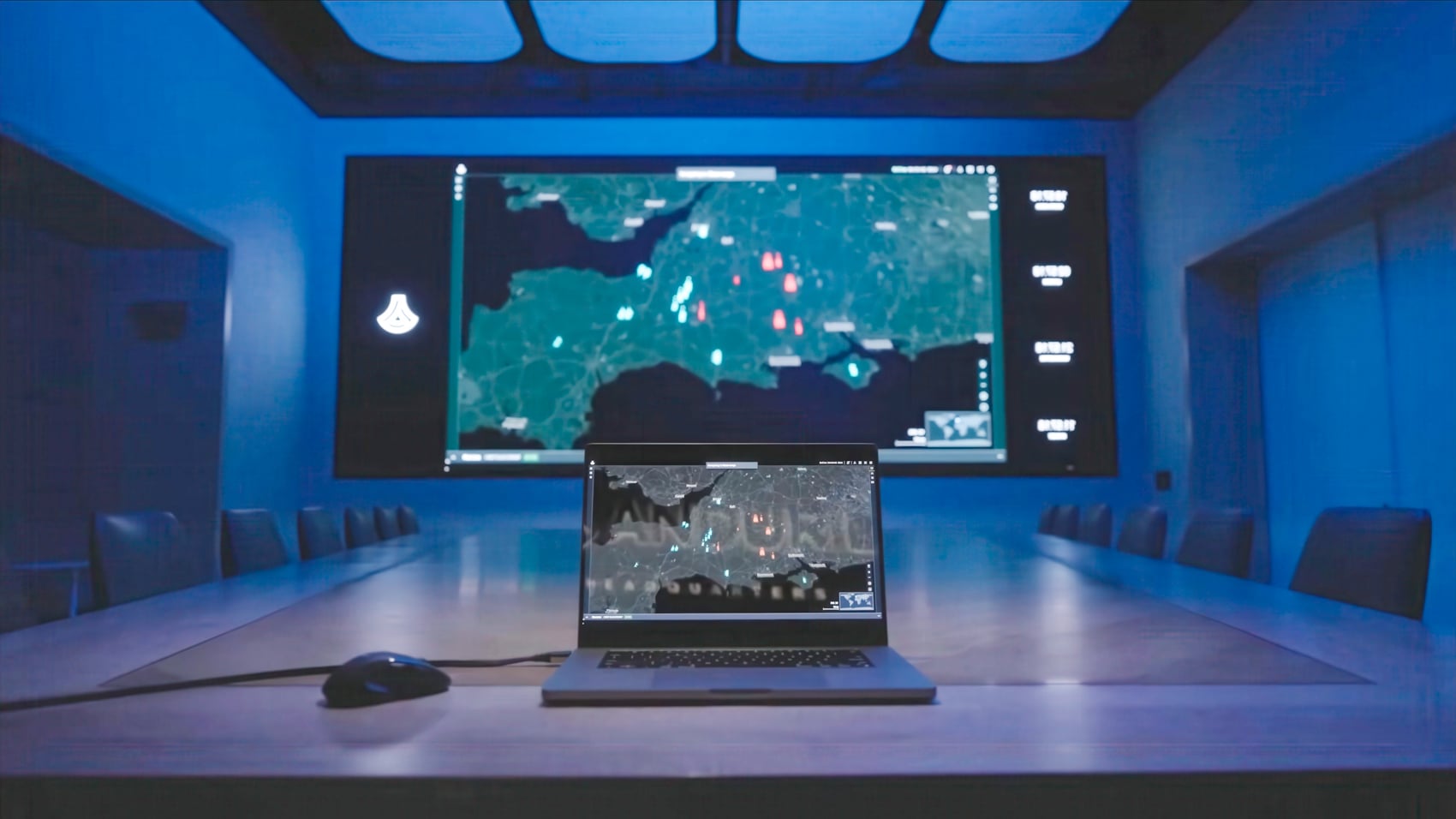
Its command-and-control layer uses AI to accelerate targeting decisions, its mission autonomy software manages groups of unmanned systems simultaneously across air, ground, and maritime domains, and its Lattice Mesh decentralized networking architecture distributes data securely between services, domains, and platforms over extended distances even when communications infrastructure is degraded.
The counter-UAS application is the most immediate use case. Army Colonel Tony Lindh, JIATF 401 deputy director of acquisitions, described the goal as achieving common air domain awareness, with Lattice as the C2 backbone shared across government partners.
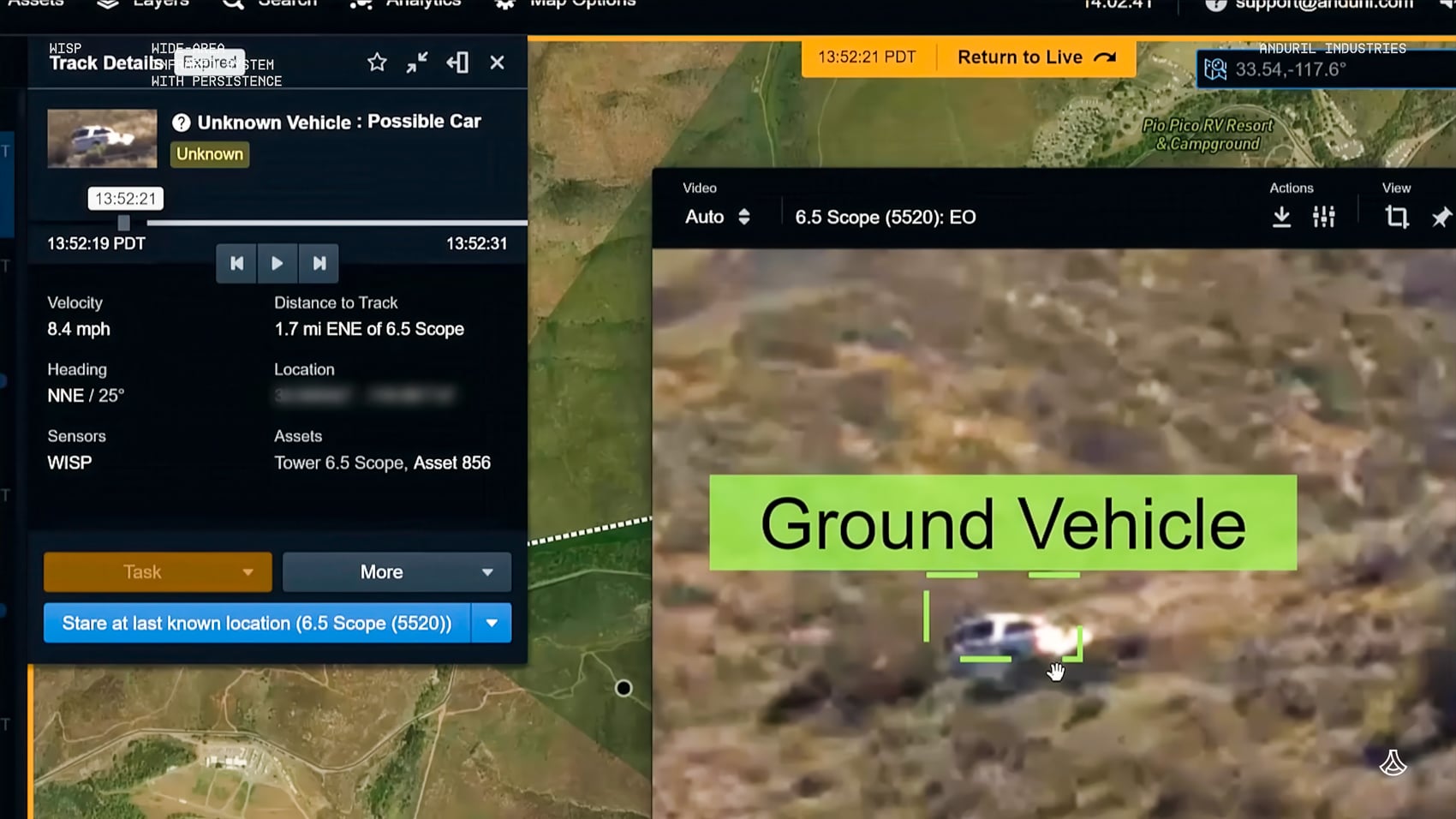
The logic is straightforward: drone threats don’t stop at jurisdictional boundaries between the Army, the Air Force, DHS, and local law enforcement. Until now, those organizations have been operating separate detection and engagement systems that don’t talk to each other reliably. Lattice, sitting on top of all of them, is Anduril’s answer to that interoperability gap.
The urgency behind that framing came into sharp focus two months ago when two high-profile drone incidents over sensitive facilities in Texas caused temporary airspace closures and triggered congressional pressure for better federal coordination on counter-UAS response. That context is sitting directly behind the timing of this announcement.
Anduril’s Hardware in the Field
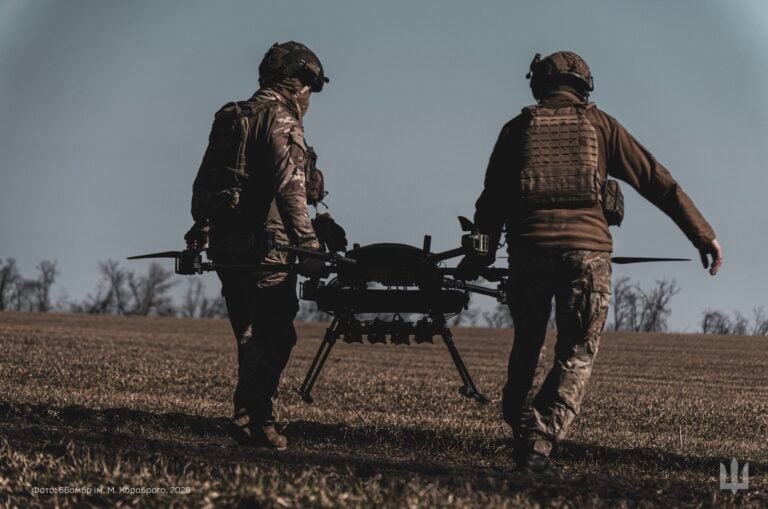
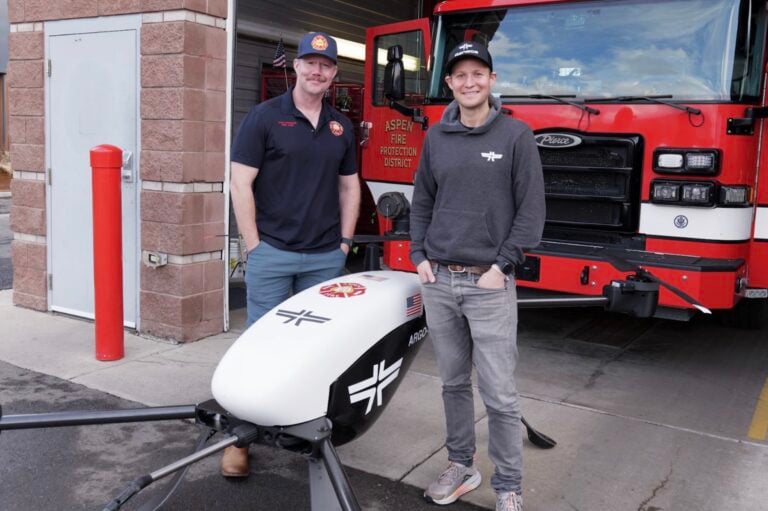
The Lattice contract matters more when you understand what hardware it already powers. The Ghost X is Anduril’s current frontline reconnaissance drone, selected by the Army in September 2024 for the Company-Level Small UAS Directed Requirement.
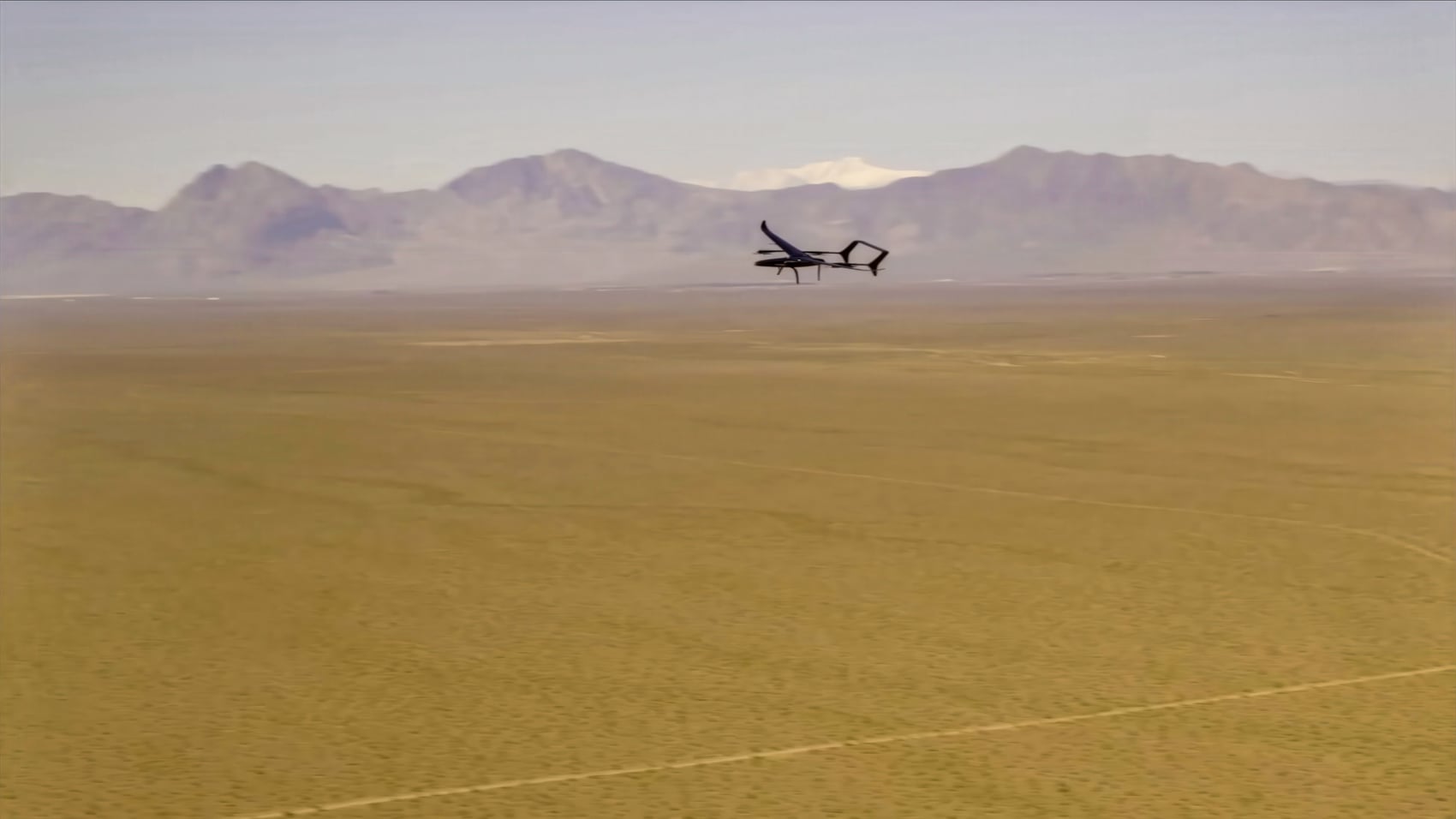
It has a flight time of 75 minutes and a range of about 16 miles. Multiple Ghost X units can link into a swarm using Lattice to relay data and extend effective sensor range. U.S. Army soldiers were already flying Ghost X units during NTC rotation 26-02 in November 2025.
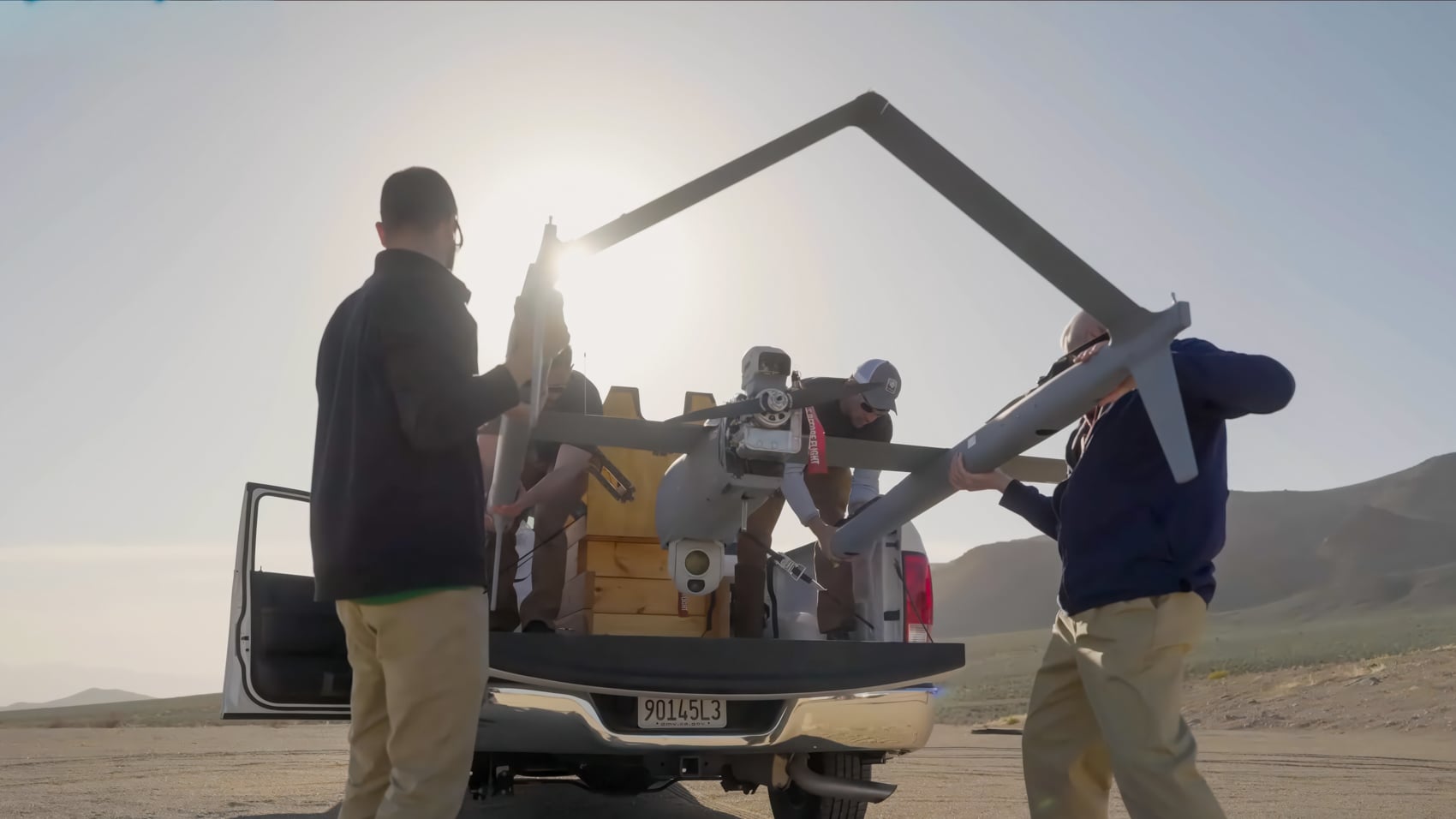
The Bolt-M is Anduril’s man-packable loitering munition, now under contract with the Marine Corps for its Organic Precision Fires-Light program. It weighs between 13 and 15 lbs, packs into a standard backpack, deploys in under five minutes, carries interchangeable warhead payloads up to 3 lbs, has an endurance of about 40 minutes, and a range of about 12.5 miles.
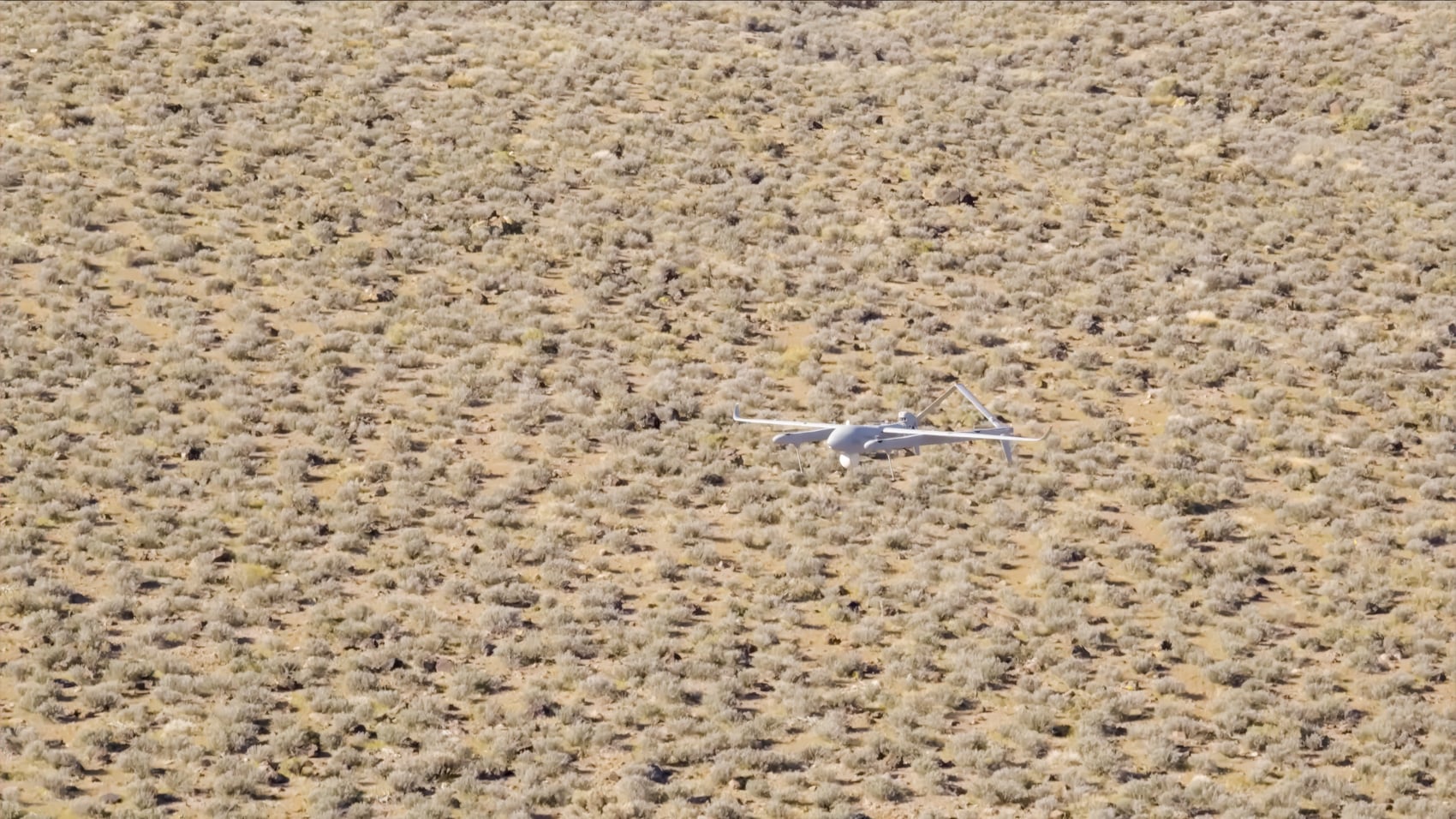
It runs entirely on Lattice software. Four operator decisions cover the entire engagement: where to look, what to follow, how to engage, and when to strike. The Marine Corps contract is worth $23.9 million for over 600 systems, with deliveries running from February 2026 to April 2027.
Anduril’s Anvil interceptor, designed to physically ram and destroy hostile small drones, can reach speeds approaching 200 mph and integrates directly into Lattice for cueing. Its Anvil-M variant adds a fire-control module and munitions payload for destroying Group 1 and 2 UAVs.
The Barracuda family of air-breathing cruise missiles, designed for launch from fixed-wing aircraft, naval platforms, and helicopters, sits at the longer-range end of Anduril’s strike portfolio and also runs on Lattice.
The Palantir Parallel
This deal follows a now-established Army pattern. In August 2025, the Army signed a similar 10-year enterprise contract with Palantir at a ceiling of $10 billion, consolidating 75 separate contracts into a single vehicle.
The Anduril deal doubles that ceiling and consolidates 120 contracts. The Army has now awarded 14 enterprise contracts of this type in the last eight months, collapsing 118 separate contracts across multiple vendors into unified vehicles and claiming an 88% reduction in total contract count.
Anduril brought in approximately $2 billion in revenue in 2025, and reports suggest the company is in discussions to raise a new funding round at a valuation of $60 billion. Its Arsenal-1 hyperscale manufacturing facility near Columbus, Ohio is actively under construction.
The $20 billion ceiling, even spread over 10 years and with no guaranteed spend attached, is the kind of contract vehicle that turns fundraising conversations into straightforward math.
DroneXL’s Take
I’ll be direct: the Palantir comparison is the key to reading this correctly.
When the Army did the same thing with Palantir last August, the ceiling was $10 billion. Eight months later, Anduril gets a $20 billion ceiling. The Army is signaling, publicly and in dollar terms, that Anduril’s hardware-plus-software model is worth twice the bet.
And the first task order went straight to counter-UAS, which is exactly where drone operators, military planners, and anyone paying attention to what happened in Ukraine knows the most urgent capability gap is.
The part that doesn’t make the headline is what this contract structure does to Anduril’s competitors. Pre-negotiated pricing across all Anduril products, available to every buyer in the federal government without a separate procurement cycle, is a structural advantage that traditional defense primes can’t easily replicate.
Lockheed Martin and Raytheon don’t operate that way. They move on program-by-program timelines that take years. Anduril just made it faster and cheaper to buy its products than to go through the process of evaluating alternatives. That’s not just a procurement win. It’s a market positioning move that will shape Department of War technology acquisition for the rest of this decade.
Photo credit: Anduril
Discover more from DroneXL.co
Subscribe to get the latest posts sent to your email.
Check out our Classic Line of T-Shirts, Polos, Hoodies and more in our new store today!

MAKE YOUR VOICE HEARD
Proposed legislation threatens your ability to use drones for fun, work, and safety. The Drone Advocacy Alliance is fighting to ensure your voice is heard in these critical policy discussions.Join us and tell your elected officials to protect your right to fly.

Get your Part 107 Certificate
Pass the Part 107 test and take to the skies with the Pilot Institute. We have helped thousands of people become airplane and commercial drone pilots. Our courses are designed by industry experts to help you pass FAA tests and achieve your dreams.

Copyright © DroneXL.co 2026. All rights reserved. The content, images, and intellectual property on this website are protected by copyright law. Reproduction or distribution of any material without prior written permission from DroneXL.co is strictly prohibited. For permissions and inquiries, please contact us first. DroneXL.co is a proud partner of the Drone Advocacy Alliance. Be sure to check out DroneXL's sister site, EVXL.co, for all the latest news on electric vehicles.
FTC: DroneXL.co is an Amazon Associate and uses affiliate links that can generate income from qualifying purchases. We do not sell, share, rent out, or spam your email.