Zelenskyy Says Ukraine Can Build 2,000 Interceptor Drones A Day, But Only With The Money To Do It
Check out the Best Deals on Amazon for DJI Drones today!
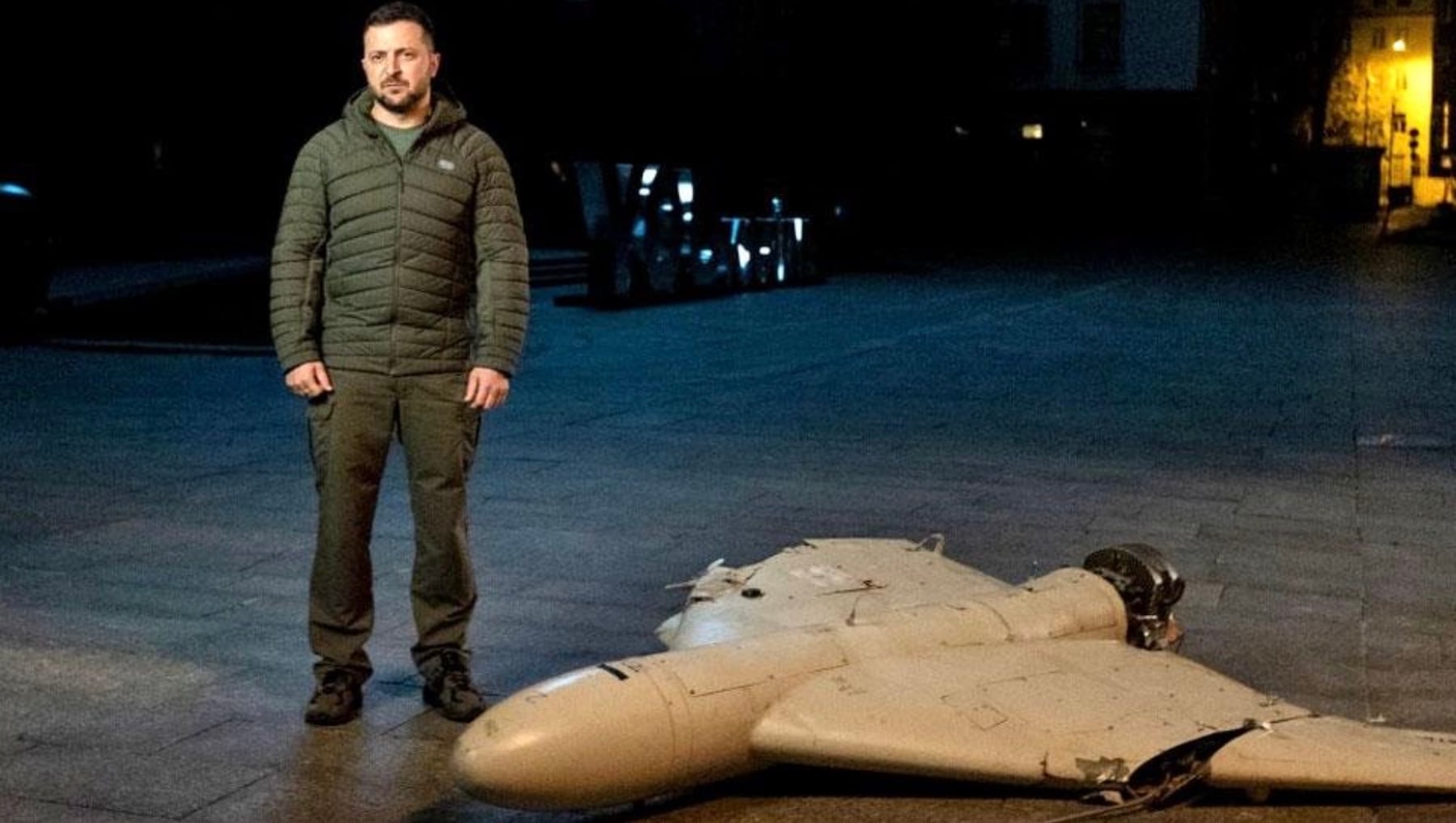
Ukrainian President Volodymyr Zelenskyy told Reuters on March 26 that Ukraine has the technology to produce 2,000 interceptor drones per day, but that budget constraints are the binding limit, not manufacturing capacity. Speaking in an interview picked up by Ukrinform via his Telegram channel, Zelenskyy tied the production claim directly to a funding appeal: “We must fight for funding. Funding will strengthen our air defense capabilities. Without a doubt. The technology is there. Provided there is a budget, Ukraine is capable of producing 2,000 interceptor drones per day.” He said Russia is pressing the second phase of its winter infrastructure campaign, now targeting water supply systems, reservoirs, dams, and logistics networks.
The 2,000 Figure Is A Production Ceiling, Not A Current Output
This distinction matters. Zelenskyy is not announcing that Ukraine is producing 2,000 interceptors daily right now. He is arguing that the industrial infrastructure and engineering know-how exist to reach that output if governments provide the budget to scale it. That framing has been consistent across multiple appearances. When Zelenskyy addressed the UK Parliament on March 17, he placed the same 2,000-per-day figure in the same conditional: Ukraine can hit that rate, needs about 1,000 of those for its own defense, and could supply the remaining 1,000 daily to allies. The Reuters interview extends that argument with a harder ask for cash.
Russia is currently firing between 350 and 500 Shaheds at Ukraine each day. As NV Ukraine reported on Zelenskyy’s New York Post interview on March 16, Russia plans to push that figure to 600-800 drones daily in 2026, with a strategic target of 1,000 per day. At those rates, neutralizing each incoming drone requires two to three interceptors, putting the demand somewhere between 2,000 and 3,000 interceptors daily just for Ukraine’s own air space. The math makes Zelenskyy’s production argument straightforward: the ceiling he is describing is the floor Ukraine actually needs.
Why Funding Is The Real Constraint
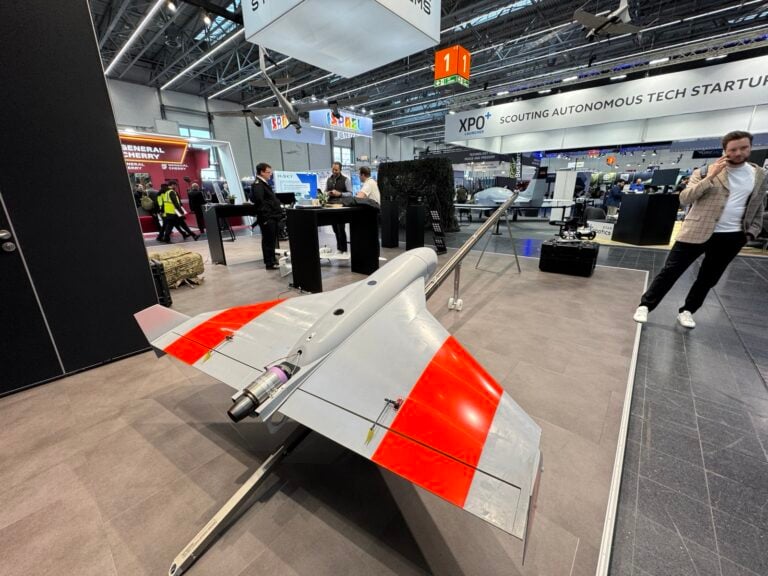
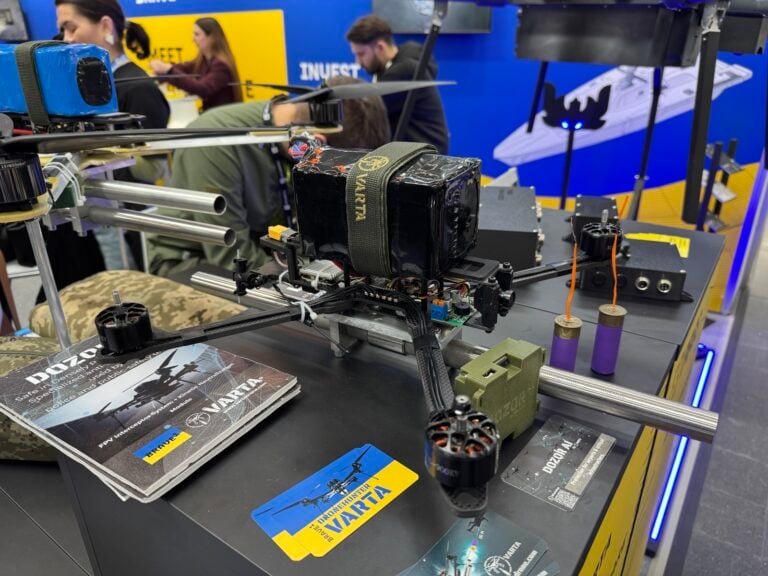
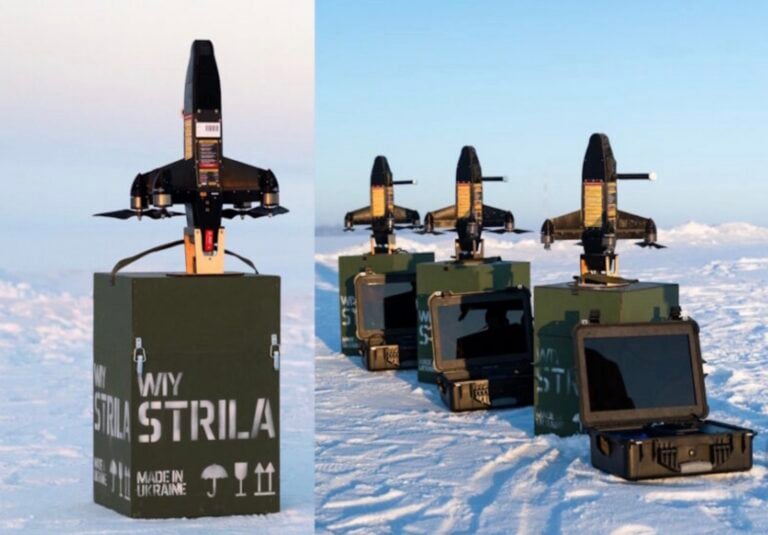
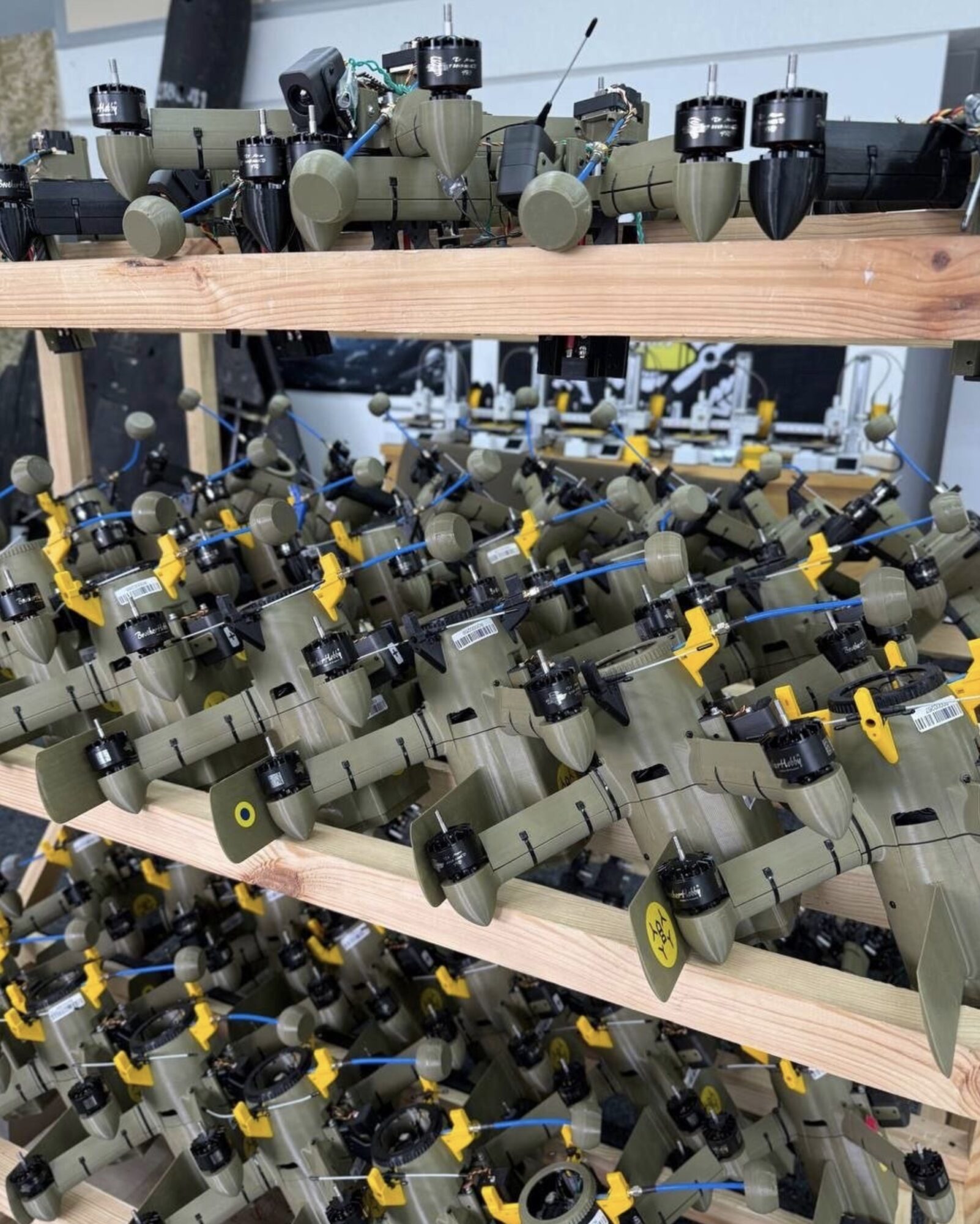
Ukrainian manufacturers have repeatedly said they can produce more than current contracts allow. As we detailed in our March 22 breakdown of Ukraine’s five primary interceptor platforms, companies like Wild Hornets (STING), Skyfall (P1-SUN), and General Cherry are already operating under government contracts but are capacity-constrained by available funding rather than production know-how. The STING costs roughly $2,100-$2,500 per unit. The P1-SUN runs $1,000 and can be produced at up to 50,000 units per month, according to the manufacturer. Compare that to a single Patriot PAC-3 MSE interceptor at $13.5 million per shot, which is what Gulf states burned through at a rate of more than 800 missiles in the first three days of the Iran war, more than Ukraine received across four years of Western aid combined.
Zelenskyy’s funding pitch leans hard on that cost gap. An interceptor drone costs between $3,000 and $5,000 to bring down one Shahed. A Patriot missile runs $4 million. When we covered Ukraine’s deployment to protect U.S. bases in Jordan earlier this month, we noted that this economic argument had moved from a talking point to an operational reality: the Pentagon was already in talks with Ukrainian manufacturers to source interceptors because the Patriot-based model was financially unsustainable at scale.

Zelenskyy Frames Ukraine’s Sanctions As Long-Range Strike Capability
The Reuters interview also carried a pointed statement about international pressure on Russia. Zelenskyy said global sanctions pressure is softening and that Ukraine is compensating with its own tools. “Therefore, unlike everyone else or many in the world, Ukraine has its own sanctions — long-range capabilities. The Russians must feel the pressure. If Ukraine does not respond to their strikes, Russia will simply continue the war and not even consider a pause,” he said.
That framing is deliberate. It positions Ukraine’s deep-strike drone program not just as a military instrument but as a coercive economic lever over Russia at a moment when Zelenskyy says he sees “changes in the sanctions policy” working against Kyiv. Ukraine’s Unmanned Systems Forces expanded the battlefield kill zone to 150 kilometers behind the front line in March, systematically hitting Russian Buk and Pantsir air defense installations to open deeper strike corridors. That campaign is what Zelenskyy is describing when he talks about Ukraine’s own “sanctions.”
Gulf Demand Gives The Production Argument A Market
The timing of the Reuters interview is not coincidental. Ukraine’s Defense Minister Rustem Umerov confirmed on March 20 that Ukrainian interception units are operating in five Middle Eastern countries: the United Arab Emirates, Saudi Arabia, Qatar, Kuwait, and Jordan. Jordan, Qatar, the UAE, Saudi Arabia, and Bahrain have all formally approached Kyiv for interceptor systems. The $35-50 billion drone production deal Zelenskyy brought back to US talks on March 20 remains unsigned.
There is a legal catch that Zelenskyy did not address in the Reuters remarks. Ukraine imposed an export ban on domestically produced weapons in 2022. Every government-to-government sale requires presidential authorization, and manufacturers have said publicly that foreign demand is far outrunning Kyiv’s ability to approve export deals. The production capacity exists. The procurement pipeline does not yet.
DroneXL’s Take
I’ve been tracking Ukraine’s interceptor program since Wild Hornets first started producing the STING at scale in late 2024, and I’ve watched Zelenskyy make this 2,000-per-day argument in five different venues over the past two weeks: London, the British Parliament, the New York Post, the UK Parliament address, and now Reuters. Each time, the number is the same. Each time, the qualifier is the same. The technology is there. The budget is not.
What has changed between the Parliament speech and this Reuters interview is the context around it. Russia is now in what Zelenskyy explicitly called the second phase of its winter infrastructure campaign, targeting water systems and dams, civilian infrastructure with no military function. That escalation is happening at the same moment that international sanctions pressure is easing and the US-Ukraine drone deal remains unsigned. Zelenskyy is using the Reuters platform to put a number on what the funding gap actually costs: not just Ukrainian cities, but a production line that Gulf states, NATO allies, and the U.S. itself are now trying to buy from.
The export authorization bottleneck will break before the end of Q2 2026. The volume of government-to-government requests from Gulf states, five countries with active deployments and more than a dozen formally requesting hardware, creates political pressure on Kyiv that domestic export caution cannot absorb indefinitely. When that authorization comes through, the 2,000-per-day ceiling becomes a production target with actual purchase orders behind it.
DroneXL uses automated tools to support research and source retrieval. All reporting and editorial perspectives are by Haye Kesteloo.
Discover more from DroneXL.co
Subscribe to get the latest posts sent to your email.
Check out our Classic Line of T-Shirts, Polos, Hoodies and more in our new store today!

MAKE YOUR VOICE HEARD
Proposed legislation threatens your ability to use drones for fun, work, and safety. The Drone Advocacy Alliance is fighting to ensure your voice is heard in these critical policy discussions.Join us and tell your elected officials to protect your right to fly.

Get your Part 107 Certificate
Pass the Part 107 test and take to the skies with the Pilot Institute. We have helped thousands of people become airplane and commercial drone pilots. Our courses are designed by industry experts to help you pass FAA tests and achieve your dreams.

Copyright © DroneXL.co 2026. All rights reserved. The content, images, and intellectual property on this website are protected by copyright law. Reproduction or distribution of any material without prior written permission from DroneXL.co is strictly prohibited. For permissions and inquiries, please contact us first. DroneXL.co is a proud partner of the Drone Advocacy Alliance. Be sure to check out DroneXL's sister site, EVXL.co, for all the latest news on electric vehicles.
FTC: DroneXL.co is an Amazon Associate and uses affiliate links that can generate income from qualifying purchases. We do not sell, share, rent out, or spam your email.