Disney World Has a No-Fly Zone. Now It Has Teeth.

Check out the Best Deals on Amazon for DJI Drones today!
Theme parks like Disney World across the U.S. spent years watching unauthorized drones buzz their crowds with essentially no legal way to stop them. That finally changed in December 2025, and the industry is still figuring out what it means, as reported by Facilities Dive.
The Safer Skies Act, embedded in Sections 8601 through 8607 of the FY2026 National Defense Authorization Act and signed into law on December 18, 2025, gives trained state and local law enforcement the authority to detect, track, and in some cases disable drones that pose a credible threat at covered venues.

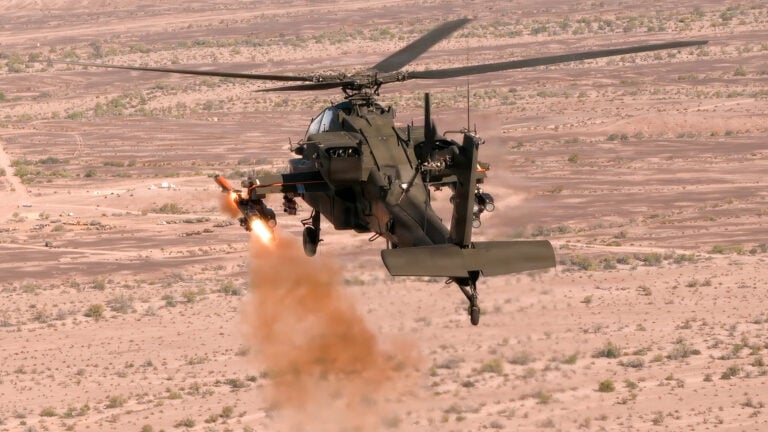
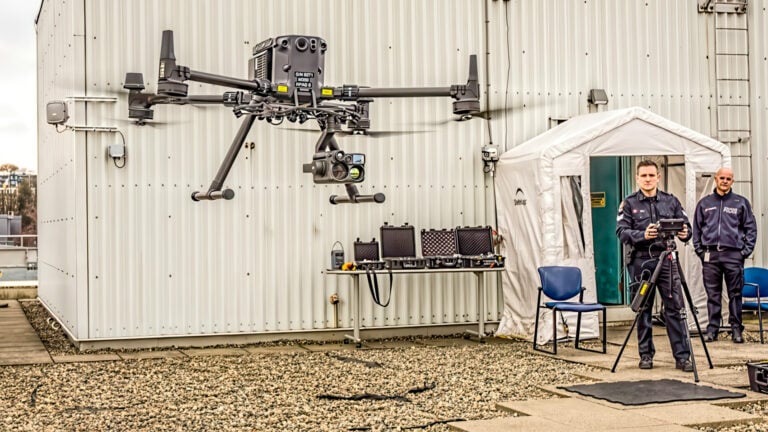
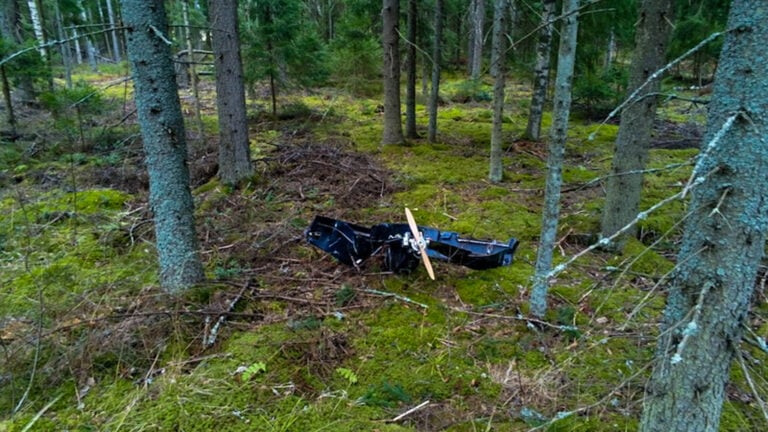
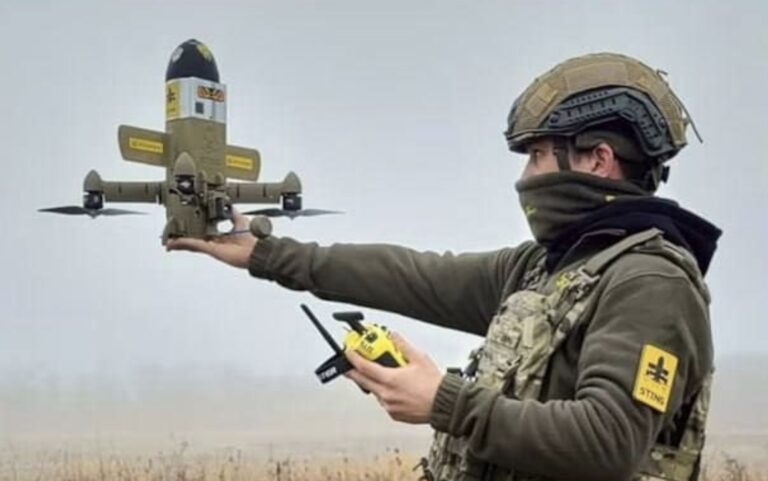
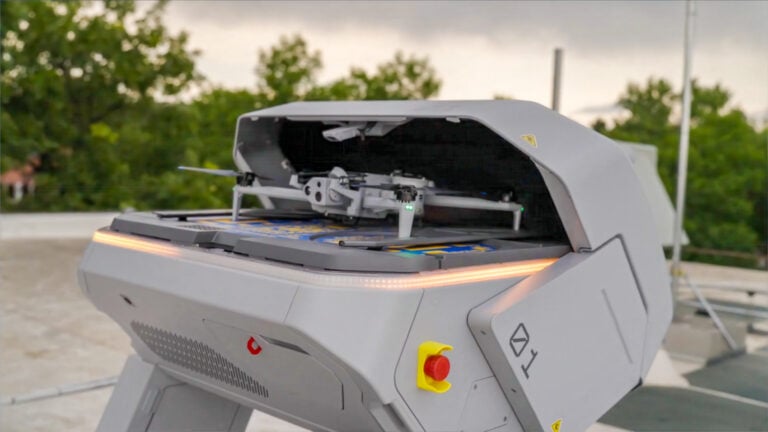
Photo credit: Droneshield
Amusement parks like Disney, Sea World, Universal Studios and the like are explicitly included as fixed-site beneficiaries alongside stadiums and critical infrastructure.
The law doesn’t hand that power to just anyone. Only individual officers who complete DOJ-approved training and certification may exercise counter-UAS mitigation authority. One trained officer does not grant authority to an entire agency.
Every mitigation action requires reporting within 48 hours, and agencies may only use systems that appear on a jointly maintained federal list of authorized technologies, developed by DOJ, DHS, DoD, DOT, the FCC, and NTIA.
Why Parks Needed This
Before this law, amusement parks were legally defenseless against drone incursions. The FAA treats drones as regulated aircraft, so taking one down without federal authorization was itself illegal. Only a handful of federal agencies had that authority, and they weren’t staffing theme parks on a typical Tuesday.
The scale of the problem made the gap embarrassing. The NFL reported 2,845 unauthorized drone incursions over stadiums in 2023 alone. Disney parks face similar exposure. Their environment makes it worse: open-air, high-density, with moving rides and pyrotechnics operating near large crowds.

Keith Stephenson, director of public affairs for North America at the International Association of Amusement Parks and Attractions, described amusement parks as places where “a drone collision or falling device over a high-density guest area” creates a foreseeable and avoidable risk of injury. That’s something that Disney doesn’t like at all.
The political pressure accelerated. As the United States prepares to host the FIFA World Cup and nationwide events commemorating the 250th anniversary of the Declaration of Independence, Congress moved faster than it had in years on counter-drone legislation.
The Other Side of the Equation
Parks don’t just want to shut drones out. They want to fly their own. FAA-compliant drone light shows are a growing part of the guest experience, and parks also rely on authorized drone flights for maintenance, inspection, and media operations.

Photo credit: Disney
That dual need shapes how IAAPA approached the legislation. The industry’s ask wasn’t a blanket ban on drones over parks. It was a framework that blocks unauthorized incursions while preserving clearly sanctioned operations. Stephenson described the objective plainly: not to ban drones outright, but to deter unauthorized flights while maintaining compliant, safety-managed programs run by the parks themselves.
The Safer Skies Act handles the enforcement side. It does not resolve the airspace designation side, and that distinction matters.
The Bigger Fight Is Still Ahead
The second key step will come through the FAA’s upcoming rulemaking under Section 2209, which will determine how fixed-site amusement parks can petition the FAA to restrict unauthorized drone operations in their airspace.
Section 2209 goes back to the FAA Extension, Safety, and Security Act of 2016. Congress directed the FAA to create a petition process allowing fixed-site facilities to seek permanent airspace restrictions. The FAA missed its own deadlines repeatedly. The Trump administration moved the rule forward in May 2025 alongside the BVLOS rulemaking, but a proposed rule has not yet been published.
The difference between Section 2209 and the Safer Skies Act is the difference between permanent and reactive. Counter-drone authority that depends on trained officers being present and responding in real time is useful. Permanent, automatic airspace restrictions are better. That requires the FAA.
IAAPA has encouraged the agency to adopt objective, risk-based criteria when evaluating petitions rather than relying solely on attendance thresholds. Factors such as permanence of operations, public access, outdoor crowd density, operational hazards, and clearly defined property boundaries should all be considered. The group is waiting on the proposed rule and plans to submit formal comments once it publishes.
Representative Eric Burlison introduced H.R. 7525 in February 2026 to make the SLTT counter-drone authority permanent, signaling that the Safer Skies Act’s provisions may still need additional legislative reinforcement to survive future authorization cycles.
DroneXL’s Take
Here’s the honest part: the Safer Skies Act is a real win, but it’s a reactive one. It solves the “someone is flying over Disney World Space Mountain right now” problem. It does not solve the “we need reliable, automatic airspace protection” problem.
Those are two different problems, and parks have needed both answered for a long time.
The FAA has been sitting on Section 2209 since 2016. That’s not a delay. That’s a decade of regulatory failure while the drone industry grew up around it and created exactly the kind of chaos the rule was supposed to prevent.
The Safer Skies Act exists in part because Congress stopped waiting for the FAA to act. The Section 2209 rulemaking needs to clear the same bar, and it needs to do it before the next major incident forces the issue.
Photo credit: Droneshield, Ondas, Disney.
Discover more from DroneXL.co
Subscribe to get the latest posts sent to your email.
Check out our Classic Line of T-Shirts, Polos, Hoodies and more in our new store today!

MAKE YOUR VOICE HEARD
Proposed legislation threatens your ability to use drones for fun, work, and safety. The Drone Advocacy Alliance is fighting to ensure your voice is heard in these critical policy discussions.Join us and tell your elected officials to protect your right to fly.

Get your Part 107 Certificate
Pass the Part 107 test and take to the skies with the Pilot Institute. We have helped thousands of people become airplane and commercial drone pilots. Our courses are designed by industry experts to help you pass FAA tests and achieve your dreams.

Copyright © DroneXL.co 2026. All rights reserved. The content, images, and intellectual property on this website are protected by copyright law. Reproduction or distribution of any material without prior written permission from DroneXL.co is strictly prohibited. For permissions and inquiries, please contact us first. DroneXL.co is a proud partner of the Drone Advocacy Alliance. Be sure to check out DroneXL's sister site, EVXL.co, for all the latest news on electric vehicles.
FTC: DroneXL.co is an Amazon Associate and uses affiliate links that can generate income from qualifying purchases. We do not sell, share, rent out, or spam your email.