South Korea’s Lee Becomes First President to Express Regret to North Korea Over Civilian Drone Incursions
Check out the Best Deals on Amazon for DJI Drones today!
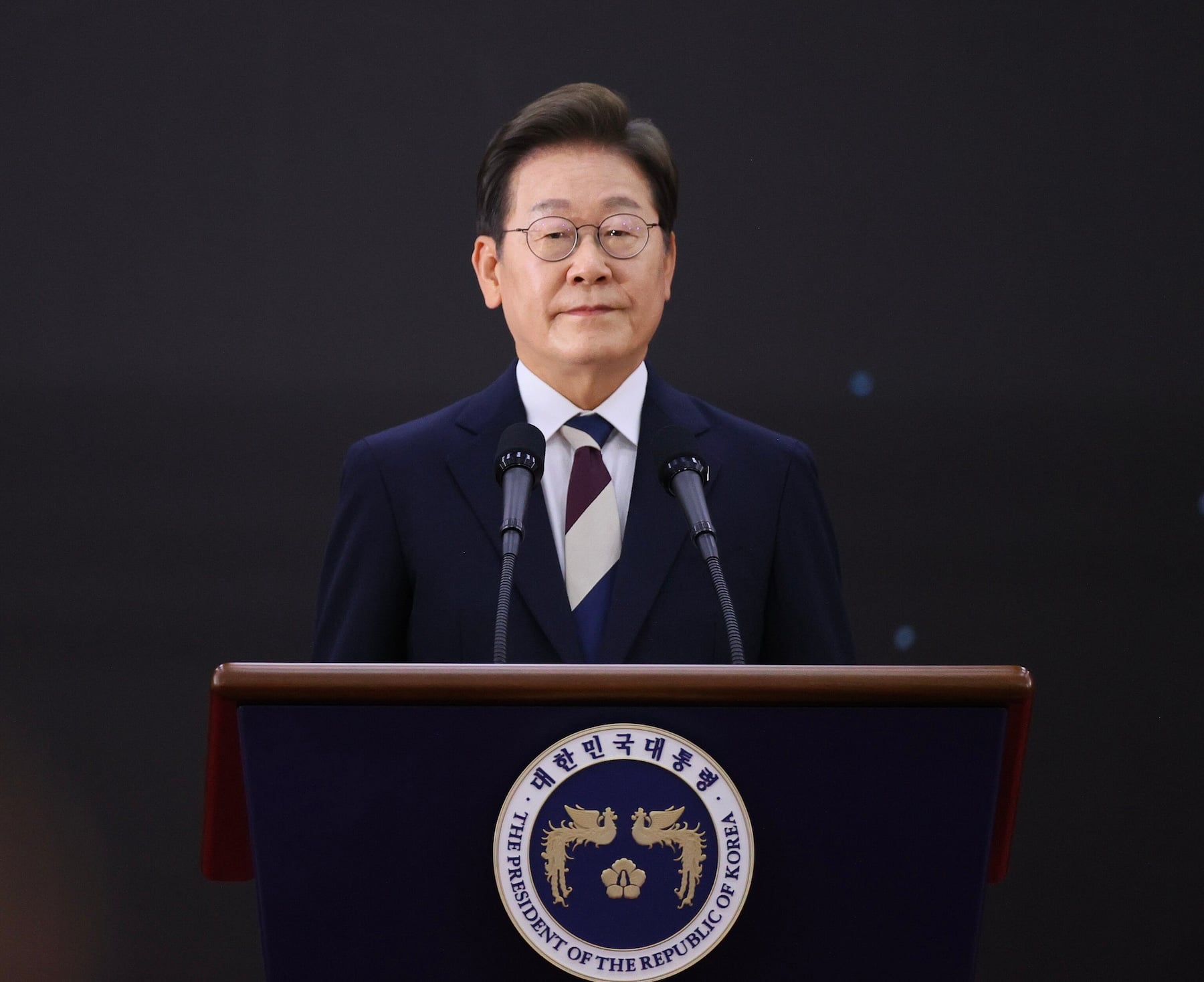
South Korean President Lee Jae Myung became the first sitting South Korean president to directly express regret to Pyongyang over drone border violations on Monday, April 6, after a government investigation confirmed that a National Intelligence Service (NIS) employee and two active-duty military officers had assisted a civilian in flying drones into North Korean airspace. The statement, delivered at a cabinet meeting in Seoul, came three months after North Korea claimed its forces shot down a drone near the border city of Kaesong on January 4, 2026. Reuters first reported both Lee’s statement and Pyongyang’s response. North Korea’s reply came within hours. Kim Yo Jong, the influential sister of leader Kim Jong Un, issued a statement through state media outlet KCNA calling Lee’s remarks “very fortunate and wise,” a remarkably warm reception from a government that only two months ago threatened a “terrible response” to further incursions.
How Civilian Drone Flights Became a Presidential Crisis
The chain of events stretches back to at least September 2025, when North Korea first accused Seoul of sending drones across the border. A second incident on January 4, 2026 drew wider attention after Pyongyang released photographs of drone wreckage it claimed to have downed using electronic warfare assets near Kaesong. The wreckage, showing civilian-grade components and cameras, closely matched commercially available drone models rather than military hardware, an observation that Seoul’s Defense Minister Ahn Gyu-back used to initially distance the government from the flights.
Seoul ordered a joint military-police investigation. What it found complicated the “rogue civilians” explanation. On March 25, prosecutors at the Seoul Central District Court indicted a graduate student surnamed Oh for violating the Aviation Safety Act. Six days later, on March 31, the joint task force referred an NIS employee and two active-duty military officers to prosecutors for allegedly helping Oh conduct the drone operations between September 2025 and January 2026. As DroneXL reported in January, the investigation quickly raised uncomfortable questions about where civilian freelancing ended and state complicity began.
This wasn’t the first time South Korean intelligence and military personnel had been implicated in unauthorized cross-border drone operations. In July 2025, DroneXL covered the suspension of Major General Kim Yong-dae, head of South Korea’s Drone Operations Command, over allegations that he dispatched military drones to North Korea on direct orders from then-President Yoon Suk Yeol as part of Yoon’s preparations for the December 2024 martial law attempt. That episode, involving covert state-level drone operations, set the political backdrop against which Lee’s administration had to handle a nominally civilian incident with government fingerprints on it.
Lee Calls the Flights an Act of Revolt Against His Own Country
Speaking at the cabinet meeting, Lee described the drone operators’ actions as a violation of South Korea’s constitution, which prohibits private acts of provocation against North Korea, and called the flights an act of “revolt” against their own government’s policy. “Although it was not our government’s intention, we express our regret to the North over the fact that unnecessary military tensions were caused by the irresponsible and reckless actions of some individuals,” Lee said. He also addressed residents in South Korean border areas, acknowledging the anxiety the incidents had caused, and ordered relevant ministries to revise regulations and take swift action to prevent recurrences.
This was the first time Lee himself had made such a direct statement to Pyongyang. In February, Unification Minister Chung Dong-young had expressed regret during a Catholic Mass, and Kim Yo Jong had called that gesture “quite sensible” but insufficient, demanding stronger preventive measures from Seoul. The progression from a cabinet minister’s remarks at a religious event to a presidential statement at a formal cabinet session is not a small diplomatic step.
Pyongyang Accepts the Gesture, With a Warning Attached
Kim Yo Jong’s April 6 KCNA statement went beyond simply receiving the expression of regret. She credited Kim Jong Un himself, saying the leader considered Lee’s remarks “a manifestation of a frank and broad-minded man’s attitude.” That framing, attributing the positive assessment directly to Kim Jong Un, signals that Pyongyang is treating Lee’s statement as a meaningful diplomatic signal rather than a formality to be filed away.
The warmth did not come without conditions. Kim Yo Jong’s February statement had already put a specific threat on record, warning that any recurrence would “provoke a terrible response” with counterattack plans “on the table.” Nothing in the April 6 response walked that back. Analysts have consistently read Kim Yo Jong’s statements on inter-Korean policy as reflecting her brother’s direct views. When she called the Unification Minister’s remark “sensible” in February, it opened a door. Calling the president’s statement “wise” in April opens it wider.
DroneXL’s Take
The Korean drone story has been running for over a year and a half, from North Korea’s accusations in October 2024 through the wreckage photos in January 2026 and the military commander suspensions last summer. What makes today’s development different is that it converts a security and legal proceeding into active diplomacy. Drone border violations, committed by a mix of civilians and officials with apparent intelligence agency support, have become the instrument through which two governments are carefully re-establishing contact after years of deliberate hostility under Yoon.
The hardware angle is worth noting for anyone who follows drone technology. North Korea’s wreckage photos showed a small commercially assembled UAV, not a military system, flying a cross-border surveillance mission. Consumer drone platforms have lowered the barrier to unauthorized state-adjacent operations to the point where a graduate student and a handful of sympathetic intelligence officers can create a diplomatic incident requiring a presidential statement of regret. That’s the world U.S. and South Korean forces are now training to operate in on the Korean Peninsula.
By the end of 2026, expect at least one formal inter-Korean communication channel to reopen, with the drone incidents cited as the catalyst in whatever official framing both sides adopt. Lee has been signaling since taking office in June 2025 that he wants a path back to dialogue. Kim Yo Jong has now twice publicly called Seoul’s gestures “sensible” and “wise.” At some point the diplomatic vocabulary shifts from appreciation to negotiation.
DroneXL uses automated tools to support research and source retrieval. All reporting and editorial perspectives are by Haye Kesteloo.
Discover more from DroneXL.co
Subscribe to get the latest posts sent to your email.
Check out our Classic Line of T-Shirts, Polos, Hoodies and more in our new store today!

MAKE YOUR VOICE HEARD
Proposed legislation threatens your ability to use drones for fun, work, and safety. The Drone Advocacy Alliance is fighting to ensure your voice is heard in these critical policy discussions.Join us and tell your elected officials to protect your right to fly.

Get your Part 107 Certificate
Pass the Part 107 test and take to the skies with the Pilot Institute. We have helped thousands of people become airplane and commercial drone pilots. Our courses are designed by industry experts to help you pass FAA tests and achieve your dreams.

Copyright © DroneXL.co 2026. All rights reserved. The content, images, and intellectual property on this website are protected by copyright law. Reproduction or distribution of any material without prior written permission from DroneXL.co is strictly prohibited. For permissions and inquiries, please contact us first. DroneXL.co is a proud partner of the Drone Advocacy Alliance. Be sure to check out DroneXL's sister site, EVXL.co, for all the latest news on electric vehicles.
FTC: DroneXL.co is an Amazon Associate and uses affiliate links that can generate income from qualifying purchases. We do not sell, share, rent out, or spam your email.