General Cherry and Orqa Sign MoU to Build Counter-Drone Systems on European Soil
Check out the Best Deals on Amazon for DJI Drones today!
Ukraine’s General Cherry and Croatian drone manufacturer Orqa have signed a memorandum of cooperation to jointly develop and manufacture interceptor drones and counter-drone systems in Europe, according to Unmanned Airspace. The agreement pairs General Cherry’s three years of live C-UAS combat knowledge with Orqa’s established production infrastructure in Croatia. Joint manufacturing facilities are already being set up in both Croatia and Ukraine. The deal is structured specifically so that European production does not draw down Ukraine’s own interceptor supply — a constraint that has complicated every Ukrainian defense export discussion since the Shahed threat intensified in 2024.
General Cherry’s Combat Record Is the Product
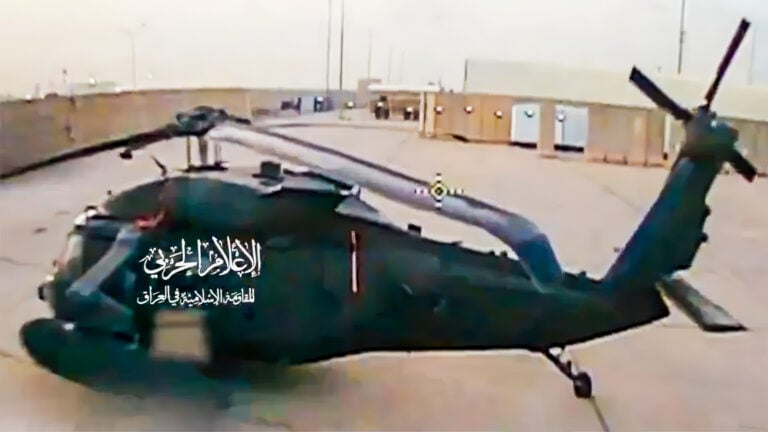
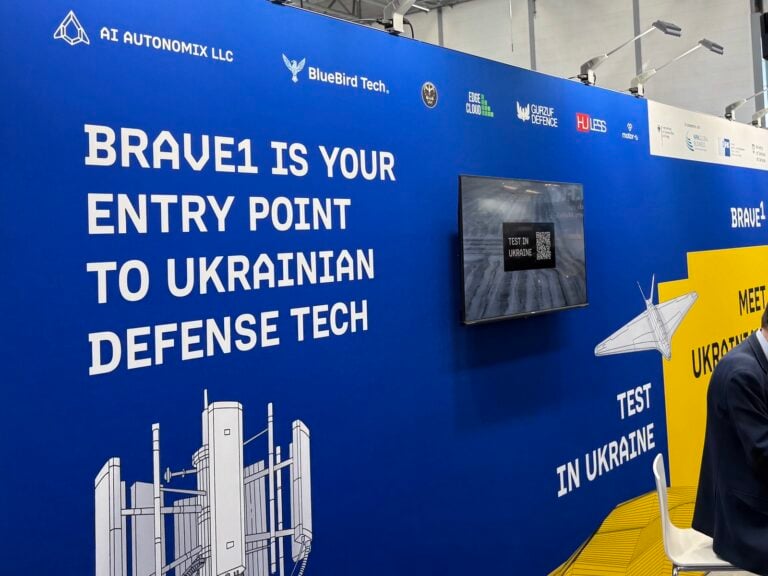
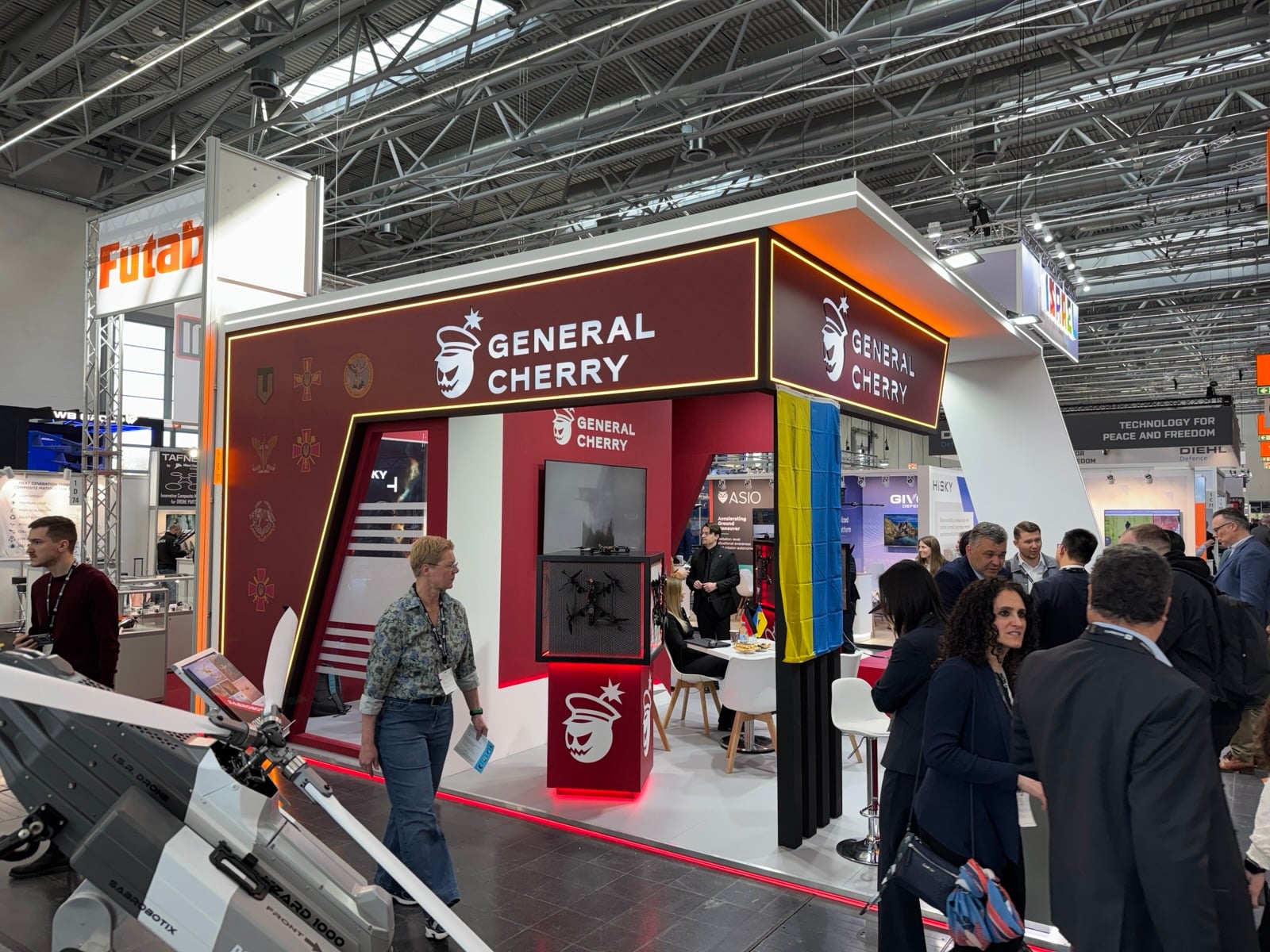
General Cherry is not a legacy defense contractor. The company, co-founded by Yaroslav Hryshyn and Stanislav Hryshyn, did not exist as a defense manufacturer before Russia’s full-scale invasion. It built four distinct interceptor platforms from scratch in under 18 months, all codified by Ukraine’s Ministry of Defense and listed on the Brave1 defense procurement marketplace. As I reported from the company’s booth at XPONENTIAL Europe 2026 in Düsseldorf — the largest standalone Ukrainian stand on the floor — General Cherry’s product stack covers everything from Mavic-class reconnaissance quads to Shahed-136 attack drones. Four days before that show opened, one of its OPTIX fiber-optic FPV drones had shot down a Russian Ka-52 attack helicopter worth $16 million.
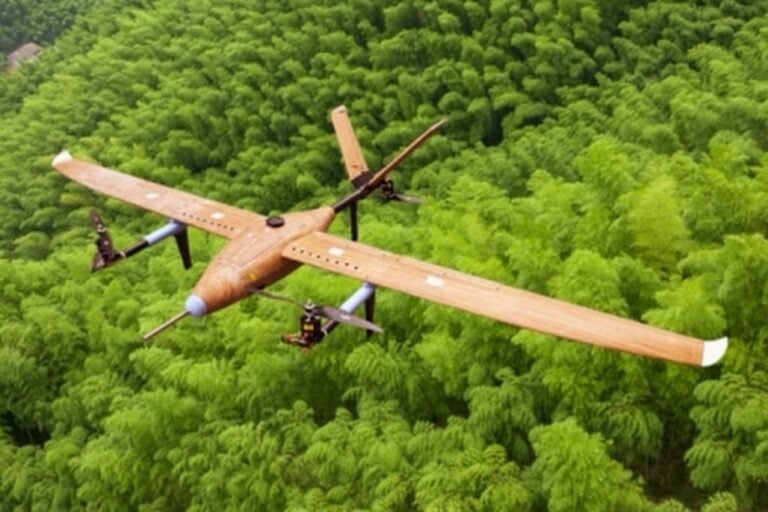
The flagship export product is the Bullet: a fixed-wing VTOL interceptor that reaches 309 km/h in testing, carries a 0.4–0.8 kg warhead depending on variant, has a tactical range of 17–20 km, and costs around $2,100 per unit. The airframe is 3D-printable by design, which keeps unit costs down and allows distributed production — exactly the kind of manufacturing model that a partner like Orqa, with an existing Croatian production line, can replicate quickly.
Orqa’s Production Capacity Is the Other Half of the Equation
Orqa already has the infrastructure to produce at scale. The Croatian company expanded its facility in Osijek in late 2025 to a stated capacity of 280,000 National Defense Authorization Act (NDAA)-compliant drones per year, with all core electronics and mechanical components built in-house. When we covered that expansion, Orqa was positioning itself primarily as a Pentagon supplier, targeting U.S. programs like the Drone Dominance initiative. This new MoU with General Cherry adds a second strategic direction: European C-UAS production, built on Ukrainian battlefield expertise.
Orqa has been deliberately building a decentralized international manufacturing network. The General Cherry partnership fits that pattern: a trusted partner in a conflict-adjacent country, producing systems designed to the same security standards used at the Croatian plant. The fact that Orqa uses no Chinese components matters here. General Cherry has been actively reducing its own dependence on Chinese supply chains, and a Croatian production partner with full in-house component manufacturing removes a supply chain vulnerability that has complicated other Ukrainian drone export deals.
The Export Constraint This Partnership Is Designed to Solve
Ukraine’s interceptor drones are in demand everywhere. The Pentagon and Gulf states have been pursuing Ukrainian interceptor platforms as Patriot missile stocks run low and the cost asymmetry becomes impossible to ignore: a $2,500 Sting or Bullet versus a $13.5 million Patriot PAC-3 interceptor. Zelenskyy said Ukraine could produce 2,000 interceptor drones per day with adequate funding. But the political and logistical ceiling is real: every interceptor exported is one fewer available for Ukraine’s own air defense against Russian Shaheds.
The General Cherry and Orqa structure sidesteps that constraint by moving production to European soil. Croatian-built interceptors using General Cherry’s designs and technical know-how do not come out of Ukraine’s front-line allocation. European buyers get a verified, combat-proven system. Ukraine gets a revenue stream and expands its defense industrial footprint without weakening its own coverage. Germany’s recent funding of 15,000 STRILA interceptor drones for Ukraine’s National Guard shows NATO members are already writing checks for Ukrainian-designed C-UAS systems. This MoU positions General Cherry to fill that demand at European manufacturing speed.
The timing also fits directly into the broader NATO-Ukraine procurement architecture. NATO and Ukraine launched the UNITE-Brave portal on March 25, 2026, a €10 million joint innovation competition targeting C-UAS and air defense — and restricted to joint Allied-Ukrainian bids, with solo submissions from either side disqualified. A General Cherry and Orqa partnership, pairing a Ukrainian developer with an EU-based manufacturer, is structurally exactly what that competition was designed to incentivize.
DroneXL’s Take
I was at XPONENTIAL Europe in Düsseldorf when General Cherry’s booth was drawing a steady crowd of NATO procurement officials and European defense attachés. The pitch was always the same: here is what we built under fire, here is what it costs, here is what it killed. The Ka-52 shootdown four days before the show opened did more for the sales conversation than any datasheet could.
The Orqa partnership is the logical next move. General Cherry has the doctrine, the combat data, and the designs. Orqa has the factory, the NDAA compliance paperwork, and the Western procurement relationships. Neither company alone can close the gap between “Ukraine knows how to do this” and “Europe can buy this at scale without waiting for Kyiv’s export approval.” Together, they can.
The broader pattern here is one I’ve been watching since Ukrainian interceptor drones were still a novelty: Ukrainian defense companies are no longer just suppliers to their own military. They are building a permanent industrial presence in allied countries, and they are doing it fast. The map of Ukrainian drone production is spreading west, with co-development agreements and licensed manufacturing deals replacing the earlier model of direct export.
At least two additional European manufacturers will sign similar MoUs with Ukrainian C-UAS developers before the end of 2026 — assuming the war continues at its current intensity. The UNITE-Brave portal created the procurement incentive. The General Cherry and Orqa deal just showed everyone else the template.
DroneXL uses automated tools to support research and source retrieval. All reporting and editorial perspectives are by Haye Kesteloo.
Discover more from DroneXL.co
Subscribe to get the latest posts sent to your email.
Check out our Classic Line of T-Shirts, Polos, Hoodies and more in our new store today!

MAKE YOUR VOICE HEARD
Proposed legislation threatens your ability to use drones for fun, work, and safety. The Drone Advocacy Alliance is fighting to ensure your voice is heard in these critical policy discussions.Join us and tell your elected officials to protect your right to fly.

Get your Part 107 Certificate
Pass the Part 107 test and take to the skies with the Pilot Institute. We have helped thousands of people become airplane and commercial drone pilots. Our courses are designed by industry experts to help you pass FAA tests and achieve your dreams.

Copyright © DroneXL.co 2026. All rights reserved. The content, images, and intellectual property on this website are protected by copyright law. Reproduction or distribution of any material without prior written permission from DroneXL.co is strictly prohibited. For permissions and inquiries, please contact us first. DroneXL.co is a proud partner of the Drone Advocacy Alliance. Be sure to check out DroneXL's sister site, EVXL.co, for all the latest news on electric vehicles.
FTC: DroneXL.co is an Amazon Associate and uses affiliate links that can generate income from qualifying purchases. We do not sell, share, rent out, or spam your email.