Honeywell Puts Counter-Drone AI on a Long-Range VTOL
Check out the Best Deals on Amazon for DJI Drones today!
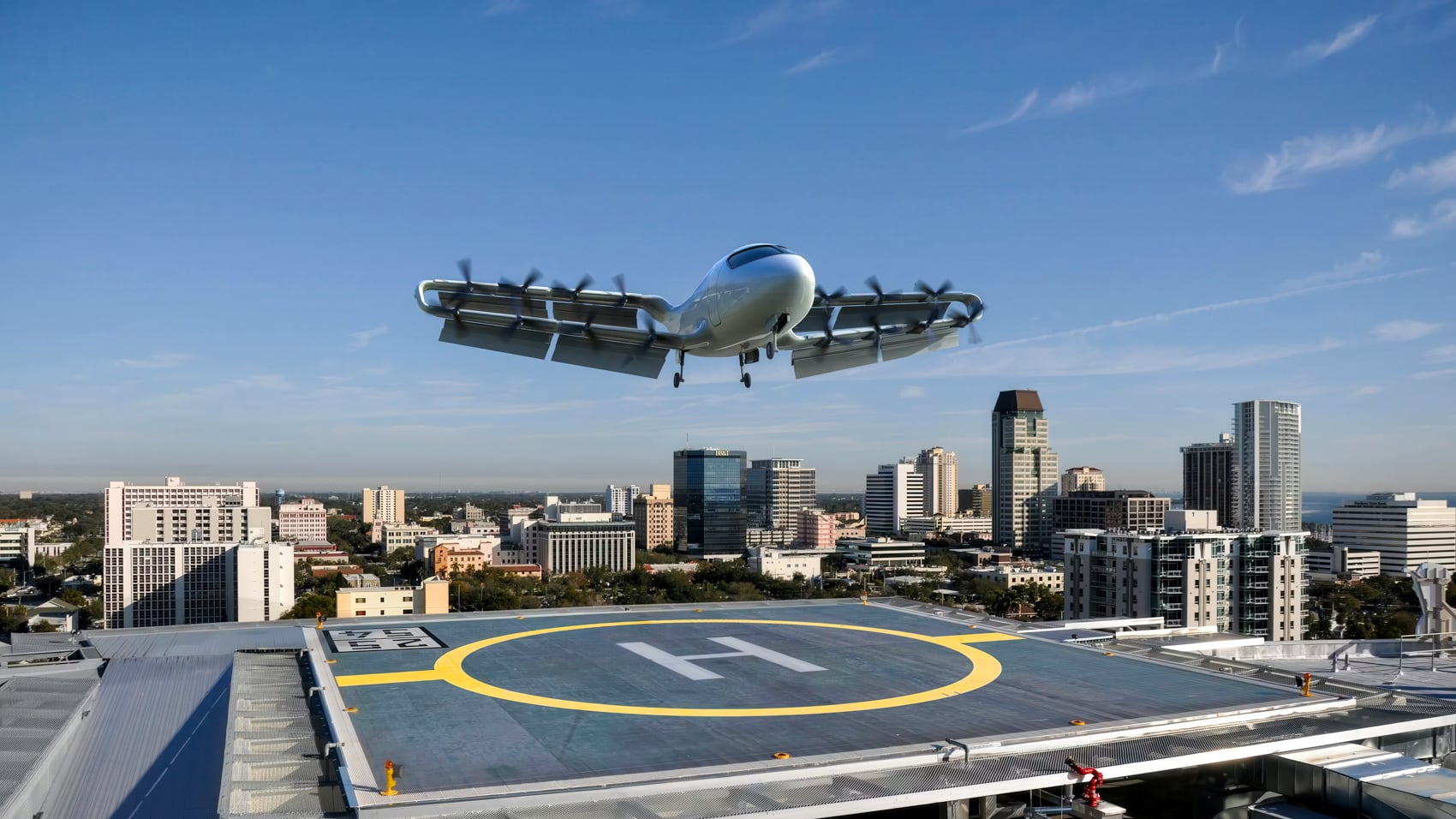
Honeywell Aerospace and California-based Odys Aviation have announced a collaboration to mount Honeywell’s SAMURAI counter-drone system on the Laila, a hybrid-electric VTOL aircraft built for long-range, runway-independent operations, as reported by UAS Weekly.
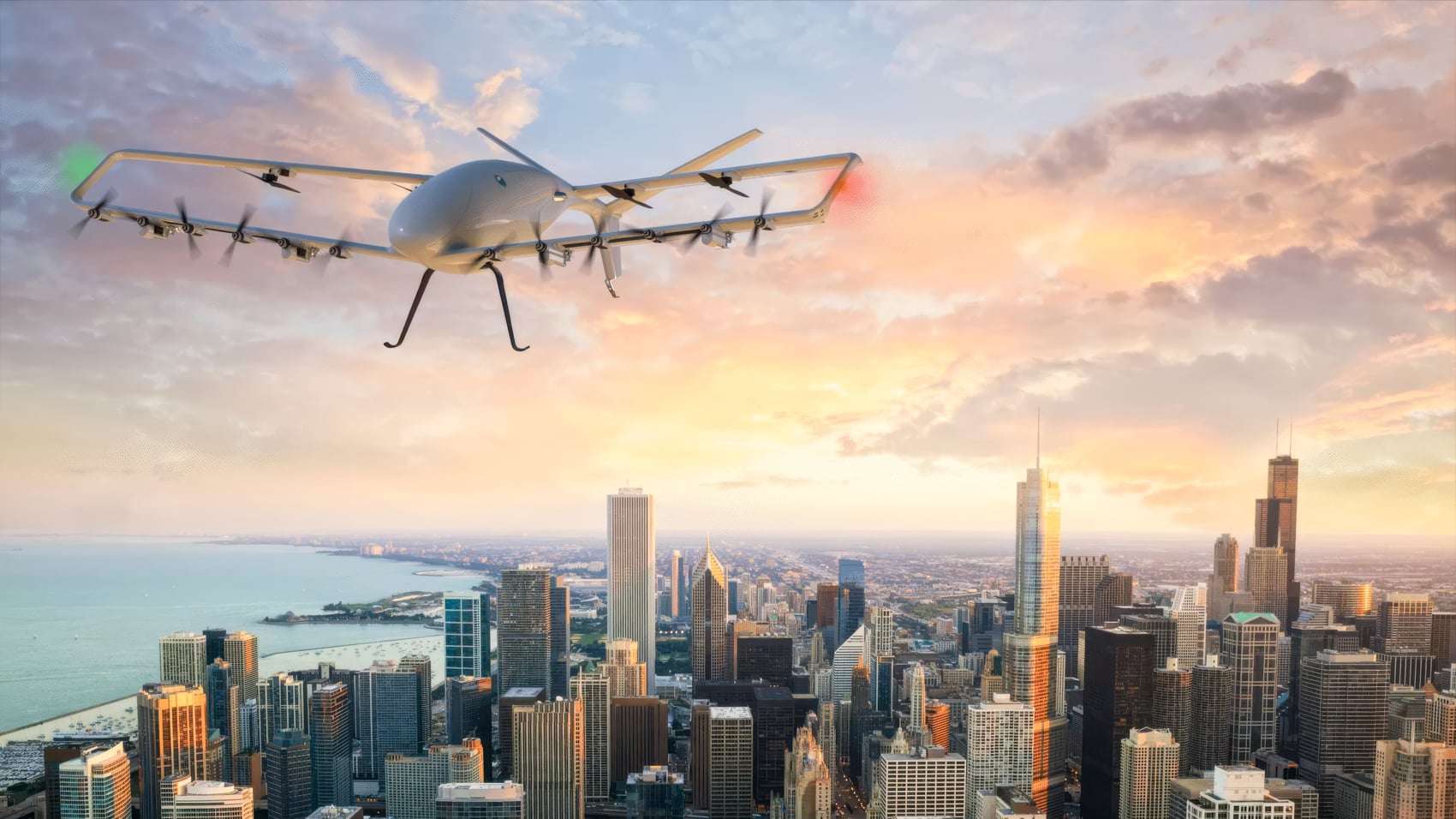
The combined platform is designed to hunt hostile drones from the air before they reach critical infrastructure.
What SAMURAI Actually Does
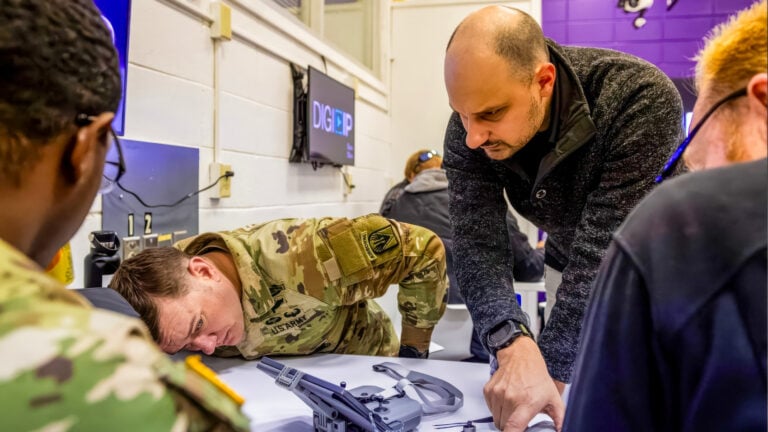
SAMURAI stands for Stationary and Mobile UAS Reveal and Intercept. Honeywell originally developed the system to protect U.S. Air Force convoys carrying sensitive assets, and it first demonstrated the technology in September 2024 during tests for U.S. military operators.
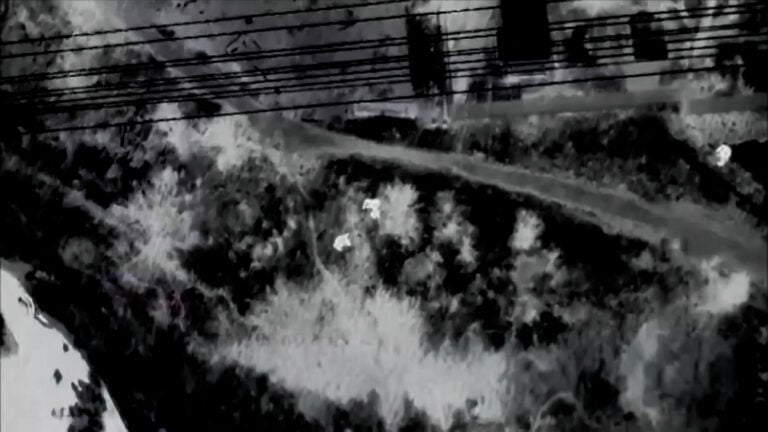
The system works as a battle management layer. It fuses inputs from radio-frequency sensors, radar, and electro-optical and infrared trackers into a single operator picture, then uses AI to distinguish real drone threats from environmental clutter.
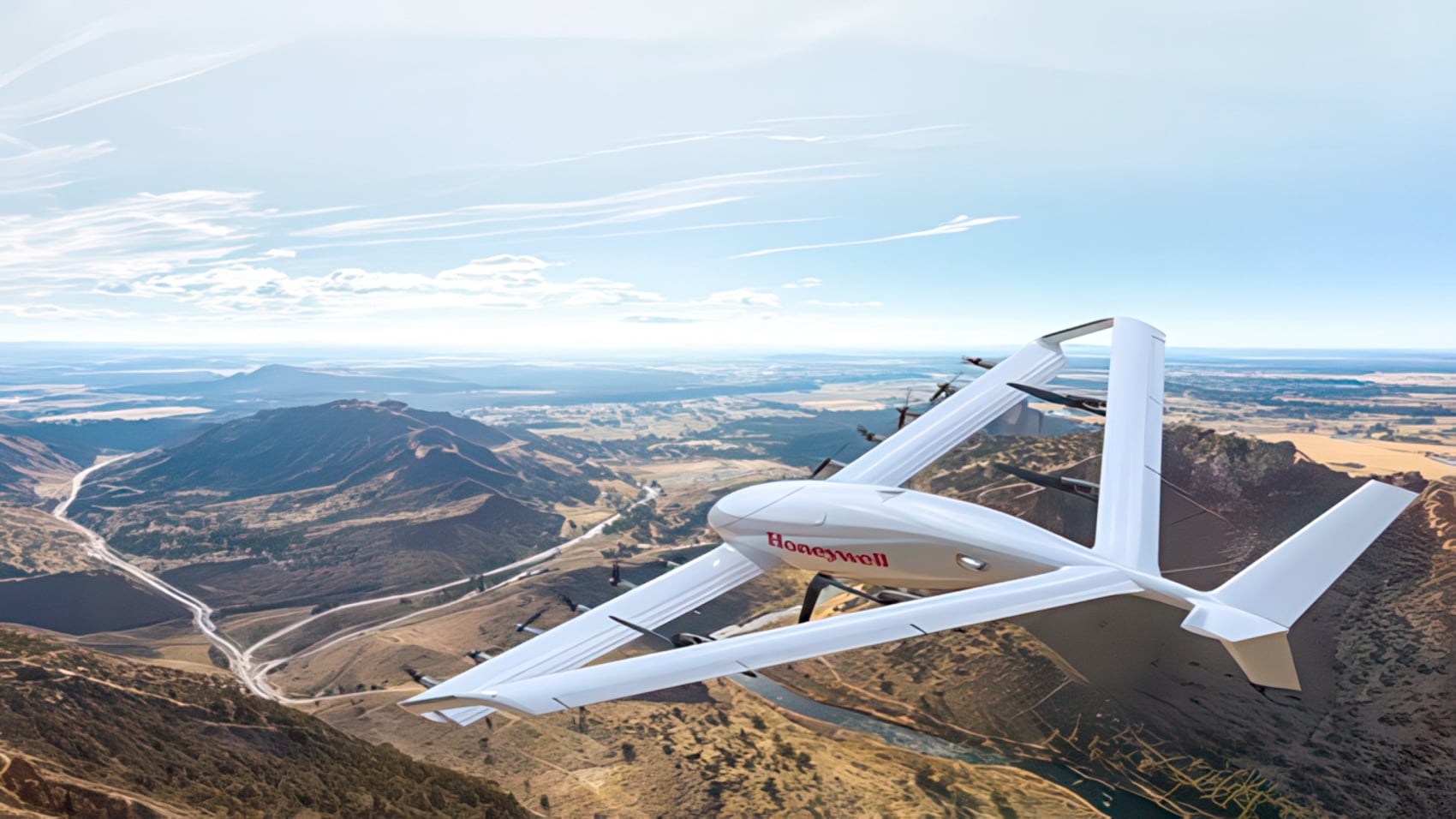
When it identifies a threat, operators can deploy soft-kill countermeasures like jammers or hard-kill options including kinetic interceptors. SAMURAI can also incorporate interceptor drones to respond to coordinated swarms.
The system is modular by design. Honeywell built it using Model-Based Systems Engineering and aligned it with Modular Open Systems Approach standards, meaning operators can swap in different sensors and effectors without rebuilding the entire architecture.
Components come from defense suppliers including BlueHalo, Leonardo DRS, Pierce Aerospace, Silent Sentinel, Walaris, Rocky Research, and Versatol.
Until now, SAMURAI has operated from ground vehicles and aerostats positioned above 1,000 feet. Mounting it on the Laila VTOL is the first time the system will fly on an uncrewed aircraft.
The Laila VTOL Platform
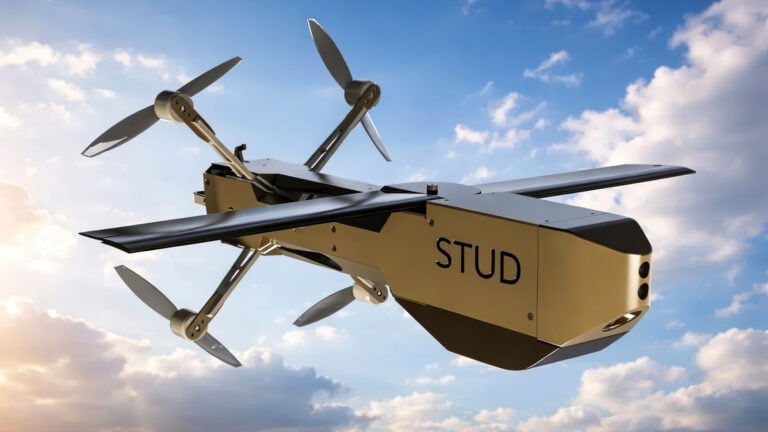
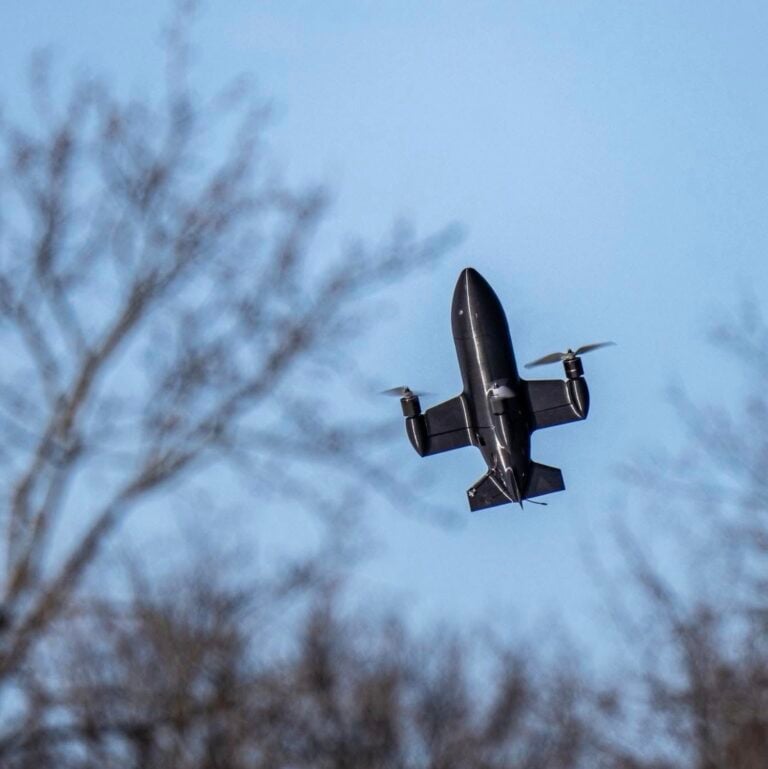
The Laila is a long-range uncrewed aerial vehicle built by Odys Aviation in Long Beach, California. It features a 22-foot wingspan and a 100 kW turbogenerator that powers both its propulsion system and onboard payloads.
The aircraft’s hybrid propulsion system runs on Jet A, Jet A-1, and JP-8 fuels, giving it up to eight hours of endurance and a range of 450 miles at a cruise speed of 125 mph. It can carry payloads up to 130 lbs.
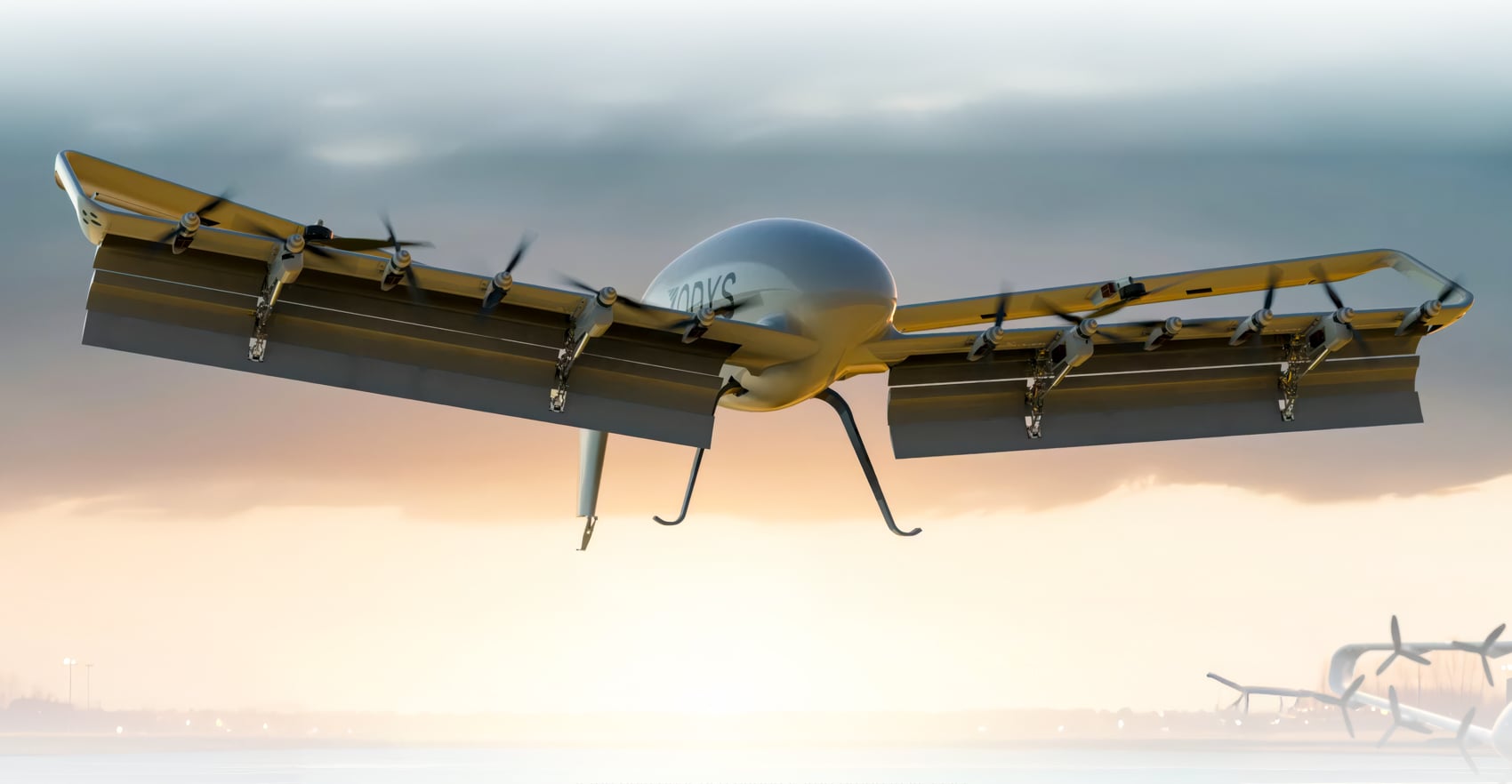
The Laila doesn’t need runways, charging stations, or any fixed infrastructure to operate. That makes it deployable to remote, offshore, and expeditionary locations where traditional drone defense isn’t practical.
One design choice sets the Laila apart from most VTOL aircraft in its class. Instead of tilt rotors, Odys uses flap-based thrust vectoring to direct rotor thrust downward for vertical lift. The company says this reduces mechanical complexity and improves certifiability compared to conventional tilt-rotor designs.
Odys has already completed full-scale prototype flight testing, including transition flights between vertical takeoff and wingborne cruise. The pre-production prototype is currently set for U.S. flight testing before traveling to Oman for a comprehensive customer evaluation program.
The company has secured over $9 billion in letters of intent and pre-orders and holds a Phase II contract from the U.S. Department of Defense.
Why This Combination Matters for Defense
The Laila-SAMURAI system occupies a gap in existing defense architecture. Ground-based counter-drone sensors work well within line of sight, but they can’t cover the vast distances required to protect distributed infrastructure like refineries, pipelines, and offshore oil platforms.
Missile defense systems can handle larger threats, but they’re wildly expensive for use against small consumer-grade drones.
The economics of drone defense have become impossible to ignore. Traditional interceptor missiles cost anywhere from $100,000 to $3.9 million per engagement. Even a Patriot PAC-3 round runs over $4 million, and the Navy expended over a billion dollars in weapons intercepting Houthi drones and missiles in recent operations.
Meanwhile, Iranian-made Shahed attack drones cost between $20,000 and $50,000 to produce. That math doesn’t work for sustained defense.
AI-enabled counter-drone systems are starting to bend the cost curve. Autonomous interceptor systems have demonstrated engagement costs between $10,000 and $15,000, and Ukraine’s domestically produced Sting interceptor drones are coming in between $2,000 and $4,000 per unit.
The FY2026 U.S. defense budget is estimated to allocate roughly $7.5 billion toward counter-UAS capabilities, and the Army recently awarded Anduril a $20 billion contract vehicle that consolidates counter-drone procurement.
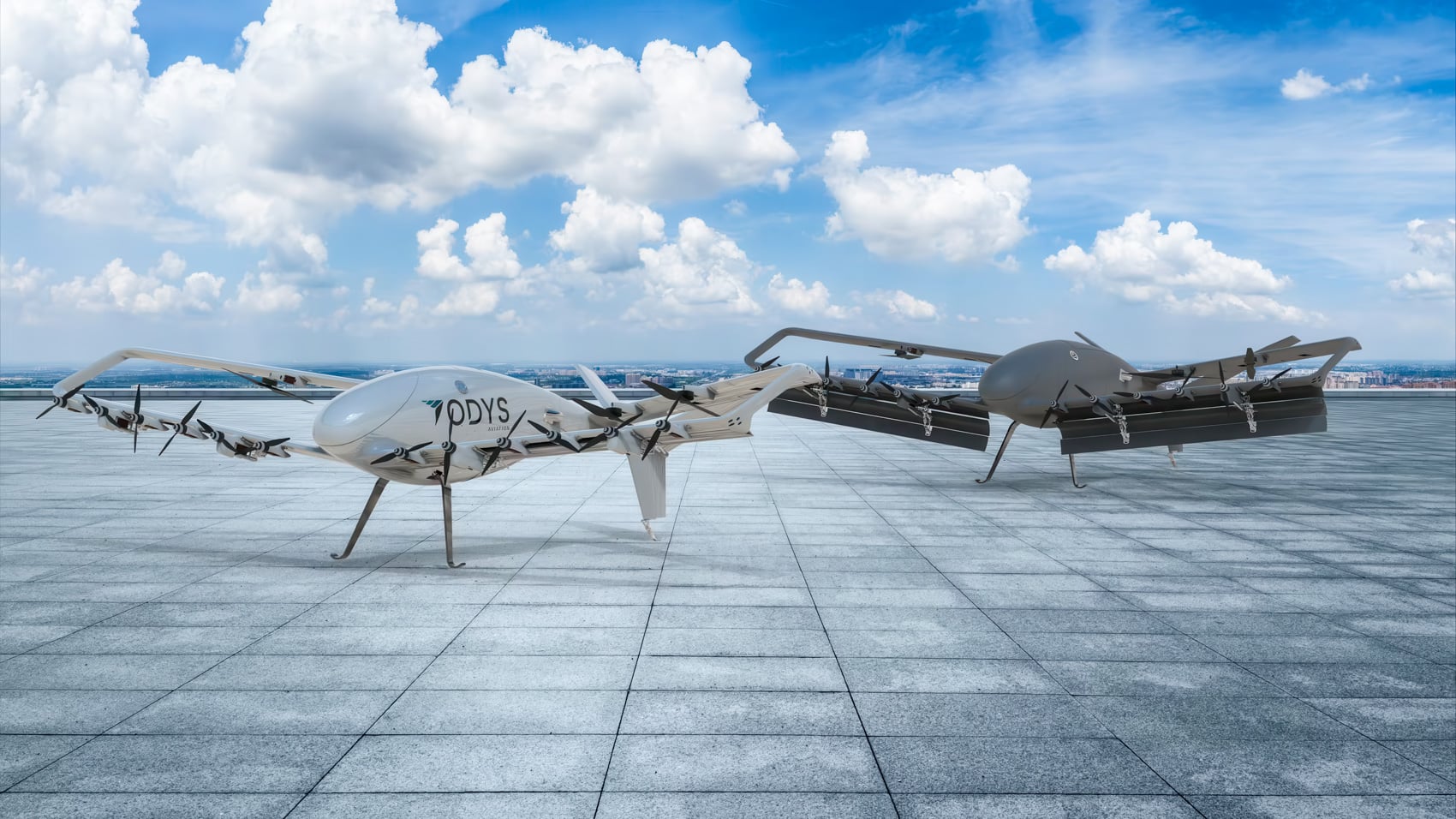
An airborne SAMURAI platform powered by a VTOL that can loiter for eight hours on standard military fuel slots neatly into that push. It extends the detection and engagement envelope far beyond what a ground station or aerostat can cover, without requiring the overhead of manned aircraft or the infrastructure demands of fixed installations.
DroneXL’s Take
Strip away the press release language, and this collaboration tells you something about where drone defense is actually heading. The ground-based sensor-and-jammer approach that defined the first wave of counter-drone tech isn’t going away, but it can’t scale to protect pipelines stretching across hundreds of miles or offshore platforms scattered across open water.
Putting SAMURAI on the Laila makes sense on paper. Eight hours of loiter time on military-standard fuel, 450 miles of range, and no runway or charging infrastructure needed. That’s a meaningful capability if the system works as advertised in contested environments and not just in controlled demonstrations.
The real question is integration. SAMURAI has been tested from vehicles and aerostats. Airborne deployment on an uncrewed platform introduces vibration, power management, communications, and autonomous decision-making challenges that ground-based systems don’t face.
Honeywell and Odys say they’ve spent over a year on joint development and systems integration. The Oman evaluation program should reveal whether that work holds up under operational conditions.
The broader trend is clear. Counter-drone defense is moving from static perimeters to mobile, layered, and increasingly autonomous systems.
This is one bet on how that future plays out. Whether the Laila-SAMURAI combination can compete with the likes of Anduril’s Lattice ecosystem or directed-energy systems still in development remains to be seen. But the need it’s trying to fill is real, and it’s growing faster than most defense budgets can keep up with.
Photo credit: Honeywell
Discover more from DroneXL.co
Subscribe to get the latest posts sent to your email.
Check out our Classic Line of T-Shirts, Polos, Hoodies and more in our new store today!

MAKE YOUR VOICE HEARD
Proposed legislation threatens your ability to use drones for fun, work, and safety. The Drone Advocacy Alliance is fighting to ensure your voice is heard in these critical policy discussions.Join us and tell your elected officials to protect your right to fly.

Get your Part 107 Certificate
Pass the Part 107 test and take to the skies with the Pilot Institute. We have helped thousands of people become airplane and commercial drone pilots. Our courses are designed by industry experts to help you pass FAA tests and achieve your dreams.

Copyright © DroneXL.co 2026. All rights reserved. The content, images, and intellectual property on this website are protected by copyright law. Reproduction or distribution of any material without prior written permission from DroneXL.co is strictly prohibited. For permissions and inquiries, please contact us first. DroneXL.co is a proud partner of the Drone Advocacy Alliance. Be sure to check out DroneXL's sister site, EVXL.co, for all the latest news on electric vehicles.
FTC: DroneXL.co is an Amazon Associate and uses affiliate links that can generate income from qualifying purchases. We do not sell, share, rent out, or spam your email.