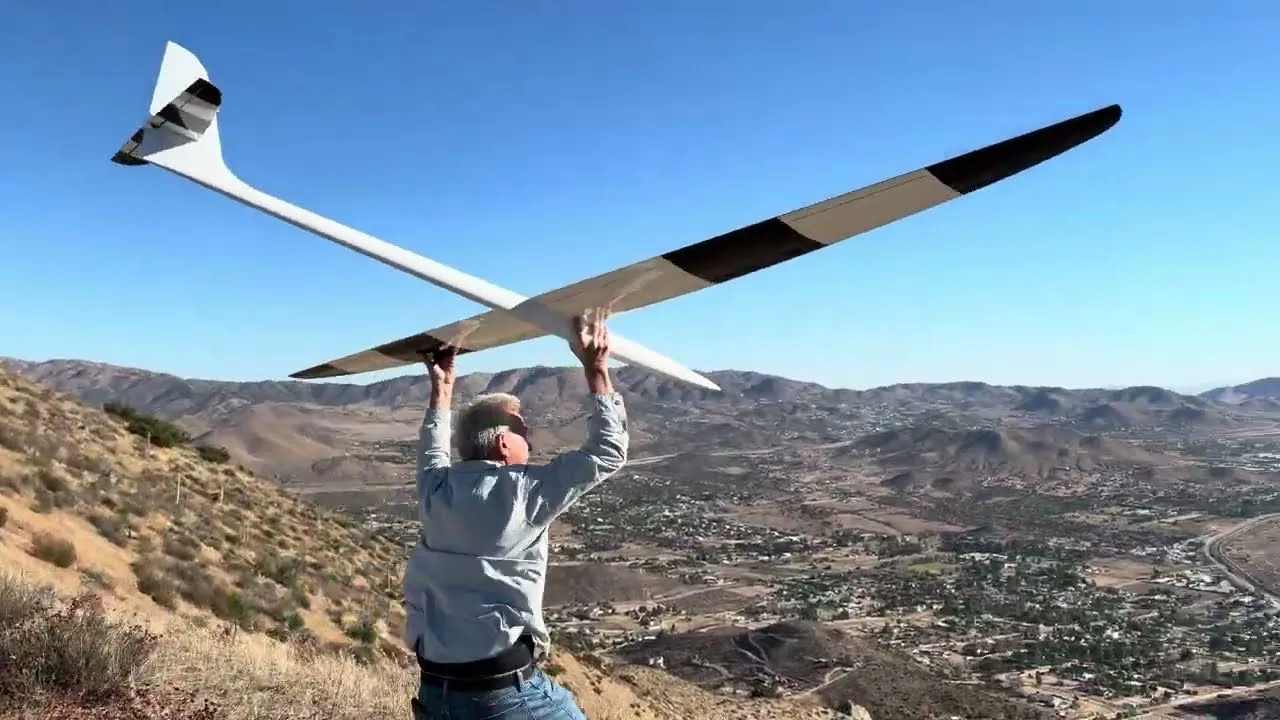
Quantum Systems says its Apex Recordhunter experimental aircraft reached 699 km/h, or 434 mph, during straight-and-level testing on June 26, a number that would put it above the long-standing electric aircraft benchmark and into a different class from the homebuilt FPV speed machines we usually write about. The catch is the one that matters most: the run is still unofficial until it clears FAI certification.
That qualifier is not a footnote. It is the story. Drone speed records have a habit of exploding across social media before anyone sorts out whether the number came from a downwind blast, a single pass, or a properly witnessed attempt. We covered that cycle in January when Luke Bell’s Peregreen V4 set the official Guinness quadcopter mark at 657.59 km/h, and again in February when Ben Biggs pushed his Blackbird to an unofficial 690 km/h. Quantum Systems is now chasing a bigger headline than either of those: the fastest battery-electric flying object, not just the fastest quadcopter.
Quantum Systems is chasing an aircraft record, not a hobby-drone headline
The company’s own source material, identified through a Quantum Systems news post cited by Notebookcheck, frames Apex as a one-year technology demonstrator built by the company’s N3XT team in Germany. According to that source trail, the aircraft hit 699 km/h in straight and level flight on June 26 and now awaits formal certification. That matters because this is not being pitched as a consumer drone or even as a record-only stunt build. Quantum Systems says the propulsion, aerodynamics, and flight-control work behind Apex is meant to feed future high-speed interceptor drones and other uncrewed military systems.
That also explains why this story surfaced on defense and tech sites rather than in the usual FPV speed-run circles. The military angle is not hidden. Quantum Systems and its Ukrainian partner WIY Drones are pairing the German record attempt with two Ukraine-based speed pushes: one for a Strila interceptor carrying a 0.5 kg payload, and another for an anti-aircraft-class interceptor called Spys. Speed here is not just bragging rights. It is reaction time, intercept reach, and a better chance of catching fast inbound threats before they hit something worth protecting.
The 699 km/h claim sits in a messy but familiar speed-record landscape
This is where the story needs sorting out. In the quadcopter world, the cleanest official number on the board is still Bell’s 657.59 km/h Guinness run from Cape Town. In the unofficial world, Biggs went to 690 km/h, and later claims around the Blackbird platform pushed even higher depending on run conditions and how the attempt was measured. Quantum Systems is trying to step outside that fight by aiming at the broader battery-electric aircraft category.
Notebookcheck, which linked directly to the company’s source page, notes that the current electric-aircraft benchmark has been held by the Rolls-Royce Spirit of Innovation at 555.9 km/h. If Quantum Systems gets Apex certified at 699 km/h, it would not just edge past that mark. It would blow through it by more than 140 km/h. That is why the certification step matters so much. Without it, this sits in the same bucket as every other eye-popping speed claim that sounds real, probably is real, but still does not own the record book.
The other point worth keeping straight is airframe type. Bell and Biggs were pushing multirotors built for absurd straight-line speed over a handful of passes. Apex, at least from the imagery and descriptions released so far, is a fixed-wing electric platform designed as a technology bridge into interceptor work. Same obsession with speed. Different mission, different shape, different engineering constraints.
Ukraine gives the project its real context
The most interesting part of this story is not the number itself. It is where Quantum Systems says the lessons are headed next. The company’s Ukrainian partner is preparing record attempts for interceptors that are meant to carry payload and deal with aerial threats, not just post a fast telemetry screenshot. That shifts the discussion from motors, cells, and aerodynamics into battlefield utility.
That also lines up with the way the war in Ukraine has changed drone development. Cheap attack drones forced defenders to think less about exquisite systems and more about speed, affordability, and how quickly an interceptor can get from launch to kill box. If Strila and Spys can turn this speed work into something repeatable with payload on board, the record-chasing starts to look less like marketing and more like prototype combat engineering.
DroneXL’s Take
I like this story a lot more when I read it as an interceptor-development story than as a “fastest drone ever” story. We have already seen what happens when record claims get flattened into one-line social posts. People compare unlike airframes, ignore certification rules, and end up arguing over a leaderboard that does not even use one rulebook.
What Quantum Systems appears to be doing is more interesting than that. It is using the theater of a speed record to fund, test, and publicize work that could matter in Ukraine, where speed is not vanity. Speed is the difference between reaching an inbound Shahed-style threat and watching it fly past you.
Still, the company does not get the record from me until the certification is done. We have covered too many “fastest drone” stories over the last year to pretend that internal telemetry alone settles anything. If Apex clears FAI certification at anything close to 699 km/h, this becomes one of the most interesting electric-flight stories of the year. If it does not, it is still a sharp piece of military R&D with a very loud marketing hook. Either way, it tells you where interceptor-drone development is going: faster, cheaper, and built with wartime urgency instead of airshow polish.
Sources: Quantum Systems, Notebookcheck, The Defense Post, Economic Times
DroneXL uses automated tools to support research and source retrieval. All reporting and editorial perspectives are by Haye Kesteloo.