The Ultimate Chase: Drone vs. Formula 1 at Silverstone

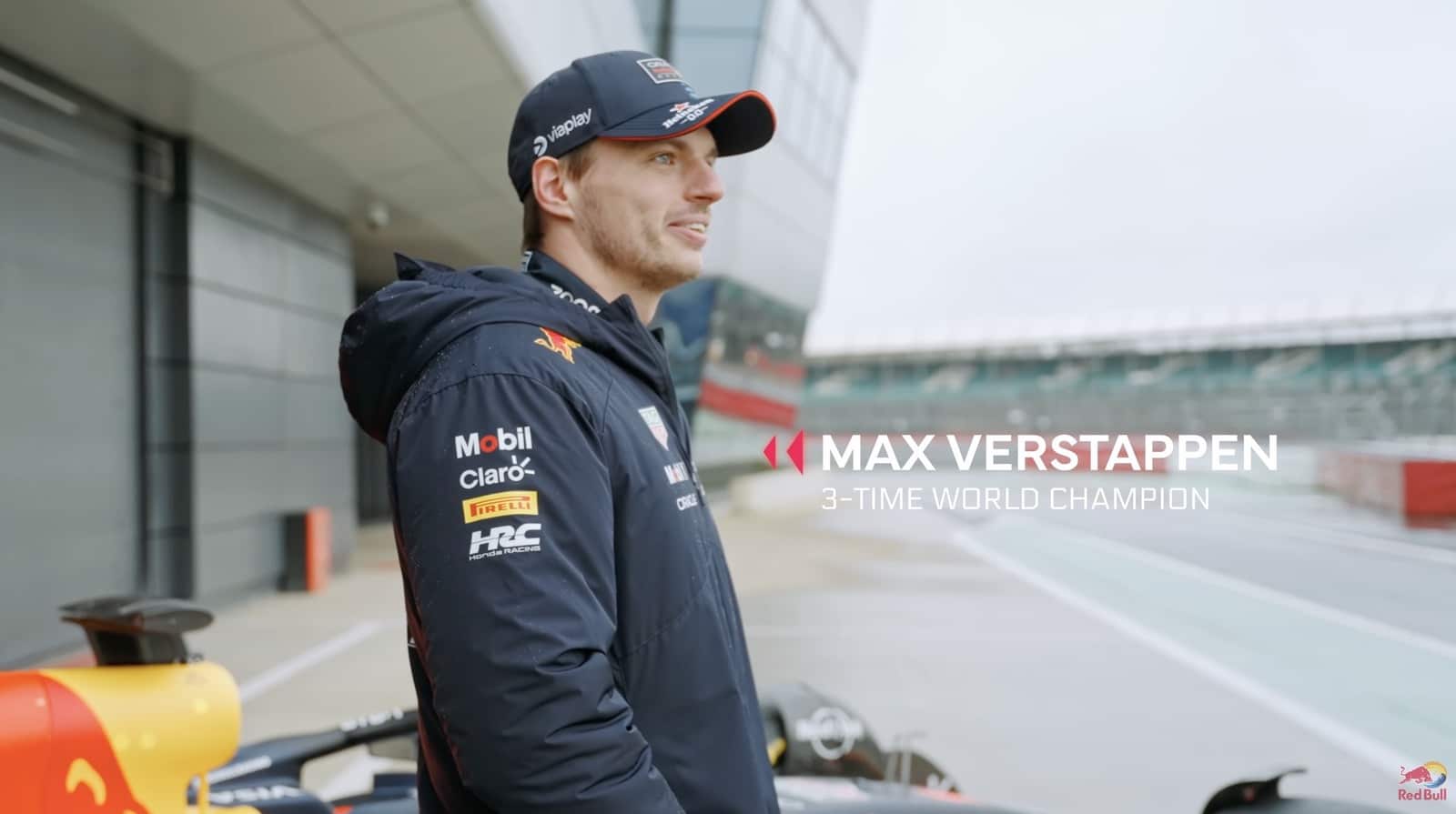
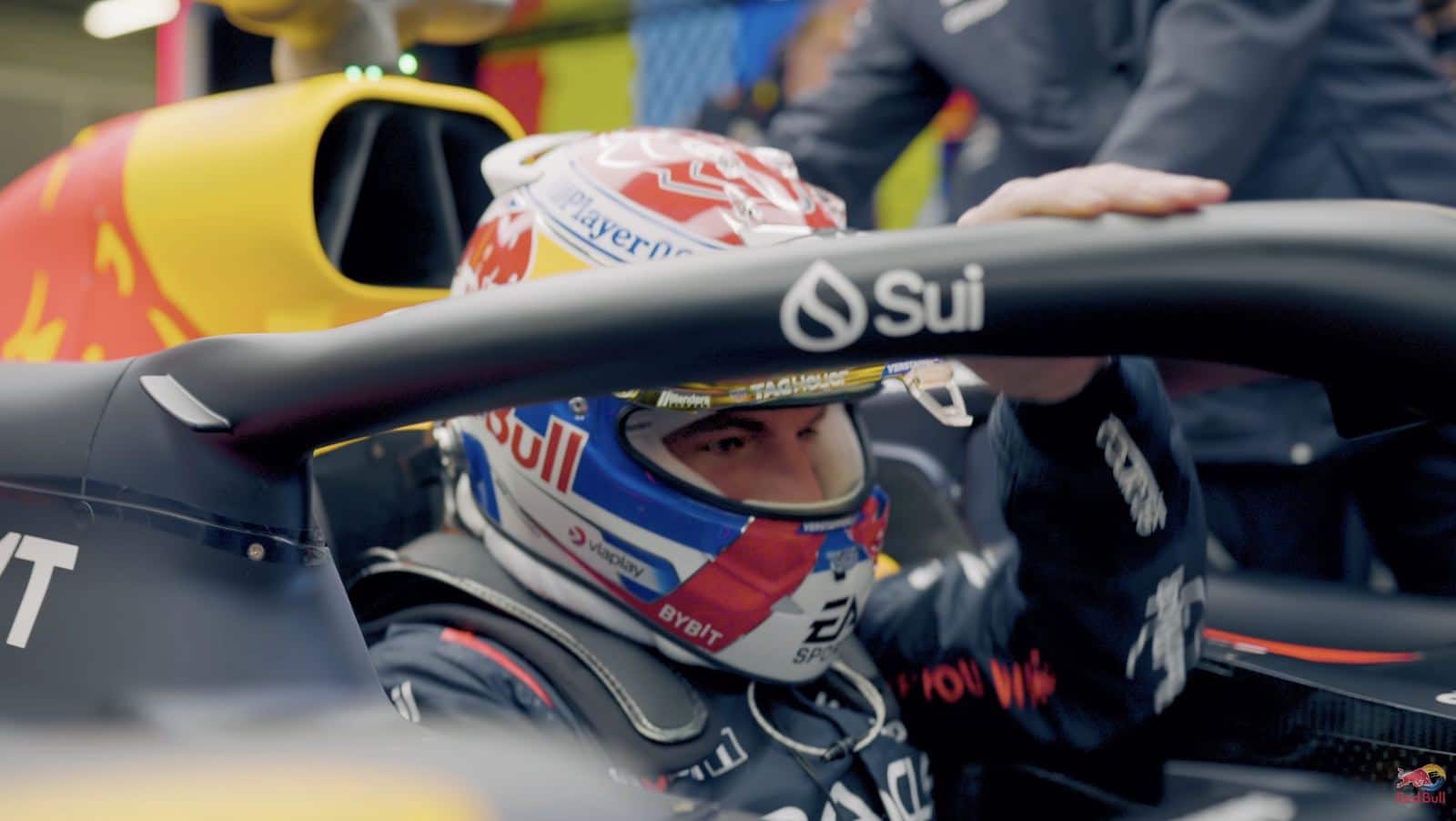
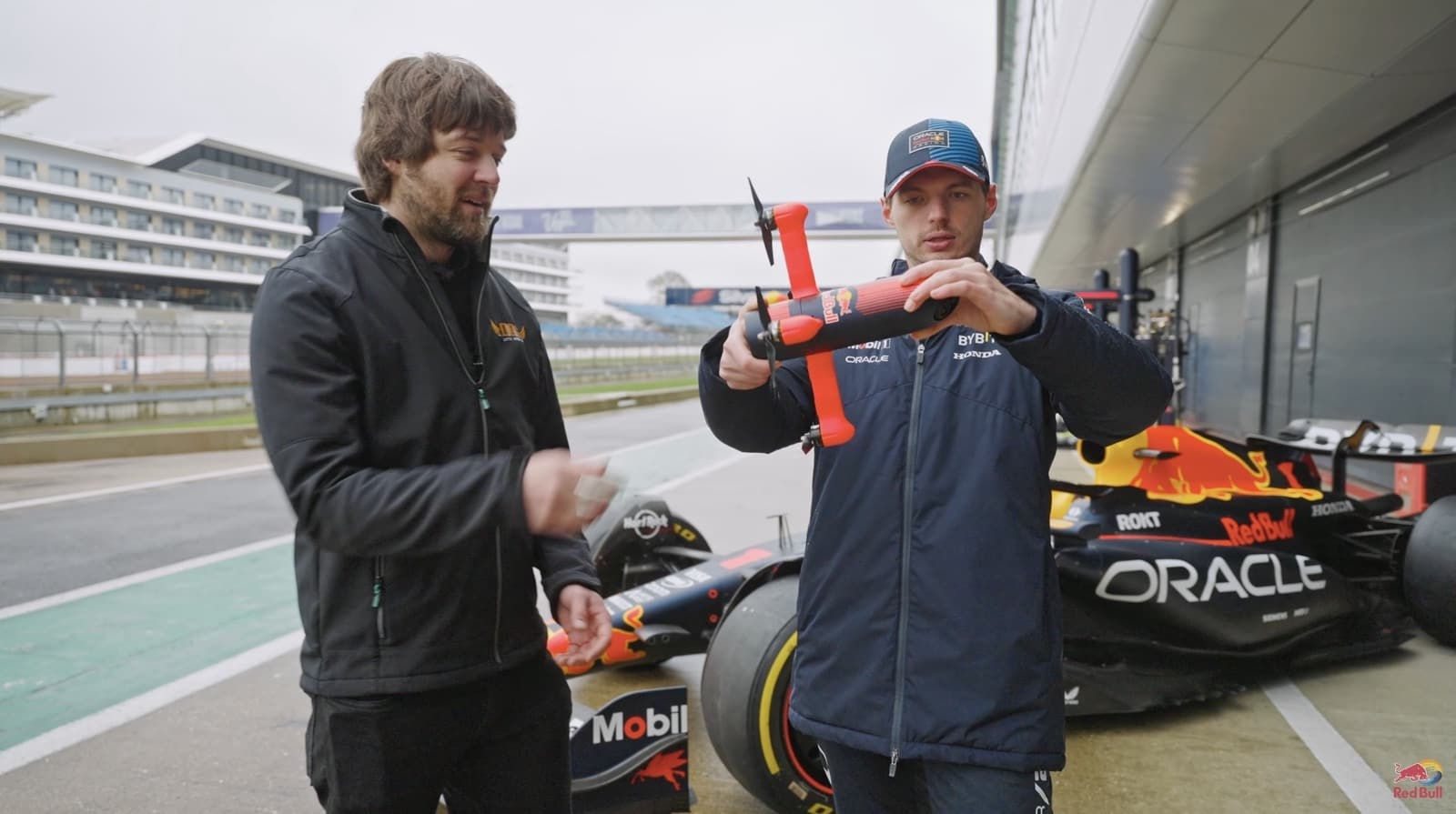
In an unprecedented challenge, the world of technology and motorsports collided at the iconic Silverstone Circuit. The mission was simple yet audacious: to capture a full-speed Formula 1 car on camera using a drone. Not just any drone, but one fast enough to keep pace with an F1 car piloted by none other than three-time world champion Max Verstappen in his RB20. This endeavor wasn’t just about speed; it was about achieving a feat of precision engineering, pushing the limits of what’s possible in both aerial and automotive technologies.

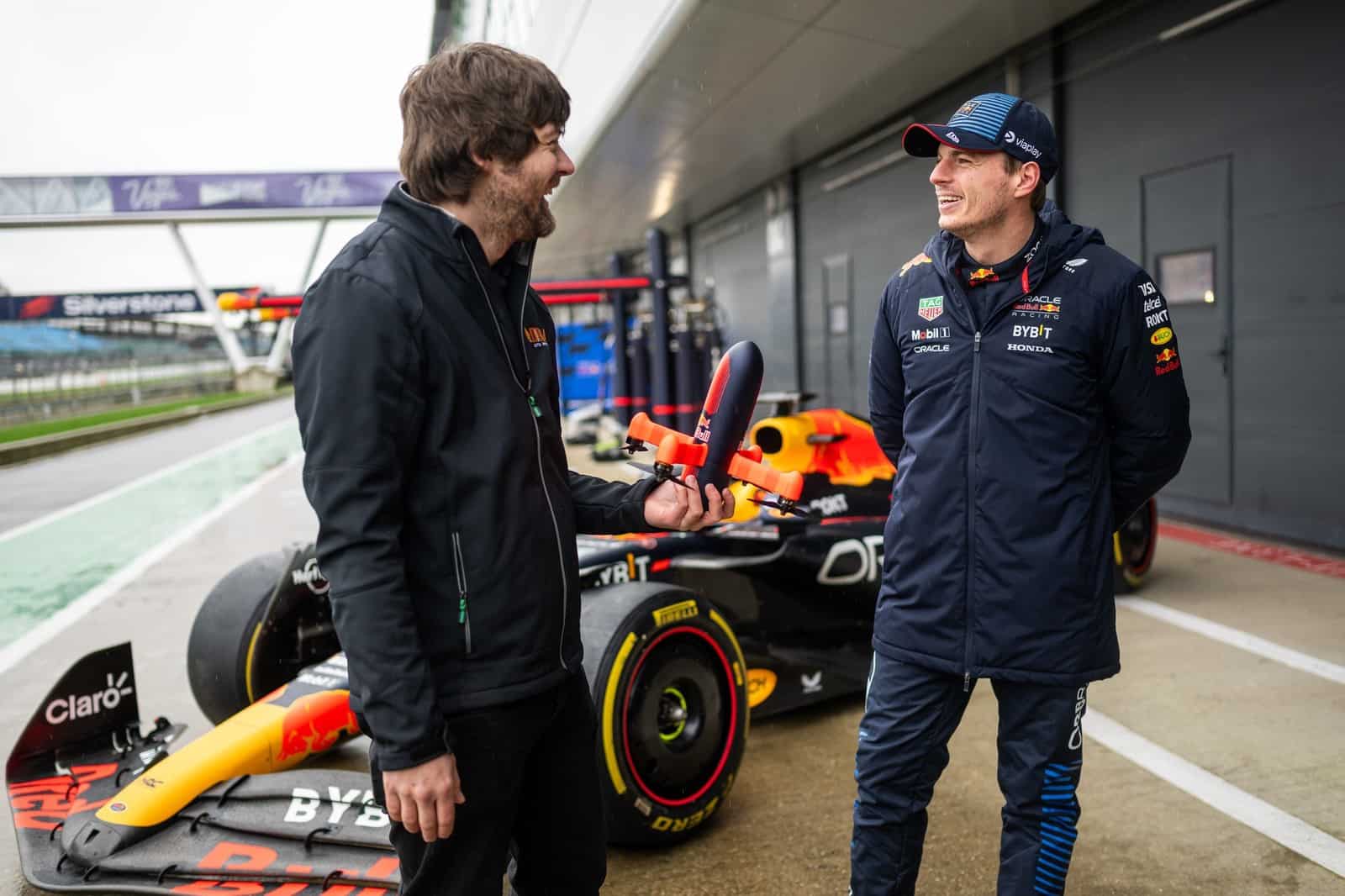
“This can change how people watch Formula 1,” says Max Verstappen.

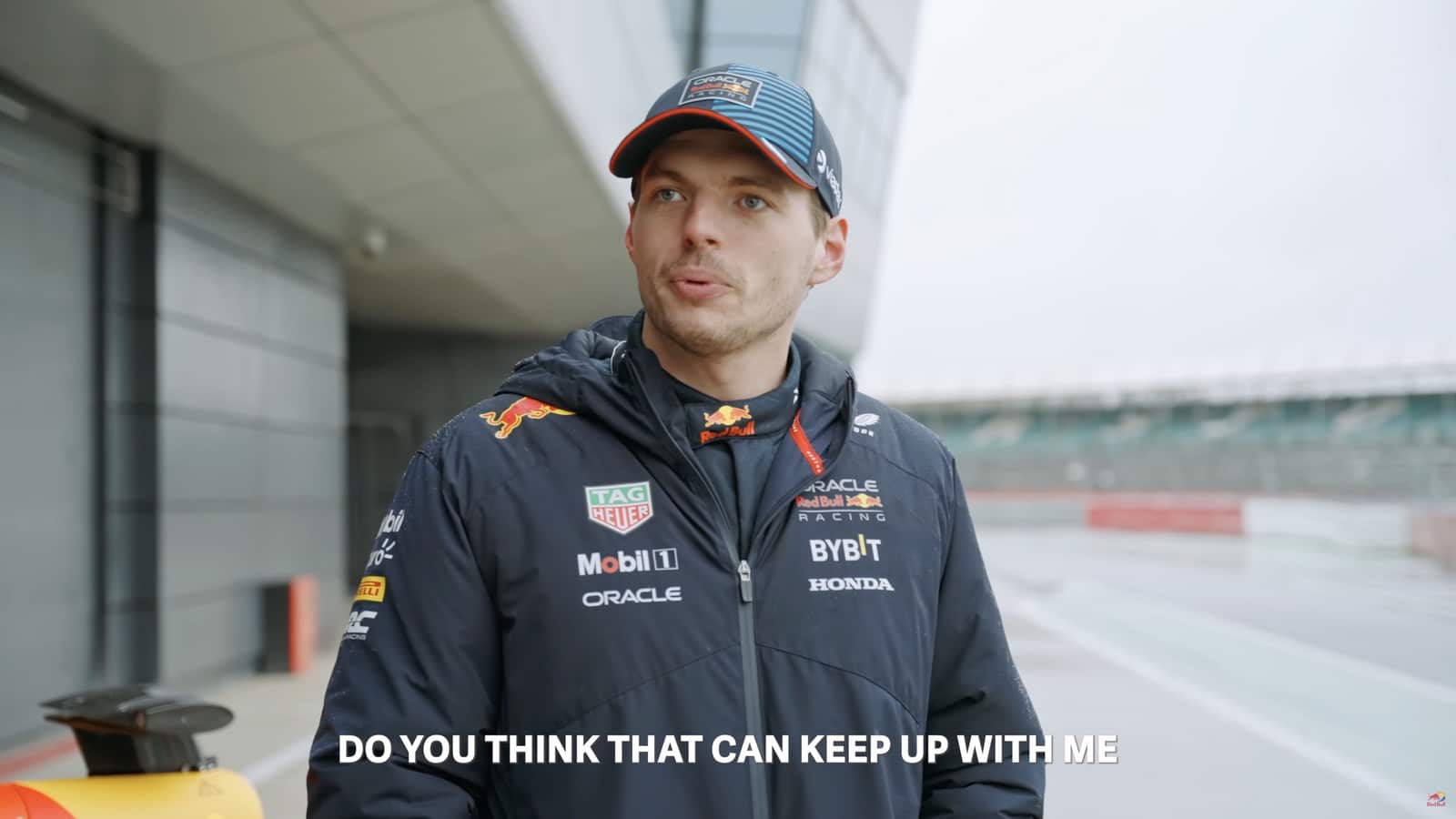
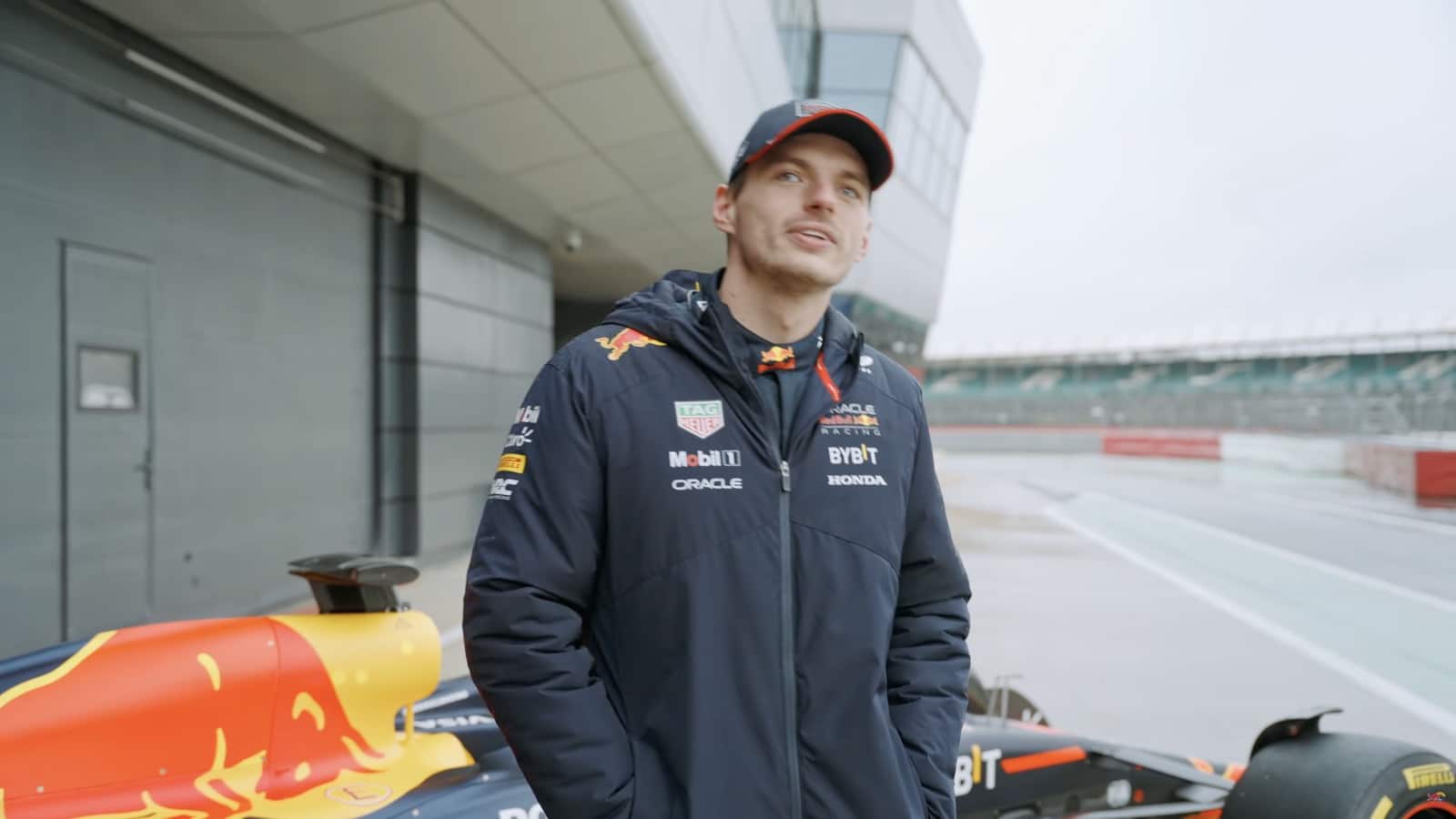
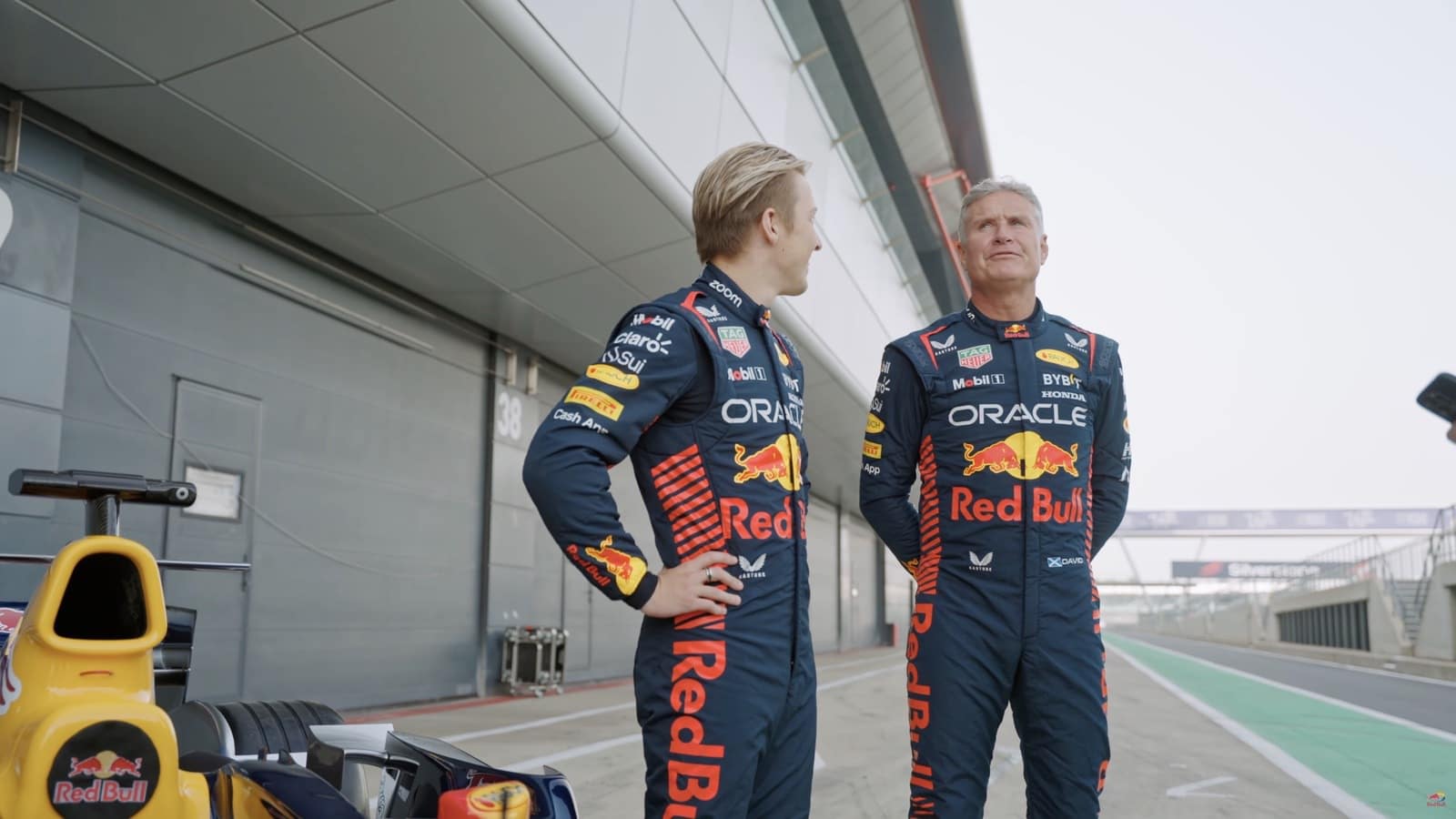
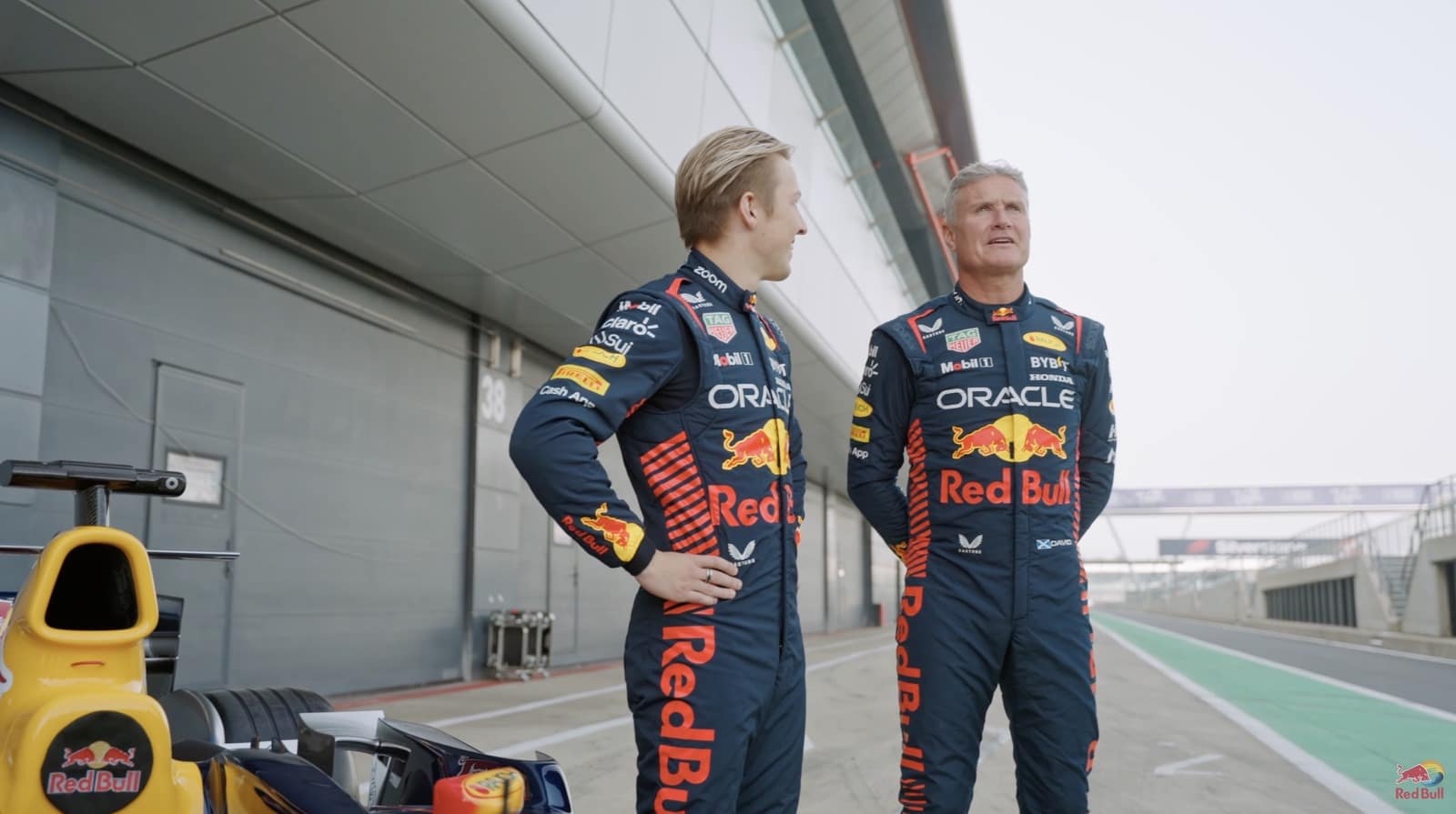
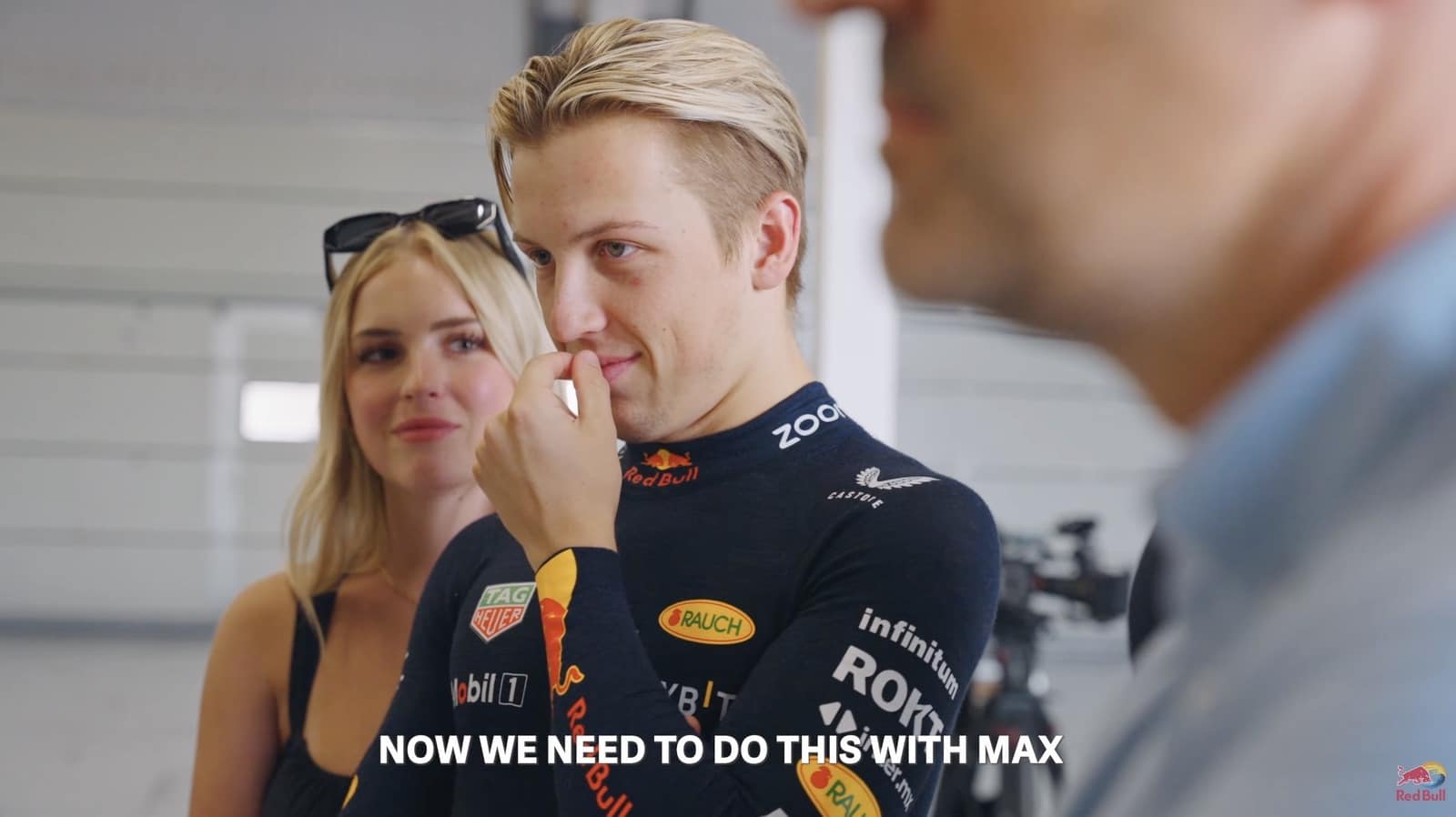
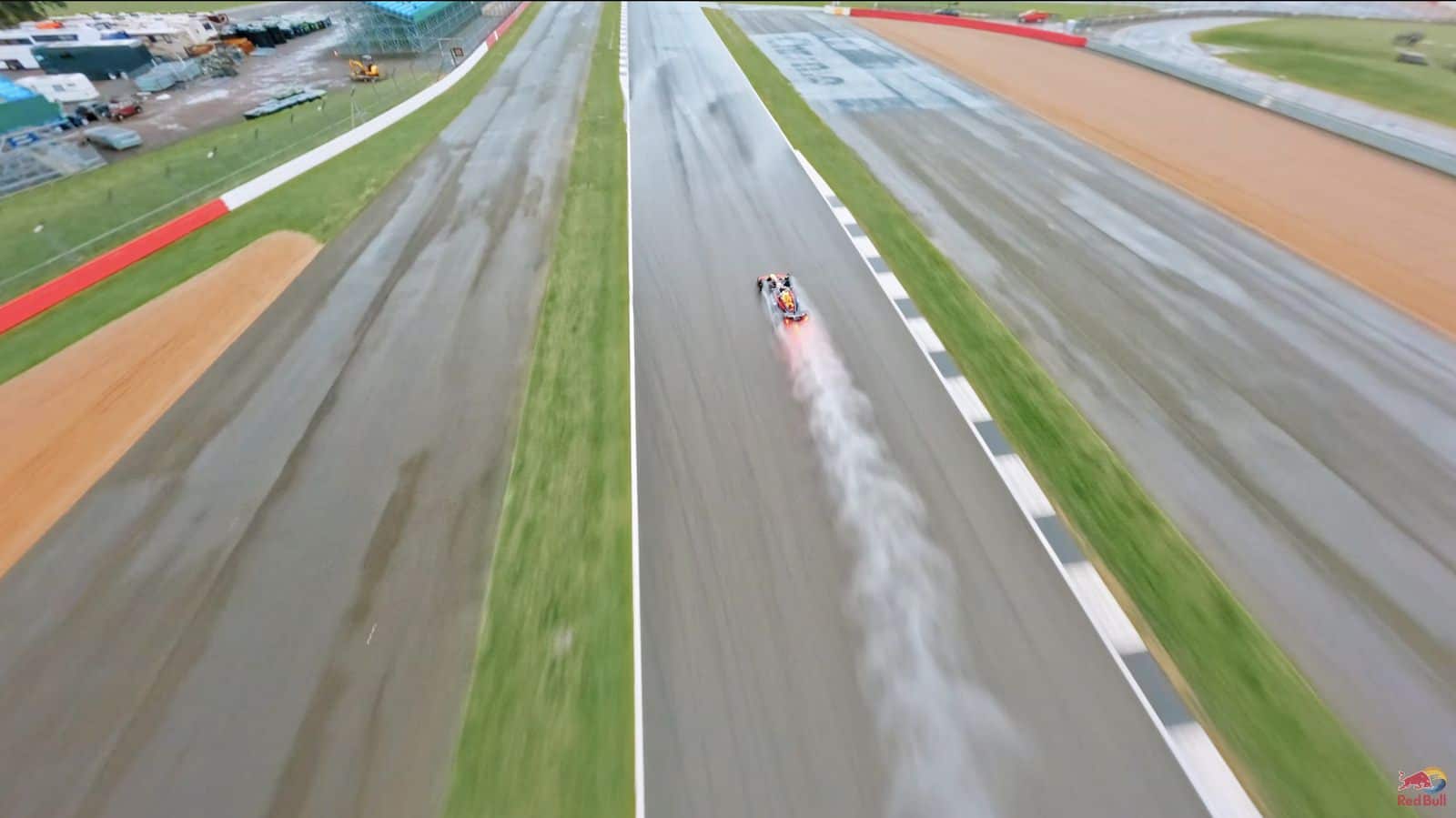
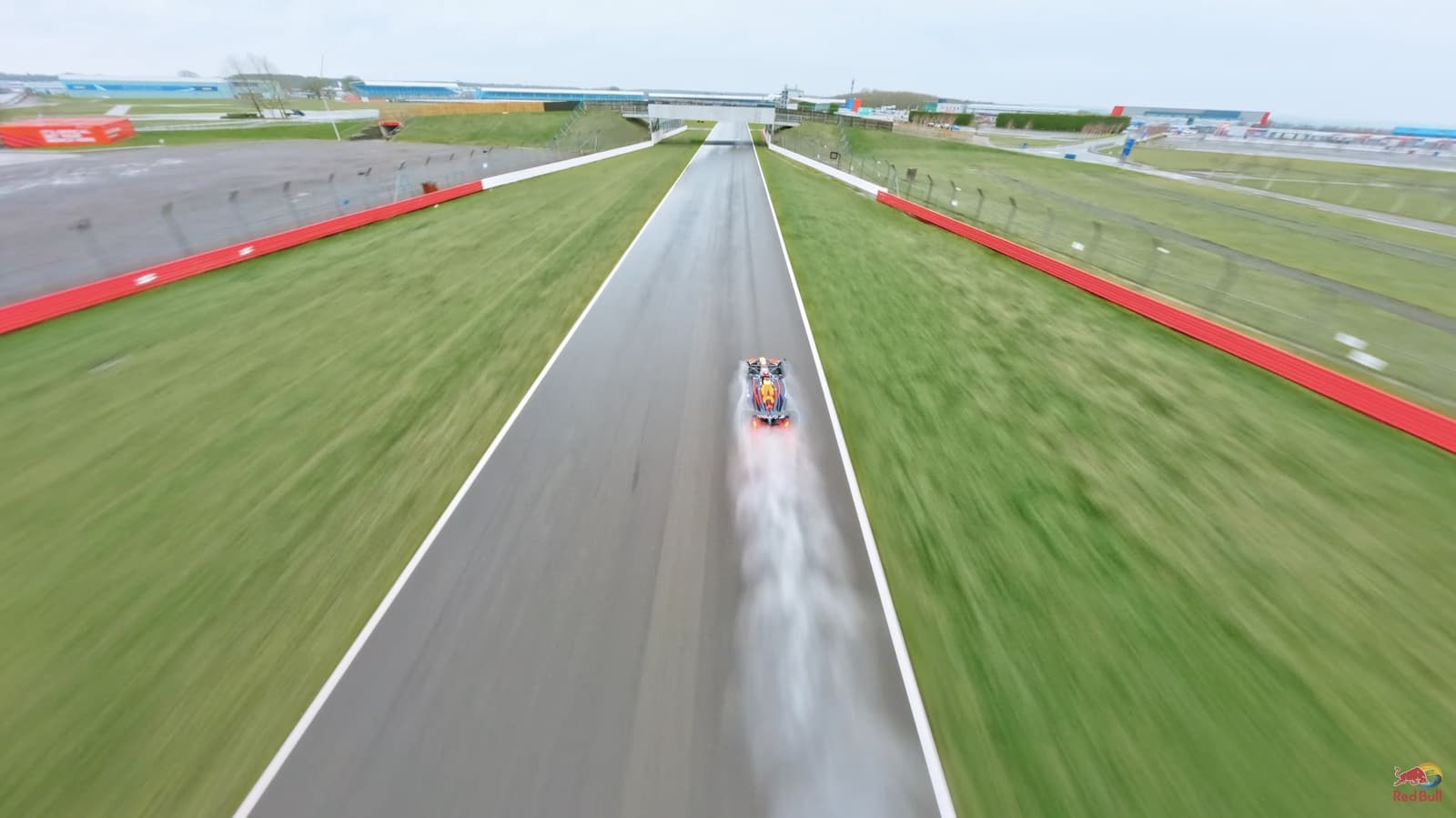
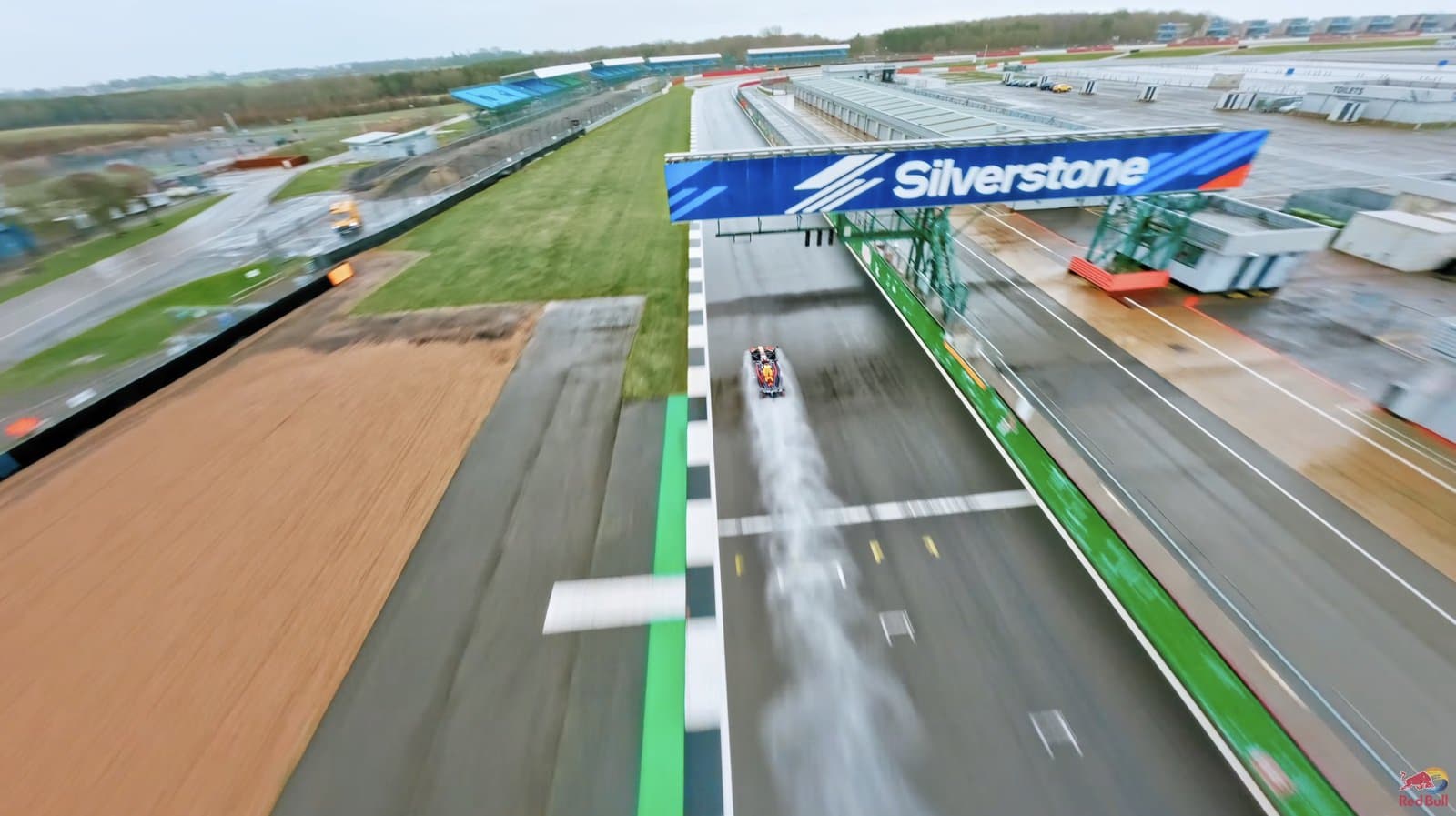
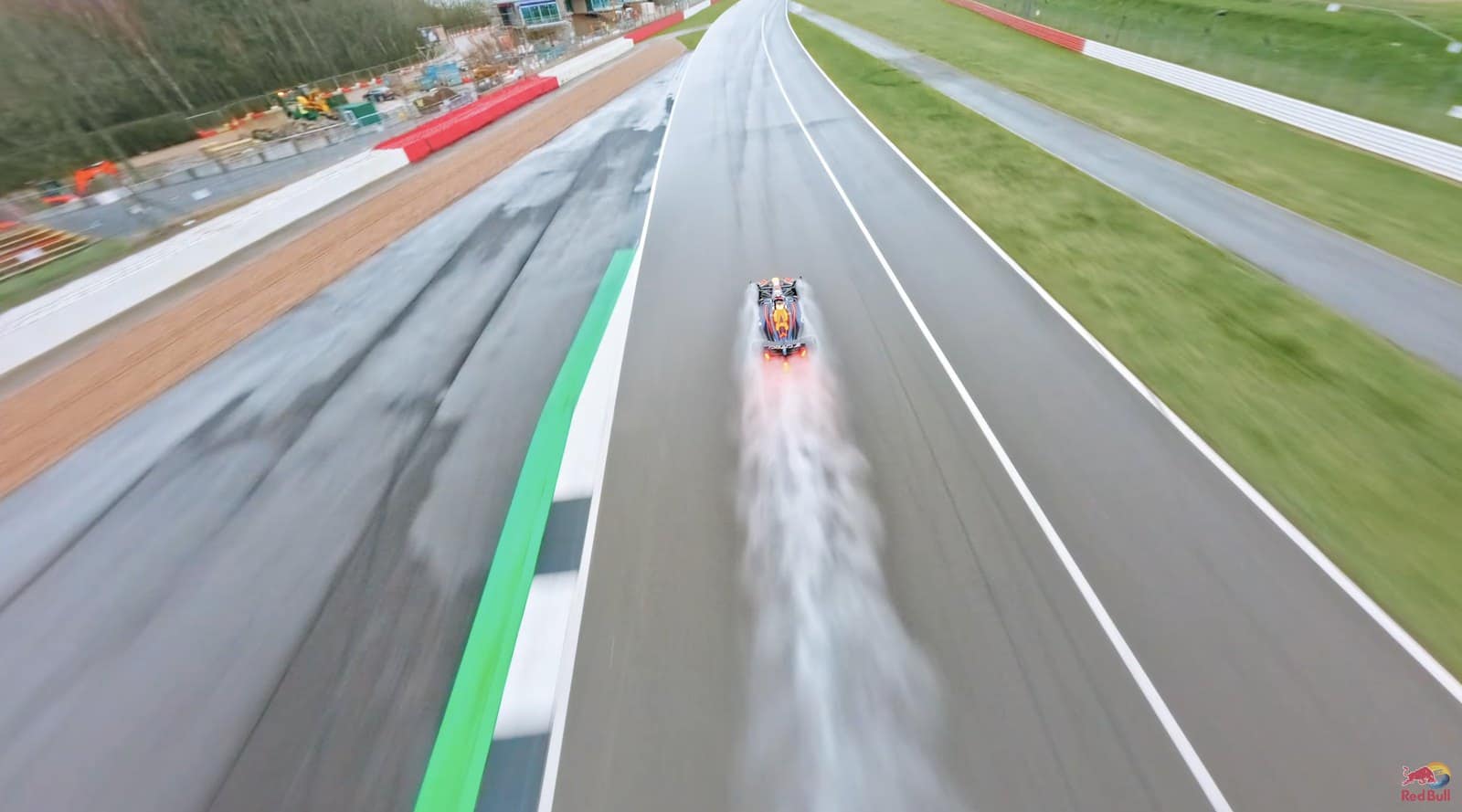
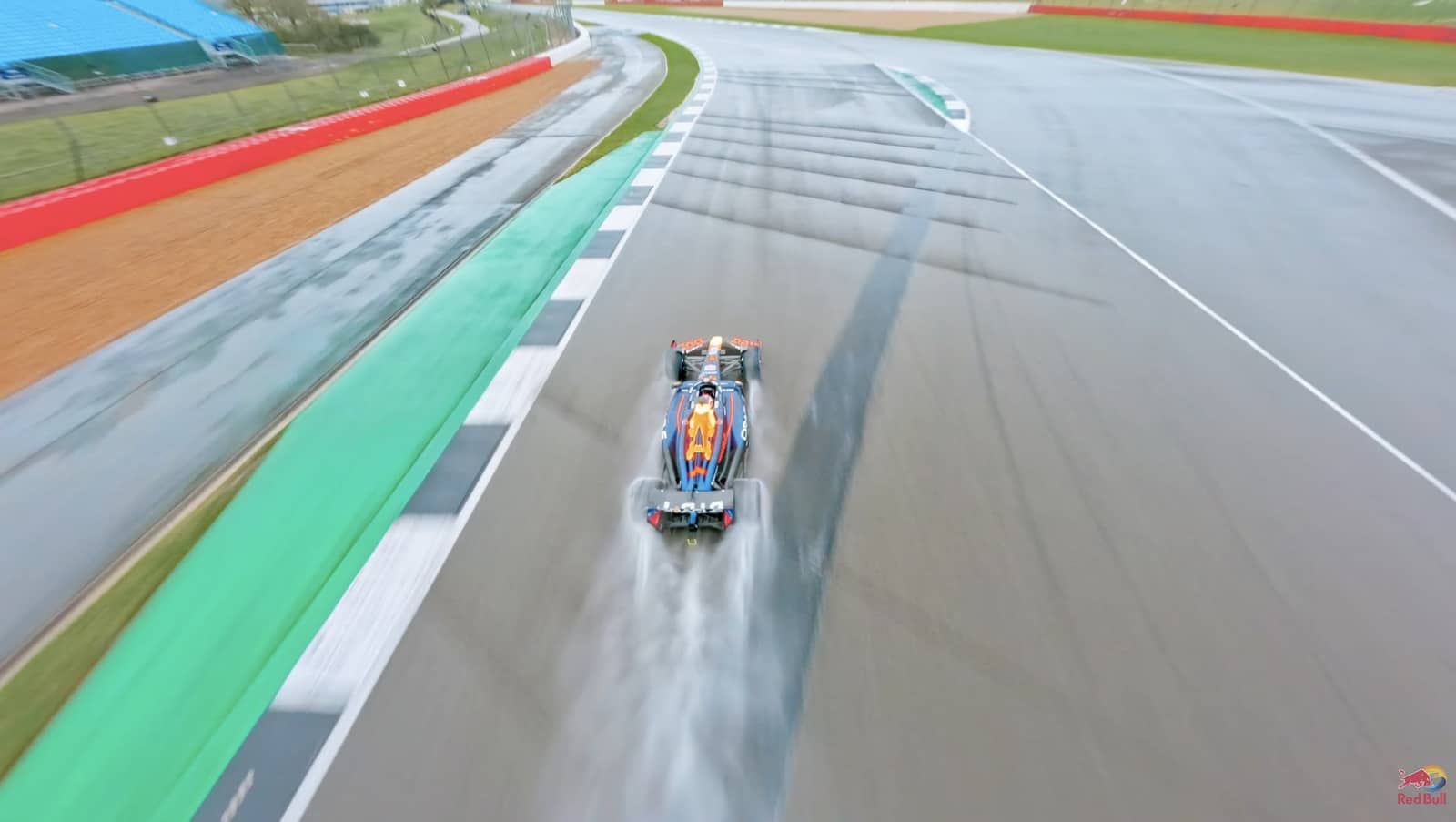
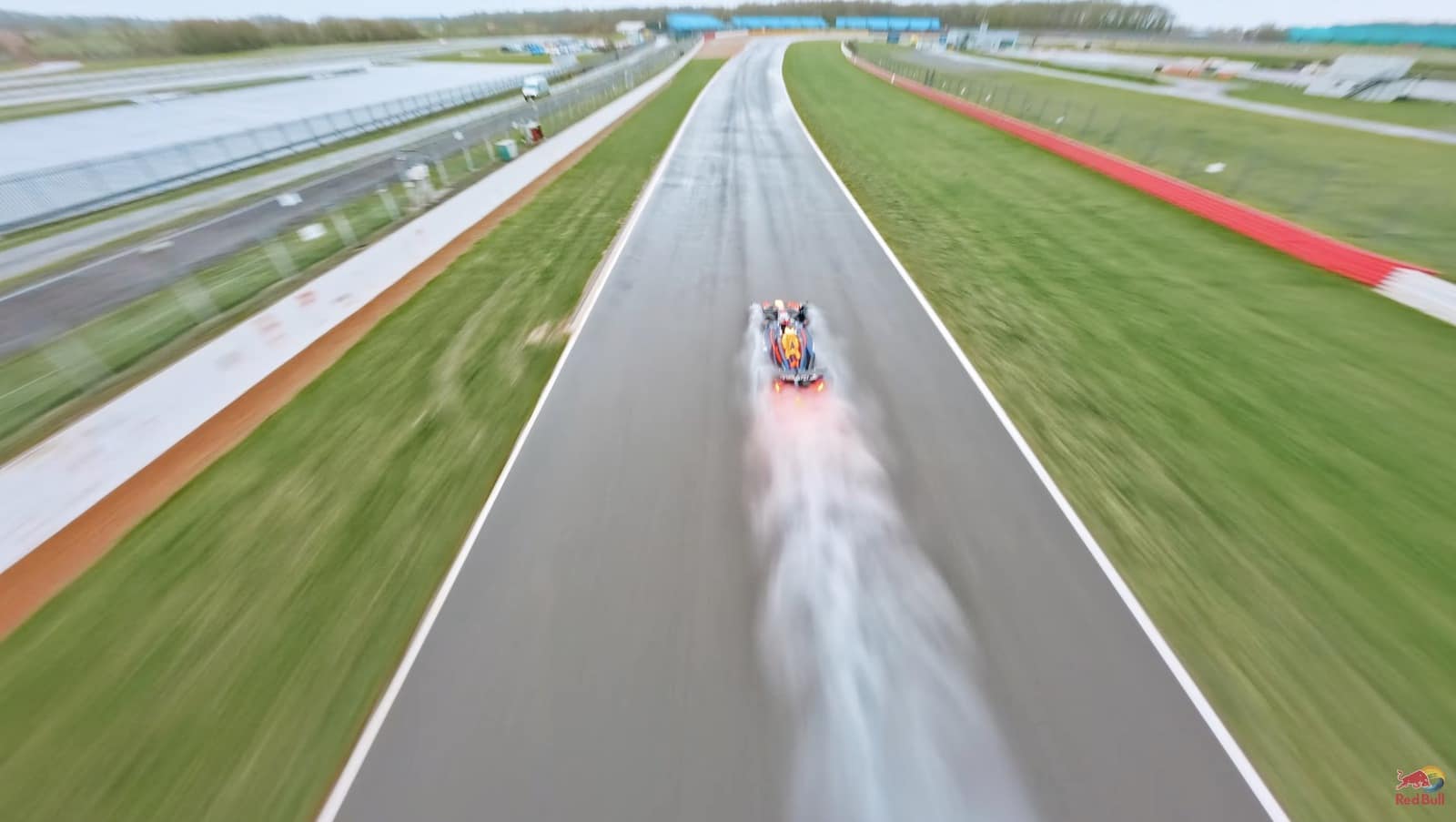
Experience the thrill of Formula 1 at Silverstone in a groundbreaking new way, with the quickest FPV drone ever to capture footage, keeping pace with Liam Lawson, David Coulthard, and Max Verstappen as they accelerate beyond 300kph, in the video below.

The Challenge: Beyond Straight-Line Speed

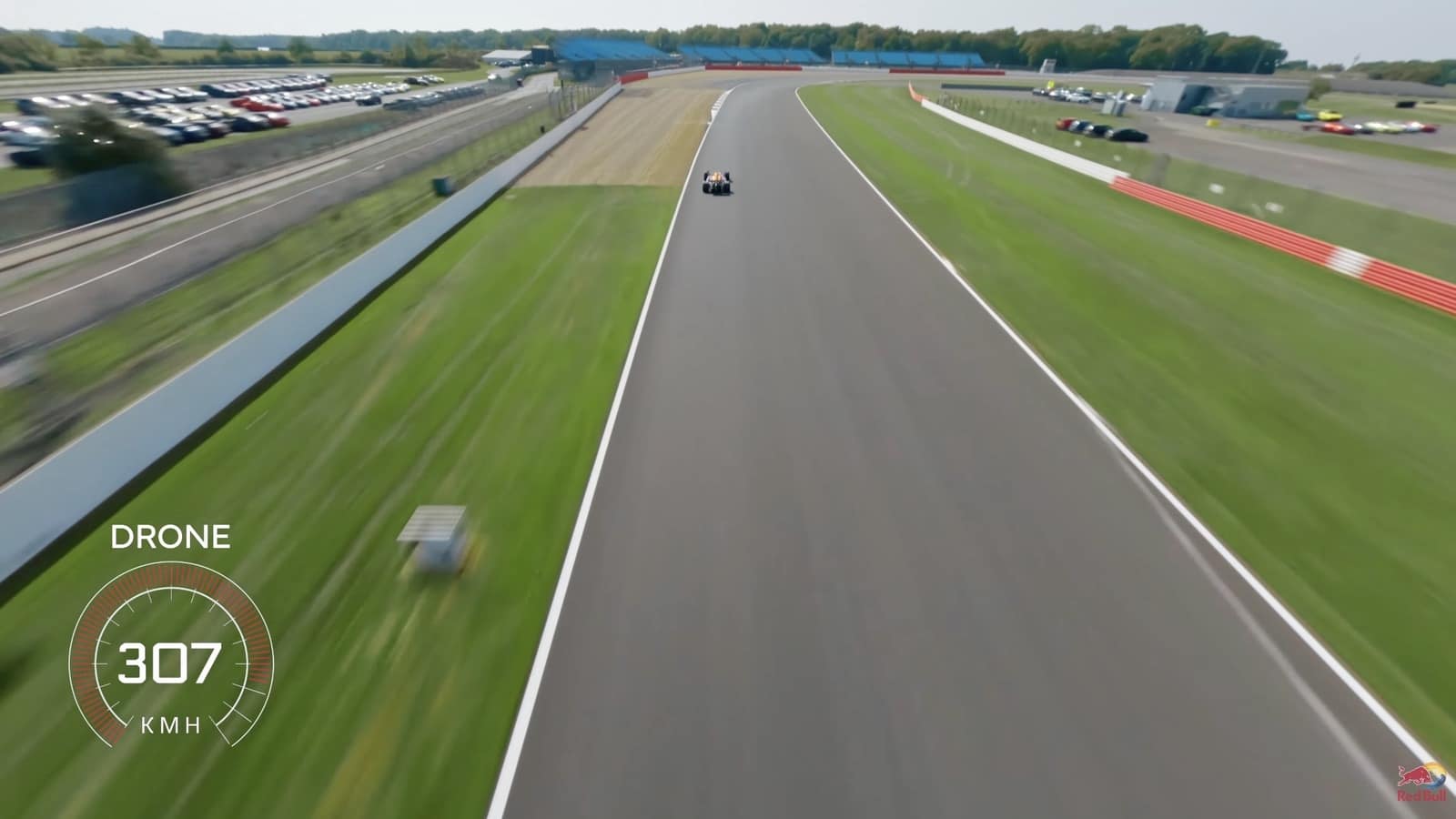
The excitement kicked off with a playful challenge: could this high-speed camera drone outpace an F1 car in a straight line? While the straight-line race was thrilling, with the FPV drone hitting speeds of 310 kilometers per hour, it was quickly understood that the real test was far more complex. F1 cars are unparalleled in their cornering abilities and braking power, presenting a multidimensional challenge for the drone. The task at hand was to maintain a fluid, well-framed shot for an entire lap around the 5.8-kilometer Silverstone track, requiring the drone not only to match the F1 car’s speed but also its acceleration, deceleration, and maneuverability through the circuit’s notorious bends.
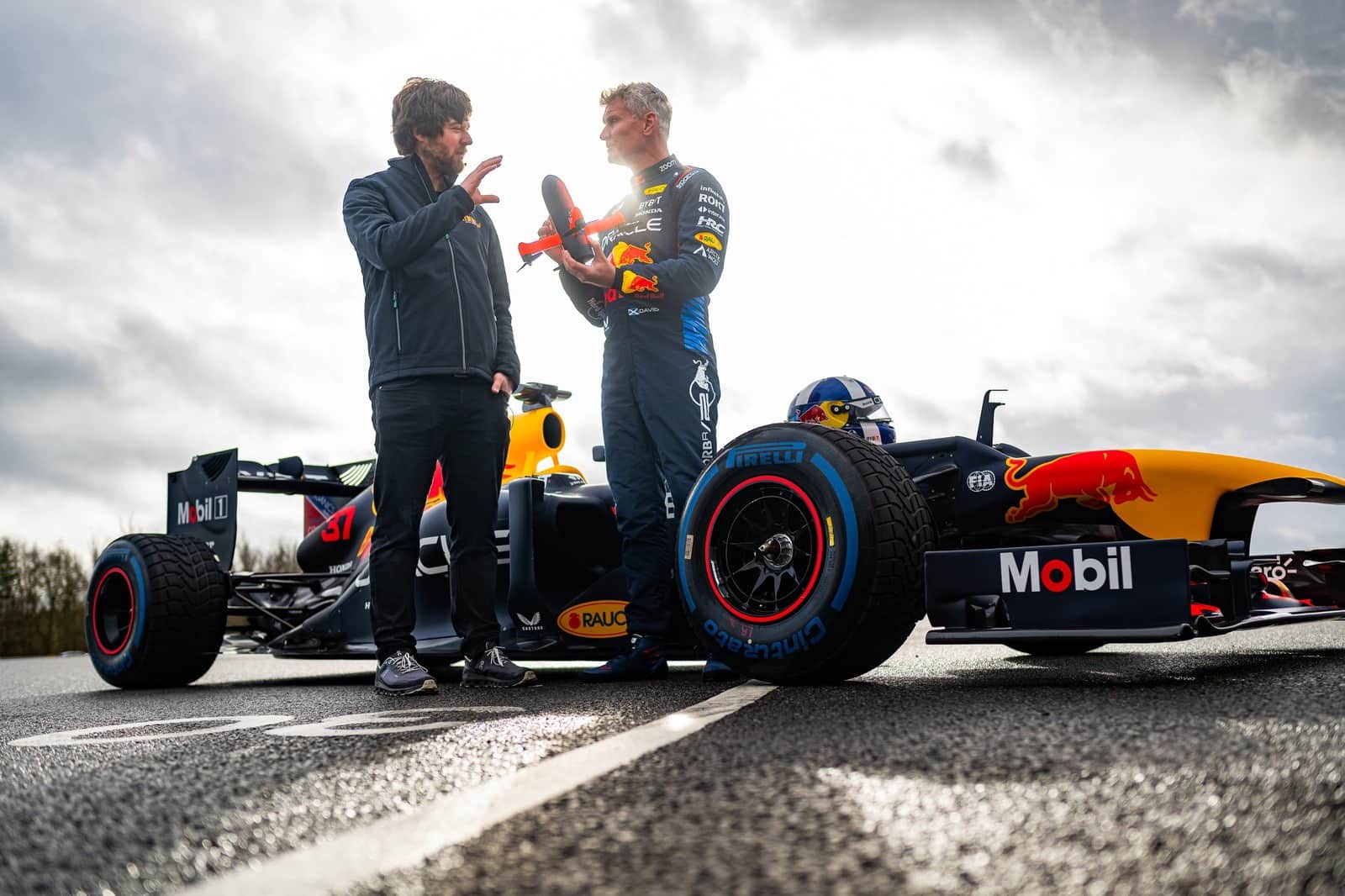
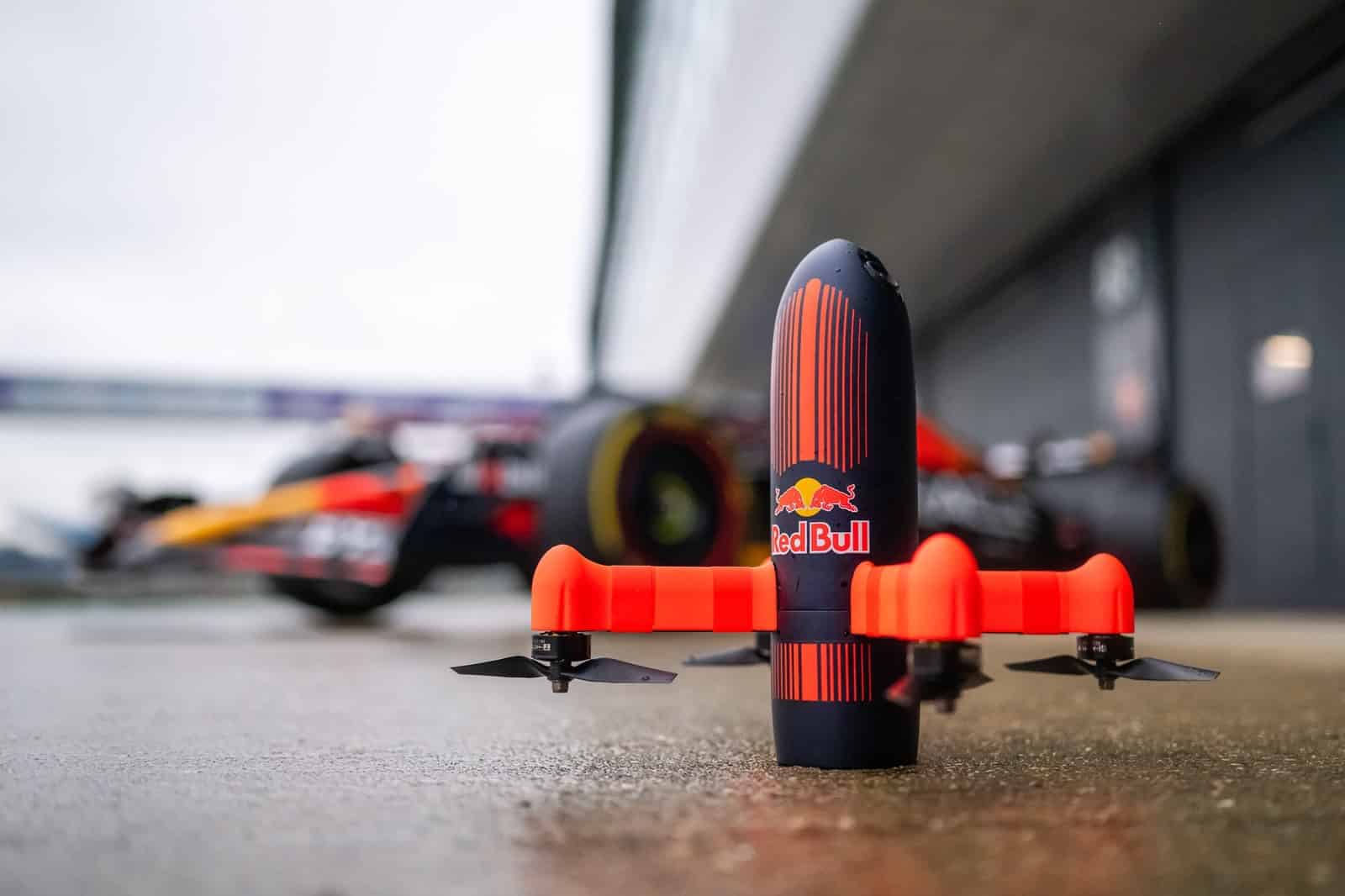
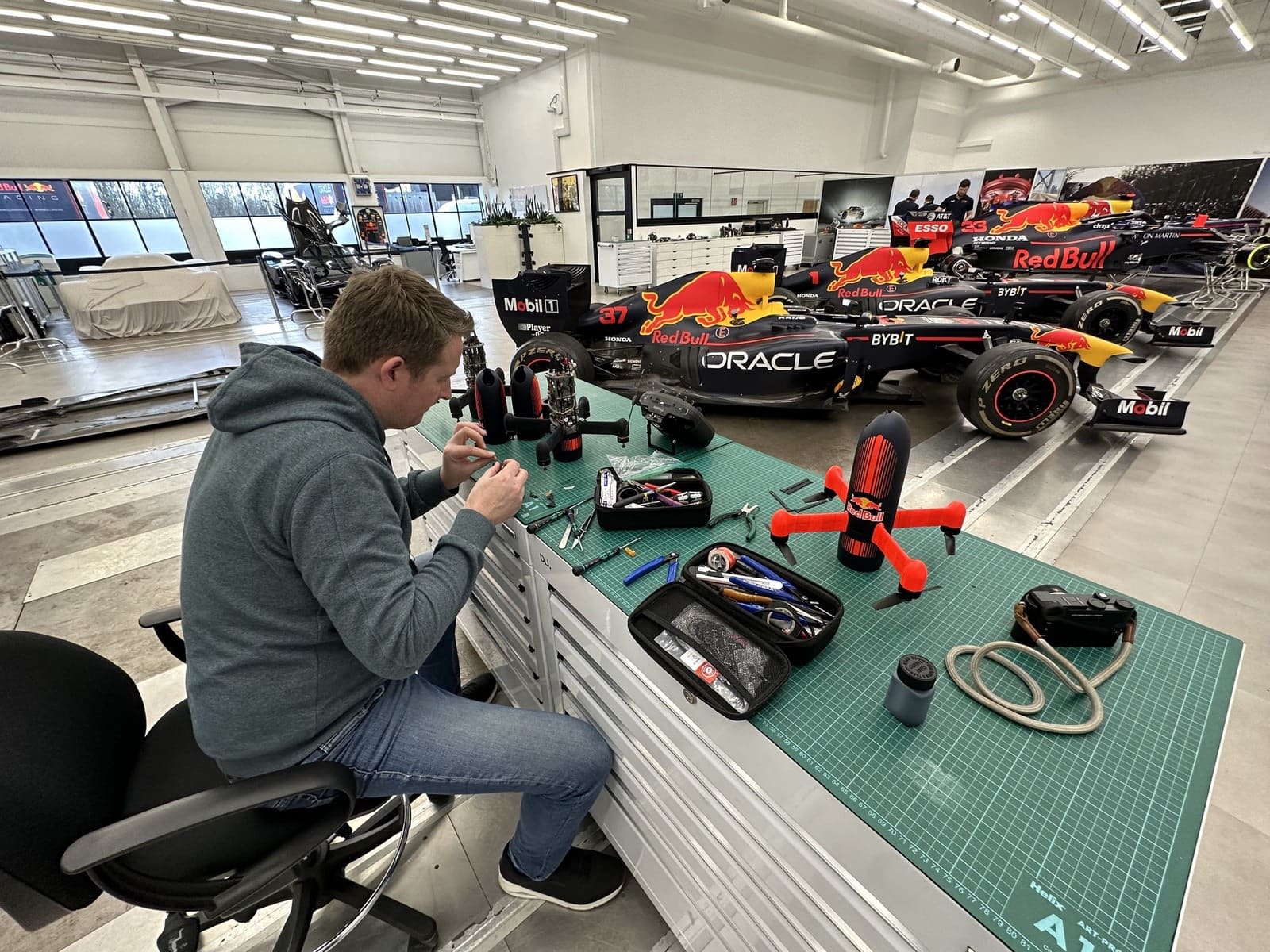
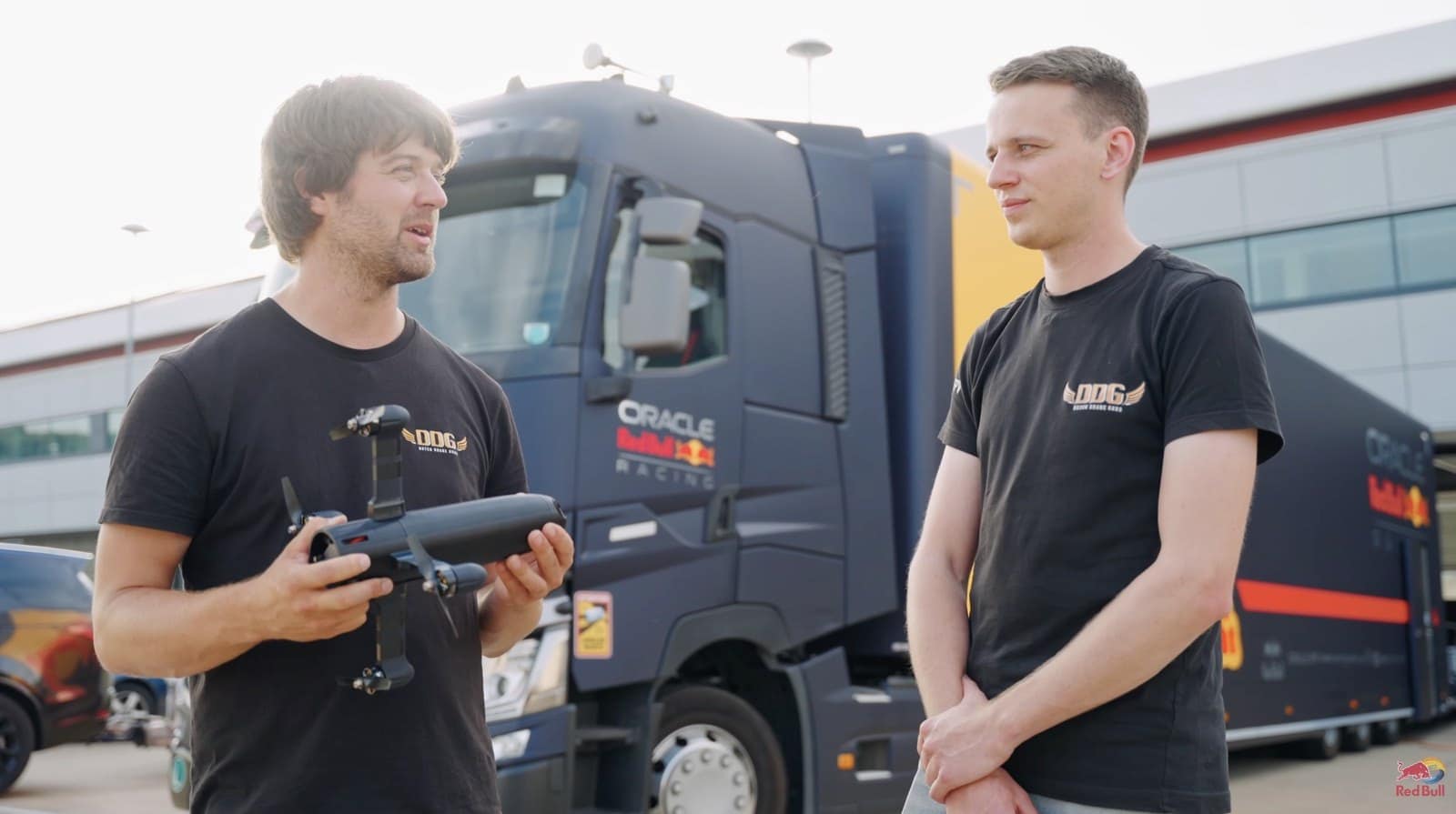
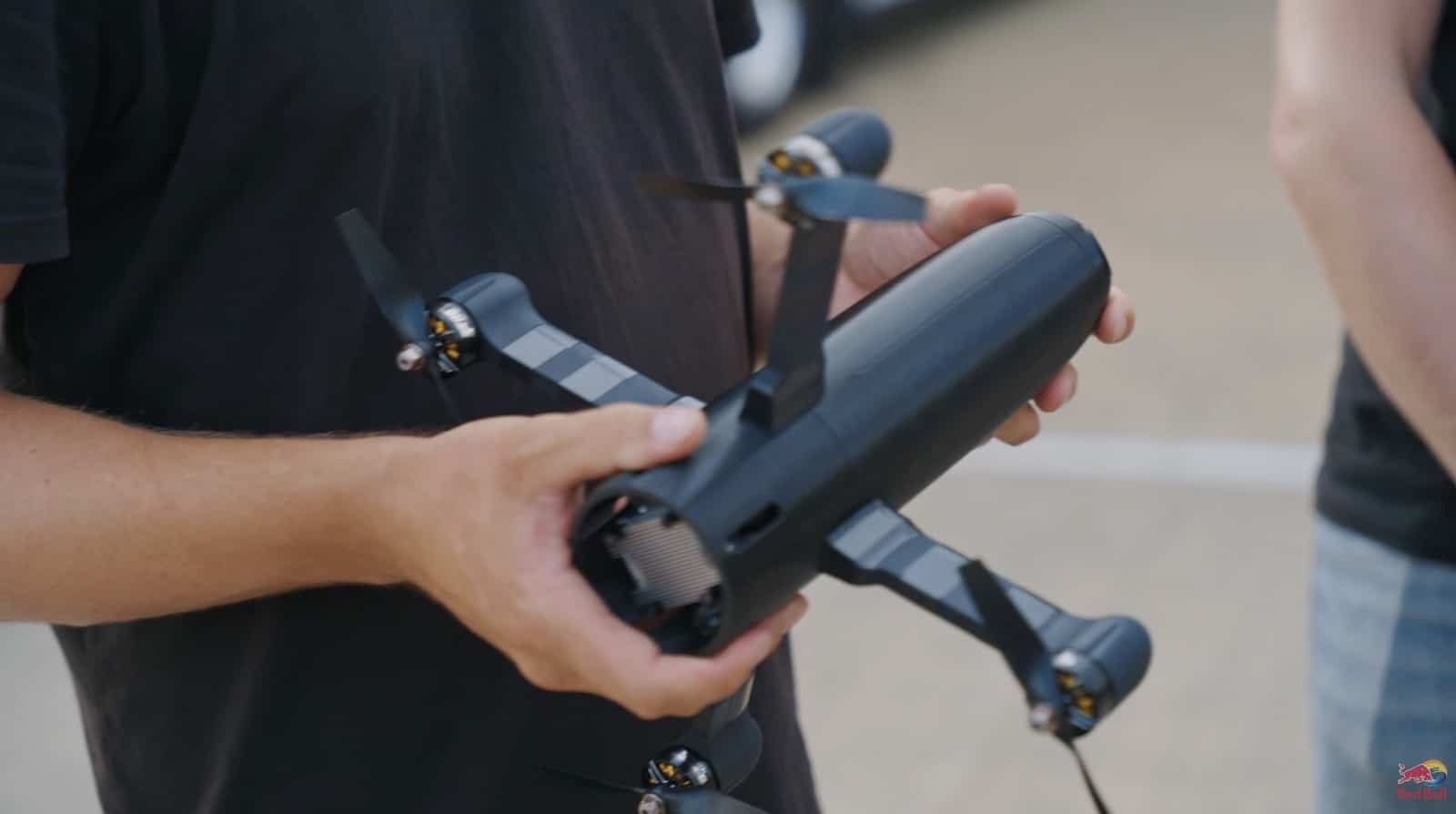
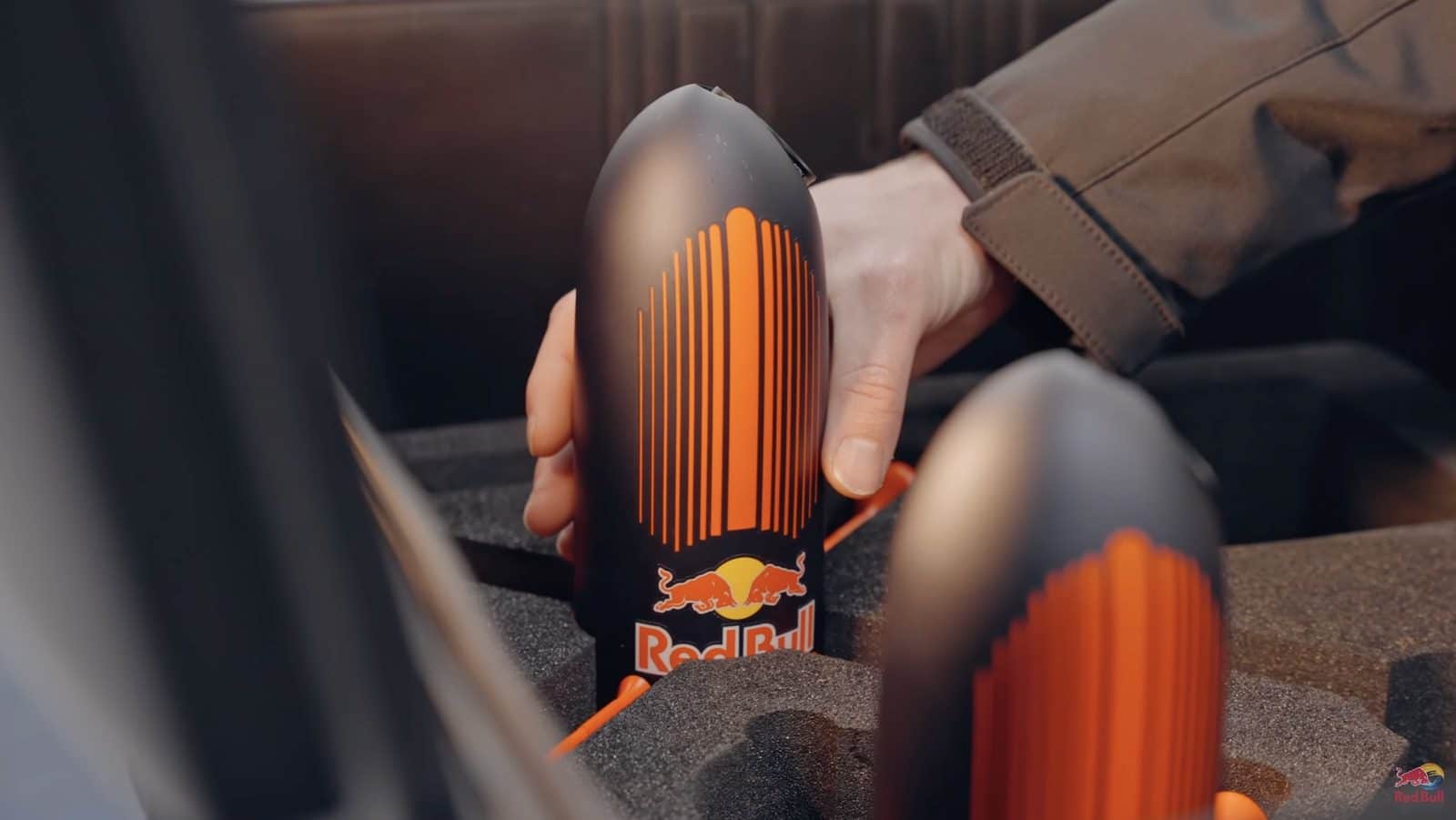
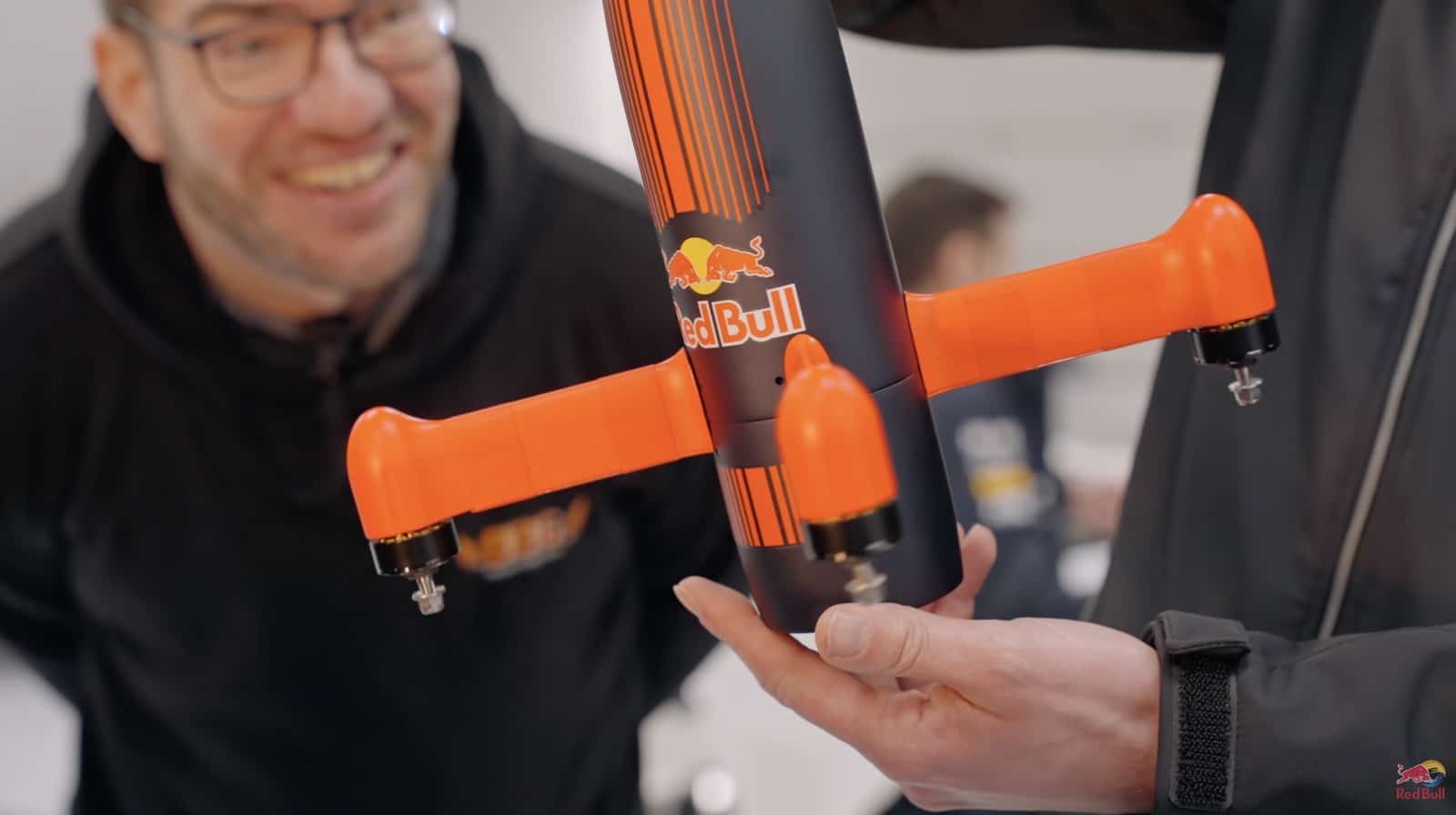
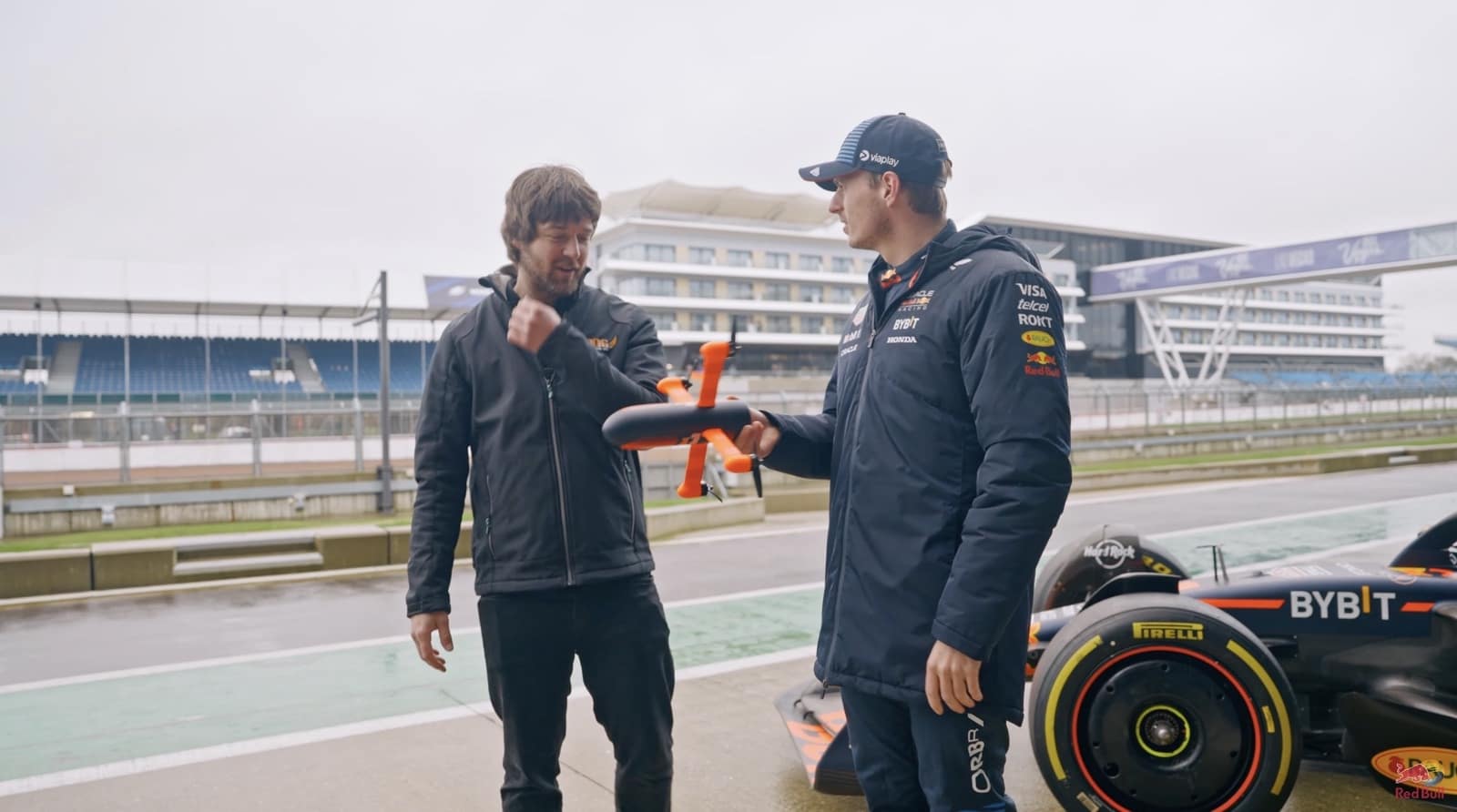
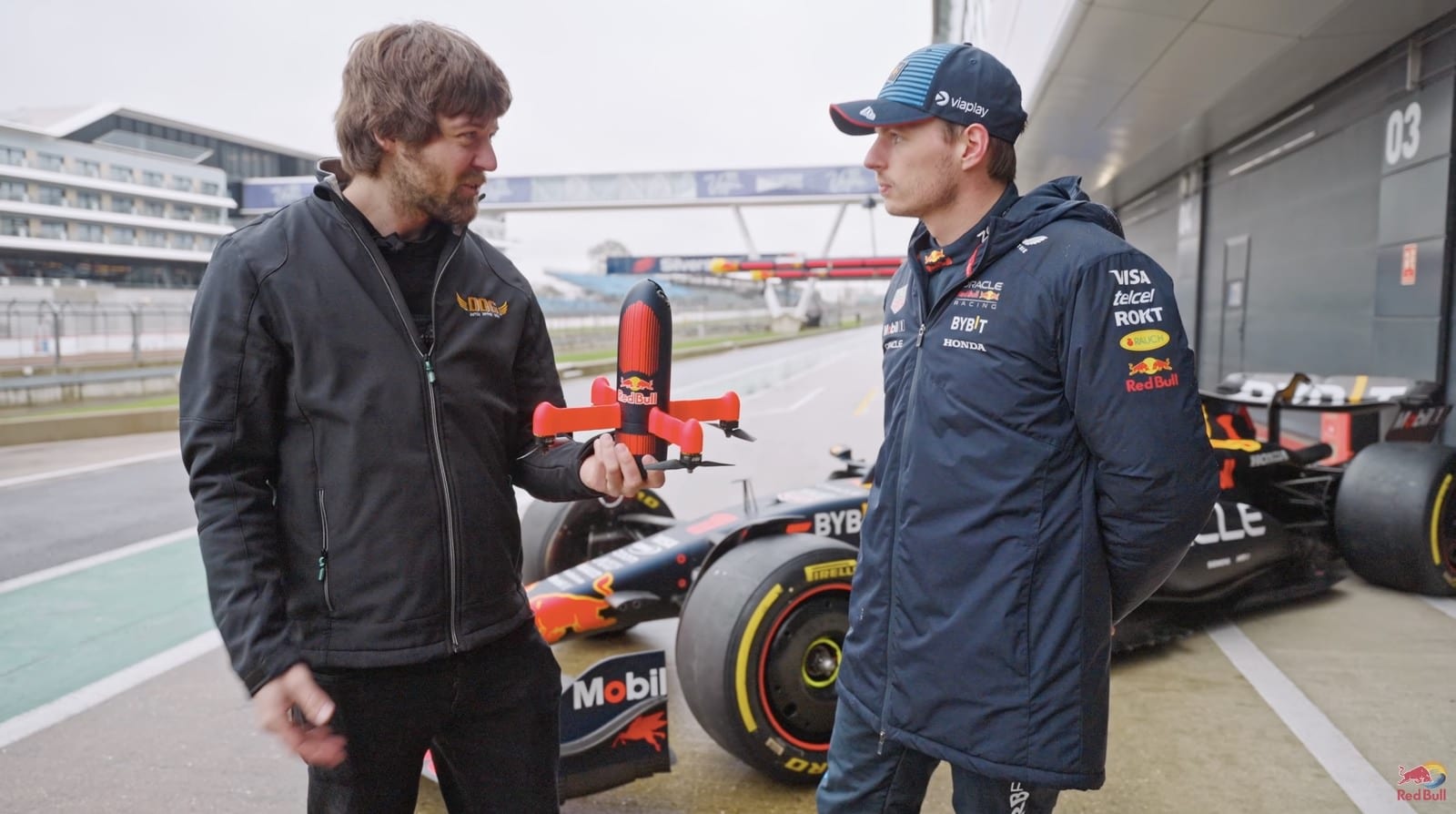
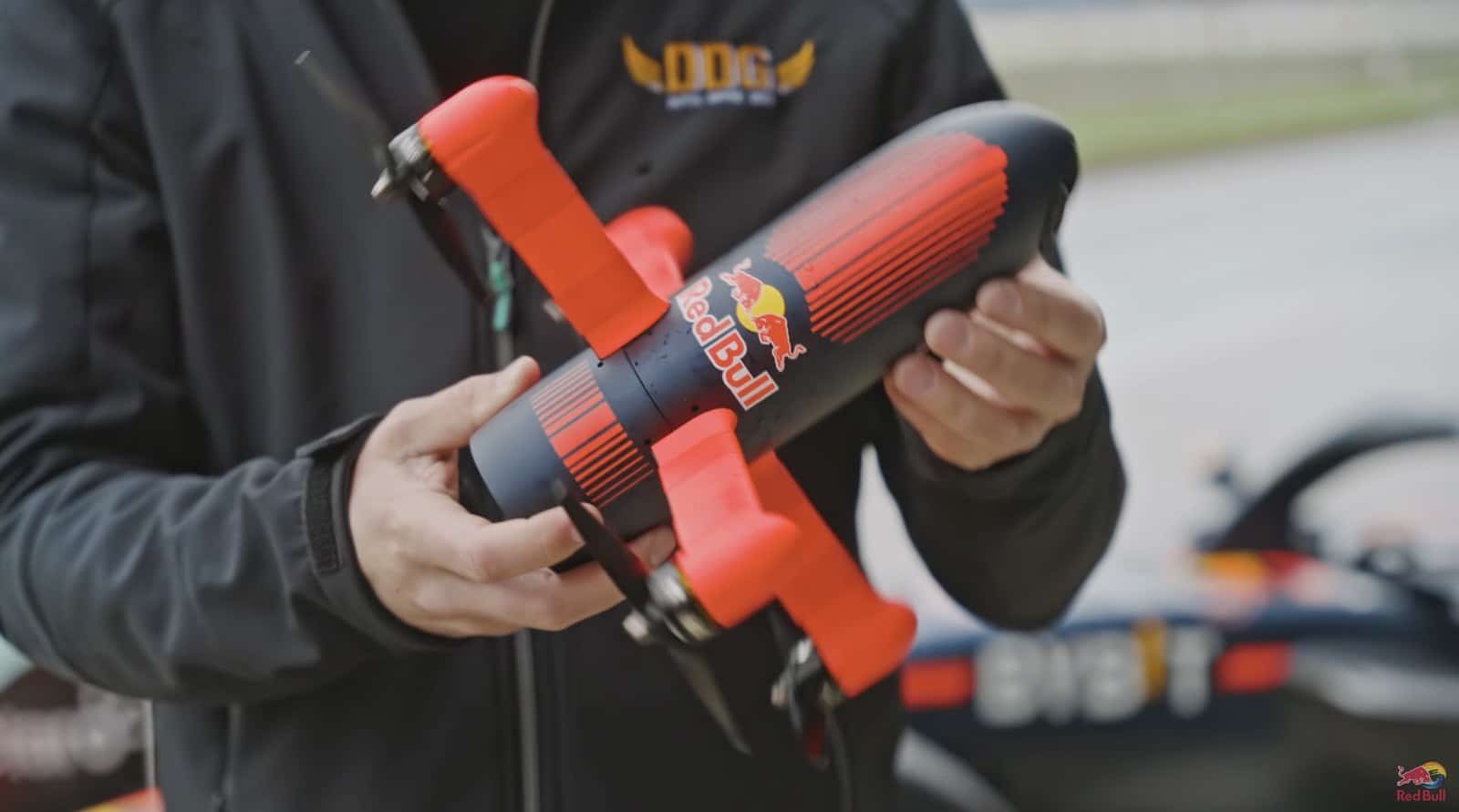
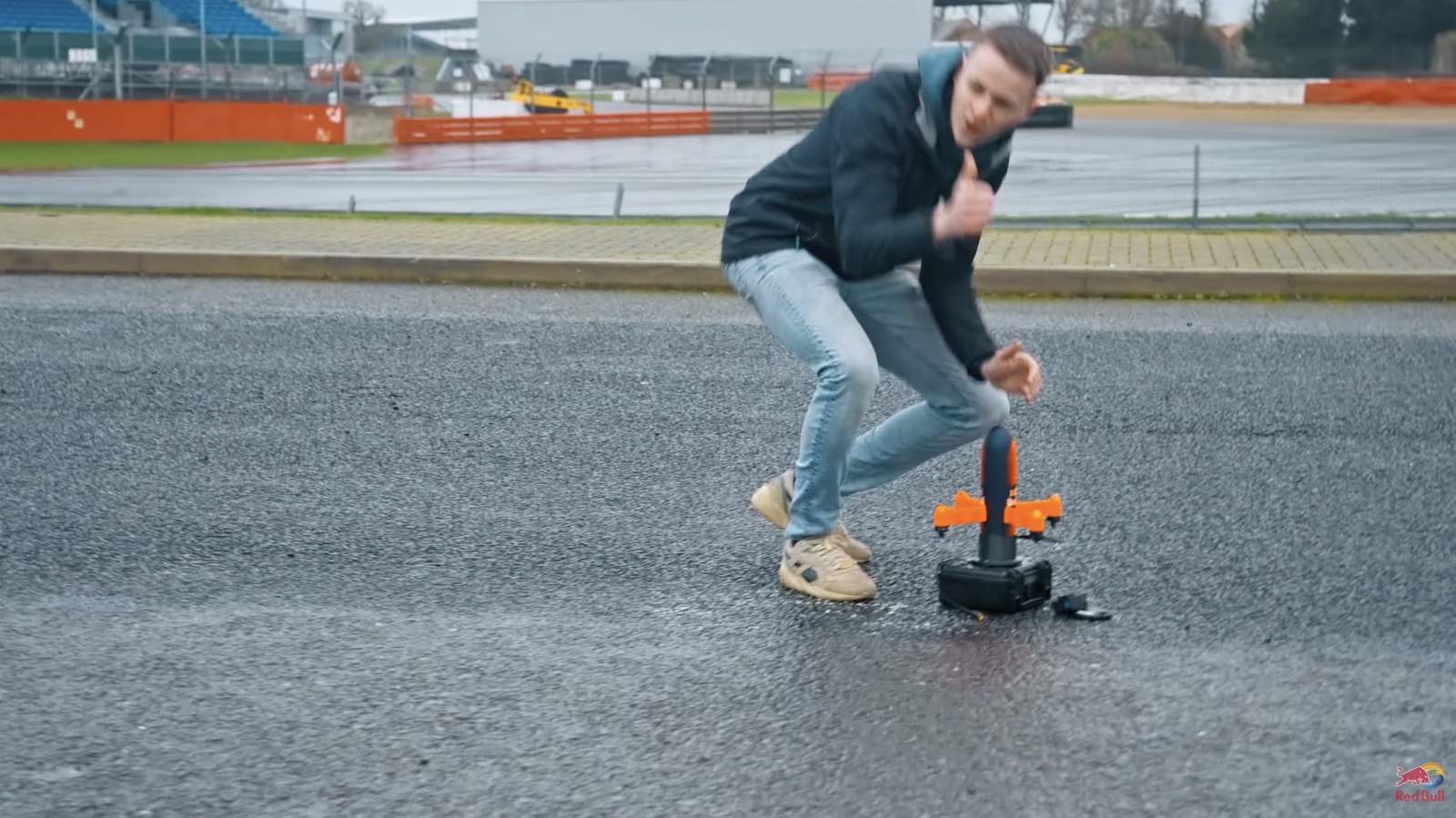
Dutch Drone Gods FPV camera drone prepared for the Formula 1 chase at Silverstone.
Behind the scenes of the drone versus F1 car speed challenge at Silverstone Circuit.
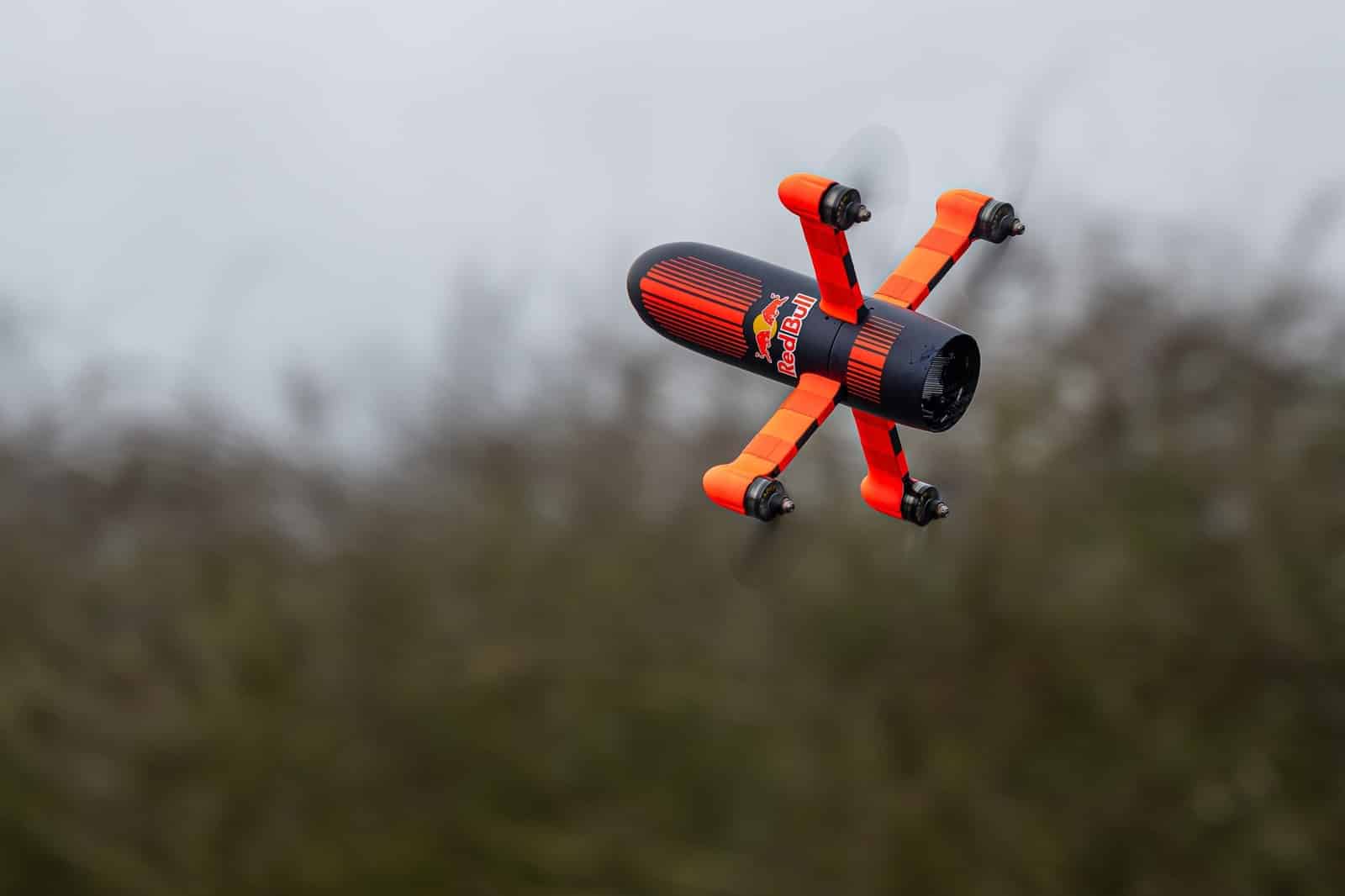
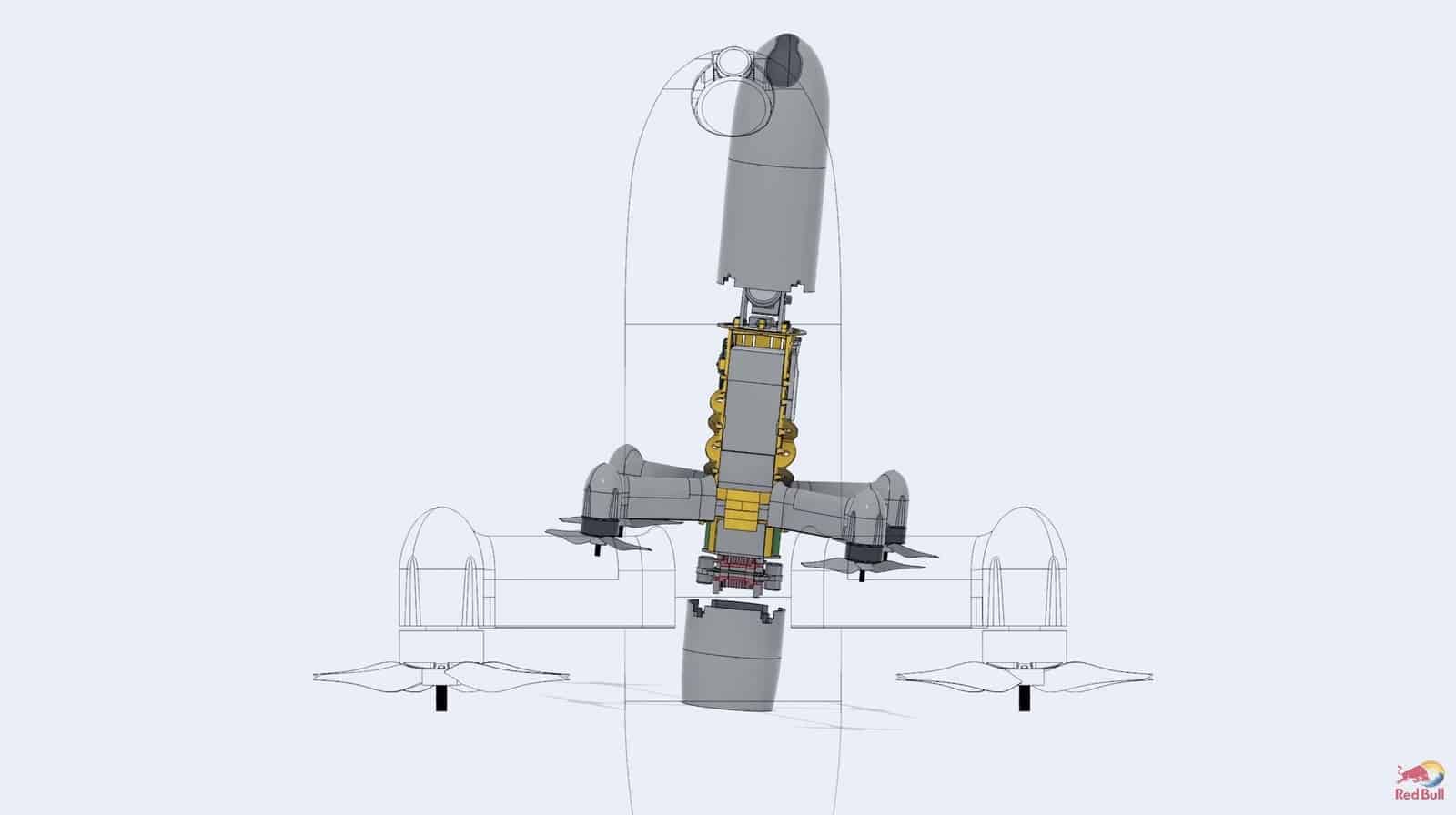
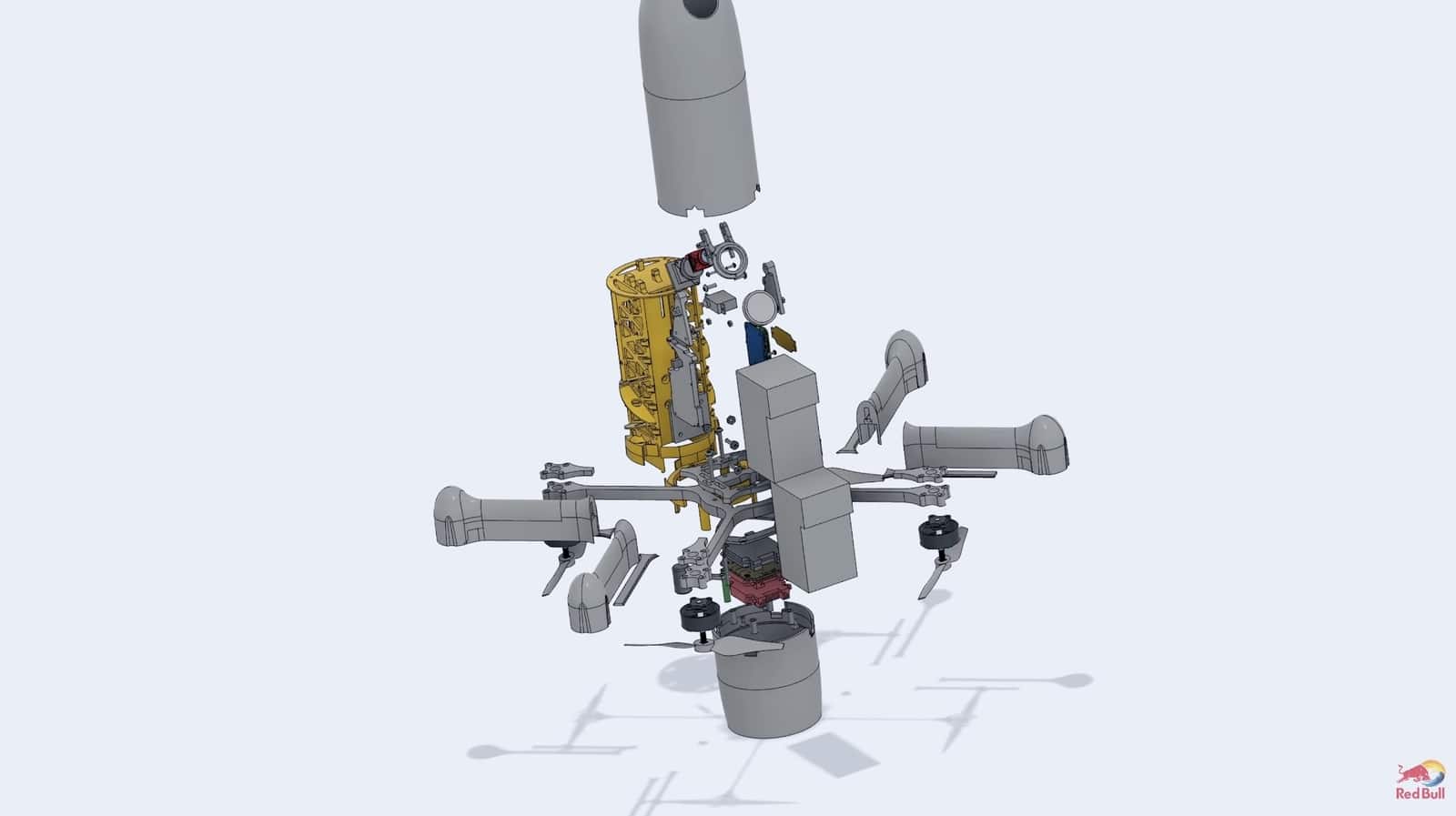
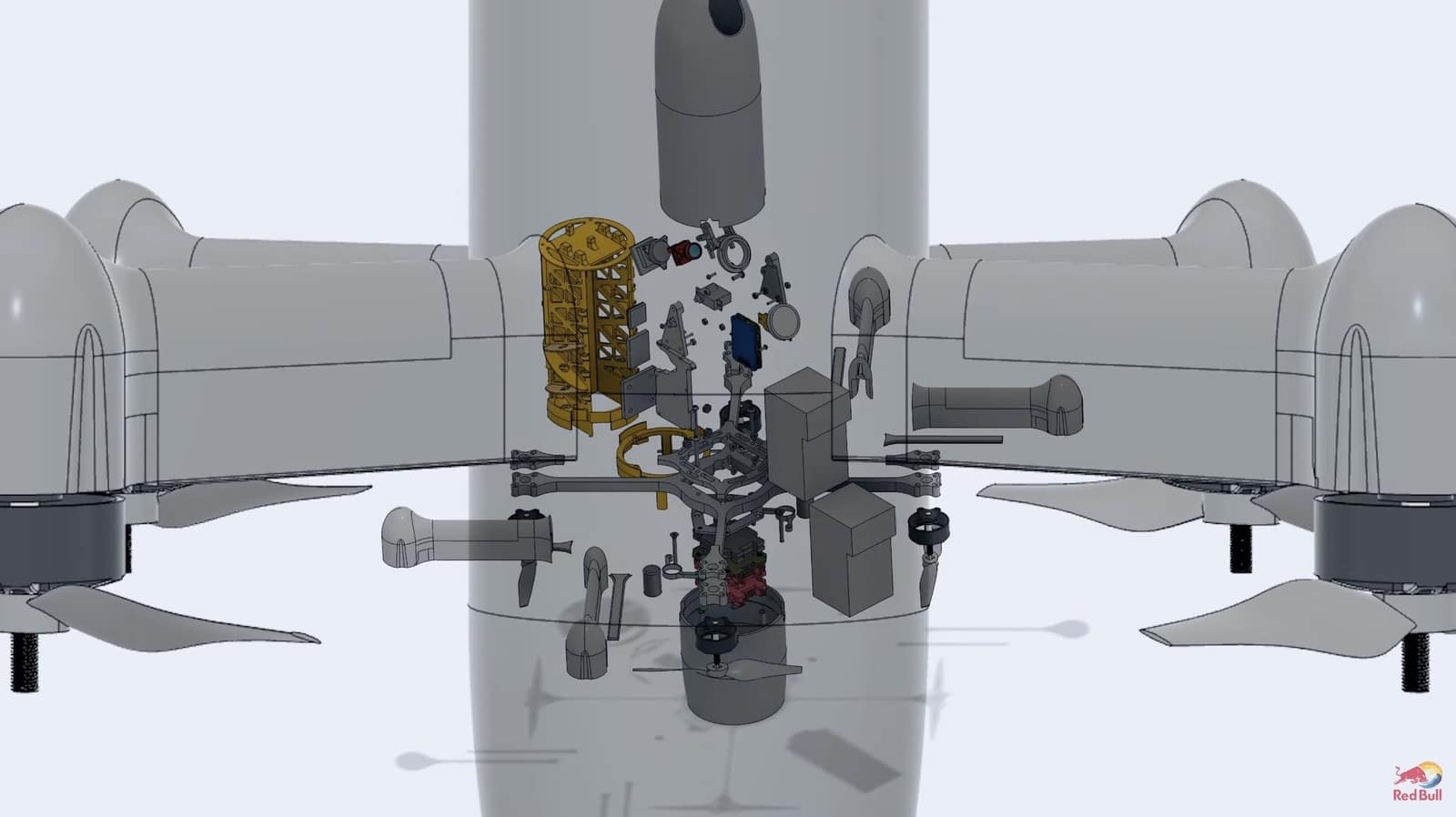
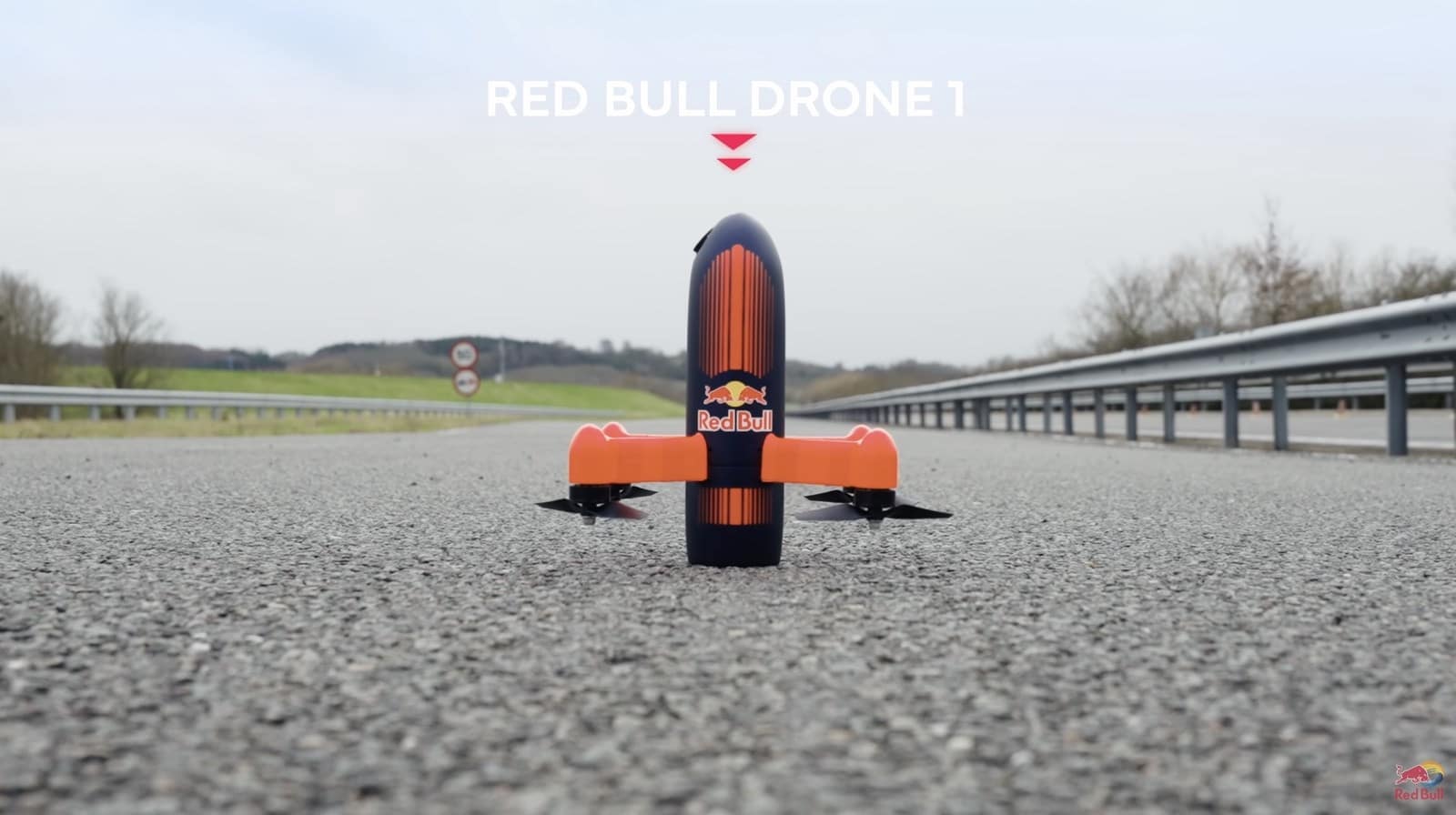
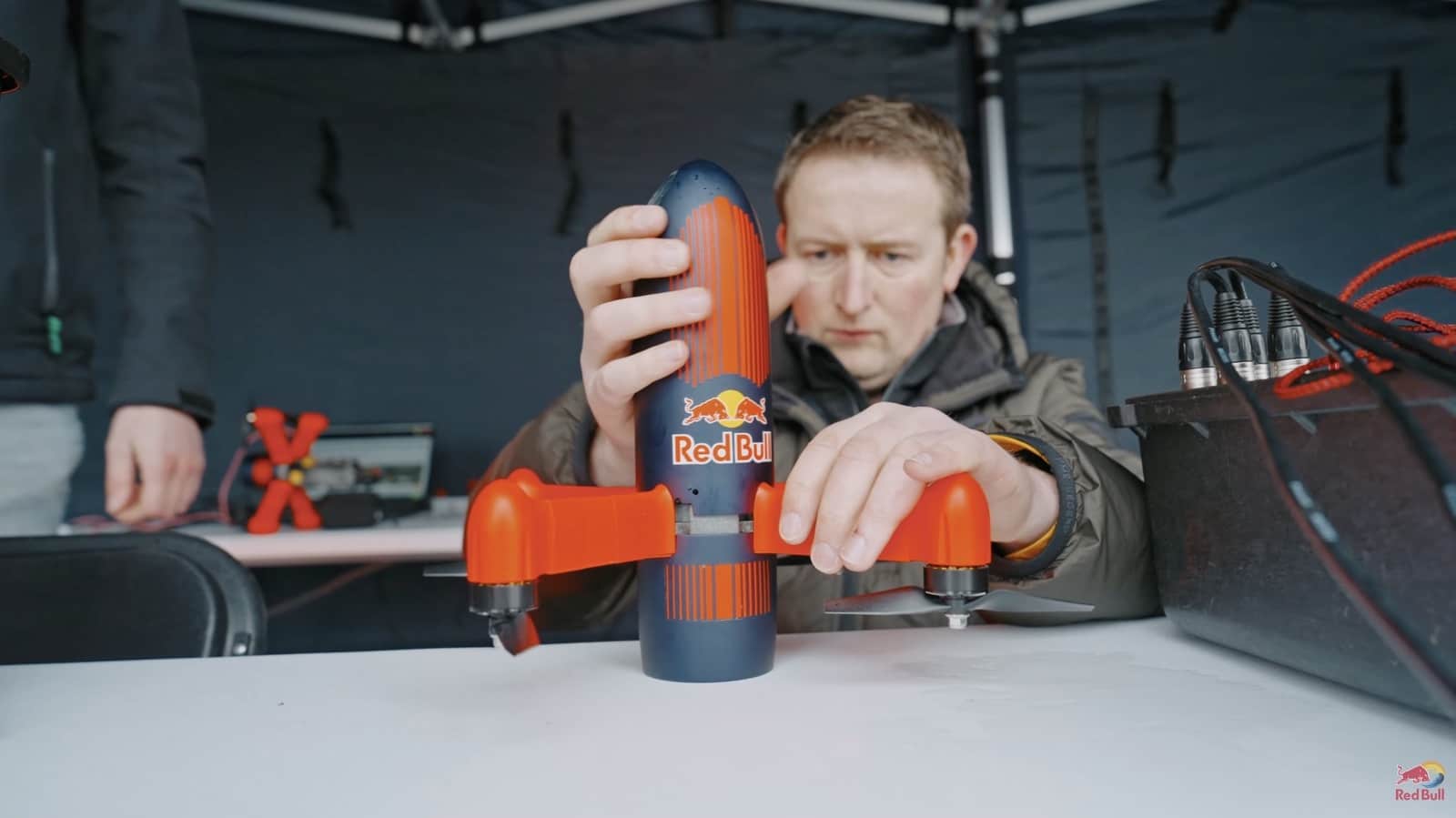
The custom FPV drone built to keep pace with a Formula 1 car.
Silverstone Circuit during the Dutch Drone Gods and Red Bull Racing filming project.
Photo by Ralph Hogenbirk from the world's fastest camera drone challenge.
The FPV chase drone that hit 193 miles per hour (310 kilometers per hour).

Photos courtesy of Ralph Hogenbirk.

Overcoming Technical Hurdles

The technical hurdles were immense. The drone needed to be robust enough to handle the sustained energy output without overheating or, worse, catching fire. Moreover, the team had to familiarize themselves with flying a completely new type of aircraft, all while keeping up with a world-champion driver’s pace. The standard FPV drones, typically reaching speeds of 150 to 180 kilometers per hour, fell short in both power and endurance when compared to the demands of filming an F1 car. This led to a cycle of trial and error, pushing the envelope of drone capabilities, where the Dutch Drone Gods worked closely together with Red Bull Racing.

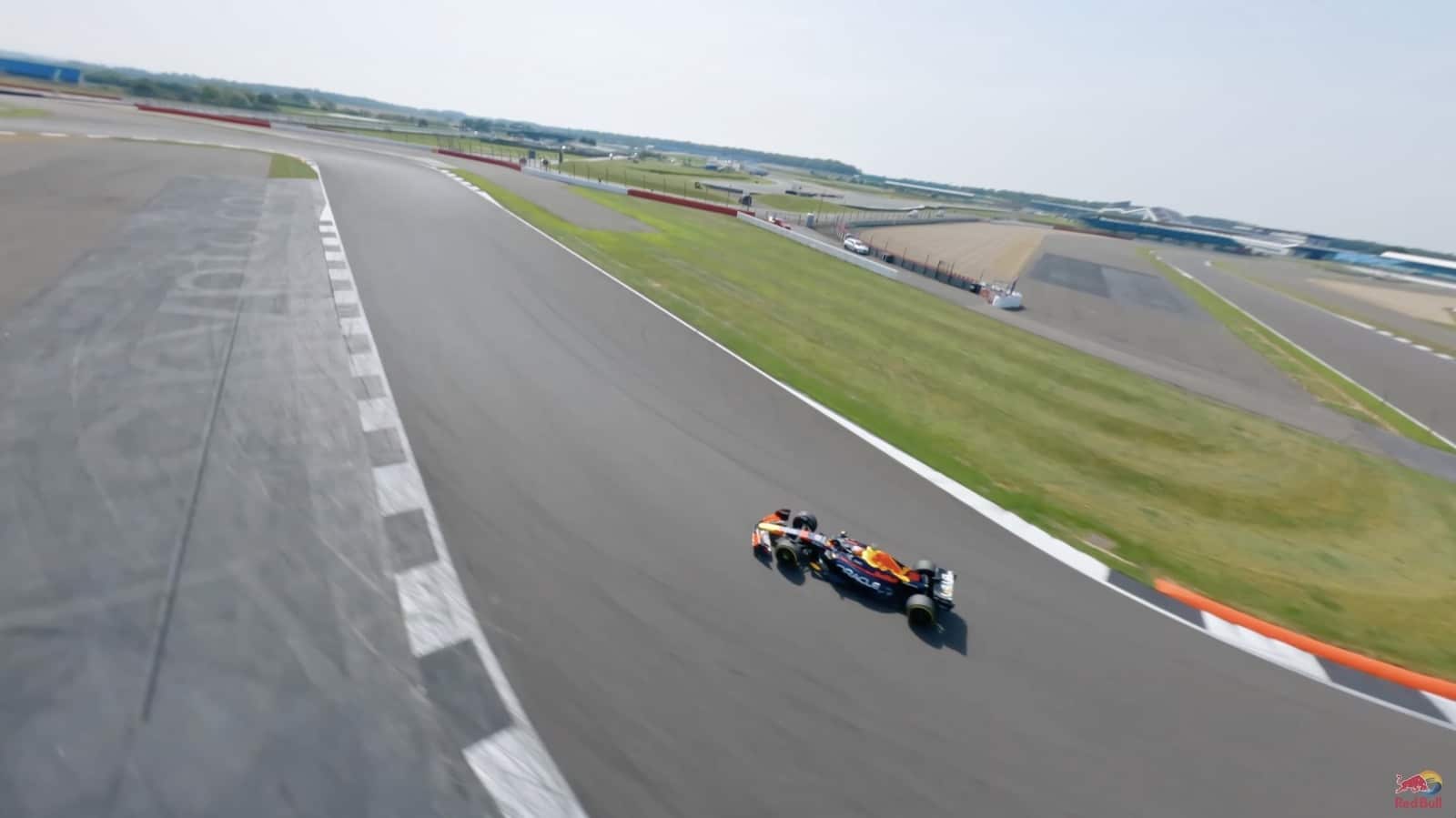
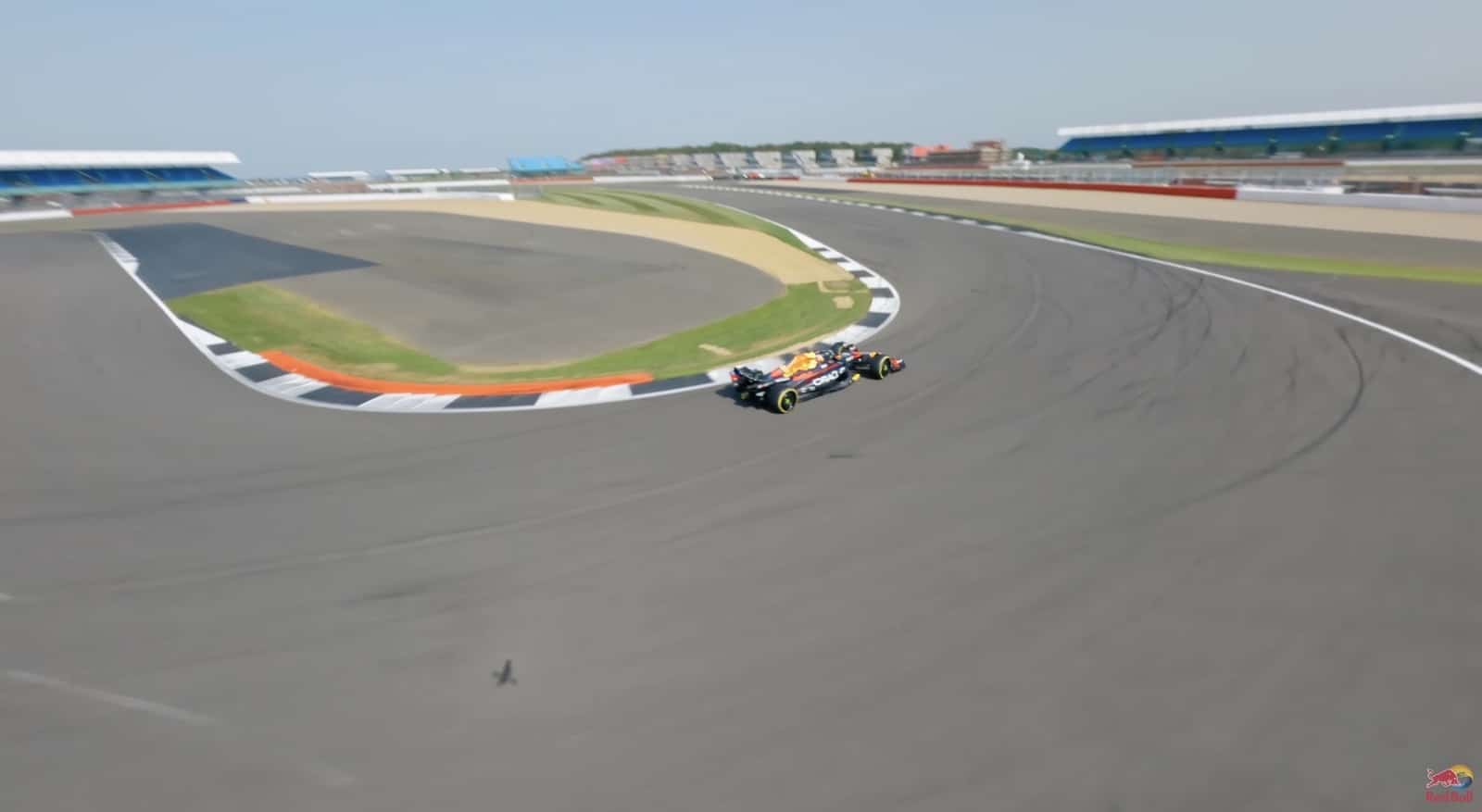
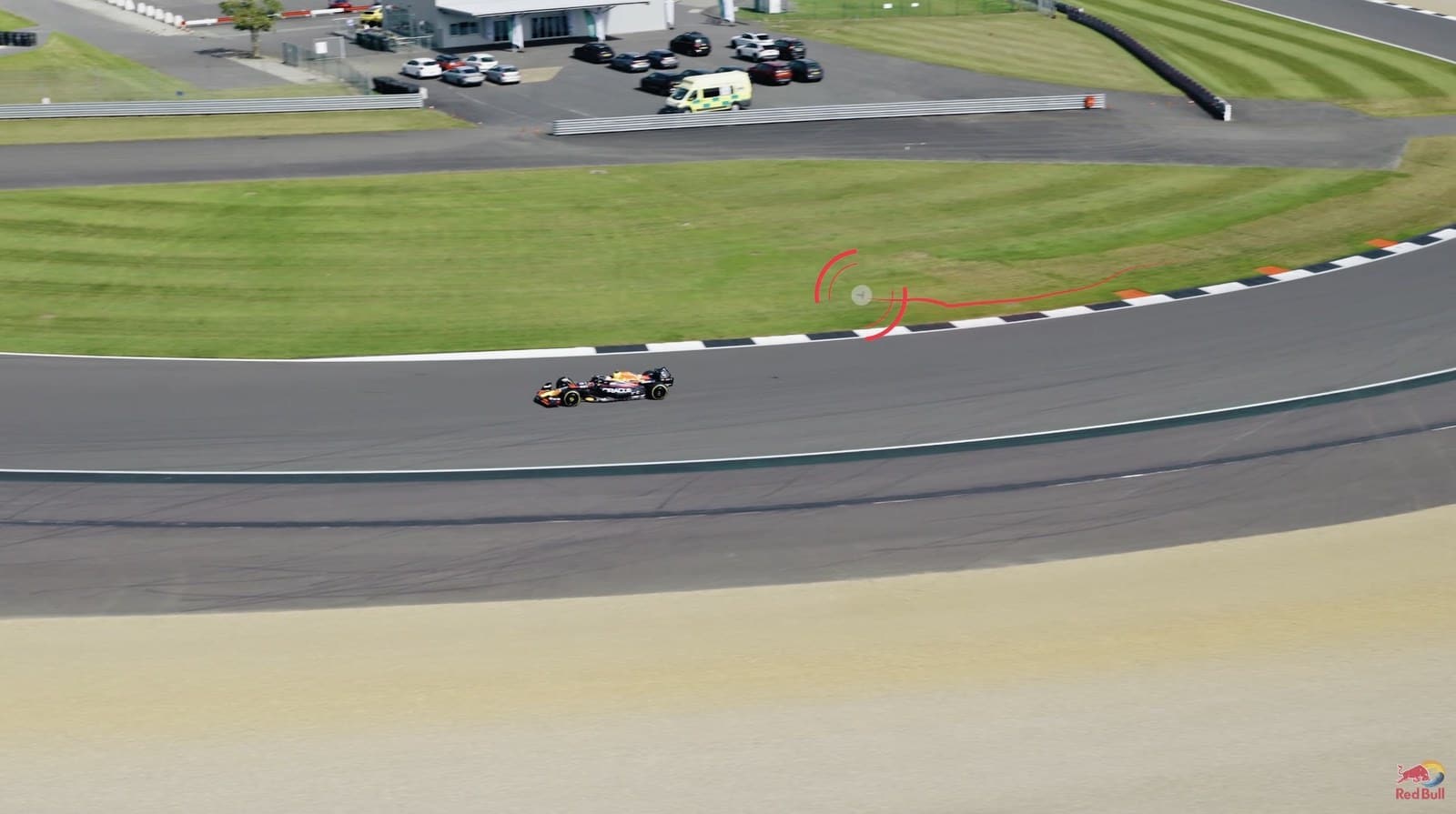
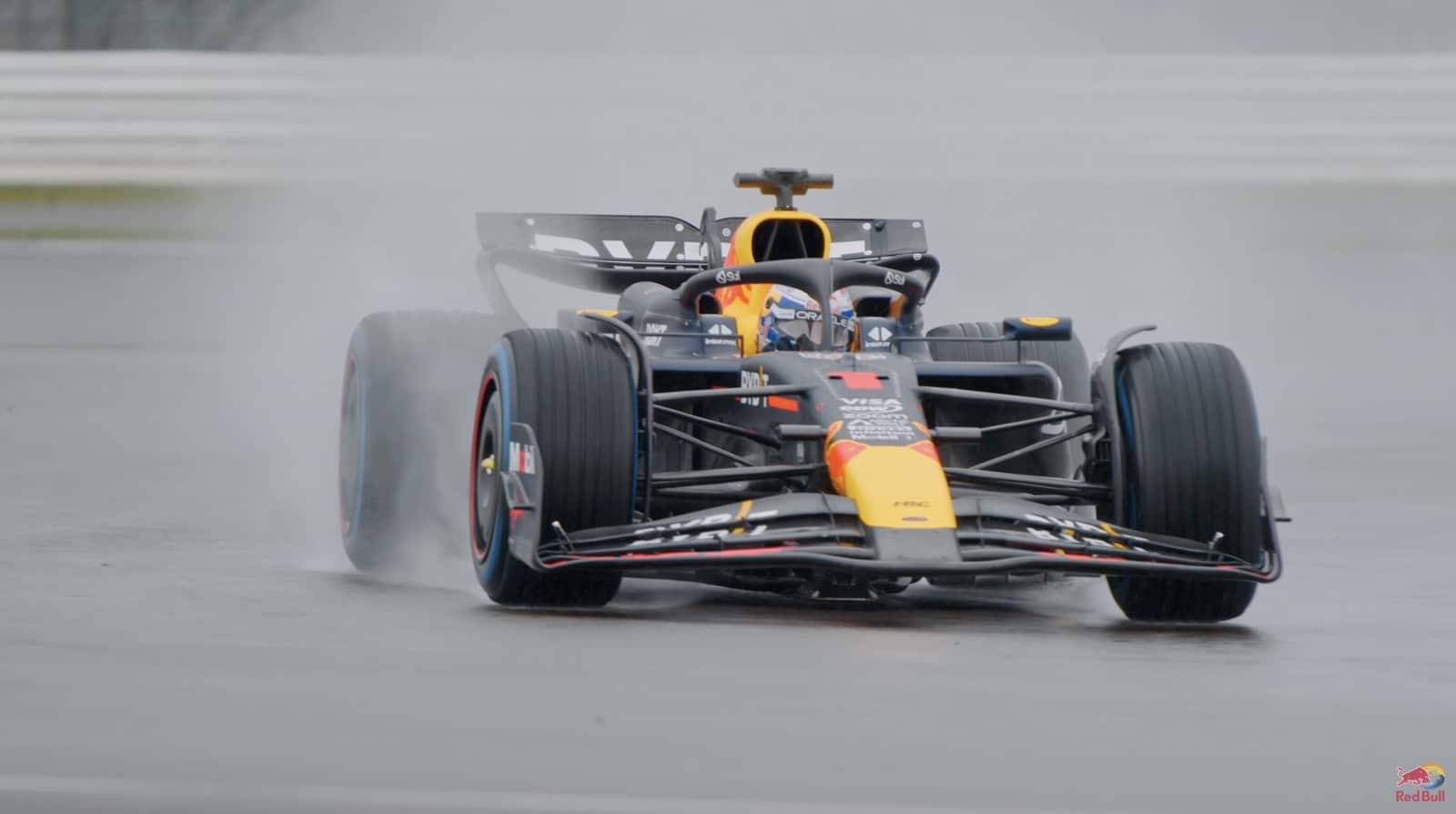
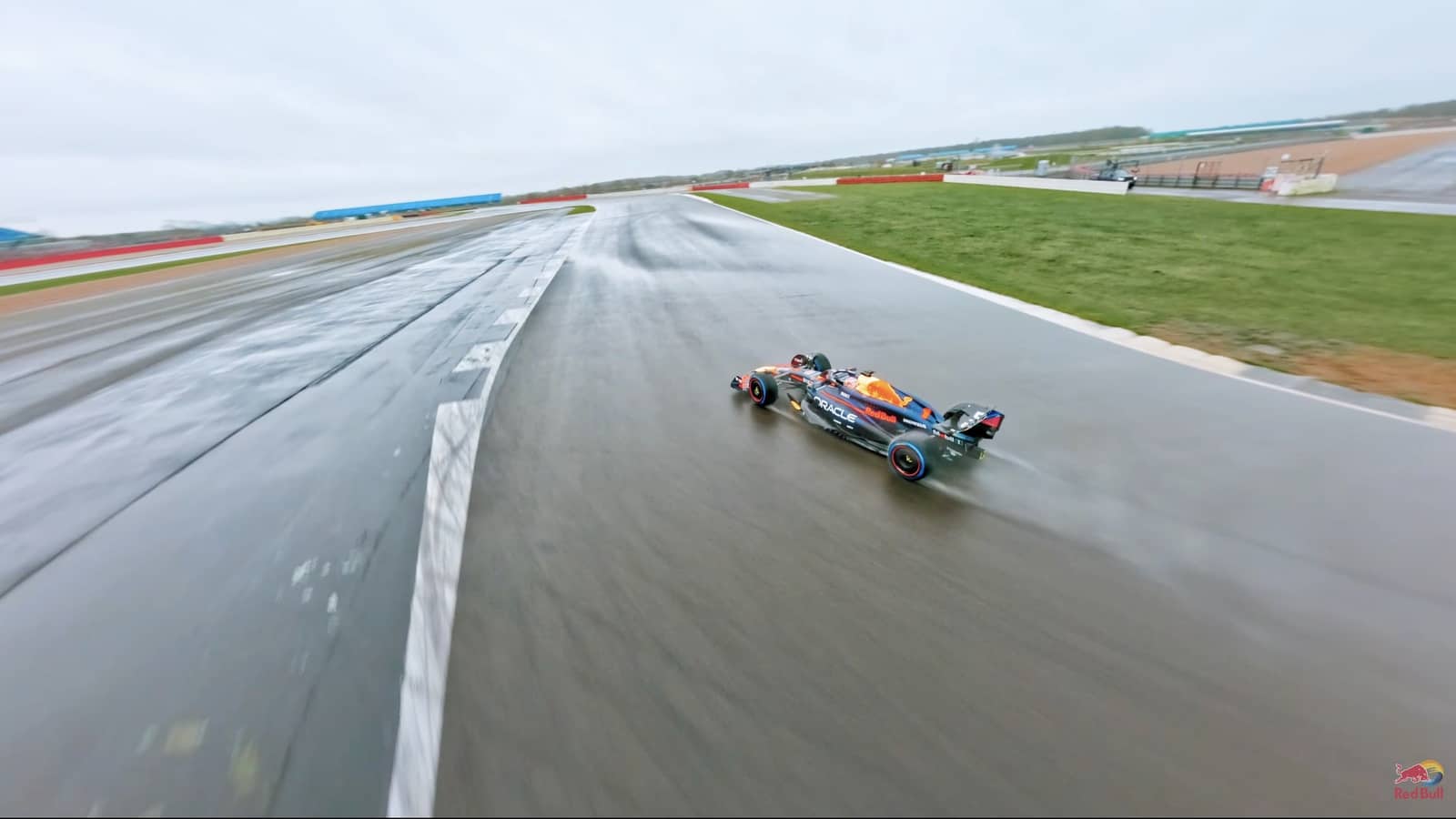
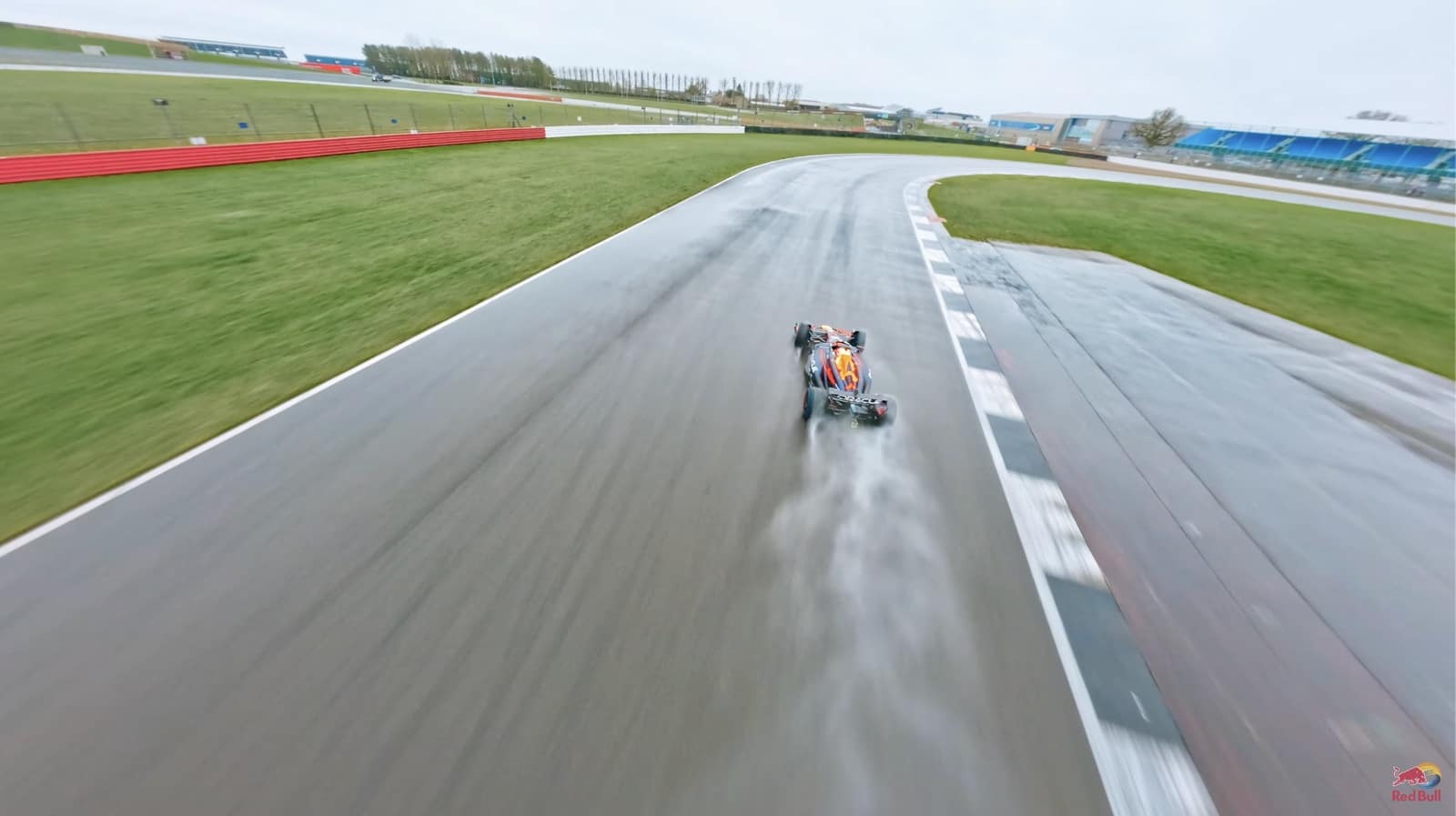
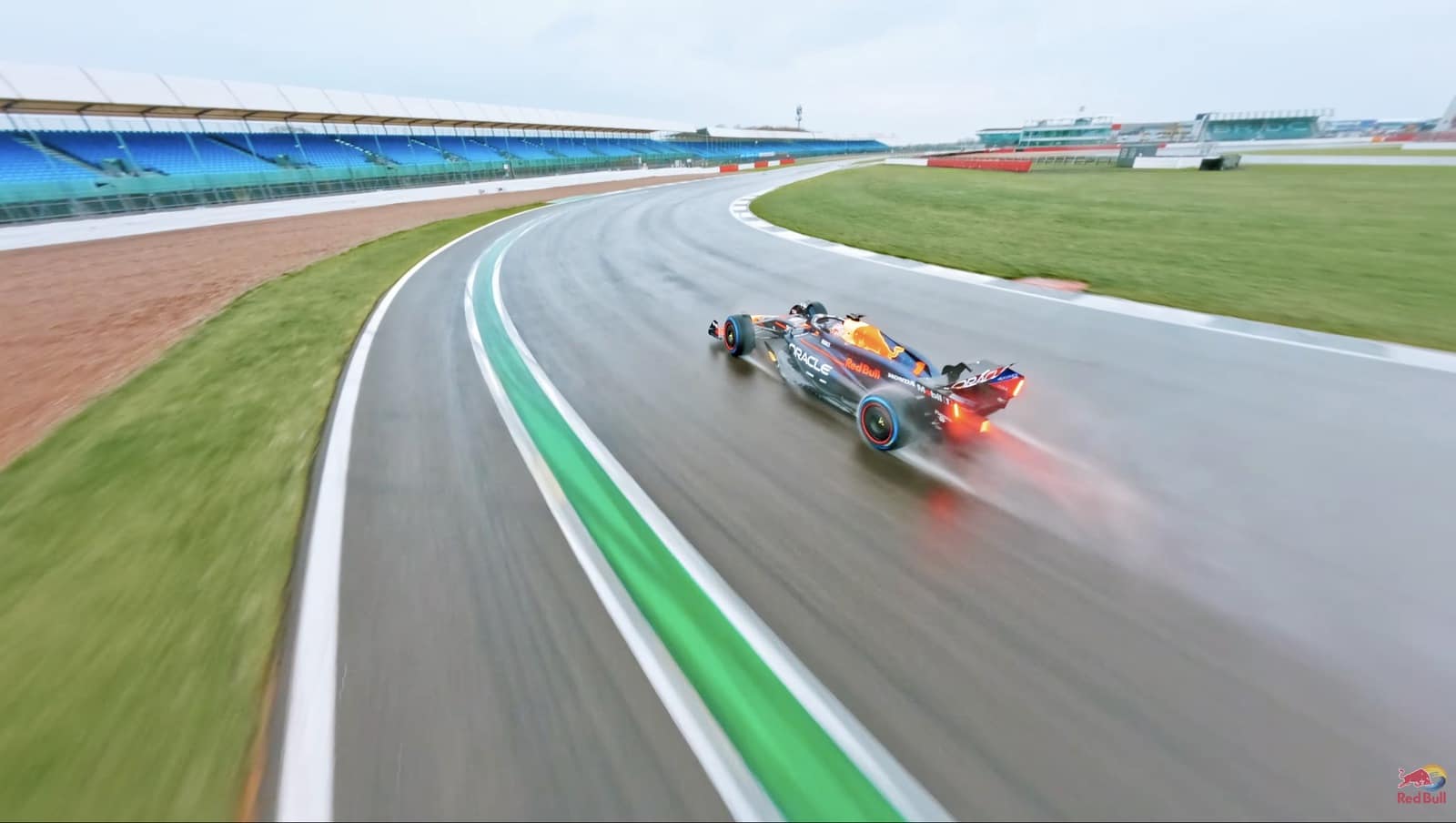
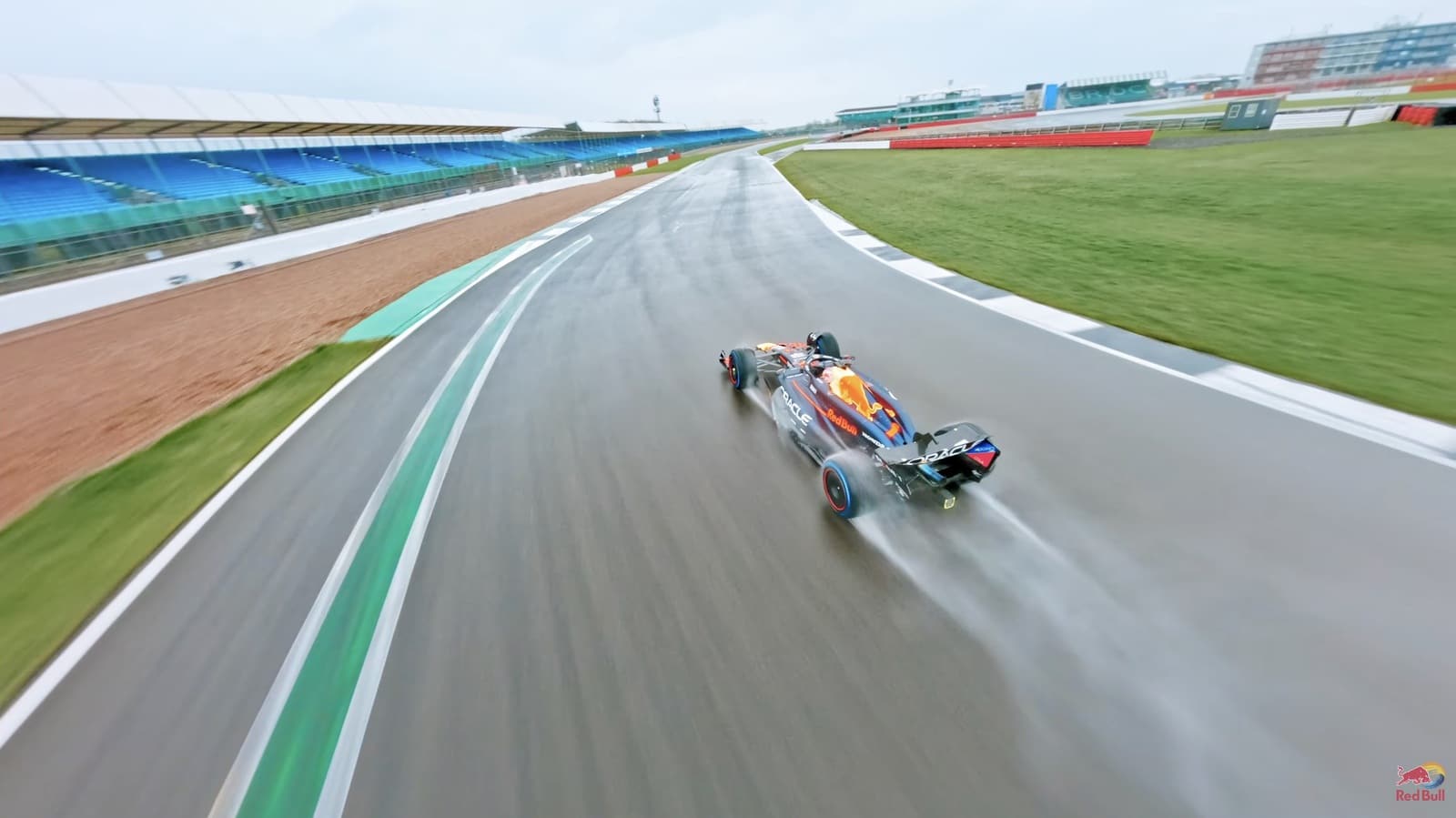
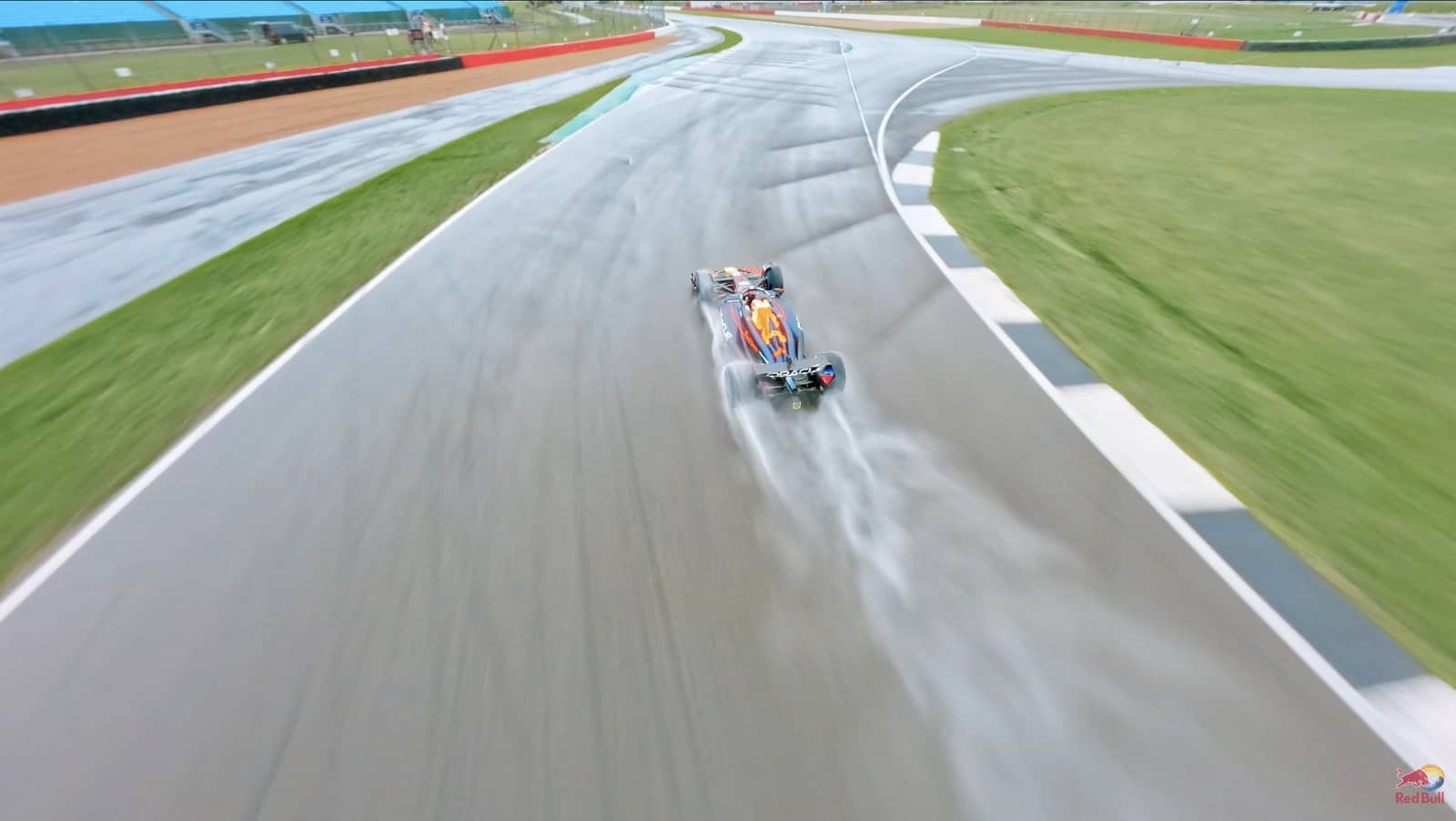
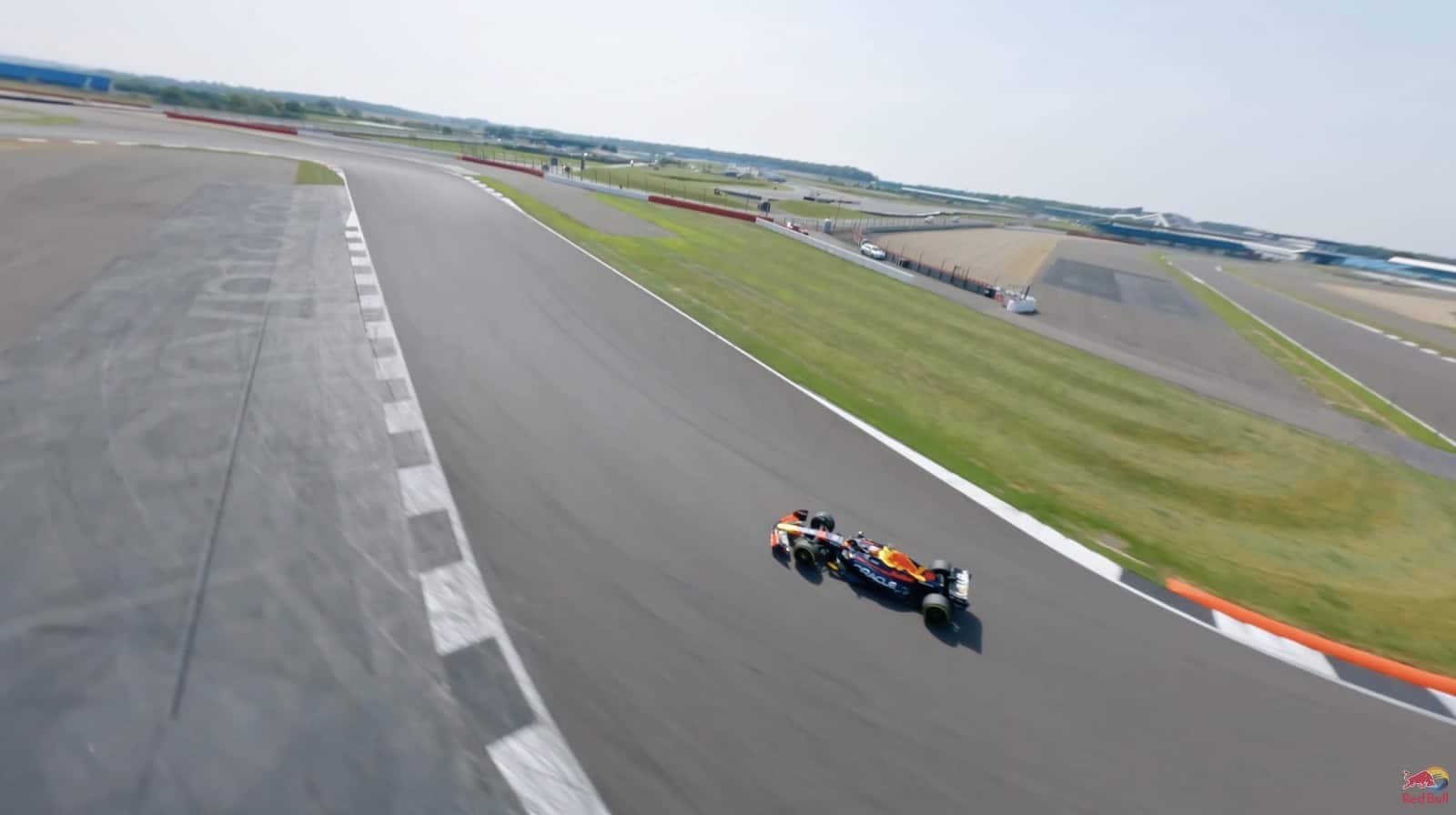
Red Bull Formula 1 car sweeps through a Silverstone corner at full speed.

Trial, Error, and Triumph

The development process was fraught with challenges, from overheating issues that caused cables to melt and drones to crash, to the struggle of achieving the aerodynamic efficiency needed for sustained high-speed flight. Yet, with each failure came valuable lessons. The team’s perseverance paid off during a test at Silverstone, where they conducted trial laps behind F1 driver Liam Lawson, stepping away from the safety of field tests into the real-world scenario of a racing circuit.

A Milestone in Aerial Filming

This venture was more than a technical exercise; it was a demonstration of human ingenuity and the relentless pursuit of excellence. The manual control of the drone by a skilled pilot, without reliance on GPS or automated tracking, highlighted the human element in this high-tech endeavor. Successfully filming an F1 car at full speed around Silverstone was a testament to the potential of drones in revolutionizing how we capture high-speed motorsports, merging the adrenaline of racing with cutting-edge technology. It wasn’t just about proving a drone could keep up with an F1 car; it was about opening a new chapter in the visual storytelling of one of the world’s most thrilling sports.
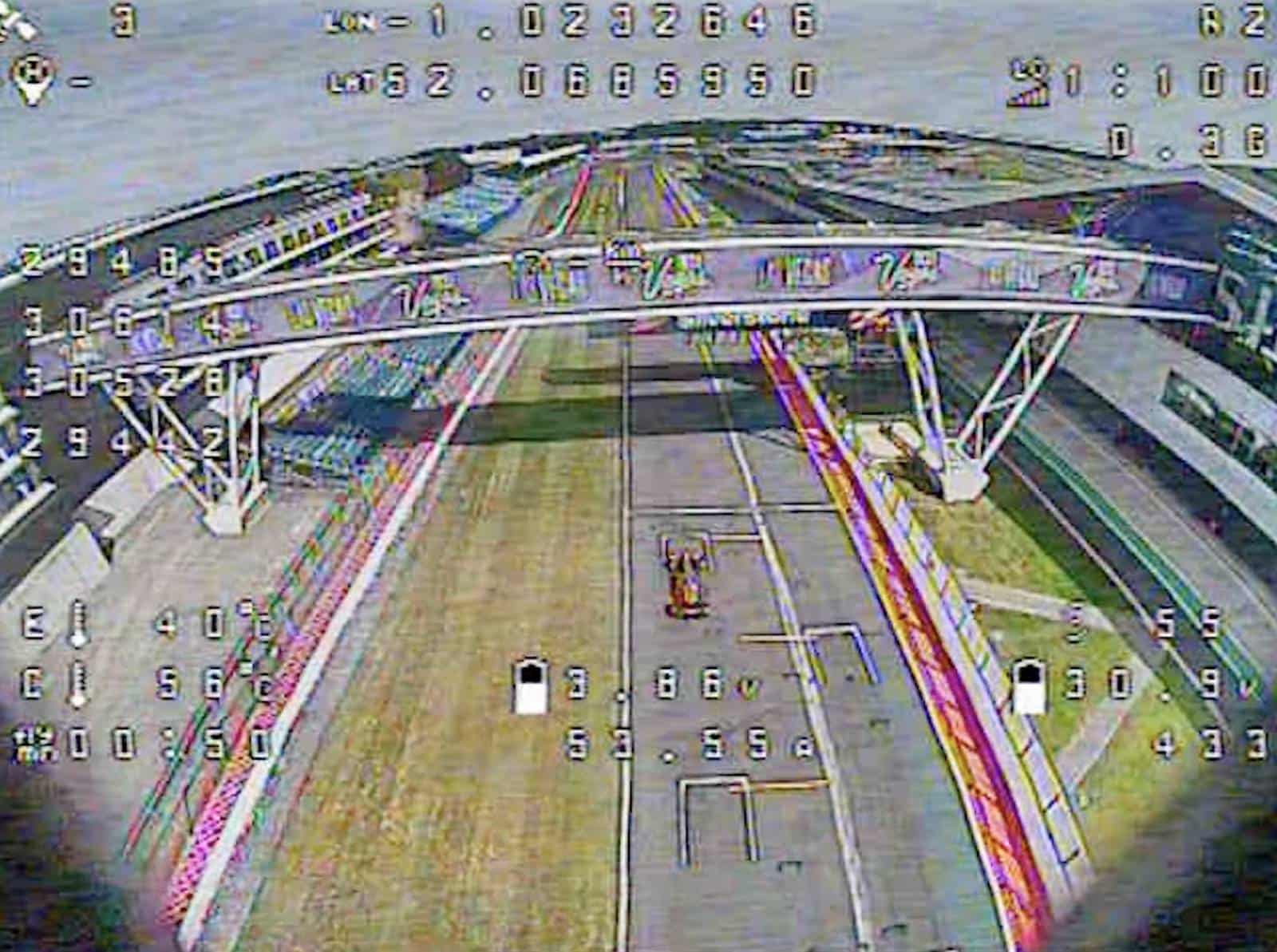
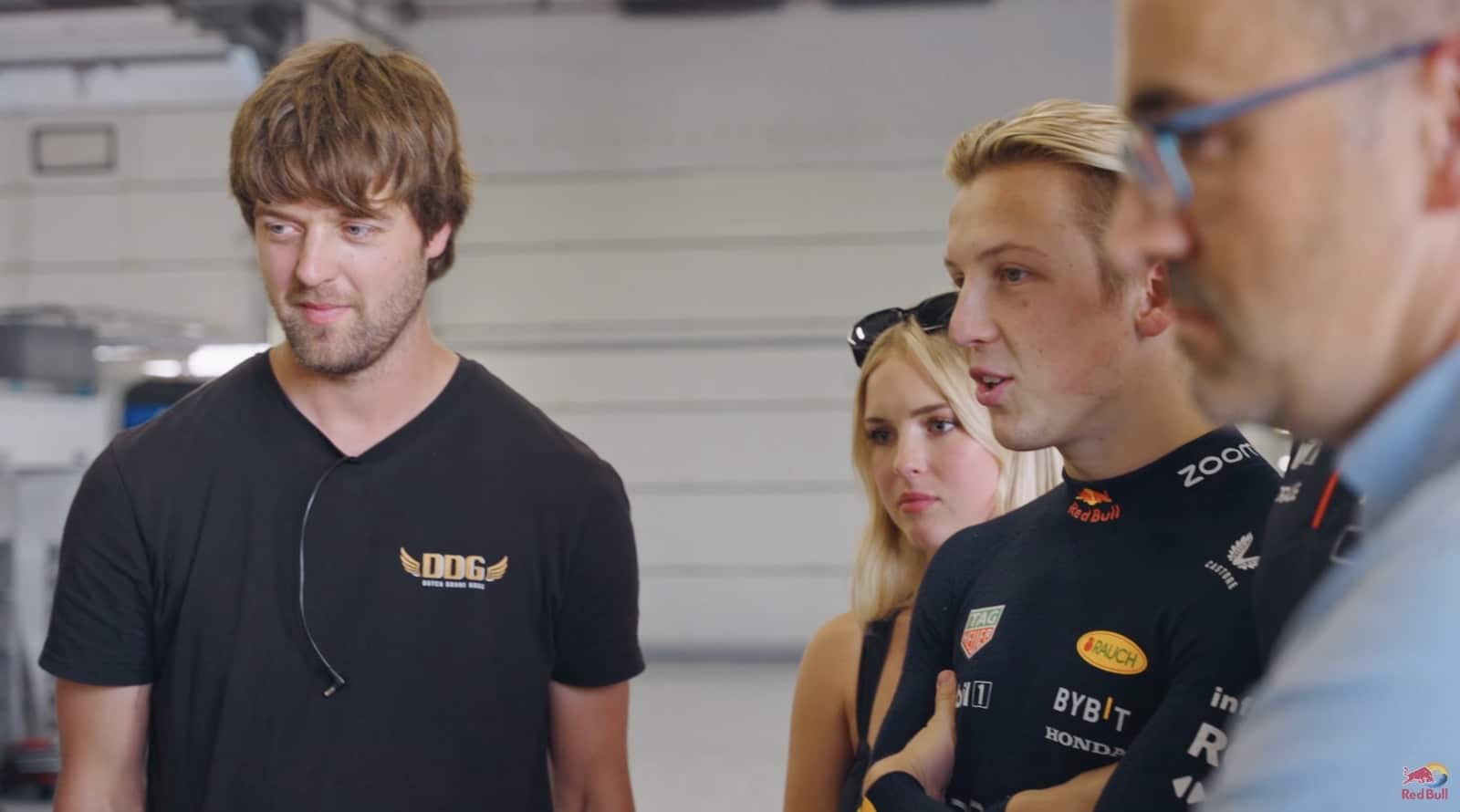
Frame from the making of the world's fastest camera drone at Silverstone.
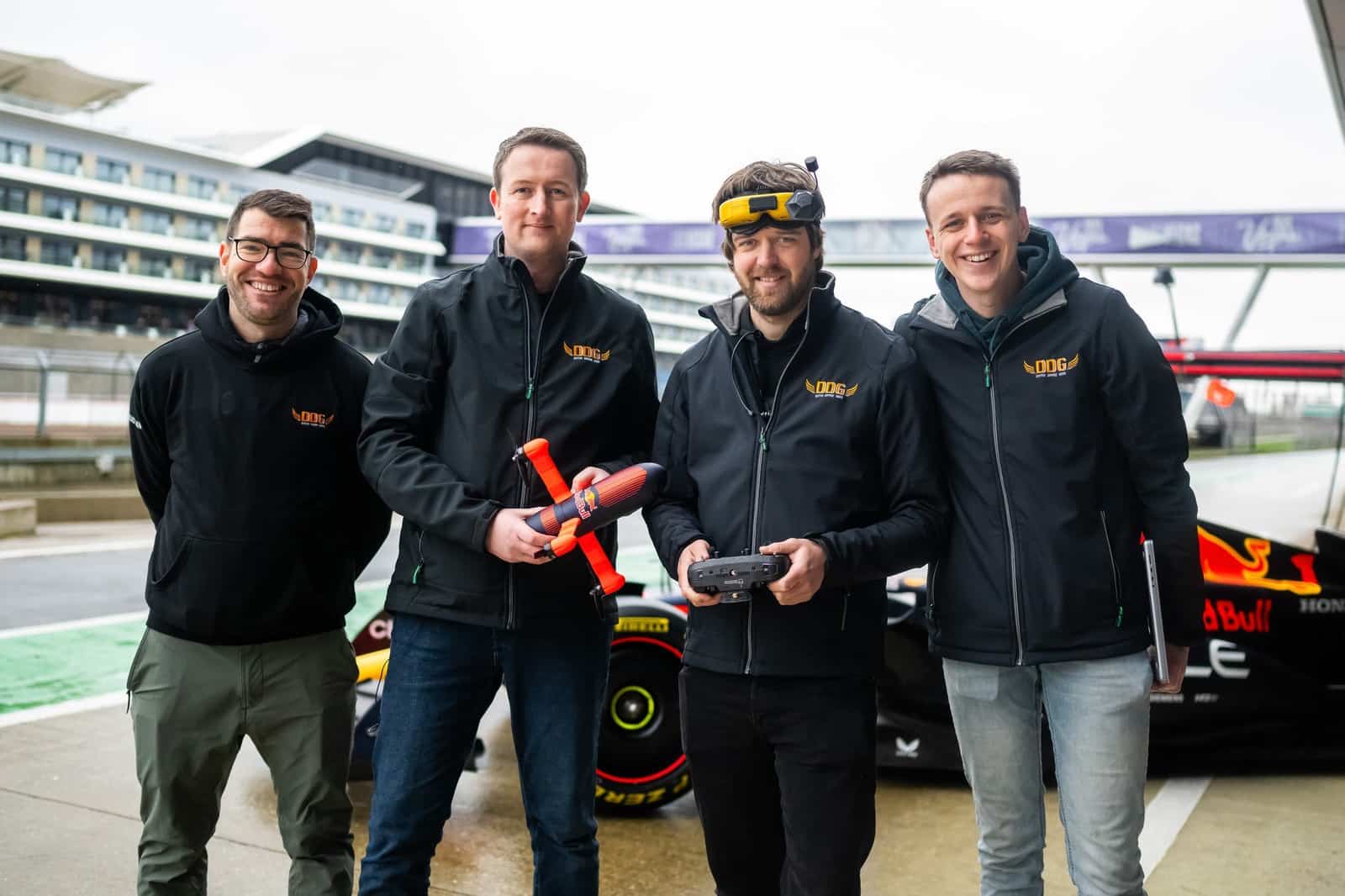
Dutch Drone Gods pilots and crew during the Silverstone filming sessions.
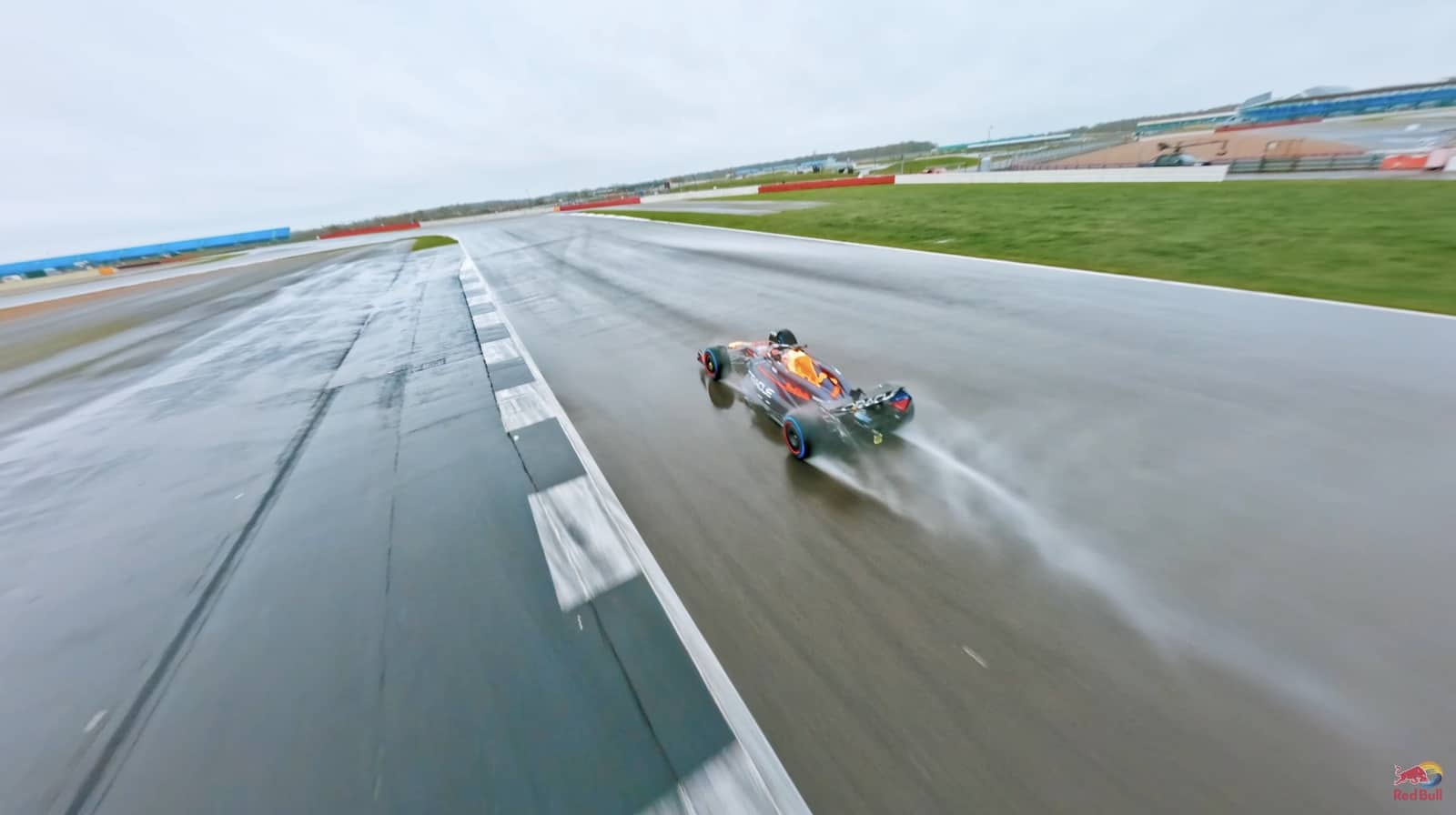
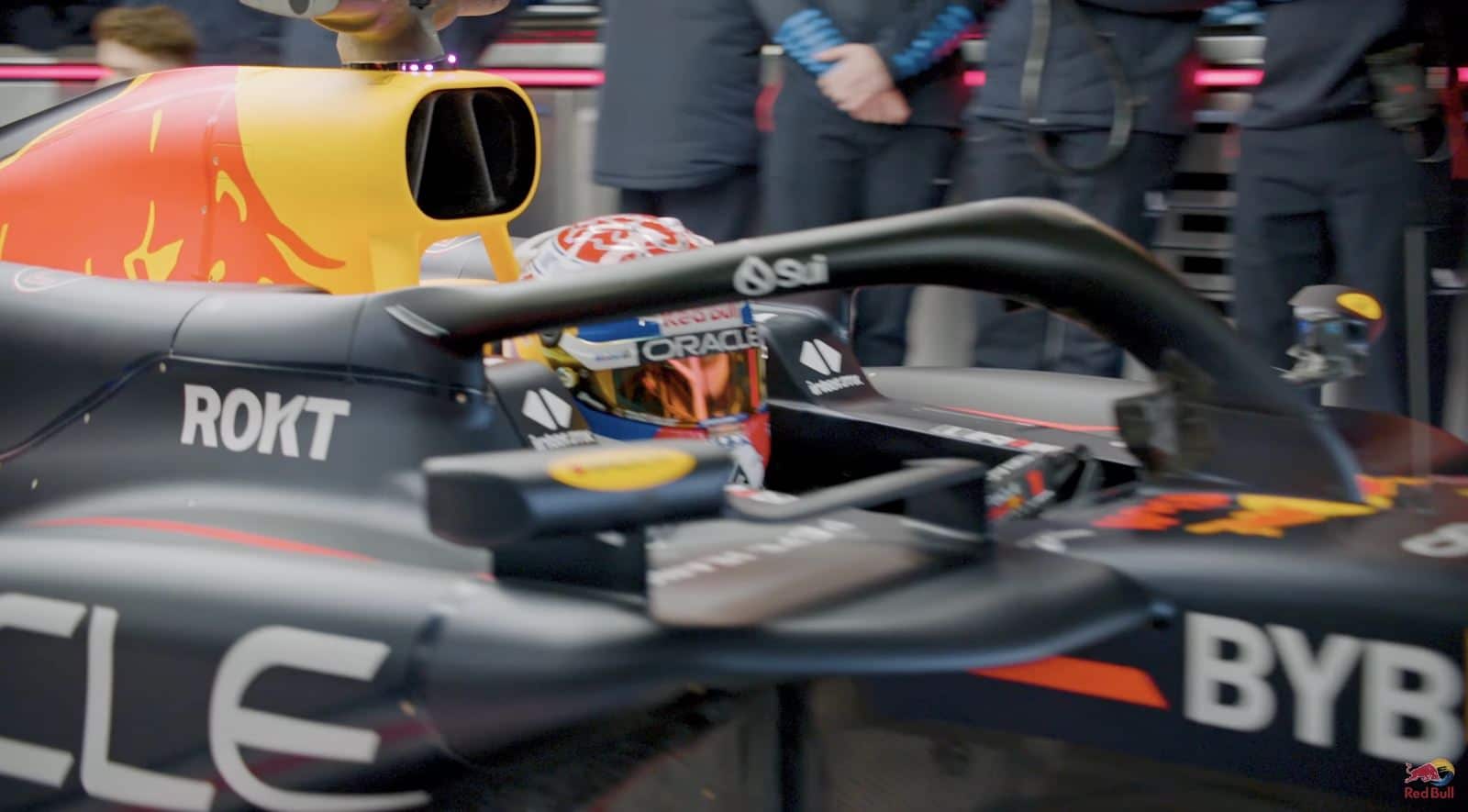
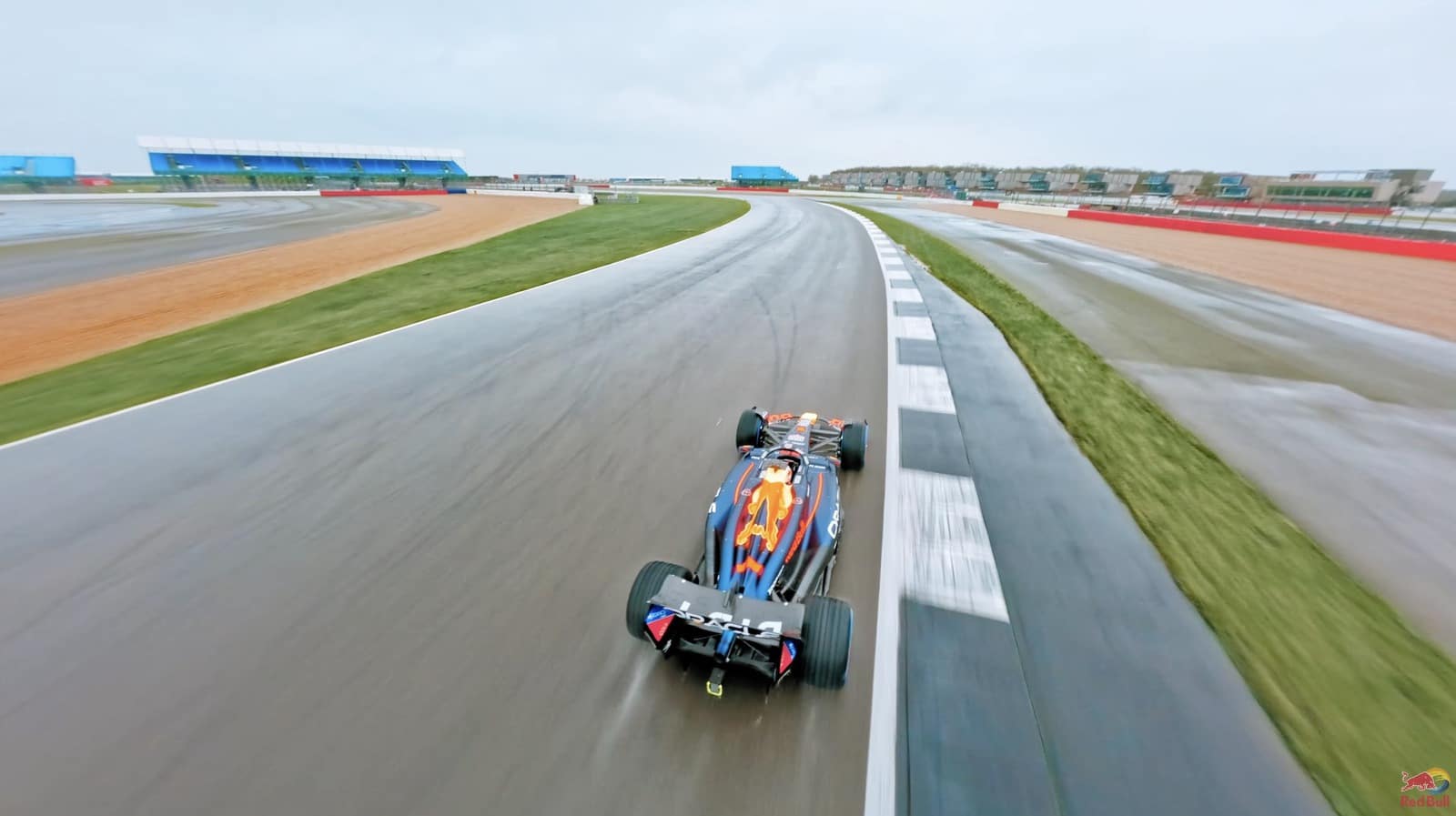
Max Verstappen's Red Bull Racing RB20 featured in the Silverstone drone chase.
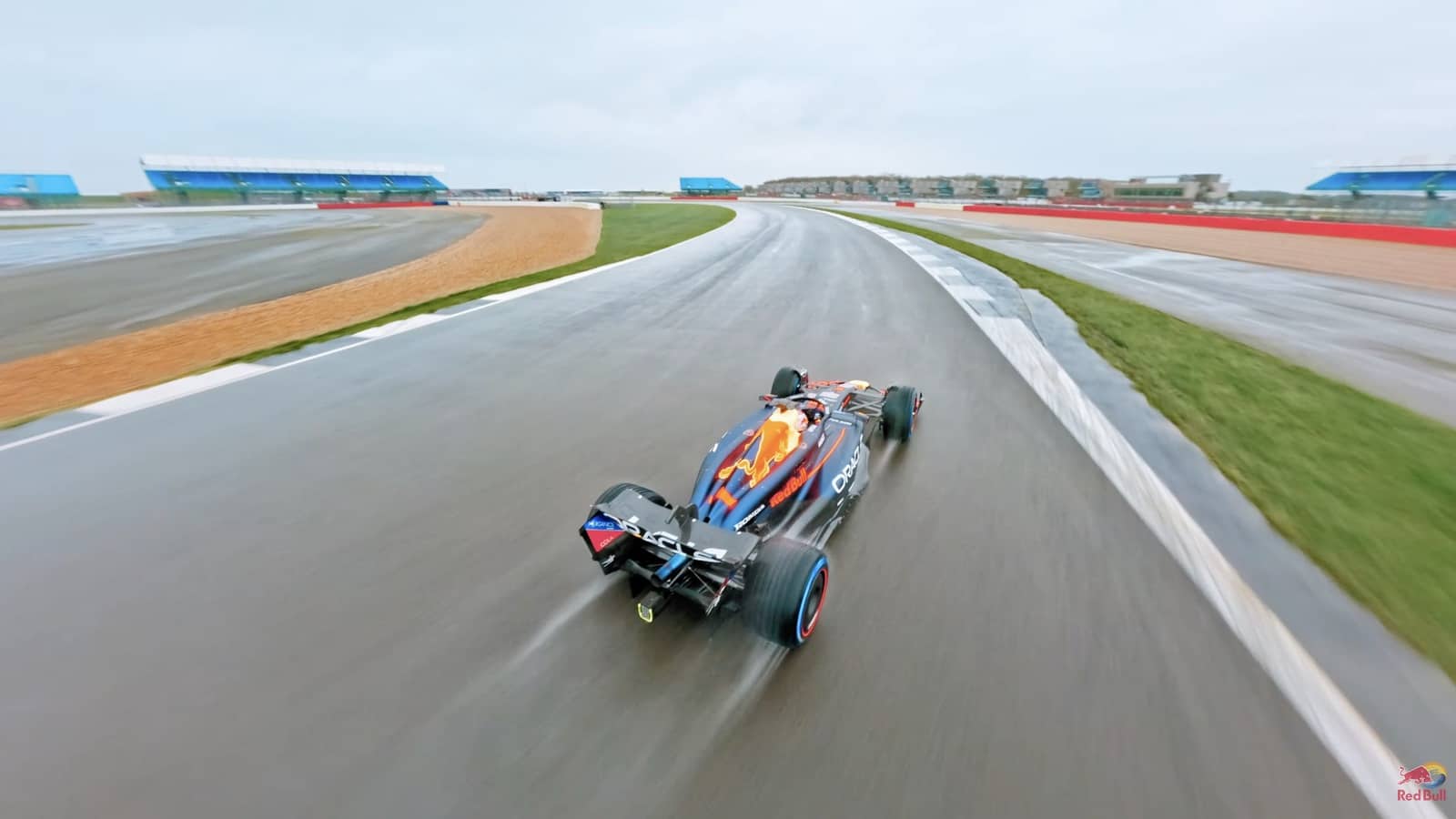
The chase drone was flown manually, without GPS or automated tracking.
Development work on the high-output FPV drone used for Formula 1 filming.
Red Bull Racing and the Dutch Drone Gods collaborated on the record drone.
The drone had to match an F1 car around the 3.6-mile (5.8-kilometer) Silverstone lap.
Silverstone trial laps were flown behind Formula 1 driver Liam Lawson.
Test flights at Silverstone refined the camera drone before the Verstappen run.
Gallery image from the Dutch Drone Gods Formula 1 camera drone project.
The purpose-built FPV drone filmed a complete Silverstone lap at racing speed.
Overheating and endurance problems shaped the design of the F1 chase drone.
Silverstone Circuit hosted the first laps flown behind a Formula 1 car.
Dutch Drone Gods engineers at work on the record-setting camera drone.
Max Verstappen, Liam Lawson and David Coulthard all featured in the Silverstone filming.
The FPV drone project pushed well beyond typical racing drone performance.
Another view from the world's fastest camera drone shoot at Silverstone.
Red Bull Racing machinery at Silverstone during the camera drone filming.
The camera drone had to match the RB20's acceleration, braking and cornering.
Preparation work ahead of the full-speed lap alongside Max Verstappen.
Trackside scene from the Dutch Drone Gods Formula 1 filming at Silverstone.
Aerial filming rig developed for high-speed motorsport coverage at Silverstone.
The drone project aimed to change how Formula 1 races are filmed.
Members of the Dutch Drone Gods team during the Silverstone shoot.
Behind the scenes with Red Bull Racing at Silverstone Circuit.
The record camera drone photographed during the Silverstone project.
Formula 1 filming at Silverstone with the quickest FPV drone yet flown.
A further frame from the drone versus Formula 1 car challenge.
The Dutch Drone Gods camera drone built in partnership with Red Bull Racing.
Silverstone testing that led to the full-speed lap with Max Verstappen.
Closing gallery frame from the world's fastest camera drone at Silverstone.
Gallery frame showing the Dutch Drone Gods chase drone built for Red Bull Racing.
Further look at the FPV camera drone flown at Silverstone Circuit.
Silverstone gallery image from the Red Bull Racing and Dutch Drone Gods shoot.
The custom chase drone photographed during the Formula 1 filming project.
Additional frame from the Silverstone sessions with Max Verstappen's RB20.
Trackside gallery image from the FPV drone and Formula 1 collaboration.
Scene from the Dutch Drone Gods camera drone build at Silverstone.
One more view of the FPV rig that reached 193 miles per hour (310 kilometers per hour).
Gallery photograph from the Red Bull Racing high-speed aerial filming project.
Silverstone Circuit pictured during the record camera drone sessions.
Another frame documenting the chase drone's development and testing.
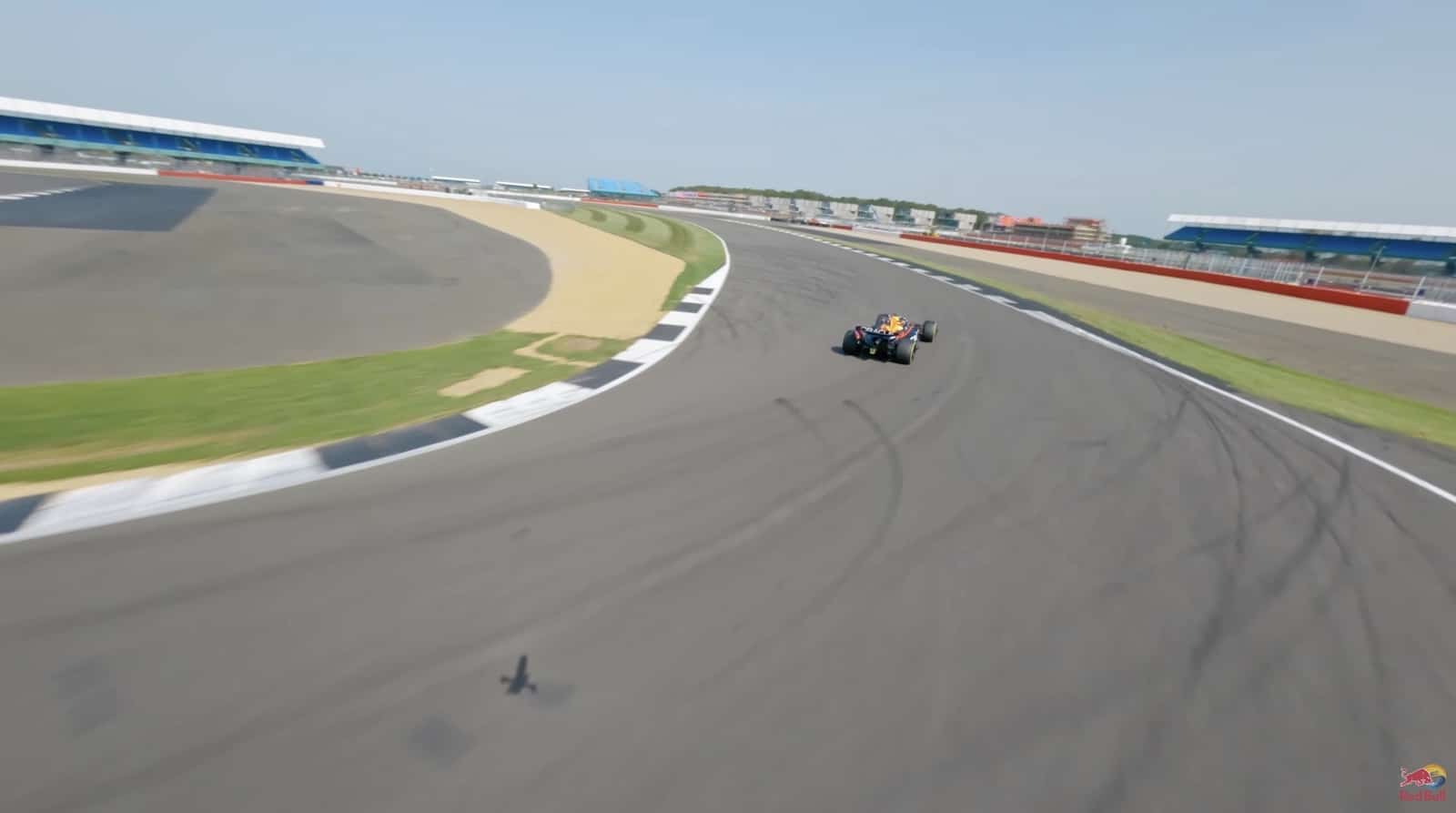
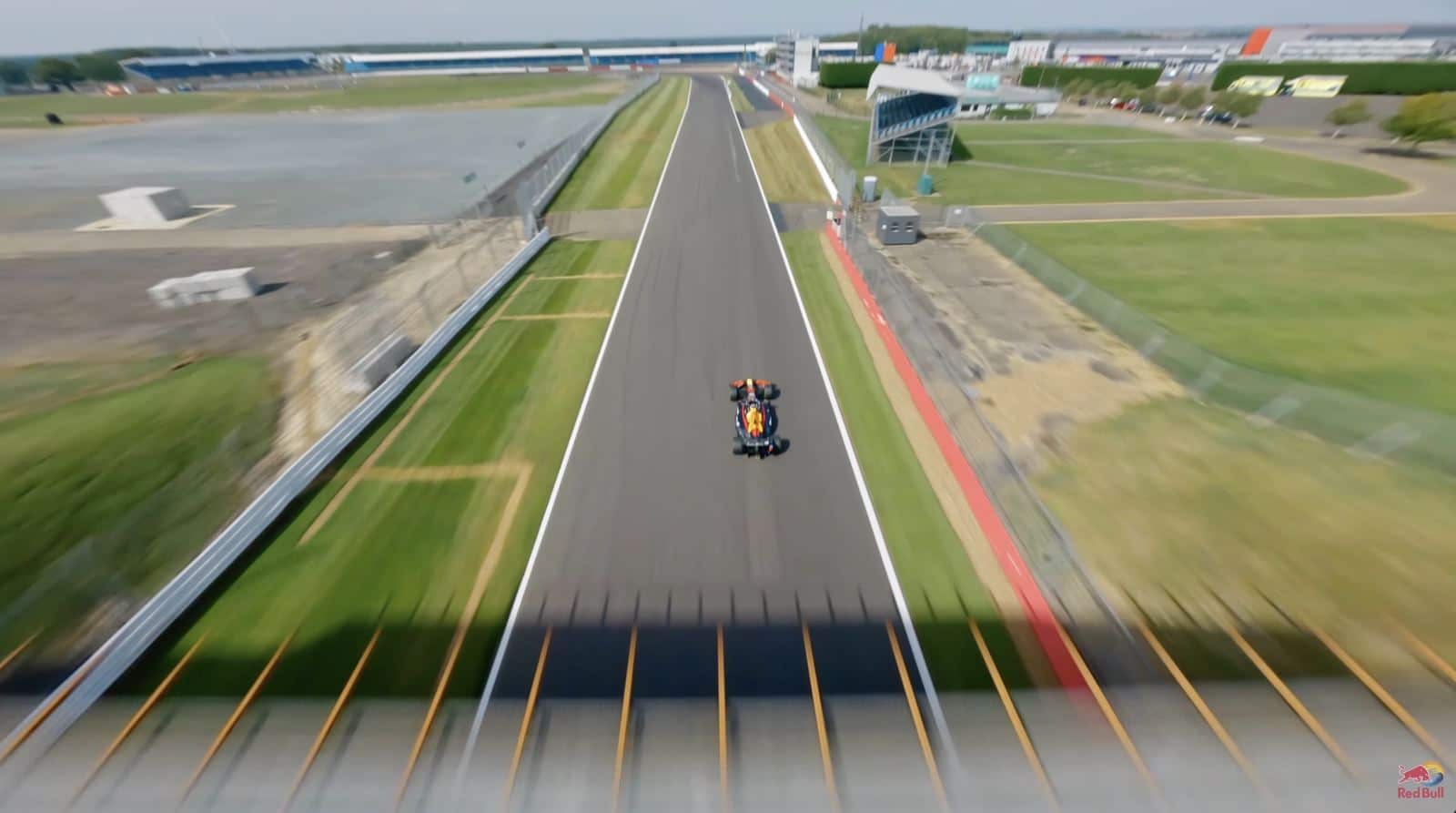
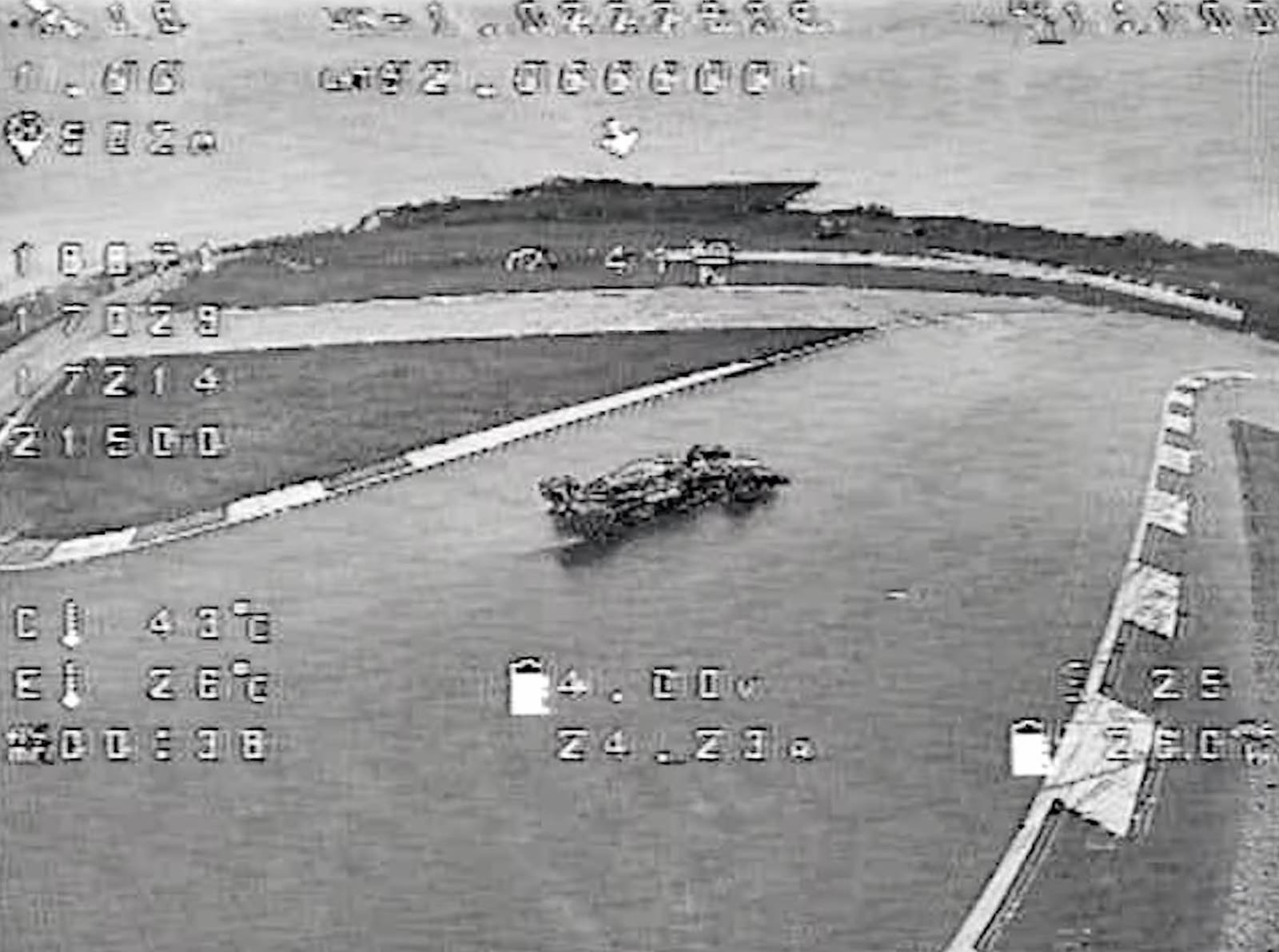
Chase-camera view of a Formula 1 car accelerating along the Silverstone circuit.
Gallery image from the full-speed lap filmed alongside Max Verstappen.
The Formula 1 chase drone seen again in the project photo gallery.
Further Silverstone frame from the Dutch Drone Gods and Red Bull Racing shoot.
Photograph from the effort to film an F1 car at racing speed.
Additional gallery view of the purpose-built FPV camera drone.
Late gallery frame from the Silverstone high-speed drone filming.
Final gallery image from the Dutch Drone Gods Formula 1 drone project.