

The DJI Mavic 4 Pro sets a new benchmark for aerial photography, boasting advanced features and image quality that rival high-end cameras. Professional drone photographer and Hasselblad Master Albrecht Voss rigorously tests this flagship drone, comparing it to the €9,000 ($8,199) Hasselblad X2D medium-format camera.
His findings reveal a drone that not only complements but also challenges traditional photography tools such as a medium format camera, offering unique perspectives for professionals and enthusiasts alike. In this article, we take a closer look at the Mavic 4 Pro’s capabilities, analyzing its technical prowess, operational benefits, and industry implications.
Streamlined Setup for Efficient Workflows
DJI redefines drone setup with the Mavic 4 Pro, prioritizing speed and simplicity. “The drone switches on automatically as soon as you unfold the right rear leg,” Voss explains, eliminating the need for a power button. The RC2 Pro controller activates when its display is raised, featuring fixed joysticks that remove the hassle of assembling detachable ones. The drone and controller are ready in just 20 seconds, using visual positioning to launch without waiting for satellite connections. This allows photographers to focus on capturing shots rather than managing setup delays.

Charging efficiency is another highlight. The Creator Combo’s 240-watt power supply charges three batteries in 90 minutes while simultaneously powering the controller. For extended shoots, a DJI Power 1000 Station enables all-day flight, and a USB-C Power Delivery charger offers flexibility for on-the-go use.

Data transfer is seamless, with onboard SSDs enabling downloads at 650 MB/s via USB-C. Photographers can also access images via Bluetooth up to 12 hours post-flight using the DJI Fly app, streamlining mobile workflows.

However, the drone’s weight—approximately 2.2 pounds (1 kg) with controller and batteries—poses a challenge for ultralight travelers. Voss wishes for a simpler battery removal process, as unfolding the front arms is required. He scores setup and handling 4/5, praising its efficiency for professionals shooting at multiple locations but docking a point for portability. “For pro workflows, this is a huge advantage,” Voss notes, though hobbyists may find the weight less critical.

Exceptional Flight Stability in Tough Conditions
The Mavic 4 Pro excels in stability, even under demanding conditions. Tested in Hamburg’s winds reaching 12.4 mph (20 km/h), the drone remains rock-steady, delivering sharp long-exposure shots from 0.5 to 1 second across its three lenses. “That the drone delivers such stable images even with the 166 mm telephoto lens was a real wow moment for me,” Voss remarks. This stability is crucial for urban environments with turbulent airflows, such as between tall buildings.


Flight time, while advertised at 51 minutes, reaches about 35 minutes in real-world use within a 0.62-mile (1 km) radius, allowing active photography until the battery hits 25% for safe landing. Quick battery swaps extend shooting sessions, accommodating most photo assignments where lighting conditions change rapidly. The drone’s range and speed further enhance its versatility, enabling photographers to capture diverse perspectives efficiently.

Voss awards flight performance 4/5, commending its stability and range but noting the gap between claimed and actual battery life. “For most photo missions, this is completely sufficient,” he says, emphasizing its reliability for professional shoots. The Mavic 4 Pro’s flight capabilities make it a dependable tool for capturing critical moments without constant battery monitoring.
Cutting-Edge Safety Features on the DJI Mavic 4 Pro
Safety is a cornerstone of the Mavic 4 Pro, with 360° obstacle detection setting a new standard. Live camera feeds on the controller display surroundings, reducing risks during complex maneuvers like lateral or backward flights. “You no longer have to constantly rotate the gimbal to orient yourself,” Voss explains, particularly valuing this for telephoto compositions where peripheral awareness is limited. Unlike earlier models, the drone avoids abrupt braking, gently correcting its path when nearing obstacles, which enhances precision for indoor flights or tight urban spaces.

Testing in Hamburg’s Westfield shopping center demonstrated the drone’s ability to navigate confined areas smoothly. Autonomous navigation ensures safe return-to-home functionality during signal loss, boosting confidence in challenging environments. Voss gives safety a perfect 5/5, stating, “The combination of smart obstacle detection, reliable orientation aid, and autonomous flight control is absolutely unmatched.” This feature empowers photographers to focus on creativity without compromising safety.

Intuitive Controller Enhances Precision
The RC2 Pro controller elevates the user experience with a 7-inch, 1600-nit display that remains visible in direct sunlight, allowing accurate exposure adjustments. Its adjustable angle ensures ergonomic comfort during extended shoots. A control wheel enables precise tweaks to shutter speed, aperture, ISO, and exposure compensation, mimicking the tactile feel of professional cameras. “It feels as direct and precise as with my real cameras,” Voss says, appreciating the ability to assign lens switches to joystick buttons, especially useful in cold weather or with gloves.

Switching to portrait mode rotates the gimbal automatically, optimizing vertical compositions for social media. However, vertical tilt is restricted to -11° to 0°, limiting upward shots and causing slight jitter at maximum tilt during maneuvers. In contrast, landscape mode offers a versatile -90° to +70° range, unlocking diverse angles.

At 2.2 pounds (1 kg), the controller’s bulk is a drawback for travel, earning a 4/5 score. Voss praises its functionality but notes, “The bulky form factor and gimbal limitation are a bit annoying.”
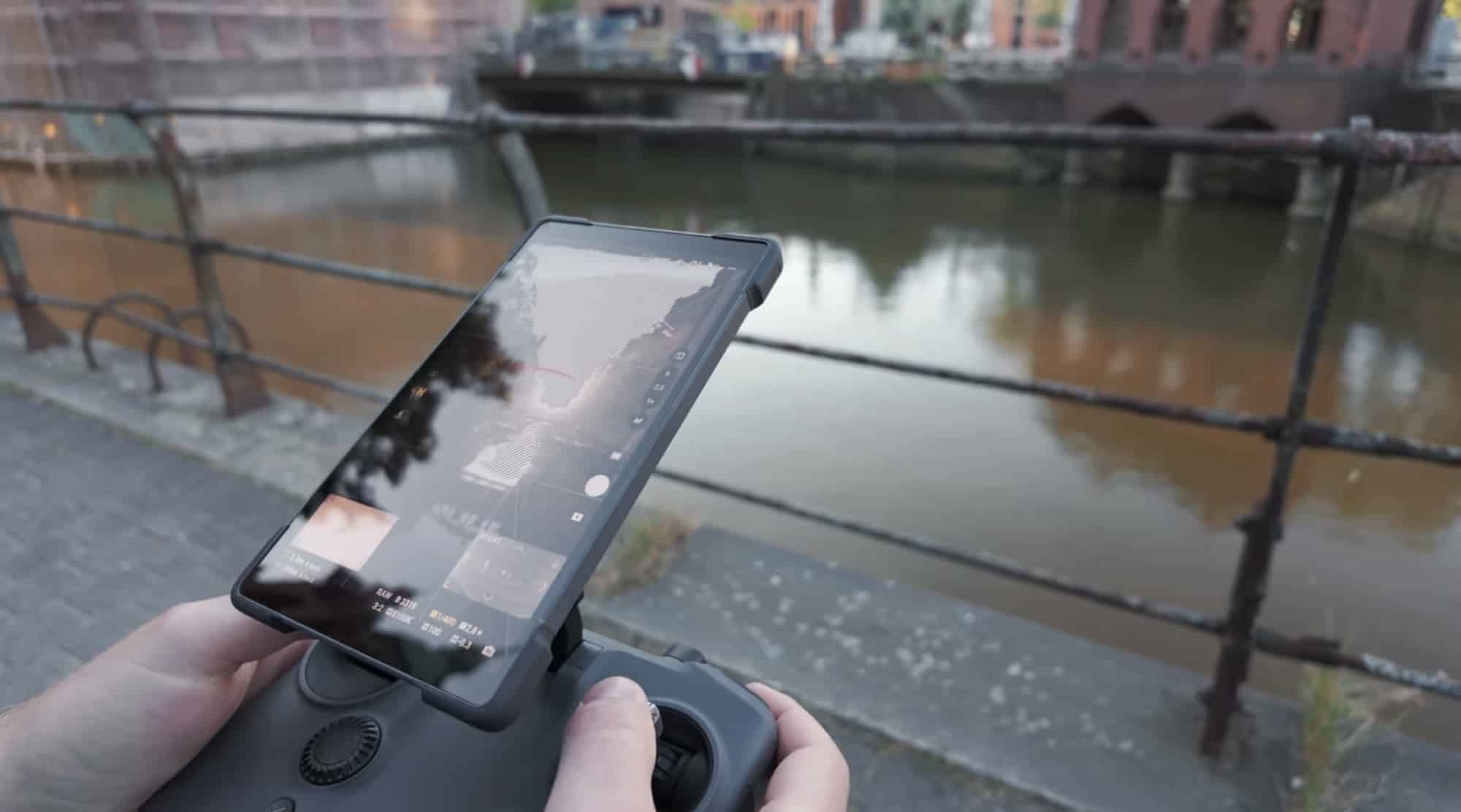
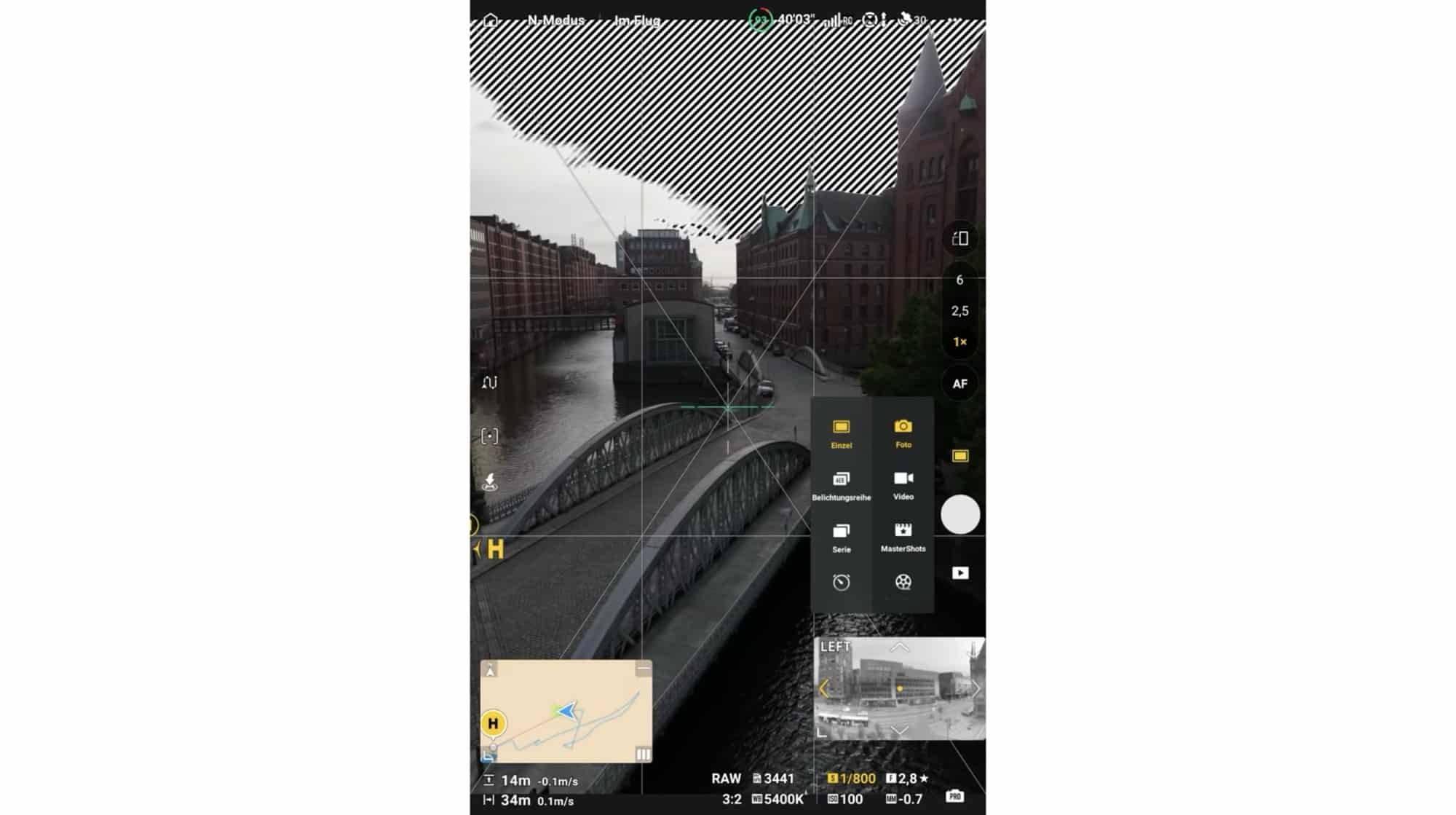
Image Quality: A Leap Forward
The Mavic 4 Pro’s three lenses—28mm wide-angle, 70mm medium telephoto, and 168mm telephoto—deliver remarkable image quality.
The 28mm lens excels at 25 megapixels, with optimal sharpness at f/2.8 and solid performance at f/2.0 and f/5.6. At f/11, contrast and sharpness drop, with lens flare in backlit conditions.
The 70mm and 168mm lenses shine at 12 megapixels, offering crisp details at ISO 100–400.
“The best results come in the 12.5-megapixel mode at ISO 100 to 400,” Voss says of the 168mm lens, noting its dynamic range rivals the main camera.
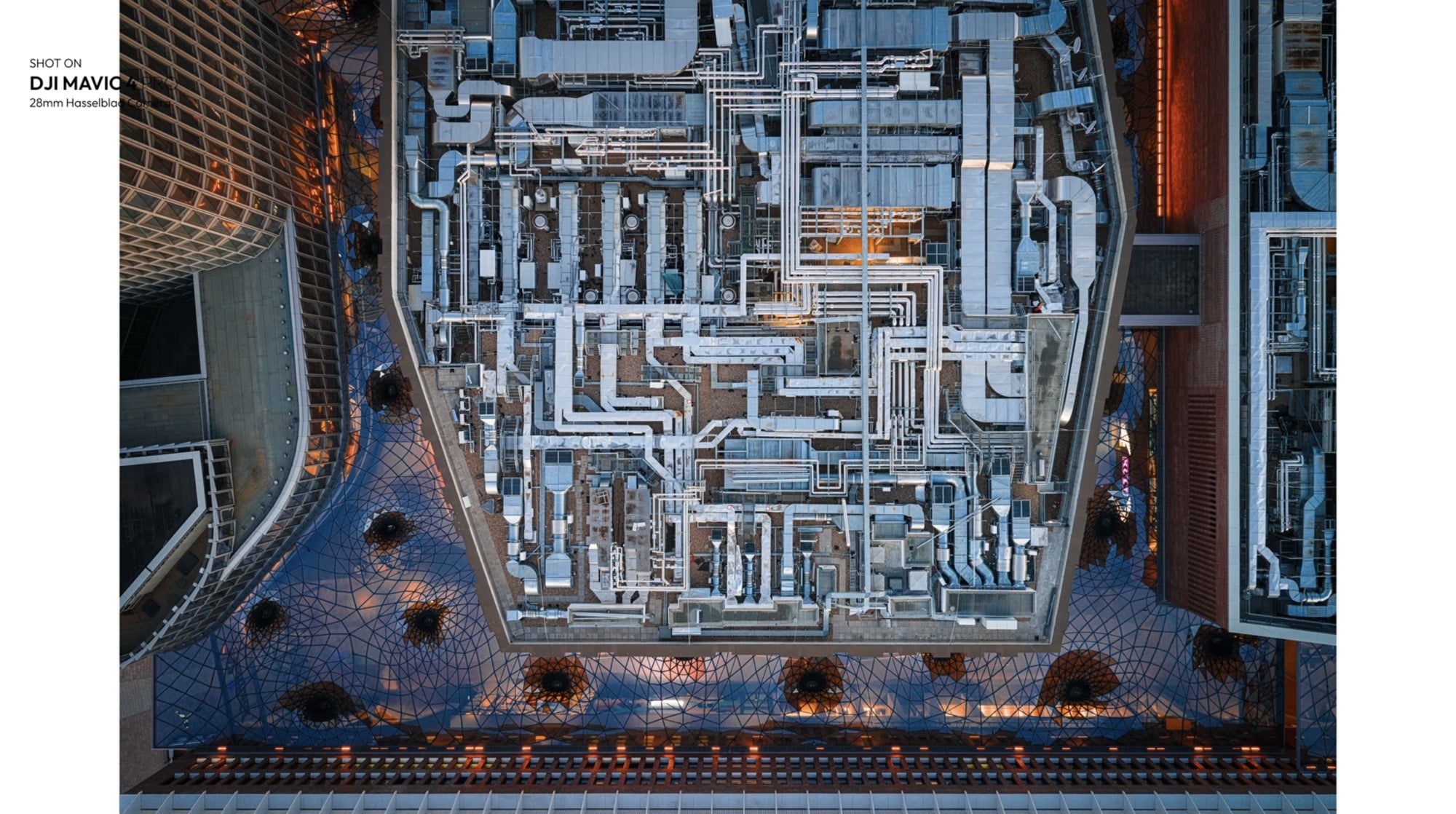
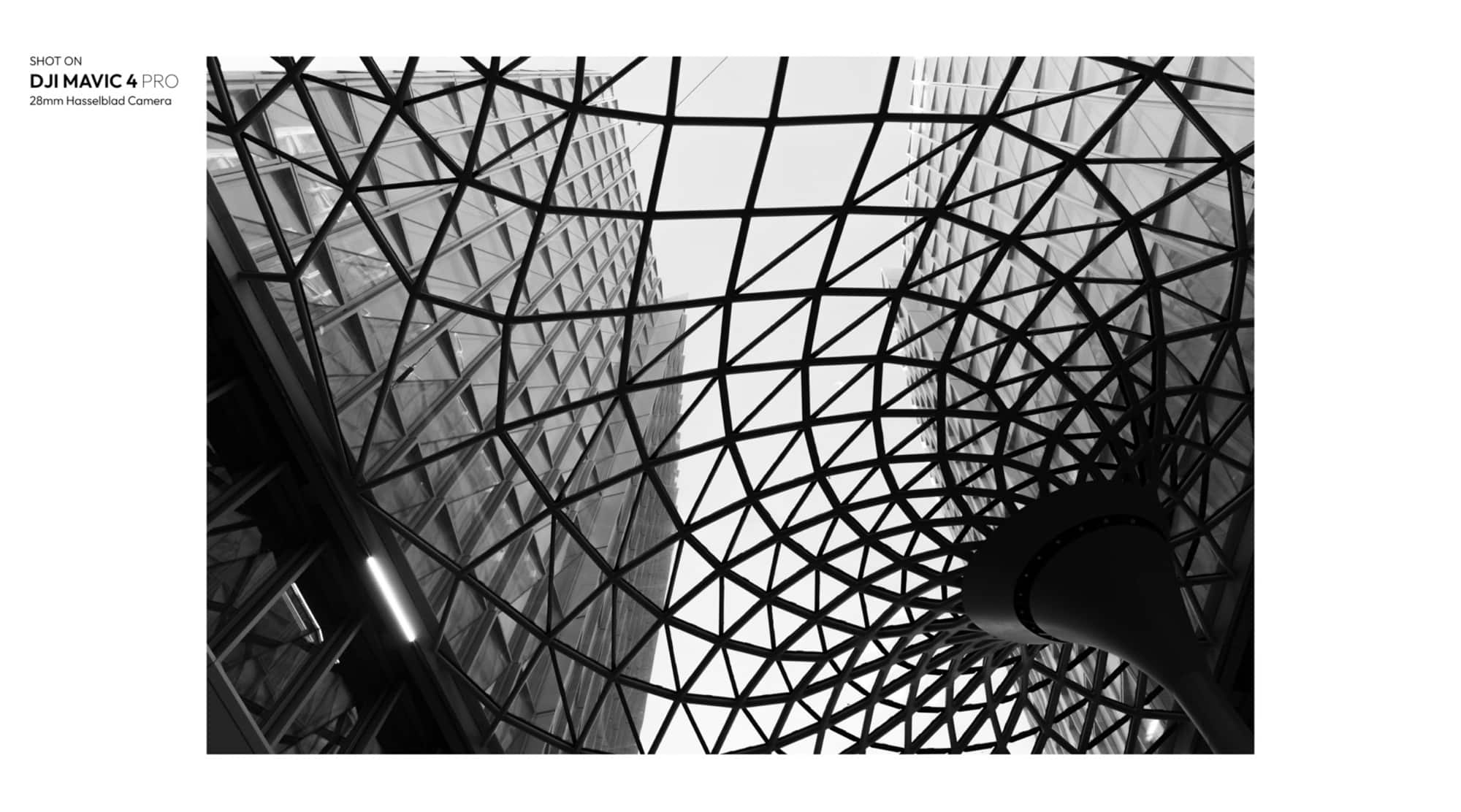
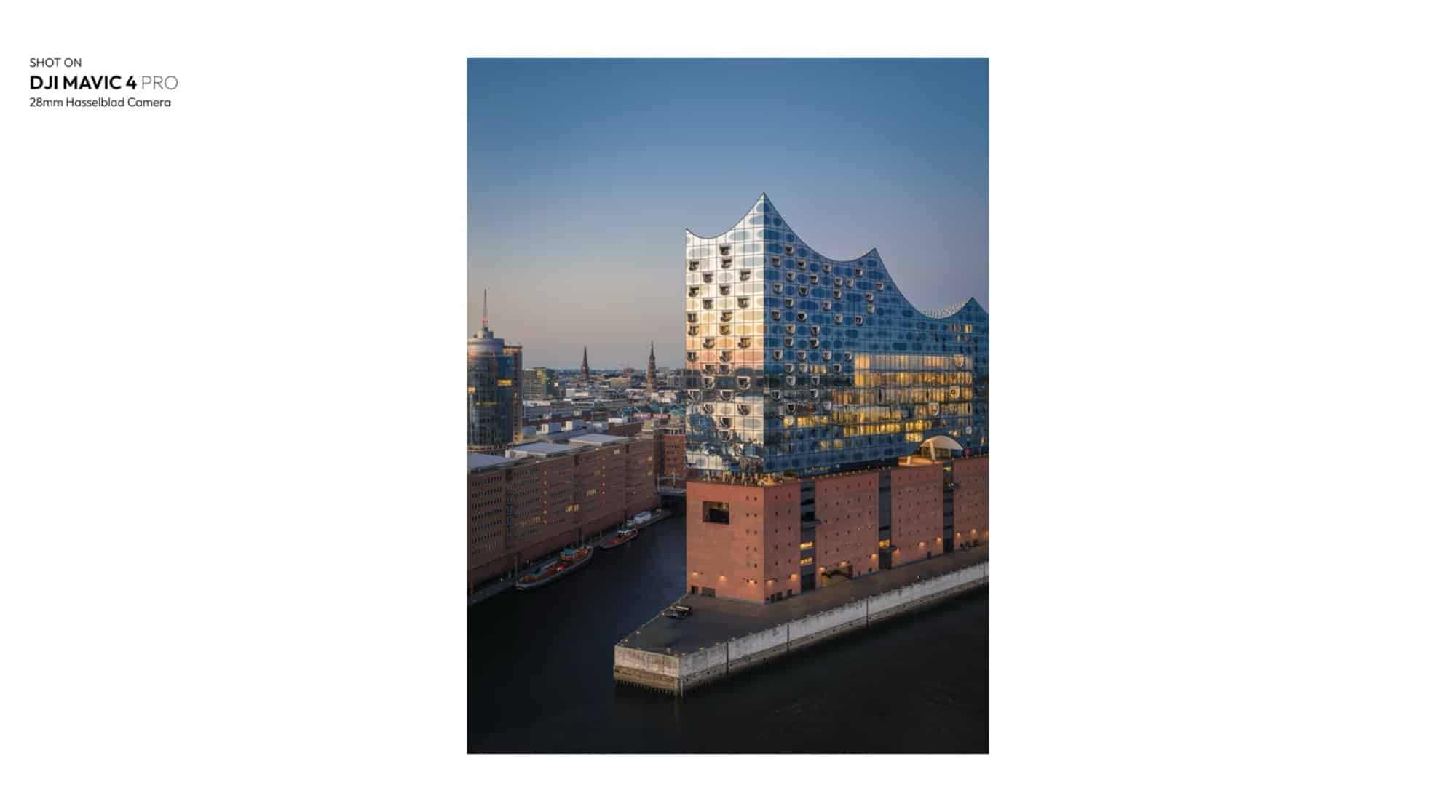
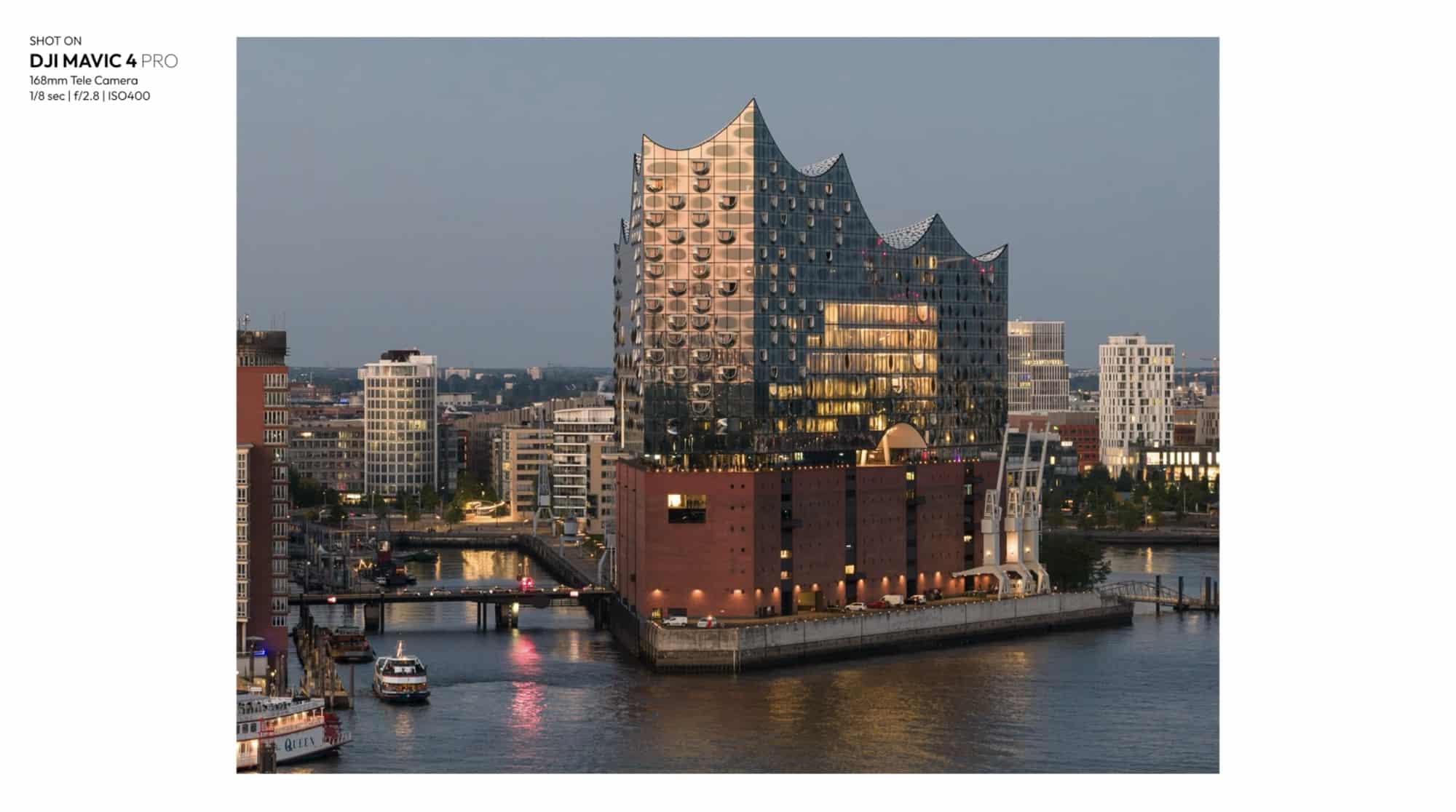
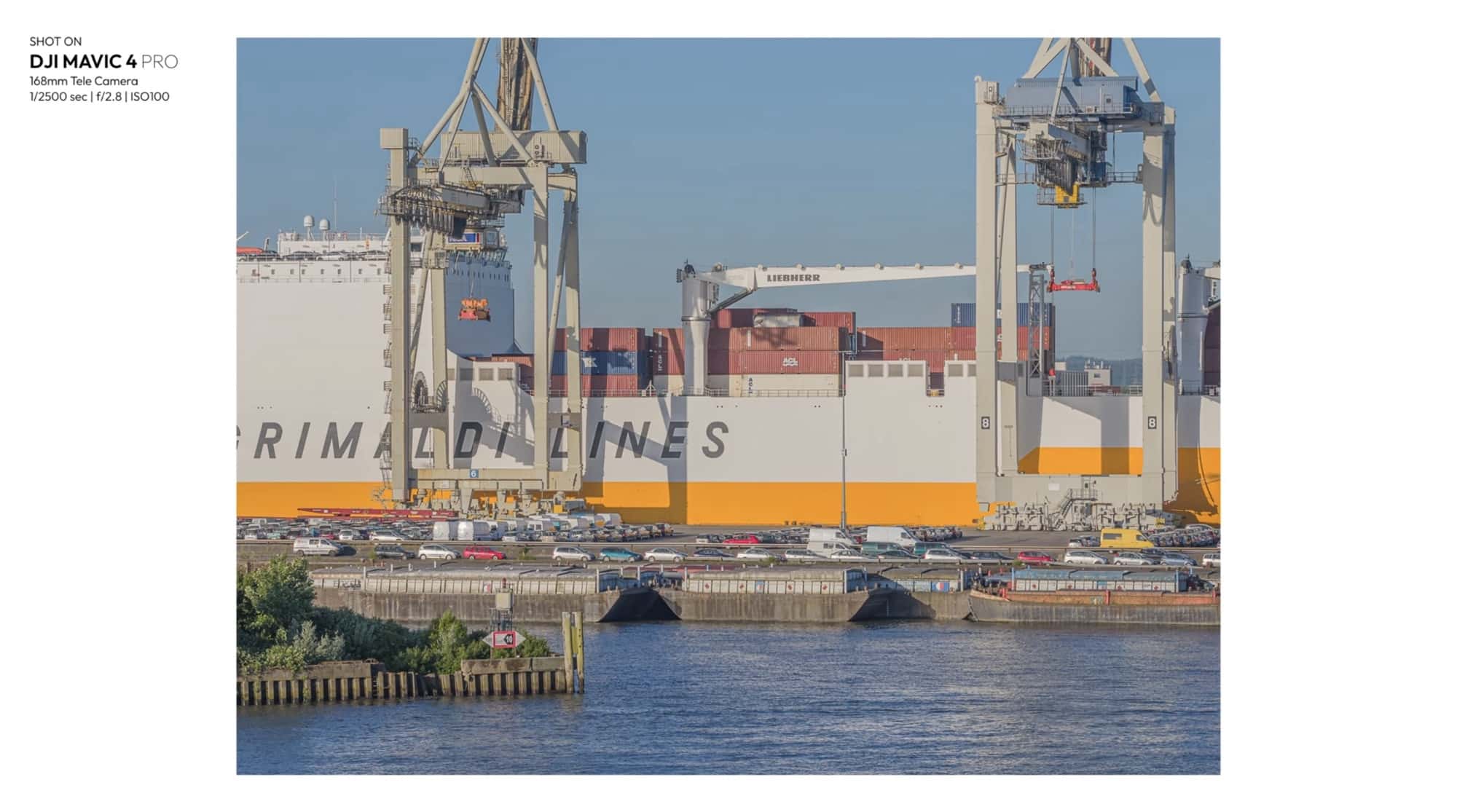
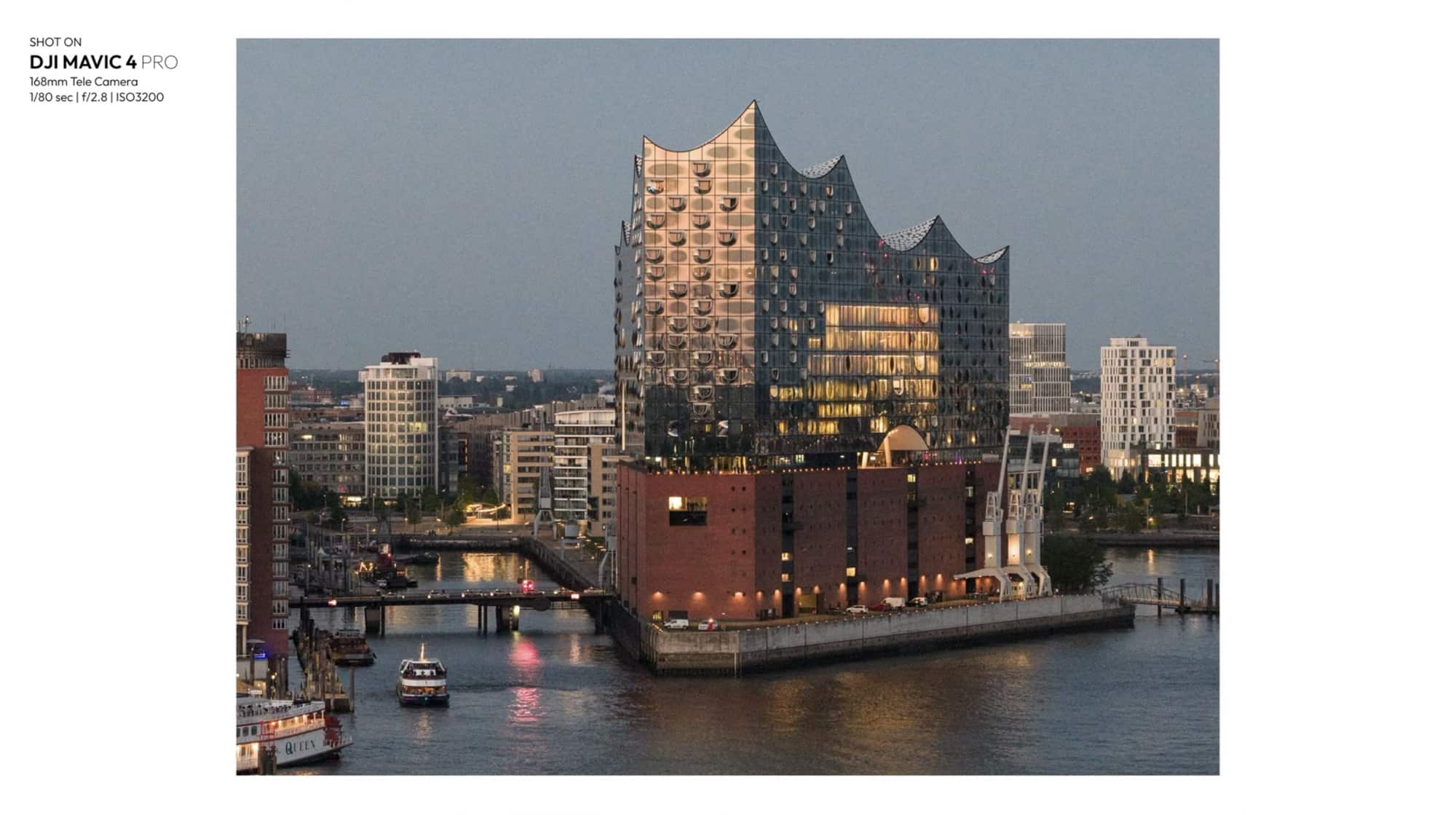
High-resolution modes (100MP for 28mm, 48MP for 70mm, 50MP for 168mm) underperform, producing softer images with minimal detail gain despite larger file sizes. Voss advises using Lightroom’s Super Resolution AI on lower-resolution files for better results. The 28mm lens’s 1.1-inch (28mm) focal length, compared to the Mavic 3’s 0.94-inch (24mm), offers a slightly compressed perspective that Voss finds appealing, though less ideal for top-down shots.


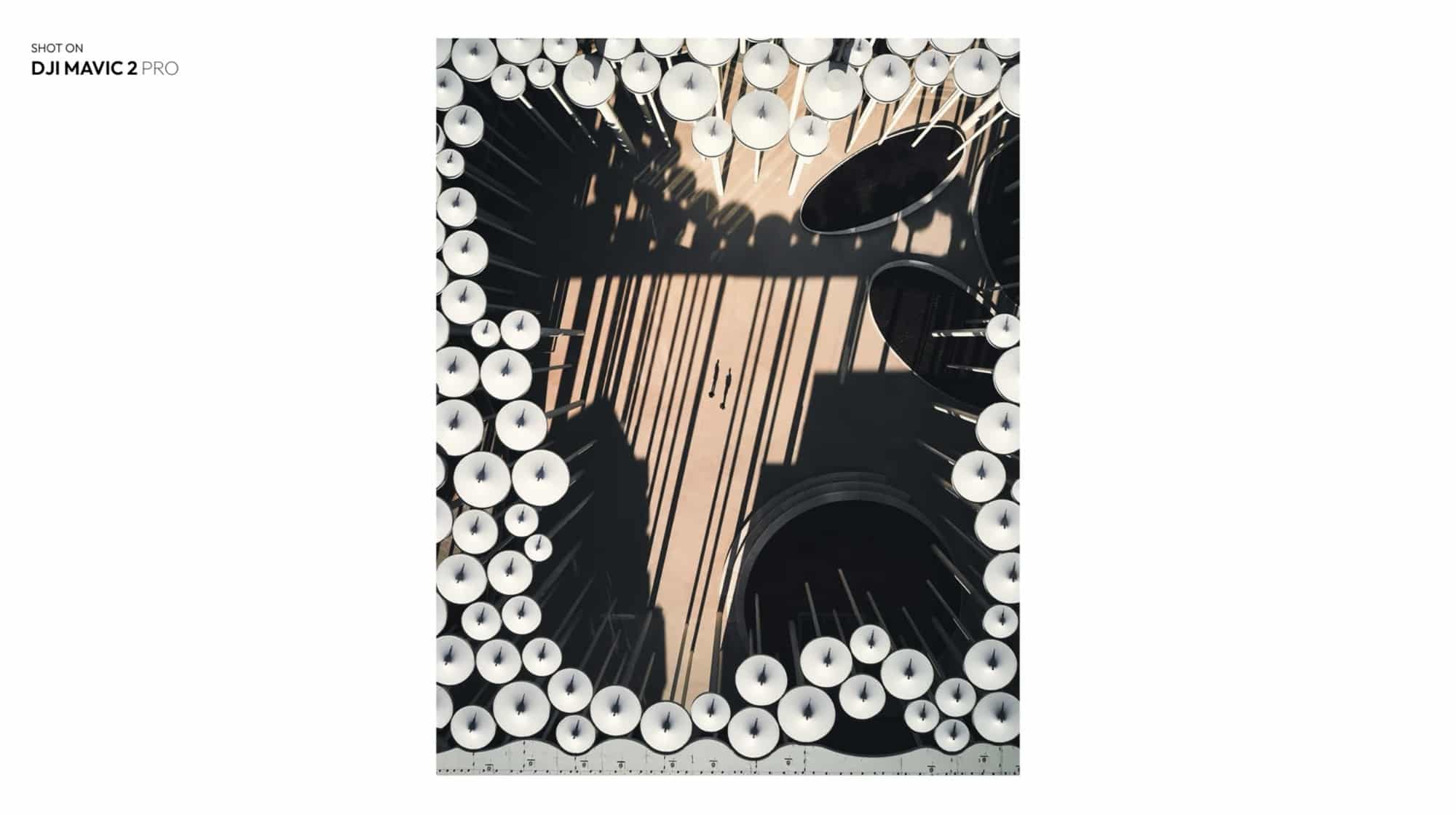
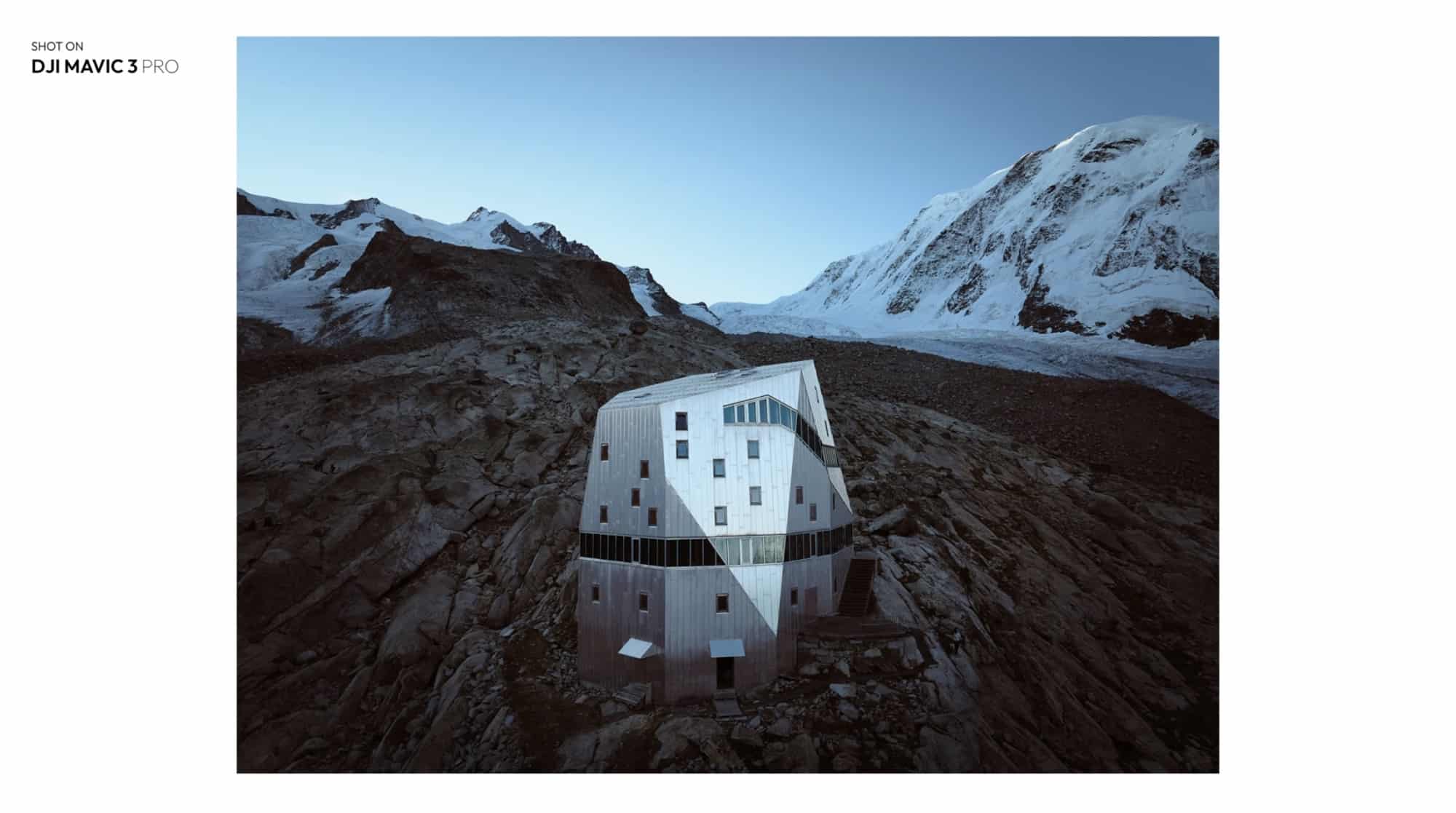
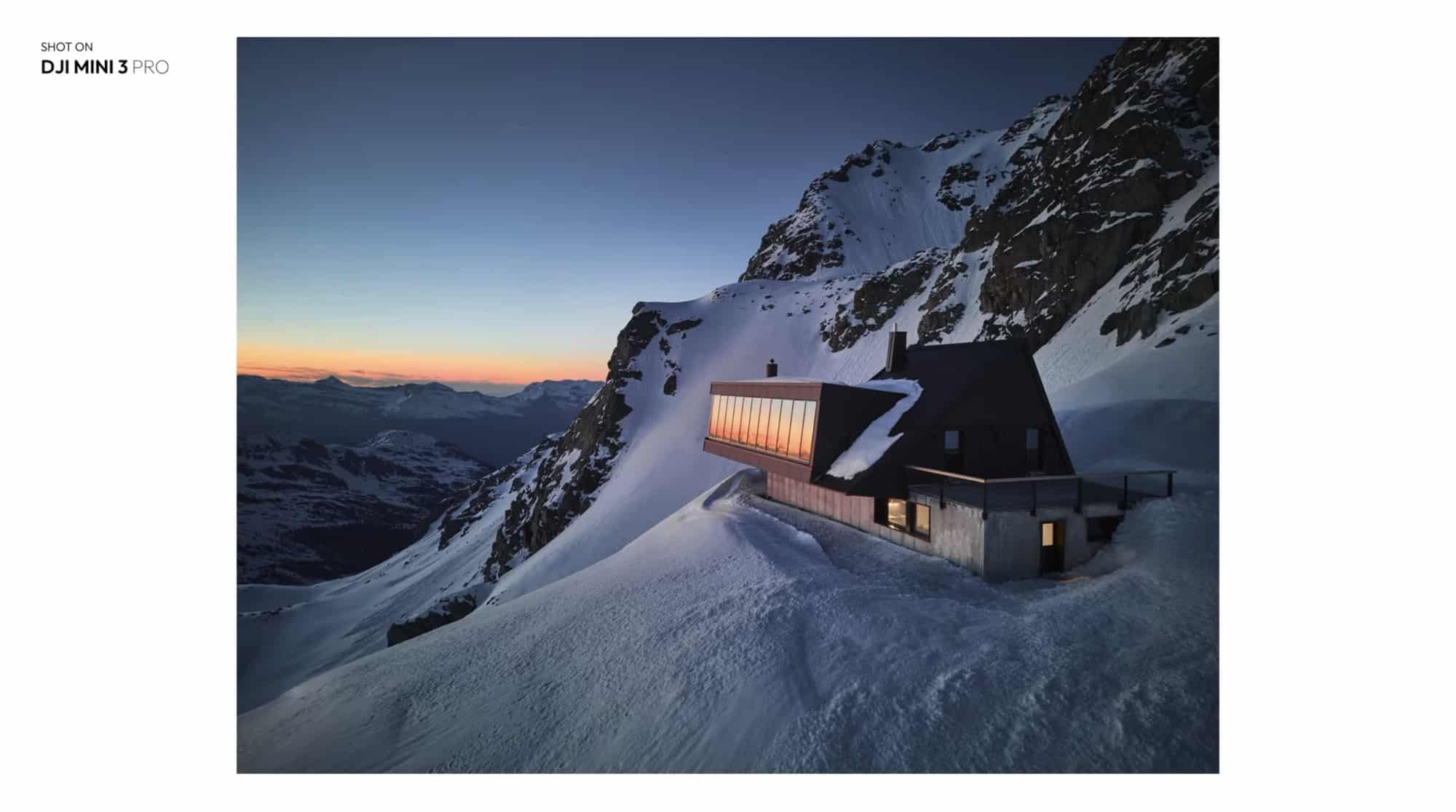
Hasselblad’s Natural Color Solution ensures consistent, vibrant colors across lenses, with minor variations—a slight green tint in the 28mm and pinkish hues in the telephotos—easily corrected in post-processing. RAW files offer impressive flexibility, with recoverable highlights and manageable noise up to ISO 3200 using AI denoising tools. Compared to the Mavic 2 Pro (2018) and Mini 3 Pro (2022), the DJI Mavic 4 Pro is a significant upgrade, with sharper details and better dynamic range. The Mavic 2 Pro’s images appear “almost muddy” by comparison, while the Mini 3 Pro lags in low-light performance.

Against the Hasselblad X2D’s 100-megapixel sensor, the Mavic 4 Pro holds its own in dynamic range, though the X2D offers neutral tones and finer details. “In dynamic range, the drone pulls out an astonishing amount,” Voss observes, noting its professional-grade output integrates well into workflows. He scores image quality 9/10, deducting a point for overhyped high-resolution modes, which he calls “hardly more than a marketing gimmick.” The Mavic 4 Pro’s images are “definitely comparable to large full-frame cameras,” making it a powerful tool for fine-art and commercial photography.

Industry Trends and Implications
Priced at around €2,000 ($2,199) in Germany, the Mavic 4 Pro targets professional photographers and serious hobbyists, offering a cost-effective alternative to medium-format systems like the X2D. Its telephoto lenses and safety features expand creative possibilities, enabling shots unattainable with ground-based cameras. The drone’s efficiency—rapid setup, fast charging, and quick data transfer—streamlines professional workflows, saving time on multi-location shoots.
However, regulatory challenges persist. In the U.S. and EU, drones over 0.55 pounds (250 g) face stricter rules, including registration, potentially limiting the Mavic 4 Pro’s use in urban areas. The drone’s weight excludes it from lighter regulatory categories, impacting recreational pilots. Despite these hurdles, its image quality and versatility position it as a leader in the drone photography market, pushing competitors to innovate.
For professionals, the Mavic 4 Pro justifies its price with unmatched flexibility. Its ability to produce print-ready images and adapt to diverse shooting scenarios—from landscapes to architectural photography—makes it a worthwhile investment. Hobbyists may find the Creator Combo’s features overkill, but the drone’s ease of use ensures accessibility for less experienced pilots.

The DJI Mavic 4 Pro Camera Drone: A Worthy Investment?
The Mavic 4 Pro earns an overall 87% (26/30) from Voss, who calls it “close to the perfect drone for photographers.” While it doesn’t replace a Hasselblad X2D, it complements high-end cameras by offering unique aerial perspectives with near-professional quality. Its blend of intuitive handling, robust safety, and versatile imaging makes it a standout choice for drone photographers seeking to elevate their craft.
All photos courtesy of Albrecht Voss. If you sign up for his email newsletter you can actually download the RAW files from the DJI Mavic 4 Pro to analyze the aerial images in much greater detail. The photos we show here on DroneXL are optimized for viewing on the web and do not reflect the actual quality of these images very well unfortunately.
We will show more screenshots from the Albrechts video below to give you an idea of how good the DJI Mavic 4 Pro is. Be sure to follow Albrecht on Instagram or visit his website.


