Amazon UK Drone Delivery Plans Cut in Half After Council Clips Its Wings

Check out the Best Deals on Amazon for DJI Drones today!
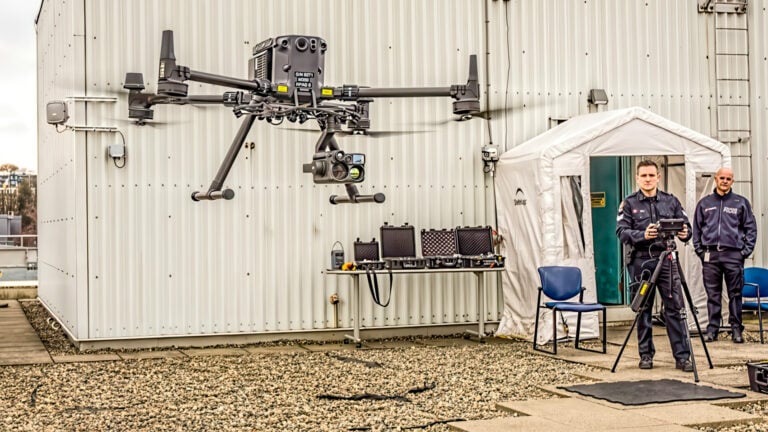
Amazon’s ambitious plans to launch Britain’s first commercial drone delivery service have hit major turbulence. The retail giant has been forced to slash its proposed flight frequency by more than half after Darlington Borough Council granted only temporary planning permission for its Prime Air facility.
We’ve been tracking this story since Amazon announced Darlington as its UK launch site back in January, and the developments paint a sobering picture of how local opposition can humble even trillion-dollar tech giants.
What Happened
According to The Telegraph, Amazon has reduced its planned maximum drone flights from 21 per hour to just 10. The company originally envisioned launching four drones from a dedicated warehouse area at its Symmetry Park fulfillment center, with two launchpads supporting rapid-fire deliveries across a 7.5-mile (12 km) radius.
Instead, Amazon will now operate from a temporary structure with a single launchpad. The council refused full permanent approval because Amazon failed to provide sufficient evidence about how drone noise would affect local residents.
| Original Plan | Revised Plan |
|---|---|
| 21 flights per hour | 10 flights per hour |
| 2 launchpads | 1 launchpad |
| Permanent structure | Temporary structure |
| Full planning approval | Temporary permission only |
The scaled-back operation still targets a launch before Christmas, but the reduced capacity significantly limits Prime Air’s potential impact on the UK market.
NIMBY Opposition Intensifies
The council’s concerns about noise are just one front in a broader battle. Model aircraft enthusiasts have emerged as an unexpected but vocal opposition force.
Teesside Model Flying Club, founded in 1965 and operating from a 14-acre site near Stockton-on-Tees, has warned Amazon that the company “cannot take over” shared airspace. The club told Amazon it would seek legal advice and threatened to “inconvenience” the company within UK law if Prime Air operations impact hobby flying.
Securing CAA authorization for the Darlington service requires restricting other aircraft within an eight-mile radius, a ring-fenced airspace arrangement that conflicts with existing recreational and commercial operations.
Hot air balloon operators have also raised concerns, noting they would be unable to take evasive action to avoid drones. Meanwhile, the UK Ministry of Defence has warned the project presents “a significant risk to flight safety,” expressing skepticism about Amazon’s detect-and-avoid capabilities and flagging potential conflicts with low-flying fighter jets and MoD drone tests.

The Noise Problem Persists
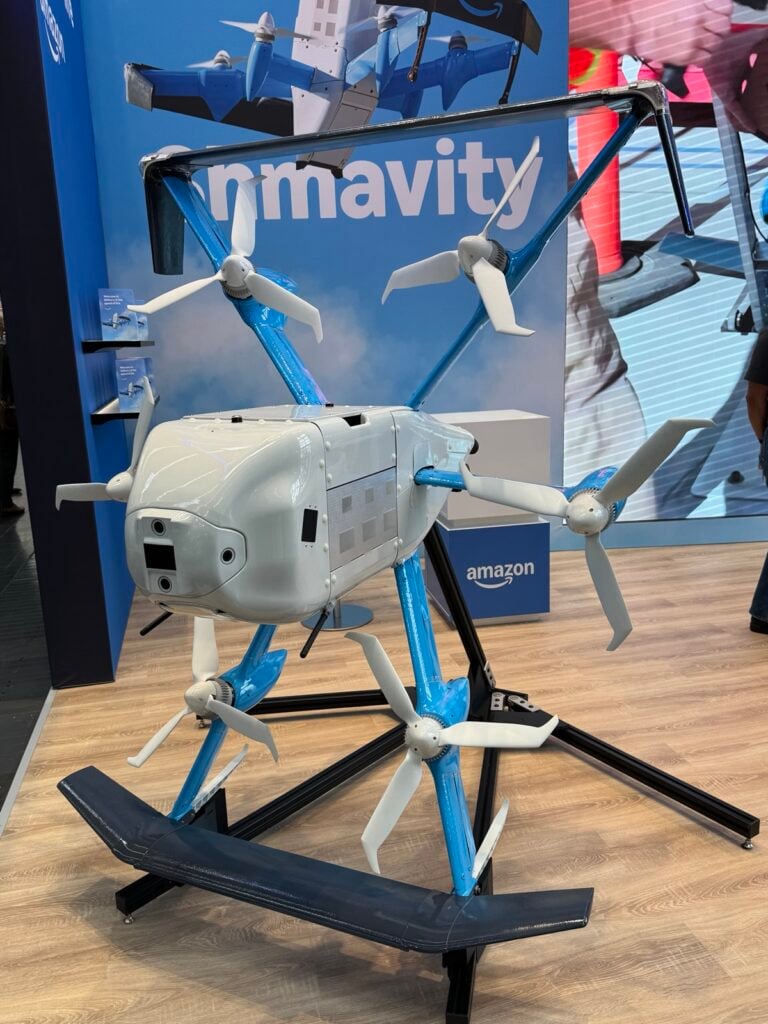
Amazon has insisted its MK30 drones generate less noise than traditional delivery vans, citing planning documents that specify a maximum of 72 decibels, comparable to a washing machine or shower. The company’s consultants, Tetra Tech, argued that a 30-second drone delivery is less disruptive than a two-minute van delivery with door slamming, reversing, and knocking.
Local residents remain unconvinced. A group opposing the scheme stated: “Despite claims that drone-related noise is within acceptable levels, the very novelty and inconsistency of drone noise, with sharp, tonal, and high-pitched overflights, will drastically change the character of this area.”
They added that unlike road traffic or industrial hum, drones emit non-continuous, unpredictable noise often perceived as more intrusive and stressful.
A Pattern Repeats
Amazon’s Darlington troubles mirror problems the company has faced elsewhere. In College Station, Texas, approximately 150 residents submitted comments opposing Amazon’s expansion plans, far more than typical FAA environmental reviews receive. The sustained noise complaints led Amazon to shut down College Station operations on August 31, 2025.
The pattern extends globally. In Australia, Google’s Wing drone delivery service faced similar opposition in Canberra, where residents described the drones’ buzz as “swarms of bees” or “constant lawnmowers.” That organized resistance ultimately succeeded in August 2023 when Wing ceased operations in the area.
DroneXL’s Take
We’ve been warning about this for years: the biggest obstacle to drone delivery isn’t technology or regulation. It’s community acceptance.
Amazon’s Darlington setback follows a remarkably consistent pattern. The company arrives with promises of convenience and efficiency, underestimates local opposition, and ends up scaling back or abandoning operations entirely. We saw it in College Station. We saw it in Australia with Wing. Now we’re watching it unfold in real time in the UK.
The Teesside Model Flying Club opposition is particularly telling. A 60-year-old hobby club going to war with a $1.8 trillion tech giant over shared airspace sounds like a David vs. Goliath mismatch, but it perfectly illustrates how Prime Air’s vision of ring-fenced corridors conflicts with existing airspace users who have legitimate claims to the same sky.
Amazon’s technical arguments about noise levels miss the point. The issue isn’t decibels; it’s psychology. Residents tolerate van noise because it’s familiar. Drone noise is alien, unpredictable, and constant reminders that robots are watching from above. No amount of acoustic engineering addresses that fundamental discomfort.
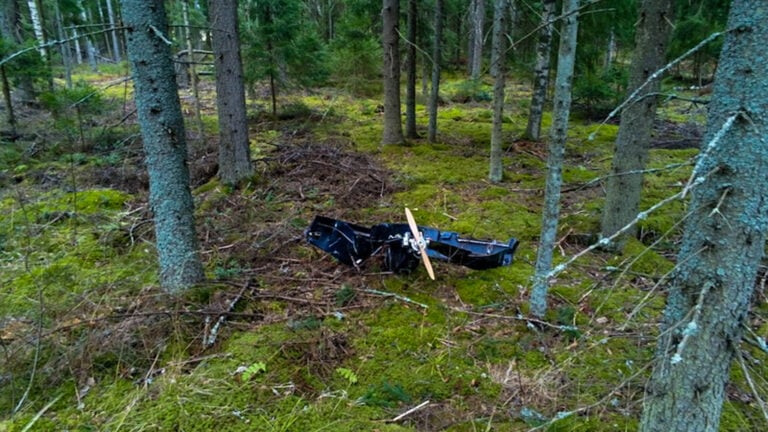
The MoD’s safety concerns deserve attention as well. When your own defense ministry warns that detect-and-avoid technology isn’t proven, perhaps the correct response isn’t to push ahead anyway. Amazon’s track record in 2025, including crashes, FAA investigations, and now two active federal probes, doesn’t inspire confidence.
We remain pro-innovation at DroneXL. Drone delivery will eventually become routine. But Amazon’s “move fast and apologize later” approach keeps backfiring. The regulatory hurdles in the UK were always going to be steeper than in the US, and treating local communities as obstacles to overcome rather than stakeholders to engage is proving costly.
Maybe delivering packages 52% slower from a temporary shed wasn’t the UK launch Amazon envisioned. But it’s the launch Amazon earned.
What do you think about Amazon’s scaled-back UK drone delivery plans? Will local opposition kill Prime Air before it ever really takes off? Share your thoughts in the comments below.
Discover more from DroneXL.co
Subscribe to get the latest posts sent to your email.
Check out our Classic Line of T-Shirts, Polos, Hoodies and more in our new store today!

MAKE YOUR VOICE HEARD
Proposed legislation threatens your ability to use drones for fun, work, and safety. The Drone Advocacy Alliance is fighting to ensure your voice is heard in these critical policy discussions.Join us and tell your elected officials to protect your right to fly.

Get your Part 107 Certificate
Pass the Part 107 test and take to the skies with the Pilot Institute. We have helped thousands of people become airplane and commercial drone pilots. Our courses are designed by industry experts to help you pass FAA tests and achieve your dreams.

Copyright © DroneXL.co 2026. All rights reserved. The content, images, and intellectual property on this website are protected by copyright law. Reproduction or distribution of any material without prior written permission from DroneXL.co is strictly prohibited. For permissions and inquiries, please contact us first. DroneXL.co is a proud partner of the Drone Advocacy Alliance. Be sure to check out DroneXL's sister site, EVXL.co, for all the latest news on electric vehicles.
FTC: DroneXL.co is an Amazon Associate and uses affiliate links that can generate income from qualifying purchases. We do not sell, share, rent out, or spam your email.