New Training Systems Rise to Meet Growing Drone Threat

Check out the Best Deals on Amazon for DJI Drones today!
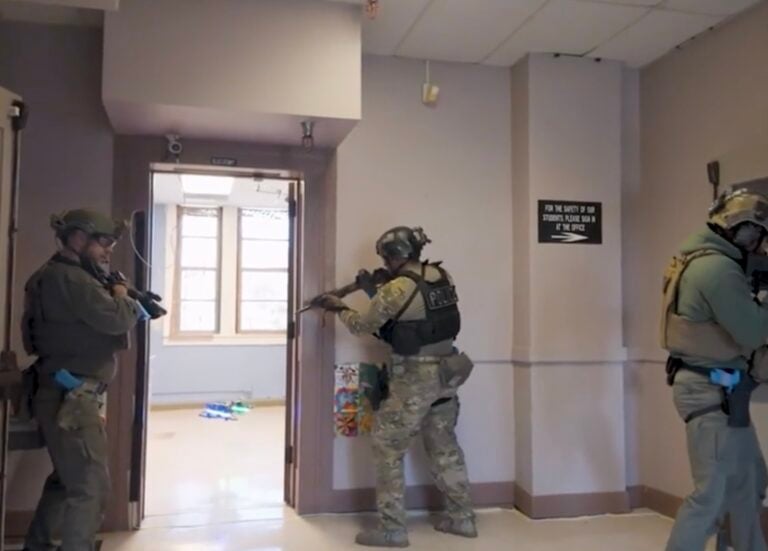
Drone warfare has changed the pace of modern conflict, and Thales is pushing hard to keep live training from falling behind. The company, already a global leader in collaborative training systems used at flagship centers like CENZUB in France and GAZ in Switzerland, introduced a new drone focused capability that drops directly into existing live exercises, allowing forces to rehearse both friendly and hostile drone scenarios with far more realism than before, reports National Defense Magazine latest report.
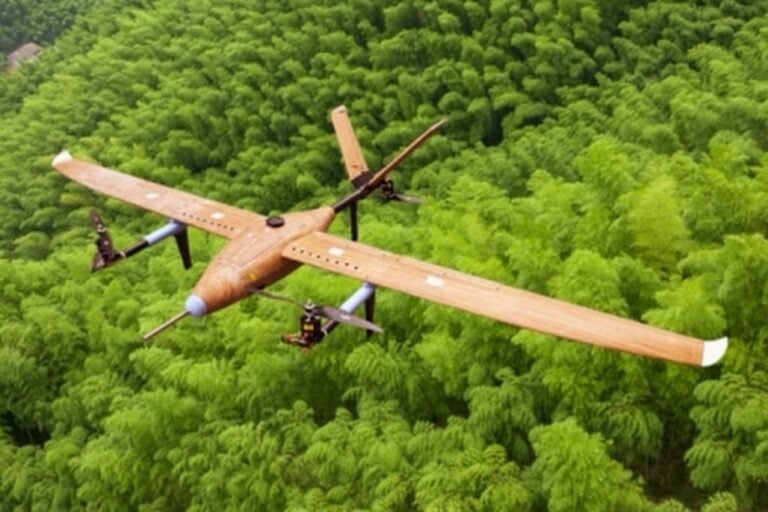
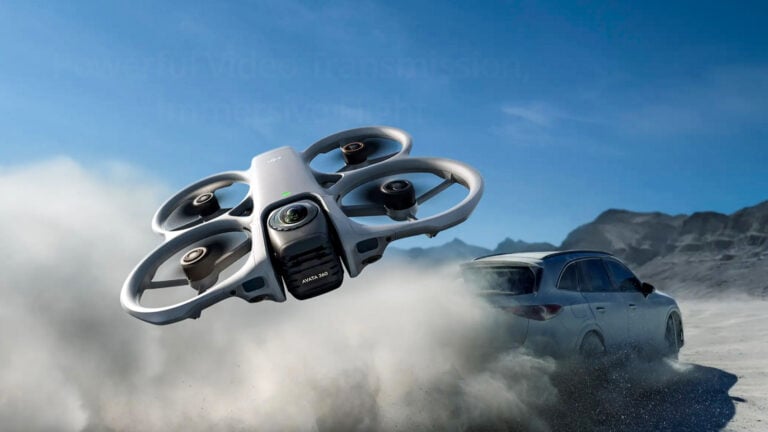
Thales designed the kit as a drone agnostic solution that works with aircraft in categories C0 through C6 and A1 through A3, covering everything from a small quad that weighs a few hundred grams to a larger platform that tips the scale at several dozen kilograms. This gives armed forces the ability to train with the drones they already own instead of buying dedicated training hardware.

Each drone carries a compact kit that includes sensors, indicators and a transmitter, and once installed, it enables highly immersive simulation effects such as virtual neutralization, mission aborts, self detonation events for loitering munition profiles or simulated releases for armed drone training.
Operators see real time status updates during exercises, and after the scenario ends, all data is automatically recorded for post mission review, which gives analysts and instructors the ability to break down operator performance, tactics and mission flow with a level of precision that was impossible with manual data collection.
Thales says this keeps training aligned with the fast changing operational environment seen in places like Ukraine, where drone tactics evolve almost monthly.
Benoit Broudy, Vice President for Training and Simulation at Thales, put it simply, saying that drones now play a decisive role on the battlefield and militaries need training tools that accurately simulate these threats, which is why the company built a flexible, reliable system that can support both Red Force and Blue Force operations.
The overall goal is to strengthen operational readiness by giving soldiers a way to train in realistic air threat environments, refine their decision making and practice countermeasures long before they face a live adversary.
InVeris Pushes Virtual Drone Training to Reduce Costs and Risk
InVeris launched its fats Drone system at the same event, expanding its portfolio of XR based training tools for defense customers who need to practice small drone operations at scale without breaking hardware or blowing through budgets.
The system builds on drone models created by Bohemia Interactive Simulations inside the VBS4 virtual battlefield environment, allowing militaries to train individuals or networked teams inside detailed synthetic worlds that reflect modern combat conditions.
Unlike simple flight practice software, fats drone covers a wide range of mission types, including reconnaissance flights, ISR patrols, one way attack profiles, loitering missions, resupply drops, battery management, counter drone engagements and even scenario based decision making for contested airspace.
Trainees can use standard displays or switch to a headset that simulates first person view drone goggles, which mirrors how many operators in real conflicts fly FPV drones during attack runs.
Michael Brazell, who manages screen based systems at InVeris, said that training without simulators can become extremely expensive because new pilots usually crash at least one drone, and with prices hovering between one and two thousand dollars per aircraft, the cost of teaching ten thousand troops could reach millions while also consuming drones needed for front line missions. Simulation eliminates that loss entirely, letting users crash a dozen times if needed before touching a real system.
The launch comes at a moment when drone use inside the United States Army is growing rapidly, as the service invests in a multiyear modernization program valued at roughly thirty six billion dollars, equipping each of its combat divisions with around one thousand drones and matching counter drone capabilities. InVeris built fats Drone specifically for collective training, meaning its real strength appears when dozens of users share a mission space, cooperate on objectives or practice defending against complex drone swarms, all without consuming physical resources.
Farpoint Aims to Build the First Fully Integrated Drone Warfare Academy
While Thales and InVeris push hardware kits and simulation systems, Farpoint enters the picture as an entirely new multinational consortium designed to combine both worlds into a comprehensive training ecosystem.

Formed by Quanti, TRL Drones, Vrgineers and the International Defence Aerospace Group, the consortium wants to deliver NATO aligned, interoperable training that prepares not only drone operators but also command level personnel who must integrate drones into broader battlespace management. The group merges operational knowledge from frontline partners with high fidelity simulation tools and real drone data, creating a structure that spans hardware, software, curriculum and deployable training modules.
Portia Roscoe, Farpoint’s Programme Director, said the goal is not just to train operators but to develop commanders who can plan, coordinate and execute inside drone saturated environments where timing, communication and situational awareness decide outcomes.
The initial capability roadmap focuses on tactical modules that teach decision making, mission execution and resilience under contested conditions, and these modules run inside high fidelity environments built with Vrgineers technology and the VBS 4.0 simulation engine developed by OneArc and BAE Systems. This allows Farpoint to plug into existing military simulation networks while still delivering a compact, deployable system that can travel anywhere training is needed.
The consortium is also building a parallel pathway for command and control teams, covering operational planning, rules of engagement, coalition workflows and the integration of uncrewed systems into joint operations.
TRL Drones brings real world UAV development experience, Vrgineers brings advanced VR and mixed reality systems trusted by global air forces, Quanti contributes custom software and hardware development expertise and IDAG delivers aviation logistics, MRO support and international training infrastructure, forming a foundation that can scale quickly as new drone technologies appear on the battlefield.
Farpoint will make its public debut at the I ITSEC show in Orlando, where representatives will run briefings and gather interest from defense organizations looking for a complete, future ready training solution. The consortium positions itself as a way for allied forces to build stronger, more adaptable operators and commanders who can stay ahead of fast evolving drone tactics.
DroneXL’s Take
Drone warfare is changing so quickly that training systems are scrambling to keep up, and the trio of Thales, InVeris and Farpoint shows how the industry is shifting toward faster updates, greater realism and more flexible technology.
Thales brings live battlefield accuracy with a plug and play kit that works on almost any drone, InVeris focuses on virtual environments that absorb the cost and risk of crashes and Farpoint tries to merge it all into a full spectrum academy that trains both operators and leaders. For readers who follow DJI drones and the broader industry, these developments highlight how essential adaptable training has become, especially as small uncrewed systems continue to influence nearly every corner of modern conflict.
Photo credit: Thales, US Army, InVeris
Discover more from DroneXL.co
Subscribe to get the latest posts sent to your email.
Check out our Classic Line of T-Shirts, Polos, Hoodies and more in our new store today!

MAKE YOUR VOICE HEARD
Proposed legislation threatens your ability to use drones for fun, work, and safety. The Drone Advocacy Alliance is fighting to ensure your voice is heard in these critical policy discussions.Join us and tell your elected officials to protect your right to fly.

Get your Part 107 Certificate
Pass the Part 107 test and take to the skies with the Pilot Institute. We have helped thousands of people become airplane and commercial drone pilots. Our courses are designed by industry experts to help you pass FAA tests and achieve your dreams.

Copyright © DroneXL.co 2026. All rights reserved. The content, images, and intellectual property on this website are protected by copyright law. Reproduction or distribution of any material without prior written permission from DroneXL.co is strictly prohibited. For permissions and inquiries, please contact us first. DroneXL.co is a proud partner of the Drone Advocacy Alliance. Be sure to check out DroneXL's sister site, EVXL.co, for all the latest news on electric vehicles.
FTC: DroneXL.co is an Amazon Associate and uses affiliate links that can generate income from qualifying purchases. We do not sell, share, rent out, or spam your email.