FCC Says DJI Can Keep Importing Air 3S, But Will Customs Let Them Through?

Check out the Best Deals on Amazon for DJI Drones today!
I’ve been going through the FCC’s official order and their accompanying Fact Sheet on foreign drones.
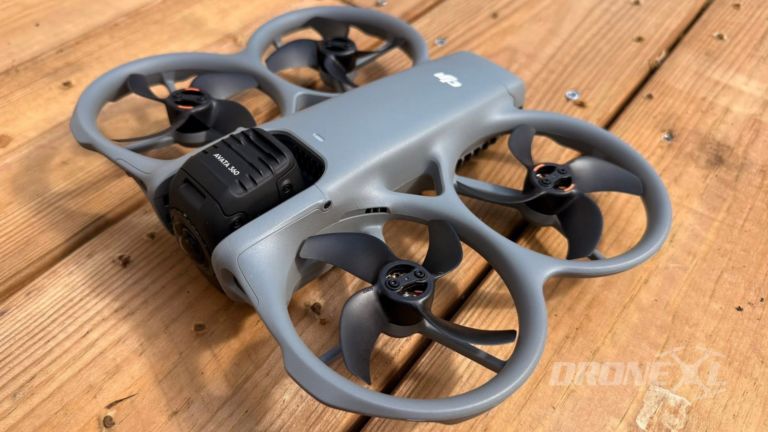
- The good news: the FCC says DJI can keep importing already-authorized products like the DJI Air 3S.
- The bad news: Customs and Border Protection is a different agency, and your replacement batteries might be a different story entirely.
The FCC created a deliberate gap in their ban that allows existing products to stay on shelves. But the gap between regulatory permission and practical enforcement at the border could cause real problems.
Here’s what you need to know.
What the FCC Document Actually Says
The FCC’s Public Notice (DA 25-1086) is explicit about one thing: covered equipment cannot receive new equipment authorizations.
“Under the Commission’s existing rules in section 2.903(a), once added to the Covered List, ‘covered’ equipment is prohibited from receiving equipment authorizations,” the document states.
It also requires applicants to certify that their equipment is not “covered” when seeking authorization:
“By so certifying, the applicant would be certifying that the equipment does not qualify as equipment listed in this Notice as ‘covered.'”
But here’s what the document does NOT say:
- It does not say existing authorizations are revoked
- It does not explicitly prohibit continued manufacturing under existing authorizations
- It does not address whether products authorized before December 22, 2025 can continue to be imported
FCC Fact Sheet Confirms Existing Models Can Still Be Imported
The FCC’s official Fact Sheet (DOC-416839A1) directly addresses the import question. The answer is clearer than the Public Notice alone suggested.
“Nor does today’s decision prevent retailers from continuing to sell, import, or market device models approved earlier this year or previously through the FCC’s equipment authorization process,” the Fact Sheet states. “By operation of the FCC’s Covered List rules, the restrictions imposed by today’s decision apply to new device models.”
This is significant. The FCC explicitly protects the right to import more units of already-authorized models like the DJI Air 3S, Mini 4 Pro, and Matrice 4T. This isn’t just a “sell-through” of existing U.S. inventory. DJI can continue manufacturing and importing these products.
The “going forward” language means anything that already has an FCC ID is grandfathered in. The ban targets new product authorizations rather than revoking existing ones.
The Component Trap: Replacement Intelligent Flight Batteries Are the Real Problem
But here’s the catch that could eventually turn your drone into a paperweight.
While the FCC allows importing complete drones under existing authorizations, the Covered List also includes “batteries and battery management systems” as critical components. This creates a legal gray area with serious long-term implications.
A retailer can import a DJI Air 3S as a complete unit, battery included. But what happens when that retailer wants to import a pallet of just replacement Intelligent Flight batteries? Those standalone batteries are technically “covered equipment” under the new rules.
The same logic applies to other critical components: flight controllers, motors, camera modules, and navigation systems. If a repair center needs to import bulk replacement parts, Customs and Border Protection may block them because those components are now on the Covered List.
This means:
- Short term: DJI drones stay on shelves, business continues mostly as usual
- Medium term: Replacement battery and parts supply becomes uncertain
- Long term: Existing drones become difficult or impossible to maintain
The ban on components may ultimately be stricter than the ban on complete drones. Your DJI Air 3S works fine today. But in two years, when those batteries have cycled through their useful life, where will replacements come from?
The Retroactive Revocation Risk
There’s another factor to consider. In October 2025, the FCC granted itself “Retroactive Revocation Authority” over equipment authorizations. This means they can choose to close the grandfathering provision for specific models at any time if they decide the national security risk has increased.
So while the Air 3S is protected today, that protection isn’t permanent. The FCC has given itself the legal tools to revoke existing authorizations in the future without new legislation.
The Customs Question: Will CBP Actually Let Them Through?
Here’s a practical concern that the FCC Fact Sheet doesn’t address: Customs and Border Protection is a different agency.
The FCC can publish all the fact sheets it wants saying that imports of already-authorized products are permitted. But when a container of
That agent sees “Chinese-made drone” on a shipment arriving after December 22, 2025. They’ve read the headlines about the administration banning foreign drones. Are they going to parse the distinction between “new authorizations blocked” and “existing authorizations grandfathered“? Or are they going to flag it for review?
CBP has broad authority to detain shipments pending verification. Even if the shipment is ultimately released, delays at customs create real problems for retailers and distributors managing inventory. A few weeks of customs holds during the holiday season or spring buying cycle could be devastating.
The FCC rules are clear on paper. But enforcement happens at the border, and there’s no indication that CBP has received guidance on how to handle shipments of already-authorized drone models. Until that guidance exists and is implemented consistently across ports of entry, there’s real risk that legal shipments get caught up in enforcement confusion.
We’ve added this to our list of questions for the FCC: Has CBP received guidance on clearing shipments of drone models authorized before December 22, 2025?
DJI’s Statement Now Makes More Sense
In their official response to the ban, DJI said:
“Today’s development will not affect customers who already own DJI products. These existing products can continue to be purchased and operated as usual.”
With the FCC Fact Sheet now in hand, we can see DJI wasn’t being evasive. The FCC explicitly confirmed that existing product lines can continue to be sold and imported. For the Air 3S, Mini 4 Pro, Mavic 3 series, and Matrice lineup, it’s business as usual for now.
What DJI didn’t address, and what the FCC Fact Sheet doesn’t clarify, is the long-term parts and battery situation. That’s the unanswered question that matters most for anyone planning to fly these drones for years to come.
Why the Component Trap Matters
The FCC’s approach is clever from a political standpoint. They get to announce a sweeping ban on foreign drones while avoiding an immediate market crisis. Retailers can keep selling. DJI stays in business for now in the United States. First responders don’t lose their equipment overnight.
But the component restriction creates a slow-motion squeeze. Every DJI drone sold today will eventually need replacement batteries. Those batteries have a finite cycle life. When they wear out, where do replacements come from?
If CBP starts blocking standalone battery imports as “covered equipment,” the entire installed base of DJI drones becomes a ticking clock. Not today. Not next month. But in 1-2 years, when those original batteries hit end of life.
DroneXL’s Take: Legal on Paper, Uncertain at the Border
The FCC Fact Sheet confirms what I suspected might be technically possible: DJI can keep importing already-authorized products. The administration deliberately chose not to cause an immediate market collapse by revoking existing authorizations.
But there are three catches that could undermine this on paper permission:
- CBP enforcement: A CBP agent at the port doesn’t answer to the FCC. Until there’s clear inter-agency guidance, legal shipments could get held up in customs confusion.
- The component trap: Your drone is legal but replacement batteries imported separately may not be. That’s a slow-motion squeeze that turns today’s drones into paperweights in 2-3 years.
- Retroactive revocation: The FCC can close the grandfathering loophole for specific models anytime they want.
For consumers and commercial operators, the smart move is probably to stock up on batteries and spare parts now, while they’re still readily available. Two years from now, the supply situation for DJI components could look very different.
For first responders, the DoD/DHS exemption pathway remains the best hope. I expect we’ll see exemption requests filed for the Matrice series and other enterprise platforms. Whether those exemptions are granted will tell us whether this policy is about security or theater.
The Pragmatic Middle Ground Nobody Is Discussing
Here’s what’s interesting: The FCC document explicitly allows DoD or DHS to exempt “a given UAS or class of UAS” from the Covered List. That language is broad enough to cover a pragmatic compromise that achieves security goals without the collateral damage.
Consider DJI’s current mature product lineup:
Consumer market: The Mini 4 Pro, Mini 5 Pro, and Air 3S would satisfy most recreational and prosumer needs for the foreseeable future. These are mature, well-supported products that won’t become obsolete for 3-5 years.
Enterprise and first responder market: The Matrice 4T and other drones in the Matrice series are the workhorse platform for thermal imaging, inspections, and public safety operations. It covers the vast majority of commercial and first responder use cases.
If DoD/DHS granted exemptions for these existing product lines, you’d get:
- First responders keep their equipment and can maintain their fleets
- The consumer hobby market survives
- Commercial operators can continue working
- American manufacturers get actual runway (3-5 years) to develop competitive products
- No NEW foreign drone designs enter the market, achieving the security goal
The alternative, which appears to be the current path, creates equipment shortages for first responders, collapses the hobby market, and throws Blue UAS manufacturers into a vacuum they can’t fill because they still can’t source batteries domestically.
The FCC document doesn’t preclude this approach. It doesn’t define what criteria DoD/DHS would use for exemptions. It doesn’t say exemptions are limited to allied countries. It doesn’t provide any timeline for exemption decisions.
The question is whether the administration would actually use this pathway pragmatically, or whether the political optics of “exempting DJI” make it impossible regardless of the policy logic.
The Questions That Need Answers
The FCC, DoD, and DHS need to answer these questions directly:
- Are replacement batteries and spare parts for already-authorized drones considered “covered” when imported separately?
- Has CBP received guidance on clearing shipments of drone models that received FCC authorization before December 22, 2025?
- What criteria will DoD/DHS use when considering exemption requests for specific UAS or classes of UAS?
- Is there a process for requesting exemptions, and what is the expected timeline for decisions?
- Would DoD/DHS consider exempting mature, already-vetted product lines to give domestic manufacturers time to develop alternatives?
- Under what circumstances would the FCC use its retroactive revocation authority to remove grandfathering protections for existing models?
Simple answers to these questions would provide clarity for the entire industry. Retailers would know whether to liquidate inventory or keep ordering. First responders would know whether to scramble for alternatives or maintain their current programs. Commercial operators could plan their 2025 equipment purchases.
We will reach out to the FCC for clarification on these questions. We’ll update this story when we receive a response.
In the meantime, if you’re a retailer, distributor, or first responder trying to navigate this uncertainty, let us know how you’re handling it in the comments. Are you placing new DJI orders? Holding off? Pursuing exemptions? We want to hear from the industry.
Discover more from DroneXL.co
Subscribe to get the latest posts sent to your email.
Check out our Classic Line of T-Shirts, Polos, Hoodies and more in our new store today!

MAKE YOUR VOICE HEARD
Proposed legislation threatens your ability to use drones for fun, work, and safety. The Drone Advocacy Alliance is fighting to ensure your voice is heard in these critical policy discussions.Join us and tell your elected officials to protect your right to fly.

Get your Part 107 Certificate
Pass the Part 107 test and take to the skies with the Pilot Institute. We have helped thousands of people become airplane and commercial drone pilots. Our courses are designed by industry experts to help you pass FAA tests and achieve your dreams.

Copyright © DroneXL.co 2026. All rights reserved. The content, images, and intellectual property on this website are protected by copyright law. Reproduction or distribution of any material without prior written permission from DroneXL.co is strictly prohibited. For permissions and inquiries, please contact us first. DroneXL.co is a proud partner of the Drone Advocacy Alliance. Be sure to check out DroneXL's sister site, EVXL.co, for all the latest news on electric vehicles.
FTC: DroneXL.co is an Amazon Associate and uses affiliate links that can generate income from qualifying purchases. We do not sell, share, rent out, or spam your email.