Ukraine’s $2,500 Drone Just Became America’s Most Urgent Defense Import
Check out the Best Deals on Amazon for DJI Drones today!
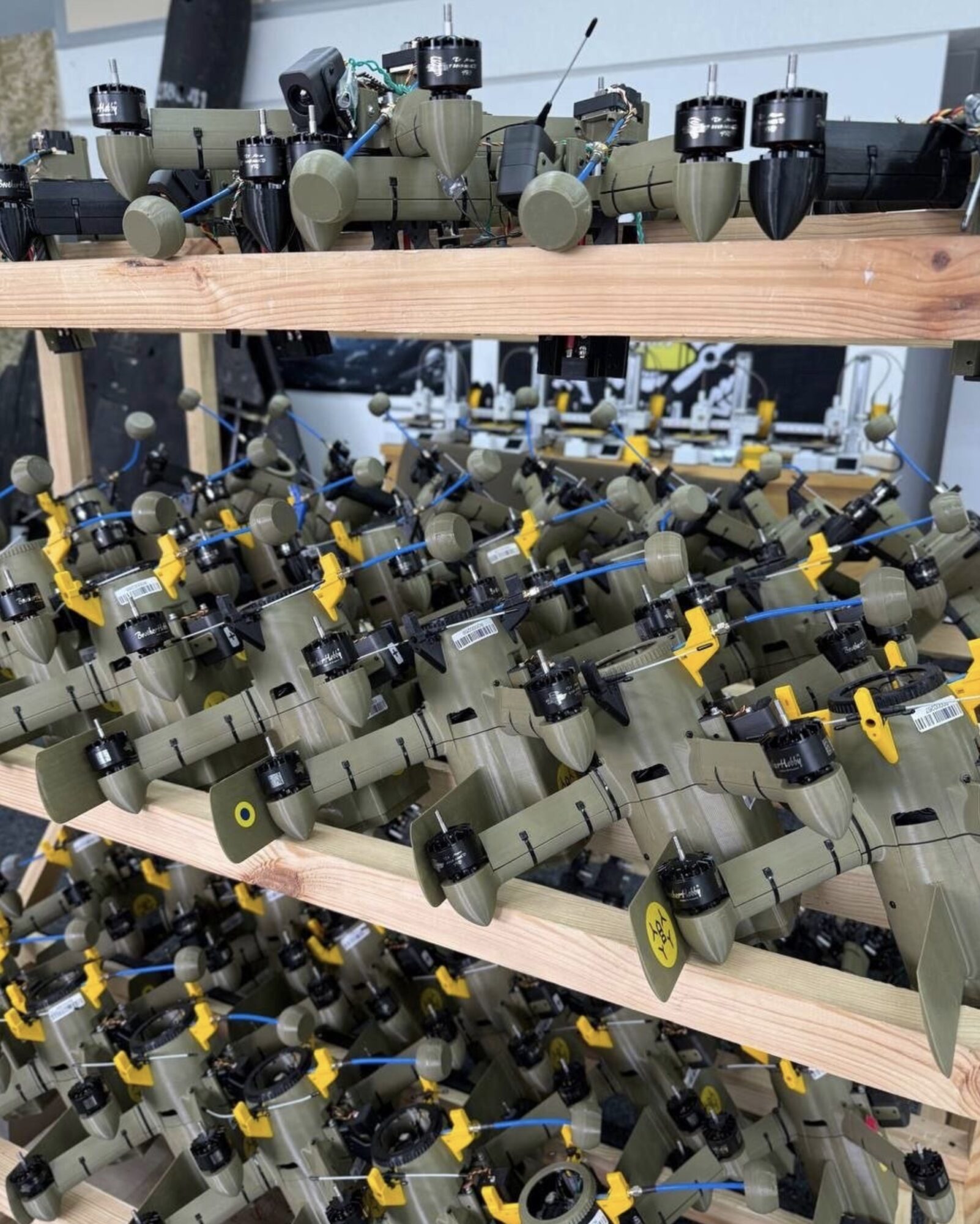
The Sting interceptor drone costs roughly $2,500. A single Patriot PAC-3 missile costs over $3 million. That economic gap — a ratio I’ve been covering since Wild Hornets first started mass-producing the Sting in late 2024 — just became the central problem of a new war. And Ukraine is the only country with a proven answer to it.
Ukrainian President Volodymyr Zelensky confirmed Sunday in an interview with The New York Times that Kyiv has deployed interceptor drones and a team of drone specialists to protect U.S. military bases in Jordan. The U.S. made the request on March 5. Ukraine dispatched the team the following day.
- The Development: Ukraine has sent combat-proven interceptor drones and drone warfare specialists to Jordan at Washington’s request, as the U.S.-Israeli conflict with Iran generates Shahed swarms that are draining Gulf states’ Patriot missile stocks at an alarming rate.
- The “So What?”: The same Iranian-designed Shahed drones Russia fires at Ukrainian cities every night are now targeting U.S. bases across the Middle East — and the Patriot-heavy defense model the Gulf relied on is already failing on cost grounds.
- The Stakes: Middle Eastern nations burned through more than 800 Patriot missiles in the first three days of the Iran war — more than Ukraine has received across four years of conflict, according to The New York Times.
- The Swap: Zelensky is offering interceptor drones in exchange for Patriot missiles — technology Ukraine has in surplus, for systems it critically lacks. Getting that deal done, however, faces real friction: Ukraine banned weapons exports in 2022, training crews takes time, and integrating interceptors with existing radar networks is not straightforward.
Ukraine’s Interceptor Program Becomes a Geopolitical Asset
Ukraine’s four-year effort to defeat Russian Shahed drones through low-cost, mass-produced interceptors has produced the only combat-proven, scalable counter-drone system in existence. As of February 2026, interceptor drones accounted for more than 70% of Shahed kills over Kyiv, according to Ukrainian Commander-in-Chief Oleksandr Syrskyi — and in January alone, Ukraine downed a record 1,704 Shaheds, with that same kill-share ratio holding.
The systems driving those numbers are not experimental. General Cherry’s “Bullet” interceptor — introduced in late 2025 — has destroyed hundreds of Shahed-type drones. Wild Hornets’ Sting, a 3D-printed quadcopter that reaches 315 km/h (nearly double the Shahed’s cruising speed of 185 km/h), has recorded over 1,500 kills. Skyfall’s P1-SUN is priced around $1,000 and reaches speeds exceeding 300 km/h — the company says it could produce up to 50,000 units per month. Ukraine produced 100,000 interceptor drones in 2025 total, an eightfold increase over prior production periods, according to Ukraine’s National Security and Defence Council.
None of these systems exist anywhere else in mass-produced, battle-tested form. As Oleh Katkov, editor-in-chief of Ukrainian defense publication Defense Express, put it: “There is a huge difference between a mass-produced system proven to work in real combat and something others only promise to develop. It’s like selling the house, not just the bricks.”
The Patriot Math That’s Breaking the Gulf’s Air Defense
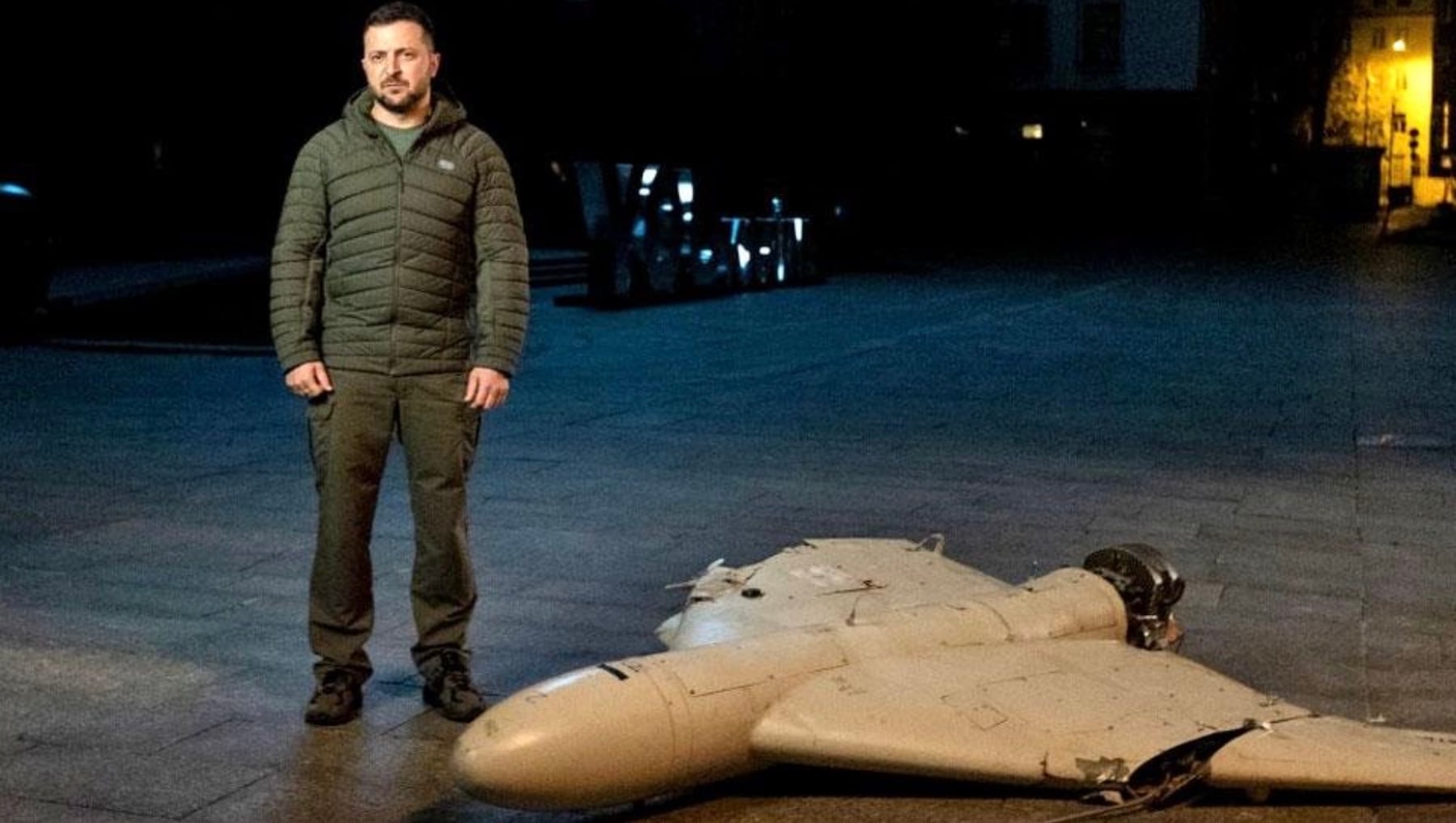
The core problem in the Middle East right now is the same one Ukraine solved under fire. A Shahed drone costs Iran between $30,000 and $50,000 to produce. A Patriot PAC-3 MSE interceptor costs over $3 million per shot. Firing expensive missiles at cheap drones is sustainable only until the expensive missiles run out — and in the Gulf, that moment arrived within days.
Eleven countries have now formally requested Ukraine’s help, Zelensky confirmed Monday, including European states and the U.S. A second Ukrainian team is preparing to travel to the region to help countries evaluate protection options beyond Patriot dependence.
Lockheed Martin produced a record 600 PAC-3 MSE interceptors across all of 2025. The Middle East burned through more than 800 in three days. That gap doesn’t close quickly. Lockheed can’t build enough fast enough, and Ukraine’s interceptor manufacturers say they can produce tens of thousands per month without compromising domestic defense.
Six U.S. service members died when an Iranian one-way attack drone — believed to be a Shahed-type — struck their tactical operations center at Port Shuaiba, Kuwait on March 1. Iran simultaneously attacked targets in Bahrain, the UAE, Jordan, Qatar, Kuwait, and Saudi Arabia. The volume problem is real. The economics of the current defensive posture are not.
Russia’s Role — and the Component Intelligence
Zelensky said in the NYT interview that intelligence shows Russian-made components inside the drones currently flying from Iran. The Times couldn’t independently verify the claim. What is documented: Iran originally supplied Russia with Shahed drones after the 2022 invasion. Russia then reverse-engineered them, setting up domestic production under the name Geran-2. Now, Zelensky says, the technology transfer has reversed direction — with Russian components flowing into Iranian production.
U.S. officials have also separately confirmed that Russia provided Iran with intelligence during the conflict, including satellite imagery showing the locations of American warships and military personnel.
DroneXL’s Take
I’ve been covering Ukraine’s interceptor program since the earliest Wild Hornets prototypes — before most Western defense media took them seriously. The Sting went from volunteer-built prototype to the subject of Pentagon procurement talks in roughly 16 months. The Gulf crisis didn’t create that technology. It collapsed a two-year adoption timeline into weeks.
The harder point: the U.S. military and Gulf states watched Ukraine build a $2,500 Shahed killer under live fire for years. It took a drone killing six Americans at an undefended shipping container in Kuwait to make it urgent. The CBS reporting on that attack was damning — one official told reporters the facility had “basically no drone defeat capability.” That’s not an intelligence failure. That’s a procurement and doctrine failure, years in the making.
Zelensky’s swap offer is strategically rational. Ukraine has interceptors in surplus. It needs Patriot missiles it can’t manufacture. The deal structure is straightforward. The obstacles — Ukraine’s wartime export ban, crew training requirements, radar integration — are real but solvable faster than Lockheed Martin can spin up a new PAC-3 production line.
My prediction: within 90 days, at least two Gulf states sign formal interceptor technology transfer agreements with Ukraine. As I wrote on March 4, the Shahed is now a Gulf problem. Ukraine has the only scalable answer. That answer starts at $2,500 — not $3 million.
Editorial Note: AI tools were used to assist with research and archive retrieval for this article. All reporting, analysis, and editorial perspectives are by Haye Kesteloo.
Discover more from DroneXL.co
Subscribe to get the latest posts sent to your email.
Check out our Classic Line of T-Shirts, Polos, Hoodies and more in our new store today!

MAKE YOUR VOICE HEARD
Proposed legislation threatens your ability to use drones for fun, work, and safety. The Drone Advocacy Alliance is fighting to ensure your voice is heard in these critical policy discussions.Join us and tell your elected officials to protect your right to fly.

Get your Part 107 Certificate
Pass the Part 107 test and take to the skies with the Pilot Institute. We have helped thousands of people become airplane and commercial drone pilots. Our courses are designed by industry experts to help you pass FAA tests and achieve your dreams.

Copyright © DroneXL.co 2026. All rights reserved. The content, images, and intellectual property on this website are protected by copyright law. Reproduction or distribution of any material without prior written permission from DroneXL.co is strictly prohibited. For permissions and inquiries, please contact us first. DroneXL.co is a proud partner of the Drone Advocacy Alliance. Be sure to check out DroneXL's sister site, EVXL.co, for all the latest news on electric vehicles.
FTC: DroneXL.co is an Amazon Associate and uses affiliate links that can generate income from qualifying purchases. We do not sell, share, rent out, or spam your email.