

Operation Epic Fury has cost the US Air Force 24 MQ-9 Reaper drones since late February. At roughly $30 million per airframe, the losses add up to around $720 million in hardware alone, as National Interest reports.

Iranian surface-to-air missiles are doing most of the shooting, and the clusters of lost drones map almost perfectly to Iran’s known air defense hubs. The attrition rate is already reshaping the Pentagon’s debate over whether legacy armed drones can still survive against a real integrated air defense network.
What The Numbers Look Like
Operation Epic Fury began around February 28, 2026. By March 9, CBS News was reporting 11 Reapers lost. By late March, the tally was 16. Eight more went down in April, bringing the total to 24.
US officials told CBS that most of the recent April losses clustered around Shiraz and Kish, with earlier losses concentrated near Isfahan and Qeshm. Those cities are not random. They sit at the center of Iran’s air defense network, and Iranian forces have had years to harden them.
The US Air Force’s total MQ-9 inventory sits at roughly 300 aircraft. That means Iran has taken out roughly 8 percent of America’s entire Reaper fleet in about six weeks of conflict.
For scale, the Air Force had already planned to reduce the fleet to 140 airframes. Those losses will complicate that drawdown in ways nobody at Creech Air Force Base signed up for.
Why The Reaper Is Failing
The MQ-9 was engineered for counterinsurgency, not contested airspace. It cruises at about 194 mph with a max speed near 300 mph, which makes it roughly as fast as a Beechcraft King Air. Against a SAM battery, that’s a target, not an aircraft.
The Reaper also carries a large radar signature and flies predictable loitering patterns. Long orbits over mobile targets are exactly what makes it useful for persistent ISR. They are also exactly what makes it easy to track.
Iran appears to be combining traditional radar-guided SAM engagements with electronic warfare. Several US officials believe a portion of the Reaper losses came after communications links were jammed or navigation was degraded rather than kinetic intercepts alone.
The aircraft was not designed for this fight. General Atomics built the MQ-9 to orbit for 27 hours over places where nobody could shoot back. Put it over a country with S-300 batteries, Bavar-373 systems, and active electronic warfare, and the math turns against it fast.
The Broader Cost
Reapers aren’t the only losses. An E-3 Sentry was destroyed on the ground. An MQ-4C Triton, priced near $250 million, was lost in early April. And multiple aircraft went down during the rescue of “Dude 44,” the callsign of the F-15E Strike Eagle crew shot down inside Iran.
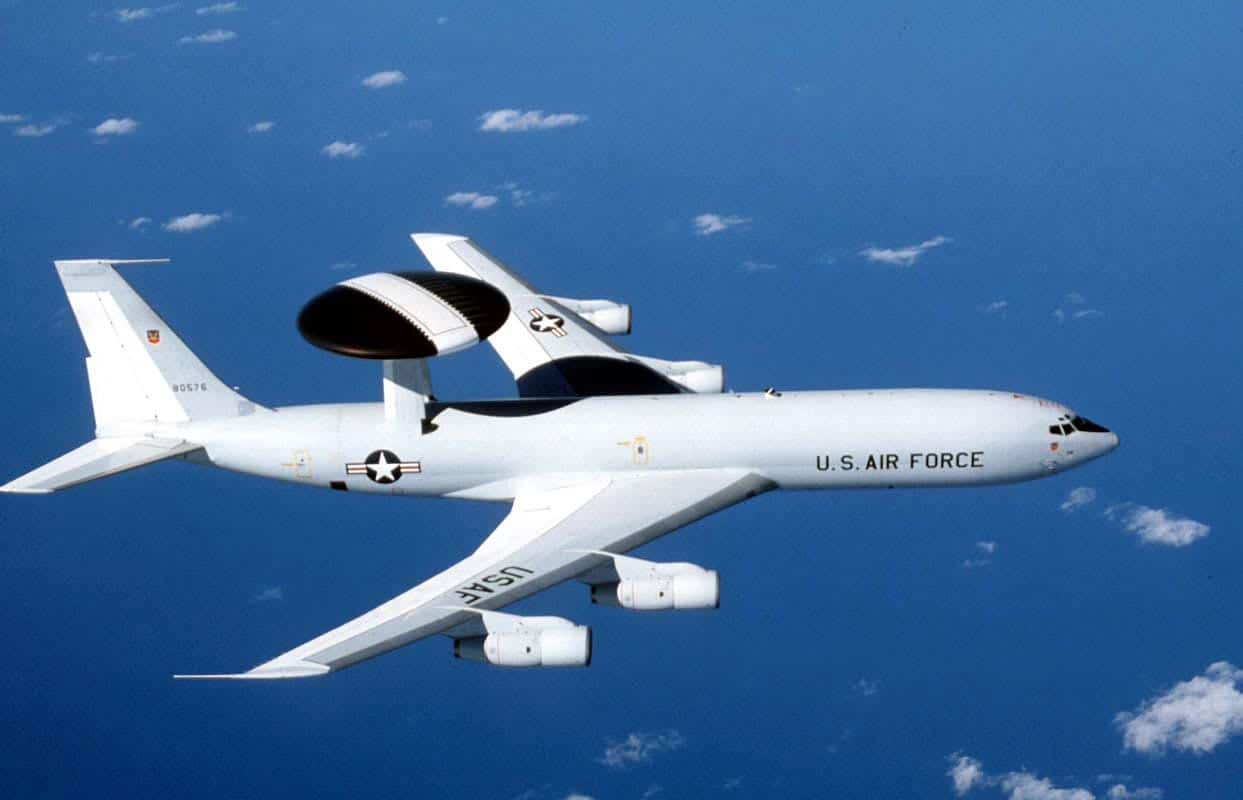
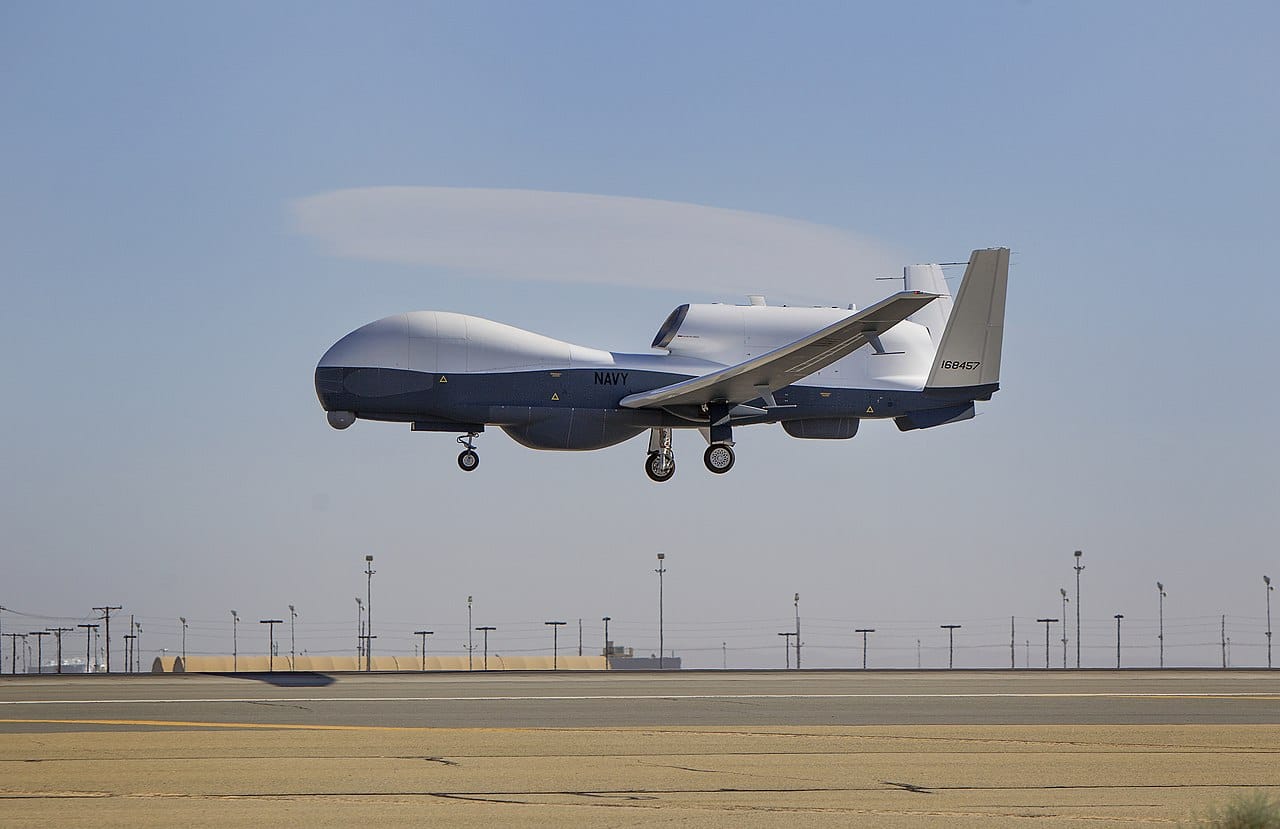
The $720 million figure for the Reaper losses is hardware only. Add in the lost ISR capability, the strike sorties those drones would have supported, and the operational tempo impact, and the real cost is higher.
There’s also a secondary effect worth noting. MQ-9s are not just weapons platforms. They cue target data for manned strike aircraft. Every Reaper lost before a planned strike pushes US pilots deeper into contested airspace without the persistent surveillance they planned around.
The Doctrinal Problem
Here’s the part the Pentagon is actually worried about. The MQ-9 was marketed for two decades as a transformative combat asset. Epic Fury is proving it was a transformative asset for one specific kind of war.

Against non-state actors in Afghanistan, Iraq, Yemen, and Somalia, the Reaper was nearly unbeatable. Against Iran, a mid-tier state with a layered air defense network, it’s attrition bait. The implications for a potential conflict with China or Russia are obvious and unpleasant.
The Air Force has quietly been shifting focus toward the Collaborative Combat Aircraft program, cheaper and more expendable than the Reaper. The losses over Iran are accelerating that conversation, not starting it.
DroneXL’s Take
Strip away the press release language, and the Reaper losses are telling us something the drone industry already knew but didn’t want to say out loud. The persistent-ISR-plus-Hellfire model of drone warfare that defined the 2010s is finished against any opponent with a real air defense budget.
Iran isn’t a peer competitor. They’re a regional power with decades-old Russian missile tech, domestic systems built from reverse-engineered parts, and electronic warfare capability that analysts routinely underrated. And they’re killing an 8-percent slice of the US Reaper fleet in six weeks.
The part that doesn’t make the headline is the per-engagement math. A Bavar-373 missile costs a fraction of what the drone it just killed does. When the cost exchange favors the defender that heavily, the attacker’s business model stops working regardless of who wins the war.
This is where cheap, attritable drones come in, and where the Collaborative Combat Aircraft program and systems like Anduril’s Fury suddenly make a lot more sense to the procurement offices that used to dismiss them.
If your $30 million airframe has a rising probability of dying on any given sortie, you either make it survivable enough to justify the cost, or you make it cheap enough to lose without flinching.
The Reaper did neither. It was built for a war that ended. Epic Fury is showing what the next one looks like, and it’s not friendly to 20-year-old turboprops with long loiter times and no stealth.
Photo credit: General Atomics, Wikipedia.


