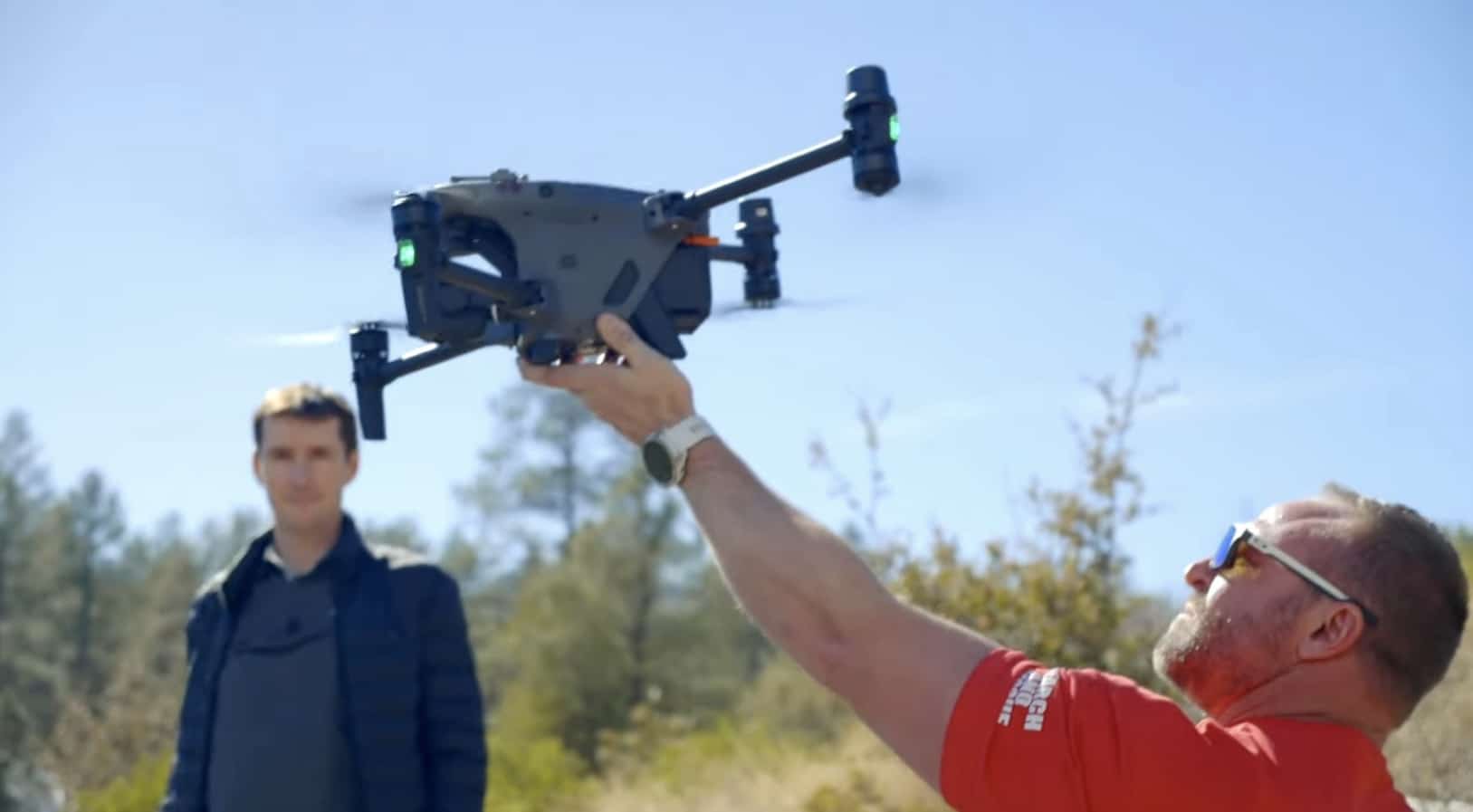
DJI will stop servicing the Phantom 4 Pro V2 on October 31, 2026. From that date the company will no longer answer product inquiries, provide technical support or repair the aircraft and its accessories. Two days later, on November 2, the same end-of-service list cuts off the Agras T16 and Agras T20 spray drones, the MG-1P series and the original Osmo Action.
DJI’s notice closes by recommending that owners “upgrade to an alternative product of a new model.” In the United States, no new DJI model has been able to get FCC authorization since December 22, 2025, when the FCC added all foreign-made drones to its Covered List.
The Phantom 4 Pro V2 Gets Four Years of Service, Three Fewer Than the Original
DJI’s end-of-service table lists August 2022 as the month Phantom 4 Pro V2 production stopped, so service ends about four years and two months later. The original Phantom 4 Pro and Pro+ left production in April 2018 and kept DJI service until June 1, 2025.
That gap is the shortest DJI has given any Phantom since the Phantom 1, which left production in April 2015 and lost service in February 2019. Most products DJI cuts off in 2026 get about five years. The Mavic 2 Pro, the Osmo Action and both Mavic 2 Enterprise models land almost exactly on five.
The V2 outlived its siblings on the production line by more than four years. When DroneXL covered the June 2025 cutoff for the Phantom 4 Pro and Advanced, the V2 was still on DJI’s service books. It also keeps flying legally after October 31. DJI shipped Remote ID broadcast firmware 01.00.70.17 for the V2 and V2+ in November 2023, and end of service does not switch that off.
Agras T20 Owners Lose DJI Service Nov. 2 as the FCC Weighs Barring Spray Drones
DJI names no successor for the Agras T16 and T20, which lose service on November 2, 2026, and every newer Agras is a foreign sprayer. A pending FCC proposal, PS Docket 26-189, would bar the import and sale of those already approved. MG-1S Advanced sprayers lose support then too.
The T16 left production in September 2020 and the T20 in July 2021. Newer models have US paperwork. The Agras T55 cleared FCC equipment authorization on December 19, 2025, three days before the Covered List cutoff, and the base T100 holds its own grant.
The FCC’s July 21 public notice, DA 26-758, would bar the continued import and marketing of any foreign drone on the Covered List that is capable of dispensing “economic poison” under FAA rules, while leaving existing authorizations in place. That is the FAA’s term for pesticides and defoliants, and the category applies at any weight. Drones already in a farmer’s shed would keep flying, because the proposal covers import and marketing.
Comments closed September 2. Pilot Institute’s count of the record found 3,770 of 3,824 readable filings opposed the proposal (Pilot Institute is a DroneXL partner). As of October 12, neither the Public Safety and Homeland Security Bureau nor the Office of Engineering and Technology, which released the notice, has issued an order in the docket.
DroneXL’s Take
I have no quarrel with DJI retiring a drone that left production four years ago. My problem is the advice to buy new. For an American farmer whose T20 loses DJI service on November 2, buying new means an Agras model that cleared the FCC before December 22. The FCC’s own proposal would stop dealers from importing or selling those, while calling a crop sprayer military-grade. That is protectionism dressed up as security, and farmers are the ones who pay for it. If the FCC adopts the sprayer category as written, losing DJI service on an old T20 will be the smaller problem on that farm.
Sources: DJI Support, Notice of Suspension of Service and Support for Old Product Series; FCC Public Notice DA 26-758, PS Docket 26-189.
DroneXL uses automated tools to support research and source retrieval. All reporting and editorial perspectives are by Haye Kesteloo. Read our editorial standards.