The Federal Communications Commission (FCC) opened a comment period on Monday, November 23, on how its U.S. Cyber Trust Mark will look and how products will keep it. The mark is a voluntary security label for wireless consumer gadgets, a shield logo with a QR code on the box. Comments are due December 23, 2026, and reply comments on January 7, 2027.
The proposal comes from the FCC’s Public Safety and Homeland Security Bureau, the same office that put foreign-made drones on the Covered List on December 22, 2025. It would make every labeled product say whether it can record video, record audio or track its location.
The Federal Register notice never mentions drones. The rule that created the program in 2024 already decides which companies can apply, and DJI and Autel are not among them.
FCC Wants Camera, Microphone and Location Disclosures on Every Label
The Bureau proposes that the sensor disclosures sit on the page behind each label’s QR code. Certification would be renewed every three years, down from the five an industry committee recommended. Each certifier would audit at least 3% of the products it approved the year before.
The Federal Register notice summarizes a public notice the Bureau released on October 27 as DA 26-1162, in PS Docket No. 23-239. The printed label would measure at least 1 inch by 2 inches (25 by 51 millimeters), and the page it links to would be in English and Spanish. The Bureau says five years does not keep up with how fast threats to connected devices change. Comments go into the docket through the FCC’s Electronic Comment Filing System.
For a product whose certification has lapsed, the Bureau proposes that the QR page read “This product does not have a valid U.S. Cyber Trust Mark certification” and give the reason. One of the reasons the notice lists is that the product was added to the FCC’s Covered List.
No product can be tested yet. The notice says the technical requirements, the actual security standard, will go out for comment in a later notice, and the proposed rule text still carries placeholder section numbers for them. The program is also on its second lead administrator. The first one withdrew, and the Bureau picked the ioXt Alliance in April 2026.
A Camera Drone Appears to Fit the FCC’s Definition of an IoT Product
FCC rules define an IoT device as an internet-connected device with a radio, at least one sensor or actuator and a network interface such as Wi-Fi or Bluetooth. The product includes the mobile app and cloud backend needed to use it, and it must be intended primarily for consumers.
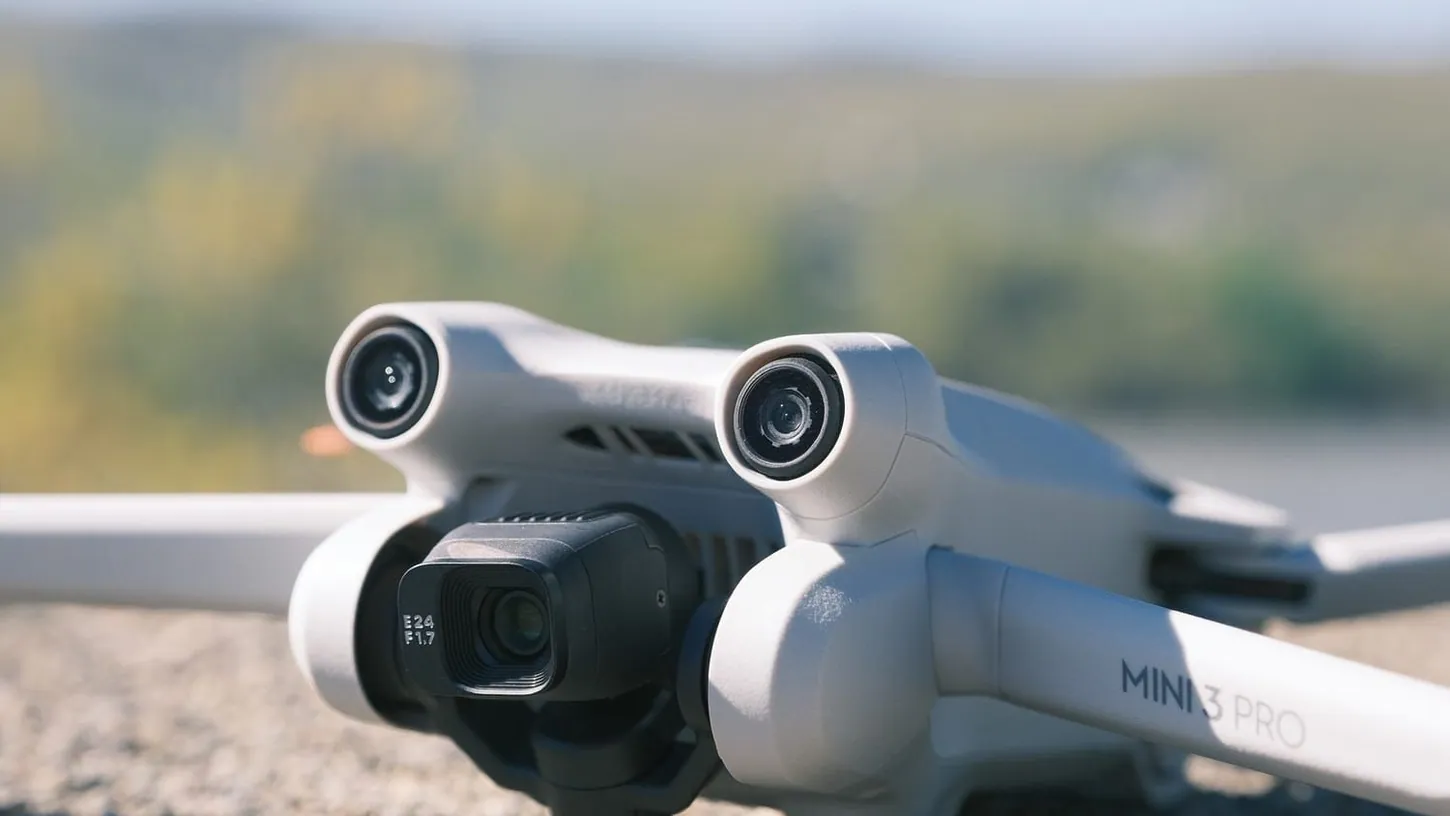
That definition sits in 47 CFR 8.203. It excludes two product classes by name, medical devices regulated by the Food and Drug Administration and motor vehicles regulated by the National Highway Traffic Safety Administration. Aircraft are not excluded, and neither the rule nor the notice addresses drones. By my reading of that wording, a consumer camera drone that flies from a phone app appears to fit. So does the Ring Drone Cam, the $249.99 indoor security drone Amazon plans to ship on January 27.
A camera drone would have to answer yes to at least two of the three proposed sensor disclosures, camera and location.
FCC Rule 8.204 Bars DJI, Autel and All Covered List Gear From the Mark
Section 8.204 prohibits the label on any communications equipment on the Covered List and on any product from a company named on that list, on the Commerce Department’s Entity List or on the Pentagon’s list of Chinese military companies, including products that contain those companies’ components.
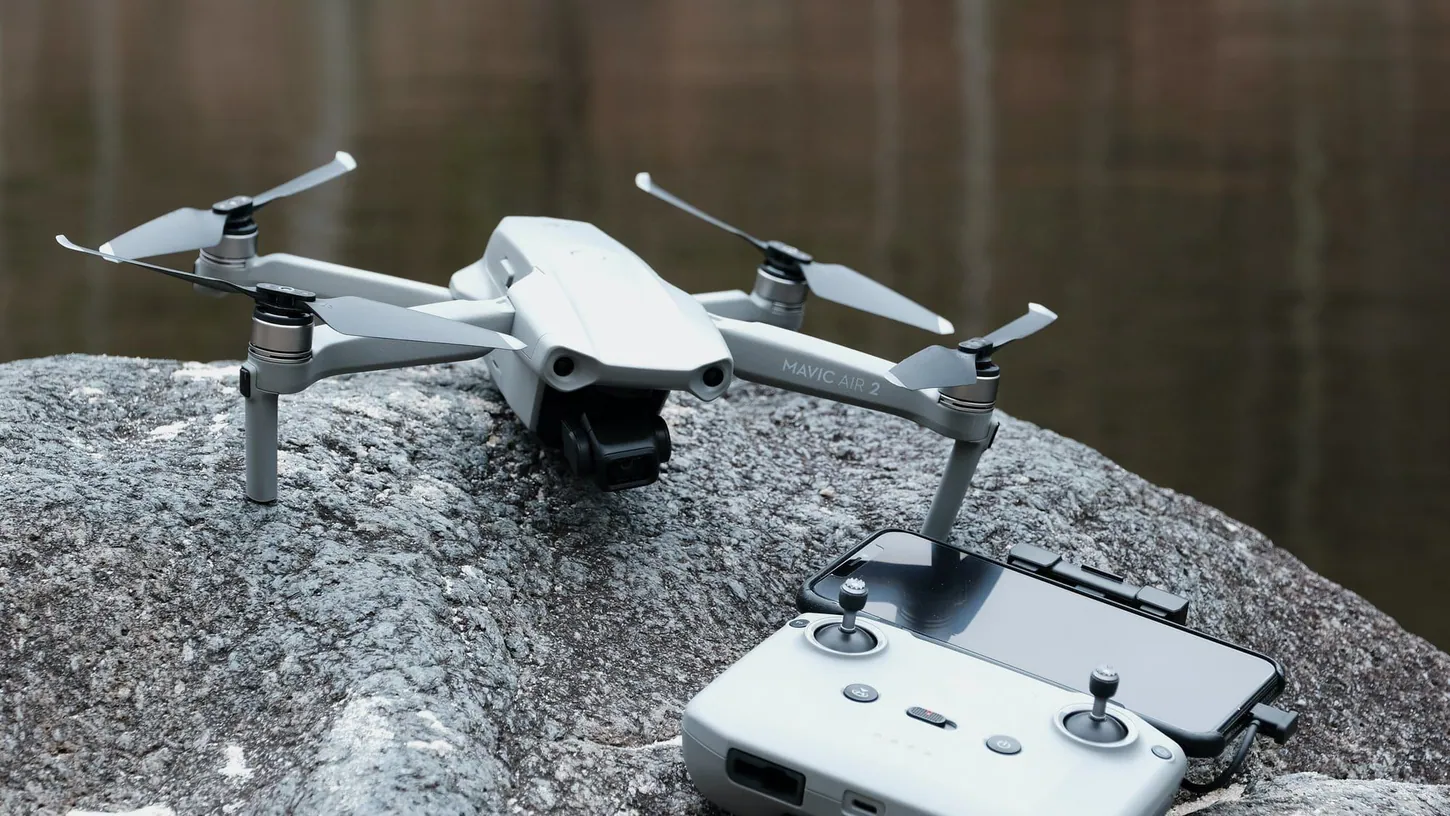
The rule has been on the books since 2024. DJI and Autel are on all three lists, a record Senator Rick Scott laid out in a letter the FCC placed in its docket, which DroneXL reported on October 15. The bar follows the company, so it covers everything DJI makes, including the older drones the FCC still allows on sale, Osmo cameras and the Romo robot vacuum.
Since December 22, 2025, the Covered List has also included foreign-produced drones and drone components from any country, unless the maker wins an exemption. The FCC said last week that 23 drone makers have one, and no DJI or Autel product is among them. The same exclusions apply to the companies that run the program. An entity owned by, controlled by or affiliated with a Covered List company cannot be approved as a label administrator.
DroneXL’s Take
The FCC’s security label will check which government lists a company is on before any lab checks its product. For DJI and Autel the process stops at that first step.
DJI has had real security failures. In February, a researcher reached the cameras and floor plans of about 7,000 Romo vacuums through DJI’s own cloud. DJI pushed two patches that month and later paid him $30,000. I think that history is a reason to test DJI’s products in public, and Section 8.204 rules that out.
Americans already fly DJI drones, and the older models are still on sale. Those buyers will get no test result and no QR page, so a missing shield tells them nothing about whether the drone they own is secure. I would like to see DJI’s drones go through the same public test as everyone else’s.
Source: Federal Register, 91 FR 75463, FCC Public Notice DA 26-1162, 47 CFR Part 8, Subpart B
DroneXL uses automated tools to support research and source retrieval. All reporting and editorial perspectives are by Haye Kesteloo. Read our editorial standards.
Advertise with DroneXLYour company hereReach 200,000+ drone readers a month with a sponsored article, a banner on your beat, or a partnership.See the options →