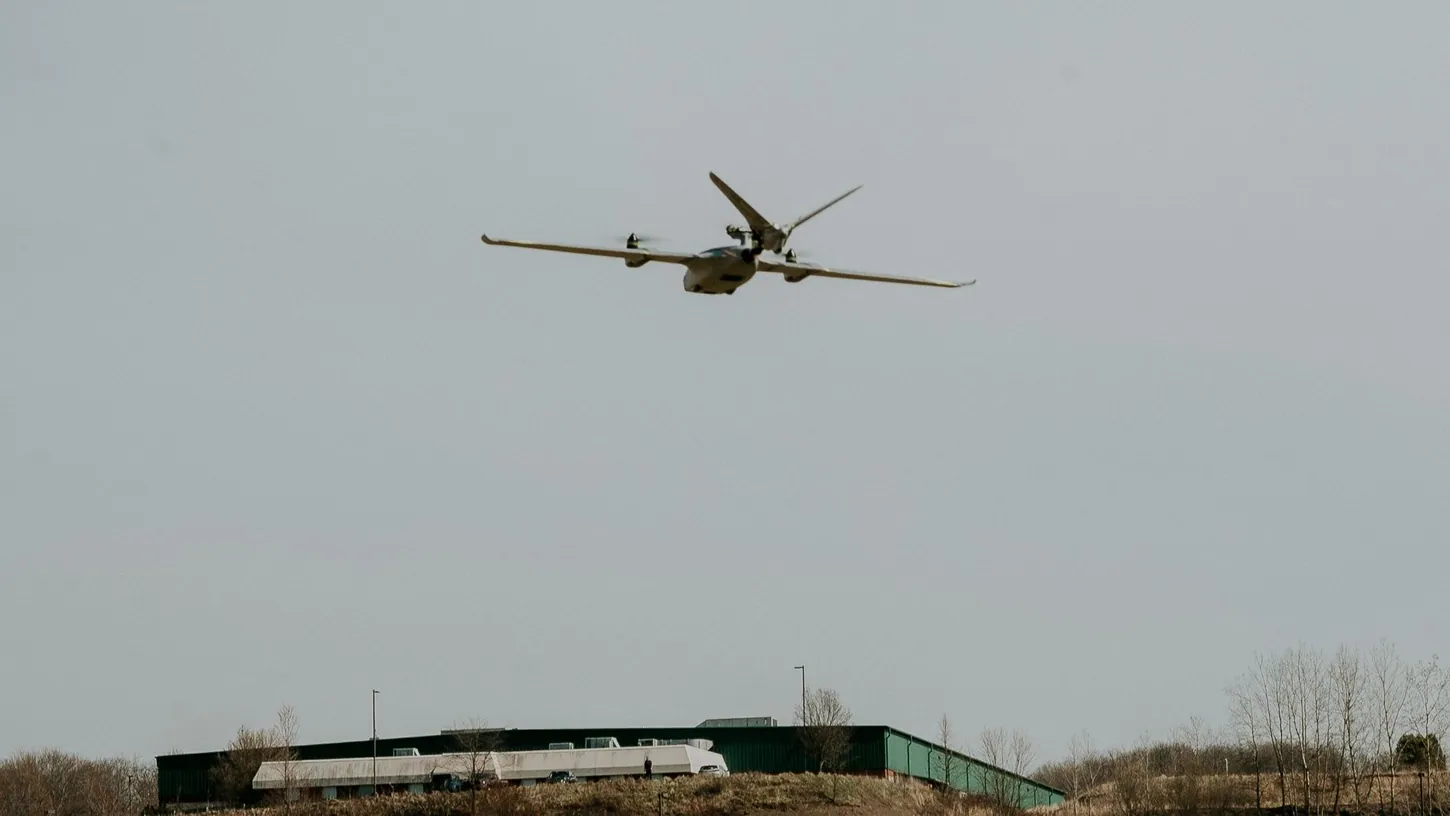
The U.S. Air Force has raised its total commitment to Joby Aviation’s autonomous flight software to nearly $37 million, Joby said Wednesday, and lifted the ceiling on the company’s operational testing contract to $50 million. The money comes through AFWERX, the Air Force’s innovation arm, and pays for more autonomy development and more testing in the Pacific.
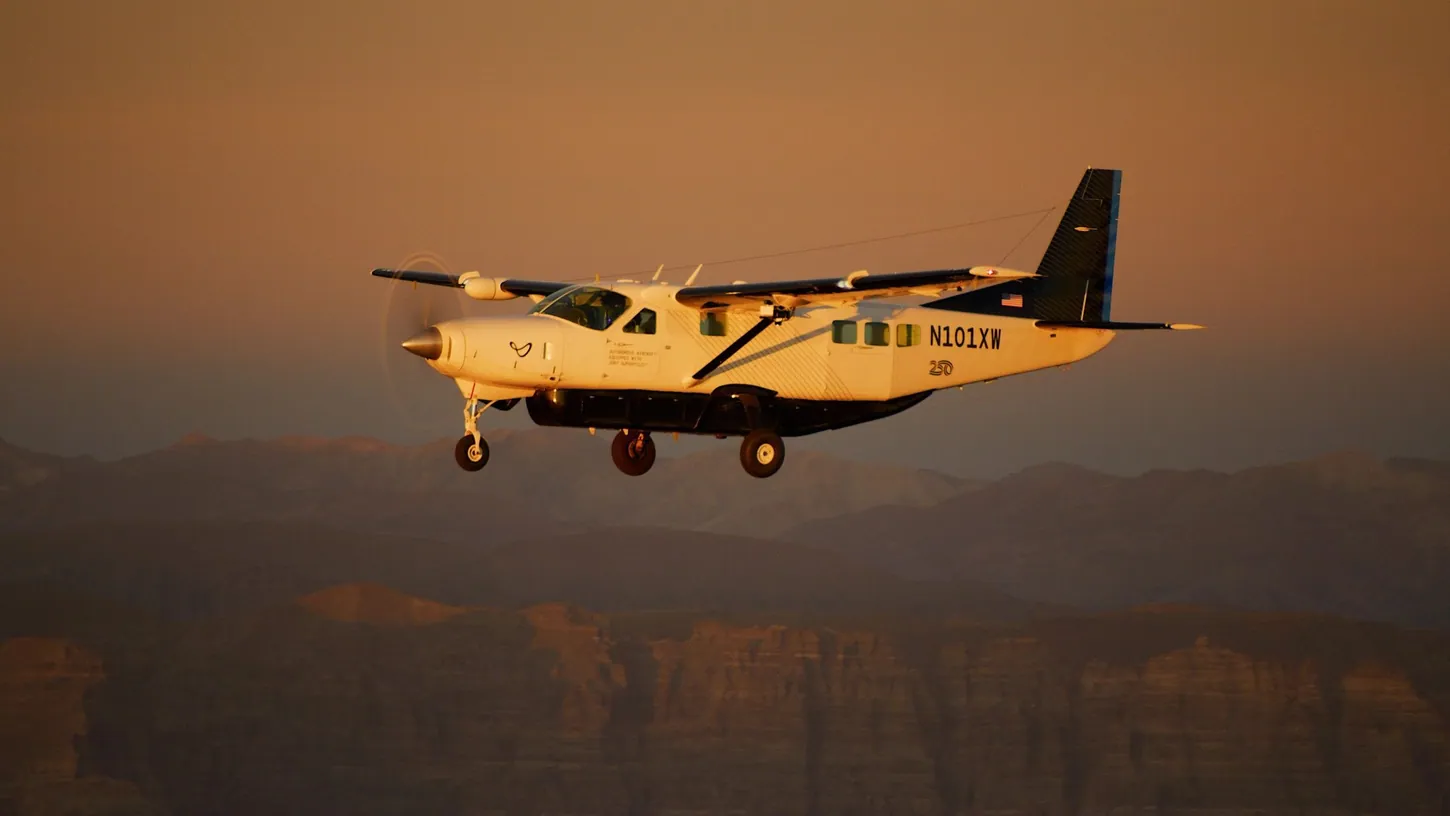
The software flies on the J208, a converted Cessna Caravan that FAA registry records list as a 1993 Cessna 208B Grand Caravan. It is the same airframe that flew 3,199 miles across the country with zero pilot input in September. Joby’s electric air taxi, the aircraft the company is best known for, is not part of this announcement.
The ceiling increase first appeared in a Pentagon contract notice on September 28, which said no money was obligated at the time of the award.
The Pentagon Raised the Ceiling Five Weeks Before Joby Announced It
The September 28 Department of War notice recorded a $45 million ceiling increase, modification P00004, to Joby Aero’s existing autonomous logistics and cargo contract. AFWERX in Dayton, Ohio, is the contracting office. The work is performed in Santa Cruz, California, and runs through March 1, 2029.
Obligating nothing at award is normal for this kind of contract. The number FA2280-24-D-0001 marks it as an indefinite-delivery contract, where the ceiling caps what the Air Force may spend and money is committed later through individual orders. The figure with money behind it is the nearly $37 million that Joby says the Air Force has awarded so far.
Kate Brown, AFWERX’s Contested Logistics Tactical Airlift Lead, set out the goal in Joby’s announcement: “Our goal is to sustain cargo operations in contested environments.” The new work centers on follow-on Pacific military exercises.
Joby’s Caravan Flew 6,665 Miles With Supervisors Up to 2,537 Miles Away
The J208’s Electric Skies tour covered 6,665 miles (10,726 km), with landings in 11 states and flight operations across 24. Remote operators supervised from as far as 2,537 miles (4,083 km) away, up from 2,323 miles on the eastbound leg in September. The safety pilot made no control inputs.
The system has now flown more than 400 fully autonomous flights, and its military record predates the tour. During the REFORPAC exercises in August 2025, operators in Guam flew the aircraft in Hawaii nearly 4,000 miles (6,437 km) away. At the Air Force’s Agile Flag exercise, Joby says it delivered replacement parts 24 hours faster than conventional logistics.
The software itself came with Joby’s purchase of Xwing’s autonomy division in June 2024. Joby founder and CEO JoeBen Bevirt now pitches it as hardware-neutral: “We designed this system to be platform-agnostic.”
Joby Plans to Fold Its Autonomy Work Into Resonant Sciences
Joby agreed in August to buy Resonant Sciences, a Dayton, Ohio, defense technology company, for about $500 million and now expects the deal to close early in 2027. Its acquisition announcement says Resonant then becomes Joby’s dedicated defense business, its portfolio expanded to include Joby’s hybrid aircraft and autonomy technologies.
Neither release says which contracts move with that work. Joby’s commercial side keeps the electric air taxi.
DroneXL’s Take
In September I called the Caravan the more valuable half of Joby. The Air Force’s $37 million backs that up. I think it buys more testing rather than an uncrewed cargo fleet, because Joby still flies with a pilot aboard and today’s release names no date for removing them.
Reliable Robotics, based in Mountain View, has already flown that part. It won a $17.4 million Air Force contract in 2025 to purchase, integrate and test its autonomy system on a Cessna 208B for Indo-Pacific logistics. In November 2023 it flew a Caravan out of Hollister with nobody aboard, an FAA-approved 12-minute flight DroneXL covered when Reliable raised $160 million in April. Joby’s Air Force commitment is now more than twice Reliable’s contract, and Joby says this funding speeds its path to uncrewed operations. The first Pacific exercise where the J208 flies with an empty cockpit is what would show the Air Force got what it is paying for. The contract gives Joby until March 2029 to get there.
Sources: Joby Aviation, U.S. Department of War contract notice, September 28, 2026, Joby Aviation (Resonant Sciences)
DroneXL uses automated tools to support research and source retrieval. All reporting and editorial perspectives are by Haye Kesteloo. Read our editorial standards.