
Industry · Industry
Archery Defence Unveils Robotic Cell for Sovereign Drone Production
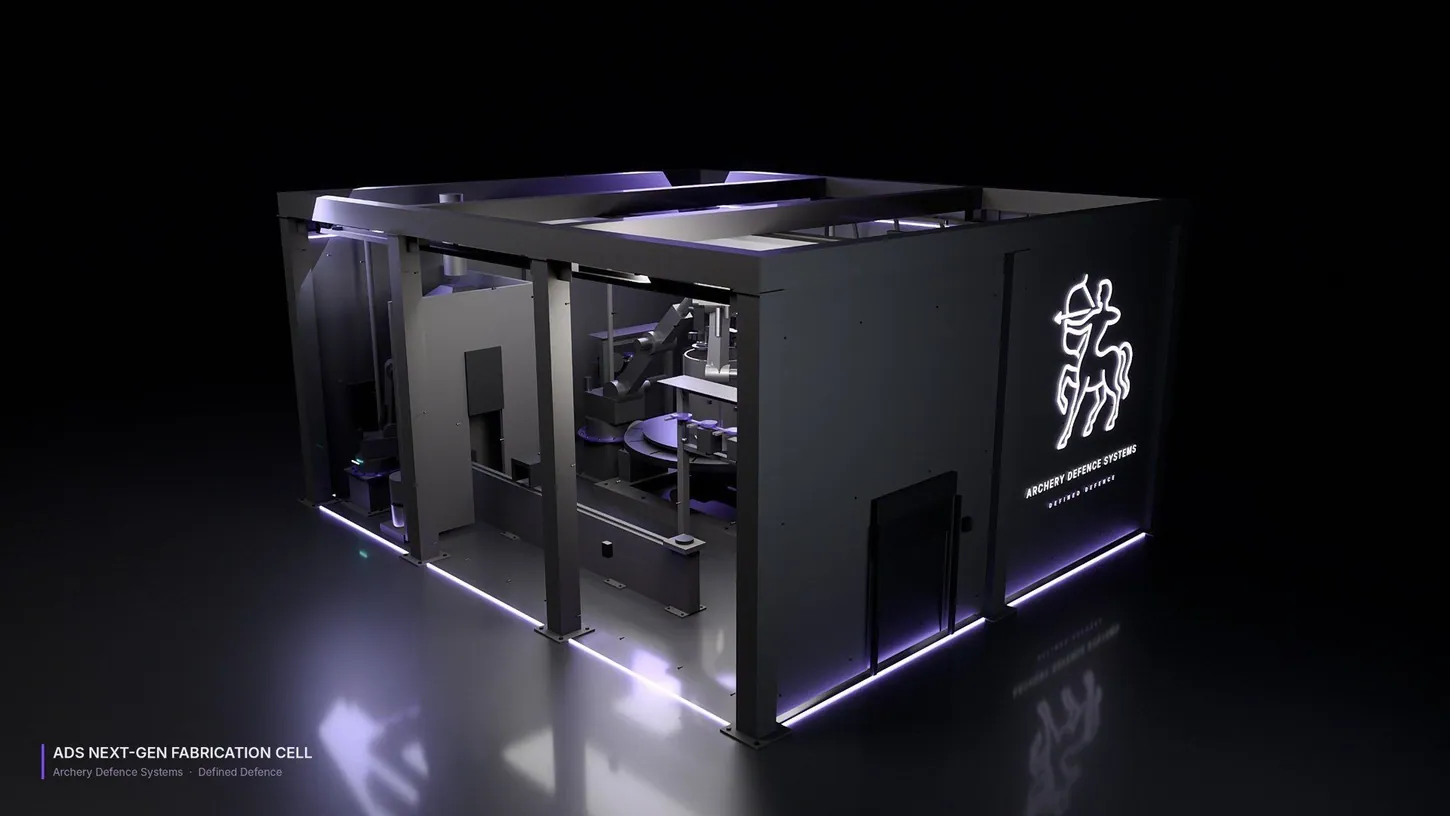
Archery Defence Systems unveiled an Autonomous Fabricator, one robotic cell the London company says turns a design into a finished product in 72 hours.
Funding rounds, partnerships, layoffs, and the market math underneath the drone headlines.
Drone industry news covers the business side of the sector: funding, contracts, certification and the company decisions that decide where the market actually goes.
Defense contracts are moving real capital. The Navy put $50 million on Shield AI’s X-BAT while the Air Force watches — the kind of bet that concentrates capital in a handful of companies positioned for military and paramilitary demand. Certification is tightening at the same time: the FCC told all certification labs to tighten drone screening, a compliance shift that favors manufacturers with the resources to meet it.
The ban’s effect on small operators is not theoretical. DJI ban coverage on pilots asking whether their businesses survive reflects real operators facing supply and compliance decisions with no easy substitute at DJI’s price point — the human cost underneath the policy debate covered on the FCC desk.
Industry events reflect where growth is expected: ElevateUAV 2026 moved to Gulfstream Park for live demos, a venue upgrade that tracks the conference’s own growth. And DJI is investing in the next generation directly, offering college students cash and free gear even as the FCC blocks its new drones — a company betting on long-term brand loyalty while fighting a short-term market access fight.
Related desks: China for the trade policy driving much of this, and DJI for the company at the center of most of it. Every drone industry story lands in the feed below.
Last updated November 20, 2026 — the feed below updates with every new story.
Archery Defence Systems unveiled an Autonomous Fabricator, one robotic cell the London company says turns a design into a finished product in 72 hours.

First Tellurium says affiliate PyroDelta Energy has completed an upgraded 50-pound heavy-lift drone prototype designed to carry at least 150 pounds.

FCC adopted its 450 MHz, 24 GHz and 800 MHz drone order 3-0. Trusty says the final item clarifies drone use of 800 MHz. The text is not out yet.
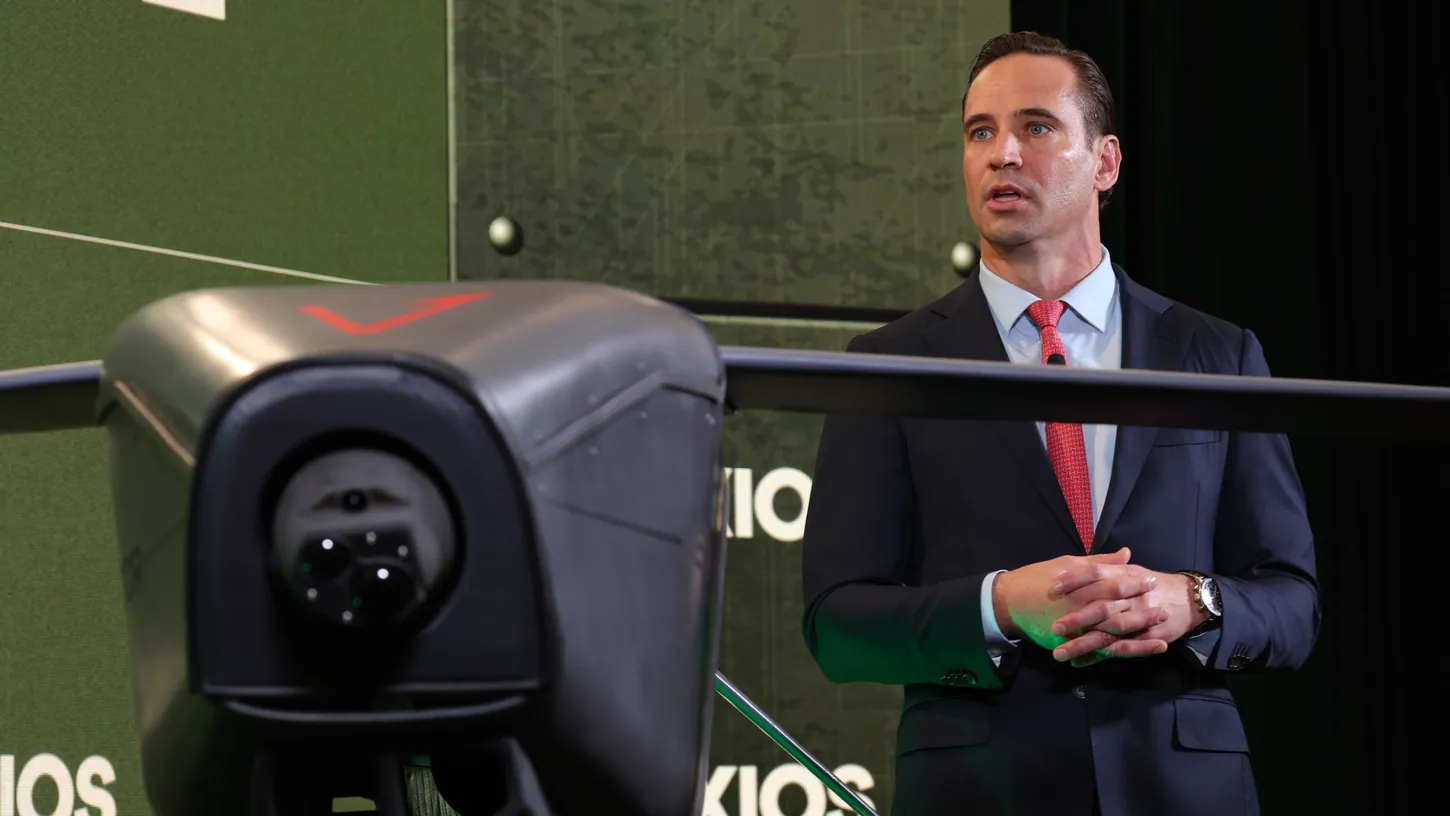
Vector announced BOMBARD, a ground-launched pulse jet strike drone with 1,100 km of range, a 235 mph cruise speed and a 110-pound payload, at the Axios defense summit.

HENSOLDT and ZF Friedrichshafen signed a cooperation agreement on November 18 for ZF to build Spexer radars in series and ship them straight to customers.

J-Star Holding named Mitsubishi Chemical a primary carbon fiber supplier for its planned Houston-area UAV airframe factory, aiming at all-US sourcing by 2028.

ARX Robotics has appointed Mirko Reuter, formerly head of innovation and technology at Airbus Defence and Space, as chief technology officer from January 1.

FCC votes Nov. 19 on a draft order giving AURA a nationwide 450 MHz license it could build at 5,000 and 25,000 feet, with no 400-foot service required.
Directly and immediately for small operators who built businesses on DJI hardware. Coverage of pilots asking whether their businesses survive is not hyperbole, it reflects real operators facing real supply and compliance decisions with no easy substitute at DJI's price point.
Defense and certification. The Navy's $50 million bet on Shield AI's X-BAT, watched closely by the Air Force, is one of several large contracts reshaping which companies have the capital to scale, while the FCC has separately tightened guidance to certification labs on drone screening.
In several directions at once: certification tightening favors larger, better-resourced manufacturers, defense contracts concentrate capital in a handful of companies, and event and conference moves like ElevateUAV relocating to a bigger venue reflect where the industry expects growth to actually happen.
One email with the drone news that matters — DJI, FAA, public safety, and everything in between, straight from the newsroom. No spam, no fluff.