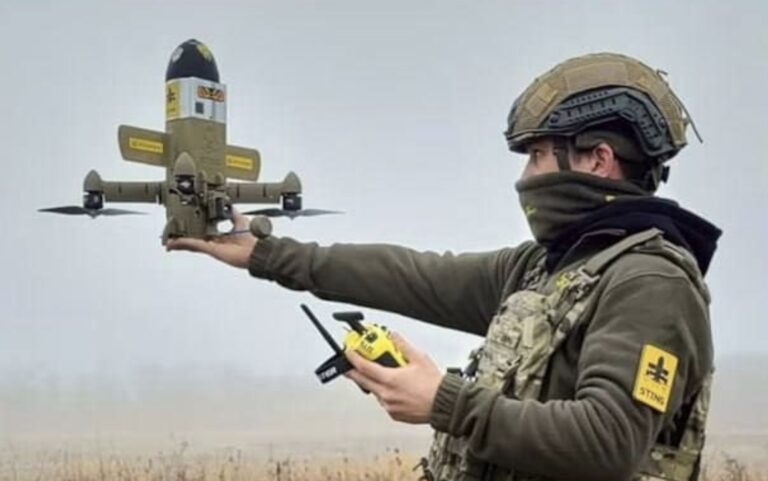
Pentagon Ramps Up Small Drone Investments to Transform Warfare

Check out the Best Deals on Amazon for DJI Drones today!
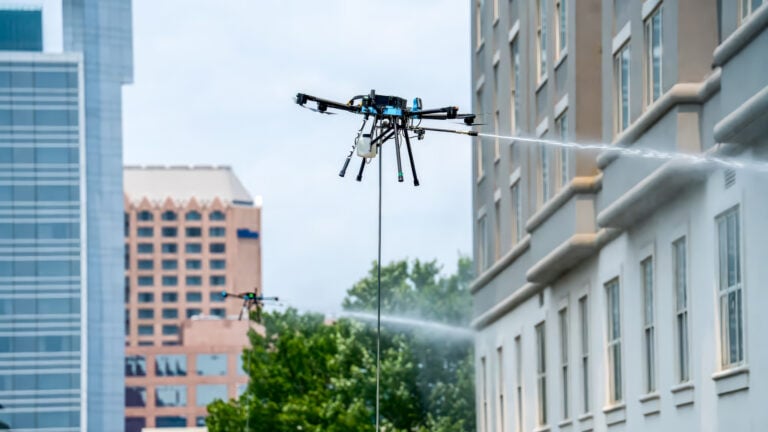
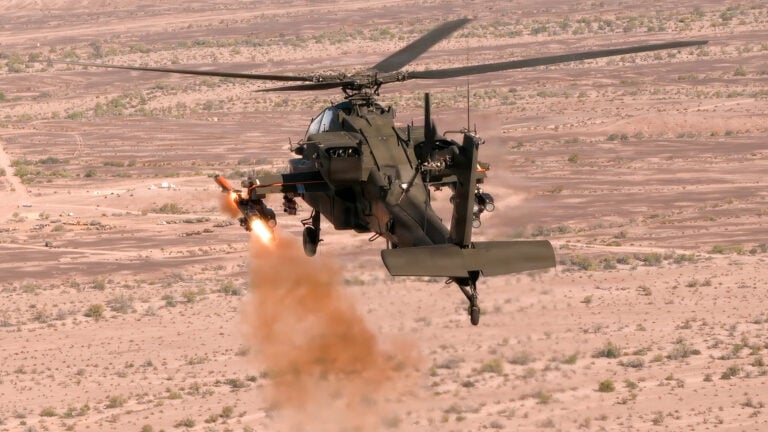
The U.S. military is accelerating its investment in small, offensive drones, driven by their proven effectiveness in conflicts in Ukraine and the Middle East, according to Defense Secretary Pete Hegseth’s testimony, reported by the Washington Times before Congress on June 18, 2025. With a proposed $961.6 billion defense budget, the Pentagon aims to integrate advanced, affordable drone technology to reshape modern combat.
Drones Redefine Battlefield Tactics
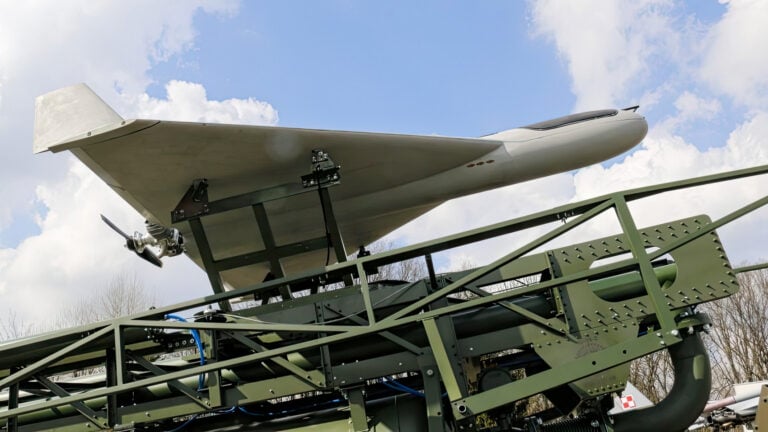
Small drones, including first-person view (FPV) kamikaze models and reusable bomber drones, have demonstrated their value in remote strikes. Ukraine’s June 1, 2025, drone attack, launched from container trucks, destroyed 40 Russian strategic bombers, showcasing the precision and reach of these systems. Similarly, Israel’s drone strikes from a covert base near Tehran targeted Iranian military leaders, highlighting drones’ role in high-stakes operations. “Massed, affordable and attritable platforms with short lifespans are changing the character of war,” Hegseth reportedly told the Senate Armed Services Committee, emphasizing their transformative impact.
Technical Advancements and Budget Priorities
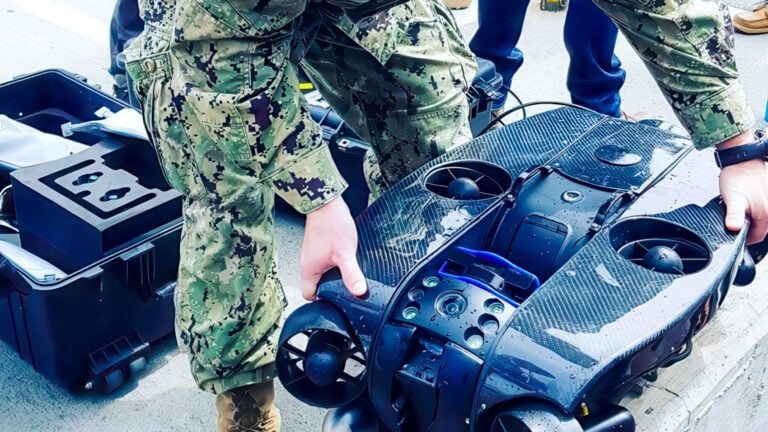
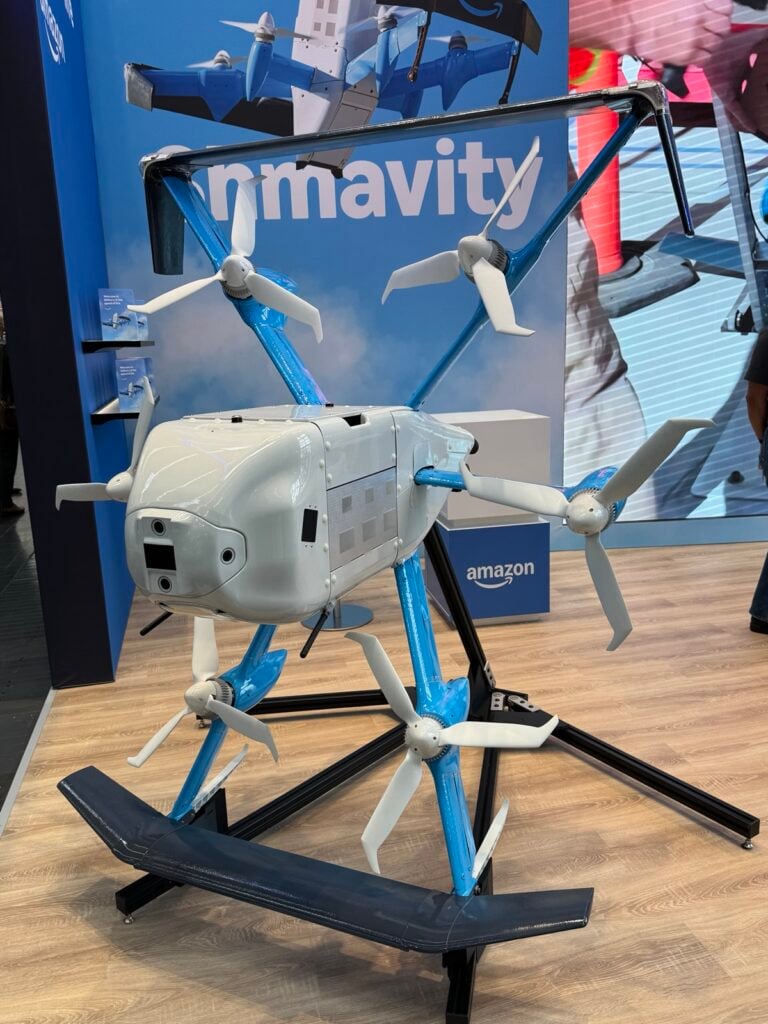
The Pentagon’s 2026 budget allocates significant funds for drone development, including $789.4 million for the Air Force’s Collaborative Combat Aircraft, a drone designed to support manned aircraft. The Navy’s MQ-4C Triton drone receives $376.4 million for upgrades, while $305.5 million supports the MQ-25 Unmanned Carrier Aviation drone. Maritime drones, such as large unmanned surface vehicles ($57.9 million) and undersea vehicles ($369 million), are also prioritized. These investments aim to enhance capabilities in electronic warfare, intelligence gathering, and communications relay, adapting commercial technologies for military use.
Challenges in Scaling Drone Production
Despite these efforts, supply chain constraints and global competition pose challenges. Hegseth noted that China produces over 100 commercial drones for every U.S.-made unit, underscoring the need for faster production. “We must end the unsustainable pattern of shooting down increasingly sophisticated, lethal drones — that in many cases cost just a few hundred dollars — with exquisite multi-million-dollar weapons,” he said, advocating for cost-effective counter-drone systems. The Army’s $55.2 million investment in counter-small UAS systems reflects this focus.
Global Drone Threats and Strategic Responses
The growing drone threat extends beyond China. Iran deployed over 150 one-way attack drones against Israel in April 2024, while North Korea’s drone use in Ukraine signals its preparation for future conflicts. Air Force Gen. Dan Caine, chairman of the Joint Chiefs of Staff, stressed the need for rapid innovation, stating, “This is an area where we must take advantage of fast-moving private sector innovation to field low cost, attritable, kinetic and non-kinetic, small, unmanned aircraft systems.” The Pentagon’s Replicator program has already deployed thousands of unmanned systems, with plans to expand in the Indo-Pacific to deter China.
Implications for Defense and Industry
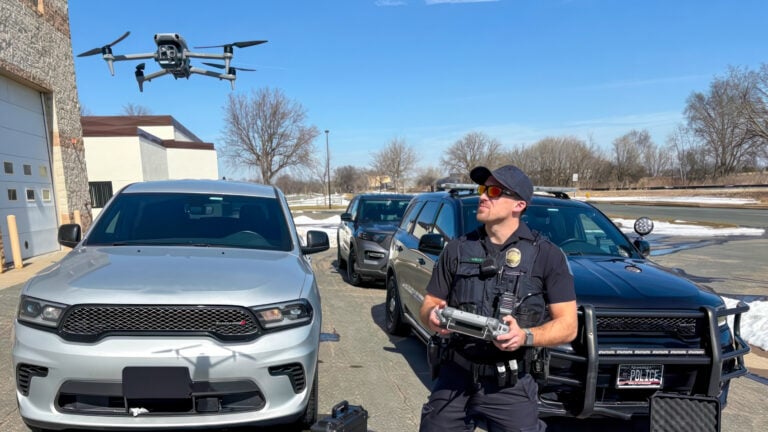
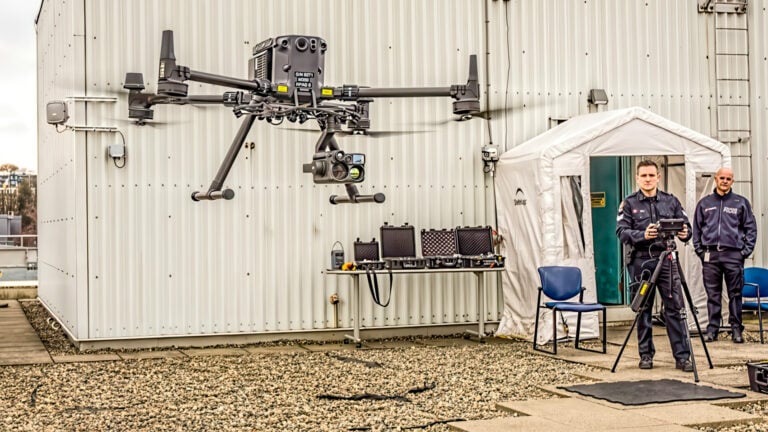
These investments signal a shift toward scalable, cost-efficient drone warfare, reducing reliance on expensive traditional weapons. For drone professionals, the focus on commercial technology adaptation opens opportunities for collaboration with defense contractors. However, regulatory frameworks must evolve to address the proliferation of affordable, weaponized drones accessible to adversaries. The Pentagon’s push for rapid integration, as Hegseth urged, will likely drive innovation in autonomous systems and counter-drone defenses, shaping the future of warfare.
With $142 billion allocated for defense research in 2026, including $43.9 billion for classified drone projects, the U.S. aims to maintain a technological edge. As Navy Secretary John C. Phelan noted, “Success in modern warfare will require the rapid, scalable production and integration of air, surface and subsurface unmanned systems.” This strategic pivot underscores drones’ critical role in national security.
Photos courtesy of Derek Guy / X
Discover more from DroneXL.co
Subscribe to get the latest posts sent to your email.
Check out our Classic Line of T-Shirts, Polos, Hoodies and more in our new store today!

MAKE YOUR VOICE HEARD
Proposed legislation threatens your ability to use drones for fun, work, and safety. The Drone Advocacy Alliance is fighting to ensure your voice is heard in these critical policy discussions.Join us and tell your elected officials to protect your right to fly.

Get your Part 107 Certificate
Pass the Part 107 test and take to the skies with the Pilot Institute. We have helped thousands of people become airplane and commercial drone pilots. Our courses are designed by industry experts to help you pass FAA tests and achieve your dreams.

Copyright © DroneXL.co 2026. All rights reserved. The content, images, and intellectual property on this website are protected by copyright law. Reproduction or distribution of any material without prior written permission from DroneXL.co is strictly prohibited. For permissions and inquiries, please contact us first. DroneXL.co is a proud partner of the Drone Advocacy Alliance. Be sure to check out DroneXL's sister site, EVXL.co, for all the latest news on electric vehicles.
FTC: DroneXL.co is an Amazon Associate and uses affiliate links that can generate income from qualifying purchases. We do not sell, share, rent out, or spam your email.