FCC Confirms Drone Firmware Updates Will Continue Until January 2027

Check out the Best Deals on Amazon for DJI Drones today!
The Federal Communications Commission just answered the question that’s been keeping drone pilots up at night since December. In a new order released yesterday, the FCC’s Office of Engineering and Technology confirmed that DJI, Autel, and other covered drone manufacturers can continue pushing firmware and software updates to previously authorized drones through at least January 1, 2027.
Here’s what you need to know:
- The Development: FCC Order DA 26-69, released January 21, 2026, waives restrictions that would have blocked security and functionality updates for drones already on the market.
- Who It Affects: All UAS and UAS critical components that received FCC equipment authorization before December 22, 2025, including every current DJI consumer and enterprise drone.
- The Timeline: The waiver runs until January 1, 2027, matching the same deadline for Blue UAS and Buy American exemptions.
The FCC’s Office of Engineering and Technology resolves the firmware loophole
The FCC’s Office of Engineering and Technology (OET) has waived the applicability of 47 CFR sections 2.932(b) and 2.1043(b) prohibitions against Class I permissive changes for UAS and UAS critical components that were authorized prior to the December 22, 2025 Covered List addition. Class I permissive changes are modifications to authorized equipment that don’t require a new FCC application, and they include software and firmware updates that patch security vulnerabilities and ensure continued device functionality.
The order specifically states that the waiver covers “all software and firmware updates that mitigate harm to U.S. consumers for UAS and UAS critical components authorized prior to the December 22, 2025, Covered List addition.”
Oregon Department of Aviation Director Kenji Sugahara, who serves on the FAA Drone Advisory Committee, flagged the development on LinkedIn yesterday, calling it “reasonable news” for the industry.
The technical problem the FCC just fixed
When the FCC added all foreign-produced UAS to the Covered List on December 22, it created an unintended regulatory trap. The rules that govern equipment authorization include restrictions on “permissive changes” to covered equipment. Without this waiver, DJI and other foreign manufacturers could have been prohibited from pushing any firmware updates to existing drones, even critical security patches.
The FCC’s legal analysis in DA 26-69 explains the reasoning: applying the newly revised 47 CFR sections 2.932(b) and 2.1043(b) to UAS authorized before December 22 would prohibit permissive changes “even for Class I permissive changes, such as software and firmware security updates that mitigate harm to U.S. consumers, because previously-authorized UAS and UAS critical components are now covered equipment.”
The OET found that special circumstances warranted a deviation from the general rules. The December 22 Covered List addition was distinct from previous additions, the agency noted, because “particular safety and security features regarding the continued operation of UAS uniquely support a limited waiver to ensure that relevant updates can be made.”
The waiver applies to security and functionality updates
The FCC’s order explicitly covers updates that patch vulnerabilities and ensure continued device functionality with different operating systems. This matters because drone firmware frequently needs to maintain compatibility with iOS and Android updates, and security patches are regularly deployed to address newly discovered vulnerabilities.
The limited duration of the waiver is intentional. The FCC notes it “will give the Commission an opportunity to consider the application of the Commission’s October 2025 Class I permissive change rule revisions to the new Covered List update.”
For questions about the order, the FCC directs inquiries to Katherine Nevitt at the Office of Engineering and Technology, reachable at 301-362-3017 or katherine.nevitt@fcc.gov.
DroneXL’s Take
This waiver confirms what we suspected when we first analyzed the December 22 Covered List addition: the FCC moved so fast that they created problems they hadn’t fully thought through. The December 22 announcement banned all foreign drones without any security audit, and now the agency is spending January cleaning up the technical consequences.
But let’s be clear about what’s actually happening here. Notice how every exemption and waiver since December 22 expires on the same date: January 1, 2027. The Blue UAS exemption. The Buy American carve-out. Now the firmware waiver. The administration isn’t “saving” drone pilots. They’re managing a controlled sunset, building a regulatory framework where they decide exactly what foreign drone capabilities enter the U.S. market, update by update, exemption by exemption.
Here’s the logical contradiction that nobody in Washington seems willing to address: if DJI drones pose an “unacceptable risk to national security” as the December 22 determination claimed, why is the FCC now explicitly allowing the same Chinese manufacturer to push code to millions of American devices for another year? Either these drones are dangerous enough to justify the ban, or they’re safe enough to receive firmware updates. The government is trying to have it both ways.
My prediction: expect the FCC to establish a formal firmware review process before the January 2027 deadline. The agency will want oversight of what code DJI pushes to American devices. If that means requiring source code submission before every patch, it effectively kills the update pipeline through bureaucratic friction rather than outright prohibition. A backdoor ban dressed up as “security review.”
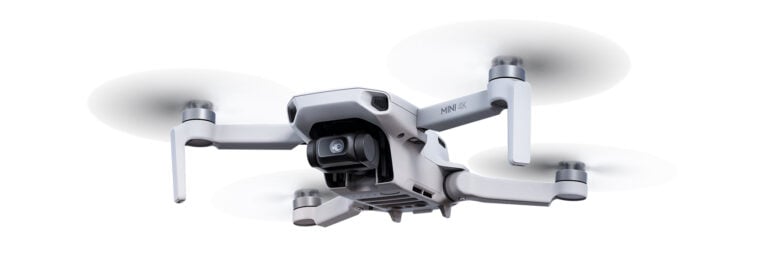
For now, your DJI Mini 4 Pro and Mavic 3 Pro can still receive updates. That’s the good news. The bad news is that January 2027 is now the hard ceiling for foreign drone utility in the United States, and everything between now and then is borrowed time.
Editorial Note: AI tools were used to assist with research and archive retrieval for this article. All reporting, analysis, and editorial perspectives are by Haye Kesteloo.
Discover more from DroneXL.co
Subscribe to get the latest posts sent to your email.
Check out our Classic Line of T-Shirts, Polos, Hoodies and more in our new store today!

MAKE YOUR VOICE HEARD
Proposed legislation threatens your ability to use drones for fun, work, and safety. The Drone Advocacy Alliance is fighting to ensure your voice is heard in these critical policy discussions.Join us and tell your elected officials to protect your right to fly.

Get your Part 107 Certificate
Pass the Part 107 test and take to the skies with the Pilot Institute. We have helped thousands of people become airplane and commercial drone pilots. Our courses are designed by industry experts to help you pass FAA tests and achieve your dreams.

Copyright © DroneXL.co 2026. All rights reserved. The content, images, and intellectual property on this website are protected by copyright law. Reproduction or distribution of any material without prior written permission from DroneXL.co is strictly prohibited. For permissions and inquiries, please contact us first. DroneXL.co is a proud partner of the Drone Advocacy Alliance. Be sure to check out DroneXL's sister site, EVXL.co, for all the latest news on electric vehicles.
FTC: DroneXL.co is an Amazon Associate and uses affiliate links that can generate income from qualifying purchases. We do not sell, share, rent out, or spam your email.