Drones Light the Fire at Pisgah National Forest
Check out the Best Deals on Amazon for DJI Drones today!
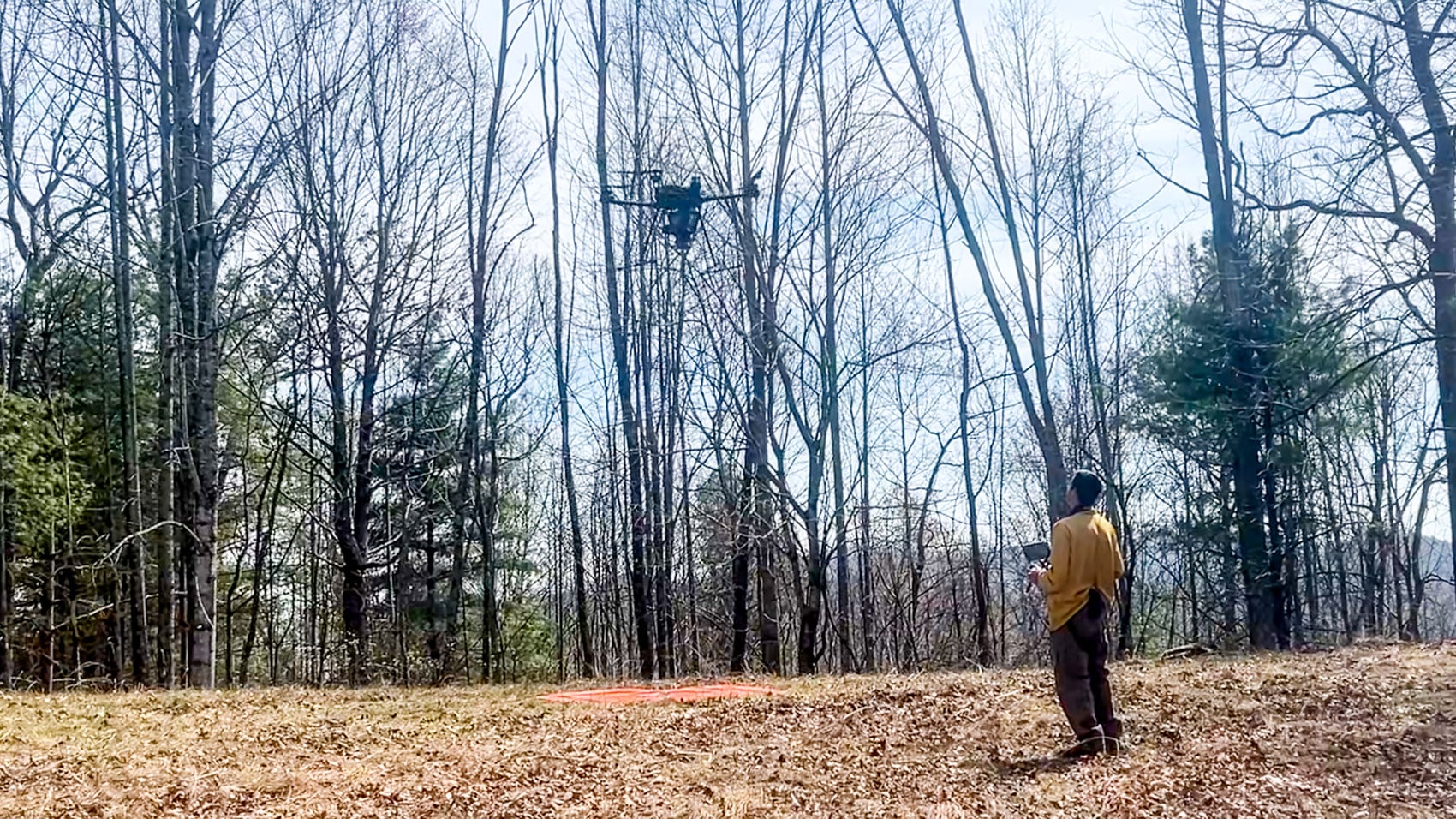
The U.S. Forest Service used a modified Freefly Alta X carrying Drone Amplified’s IGNIS aerial ignition system to conduct prescribed burns at the Wilson Ridge unit in Pisgah National Forest last weekend, treating 290 acres of hazardous fuel in terrain too steep and remote to safely put ground crews into, as they announced on their Facebook page.
It’s a quiet but telling example of how drone technology is reshaping wildland fire management across the country.
What Happened at Wilson Ridge
Fire crews on the Grandfather Ranger District completed the Wilson Ridge prescribed fire in Caldwell County, North Carolina on March 7, using a combination of hand ignition on accessible ground and UAS-delivered aerial ignitions in the interior of the burn unit.
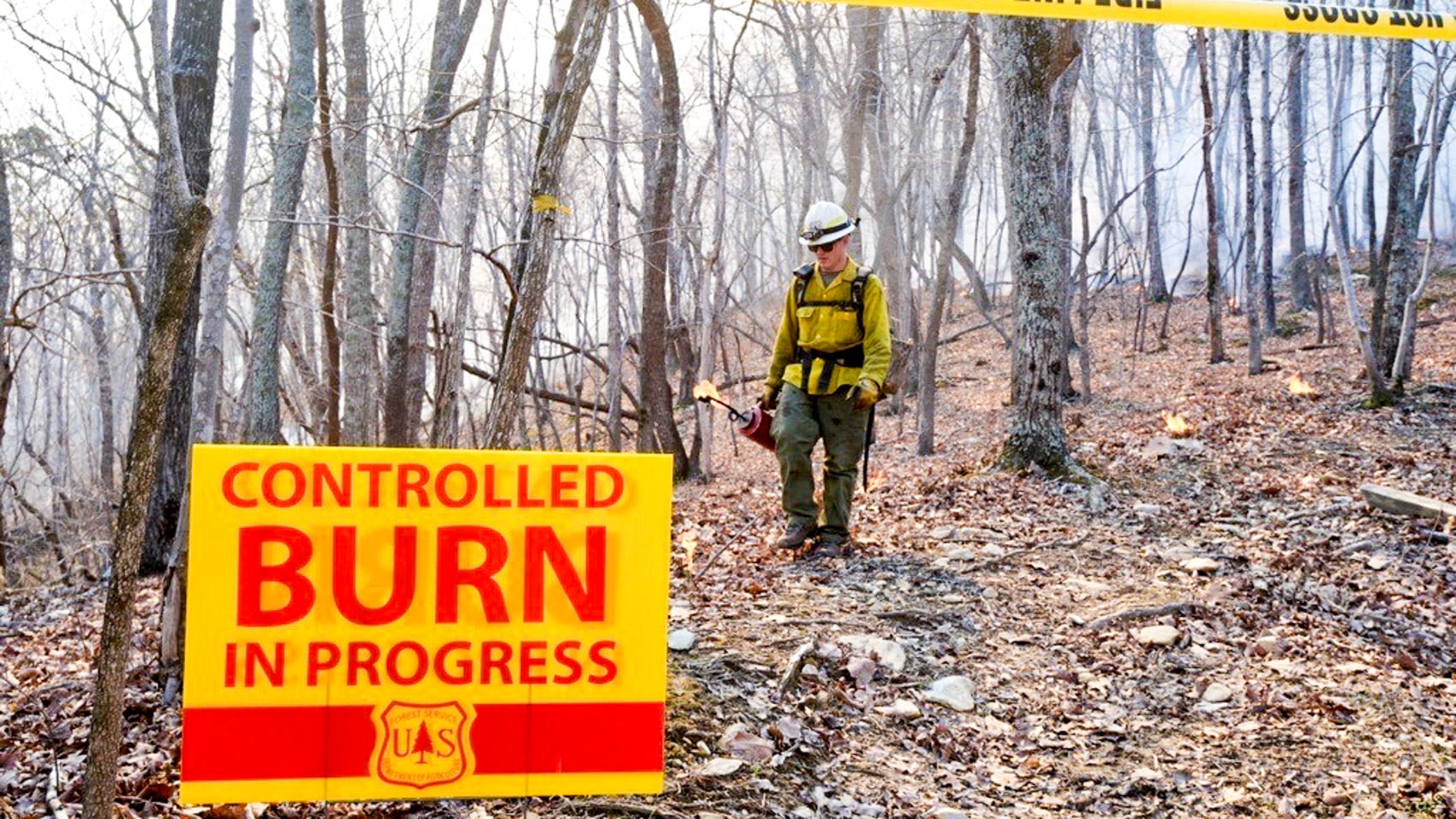
The drone handled the sections too dangerous for ground personnel, while onboard infrared gave crews real-time monitoring of fire behavior across the entire unit.
The result was a completed 290-acre burn without exposing firefighters to the rollout and fall hazards that come with hand ignition on rugged Appalachian terrain. The Wilson Ridge Trail was temporarily closed during operations and reopened once conditions were safe.
Two additional prescribed burns were planned for the same weekend in Caldwell County. The Bee Branch burn targeted 300 acres near the junction of Roseboro Gragg Road and Stack Rock Creek Road. The Crawley Branch burn targeted 566 acres at the south end of Maple Sally Road. The Forest Service release did not confirm whether UAS ignition was used on those units.
The Alta X and IGNIS System
The platform at Wilson Ridge was a heavily modified Freefly Alta X multirotor, built and tested entirely in Woodinville, Washington. The Alta X is a heavy-lift octocopter with a 7.5-foot wingspan, a maximum payload capacity of 35 lbs, and a maximum gross takeoff weight of 76 lbs. Top speed is approximately 70 mph.

At lighter payloads, flight time can exceed 40 minutes. With the IGNIS system and thermal camera loaded, practical endurance runs in excess of 30 minutes per battery set. The airframe folds to half its size for field transport and uses a quick-release Smart Dovetail mounting system that lets crews swap payloads without tools.
For prescribed fire operations, the Alta X runs on a Herelink Blue radio controller, a U.S.-made system that complies with DIU Blue security requirements.
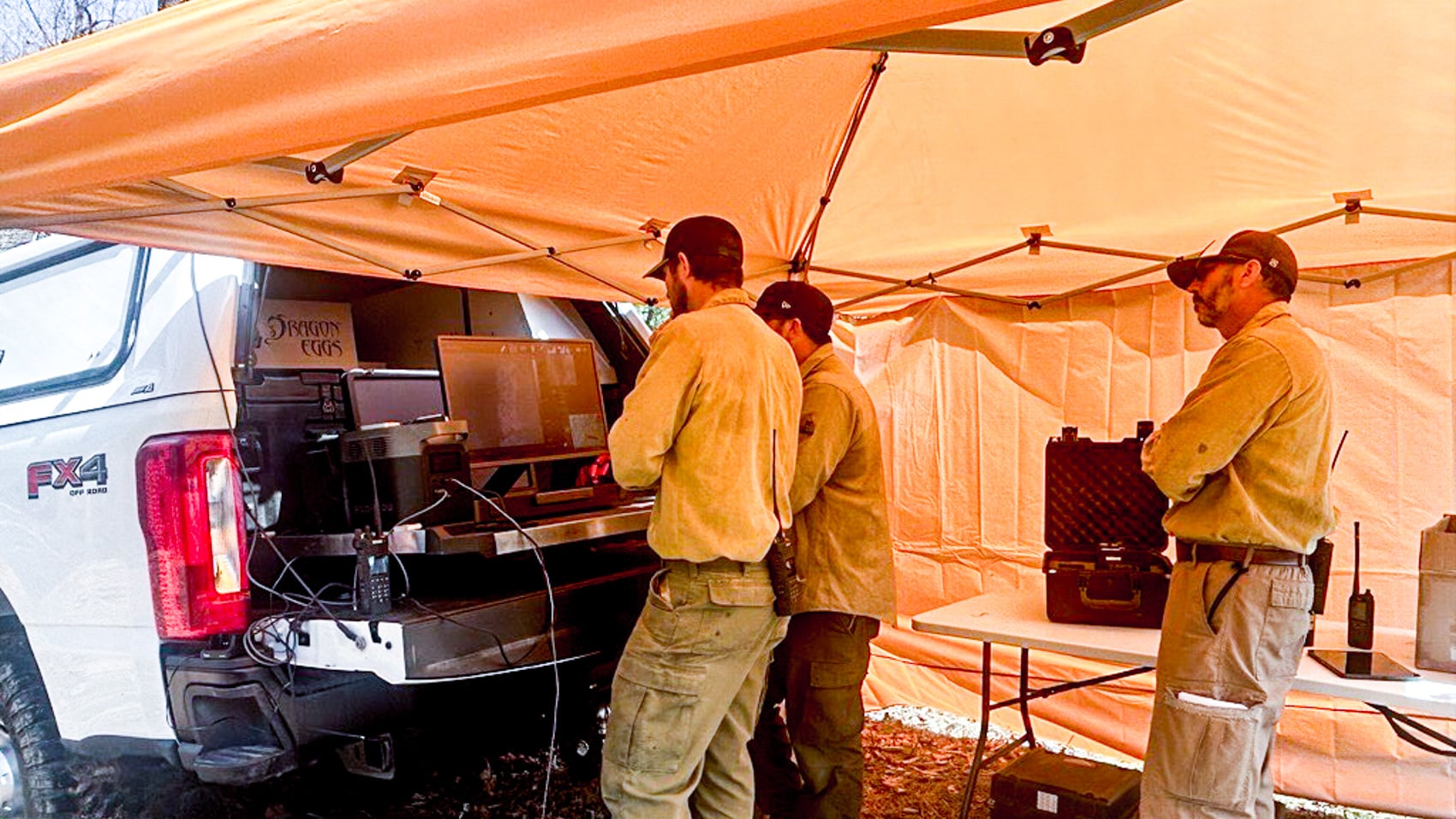
The IGNIS system, manufactured by Drone Amplified out of Lincoln, Nebraska, is the only UAS-based aerial ignition payload approved for use on federal prescribed fires and wildfires. It mounts directly to the modified Alta X and carries up to 450 standard Dragon Egg ignition spheres per flight.
The dispenser drops between 10 and 120 spheres per minute depending on mission requirements. Each sphere contains potassium permanganate. Just before release, the IGNIS system injects a small amount of glycol into each sphere, triggering a chemical reaction that ignites the ball roughly 30 to 60 seconds after it lands in the target vegetation.
That delay is intentional. It gives the sphere time to settle into the fuel bed before combustion begins. A single operator can reload the IGNIS dispenser in two to five minutes, enabling near-continuous operations across multiple battery cycles. The system weighs about 4 lbs when fully loaded with spheres.
The Alta X package for prescribed fire also carries a Workswell Wiris Pro thermal and visual camera on a separate payload mount, giving the crew simultaneous ignition and infrared monitoring capability from a single platform.
The IGNIS app serves as the ground control station, allowing operators to fly autonomous waypoint ignition missions, set geofenced boundaries that physically prevent sphere drops outside the burn perimeter, and monitor ADS-B traffic for other aircraft sharing the airspace.
Why Aerial Ignition Changes the Math on Prescribed Fire
The eastern United States runs significantly behind the West in prescribed fire acreage, and the gap has real consequences. The Southern Appalachians carry decades of accumulated fuel load from a combination of fire suppression policy and the loss of the American chestnut, which historically kept understory competition in check.
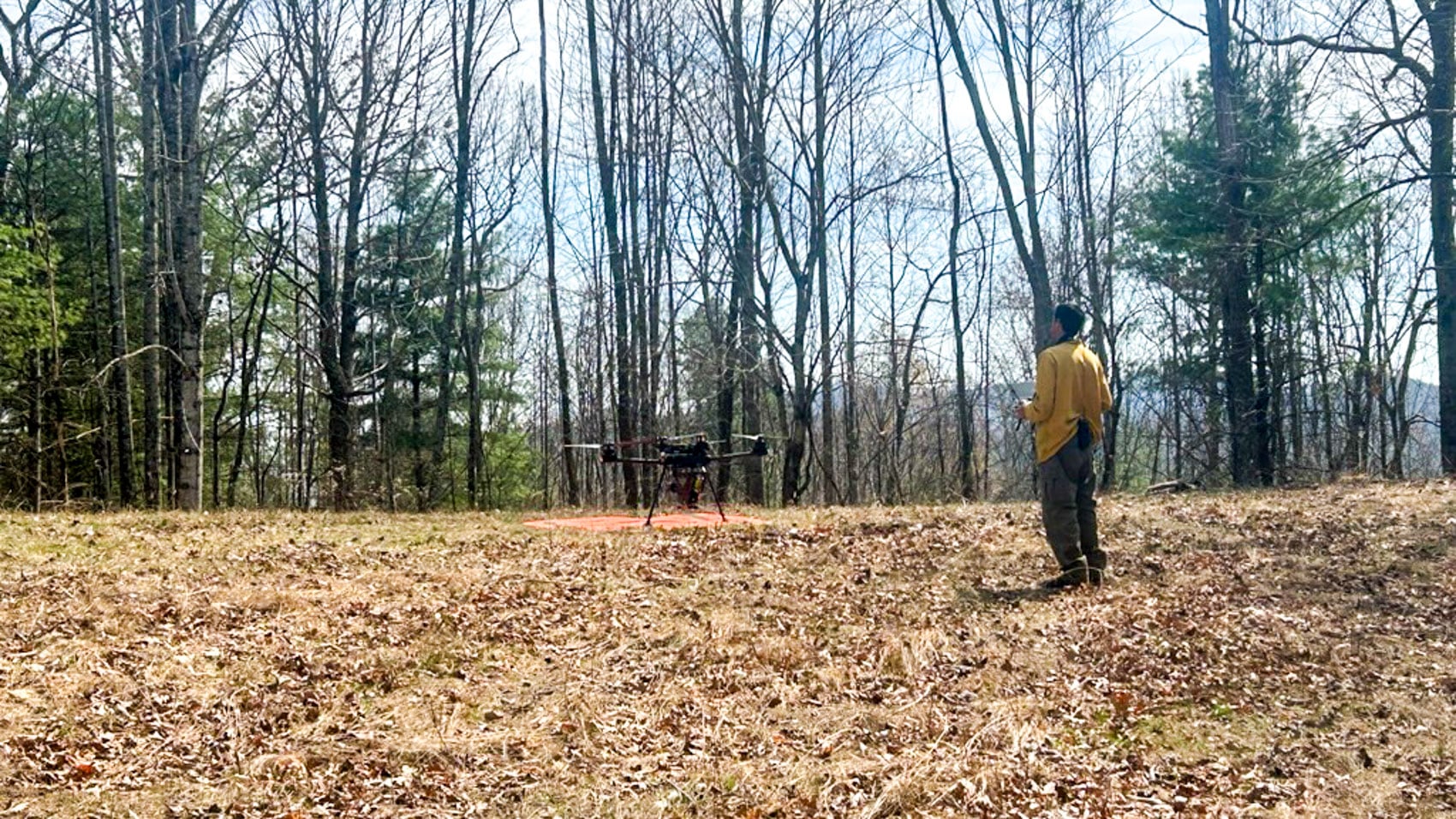
Prescribed fire is the most cost-effective tool for reducing that load, and terrain is one of the primary bottlenecks limiting how many acres can be treated each year.
Drone ignition systems attack that bottleneck directly. Before platforms like the Alta X and IGNIS existed, interior terrain on steep ridges either got skipped or required helicopter support at significantly higher cost and logistical complexity.
A two-person IGNIS crew can cover terrain that previously demanded either dangerous hand ignition work or a helicopter contract. The Forest Service signed a $750,000 contract with Drone Amplified in 2020 specifically to scale this capability across the agency, and the Wilson Ridge deployment shows it has moved well beyond pilot program status into routine operational use.
DroneXL’s Take
Here’s what I find genuinely significant: this is an entirely American-made solution doing important work, and almost nobody is paying attention to it.
The Freefly Alta X is designed, machined, assembled, and tested in Woodinville, Washington. The IGNIS system is built in Lincoln, Nebraska. The Herelink Blue controller meets DIU security requirements.
At a moment when the drone industry is consumed by debates over Chinese hardware and supply chain risk, this quiet partnership between two American manufacturers is out in the mountains of North Carolina, treating fuel loads that will eventually burn one way or another. The only question is whether the next fire happens on a crew’s terms or on the fire’s terms.
No sugarcoating this: the Forest Service’s prescribed fire program is chronically underfunded relative to the scale of the problem it’s trying to solve.
Drone ignition systems make each crew more capable and each burn safer, but they don’t conjure the budget, the weather windows, or the political will to actually expand the program at the pace the fuel load demands. The tool is right. The question is whether the institutions behind it are moving fast enough.
Photo credit: U.S. Forest Service
Discover more from DroneXL.co
Subscribe to get the latest posts sent to your email.
Check out our Classic Line of T-Shirts, Polos, Hoodies and more in our new store today!

MAKE YOUR VOICE HEARD
Proposed legislation threatens your ability to use drones for fun, work, and safety. The Drone Advocacy Alliance is fighting to ensure your voice is heard in these critical policy discussions.Join us and tell your elected officials to protect your right to fly.

Get your Part 107 Certificate
Pass the Part 107 test and take to the skies with the Pilot Institute. We have helped thousands of people become airplane and commercial drone pilots. Our courses are designed by industry experts to help you pass FAA tests and achieve your dreams.

Copyright © DroneXL.co 2026. All rights reserved. The content, images, and intellectual property on this website are protected by copyright law. Reproduction or distribution of any material without prior written permission from DroneXL.co is strictly prohibited. For permissions and inquiries, please contact us first. DroneXL.co is a proud partner of the Drone Advocacy Alliance. Be sure to check out DroneXL's sister site, EVXL.co, for all the latest news on electric vehicles.
FTC: DroneXL.co is an Amazon Associate and uses affiliate links that can generate income from qualifying purchases. We do not sell, share, rent out, or spam your email.