FCC Removes First Four Drones From Covered List After Department of War Clears Them on National Security
Check out the Best Deals on Amazon for DJI Drones today!
The process the FCC built into its foreign drone ban is finally producing results. On March 18, 2026, the Federal Communications Commission updated its Covered List to remove four UAS and UAS-related systems following a formal national security determination from the Department of War (DoW) that those systems pose no unacceptable risks to the United States.
This is the first time any drone or drone-related system has been removed from the Covered List since the FCC added all foreign-made UAS in December 2025. It’s a small number. But it’s the first real confirmation that the removal process functions at all.
- The Development: The FCC has removed four UAS and UAS-related systems from its Covered List, designating them as “Conditionally Approved” following a DoW national security clearance dated March 18, 2026.
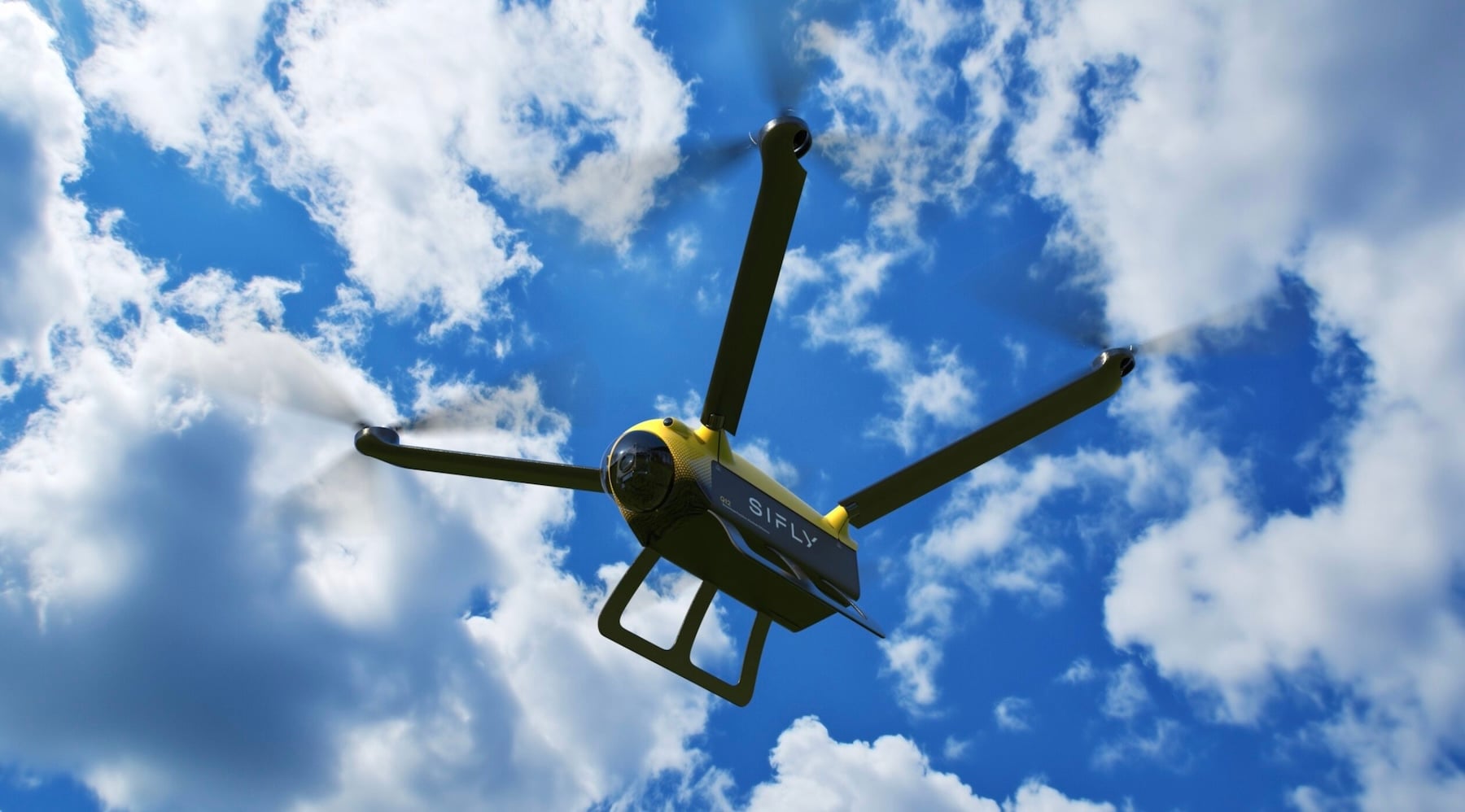
- The Four Systems: SiFly Aviation Q12, Mobilicom SkyHopper Series (including M Band, Tactical Data Link, various controllers, and ICE/OS3 Security Software), ScoutDI Scout 137, and Verge, Inc. X1.
- The “So What?”: Commercial fleet managers and public safety agencies evaluating these specific systems now have a clear regulatory path forward for new purchases and authorizations.
- The Source: The FCC published FCC Public Notice DOC-410679A1 confirming the Covered List update and conditional approvals on March 18, 2026.
The Four Systems the DoW Just Cleared
The Department of War’s national security determination covers four distinct entries, each now classified as Conditionally Approved and removed from the Covered List. The DoW determined that none of these systems currently pose unacceptable risks to U.S. national security. Here is what was cleared:
- SiFly Aviation, Inc. Q12 Uncrewed Aircraft System
- Mobilicom SkyHopper Series / M Band / Tactical Data Link, Various Controllers, and ICE, OS3 Security Software
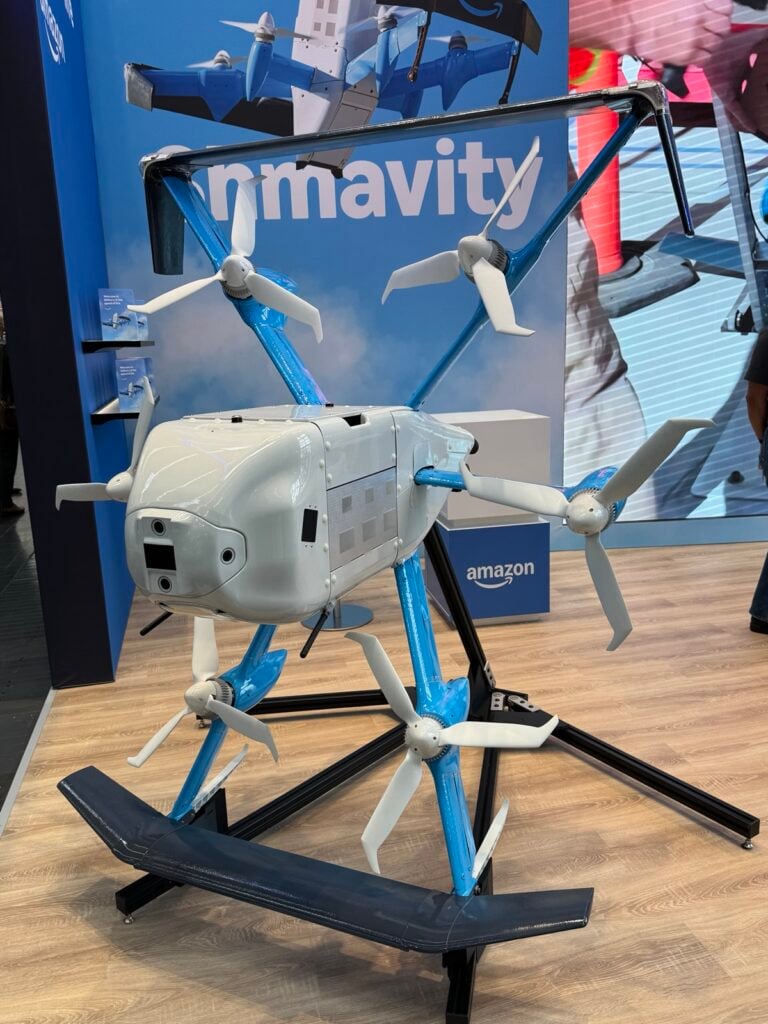
- ScoutDI Scout 137 Uncrewed Aircraft System
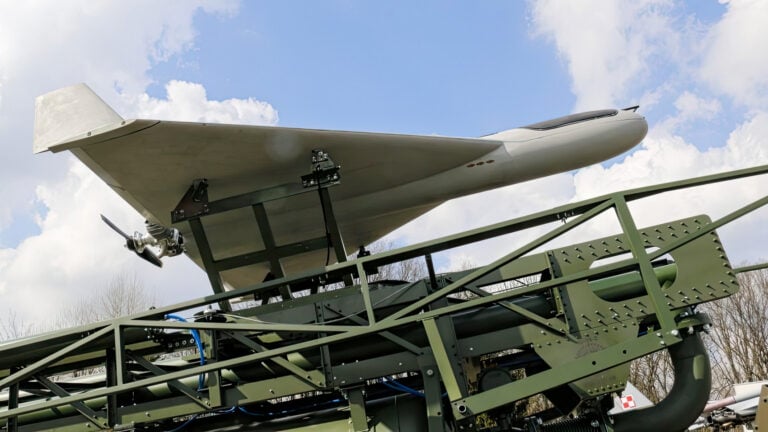
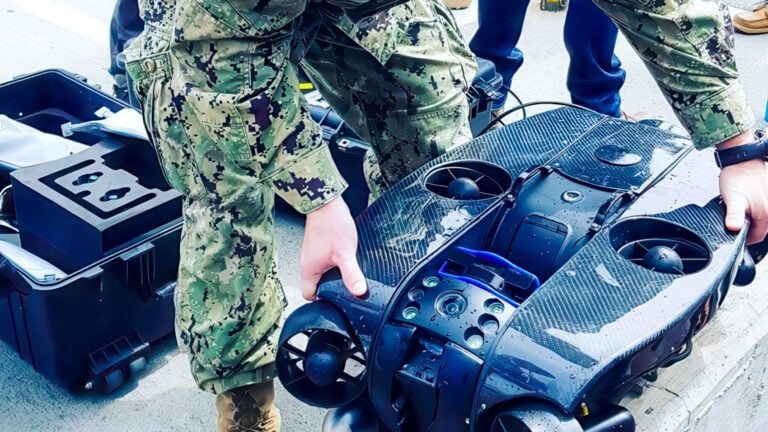
- Verge, Inc. X1 Uncrewed Aircraft System
None of these are consumer drones. SiFly, ScoutDI, and Verge operate in the enterprise and industrial inspection space. Mobilicom’s SkyHopper is a tactical communications and data-link platform used across defense, maritime, and law enforcement applications — not a drone airframe. Its inclusion confirms the DoW’s review covers UAS critical components and supporting software, not just aircraft.
The DoW’s clearance process, built into the FCC’s Covered List framework from the start, evaluates individual systems on their actual security profile rather than country of manufacture alone.
The Conditional Approval Pathway and Its Requirements
The Conditional Approval pathway is the formal mechanism through which any UAS manufacturer can petition for removal from the FCC Covered List. Under the framework established when the FCC added all foreign drones in December 2025, companies submit requests to drones@fcc.gov; the FCC forwards those to the DoW and DHS for evaluation. A DoW or DHS determination that the system poses no unacceptable risk is required before the FCC can act.
When the FCC first exempted Blue UAS platforms in January 2026, internal guidance indicated the DoW and DHS were targeting a 45-day review turnaround. Today’s announcement arrived roughly 70 days after that process opened — about 25 days past the internal target. Whether that slip reflects the complexity of these specific applications, early-stage process friction, or a preview of how the queue will move as more manufacturers apply is not yet clear.
One requirement that applies to every applicant: manufacturers must establish an onshoring plan covering all UAS critical components, including motors, batteries, and flight controllers that never required FCC authorization in the first place. That is a real bar. Four approvals in the first batch suggests the DoW is moving, but it is not rubber-stamping anyone.
Where This Sits in the Broader FCC Drone Saga
The FCC’s December 22, 2025, decision to add all foreign-made drones to the Covered List was unprecedented in scope. It blocked new FCC equipment authorizations for every foreign UAS manufacturer, not just Chinese companies, citing a national security determination from the White House interagency body. DJI, Autel, and dozens of other manufacturers lost the ability to bring new products to the U.S. market overnight.
The exemption architecture was always part of the design. The DoD carved out Blue UAS platforms in early January, and the FCC chairman outlined a formal conditional approval pathway at CES 2026. But until today, no individual manufacturer had successfully navigated that pathway to a removal from the list. These four systems are the first.
Meanwhile, DJI filed suit against the FCC on February 20 in the U.S. Court of Appeals for the Ninth Circuit, arguing the ruling is both procedurally and substantively flawed. DJI has no practical path to the conditional approval process: the DoW has made no determination removing any Chinese-manufactured system from the Covered List, and nothing in the current framework creates a mechanism for it to do so. Oregon’s white paper quantified the cost of that exclusion at up to $2 billion in national exposure across 25 states reporting 467 restricted drones.
DJI’s legal fight continues through the courts, and the Avata 360 remains likely the last new DJI product Americans can buy through legitimate retail while the ban holds.
DroneXL’s Take
Four approvals. That’s the scorecard after roughly three months of the FCC’s conditional approval process being open. It’s not nothing. SiFly, ScoutDI, Verge, and Mobilicom now have certainty their systems can move through U.S. markets without regulatory ambiguity. For enterprise operators evaluating these platforms, that matters.
But let’s be honest about what this batch tells us. All four are specialized enterprise or industrial systems. None compete with DJI at scale. The conditional approval process is working in its narrowest form: clearing systems with limited market footprints and presumably cleaner supply chain documentation. Whether it scales to handle the dozens of manufacturers who need to navigate this framework is a different problem entirely.
The deeper issue is structural. The DoW is now the de facto gatekeeper for the U.S. drone market. Every approval goes through a national security review that operates on its own timeline, with criteria that aren’t fully public. That’s a significant concentration of market-shaping authority in a single agency. Worth noting: the onshoring requirements the DoW imposes extend to components — motors, batteries, flight controllers — that never required FCC authorization before. That’s a new kind of reach, and it arrived without much public scrutiny. I’ve covered this industry long enough to know that bureaucratic bottlenecks have a way of becoming permanent fixtures, even when no one designs them to be.
The four approvals today are a functional test, not a solution. Expect the pace to become the real story over the next six months. If the DoW clears another batch of enterprise systems by September 2026 while consumer-grade alternatives remain locked out and DJI’s court case grinds forward, we’ll know this process can’t address the actual market gap the December ban created.
The question worth watching isn’t whether the process works. It’s whether it works fast enough, for enough manufacturers, to matter to the Part 107 operators and public safety agencies who still can’t replace their aging DJI fleets.
Editorial Note: AI tools were used to assist with research and archive retrieval for this article. All reporting, analysis, and editorial perspectives are by Haye Kesteloo.
Discover more from DroneXL.co
Subscribe to get the latest posts sent to your email.
Check out our Classic Line of T-Shirts, Polos, Hoodies and more in our new store today!

MAKE YOUR VOICE HEARD
Proposed legislation threatens your ability to use drones for fun, work, and safety. The Drone Advocacy Alliance is fighting to ensure your voice is heard in these critical policy discussions.Join us and tell your elected officials to protect your right to fly.

Get your Part 107 Certificate
Pass the Part 107 test and take to the skies with the Pilot Institute. We have helped thousands of people become airplane and commercial drone pilots. Our courses are designed by industry experts to help you pass FAA tests and achieve your dreams.

Copyright © DroneXL.co 2026. All rights reserved. The content, images, and intellectual property on this website are protected by copyright law. Reproduction or distribution of any material without prior written permission from DroneXL.co is strictly prohibited. For permissions and inquiries, please contact us first. DroneXL.co is a proud partner of the Drone Advocacy Alliance. Be sure to check out DroneXL's sister site, EVXL.co, for all the latest news on electric vehicles.
FTC: DroneXL.co is an Amazon Associate and uses affiliate links that can generate income from qualifying purchases. We do not sell, share, rent out, or spam your email.