FAA’s eIPP lets Wisk and Reliable Robotics fly commercial before certification, and that changes everything

Check out the Best Deals on Amazon for DJI Drones today!
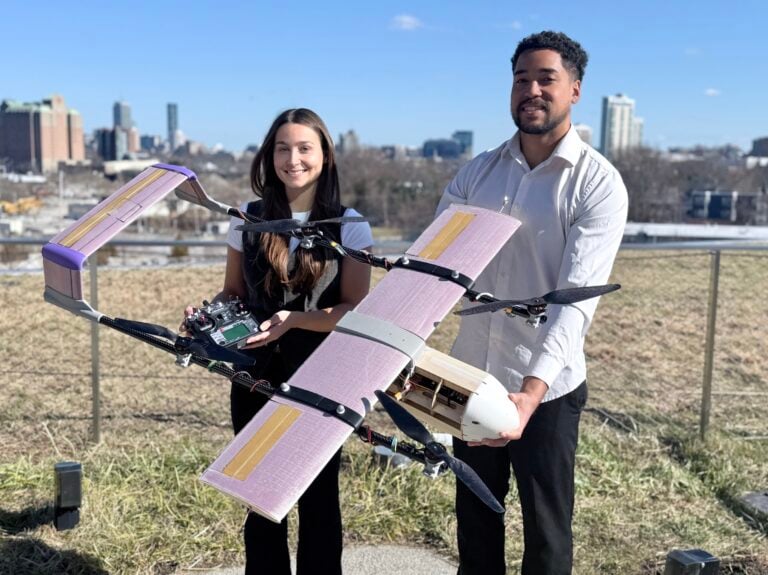
The FAA’s eVTOL Integration Pilot Program (eIPP) is now doing something U.S. aviation regulators have never done: letting companies fly commercial missions with uncertified aircraft, then using the data to write the rules afterward. A detailed report from Aviation International News published March 31 breaks down how the eight selected projects, spanning 26 states, will operate under Other Transaction Authority (OTA) agreements that bypass the traditional certification-before-commercialization sequence. First flights are expected within 90 days of finalized agreements. In my nine-plus years covering drone regulation, I have never seen the FAA move this fast on a new aircraft category.
Cargo and medical missions dominate the portfolio
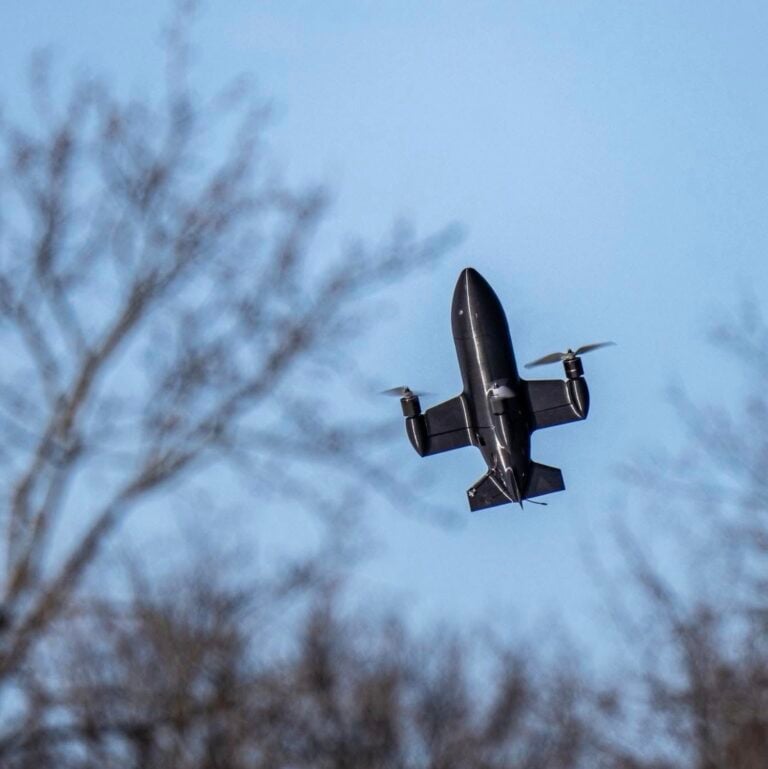
The eIPP is weighted heavily toward freight and medical logistics, not passenger air taxis. Beta Technologies is participating in seven of the eight programs, deploying its Alia aircraft for offshore energy operations with Bristow Group in Louisiana, organ delivery with United Therapeutics in Maryland and Virginia, and cargo runs in upstate New York and Vermont. Elroy Air’s Chaparral, a hybrid-electric autonomous VTOL capable of carrying 300 to 500 pounds (136 to 227 kg) up to 300 miles (483 km), targets Gulf Coast industrial resupply. Bristow holds a letter of intent for up to 100 Chaparral freighters.
This cargo-first pattern is deliberate. Lower risk thresholds and simpler liability math mean freight operations will generate revenue and operational data long before any passenger eVTOL carries a paying customer. As we reported when the DOT announced the eIPP selections in March, at least three of the eight projects will likely log revenue freight flights first.

Wisk positions itself as the FAA’s autonomy pathfinder
Wisk Aero, the Boeing subsidiary developing a pilotless four-passenger eVTOL, is using the eIPP to accelerate data collection for its autonomy certification. Dan Dalton, Wisk’s vice president of commercialization and airline development, told AIN the program lets the company pull forward years of work. Wisk will start by deploying conventional piloted aircraft on eVTOL routes in Texas to collect autonomy data, rather than immediately flying its Gen 6 aircraft with passengers.
Wisk also acquired airspace management company SkyGrid last year, giving it in-house control of both aircraft autonomy and digital airspace coordination. The long-term goal: what Wisk, SkyGrid, and Boeing call “automated flight rules,” a new regulatory tier for highly automated aircraft in low-altitude airspace governed by digital communication instead of voice ATC.

Reliable Robotics targets first commercial autonomous cargo in controlled airspace
The City of Albuquerque project with Reliable Robotics is the eIPP entry closest to operational reality. Reliable’s subsidiary, Reliable Airlines, has been conducting cargo operations in Albuquerque since 2023. Under the eIPP, the company will fly an autonomous, remotely piloted Cessna Caravan between Albuquerque International Sunport, Durango-La Plata County Airport in Colorado, and Santa Fe Regional Airport. Rather than introducing a new aircraft design, Reliable is retrofitting a proven cargo workhorse with its autonomous flight system. If successful, this could become the first commercial air cargo service by a large-category uncrewed aircraft in U.S.-controlled airspace.
This parallels what the drone industry has chased under Part 107 and proposed Part 108 for years. As we covered last October, Reliable is working within existing aviation regulations rather than waiting for new drone-specific rules.

California is absent, and the passenger timeline stays long
None of the eight eIPP projects is California-based, despite the state being home to Joby Aviation, Archer Aviation, Wisk, and Reliable. Archer, which anchored its commercial strategy around the 2028 Los Angeles Olympics, leads no eIPP project in its home state. On the passenger side, Wisk intends to certify its Gen 6 before the end of the decade but acknowledged passenger flights during the eIPP’s three-year window are not guaranteed. The FAA finalized powered-lift pilot training rules in October 2024, but training rules are only one piece of the certification puzzle.
DroneXL’s Take
The eIPP is the FAA doing what we asked for during the drone IPP and BEYOND programs: letting operations generate the data that writes the rules. The drone IPP shaped Part 107. BEYOND helped frame proposed Part 108. The eIPP is doing the same for what the FAA has called the first new category of civil aircraft since helicopters in the 1940s. Drone operators should be watching closely.
The Reliable Robotics Albuquerque project is the one I am tracking most closely. A retrofitted Cessna Caravan running autonomous commercial cargo between three airports in controlled airspace is a closer cousin to drone delivery than anything Joby or Archer is doing. If Reliable logs revenue freight flights under the eIPP before Part 108 gets finalized, that creates a precedent the FAA will have to reconcile with whatever BVLOS rulemaking eventually emerges.
The OTA agreements are expected in the coming weeks. Once signed, the 90-day clock starts. By late Q3 2026, at least two of these eight projects will have logged commercial cargo operations in U.S. controlled airspace with pre-certified aircraft. That is the moment AAM stops being a pitch deck and becomes an operational reality.
DroneXL uses automated tools to support research and source retrieval. All reporting and editorial perspectives are by Haye Kesteloo.
Discover more from DroneXL.co
Subscribe to get the latest posts sent to your email.
Check out our Classic Line of T-Shirts, Polos, Hoodies and more in our new store today!

MAKE YOUR VOICE HEARD
Proposed legislation threatens your ability to use drones for fun, work, and safety. The Drone Advocacy Alliance is fighting to ensure your voice is heard in these critical policy discussions.Join us and tell your elected officials to protect your right to fly.

Get your Part 107 Certificate
Pass the Part 107 test and take to the skies with the Pilot Institute. We have helped thousands of people become airplane and commercial drone pilots. Our courses are designed by industry experts to help you pass FAA tests and achieve your dreams.

Copyright © DroneXL.co 2026. All rights reserved. The content, images, and intellectual property on this website are protected by copyright law. Reproduction or distribution of any material without prior written permission from DroneXL.co is strictly prohibited. For permissions and inquiries, please contact us first. DroneXL.co is a proud partner of the Drone Advocacy Alliance. Be sure to check out DroneXL's sister site, EVXL.co, for all the latest news on electric vehicles.
FTC: DroneXL.co is an Amazon Associate and uses affiliate links that can generate income from qualifying purchases. We do not sell, share, rent out, or spam your email.