Pentagon Cites Classified Intelligence In Opposition To DJI’s FCC Petition, Raising The Stakes In Drone Ban Fight

Check out the Best Deals on Amazon for DJI Drones today!
The Department of Defense filed a memorandum with the Federal Communications Commission opposing DJI’s petition to be removed from the agency’s Covered List, as first reported by Broadband Breakfast on April 7. The filing’s most consequential detail is what it doesn’t fully reveal: according to the DoD’s memo, the national security determination that led to DJI’s ban relied on both classified and unclassified intelligence, including a classified annex submitted to Congress as recently as April 3, 2026.
The memo landed around the April 6 opposition deadline the FCC established in Public Notice DA 26-223 on March 6, 2026. DJI filed its original petition for reconsideration on January 21, 2026, arguing the FCC exceeded its statutory authority, failed to follow required procedures, and violated the Fifth Amendment when it added the company’s products to the Covered List on December 22, 2025.
DoD Says Foreign Drones Pose “Unacceptable Risk” Based On Intelligence
In its filing, the Department of Defense stated that it participated in the executive branch interagency review that found certain DJI technologies “produced abroad pose an unacceptable risk to the national security of the United States and the security and safety of U.S. persons,” according to Broadband Breakfast’s reporting. The Pentagon told the FCC its conclusion was not based solely on publicly available concerns about data security or supply chain dependencies. Instead, the determination drew on both classified and unclassified intelligence.
The classified annex, submitted to Congress on April 3, shifts the nature of this dispute. For years, the public debate over DJI has centered on theoretical risks: potential data exfiltration, firmware update vulnerabilities, ties to Chinese government entities. DJI has consistently denied wrongdoing and pointed to independent third-party security audits that found no evidence of intentional data collection. The Pentagon’s filing suggests the government possesses information it cannot, or will not, make public.
That creates a structural problem for DJI. The company cannot defend itself against evidence it has never seen. Courts, meanwhile, have historically granted federal agencies wide deference on national security determinations, especially when classified materials are involved. We saw this play out in DJI’s earlier challenge to the Pentagon’s Section 1260H “Chinese Military Company” designation, where Judge Paul Friedman rejected most of the DoD’s specific factual claims but still upheld the designation based on broader executive branch authority.
Three Active Legal Fronts, All Now Steeper
DJI is fighting the U.S. government on three separate legal tracks. The FCC reconsideration petition (ET Docket No. 26-22) is the administrative path the Pentagon just opposed. DJI’s Ninth Circuit petition (Case 26-1029), filed February 20, challenges the Covered List designation in federal court. The D.C. Circuit appeal of the Pentagon’s Section 1260H military company label remains pending after oral arguments on February 6.
The DoD’s FCC filing complicates all three. If the FCC accepts the Pentagon’s recommendation and dismisses DJI’s petition, it closes the most direct administrative path to restoring U.S. market access. In the Ninth Circuit, classified evidence could give the government a powerful shield: courts may review such materials in camera, but DJI’s legal team would have limited ability to challenge evidence they cannot examine in full. DJI retained Elizabeth Prelogar, Biden’s former Solicitor General, and a former FCC enforcement chief to handle the litigation. Even with heavyweight legal firepower, classified intelligence claims create an asymmetry that is difficult to overcome.
Timing Aligns With FCC’s Broader Drone Dominance Agenda
The Pentagon’s opposition landed during a week when the FCC was already pressing its advantage. Public Notice DA 26-314, released April 1, opened public comment on spectrum reforms, experimental licensing, and regulatory changes to support domestic drone manufacturing. FCC Chairman Brendan Carr framed the effort as implementing President Trump’s executive orders on “Unleashing American Drone Dominance,” signed June 6, 2025. Comments are due May 1, with replies by May 18.
The pattern is consistent. The government has built a regulatory architecture that simultaneously blocks foreign drones and creates incentives for domestic replacements. Four non-Chinese drone systems received conditional approvals in March 2026, the first to clear the Covered List exemption process. All four had clean supply chain documentation and committed to onshoring plans. No Chinese manufacturer has been approved.
DJI’s reply to the opposition filings is due May 11. The Foundation for Defense of Democracies also filed an opposition in March, arguing DJI’s petition ignored documented security flaws. The FCC now has filings from the DoD, FDD, and potentially other parties urging dismissal. The administrative record is stacking against DJI before the company has even responded.
DroneXL’s Take
I’ve been tracking DJI’s regulatory fight since 2017, and this Pentagon filing marks a qualitative shift. Previous opposition to DJI relied on general national security arguments, legislative deadlines, and guilt-by-association logic. The explicit reference to classified intelligence, with a fresh annex delivered to Congress just days before the FCC filing, is something new. It suggests the government has specific, non-public information it considers dispositive.
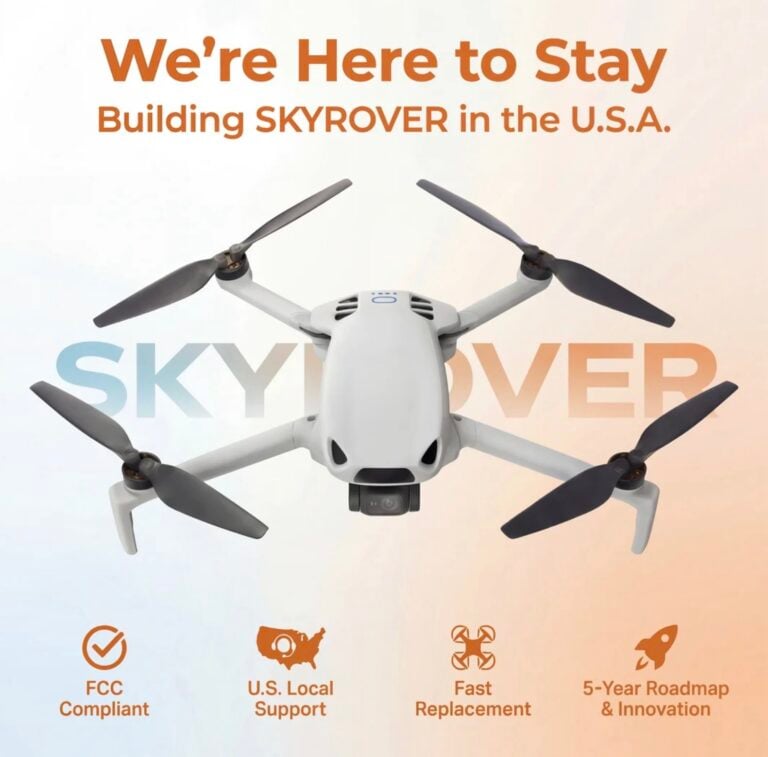
That is not the same thing as proving DJI is a threat. As The Verge documented this week, every potential domestic replacement has pivoted to defense contracts. Nobody is building a $300 consumer drone to replace the DJI Mini series. As I wrote in our coverage of the first Covered List exemptions, SiFly and Mobilicom are enterprise systems, not consumer products. The ban’s practical effect on American hobbyists, photographers, and public safety agencies hasn’t changed: they’re flying existing DJI hardware with no replacement pipeline in sight.
Watch DJI’s May 11 reply filing closely. If DJI’s legal team can force the government to produce or at least describe the classified evidence in any specificity, the Ninth Circuit case becomes the most consequential drone regulatory proceeding in U.S. history. If courts simply defer to the classified annex without scrutiny, the precedent extends well beyond drones: any foreign technology company could be banned from U.S. markets based on evidence the company and the public never see. By mid-2027, either the Ninth Circuit will have forced transparency, or classified determinations will become the standard tool for technology bans.
DroneXL uses automated tools to support research and source retrieval. All reporting and editorial perspectives are by Haye Kesteloo.
Discover more from DroneXL.co
Subscribe to get the latest posts sent to your email.
Check out our Classic Line of T-Shirts, Polos, Hoodies and more in our new store today!

MAKE YOUR VOICE HEARD
Proposed legislation threatens your ability to use drones for fun, work, and safety. The Drone Advocacy Alliance is fighting to ensure your voice is heard in these critical policy discussions.Join us and tell your elected officials to protect your right to fly.

Get your Part 107 Certificate
Pass the Part 107 test and take to the skies with the Pilot Institute. We have helped thousands of people become airplane and commercial drone pilots. Our courses are designed by industry experts to help you pass FAA tests and achieve your dreams.

Copyright © DroneXL.co 2026. All rights reserved. The content, images, and intellectual property on this website are protected by copyright law. Reproduction or distribution of any material without prior written permission from DroneXL.co is strictly prohibited. For permissions and inquiries, please contact us first. DroneXL.co is a proud partner of the Drone Advocacy Alliance. Be sure to check out DroneXL's sister site, EVXL.co, for all the latest news on electric vehicles.
FTC: DroneXL.co is an Amazon Associate and uses affiliate links that can generate income from qualifying purchases. We do not sell, share, rent out, or spam your email.