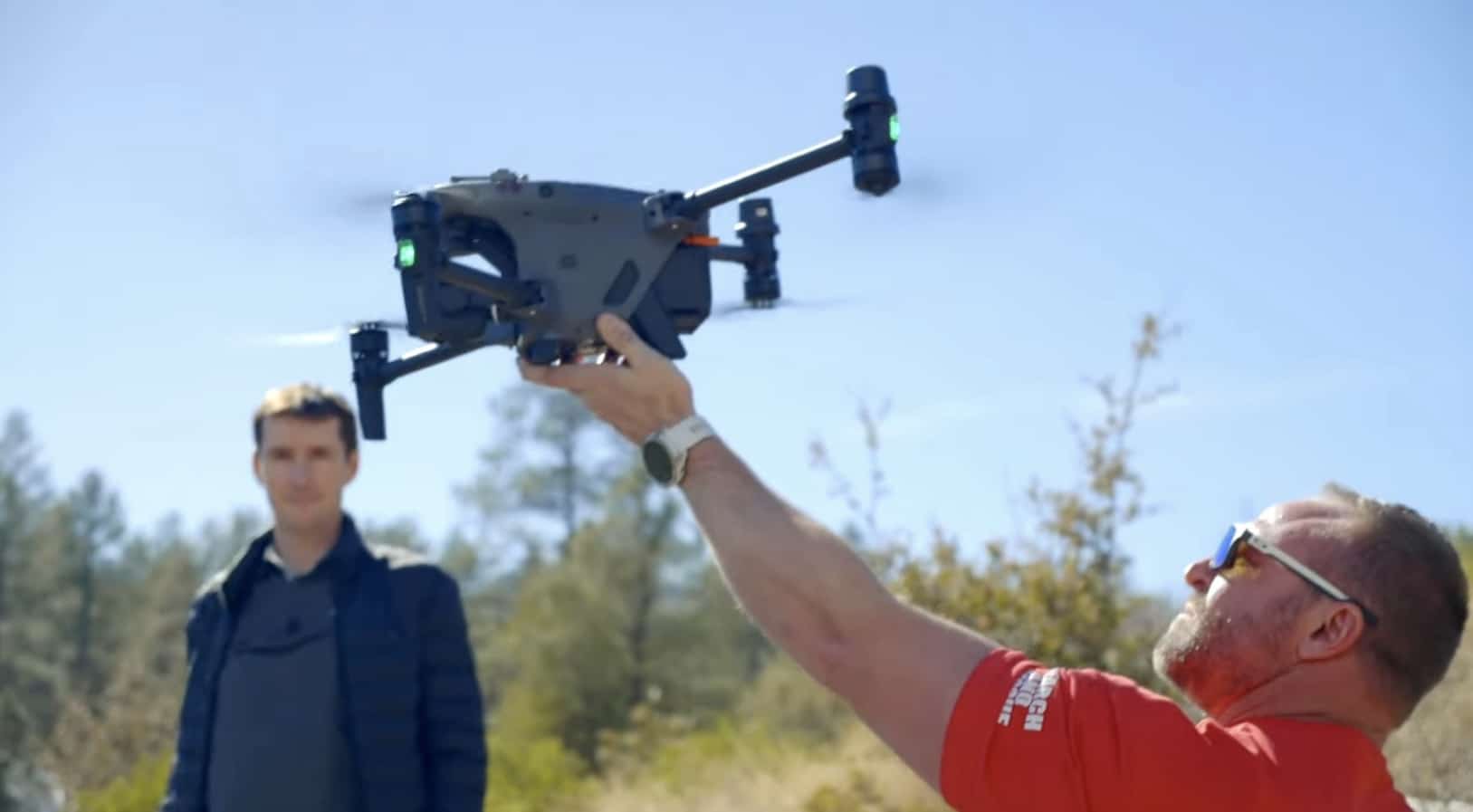
The Seattle Fire Department is asking for up to three drones, and the pitch has nothing to do with watching anyone. The program, named Emergency Response Aerial Technology, or ERAT, would put an aerial view over structure fires, water rescues, hazmat calls and mass-casualty scenes. Had the drones existed in 2025, the department says it would have flown them 2,589 times. The catch: a rescue tool has to clear a surveillance law written for police cameras.

A Fire Drone Answers A Different Call Than A Police Drone
Seattle Fire wants ERAT for a specific list of high-stakes jobs, and the list reads nothing like a patrol schedule: building fires, brush fires, water rescues, technical rescues, hazardous materials releases, marine fires, railway incidents, and earthquake response.
The department laid the program out as a limited tool for the calls where an overhead view keeps firefighters alive and finds victims faster. In 2025 the department fielded 197,926 calls and ran 108,763 incidents. The 2,589 ERAT flights it projects from that volume work out to a drone on scene roughly seven times a day, and never for a routine medical call.
This is the distinction I keep pointing at in police drone coverage, and it flips here. A drone as first responder program flies constant patrols and races to 911 calls all day. A fire drone sits in the rig until the call is bad enough to need it, then it does work no ground crew can.
Thermal Is The Whole Point
The reason a fire drone earns its place is the camera, because a thermal sensor sees what a firefighter in the smoke cannot, and that gap is measured in lives.
Over a structure fire, a thermal payload reads heat through smoke to map where the fire actually lives inside the walls and roof, spotting hotspots before they flash and flagging a collapsing section before crews walk under it. On a water rescue, body heat stands out against a cold river at night long before a spotlight finds it. In a hazmat release, the drone reads a leaking tank from a standoff distance no human should take.
Seattle has not named a manufacturer, and the department frames ERAT around capability rather than a badge on the airframe. The public documents describe the mission, not the model. That reticence is its own small tell in a year when Washington is fining companies over which drones can even be sold here, a fight a fire chief would rather not headline.
The Surveillance Ordinance Is The Real Story
Here is the twist that makes this more than a budget request: Seattle runs ERAT through its Surveillance Technology Ordinance, the same gauntlet a police camera network faces, even though the fire department is not surveilling anyone.
The rules Seattle Fire wrote into the proposal show it knows exactly what the worry is. The ERAT streams live video only to designated fire personnel. Nothing is recorded. No other city department gets the feed, and neither does the public. A drone that keeps no footage and shares nothing is close to the opposite of a surveillance camera, yet the process treats them as cousins.
That is not a complaint, it is the price of trust in 2026. The department filed a draft Surveillance Impact Report and scheduled four public sessions through August 13 before the City Council and mayor decide from there.
DroneXL’s Take
I’ll be direct: framing a firefighting drone as surveillance technology is both slightly absurd and completely correct. Absurd because a thermal camera hunting for a drowning victim has nothing in common with a license plate reader. Correct because the public cannot see the difference from the ground, and a fire badge is not a free pass on privacy.
Seattle chose to earn the yes instead of assuming it. The same airframe that unsettles a Minneapolis council chamber becomes a rescue instrument the moment it answers to a fire dispatcher instead of a patrol sergeant, and Seattle is betting that if it shows the public that difference up front, the public will grant it.
Sources: KOMO News, Seattle Fire Department Fire Line, DroneXL, CBS Minnesota
DroneXL uses automated tools to support research and source retrieval. All reporting and editorial perspectives are by Haye Kesteloo.