Welcome to your weekly UAS news update. We have three stories for you this week. Axon invests $1.2 billion, with a B, more in Skydio. Ring announces a $250 indoor drone camera. And a city in Idaho is asking Amazon for some drone flight data because, well, they’re not too excited. So, let’s get to it.
Axon Invests Another $1.2 Billion in Skydio and Takes Over Police Sales
First up, Axon is doubling down on Skydio. Axon is the company behind the Tasers and the police body cameras. You’ve seen them before. It just announced an additional $1.2 billion investment in the drone maker, and the package is a mix of cash and Axon stock.
The deal adds about 20% to Axon’s fully diluted ownership, based on a $5.2 billion pre-money valuation. And here’s the big part, actually. Axon becomes the exclusive distributor of Skydio drones for public safety customers in the United States and in Canada. Skydio continues to sell its drones to other industries on its own, but not for public safety.
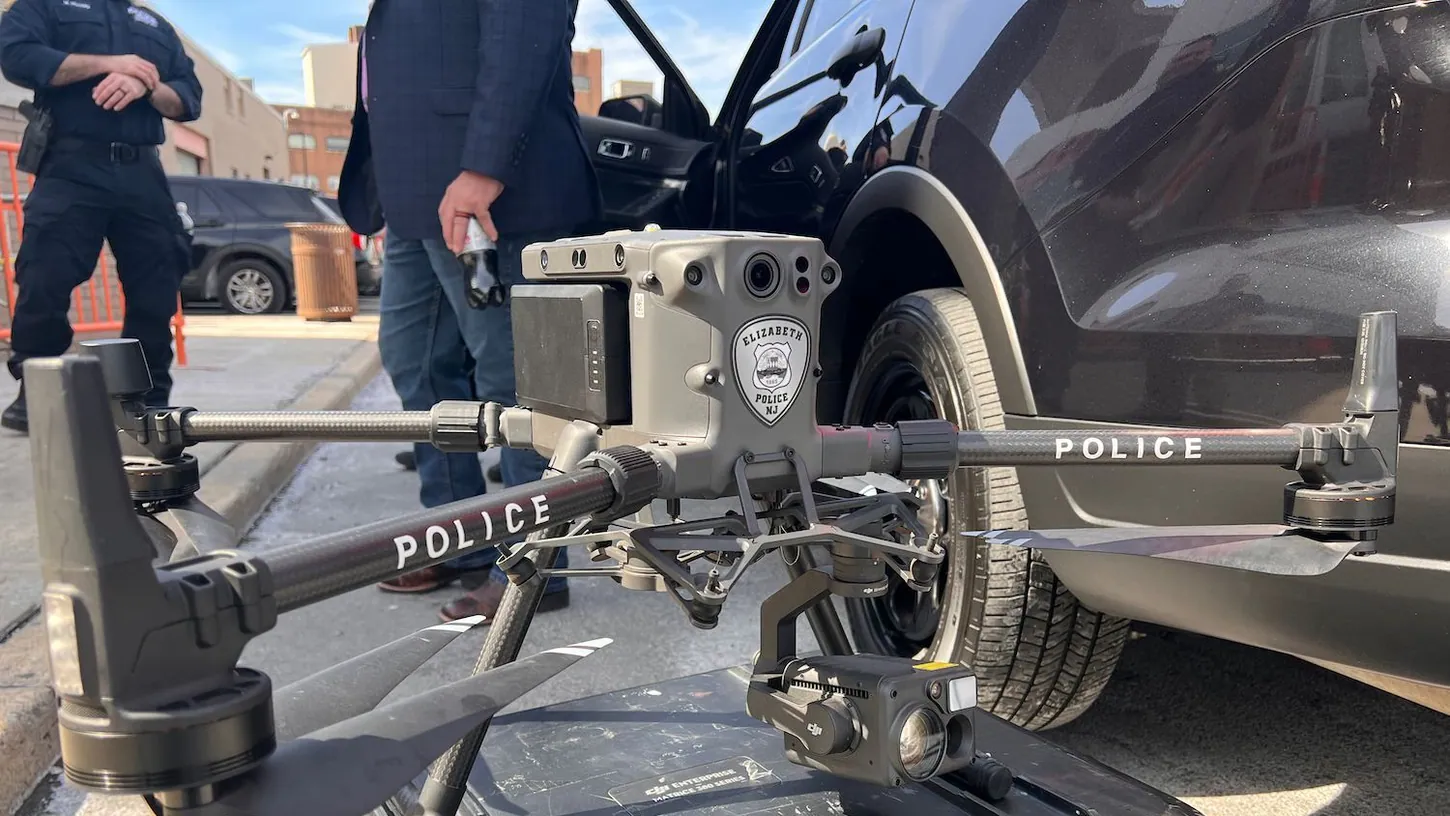
Now, this is obviously a big push for drone as first responder, or DFR, technology. The drone sits in a dock. You’ve seen this before, we’ve talked about it, and it launches automatically on an emergency call. The announcement says the drone beats the officer to the scene in about 80% of those calls. These are actually numbers that we’ve seen from other manufacturers that do DFR as well. It also claims that priority response time drops by up to 65%.
Skydio says it has more than 1,500 public safety agency customers, and it expects to make $1 billion in bookings this fiscal year. The deal is expected to close in late 2026 and early 2027. One of the questions that was not answered is what happens to the existing Skydio public safety resellers. The article didn’t really mention it, so I actually wonder what’s going to happen there.
Ring Finally Announces a $249 Indoor Drone Camera
Next up, Ring has finally announced a drone. This is the Ring Drone Cam, and it’s a 165-gram indoor security camera. It costs $249, and it’s set to ship on January 27, 2027. Now, you may remember the idea. We talked about this if you’ve been following for a while.
Ring showed this as a concept, the Always Home Cam, back in 2020, but it actually never shipped. This version moves much of the thinking into the cloud, which is how Ring is able to get the price down. The trade-off is that you need to have an internet connection. Without Wi-Fi, reports say it can do very little, actually. Flight time is only 5 to 8 minutes, and every minute in the air takes about 8 minutes of charging back in the dock. It records 2K video and maps your entire home as you carry it through the house.
But there’s a bit of a twist here. It doesn’t need FAA authorization to fly indoors, because that’s just how it is, but it does need FCC authorization. Since December 22, 2025, as you very well know, new authorizations are blocked for foreign-produced drones and critical components unless an exemption applies. Ring does say that its drone is assembled in the United States and does comply, but we couldn’t really find information about where the parts are actually coming from.
And since Ring is owned by Amazon, if you get one of those, make sure that you keep it clear of any cranes that may be in your living room. If you know, you know.
Nampa Asks Amazon for Drone Flight Data After Noise Complaints
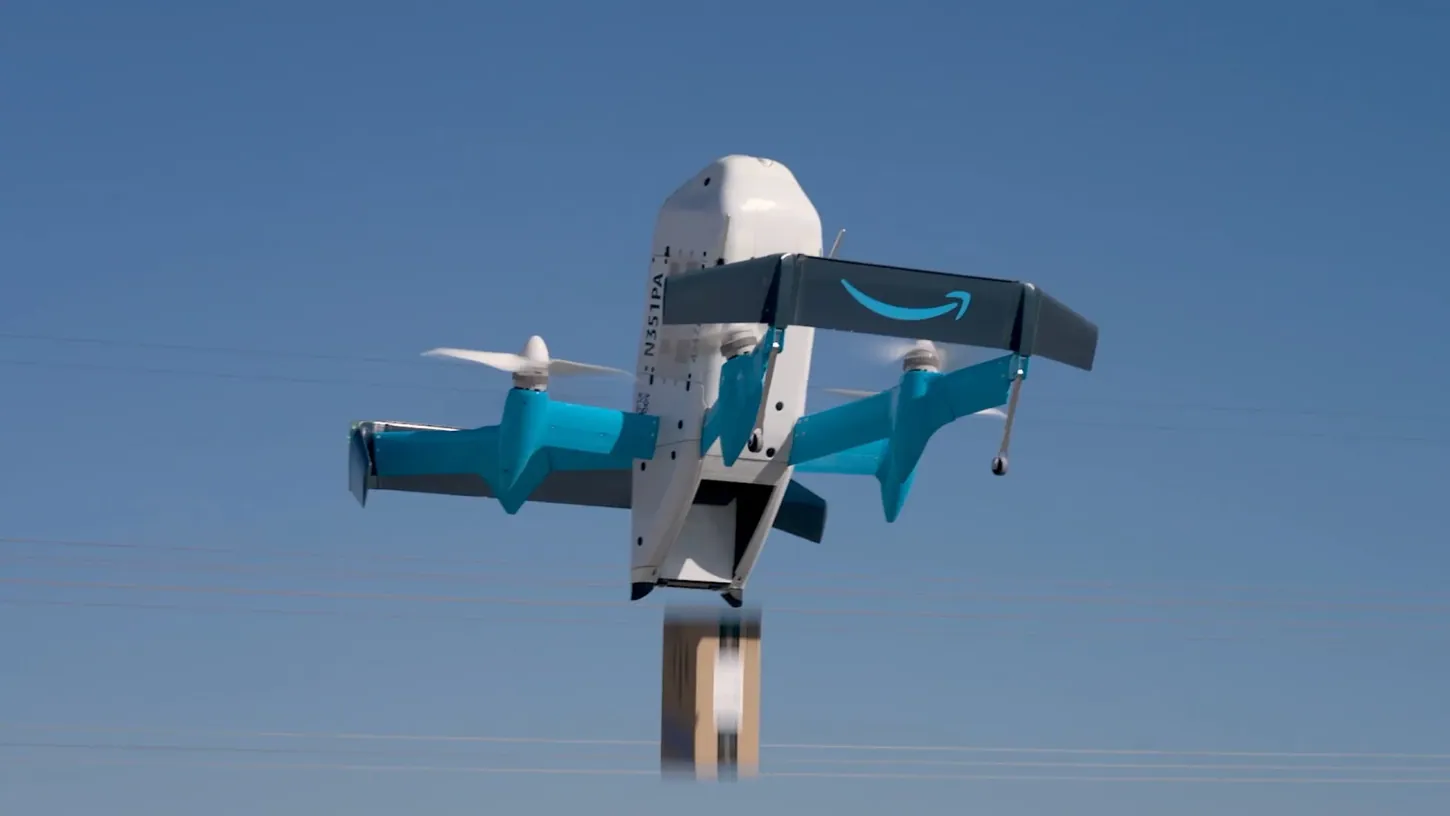
And then finally, more headwind for drone delivery services. This is in Nampa, Idaho, where they’re pushing back on Amazon Prime Air drones. The deliveries began over the city on October 30, and Nampa is now asking Amazon for flight data. City staff already went out and observed the drones.
The city says it has had about 20 to 25 emails and calls with complaints. The complaints are mostly about noise. Some residents say they can hear the drones from inside their house with the windows closed, which is, well, not a good thing, obviously.
Now, the key here is that Nampa actually holds a conditional use permit for Amazon’s launch pad. The commission approved that 6 to 1 in May, and the city’s planning director said at the time that it can be revoked. The city has not said Amazon broke any of the terms. But in May, Amazon cited a 68 decibel reading in a backyard, from a test it did in Arizona. The report on that hearing gives no distance or method.
Now granted, most cities cannot regulate drone delivery based on noise alone, because that’s kind of a federal preemption, but Nampa actually has a permit that a lot of other cities don’t have. Residents can file a complaint with Amazon or with the FAA’s noise complaint portal. I don’t know what filing a complaint with Amazon would do, but that’s kind of interesting.
I think this is another great example of how local pushback is going to play a big role in whether or not these drone delivery operations expand, or even exist, in the future.
This week, we are actually not going to be doing Post Flight. The key players are missing at the moment to record, so we will be back the following week. In the meantime, there is going to be a live Q&A on Monday. Somebody else will do it because I will be traveling. Have a great weekend. We’ll talk to you then.
This article is based on a video from our YouTube partner Greg Reverdiau. Watch the full video on the Pilot Institute YouTube channel, and find more of Greg’s work on his DroneXL author page.
Sources: Pilot Institute / YouTube, Axon press release, Amazon, BoiseDev, Idaho News 6.