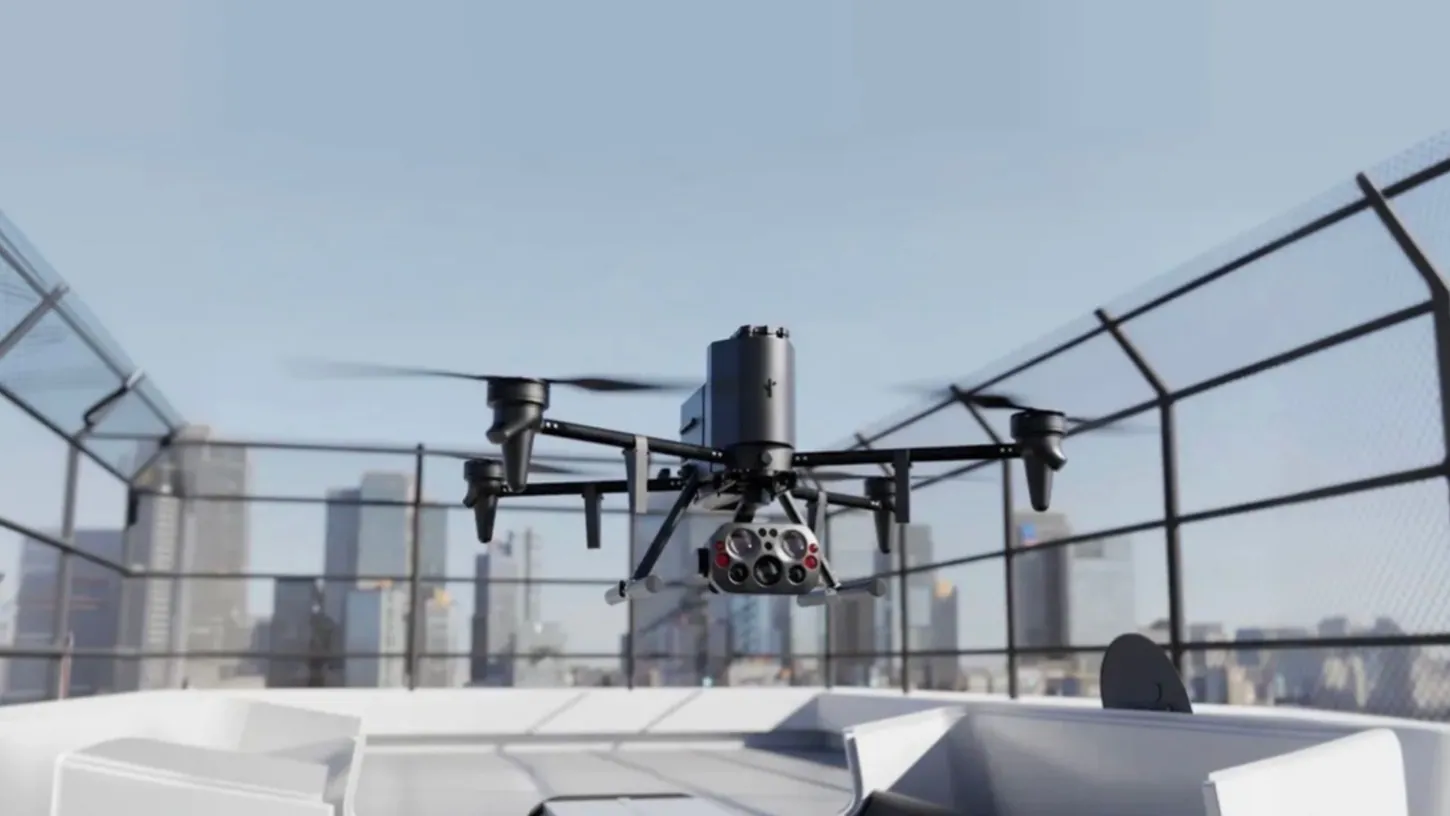
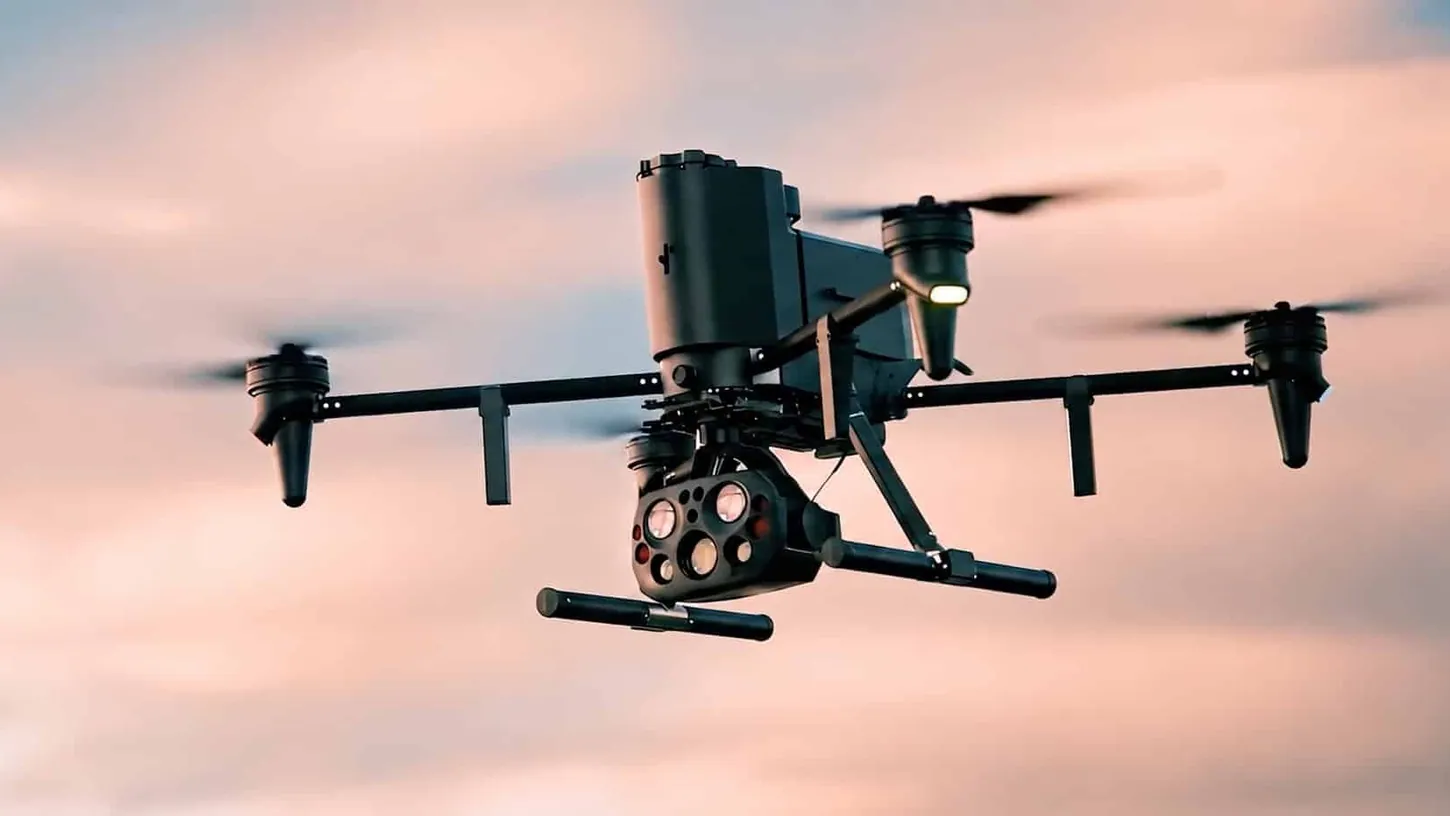
New York State is putting $75 million on the table for local police departments and sheriffs’ offices to buy new technology, and drones sit near the top of the shopping list. Governor Kathy Hochul announced the money on July 6 as part of a $100 million package: $75 million for the state’s LETECH grant program and another $25 million for a statewide records management system replacing a decades-old platform.
Capital Region agencies showed off what earlier rounds of the money bought at a demonstration at Hudson Valley Community College in Troy on July 21, where Schenectady Police Chief Brian Whipple made the case that a drone routinely beats his officers to the scene. DroneXL has followed Schenectady’s program since the department launched its Brinc-based first responder drones in December 2023, and watching that same department become Albany’s proof of concept for the grant program tells you how far New York’s public safety drone adoption has moved in two and a half years.
A few miles away, the picture looks very different. The Rensselaer County Sheriff’s Office wants a drone program of its own and demonstrated one in June. As the rules stand, the county cannot receive a dollar of this money, and the photos from its own operations reveal a second problem nobody at the demo mentioned.
LETECH Funds The Drones And The Gear That Takes Them Down
The LETECH program, run by the state Division of Criminal Justice Services, will fund drones, counter-drone mitigation systems, gunshot detection, 3-D crime scene scanners, body cameras, and trauma kits for roughly 500 eligible agencies outside New York City, with grant caps running from $100,000 to $6 million per department.
The caps scale with department size: agencies with 10 or fewer full-time sworn officers can request up to $100,000, while departments with more than 1,001 officers can request up to $6 million, according to the Governor’s announcement. Village, town, city, and tribal police departments and county sheriffs’ offices qualify. Vehicles, firearms, and conducted energy devices do not. Applications close at noon on Wednesday, September 2, 2026, awards land in early fall, and funded contracts run from January 1, 2027 through December 31, 2028. This round builds on $127 million the program already awarded to 378 agencies statewide.
The counter-drone line item deserves more attention than it got. State grant money is now buying mitigation systems for local police, equipment those same officers had no legal authority to operate until the SAFER SKIES Act became law in December 2025 as part of the FY2026 NDAA. Even now, that authority only covers trained and certified officers using approved systems against credible threats at covered venues. Albany is funding the hardware side of a legal framework that is barely seven months old.
Schenectady Flies With A Public Flight Log And Cameras Pointed Up
Schenectady’s police department flies Brinc drones to locate missing persons and follow suspects fleeing a scene, uses the live feed to shape dispatch decisions, and it publishes every flight path to a public dashboard after 24 hours, the department’s answer to surveillance criticism from the New York Civil Liberties Union.
Whipple described the operational math at the Troy demonstration, as reported by WAMC: before an officer even gets dispatched, a drone is already flying to the location, no stop signs, no traffic. “He’s able to go and get eyes in the sky,” Whipple said.
The NYCLU sees it differently. In its 2025 Prying Eyes report, which named Schenectady specifically, the organization wrote that “drones are first and foremost a surveillance technology” and warned that drone spending could pull funding away from human responders. Whipple’s response at the demo was blunt: cameras face upward in transit, the department follows internal oversight rules, and his officers have no time to surveil anyone even if they wanted to.
Whipple has also drawn a sharp vendor line. When CBS6 covered Schenectady’s $650,000 technology grant expansion this week, he distanced his department from the most contested surveillance brand in the region: “We are not using Flock, we’ve never used Flock, we use Axon.” That distinction matters more than it sounds, because the county next door made the opposite bet.
Rensselaer County Demos Flock Drones While Protesters Line Main Street
The Rensselaer County Sheriff’s Office held a live demonstration of a Flock Safety drone program at its Main Street headquarters in Troy on June 9, pitching drones that respond to emergency calls ahead of deputies, while members of DeFlock Troy rallied outside with signs reading “No Flock Spy Drones” and “Big Tech Is Watching.”
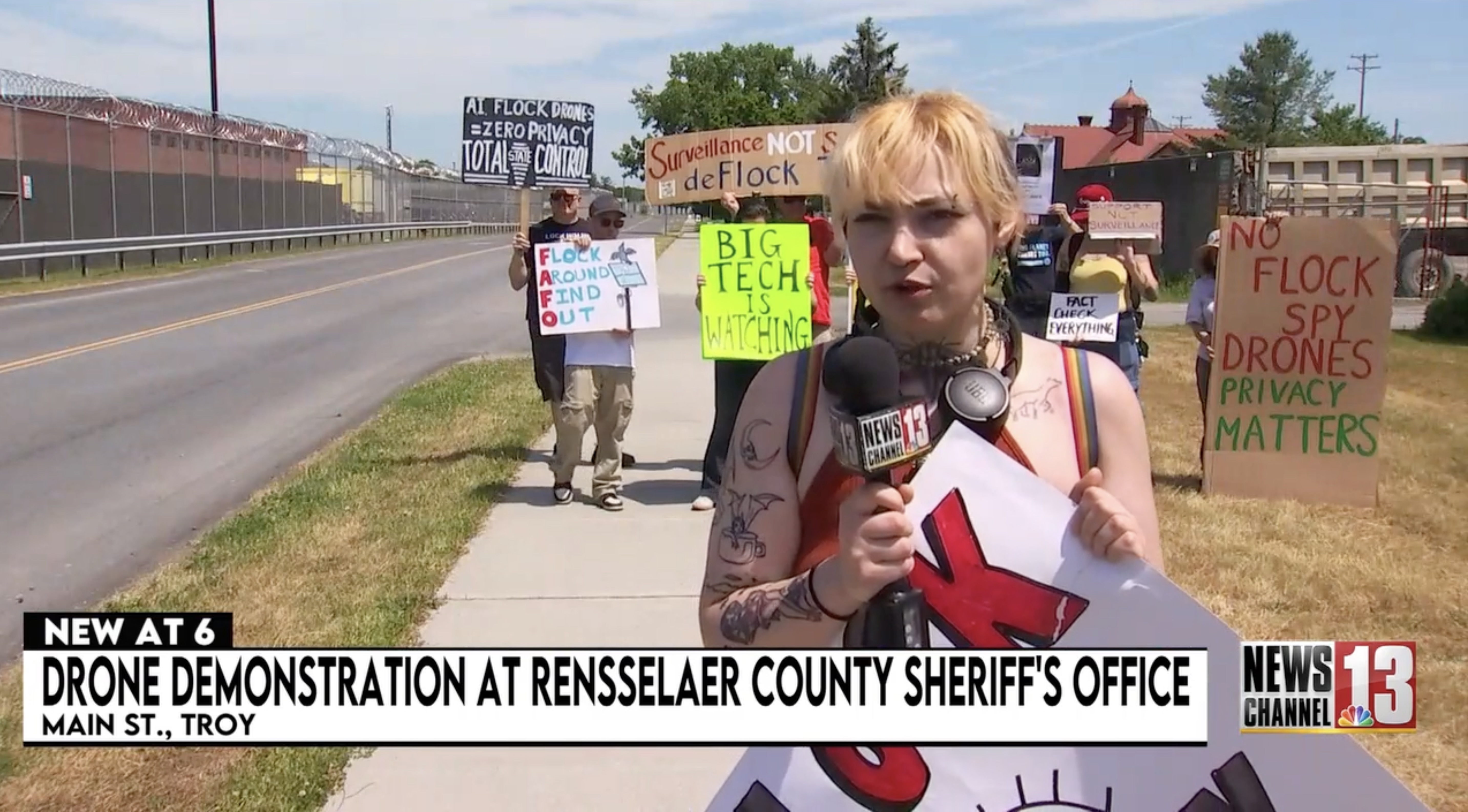
The Flock pitch, as reported by CBS6 Albany, is a familiar Drone as First Responder setup: a pilot drops a pin when a 911 call comes in, the aircraft flies to the scene at up to 96.5 km/h (60 mph), covers up to 6.4 kilometers (4 miles) from its launch point, and streams live video to responders. Flock says footage stays in its software for 30 days before expiring. Chief Deputy Stephen Seney defended the program against the surveillance charge in terms nearly identical to Whipple’s, telling WNYT NewsChannel 13 the office is “not looking at people who aren’t involved in the scene.”
The local politics are rougher than a standard DFR rollout. Flock’s license plate readers have been fought over in Troy for months, to the point that the Troy City Council sued the mayor over the cameras. The protest outside the drone demo was an extension of that fight, and Seney told CBS6 the office is still working out funding for the drones.
That funding question is where the state money comes in, or rather, where it doesn’t.
The Fleet In The Photos Tells Its Own Story
Photos from the June demonstration and from the Sheriff’s Office’s own Facebook page show a mixed fleet that spans four brands: aircraft that appear to be a DJI Matrice-series and an Autel EVO Max-series, a DJI RC Plus-style controller, an Autel smart controller, and a Brinc-branded transport case staged at an active search operation.
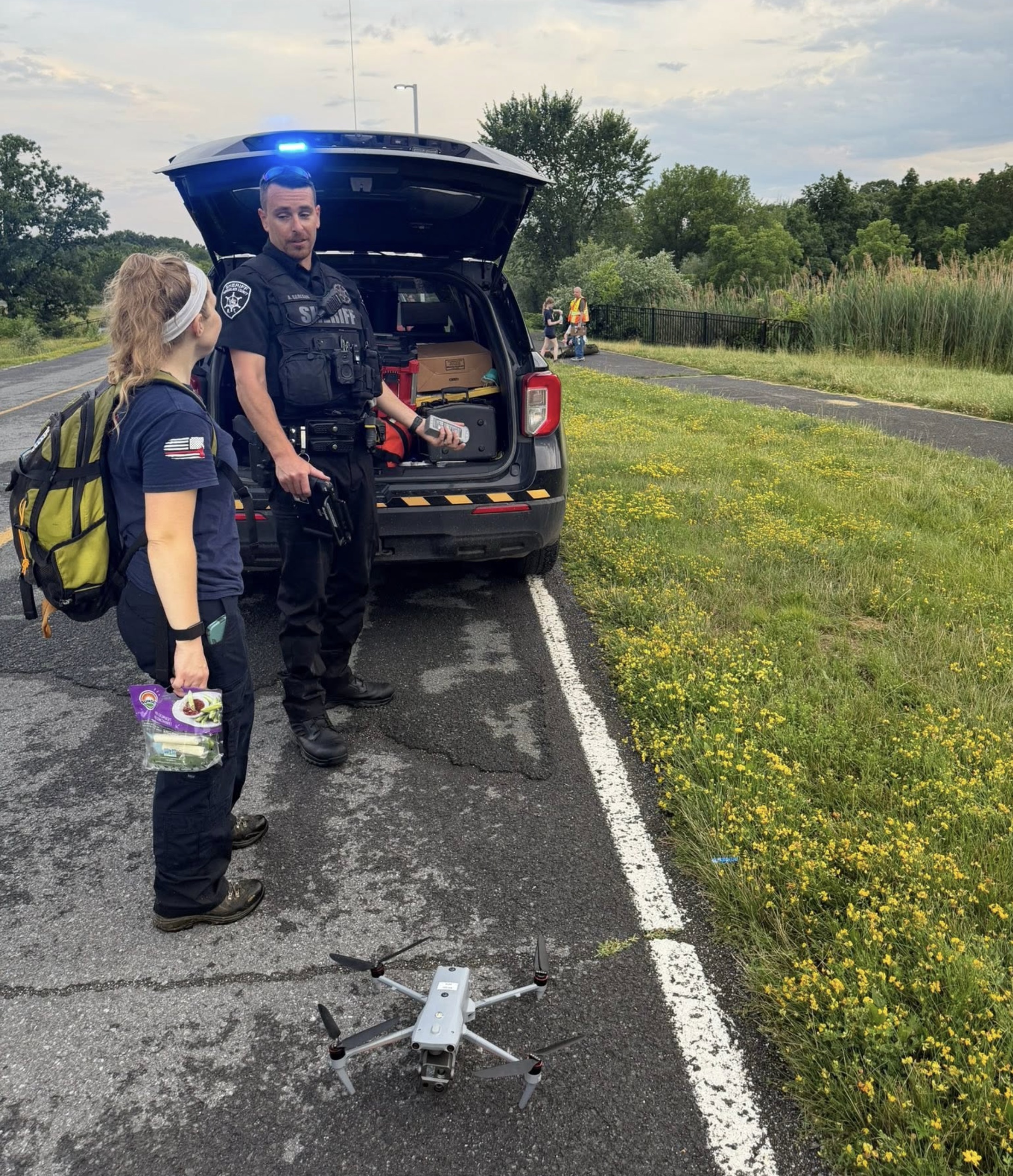
That hardware mix carries a federal problem the June demo never touched. Since the FCC swept foreign-made drones onto its Covered List on December 22, 2025, DJI and Autel cannot receive new equipment authorizations in the United States, and the Commission proposed cutting off imports and sales from nine more foreign drone brands just this month. The aircraft in these photos still fly legally today. Replacing them with newer models from the same manufacturers is a different question entirely, and the answer keeps getting worse.
The Immigration Clause Decides Who Gets Paid
Eligibility for LETECH money now runs through immigration politics. The request for applications requires compliance with New York’s recently enacted Local Cops, Local Crimes Act, which bars local law enforcement from signing or maintaining 287(g) contracts with U.S. Immigration and Customs Enforcement.
That requirement lands directly on the county that just demoed Flock drones. The Rensselaer County Sheriff’s Office has held a 287(g) agreement with ICE since 2020, according to Department of Homeland Security data cited by WAMC. As the rules stand, the office that told CBS6 it is still working out drone funding watches $75 million flow past it unless it drops the contract.
DroneXL readers have seen this collision before, from the other direction. Last week the Minneapolis City Council deadlocked 6-6 and killed a free Skydio DFR trial because council members objected to the company’s drone sale to ICE. In Minneapolis, ICE ties cost a department its drones. In New York, ICE ties cost a department the money to buy them.
DroneXL’s Take
Take the money. That is my first reaction for every eligible New York department, and I stand by it. Agencies that want a drone program have watched Brinc raise $125 million from Motorola this month on a promise to put a 911 drone on every station roof in America, and LETECH is exactly the kind of funding that decides which small departments get to participate in that buildout. A $100,000 grant is a functioning drone program for a 10-officer village department that could never budget one on its own.
But Rensselaer County is the story here, because I count three separate walls closing in on one sheriff’s office. The ICE contract locks it out of the state money every neighboring agency can apply for. The DJI and Autel aircraft visible in its own photos sit on the FCC Covered List, where no new equipment authorizations are coming, so its current fleet has no upgrade path from its current vendors. And the American-vendor escape route it chose to demo, Flock, happens to be the single most politically radioactive surveillance brand in its own county seat, contested so fiercely that the Troy City Council sued the mayor over the cameras. A drone program has to clear politics at the federal, state, and city level before a single aircraft responds to a 911 call, and Rensselaer County currently clears none of them. Nothing about that has anything to do with whether drones find missing people, and they demonstrably do.
The vendor line Whipple drew is worth reading closely too. “We’ve never used Flock” is not a technical statement, it is a political survival strategy, and every police chief in the Capital Region heard it. New York agencies are now choosing drone vendors the way politicians choose endorsements, by asking who the association hurts. My advice to departments applying before September 2 is to learn from the department Albany put on stage: Schenectady pairs its program with a public flight dashboard and cameras pointed up in transit, and it faces protests at neither its demos nor its council meetings. Transparency is cheaper than any item on the LETECH list, and it is the only one that buys public trust.
Watch two dates. September 2 at noon closes the application window, and the early fall awards will show how many of the roughly 500 eligible agencies put drones at the top of their requests. And watch Rensselaer County’s 287(g) contract, because that agreement now has a visible price tag, and the sheriff’s still-unfunded Flock program is the bill.
Sources: New York Governor’s Office, WAMC Northeast Public Radio, WNYT NewsChannel 13, CBS6 Albany, New York Civil Liberties Union
DroneXL uses automated tools to support research and source retrieval. All reporting and editorial perspectives are by Haye Kesteloo.