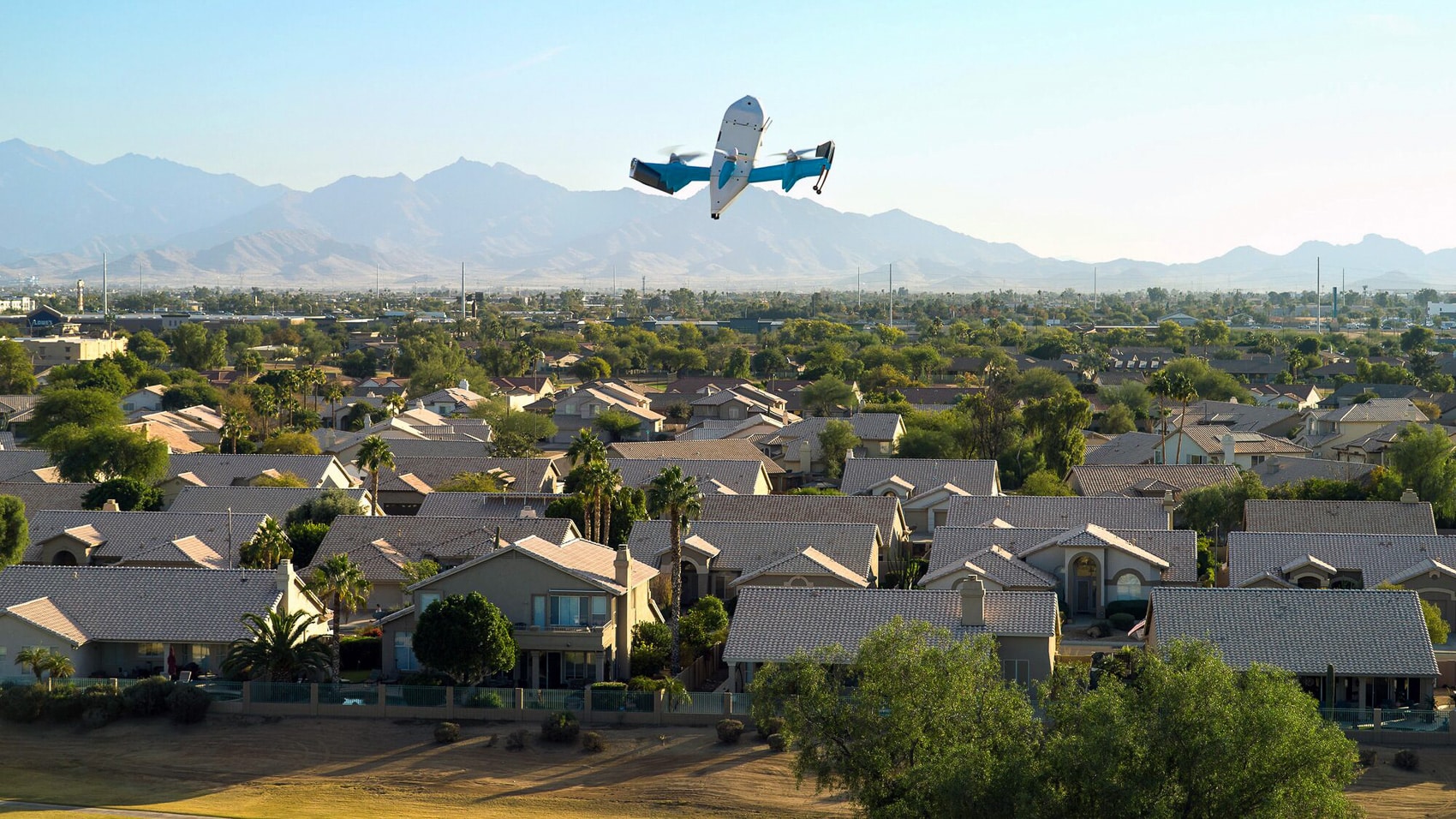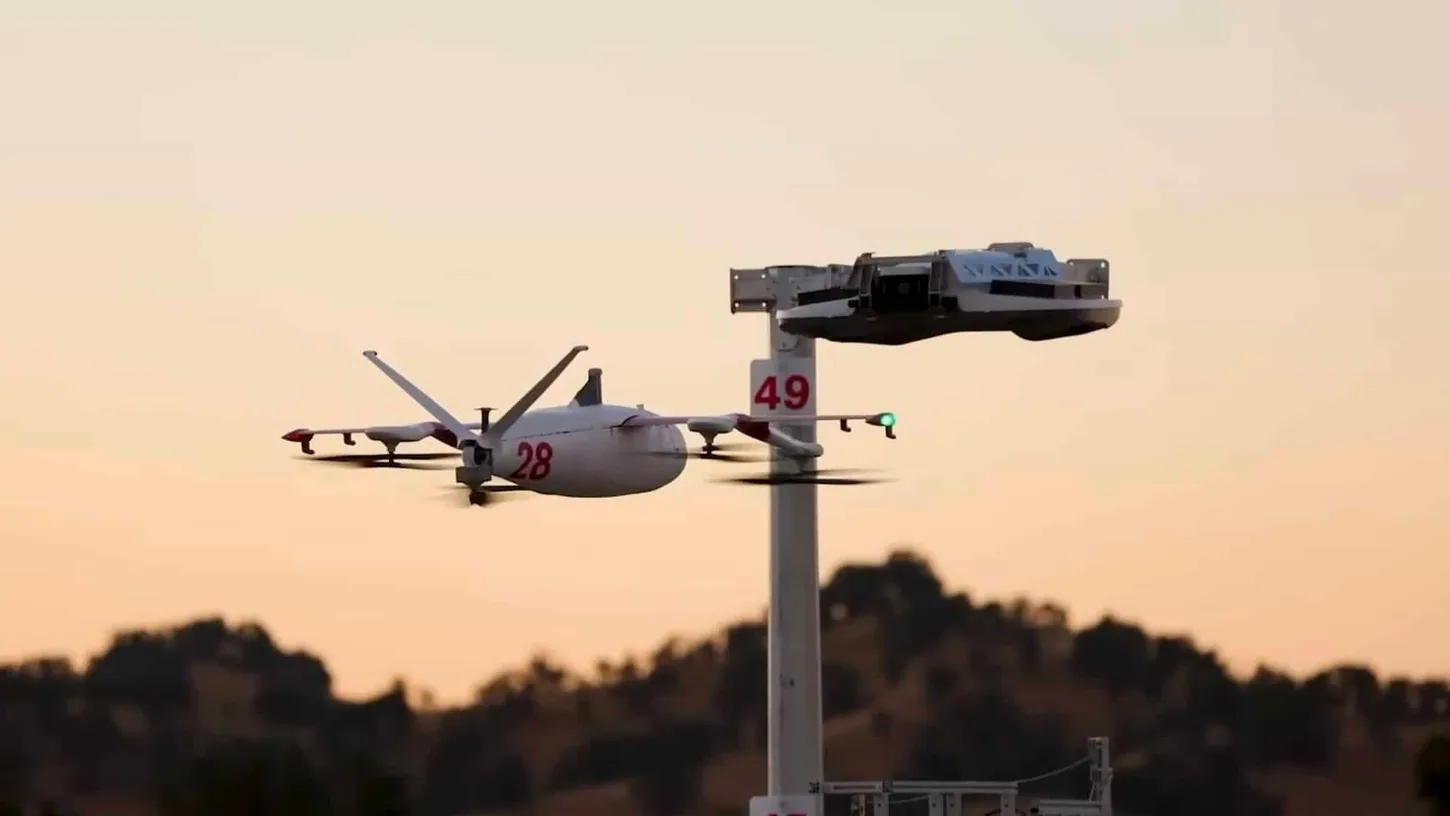
Zipline opened drone delivery in the Austin area on Friday, October 9, with its First Flight early-access program taking orders in Round Rock for the first 5,000 residents who sign up. Customers within 3 miles (4.8 kilometers) of 3000 E. Palm Valley Blvd. can order from the Zipline app, and members get $10 off their first three orders, no service or delivery fees, facility tours, and a shot at company swag.
Austin is Zipline’s third Texas metro in 14 months, after Dallas-Fort Worth in August 2025 and Houston in April. The company announced Austin as its next Texas market in June without naming a neighborhood. Round Rock, in Williamson County north of the city, is the answer.
The Federal Aviation Administration’s draft environmental assessment covering Zipline’s Austin operations is still open for public comment. The comment period closes on Sunday, October 11, two days after the first Round Rock order.
Zipline Launched Round Rock With a High School Demo and a County Judge
Zipline flew a demonstration delivery over Stony Point High School on Thursday, October 8, a day before the service opened to the public. The Round Rock ISD school runs a drone aviation program, and Zipline told KXAN the partnership will bring students classroom visits, career fairs and facility tours.
Zach Hill, who leads community engagement for Zipline, told the students the company was excited to kick off the partnership and bring them along for the journey. Community Impact, which covered the demonstration, reports a delivery weight limit of about 5 pounds (2.3 kilograms) per order, lowered on a tether into a backyard or another spot the customer picks.
Williamson County Judge Steven Snell supplied the quote in Zipline’s own announcement. “Williamson County has developed into an important technology center,” he said, calling Zipline’s choice of Round Rock as its first Austin location evidence of that. Zipline’s announcement names no merchants for the Round Rock zone. The Houston launch opened with nine restaurant and retail partners, Walmart and Chipotle among them, and Zipline says hundreds of businesses now sell through its app.

The FAA’s Austin Review Caps Zipline at 30,000 Deliveries a Day
The FAA’s September 11 draft would amend Zipline’s Part 135 operations specifications to cover five Texas metros, Austin among them. For Austin, the ceiling is 30 Chargers, 600 Dropbox pickup kiosks and 30,000 deliveries a day across 2,498 square miles (6,470 square kilometers). DroneXL reported the filing when it appeared.
Houston set the pattern. Zipline began flying Cypress on April 29, and the FAA’s draft review of Houston opened for comment on September 11, four and a half months later. Zipline holds a Part 135 air carrier certificate, and the draft covers an amendment to its operating areas rather than permission to fly at all. The FAA’s nationwide programmatic assessment, final since July, still requires an operations specifications amendment for each new area. Zipline’s announcement does not say which authorization covers the Round Rock flights today, and DroneXL has not asked the company.
Zipline’s scale claims have moved since the summer. The company said on July 14 that it had passed 2.5 million commercial deliveries. Friday’s announcement puts the total above 3 million, with more than 140 million miles (225 million kilometers) flown and more than 30 municipalities served in four US states.
Zipline Says It Is Six Times Quieter and Wants to Fly at 400 Feet
Zipline called its system six times quieter during delivery than others in the industry in a March 25 engineering post, and said it plans to raise its typical cruise altitude to 400 feet (122 meters). The delivery sequence, droid on its tether, takes about 90 seconds.
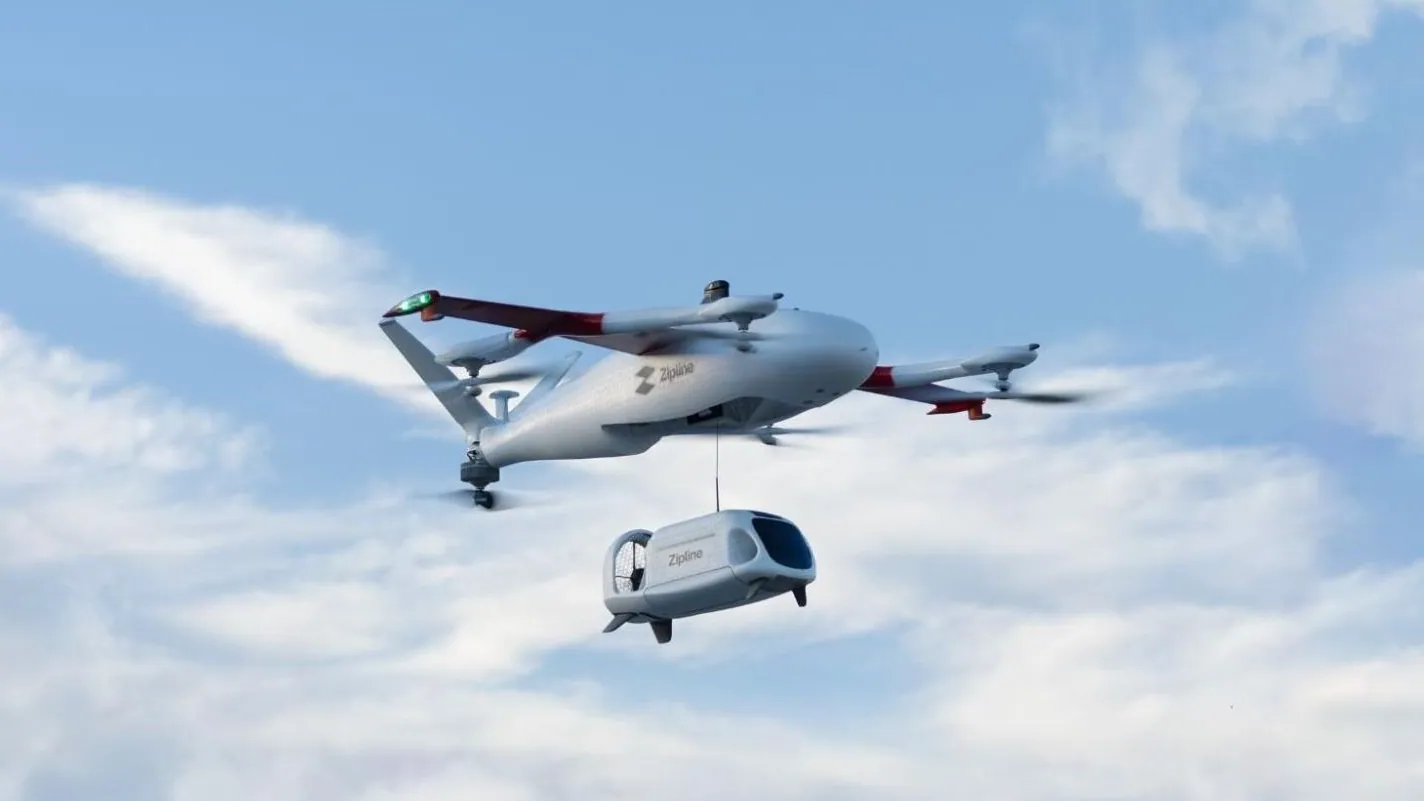
That post also described a software update that cut perceived noise by 30 percent by trimming the time the aircraft spends in mixed propulsion, the awkward stretch between hover and wing-borne flight. A later update, which DroneXL took apart in September, has the drones dive to build speed and climb to brake, spending 19 seconds less per flight at peak noise. The six-times figure is Zipline’s own comparison, and the March post gives no decibel measurements or competitor aircraft behind it.
DroneXL’s Take
Round Rock is a good first zone. It is suburban and dense enough for a Charger to earn its keep, and it comes with a county judge who wanted to be in the press release and a school district that handed Zipline a drone aviation class to recruit from. That is the Texas playbook from Rowlett and Cypress, run a third time, and it works.
I wrote in September that asking Houston to comment on flights that had been overhead since April taught residents their comment was decorative. Austin got a tighter version: the comment form is still live while the first pods come down in Round Rock. Zipline may well be flying inside an authorization it already holds, and I expect the FAA to approve the Texas amendment. I would still like one Texas launch where the paperwork lands before the drone does, because the day one of these assessments ends up in front of a judge, the order of operations is the first thing the other side will read aloud.
Sources: Zipline, Community Impact, KXAN, Zipline engineering post, March 25, 2026
DroneXL uses automated tools to support research and source retrieval. All reporting and editorial perspectives are by Haye Kesteloo. Read our editorial standards.