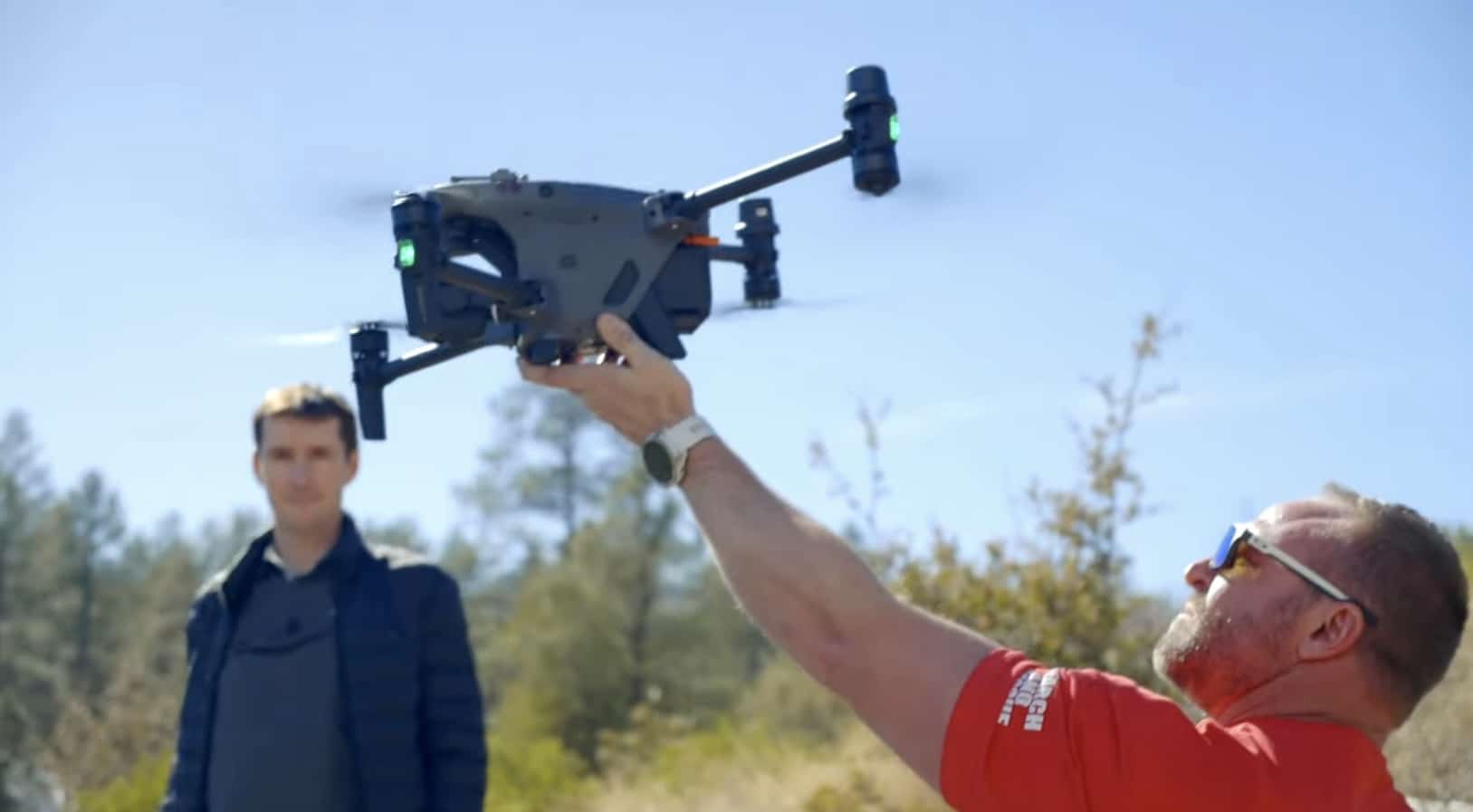
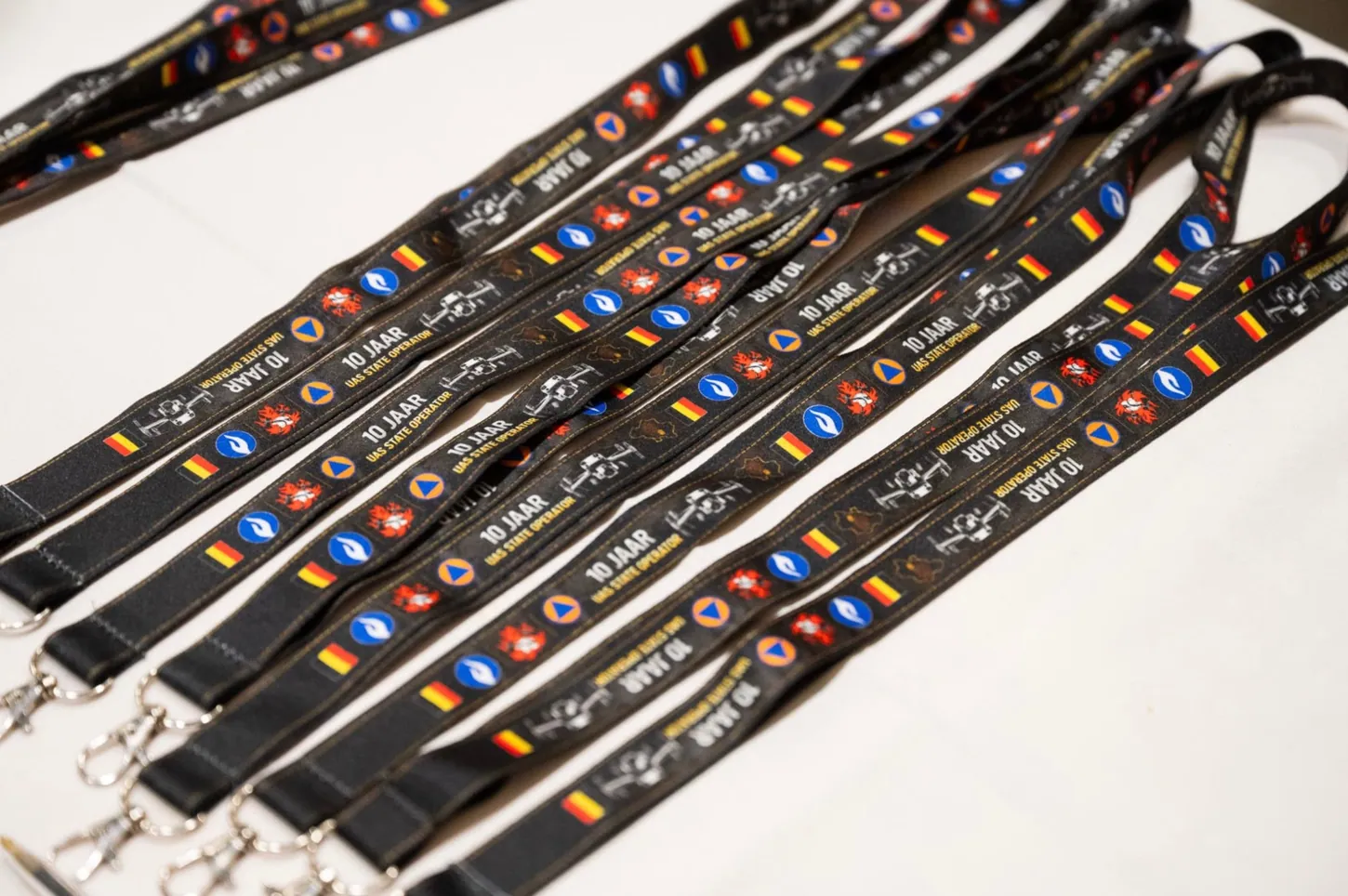
Belgium’s UAS State Operator program, which trains drone pilots for police, fire and civil protection, turned ten on Friday, October 16, 2026. About 250 visitors marked it at PLOT, Limburg province’s safety school in Genk, among them colleagues from across Europe and the United States. Lead instructor Bart Ramaekers wrote afterward, in Dutch: “More than 500 drone pilots were trained for police, fire and civil protection.”
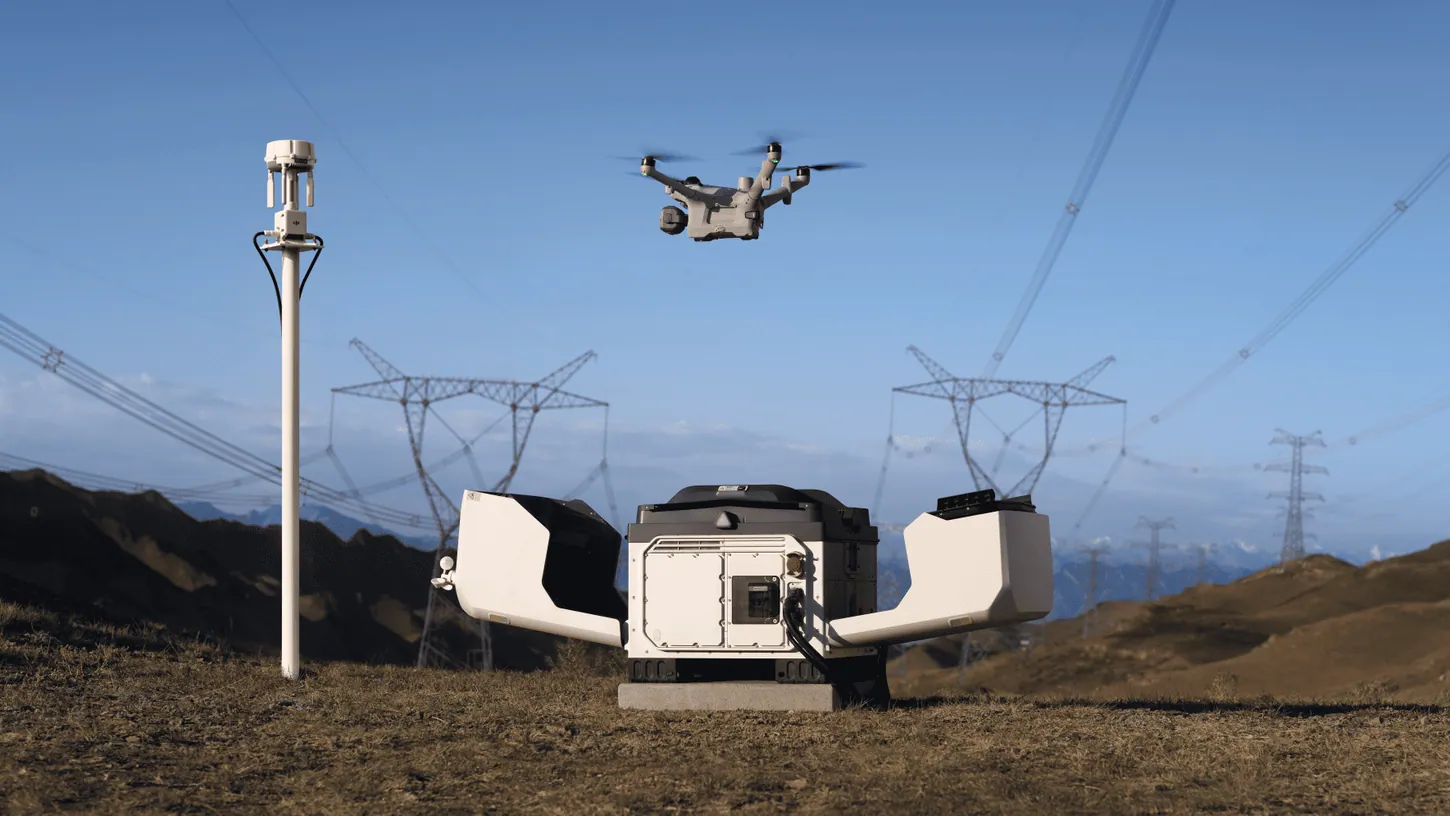
The anniversary doubled as a trade show. DJI, Autel and DroneVolt exhibited next to software vendors, and Ramaekers called the presentation and live demonstration of the new DJI Dock 4 a special first. DJI had launched Dock 4 two days earlier. It has no FCC authorization, so the American guests Ramaekers thanked cannot buy it at home.
EU Aviation Law Lets Belgium Write Its Own Rules for State Drone Pilots
The EU’s basic aviation regulation excludes aircraft flying police, search and rescue, firefighting and similar state missions from its scope, and leaves those flights to national law. PLOT’s UAS State Operator course is a Belgian training track for the pilots who fly them, and it turned ten this month.
Article 2(3)(a) of Regulation (EU) 2018/1139 carves out aircraft and their remote-control equipment “while carrying out military, customs, police, search and rescue, firefighting, border control, coastguard or similar activities” under a member state’s responsibility. Member states may opt those missions back into the EU system. Without that, a police drone pilot sits outside the open and specific categories that govern a civilian Matrice 4D crew, including the compliant BVLOS rules DroneXL covered in July.
PLOT, short for Provincie Limburg Opleiding en Training, runs the province’s police, fire and emergency medical schools. It inaugurated a €12.5 million building on Zwartegoudlaan in Genk in 2024 with a drone platform on the roof. Director Jacky Vastmans told VRT at the time that PLOT is Belgium’s safety school specialized in drone training for police, fire and ambulance crews, and that he wants to launch an autonomous drone from that roof for operational missions.
DJI Dock 4’s Radio Specs Cover Europe and Skip the FCC
Dock 4, launched with the Matrice 5TD on October 14 as the first DJI dock that swaps the drone’s battery itself, carries a spec sheet with transmitter power for Canada, the European Union, China and Japan and nothing for the FCC.
The FCC put foreign-made drones on its Covered List on December 22, 2025, and no new DJI model has received FCC authorization since. Drones Americans already own stay legal to fly. A second proposal, in FCC Docket 26-189, would bar the import and sale of foreign drones with thermal imaging, LiDAR or a docking station. The Dock 3 and Matrice 4TD that US departments can still buy each have two of those three. DJI asked the FCC bureaus to withdraw it in September.
Ramaekers tagged Kyle Nordfors in the post, the Weber County Search and Rescue captain in Utah who told the FCC on September 2 that the proposal would cost American lives. Luis Figueiredo, co-host of the Drones After Dark podcast, shared the post with his own thanks for the invitation and the hospitality.
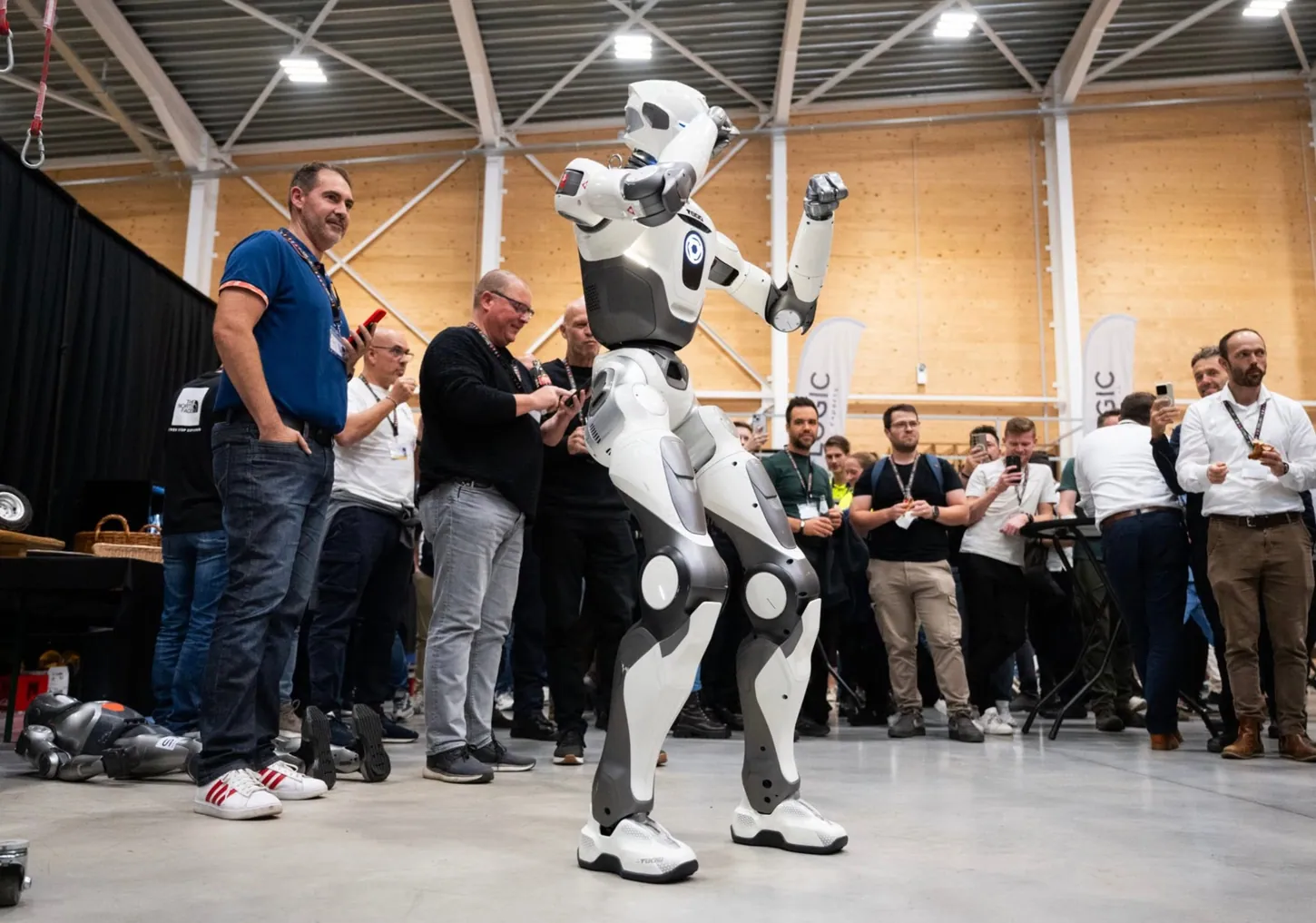
A humanoid robot also worked the show floor. Ramaekers wrote that it, together with the drone-as-first-responder sessions and automated drone deployment, gave the room plenty to think about on where robotics fits in police and emergency work.
DroneXL’s Take
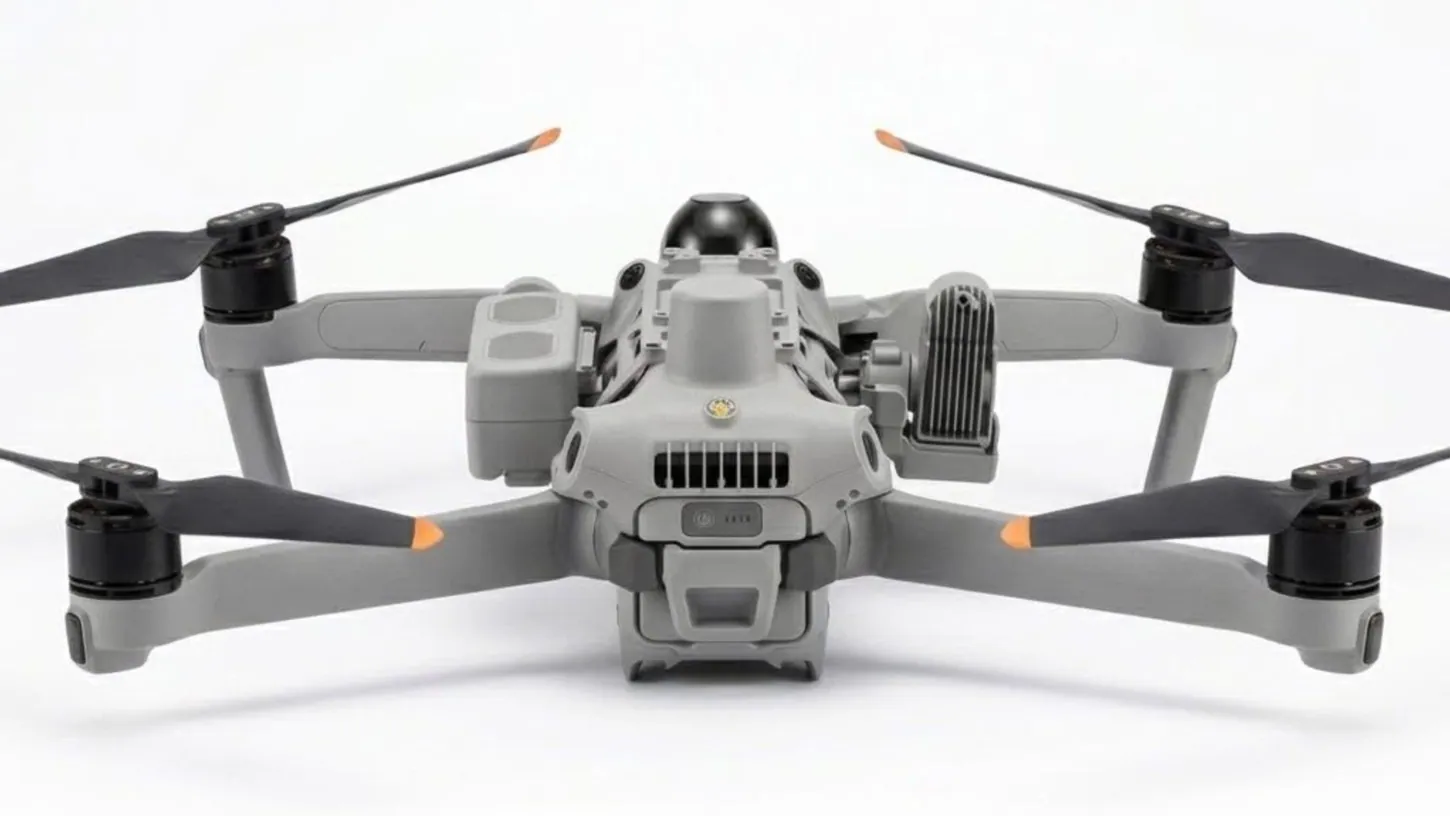
Belgian public safety agencies buy DJI hardware and get on with the work. I think American departments deserve the same choice. The Vilvoorde-Machelen police zone bought DJI’s M30T, M4T and Air 3S in 2025 to find missing people and watch festival crowds, for €22,000 in total.
Genk showed the rest of that picture: ten years of state pilot training, more than 500 graduates, and the newest DJI dock as the headline demo at a police school. Where DJI’s data ends up is a fair question for any connected aircraft. My read is that Belgium handled it by keeping the aircraft and putting its state pilots under national rules and a proper training course. Docket 26-189 would instead stop a US department from buying another Dock 3, the generation Belgian first responders just watched DJI replace.
Sources: Bart Ramaekers and Luis Figueiredo on Facebook, VRT NWS, Regulation (EU) 2018/1139, The Brussels Times, DJI press release
DroneXL uses automated tools to support research and source retrieval. All reporting and editorial perspectives are by Haye Kesteloo. Read our editorial standards.