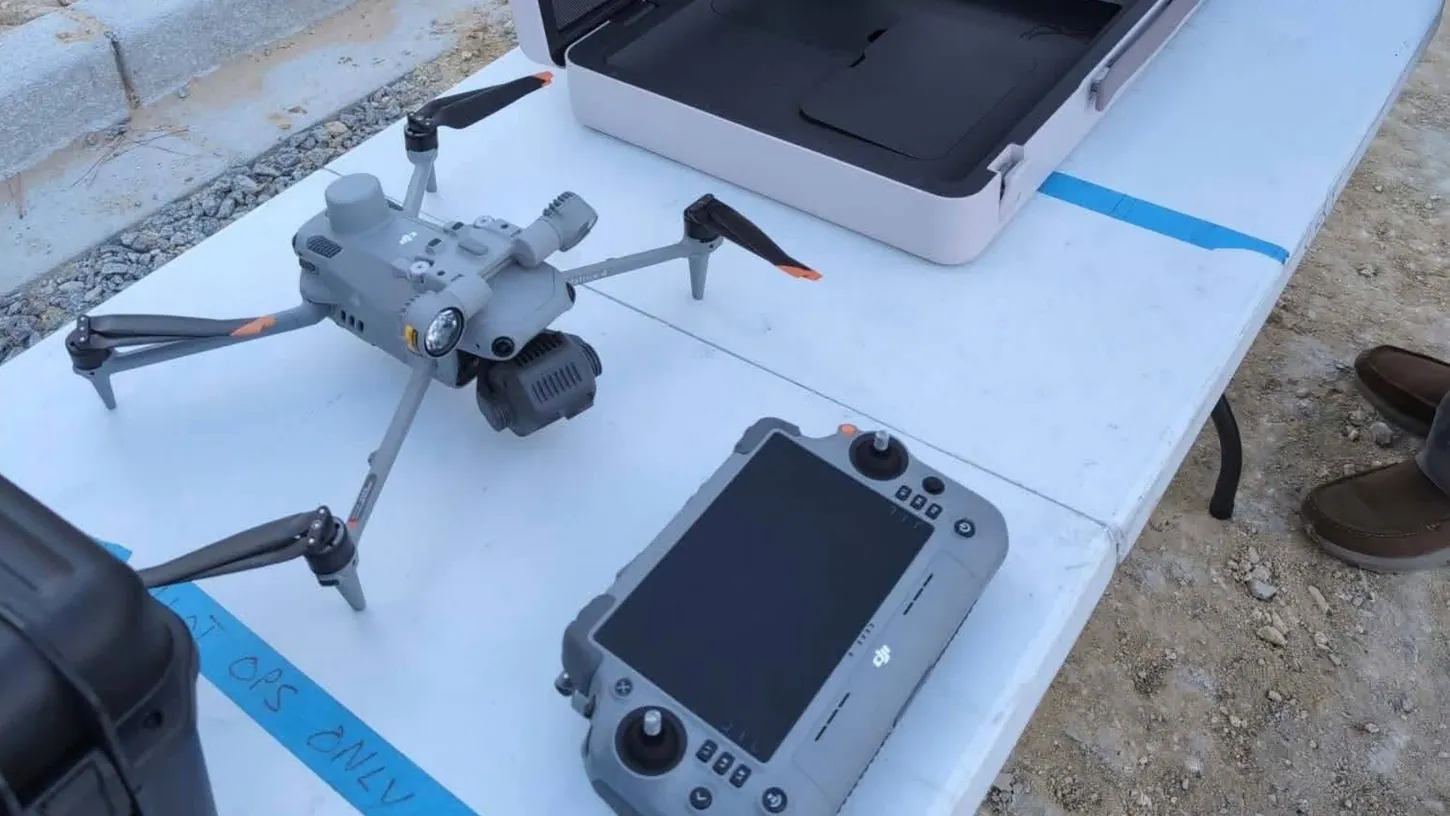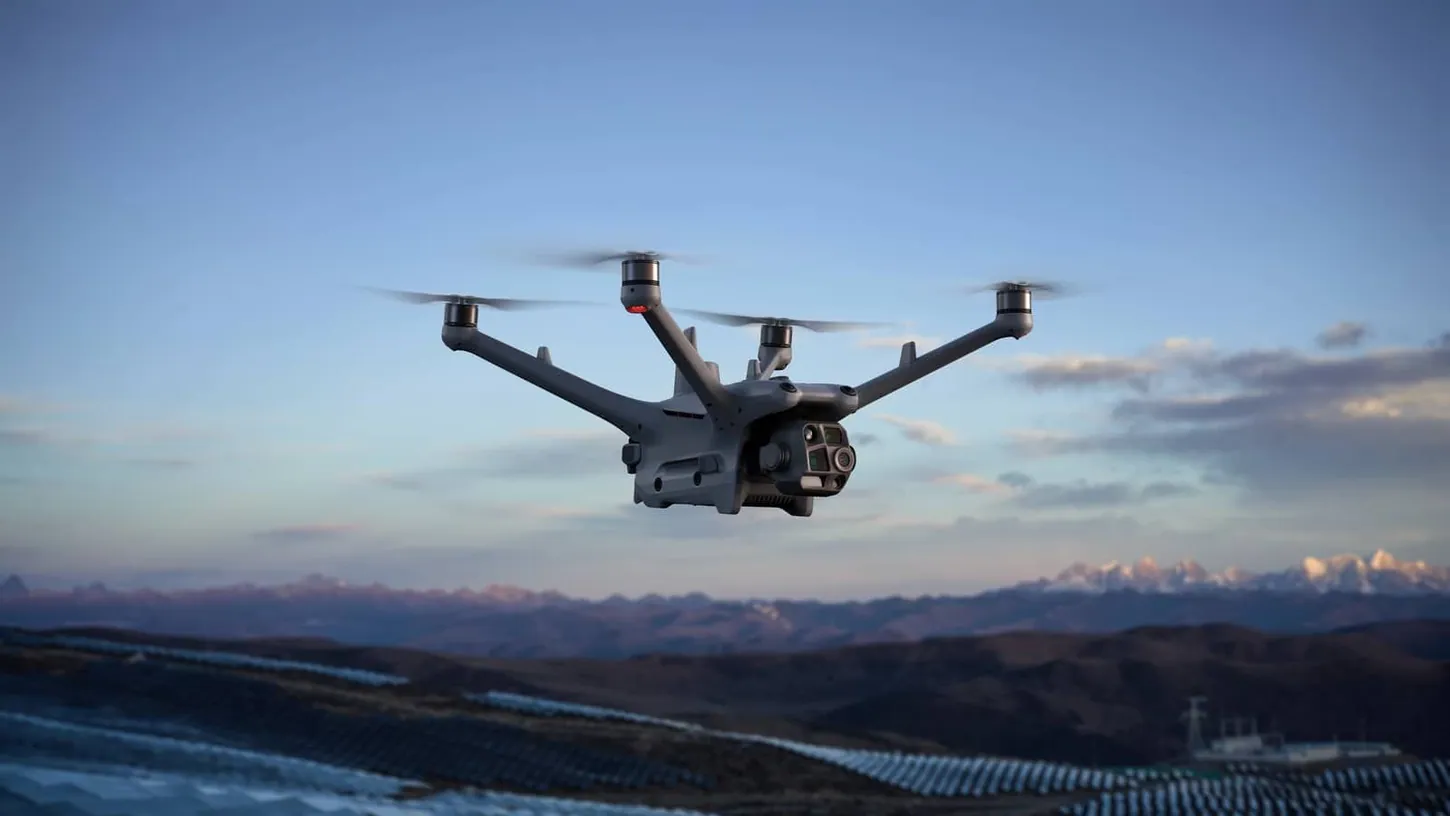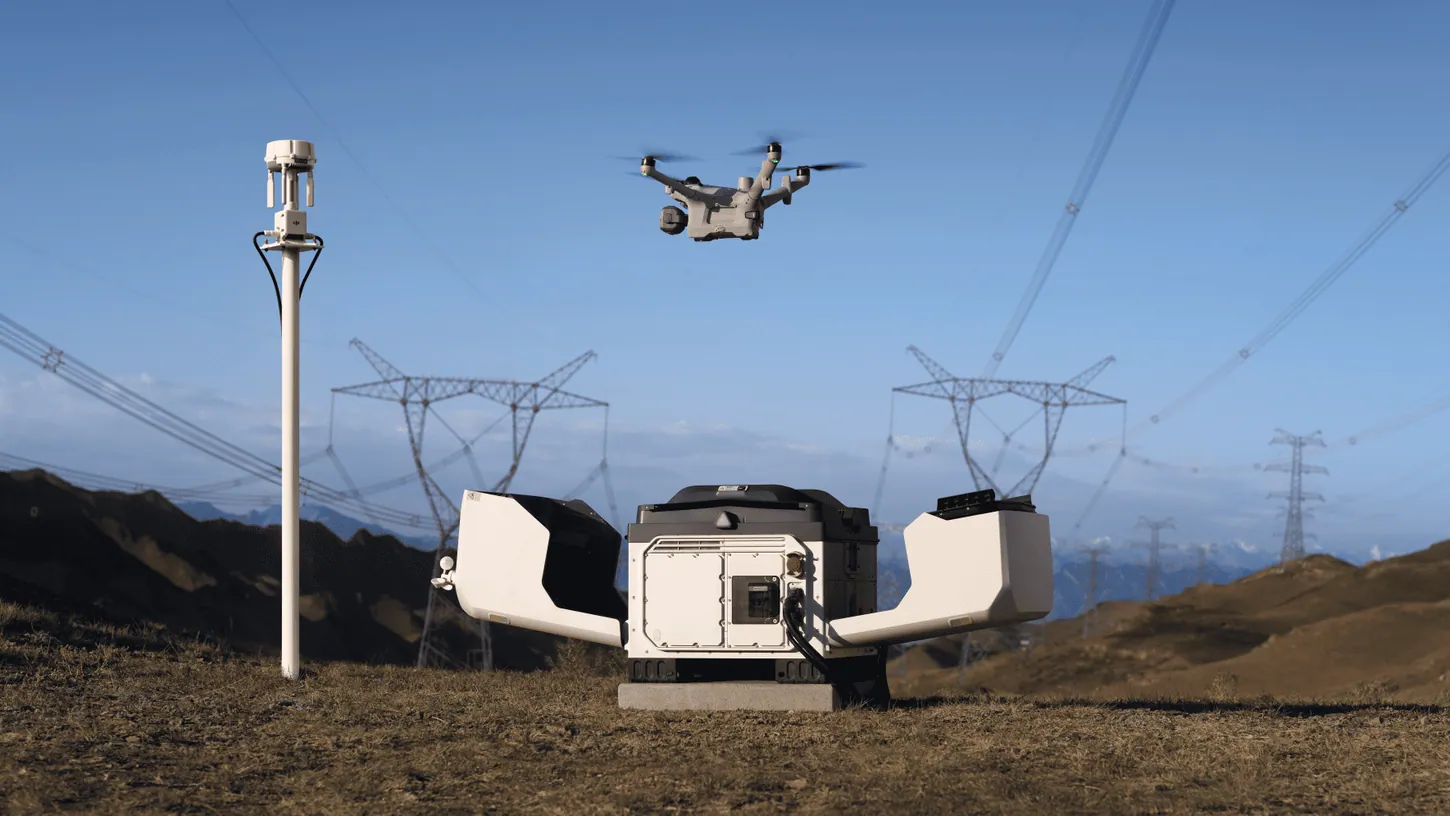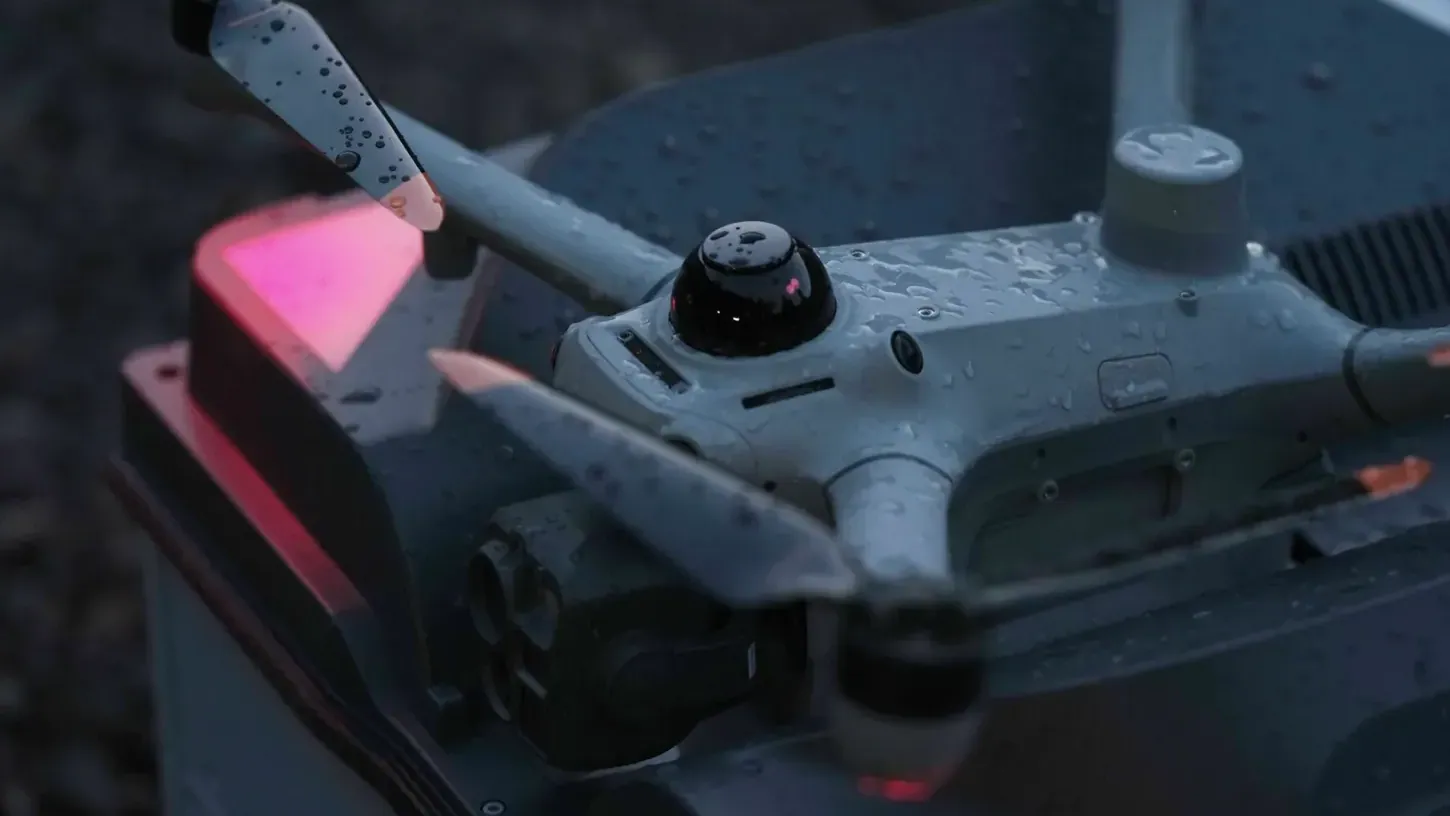
TOPR, the volunteer rescue service for Poland’s Tatra Mountains, has finished a six-month test of three DJI Dock 3 stations and one DJI Dock 4. The docks sat at the Morskie Oko mountain hut, the hut in the Valley of Five Polish Ponds and TOPR’s headquarters in Zakopane. A drone pilot at headquarters can launch from Morskie Oko and be watching Rysy, Poland’s highest peak at 8,199 feet (2,499 meters), six minutes later.
DJI Enterprise announced on November 3 that TOPR has started a pilot program with Dock 4, the battery-swapping dock DroneXL covered at its October 14 launch. The docks launch and land the drones on their own and keep them charged. TOPR rescuers on standby duty in Zakopane fly the missions remotely.
TOPR Pilots Flew the Docked Drones From Zakopane in Gusts up to 45 mph
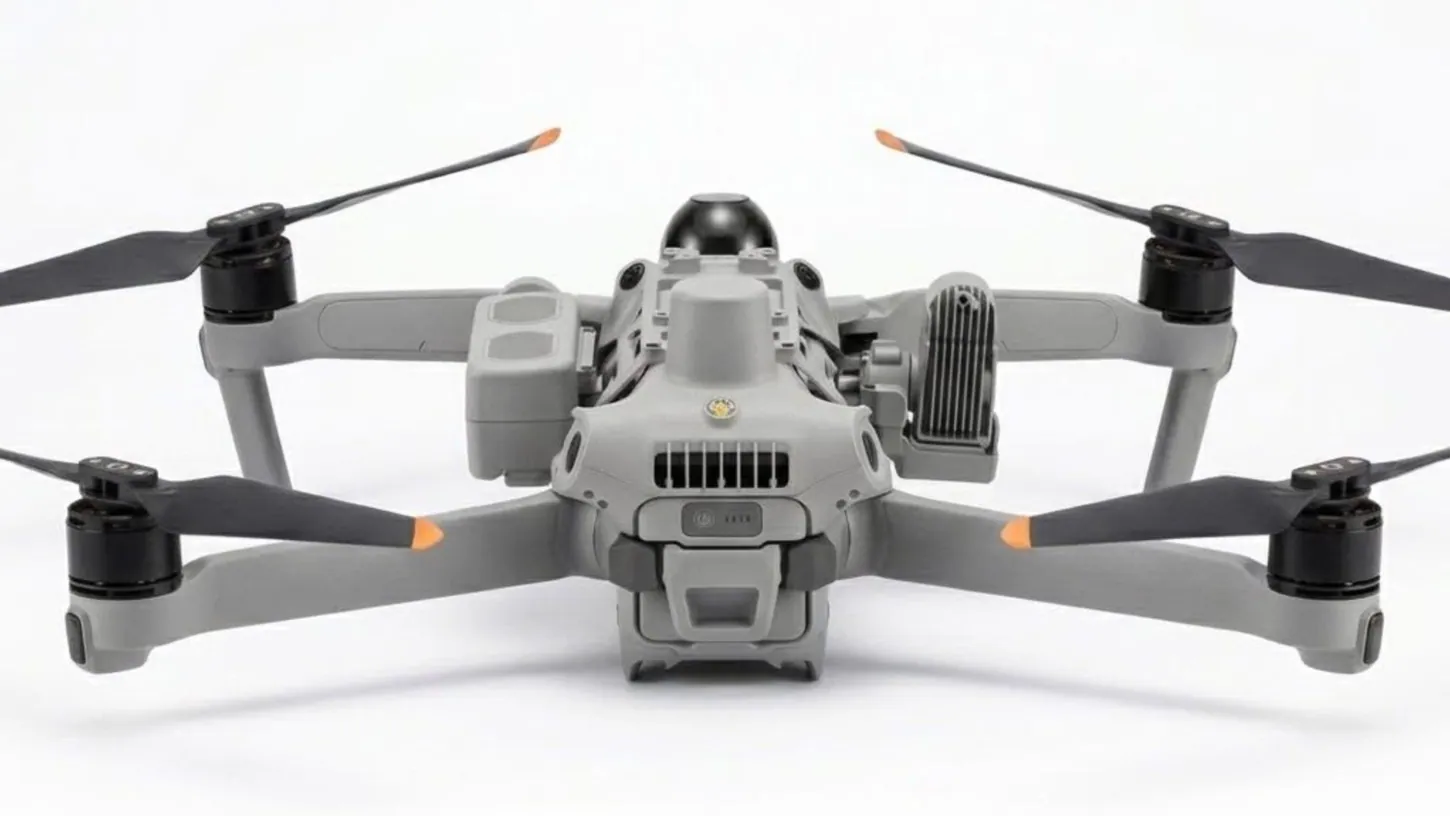
TOPR’s pilots launched Matrice 4TD and Matrice 5TD drones from the three sites under a Tatra National Park permit to pin down where an incident was. TOPR says the docks kept working day and night, in rain and in gusts up to 45 mph (20 m/s).
TOPR’s summary of the test, published in Polish with a video, says the setup cuts out the time a drone pilot used to need just to reach the scene. The drones carry thermal cameras and loudspeakers, and they can bring small items such as a headlamp or an AED to people waiting for help. Flying remotely, TOPR says, its standby pilots got an AED to a resuscitation in progress.
INNPRO, a Polish company TOPR has long worked with on drones, proposed the test, and it co-produced DJI’s case study. TOPR started flying drones in mid-2021, and eight rescue missions used one that year. By the end of September 2026, the count for this year stood at 61. More docks may follow as soon as next year, TOPR says, at the IMGW weather station on Kasprowy Wierch and at huts in the Kościeliska and Chochołowska valleys.
The post ends with a warning to visitors. Flying a private drone in the Tatras breaks aviation law, because the national park is a restricted zone, and it puts TOPR’s helicopter crew and the people under it at risk.
DJI Says Dock 4 Lets TOPR Launch Before the Ground Team Leaves Base
Dock 4 sits on a rooftop so its drone can launch before TOPR’s ground team leaves the base, DJI’s November 3 release says. Some Tatra locations cannot be reached by vehicle in winter. Assembling a team and walking to the trailhead could take up to two hours.
DJI’s release quotes Marcin Józefowicz, a TOPR rescuer who heads its Cybertech section: “We can assess the situation before we begin a physical operation.” The duty officer then decides whether a rescue is needed and how many volunteers to send. Over the scene, rescuers use the Matrice 5TD’s loudspeaker to ask hikers whether they need help, and the hikers answer with gestures. A hiker who waves the drone off lets the search move on.
The Matrice 5TD cannot be flown from a remote controller, so every flight runs through the dock. To get its signal over the ridges, TOPR placed DJI O4 relay stations on observation towers and peaks, and the drone hands off between them. That is the O4 Ground Station, an add-on for Dock 3 and a requirement for Dock 4. Józefowicz says the relays stretch TOPR’s range into neighboring valleys.
US Rescue Teams Can’t Buy Dock 4, and the FCC Is Weighing Dock 3
US search and rescue teams cannot buy the Dock 4 TOPR tested, because it has no FCC authorization. A pending FCC proposal in Docket 26-189 would also end imports and sales of foreign drones with docking stations or thermal cameras, which covers the Dock 3 and Matrice 4TD.
Senior FCC national security counsel Adam Chan said on a podcast published October 30 that the ban is still under consideration, and the FCC’s notice would end sales 180 days after an order is published. Kyle Nordfors, who runs the drone program for Weber County Search and Rescue in Utah and is the Mountain Rescue Association’s UAS chair, told the FCC in September that the proposal would cost American lives.
DroneXL’s Take
This is where mountain rescue is heading, and TOPR’s test shows why. The dock takes the drive and the hike out of the drone’s response while the pilot stays in Zakopane, so the duty officer sees the scene before anyone commits a team to the mountain. The FCC’s notice puts docking drones on its list of military-grade categories, next to thermal and LiDAR. In the Tatras, a dock at a mountain hut is how a volunteer gets a thermal camera and a loudspeaker over an injured hiker while the ground team is still packing. Nordfors’s team in Utah answers the same kind of call. I think the FCC should look hard at what TOPR just did before it labels docks military-grade.
Sources: TOPR, DJI Enterprise via PR Newswire, Portal Tatrzański.
DroneXL uses automated tools to support research and source retrieval. All reporting and editorial perspectives are by Haye Kesteloo. Read our editorial standards.